These Native Texas Shrubs Thrive In Front Yards When Planted In March
March in Texas brings warmer soil, longer days, and the perfect opportunity to refresh your front yard with plants that truly belong in the local landscape.
Native shrubs are especially reliable, adapting naturally to Texas heat, soil, and unpredictable weather while requiring far less maintenance once established.
Planting during this window allows roots to settle before intense summer temperatures arrive, giving shrubs a strong and healthy start.
Many of these natives offer year round appeal, with attractive foliage, seasonal blooms, and structure that enhances curb appeal without constant care.
They also support pollinators and local wildlife, bringing extra life and movement to your outdoor space. Choosing the right shrubs now can create a front yard that looks vibrant, balanced, and welcoming.
With proper timing and smart plant choices, your Texas landscape can grow stronger, stay resilient, and deliver lasting beauty throughout the changing seasons.
1. Texas Sage
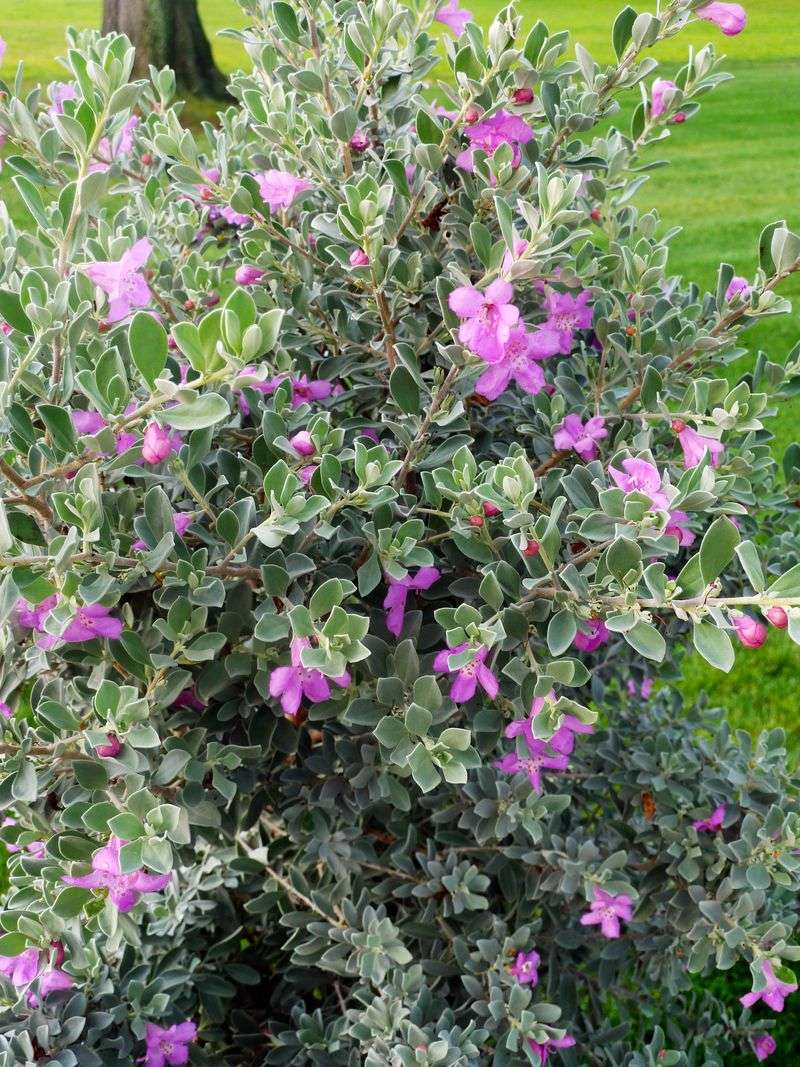
Silvery leaves catch sunlight like tiny mirrors across your front yard. Texas Sage earns its reputation as one of the toughest native shrubs you can plant. March planting gives roots time to spread before summer arrives.
Purple blooms appear like magic after rainfall, transforming the shrub into a cloud of color. Some folks call it Barometer Bush because flowers predict wet weather. The fuzzy, gray-green leaves stay attractive all year, even when blooms take a break.
Full sun makes this shrub happiest, and it laughs at drought once established. Poor soil doesn’t bother it one bit. Water deeply once a week during the first growing season, then back off completely.
Mature plants reach about five feet tall and wide, creating perfect natural hedges or standalone specimens.
Pruning keeps shapes tidy, but many Texas gardeners prefer the casual, rounded form. This shrub handles reflected heat from driveways and walls without complaint.
Hummingbirds and butterflies visit the tubular flowers regularly. Deer usually leave Texas Sage alone, which solves a common Texas landscaping problem. Plant spacing of four to five feet works well for hedges.
Native to the Chihuahuan Desert, this shrub knows Texas weather inside and out. March planting in Texas gives excellent results because spring moisture supports root development.
By summer, your Texas Sage will handle heat like the native champion it is.
2. Autumn Sage
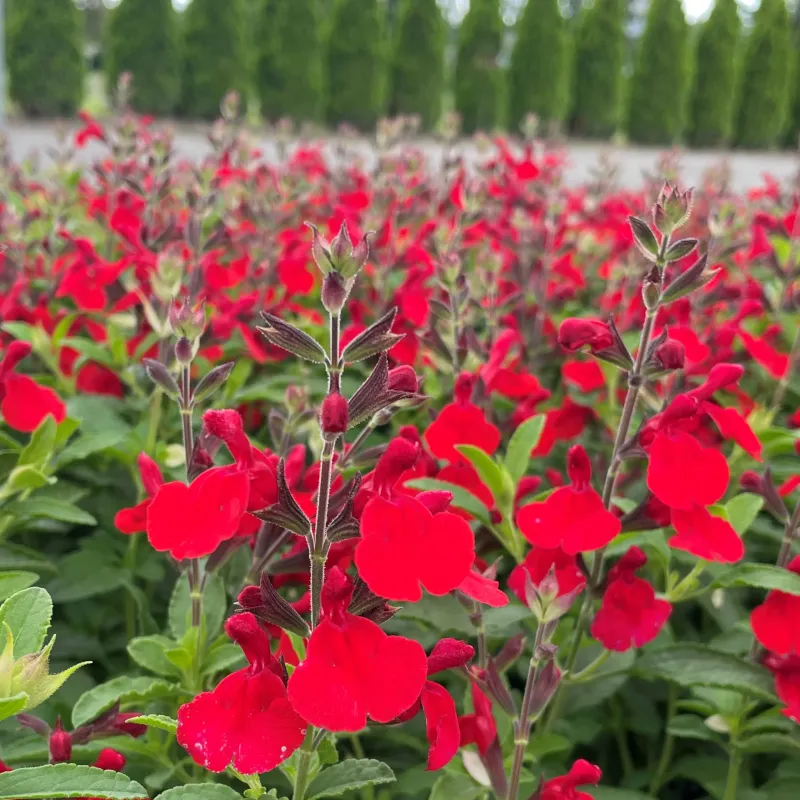
Compact size makes Autumn Sage perfect for front yard borders and foundation beds. Bright flowers keep coming from spring through fall, giving months of color. Red blooms attract hummingbirds like tiny helicopters buzzing around your yard.
This hardy native grows one to three feet tall depending on variety. Pink, white, coral, and red flower options let you match your home’s colors. The small leaves stay evergreen in most Texas winters, keeping your landscape looking full.
March planting in Texas works beautifully because mild temperatures help roots establish quickly. Full sun to light shade suits this adaptable shrub. Water regularly the first season, then cut back to occasional deep soaking during dry spells.
Butterflies join hummingbirds at the tubular flowers throughout warm months. Bees appreciate the nectar too, making your front yard a pollinator paradise. Deer tend to avoid the aromatic foliage, leaving your plants intact.
Trim back by one-third in late winter to encourage bushier growth and more blooms. Autumn Sage handles Texas heat without wilting or looking stressed. Rocky or clay soil doesn’t stop this tough customer from thriving.
Space plants two to three feet apart for a continuous border effect. Foundation plantings benefit from the low-maintenance nature and constant color.
Native to Texas and northern Mexico, Autumn Sage understands local growing conditions perfectly, making it ideal for Texas front yards.
3. Dwarf Yaupon Holly
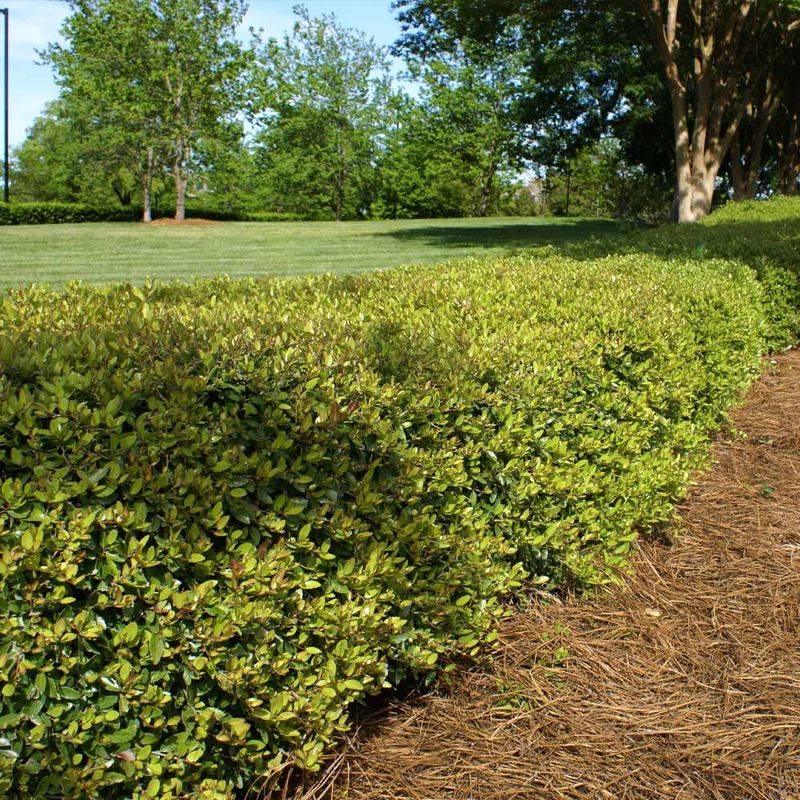
Rounded shapes form naturally without much pruning effort. Dwarf Yaupon Holly creates those neat, structured looks that make front yards feel polished. Tiny evergreen leaves stay dark green year-round, providing constant visual interest.
This Texas native adapts to almost any soil type, from sandy to heavy clay. Heat and drought barely faze established plants. March planting gives roots plenty of time to settle before summer temperatures climb.
Mature height reaches about three to five feet, though pruning keeps plants smaller if desired.
Width matches height, creating perfect spheres or cubes depending on your trimming style. Foundation plantings and pathway borders both work beautifully with this versatile shrub.
Female plants produce tiny red berries that birds love during winter months. Male plants skip the berries but provide the same excellent foliage. Both genders handle full sun to partial shade without complaints.
Water deeply once weekly during the first growing season in Texas. After that, occasional rainfall usually provides enough moisture. Dwarf Yaupon Holly tolerates brief flooding and extended dry periods equally well.
Formal landscapes benefit from the neat growth habit and easy shaping. Informal yards appreciate the low maintenance requirements and reliable performance. Native to Texas coastal areas, this holly understands Gulf Coast humidity and inland heat.
Space plants three to four feet apart for hedges. Single specimens make excellent accent plants near mailboxes or entrances.
This shrub delivers structure and greenery without demanding constant attention in Texas front yards.
4. Texas Mountain Laurel
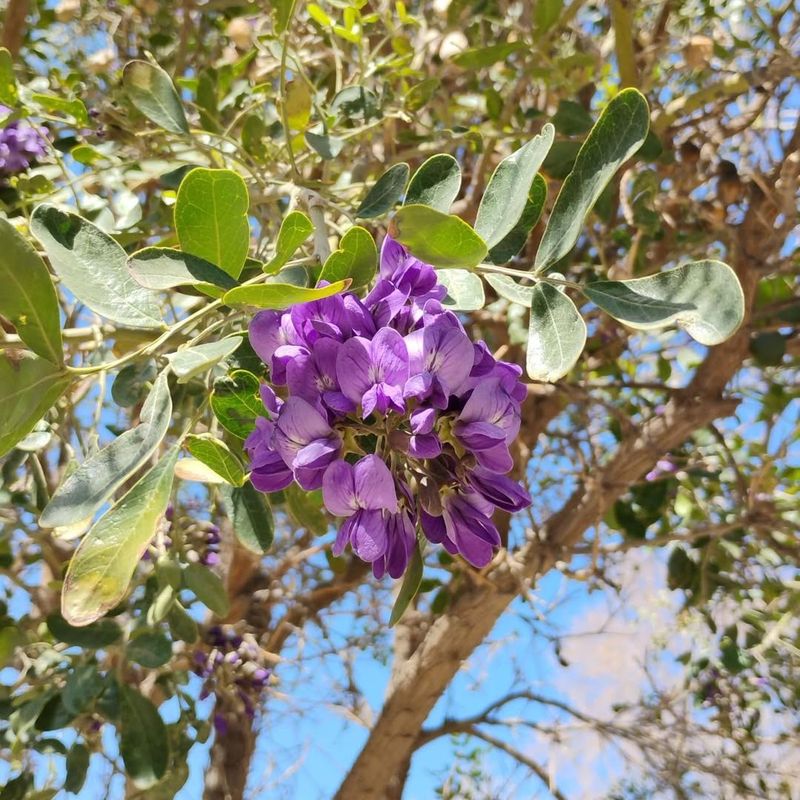
Grape soda fragrance fills the air when purple flower clusters bloom in spring. Texas Mountain Laurel creates an unforgettable sensory experience in front yards. Glossy evergreen leaves provide year-round beauty even when blooms finish.
Slow growth means patience pays off, but longevity makes the wait worthwhile. Mature specimens can live for decades with minimal care. March planting in Texas allows roots to establish during mild weather before heat arrives.
This native shrub eventually reaches eight to fifteen feet tall, though growth takes years. Small tree form or multi-trunk shrub shape both occur naturally. Near entrances, the fragrant blooms greet visitors with memorable sweetness.
Extreme drought tolerance develops once roots spread deep into Texas soil. Supplemental water helps young plants establish faster. After two years, rainfall alone usually provides sufficient moisture.
Full sun brings the best flowering and compact growth. Poor, rocky soil doesn’t bother this tough native one bit. Alkaline conditions that challenge other plants suit Texas Mountain Laurel perfectly.
Red seeds inside fuzzy pods look tempting but cause stomach upset if eaten. Keep pods picked up if young children play nearby. The seeds contain toxic compounds that wildlife generally avoid.
Focal points near doorways showcase the spectacular spring blooms and fragrance. Foundation corners benefit from the evergreen structure.
Native to limestone hills across Texas, this shrub handles rocky soil and summer heat like a champion, making it perfect for challenging front yard spots.
5. Flame Acanthus
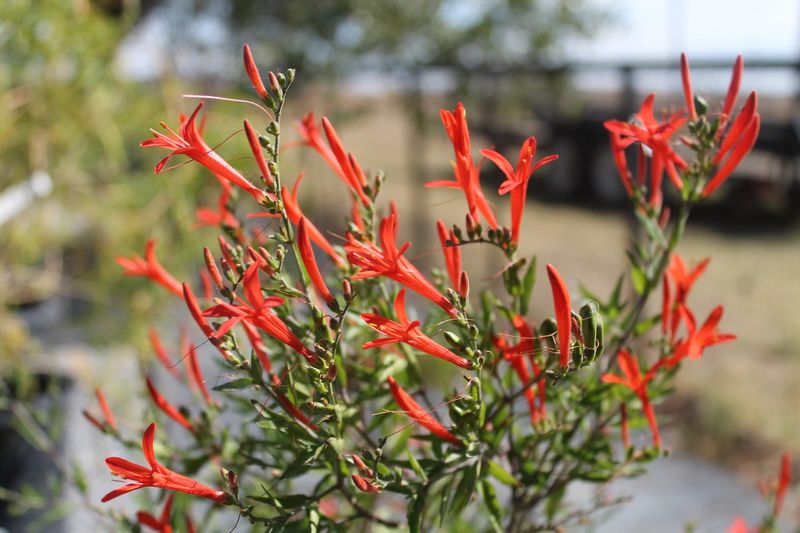
Bright red-orange tubes of color set your front yard ablaze from summer through fall. Flame Acanthus loves heat that makes other plants wilt. Hummingbirds can’t resist the nectar-filled flowers that keep blooming for months.
This carefree native grows three to five feet tall with an equal spread. Narrow green leaves create an airy texture that contrasts nicely with broader-leaved plants.
March planting in Texas gives roots time to spread before the shrub hits its summer blooming stride.
Full sun produces the most flowers, though light shade works fine too. Rocky soil, clay soil, or sandy soil all support healthy growth.
Drought tolerance develops quickly, making this shrub perfect for low-water Texas landscapes.
Natural, informal front yards benefit from the relaxed growth habit. Cottage-style gardens appreciate the constant color and pollinator activity. Native plant enthusiasts value the authentic Texas heritage and wildlife support.
Butterflies visit flowers alongside hummingbirds, creating movement and life in your yard. Bees stop by occasionally for nectar too. Deer usually pass by without nibbling, leaving your colorful display intact.
Cut stems back to six inches in late winter to encourage fresh, vigorous growth. New shoots emerge quickly as temperatures warm. Blooms appear on new wood, so spring pruning doesn’t reduce flower production.
Water weekly during establishment, then forget about irrigation except during severe droughts.
Native to rocky slopes and canyons across Texas, Flame Acanthus understands heat and limited rainfall. This shrub brings fiery color to Texas front yards without demanding constant attention.
6. American Beautyberry
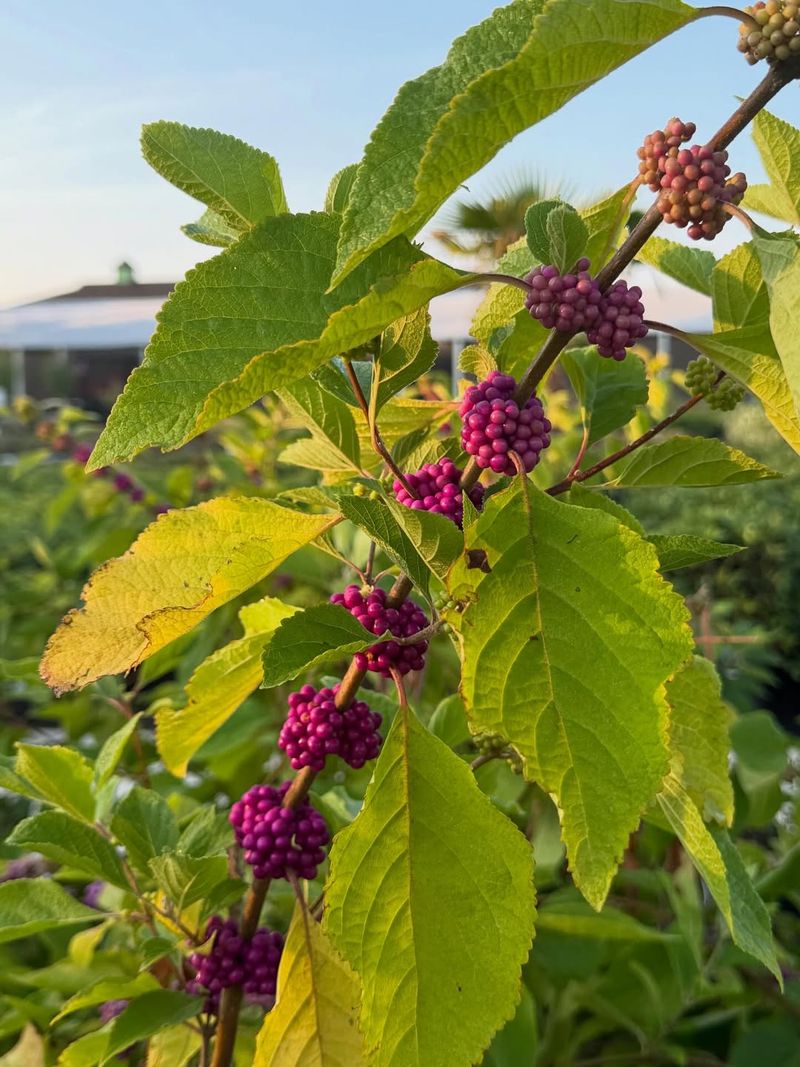
Bright purple berries cluster along branches like jeweled bracelets each fall. American Beautyberry puts on a show that stops people in their tracks. Birds flock to feast on the berries, bringing movement and song to your Texas front yard.
This deciduous native grows four to six feet tall with gracefully arching branches. Small pink flowers appear in spring, attracting early-season pollinators. The real magic happens in autumn when berries turn brilliant magenta-purple.
Sun to partial shade both work well for this adaptable shrub. March planting in Texas allows roots to establish before summer heat arrives.
Moist soil produces the best growth, though established plants handle dry spells reasonably well.
Wildlife benefits multiply with this native choice. Bees visit spring flowers for nectar and pollen.
Butterflies stop by occasionally too. Cardinals, mockingbirds, and other songbirds devour fall berries enthusiastically.
Natural landscapes and cottage gardens suit the informal growth habit perfectly. Mixed borders benefit from the seasonal interest and wildlife value. Foundation plantings work if you prefer a looser, less formal look.
Cut back by one-third in late winter to maintain size and encourage bushier growth. New shoots produce the best berry displays. Without pruning, plants can become somewhat leggy over time.
Space plants four to five feet apart for mass plantings. Single specimens create excellent focal points in fall.
Native to East Texas forests and thickets, American Beautyberry adapts well to cultivated front yards while supporting local wildlife throughout the seasons.
7. Buttonbush
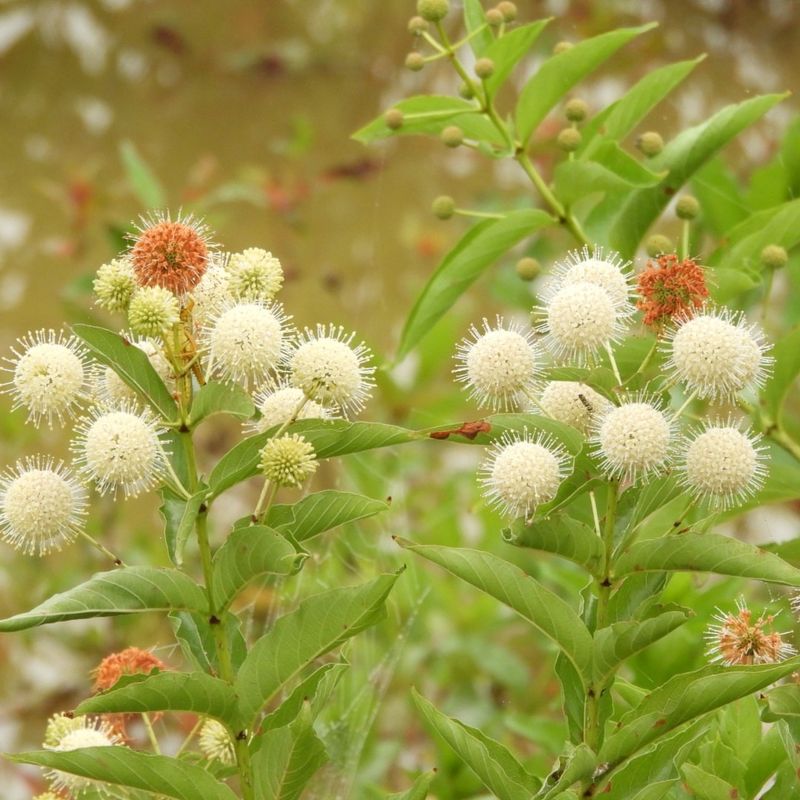
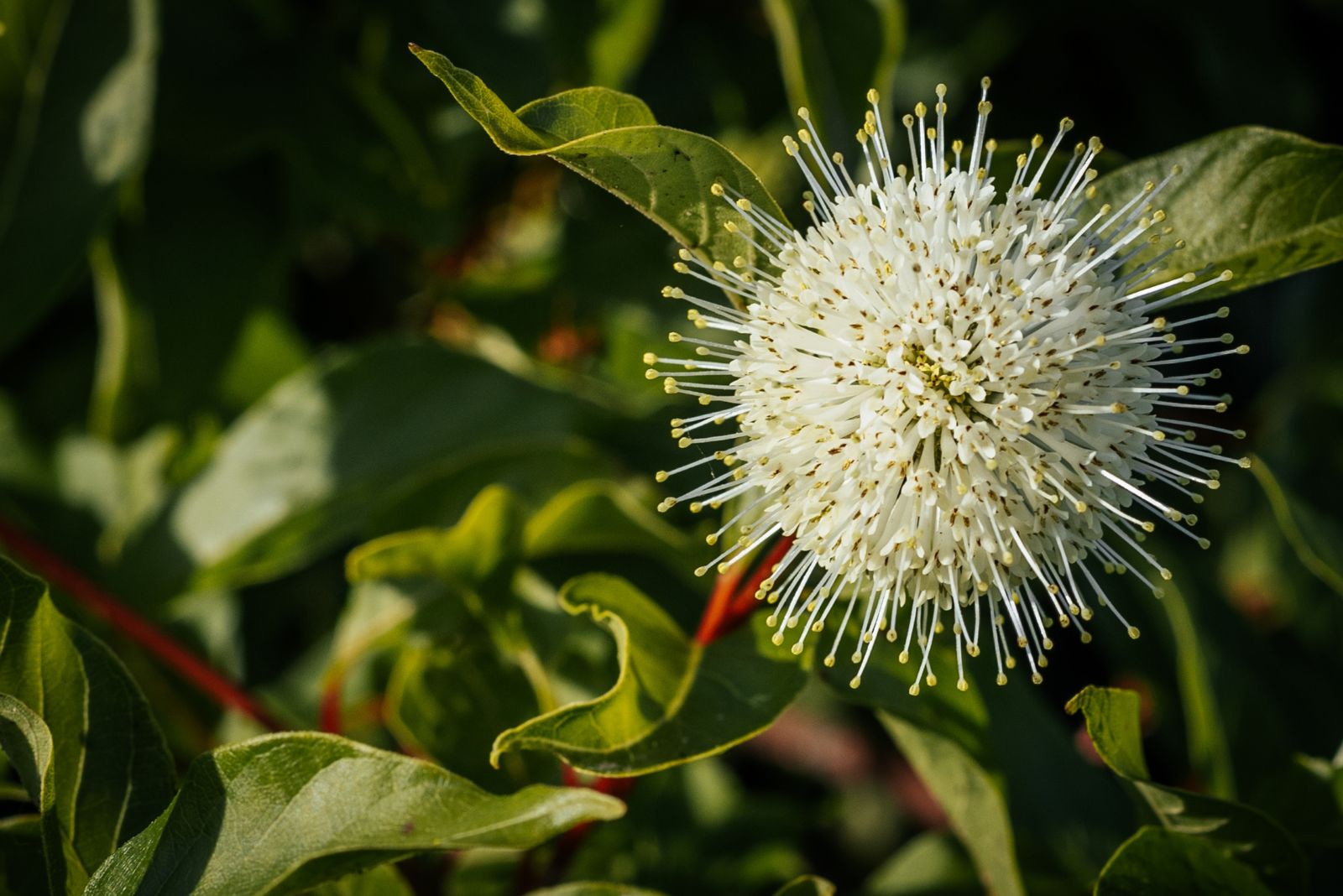
Round white flowers look like pincushions stuck with pins, creating unique garden interest. Buttonbush blooms attract more pollinators than almost any other native Texas shrub.
Bees, butterflies, and hummingbirds all visit the spherical flower heads throughout summer.
This deciduous shrub grows six to twelve feet tall in favorable conditions. Glossy green leaves provide lush texture during growing season. March planting in Texas works perfectly because spring moisture supports establishment.
Moist soil brings out the best growth and flowering. Near downspouts or low spots where water collects suits this shrub perfectly. Once established, Buttonbush adapts to average garden conditions surprisingly well.
Full sun to partial shade both produce good results. More sun means more flowers and denser growth. Light shade works fine but may reduce blooming somewhat.
Pollinator gardens benefit enormously from including this native shrub. Natural front yards gain authentic Texas character. Wildlife-focused landscapes provide essential nectar sources when Buttonbush blooms.
Seed balls follow flowers in fall, creating interesting texture and feeding birds. Ducks and other waterfowl eat the seeds in wild settings. Songbirds visit occasionally too.
Prune in late winter to control size if needed. Buttonbush tolerates hard cutting back when necessary. New growth emerges vigorously as temperatures warm.
Space plants five to six feet apart for screening effects. Single specimens make excellent focal points near water features.
Native to wetlands and stream banks across Texas, Buttonbush brings authentic native character to front yards while supporting countless pollinators and beneficial insects throughout the growing season.