These 8 Ohio Border Plants Make The Whole Patio Smell Like Summer
Some patios just feel different. The air sits a little sweeter, evenings linger longer, and without quite knowing why, people find themselves staying outside later than they planned.
That quality rarely comes from furniture or lighting. It comes from what is growing at the edges.
Ohio summers have a generosity to them, warm enough to coax fragrance out of the right plants and long enough to keep it coming from late spring well into fall.
A patio border planted with scent in mind turns an ordinary outdoor space into somewhere people actually want to spend time.
None of the plants that do this best are fussy or hard to source. Most are familiar, a few might be new, and all of them earn their place along a border by doing more than just looking good.
The right combination makes the whole patio smell like the best version of summer.
1. Lavender Adds A Clean Summer Scent Along Sunny Edges
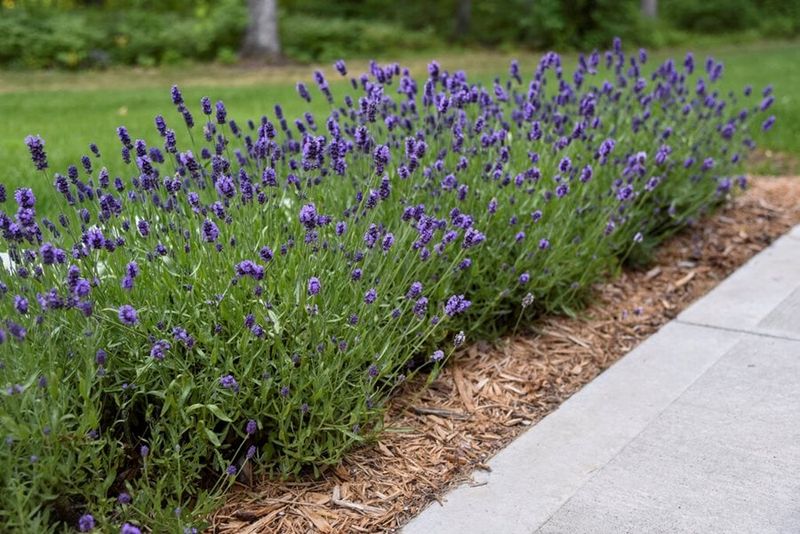
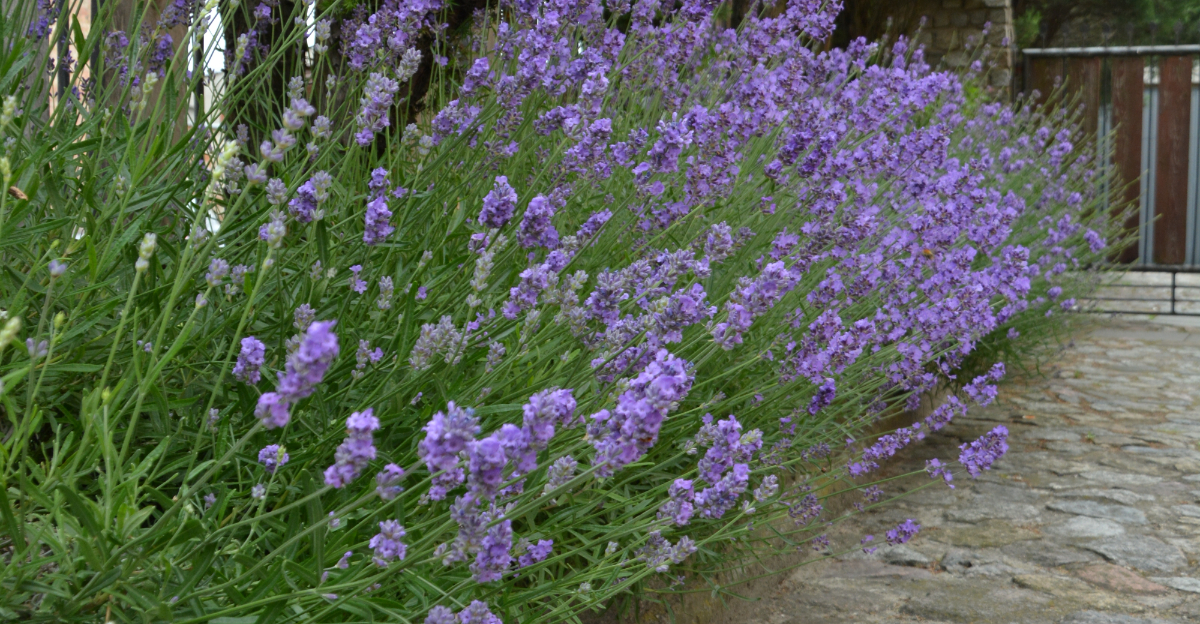
Few scents read as unmistakably summer as lavender drifting across a warm patio on a breezy afternoon. The clean, herbal fragrance comes directly from the flowers, which means you do not have to brush against the plant to enjoy it.
Plant lavender along the sunniest edge of your patio or walkway where it will get at least six to eight hours of direct sun each day.
Drainage is the single most important thing to get right. Heavy clay soil and wet roots are the main reasons lavender struggles in local gardens.
Raised beds, berms, and slightly elevated planting spots all help water move away from the roots quickly. Sandy or amended loamy soil works best.
Avoid low-lying spots that collect moisture after rain.
In many parts of the state, summer humidity is the bigger challenge. Good airflow around each plant reduces moisture buildup and helps the foliage stay healthy.
Space plants generously and avoid crowding them with other moisture-loving neighbors.
English lavender varieties like Hidcote and Munstead tend to handle Ohio climate better than some of the more tender Spanish types.
Plant slightly high in the soil, water during dry spells, and then step back. Lavender genuinely prefers a little neglect over too much attention, especially when it comes to watering and fertilizing.
2. Sweet Alyssum Releases Honey-Like Fragrance Near The Patio
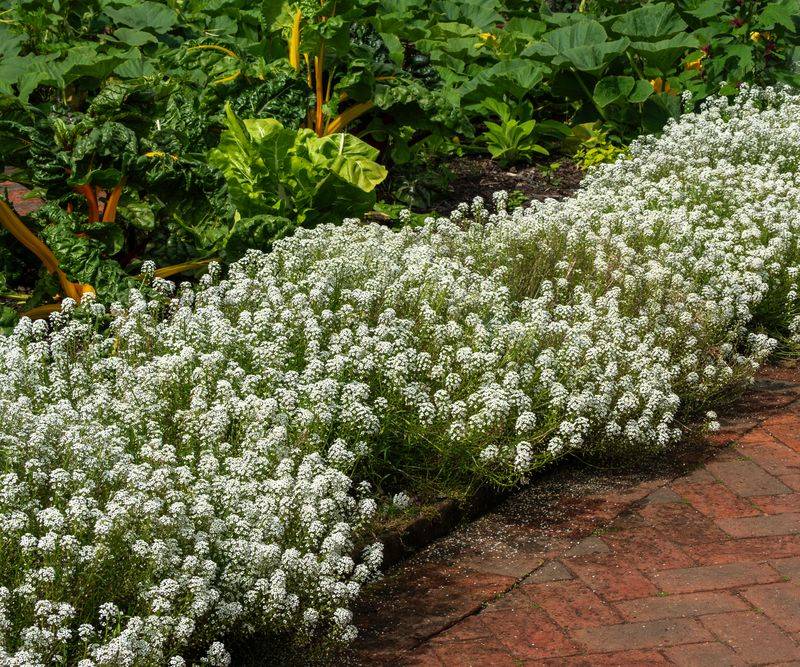
There is something almost surprising about how much fragrance such a small plant can put into the air. Sweet alyssum grows only a few inches tall, but on a warm afternoon, the honey-like scent from its tiny clustered flowers can drift several feet in every direction.
It is one of the easiest annuals to tuck along a patio edge, container rim, or walkway border.
Plant it in well-drained soil or a quality potting mix and give it steady moisture, especially during the first few weeks after planting. It performs beautifully in the cooler parts of summer and in the shoulder seasons of late spring and early fall.
When temperatures climb into the upper 80s and stay there, sweet alyssum can slow down and bloom less heavily. That is completely normal behavior, not a sign something went wrong.
Your Ohio Garden Changes Every Week. Your Plan Should Too.
Gardening in Ohio changes quickly throughout the season. Every Friday you’ll receive a simple weekly plan showing exactly what to plant, prune, fertilize, harvest, and protect so you never miss the right timing.
If plants start to look tired or stretched in midsummer heat, give them a light trim and a small drink of balanced liquid fertilizer. Many gardeners are surprised when the plants bounce back with a fresh flush of blooms as temperatures ease in late summer.
White varieties tend to carry the strongest fragrance. Look for varieties like Carpet of Snow or Wonderland White when shopping at local garden centers.
Sweet alyssum also works beautifully as a filler in mixed patio pots alongside taller annuals.
3. Dianthus Brings A Spicy Clove Scent To Walkway Borders
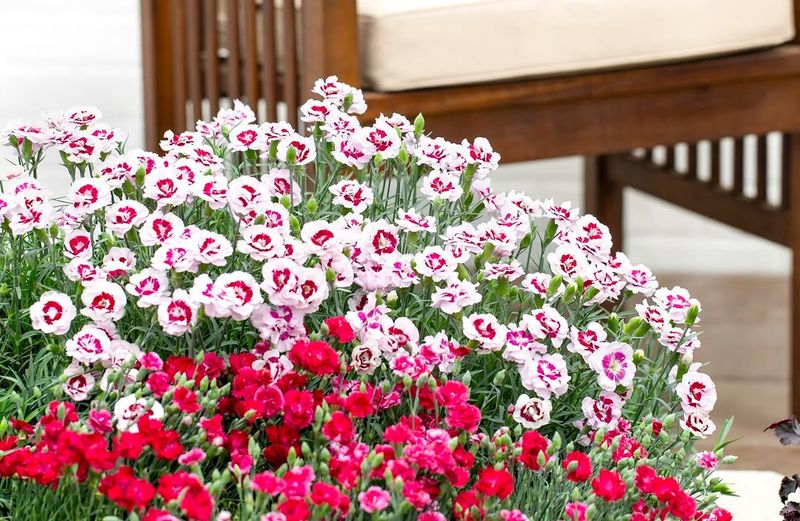
Walk past a patch of strongly scented dianthus and the clove-like fragrance hits you before you even look down. That warm, spicy sweetness is one of the most distinctive flower scents in the summer garden.
It works especially well along paths and walkway edges where people pass close by. Dianthus is compact, tidy, and fits naturally along patio borders and container rims.
Full sun and well-drained soil are the two non-negotiables for good performance. Most dianthus varieties prefer at least six hours of direct sun and do not like sitting in wet or compacted ground.
Raised borders and containers with good drainage work very well. Trimming spent blooms regularly encourages the plants to keep producing fresh flowers and fragrance through the season.
One important note: fragrance varies significantly by variety. Many modern dianthus sold at big-box garden centers were bred for color and disease resistance, not scent.
If fragrance is your goal, look specifically for varieties labeled as scented. Old-fashioned cottage pinks, the Memories series, and some of the Telstar varieties are known to carry noticeable fragrance.
Asking at a local independent garden center is often the fastest way to find a reliably fragrant selection. Dianthus also tends to be deer-resistant, which is a useful bonus in suburban and semi-rural home landscapes across many parts of the state.
4. Garden Phlox Fills Warm Evenings With Classic Summer Fragrance
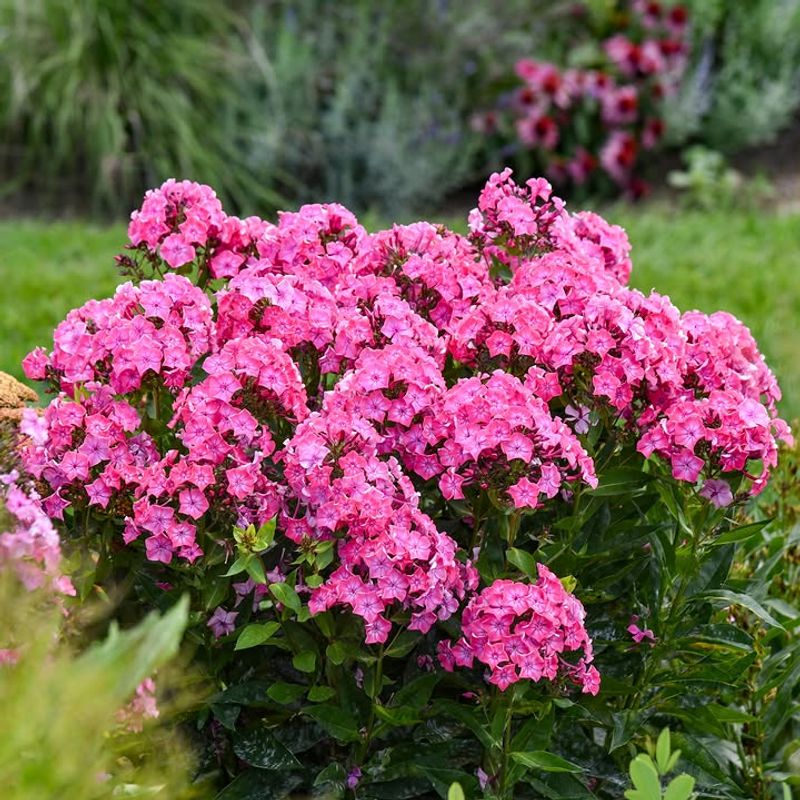
On a still summer evening, few border plants deliver the kind of classic, sweet fragrance that tall garden phlox can bring to a seating area. The scent is soft and pleasant rather than sharp, and it tends to become more noticeable as the air cools slightly after sunset.
Placing garden phlox near a patio, deck edge, or garden bench lets you catch that fragrance right where you want it.
Phlox prefers sun to part sun and does best in fertile, well-drained soil with consistent moisture during dry spells. Feeding with a balanced fertilizer in spring and again in early summer helps support strong bloom.
The taller varieties can reach three to four feet, so they work well at the back or middle of a mixed border rather than right at the front edge.
Powdery mildew is the most common challenge with garden phlox in our humid summers. Choosing mildew-resistant varieties is one of the smartest moves you can make.
David, a white-flowered variety, is widely recommended for both fragrance and disease resistance. Jeana is another excellent choice with strong fragrance and very good resistance.
Give plants plenty of airflow by spacing them correctly and avoiding crowded plantings. Also keep in mind that not every cultivar smells equally strong, so check variety descriptions before buying and prioritize those specifically noted for scent.
5. Heliotrope Adds A Sweet Vanilla Scent In Patio Containers
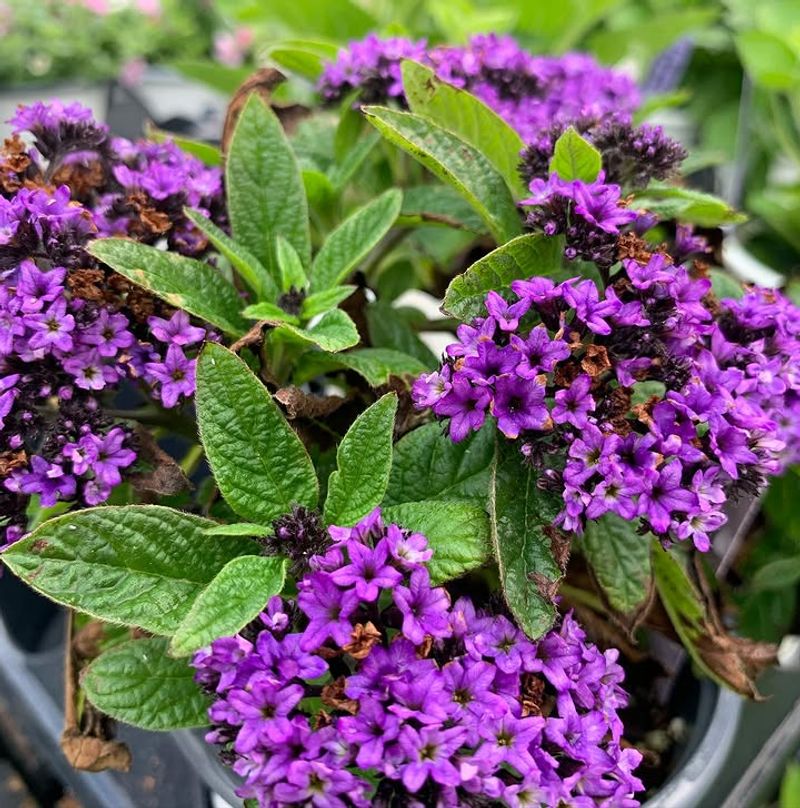
Heliotrope has a scent that is hard to describe until you smell it for the first time, and then you never forget it. It is often called vanilla or cherry pie, and it is genuinely one of the sweetest flower fragrances available to summer gardeners.
Because the scent is strongest up close, heliotrope works best in patio pots, container groupings, and border edges right next to seating areas.
It is a tender annual in this state and will not survive winter outdoors. Most gardeners purchase transplants in late spring after frost danger has passed.
Heliotrope likes sun to part sun and appreciates consistent moisture in well-drained potting mix. It does not like to dry out completely between waterings, especially during hot stretches.
A slow-release fertilizer mixed into the potting soil at planting time supports steady growth and blooming.
The deep purple varieties, including the classic Marine and the more compact Dwarf Marine, are among the most fragrant. Some lighter-colored selections have been noted as less strongly scented, so read variety descriptions carefully before purchasing.
Heliotrope combines beautifully with white alyssum, soft pink petunias, or trailing verbena in mixed patio pots. If you want to save a favorite plant over winter, bring heliotrope indoors before frost.
Keep it as a houseplant in a bright, sunny window until the following spring.
6. Oriental Lilies Bring Bold Perfume To Summer Borders
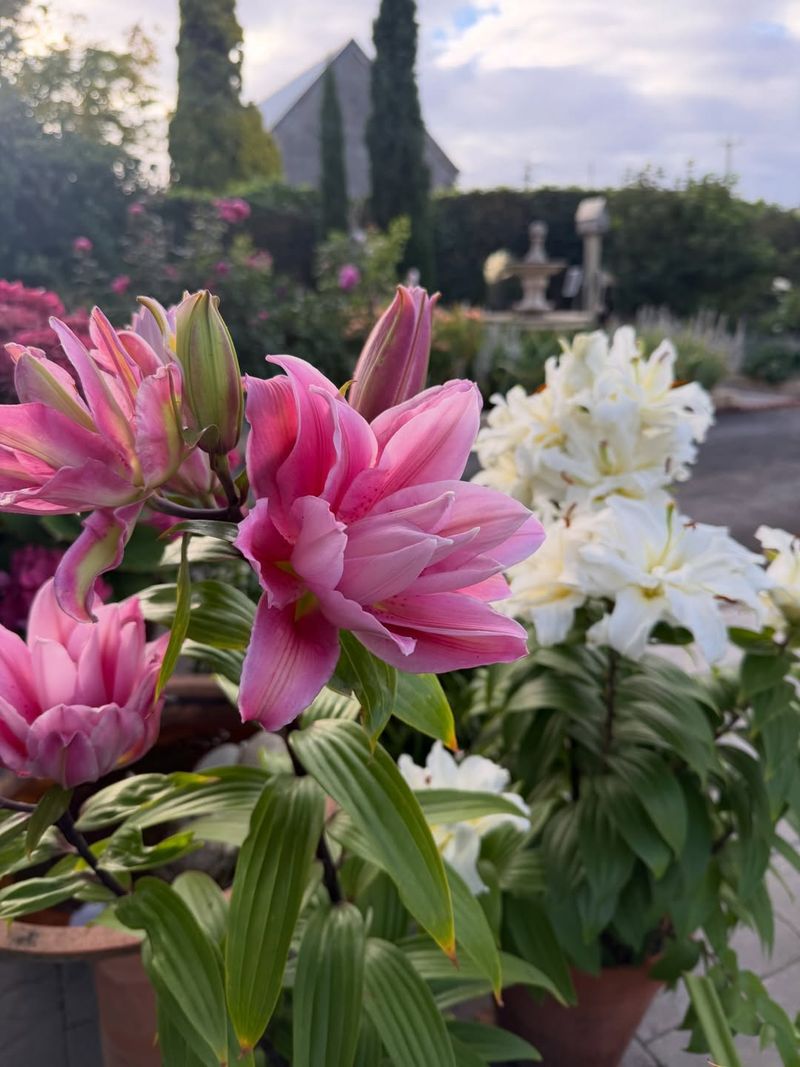
Bold is the right word for Oriental lily fragrance. These are not subtle flowers.
On a warm summer afternoon, a single stem in bloom can fill the air around a seating area with a rich, sweet perfume that carries real presence. Planted near a patio or garden bench, they make a strong sensory impression during their peak bloom period in midsummer.
Oriental lilies prefer a spot with sun to part sun and well-drained soil. They dislike wet feet, so raised beds and borders with good drainage suit them well.
Planting the bulbs in fall or early spring gives them time to settle in before bloom. A layer of mulch over the planting area helps moderate soil temperature and retain moisture during dry spells without keeping the soil soggy.
One warning that every gardener needs to hear clearly: lilies are highly toxic to cats. Every part of the plant, including the pollen, the water in a vase with cut stems, and fallen petals, can cause serious harm.
If cats spend time in your garden or have access to cut flowers indoors, Oriental lilies are not a safe choice. For households without cats, they are one of the most rewarding fragrant border plants available.
Casablanca and Stargazer are two of the most reliably fragrant varieties widely available at local garden centers and bulb suppliers.
7. Fragrant Petunias Add Evening Scent To Patio Pots
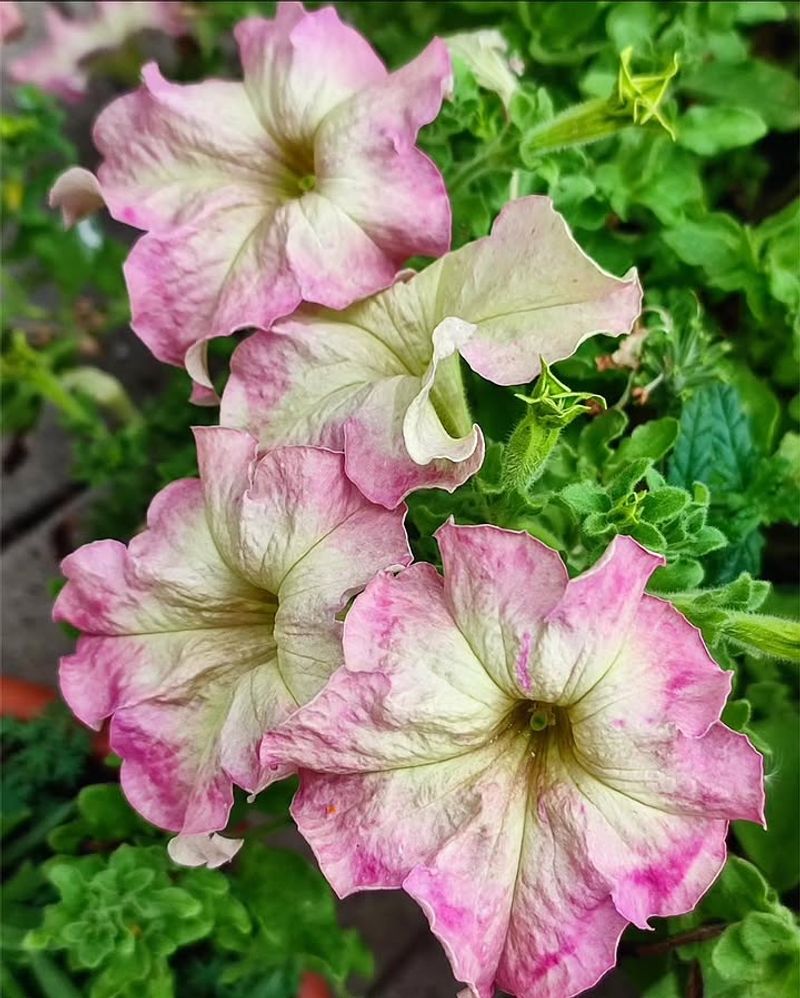
Not every petunia you pick up at a garden center will reward you with fragrance, and that is worth knowing before you shop. Modern hybrid petunias have largely been bred for color intensity, weather tolerance, and compact growth.
Many of them have little to no scent. But seek out the right varieties and petunias can surprise you with a sweet, light fragrance that becomes more noticeable in the warm evening air.
White-flowered petunias and some of the older-style varieties tend to carry the most fragrance. The Sophistica series and some of the Grandiflora types have been noted by gardeners for having a pleasant scent.
If you are shopping at an independent garden center, asking staff about scented varieties is often more reliable than reading generic tags. Petunias work well in pots, hanging baskets, window boxes, and along the front edge of borders near seating areas.
Give petunias full sun, well-drained soil or potting mix, and regular watering. They benefit from a balanced liquid fertilizer every couple of weeks during the growing season.
Trimming faded blooms and trimming back leggy stems in midsummer keeps plants full and blooming. Petunias are annuals in this climate and will not return after frost.
They are easy to replace and widely available throughout the growing season at most local garden centers and nurseries.
8. Fragrant Roses Bring Classic Summer Perfume To Borders
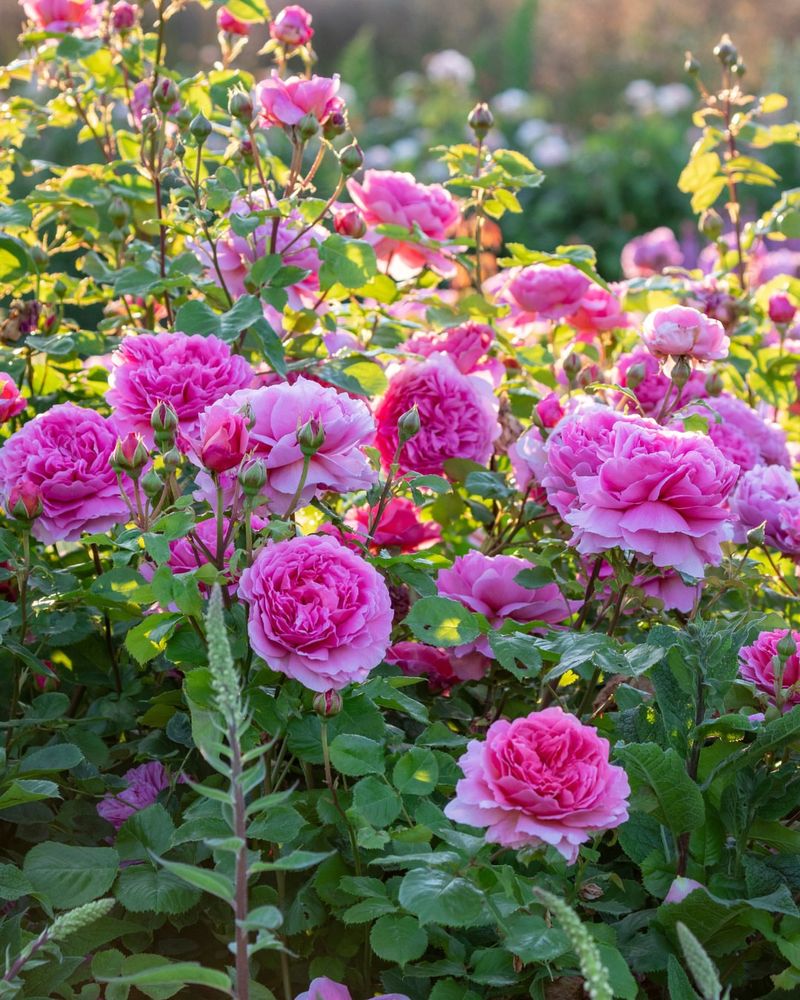
A summer garden near a patio feels complete in a different way when roses are part of it. The classic, layered perfume of a truly fragrant rose variety is something no other plant quite matches.
That said, not every rose delivers on fragrance. Many modern hybrid teas and landscape roses were developed for repeat bloom, disease resistance, and heat tolerance, sometimes at the expense of scent.
Choosing the right variety matters more than almost anything else. Look for shrub roses and landscape roses specifically noted as fragrant.
The Knock Out family, while popular and disease-resistant, is not known for strong scent.
Varieties like Fragrant Cloud, Mr. Lincoln, and many of the David Austin English roses carry much stronger fragrance and some of them show good performance in local gardens when given proper care.
Roses need full sun, at least six hours per day, and well-drained soil. Deep, infrequent watering at the base of the plant is better than frequent shallow watering.
Good airflow between plants is essential in our humid summers to reduce the risk of black spot and powdery mildew. Avoid crowding roses together or planting them against walls that trap moisture.
Mulching around the base helps retain soil moisture and regulate temperature. With the right variety and a little consistent care, roses near a patio seating area can be one of the most rewarding fragrant borders in the summer garden.