How To Water Tomato Plants In Michigan In May For Bigger Healthier Harvests
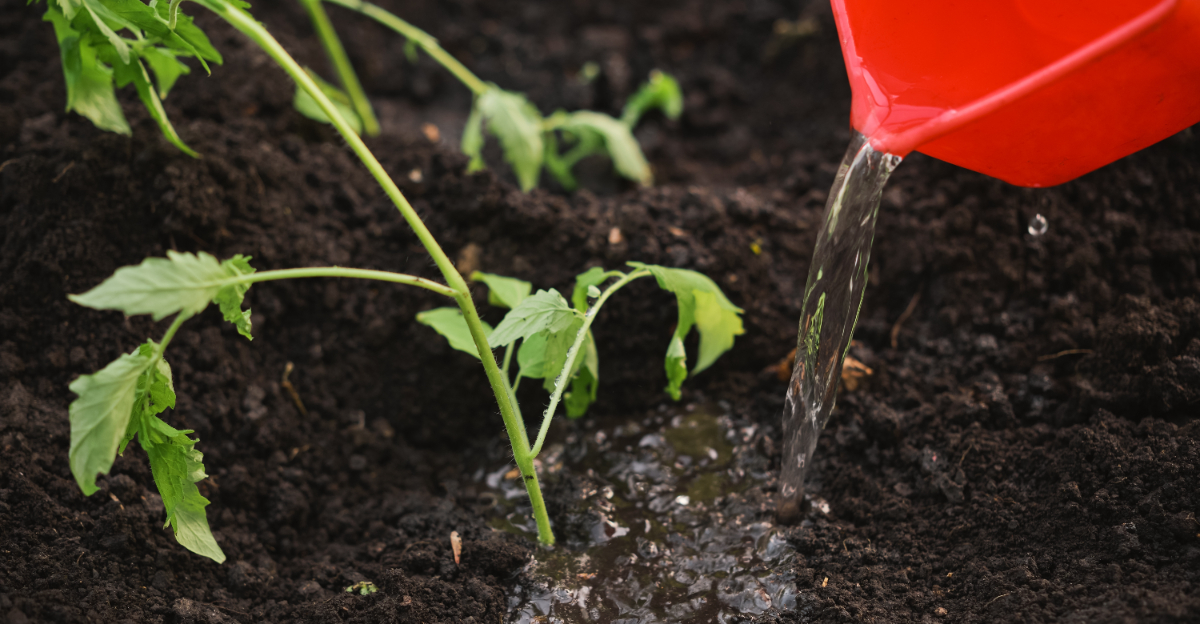
Watering tomatoes in May feels straightforward until you realize how many harvests are influenced by decisions made during this early part of the season.
Michigan’s May weather is unpredictable, cycling through cool stretches, warm days, and rain patterns that vary week to week across the state.
Tomato plants respond directly to how they are watered during this period, developing root systems that either run deep and support the plant through summer or stay shallow and struggle once heat arrives.
Getting watering right in May is less about how much water goes in and more about how and when it is delivered.
The habits established during these early weeks shape how the plant handles drought, heat, and the demands of heavy fruit production later in the season when consistent moisture matters most.
1. Deep Watering Builds Stronger Tomato Roots Than Daily Sprinkling
Most gardeners assume watering every day is the safest move, but shallow daily sprinkling actually trains tomato roots to stay close to the soil surface.
Tomatoes develops far stronger, more drought-resistant roots when water is delivered deeply and less frequently, encouraging roots to reach downward in search of moisture.
For Michigan gardens with clay soil, deep watering once every four to five days in May is usually enough because clay holds moisture longer. Sandy soil drains quickly, so plan on watering every two to three days to keep plants hydrated.
Raised beds fall somewhere in the middle, typically needing water every three days depending on how warm and sunny the week has been.
Container tomatoes are the exception. Pots warm up fast and lose moisture quickly, so checking them daily is smart practice.
Push your finger about two inches into the soil. If it feels dry at that depth, water slowly and thoroughly until it drains from the bottom.
Soaking the root zone completely rather than wetting just the surface gives roots a real reason to grow deep. Deeper roots mean more stable, productive plants all summer long, and that foundation starts right here in May.
2. Michigan Tomatoes Need More Water As Temperatures Suddenly Warm
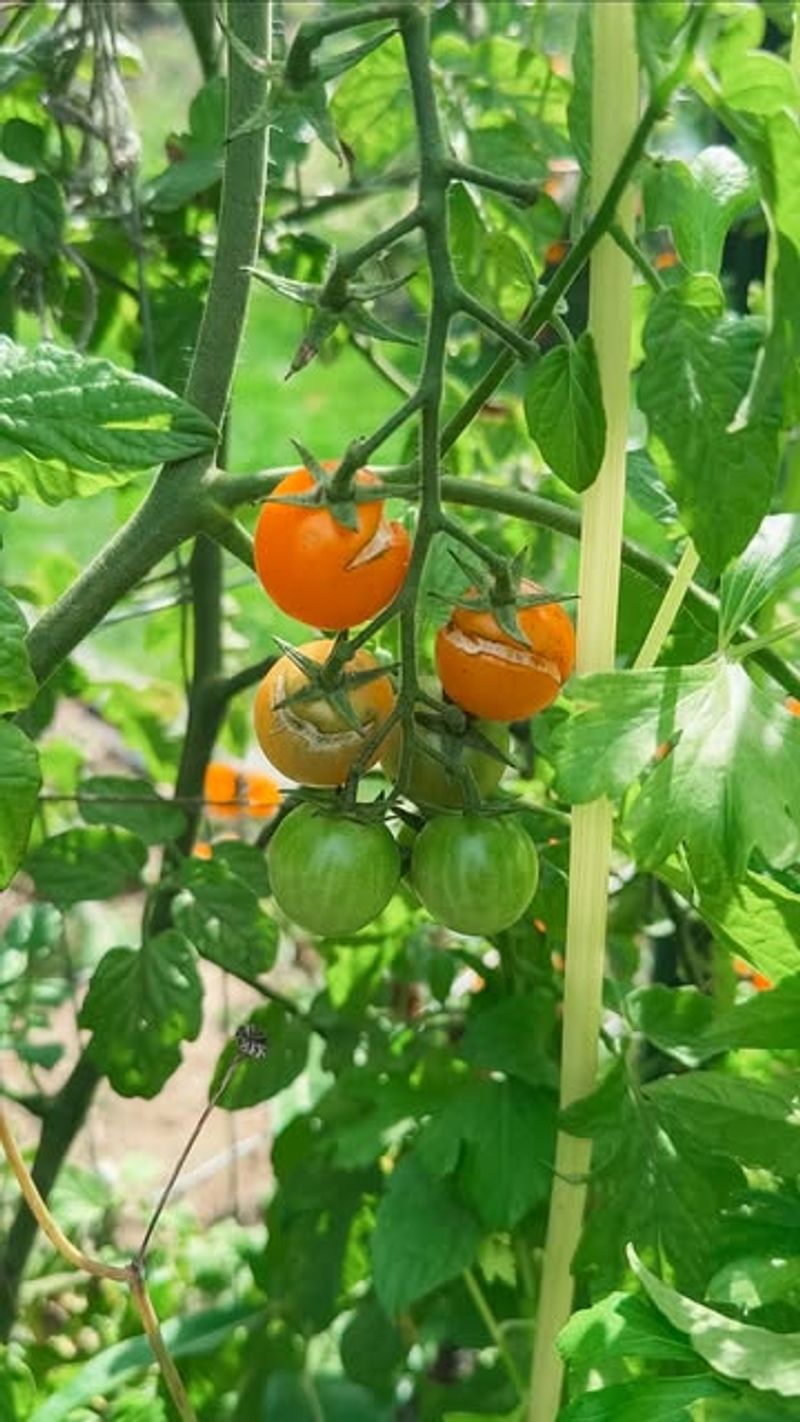
Michigan May weather is famous for its mood swings. One week you are dealing with cold rain and grey skies, and the next the sun is blazing and temperatures jump into the upper 70s.
Solanum lycopersicum reacts quickly to these shifts, and gardeners who stick to a rigid watering schedule often find their plants struggling when warmth arrives suddenly.
When temperatures rise, tomato plants pull water from the soil much faster through a process called transpiration. Leaves may begin to curl slightly during the hottest part of the afternoon, which is a natural stress response rather than a sign of permanent damage.
The smart move is to check your soil more frequently as the forecast warms up rather than waiting for obvious plant stress to appear.
Gradually increase how much water you apply as each warm stretch continues. If you were watering every four days during a cool week, shift to every two or three days when warmer weather settles in.
Your Michigan Garden Changes Every Week. Your Plan Should Too.
Gardening in Michigan changes quickly throughout the season. Every Friday you’ll receive a simple weekly plan showing exactly what to plant, prune, fertilize, harvest, and protect so you never miss the right timing.
Paying attention to the forecast rather than a fixed calendar is one of the most practical habits a tomato gardener here can build.
Plants that receive consistent, weather-matched moisture during May establish stronger vascular systems that handle summer heat far more effectively than plants that experienced early drought stress.
3. Wet Leaves Increase Disease Problems During Humid Weather
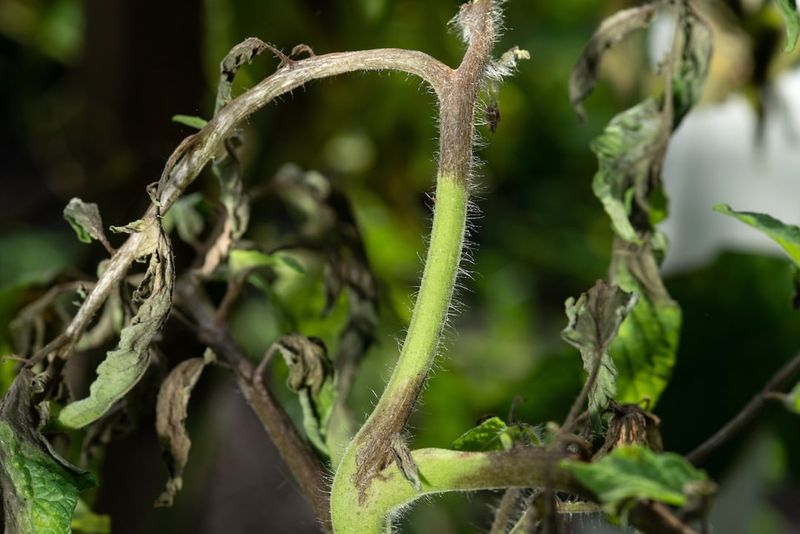
Watering tomatoes from above might seem convenient, but wet foliage is one of the fastest ways to invite fungal disease into your garden.
Solanum lycopersicum is particularly vulnerable to early blight and Septoria leaf spot, both of which spread rapidly when leaves stay wet for extended periods, especially during Michigan’s cool and humid May nights.
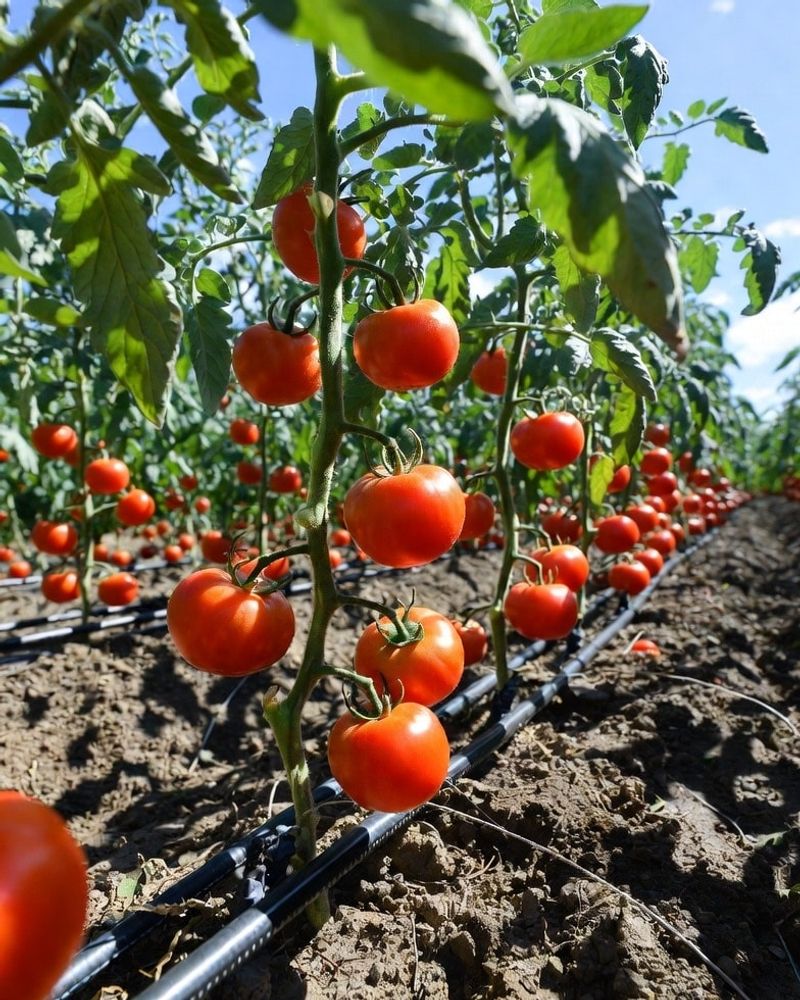
Drip irrigation is the gold standard for keeping tomato foliage dry. A simple drip line delivers water directly to the root zone without splashing soil or soaking leaves.
If drip irrigation is not an option, a watering can with a long spout or a hose with a gentle nozzle aimed directly at the soil base works well. The goal is to water the roots, not the plant.
Even on warm days, overhead watering should be avoided because moisture sitting on leaves creates the perfect environment for fungal spores to germinate and spread.
Soil splash during watering can also carry disease pathogens from the ground up onto lower leaves. Mulching around plants reduces this splash effect significantly.
By keeping leaves as dry as possible throughout May, you lower disease pressure early in the season and give your tomatoes a much healthier start before summer humidity and heat make disease management even more challenging.
4. Morning Watering Helps Tomato Plants Handle Michigan Temperature Swings Better
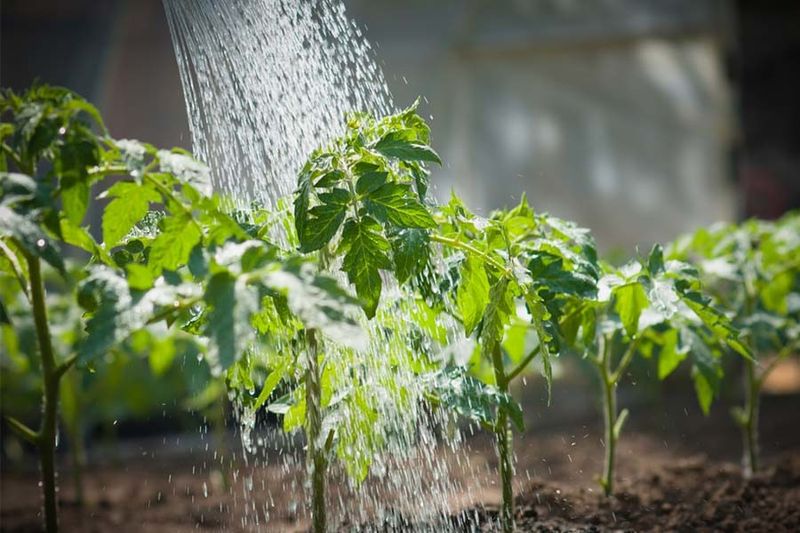
Timing matters more than most gardeners realize. Watering tomatoes in the morning gives them the best possible start to the day, allowing roots to absorb moisture before afternoon temperatures climb and soil begins drying out.
Morning watered plants are simply better prepared to handle whatever the Michigan spring weather decides to throw at them that day.
Another big advantage of morning watering is that any accidental moisture that lands on leaves has the entire day to evaporate before cooler evening temperatures arrive. Wet leaves at night create exactly the humid conditions that fungal diseases love.
Avoiding that overnight moisture is one of the simplest disease prevention habits you can build into your routine.
During cool rainy stretches in May, you may not need to water at all some mornings. Check the soil before reaching for the hose.
When an unexpected heat wave rolls in, morning watering becomes even more critical because plants need that stored soil moisture to survive afternoon heat without stress.
Evening watering is not ideal, but if mornings are not possible, water early enough that leaves can dry before dark.
Building a consistent morning watering habit in May sets a rhythm your tomato plants will benefit from all the way through harvest season, especially as summers grow increasingly warm and unpredictable.
5. Mulch Helps Tomato Soil Stay Consistently Moist
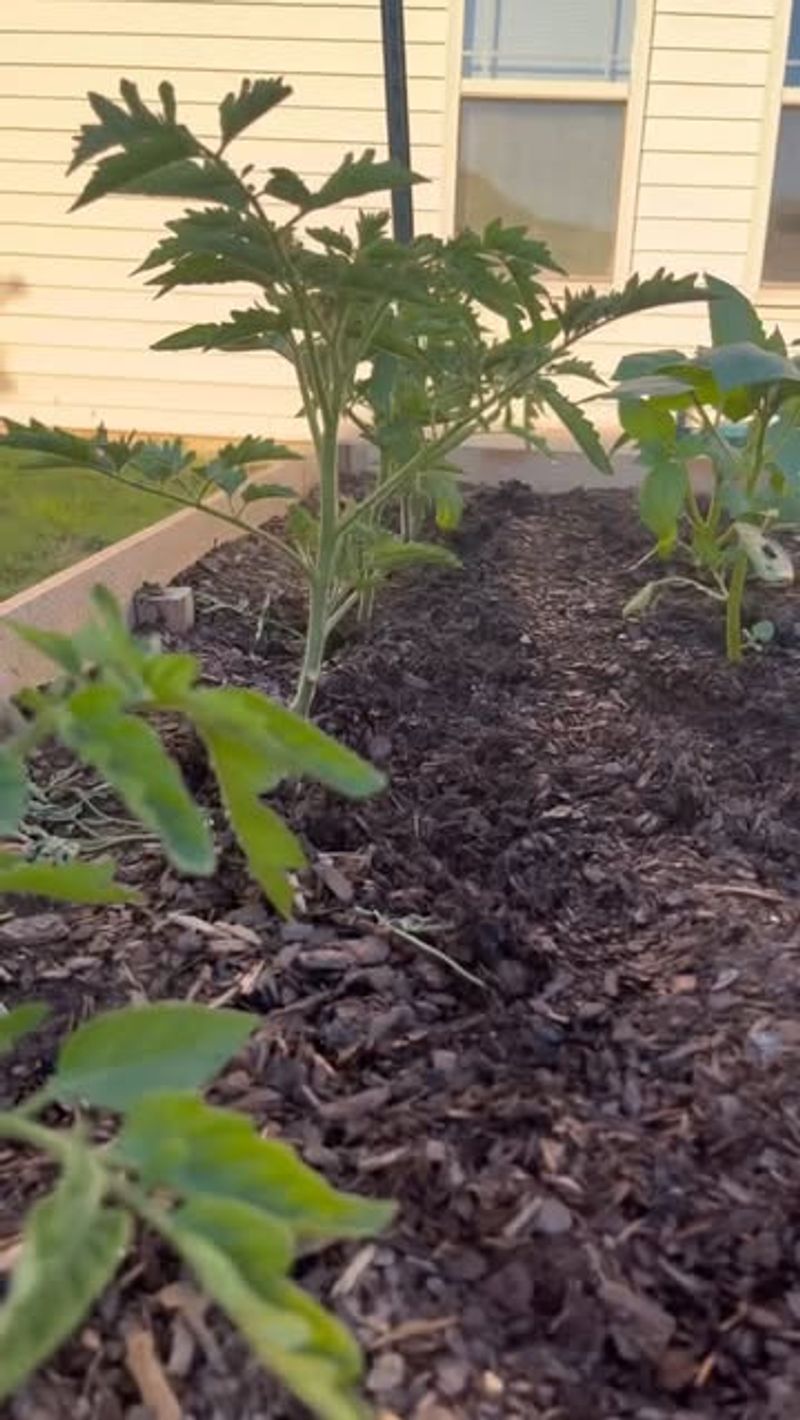
Bare soil dries out surprisingly fast once Michigan May sunshine and breezes get going. Spreading a layer of mulch around your tomato plants is one of the most effective and low-effort ways to hold onto that precious soil moisture between waterings.
Tomatoes thrive when the root zone stays consistently moist rather than cycling between wet and bone dry.
Straw, shredded leaves, and wood chips all make excellent mulch choices for Michigan tomato gardens. Apply a layer about two to three inches deep around each plant, spreading it out to cover the entire root zone area.
One important rule: keep the mulch a few inches away from the actual stem to prevent moisture from sitting against the base and encouraging rot or fungal issues at the soil line.
Beyond moisture retention, mulch does several other helpful things at once.
It reduces soil temperature swings during cool nights, limits weed competition that would steal water and nutrients from your tomatoes, and dramatically reduces soil splash during watering or rain.
That splash reduction alone lowers early blight pressure significantly.
Gardeners who mulch in May typically water less frequently than those who leave soil bare, saving both time and water over the course of the season while producing noticeably healthier, more productive plants by midsummer.
6. Overwatering In Cool Soil Can Damage Tomato Roots
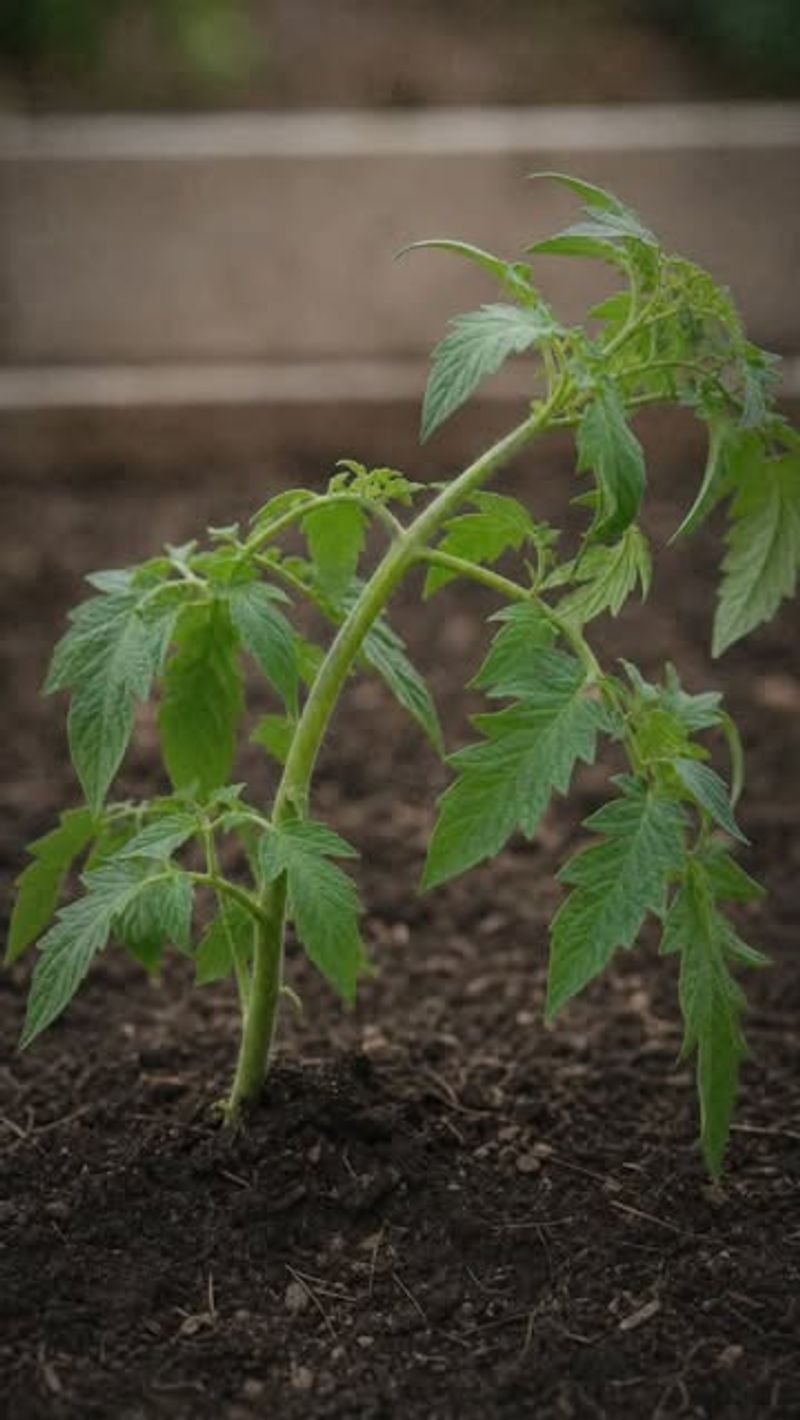
More water is not always better, and cool Michigan May soil proves that point clearly. When Solanum lycopersicum sits in waterlogged soil, the roots are deprived of the oxygen they need to function properly.
Saturated soil drives out the air pockets that roots depend on, and the result is slow, struggling growth even when the plant looks like it should be thriving.
Recognizing overwatering early makes a real difference. Yellowing lower leaves, a general lack of new growth, and stems that feel soft near the soil line are all signs that roots are sitting in too much moisture.
Many gardeners mistake these symptoms for nutrient deficiency and water even more, which worsens the situation quickly. The actual fix is simple: stop watering and let the soil dry out to an appropriate level before resuming.
Checking soil moisture before each watering session is the most reliable way to avoid overwatering. Push a finger or a wooden dowel two inches into the soil near the plant base.
If it comes out damp, the plant does not need water yet. If it comes out dry, it is time to water deeply.
This simple test takes seconds and saves plants from unnecessary stress. Cool May temperatures in Michigan mean soil stays moist longer than most gardeners expect, so trust what the soil is telling you rather than the calendar.
7. Container Tomatoes Dry Out Much Faster Than Garden Tomatoes In May
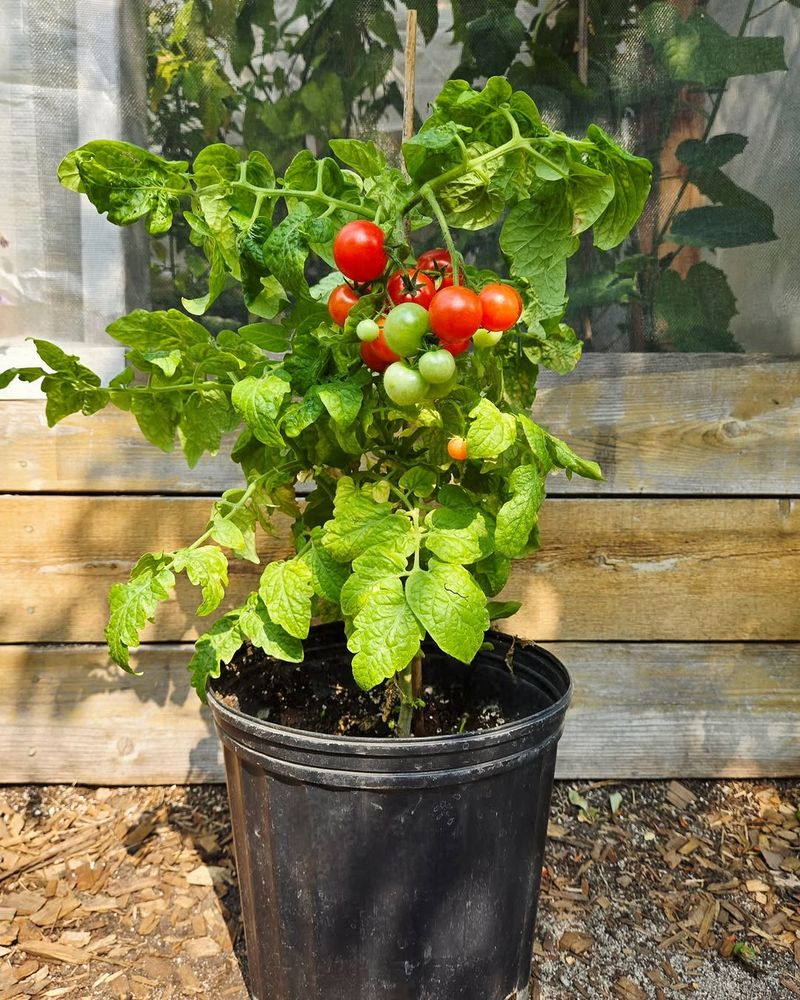
Patio and balcony gardeners in Michigan face a watering challenge that in-ground gardeners rarely think about.
Container-grown Solanum lycopersicum dries out dramatically faster than tomatoes planted in garden beds, especially once May sunshine starts warming those pots from the outside in.
A container that feels moist in the morning can be dry and stressed by late afternoon on a warm day.
Pot size plays a huge role in how quickly things dry out. Smaller containers lose moisture far faster than large ones, so choosing pots that hold at least five gallons of soil gives roots more buffer time between waterings.
Drainage holes are non-negotiable because containers without proper drainage hold too much water and swing to the opposite problem, creating soggy roots instead.
Checking container tomatoes daily during May is genuinely important. Press a finger two inches into the potting mix.
If it feels dry, water slowly and thoroughly until water runs freely from the drainage holes, which means the entire root zone is saturated. Adding a thin layer of mulch on top of the potting mix also helps slow evaporation noticeably.
On particularly warm and windy days, containers may even need watering twice.
Building a daily check-in habit for your patio tomatoes in May prevents the kind of moisture stress that weakens plants just as they are trying to establish strong roots for the growing season ahead.
8. Inconsistent Watering Leads To Blossom End Rot Later In The Season
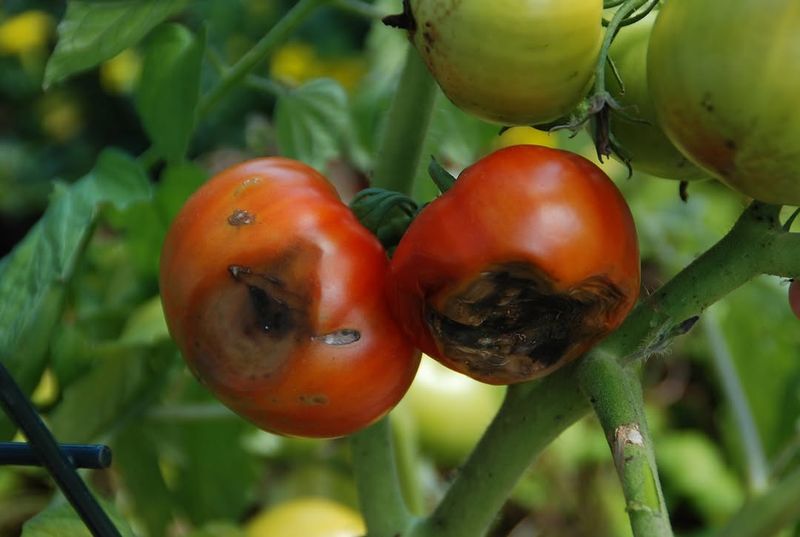
Blossom end rot is one of the most frustrating problems Michigan tomato gardeners encounter, and the surprising truth is that it often starts with watering habits developed back in May.
Solanum lycopersicum needs calcium to develop healthy fruit, but calcium does not move well inside the plant when soil moisture fluctuates wildly between too wet and too dry during the early growing season.
When roots experience drought stress followed by heavy watering and then drought again, the plant cannot absorb and transport calcium efficiently even when the nutrient is present in the soil.
The result shows up weeks later as dark, sunken, leathery patches on the bottom of developing tomatoes.
By the time you see the damage, the inconsistency that caused it happened long before the fruit even formed.
Building a steady, consistent watering routine in May is genuinely the best prevention strategy available. Soil moisture should stay evenly moist, not soaking wet and not bone dry, throughout the growing season.
Mulching helps enormously because it buffers the soil against rapid moisture swings between waterings and rain events. Raised beds and containers are more vulnerable to these swings than in-ground gardens, so they deserve extra attention.
Gardeners who establish consistent watering habits early in the season see far fewer cases of blossom end rot when harvest time arrives, making May watering discipline one of the most valuable investments you can make for your crop.
9. Michigan Clay Soil Holds Water Longer Than Many Gardeners Expect
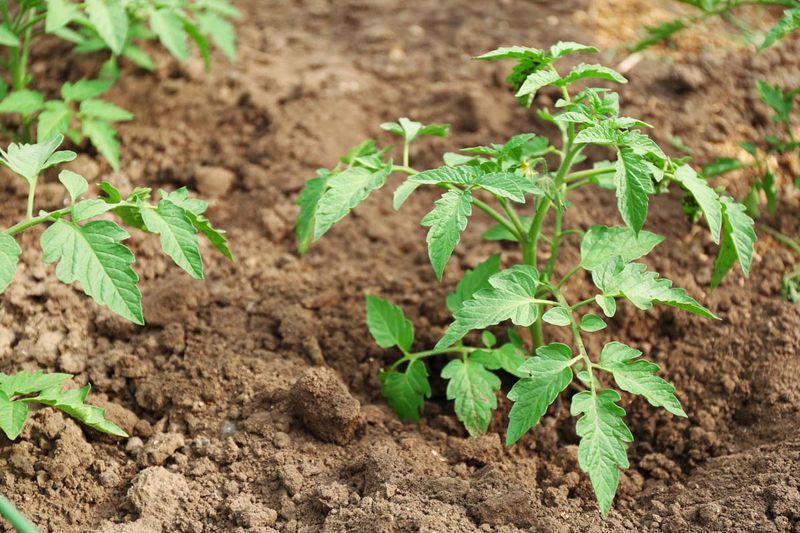
Michigan is famous for its heavy clay soils, and gardeners who move here from other regions are often caught off guard by how differently those soils behave.
Tomatoes planted in clay-heavy ground does not need water nearly as often as plants in sandy or loamy soils because clay particles hold onto moisture for a much longer time after rain or irrigation.
Watering clay soil too frequently is a common mistake that creates serious problems. Water added before the soil has dried appropriately fills all the remaining air pockets in the root zone, leaving roots starved of oxygen.
The tomato plant may look fine on the surface while its root system is quietly struggling below. Slow, deep watering applied less frequently works far better with clay than frequent shallow applications.
Improving clay soil drainage over time makes a noticeable difference. Working compost into your beds each spring loosens clay structure, improves drainage, and creates a better environment for roots to grow.
A soil moisture meter is a worthwhile investment for clay-soil gardeners because it takes the guesswork out of watering decisions entirely. Check moisture at root depth, not just the surface, since clay can feel dry on top while staying quite moist just a few inches down.
Understanding your specific soil type is one of the most practical steps any Michigan tomato gardener can take toward a genuinely productive harvest.
10. Healthy Tomato Plants Need Consistent Moisture Before Summer Heat Arrives
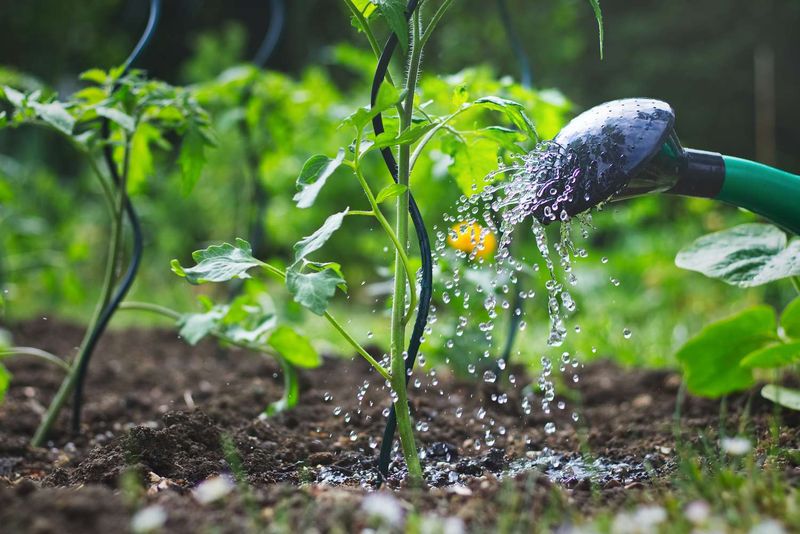
Every strong tomato harvest begins with decisions made long before the first fruit appears.
The watering habits you build for your tomatoes in May directly shape how well your plants flower, set fruit, and handle the heat and disease pressure that Michigan summers bring.
May is the window when roots are still developing, and consistent moisture during this period creates a foundation that pays off for months.
Plants that receive steady, reliable moisture in May develop deeper and more extensive root systems than plants that experience repeated drought and recovery cycles.
Stronger roots mean better nutrient uptake, more efficient water use during dry spells, and greater resistance to the wilting that hits underprepared plants hard during July and August heat waves.
Think of May watering as an investment in your summer harvest rather than a chore. Check your soil regularly, adjust your schedule as weather shifts, mulch to stabilize moisture, and water at the root zone rather than overhead.
Use your finger or a moisture meter to make smart decisions instead of following a rigid calendar. Whether your tomatoes are growing in clay soil, raised beds, or patio containers, the principle is the same: steady and consistent wins every time.
Gardeners who give their plants this kind of attentive early care almost always end up with bigger, healthier, more rewarding harvests when summer finally peaks.