These Oregon Fruit Trees Need Attention Now For A Better Harvest
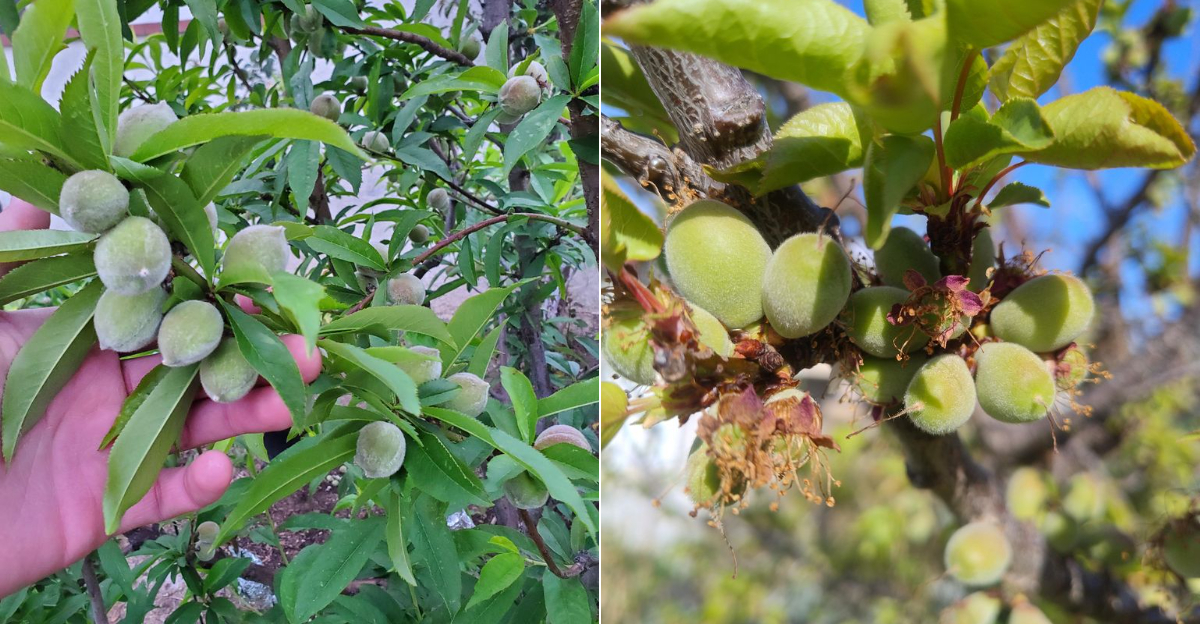
Oregon fruit trees can look calm in spring, but do not let them fool you. Behind those fresh leaves, they may already be deciding how good your harvest will be.
A little care now can shape everything that happens later, especially once fruit starts swelling and branches get heavy.
Skip this window, and the tree may respond with smaller fruit, crowded limbs, or a sad little harvest that makes you question your life choices.
Spring is also when pests and plant stress can sneak in before gardeners notice. The work does not have to be huge, but timing matters.
A few smart moves can help fruit trees put their energy where it counts. Oregon weather likes to keep gardeners guessing, so waiting too long can make simple jobs harder. Give the trees attention now, and they have a much better shot at rewarding you later.
1. Apple Trees
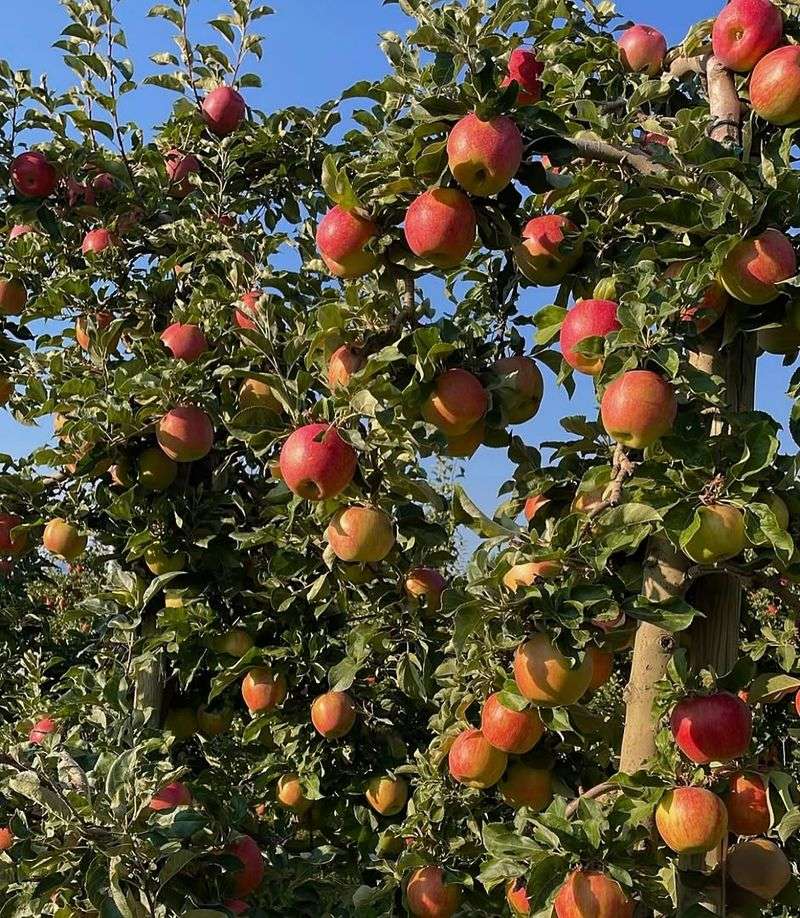
Few things are more satisfying than walking out to your backyard and picking a big, sweet apple right off the tree.
But getting there takes a little work, especially during this time of year. Apple trees in our state are entering a critical window right now, and if you pay attention, your fall harvest will thank you.
After the natural fruit drop that usually happens in June, it is time to thin your apples. Oregon State University recommends thinning after this normal drop to help the remaining fruit grow larger and healthier.
Aim to leave one apple every six to eight inches along each branch. This gives each fruit enough room, water, and nutrients to really size up before harvest.
Codling moth is one of the biggest threats to apple trees right now. These small pests lay eggs on developing fruit, and the larvae burrow inside, ruining the apple from the inside out.
Check your fruit regularly for small entry holes or sawdust-like frass near the stem end. Hanging codling moth traps in your tree can help you track activity and decide when to act.
Remove any damaged, misshapen, or pest-affected fruit from the tree and from the ground beneath it.
Fallen fruit left on the ground invites more pests and disease. Keep your tree well watered during dry spells, especially if you had a wet spring followed by sudden heat. Consistent moisture helps the fruit develop evenly and reduces cracking.
2. Pear Trees
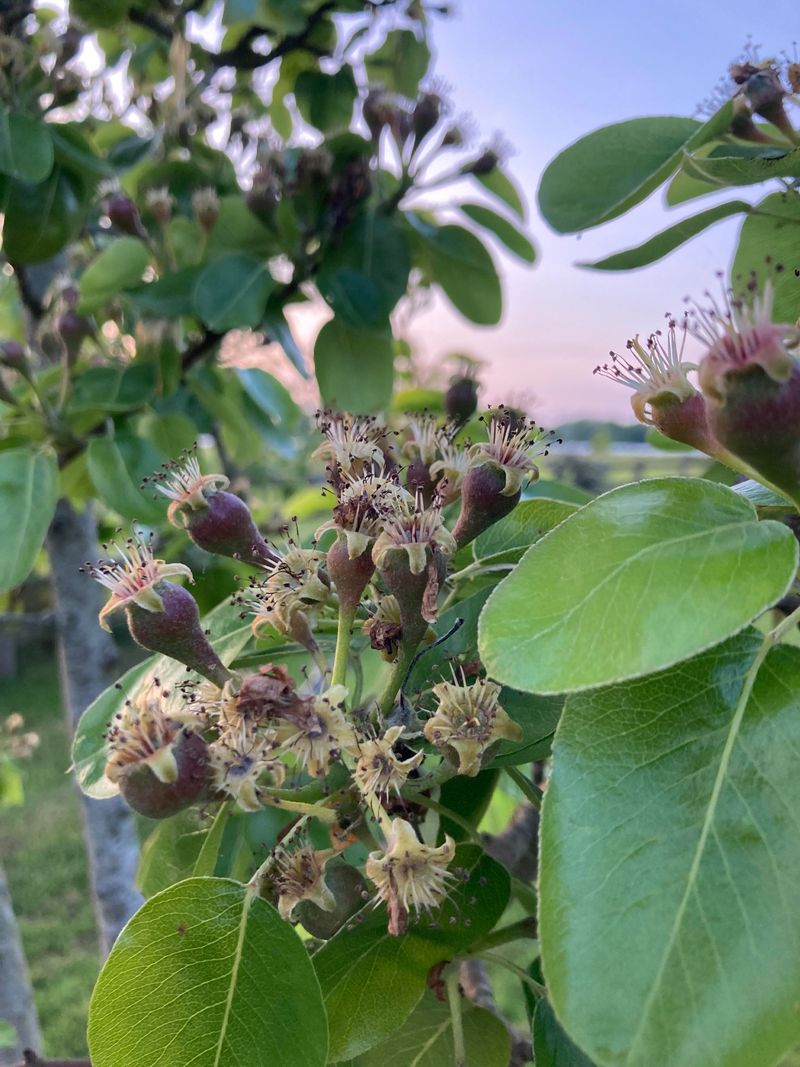
Pear trees can be wonderfully productive, sometimes almost too productive for their own good.
When fruit clusters get too crowded, the pears end up small, poorly shaped, and more likely to have pest problems. Right now is the time to step in and give those clusters a little breathing room.
Thinning is the most important task for pear trees at this stage. Remove the smaller or misshapen pears from each cluster so that only one or two remain. This lets the tree focus its energy on fewer, better-quality fruits.
Spread the remaining pears out so they are not touching each other, which also helps reduce disease spread later in the season.
Your Oregon Garden Changes Every Week. Your Plan Should Too.
Gardening in Oregon changes quickly throughout the season. Every Friday you’ll receive a simple weekly plan showing exactly what to plant, prune, fertilize, harvest, and protect so you never miss the right timing.
Codling moth is just as much of a concern for pears as it is for apples. In cooler parts of our state, codling moth activity can begin as early as late May and stretch into June.
Watch for signs of infestation on the fruit surface and use traps to monitor adult moth populations. Catching the problem early makes management much easier.
Remove any fruit that already shows signs of pest damage or unusual spots. Do not leave dropped pears on the ground, as they attract insects and can harbor disease spores that spread back up to the tree.
Keep the area under your pear tree clean and raked. Good sanitation around the base of the tree is one of the simplest and most effective things you can do for a healthier harvest this fall.
3. Peach Trees
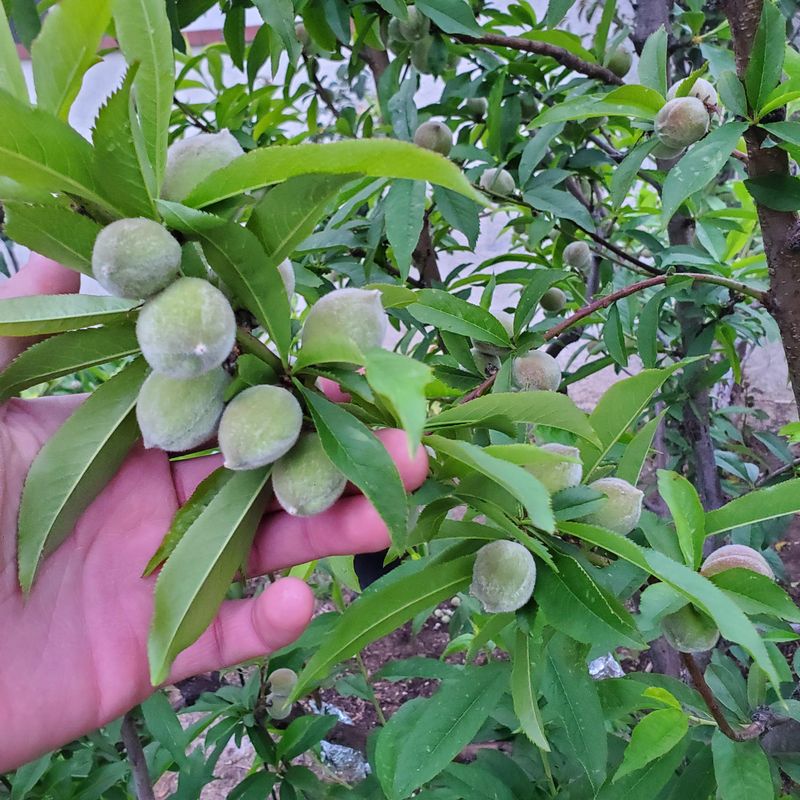
Now, these trees have a reputation for being a little dramatic, and honestly, they have earned it.
They bloom early, they are sensitive to frost, and when they do set fruit, they often set way too much of it. That generosity sounds great at first, but overcrowded peaches end up small, bland, and hard on the tree itself.
OSU’s June garden calendar specifically calls out peach thinning as a must-do task after the normal fruit drop.
Once the tree has shed its weakest fruit naturally, go in and finish the job by hand. Space your peaches about six to eight inches apart along each branch.
Yes, it feels wrong to remove so much fruit, but the peaches that remain will be noticeably larger and sweeter by harvest time.
Pay attention to branches that are bowing under the weight of heavy fruit loads. If a branch looks like it is struggling, use a soft cloth or foam to prop it up or tie it gently to a support stake.
Broken branches mean lost fruit and an open wound on the tree that can invite disease. Leaf curl is another issue to keep an eye on, especially if the spring was wet and cool.
While the main window for treating leaf curl is in late winter before buds open, you can still remove and bag any severely affected leaves now to slow its spread.
Keep the canopy open for good airflow, and avoid overhead watering, which keeps the leaves wet and encourages fungal problems throughout the season.
4. Plum Trees
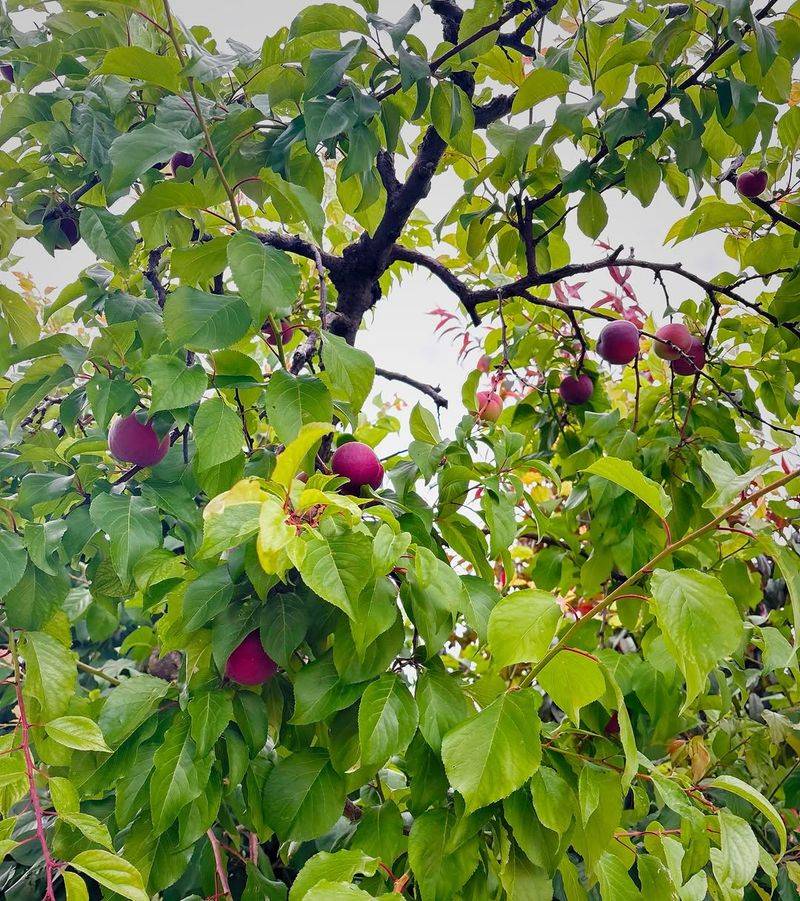
Plum trees are some of the toughest and most reliable fruit trees you can grow in our state, but even tough trees need a little help now and then.
Right now, your plum tree may be holding onto more fruit than it can comfortably support, and that is worth addressing before things get out of hand.
Thinning crowded fruit clusters is the top priority for plum trees at this stage. When plums grow too close together, they compete for the same nutrients and often end up small and disappointing.
Gently remove the smallest or most crowded plums from each cluster, leaving a few inches between the ones that remain. This simple step can dramatically improve the size and flavor of your final harvest.
Aphids love plum trees, especially during the flush of new growth in late spring. Check the undersides of leaves and along young stems for clusters of small, soft-bodied insects.
A strong spray of water from a garden hose can knock most of them off without any chemicals.
If the infestation is heavy, insecticidal soap is a safe and effective option that will not harm beneficial insects as much as stronger sprays.
Do not overlook what is happening at the base of the tree. Fallen plums left on the ground rot quickly and attract flies, wasps, and other pests that can work their way back up into the tree. Pick up dropped fruit regularly and dispose of it away from the tree.
Keeping the ground clean is one of the easiest ways to reduce pest pressure for the rest of the season.
5. Cherry Trees
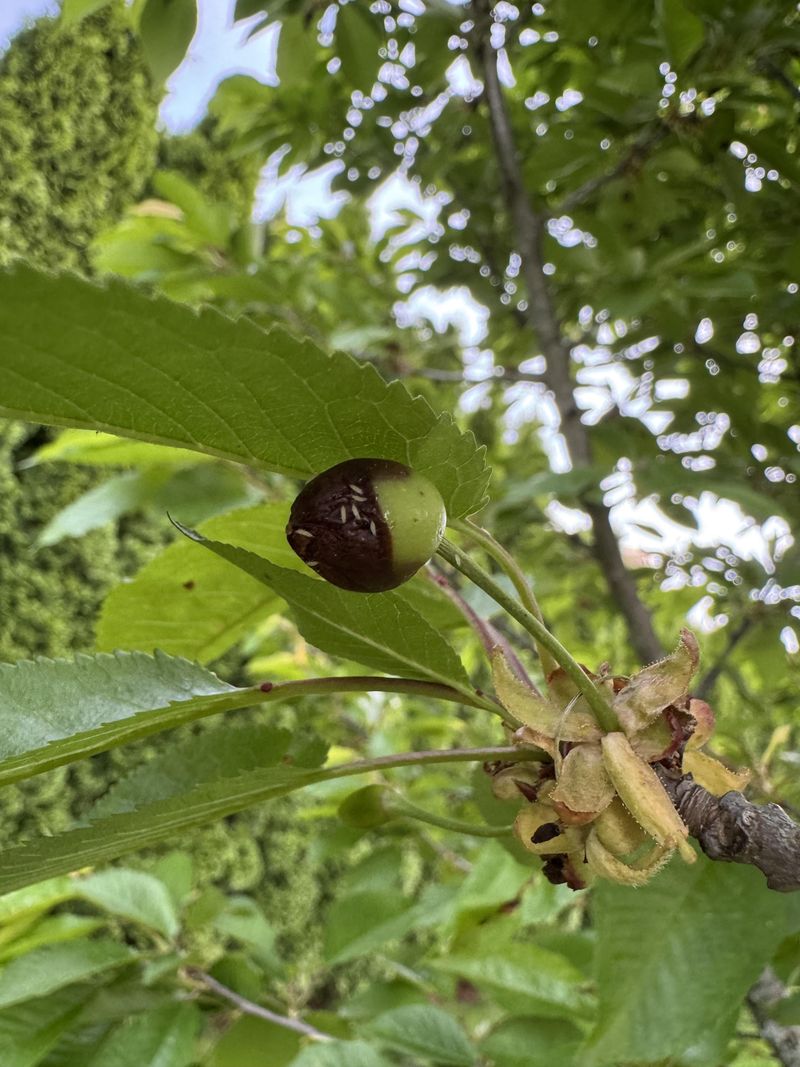
There is something almost magical about a cherry tree covered in ripe, deep-red fruit on a warm summer morning.
But getting to that moment requires careful attention right now, because cherry trees in our region face one very serious threat as the fruit starts to color up. Western cherry fruit fly is the pest you need to watch for most closely at this stage.
According to the Pacific Northwest Pest Management Handbooks, western cherry fruit fly maggots infest cherries across the region, and the damage is not always visible from the outside until you bite into the fruit.
Adult flies become active when temperatures warm up and cherries begin to change color. Using yellow sticky traps baited with ammonium acetate can help you track when adults are flying so you know when to act.
The timing of your response matters a lot. Once the maggots are inside the fruit, there is very little you can do. The goal is to stop the adult fly from laying eggs in the first place.
Check your traps every few days and note when you start catching flies. That is your signal to apply a fruit fly control product approved for use on cherries, following label directions carefully.
Harvest your cherries as soon as they are ripe. Do not let them hang on the tree longer than necessary, since overripe fruit is even more attractive to pests. Remove and dispose of any dropped or damaged cherries right away.
Keeping a clean orchard floor under your cherry tree during ripening season is one of the most effective ways to reduce fly populations year after year.
6. Nectarine Trees
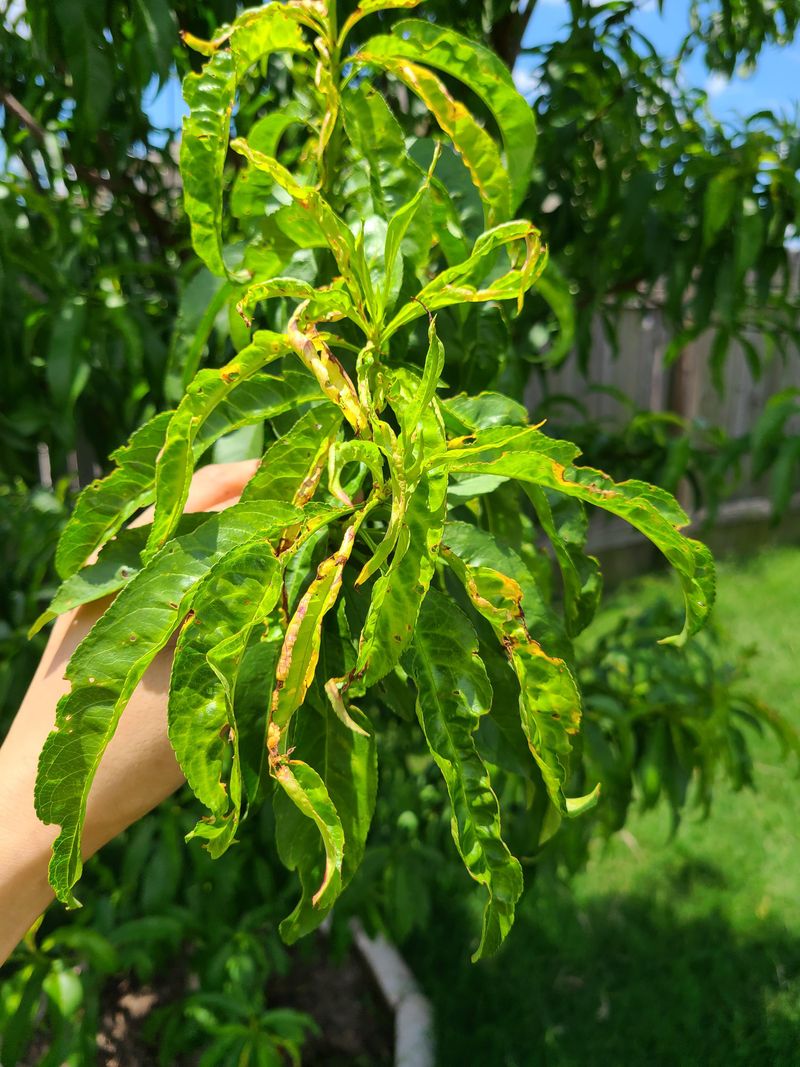
They are basically peaches without the fuzz, and they share most of the same needs when it comes to early summer care.
They are beautiful trees when they are healthy, but they require a bit more attention than some other fruit trees, especially when the season gets going.
Thinning is just as essential for nectarines as it is for peaches. After the natural fruit drop, go through your tree and space the remaining fruit about six inches apart.
Overcrowded nectarines will not reach their full size or sweetness, and the extra weight on branches can cause real problems.
If any branch is bending significantly under the load, support it gently with a padded stake or cloth tie until the fruit is harvested.
Peach leaf curl can affect nectarines just as severely as peaches. If you notice leaves that are puckered, thickened, or turning reddish and distorted, that is leaf curl at work.
While the best prevention happens in late winter, you can still improve airflow through the canopy now by removing a few crowded branches.
Better airflow means leaves dry out faster after rain, which slows the spread of fungal issues.
Keep a close eye on the canopy for any crossing or rubbing branches that restrict light and air from reaching the center of the tree. Pruning those out now, even lightly, can make a big difference in fruit quality.
Water consistently at the base of the tree rather than overhead, and avoid letting the soil dry out completely between waterings during hot stretches. Steady care now means a much more rewarding nectarine harvest later this summer.
7. Apricot Trees
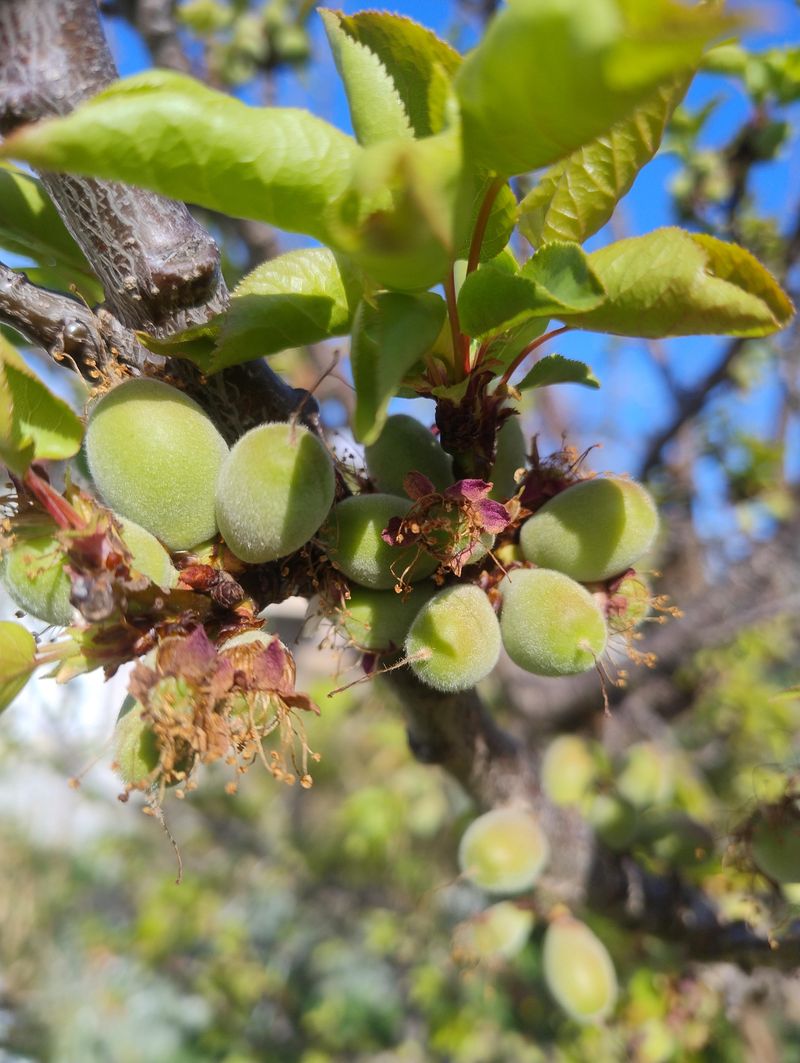
Apricot trees tend to be early risers in the fruit world. They bloom before almost any other tree in the orchard, which means they are also among the first to set fruit.
By this time of year, a healthy apricot tree can be absolutely loaded, and that is both exciting and a little concerning.
When the crop is heavy, thinning becomes essential. A branch overloaded with apricots will struggle to ripen the fruit evenly, and the extra weight puts stress on the wood.
Remove the smallest and most crowded fruit from each cluster, leaving about three to four inches between the apricots that remain.
This focused approach lets the tree channel its energy into producing fewer but far better fruits by harvest time.
Damaged or diseased fruit should come off the tree right away. Apricots are sensitive to fungal diseases, especially during springs with a lot of rain and cool temperatures.
Brown rot is one of the most common problems, causing fruit to shrivel and turn brown while still on the tree.
Remove affected fruit immediately and dispose of it in the trash, not the compost pile, to prevent the spores from spreading.
Good airflow through the canopy is one of your best defenses against disease in wet years. If the center of your apricot tree looks dense and crowded, removing a few small branches to open it up can really help.
Avoid watering from above, and keep fallen fruit cleaned up from the ground. A little discipline now during this critical window sets the stage for a clean, flavorful apricot harvest that makes all the effort worthwhile.