These Outdoor Potted Plants Keep Their Color In Texas Heat

Keeping your outdoor pots looking vibrant during Texas summers can feel like a battle against the sun. With scorching temperatures and long stretches of dry weather, many plants struggle to maintain their color and charm.
Fortunately, some hardy varieties thrive in the heat, keeping your containers full, bright, and lively all season.
Choosing the right plants for pots makes a huge difference. Heat-tolerant flowers and foliage can handle full sun, resist wilting, and continue producing blooms or maintaining rich greenery.
Many of these plants are also low-maintenance, so you can spend more time enjoying your yard and less time worrying about water or sun damage.
By selecting varieties specifically suited for Texas heat, your potted garden can stay colorful from late spring through early fall.
With the right mix of texture, foliage, and blooms, your outdoor containers will remain a standout feature even under the blazing Texas sun.
1. Lantana
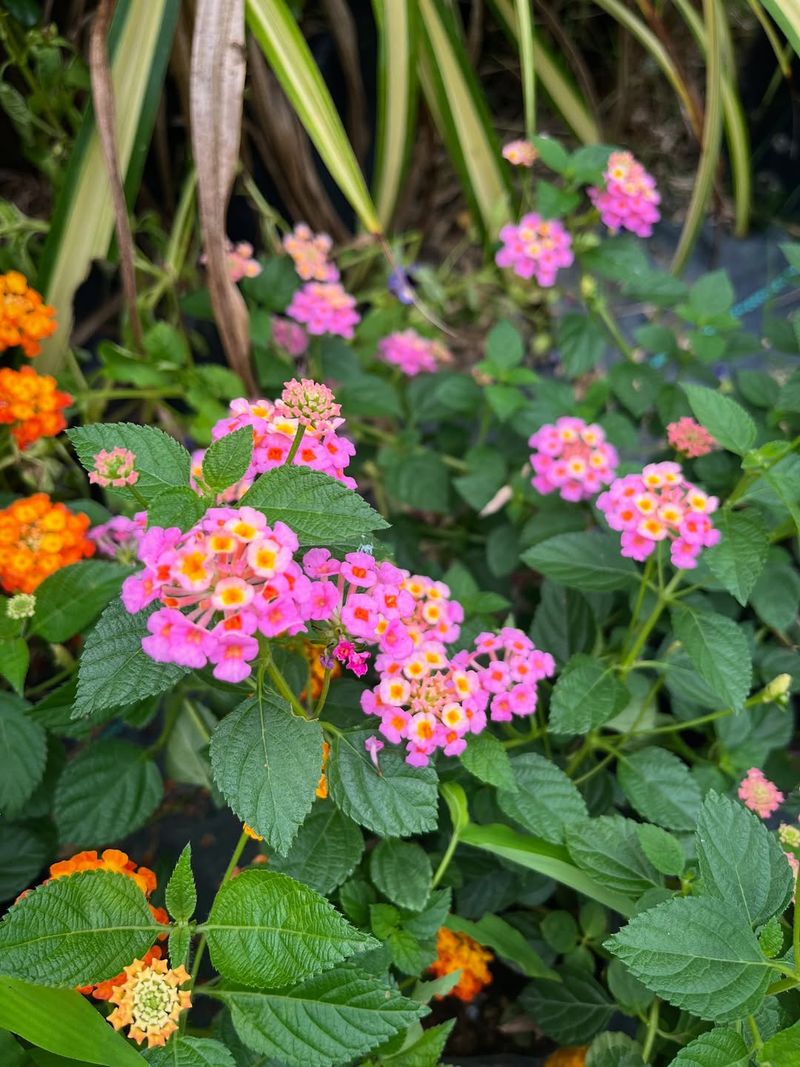
Few plants put on a show quite like lantana during a Texas summer. This tough, sun-loving beauty produces non-stop clusters of tiny flowers in dazzling combinations of yellow, orange, red, pink, and purple.
One of the coolest things about lantana is that each flower cluster can hold multiple colors at once, making every pot look like a mini fireworks display.
Lantana thrives in full sun and actually performs better when the temperatures climb. Texas heat does not slow it down one bit.
It is also highly drought tolerant, which means you do not have to water it every single day. Once established in a container, it can handle dry spells without losing its vibrant color.
When growing lantana in pots, use a well-draining potting mix and make sure your container has drainage holes. Water deeply a few times per week during the hottest months, and give it a slow-release fertilizer at the start of the season.
Deadheading, or removing spent blooms, encourages even more flowers to form. Bonus: lantana is a magnet for butterflies and hummingbirds. Your Texas patio will feel like a wildlife garden all summer long.
It comes in both upright and trailing varieties, so you can mix and match for containers of any size. Hardy, colorful, and practically maintenance-free, lantana is one of the top choices for outdoor potted color across Texas from late spring through early fall.
2. Bougainvillea
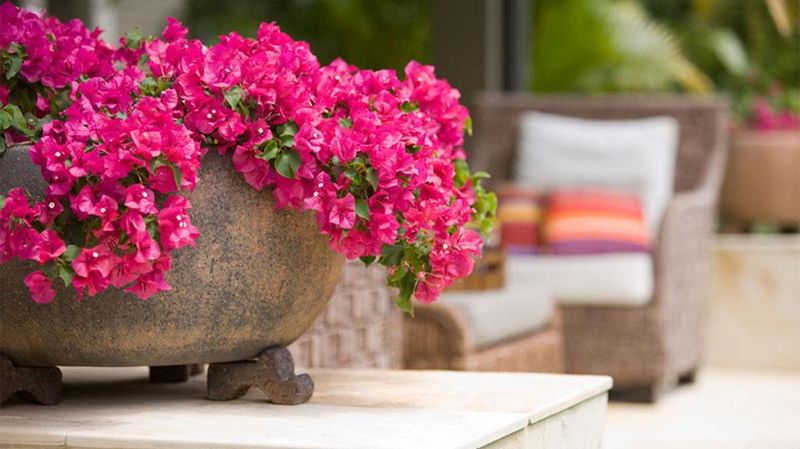
Walk through almost any sunny Texas neighborhood in the summer and you are likely to spot a bougainvillea bursting with color. This tropical showstopper is famous for its papery bracts, which are the colorful parts most people think are the flowers.
They come in hot pink, deep purple, fiery red, and bright orange, and they hold their color for months at a time.
Bougainvillea absolutely loves heat and sunshine. In fact, it blooms best when it is a little stressed from dry conditions.
Overwatering is actually one of the most common mistakes people make with this plant. Let the soil dry out between waterings, and your bougainvillea will reward you with even more of those stunning bracts.
In Texas, bougainvillea grows beautifully in large containers placed in spots that get at least six hours of direct sun each day. Use a well-draining potting mix and a pot with plenty of drainage.
A high-potassium fertilizer applied every few weeks during the growing season helps promote heavy blooming.
Did you know bougainvillea is native to South America? It was named after French explorer Louis Antoine de Bougainville in the 1700s.
Today, it is one of the most beloved tropical plants in warm-climate states like Texas. Whether you train it up a trellis or let it spill over the edges of a large pot, bougainvillea brings a dramatic, vacation-worthy look to any outdoor space all summer long.
3. Hibiscus

There is something undeniably tropical about a hibiscus in full bloom. Those giant, saucer-sized flowers in red, pink, yellow, peach, and white make any Texas patio feel like a resort.
Tropical hibiscus, known as Hibiscus rosa-sinensis, is one of the most popular container plants across Texas because it thrives in heat and produces blooms nearly every day during the summer.
Container-grown hibiscus needs full sun, at least six hours a day, to bloom its best. It also needs consistent watering since it does not tolerate drought as well as some other plants on this list.
During the hottest Texas summers, you may need to water your hibiscus daily or even twice a day if the pot dries out quickly. Mulching the top of the soil can help retain moisture between waterings.
Feed your hibiscus with a high-potassium fertilizer every couple of weeks during the growing season. This promotes more blooms and keeps the foliage looking lush and green. Avoid high-nitrogen fertilizers, which push leafy growth at the expense of flowers.
Hardy varieties of hibiscus, like Hibiscus moscheutos, can also grow well in Texas containers and produce even larger blooms. Some flowers can reach up to twelve inches across, which is truly jaw-dropping.
Whether you go tropical or hardy, hibiscus is a reliable, gorgeous choice for adding bold color to your Texas outdoor potted garden from late spring all the way through the first cool days of fall.
4. Pentas
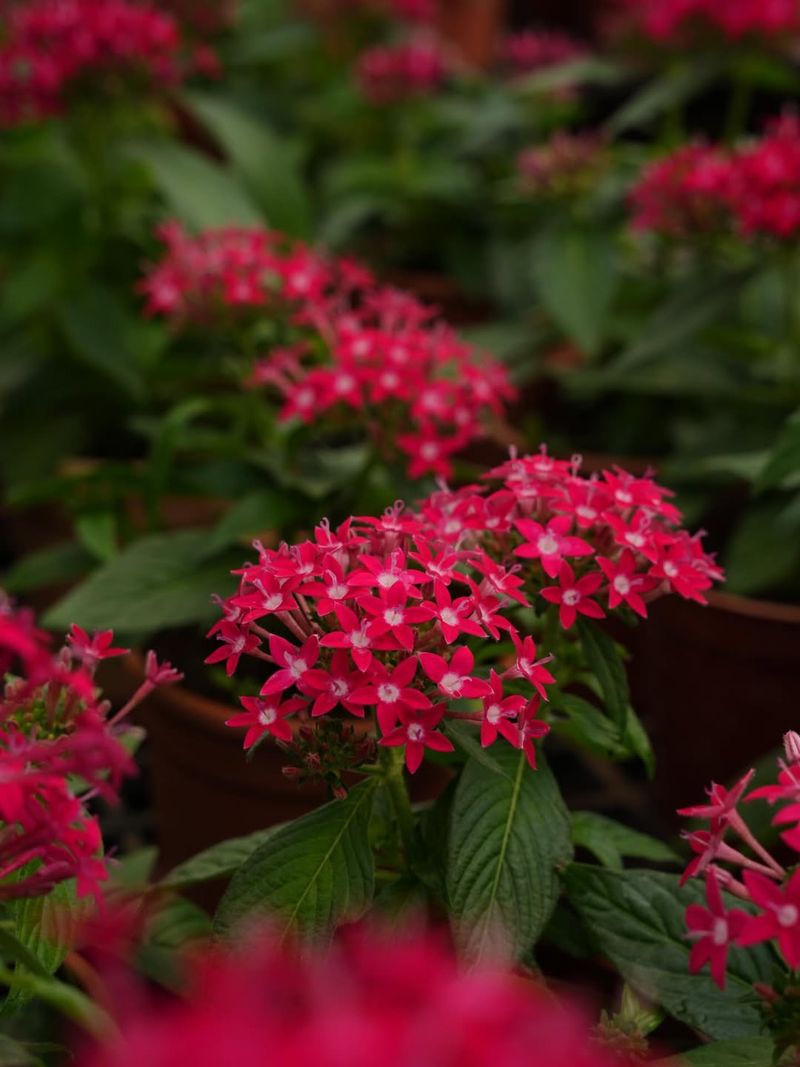
Pentas might not be the most famous plant at the garden center, but ask any experienced Texas gardener and they will tell you it is one of the most reliable summer bloomers around.
Also called Egyptian star flower, pentas produces tight clusters of small, star-shaped flowers in shades of red, pink, lavender, and white. The blooms just keep coming all summer long, no matter how hot it gets.
One of the biggest reasons to love pentas in Texas is its toughness. It handles both heat and drought with ease, making it a low-stress option for busy gardeners.
Place it in a container with full sun or light afternoon shade, and it will reward you with constant color. It also does not need a lot of deadheading since spent blooms fall off on their own.
Pentas is a fantastic pollinator plant. Hummingbirds and butterflies are drawn to its nectar-rich flowers, so planting a pot or two near a seating area turns your patio into a lively, nature-friendly space.
Use a quality potting mix with good drainage, and water when the top inch of soil feels dry. Fertilize pentas every three to four weeks with a balanced fertilizer to keep it blooming strong from June through October in Texas.
It grows well in pots of all sizes, from small four-inch containers to large statement planters.
Compact varieties like Butterfly Series and Graffiti Series are especially popular for Texas container gardening because they stay tidy and full all season.
5. Portulaca
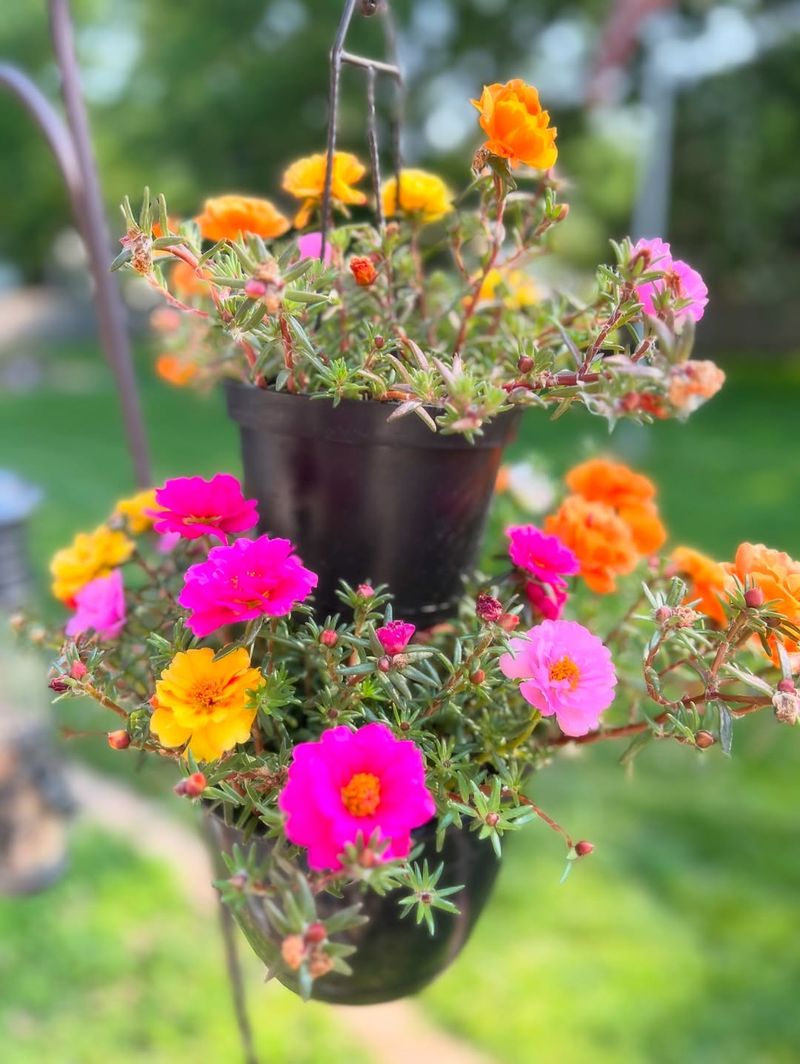
If you have ever struggled to keep a plant alive during a brutal Texas summer, portulaca might just change everything for you. Commonly called moss rose, this cheerful little annual is practically built for extreme heat and dry conditions.
Its thick, succulent-like leaves store water, which means it can go longer between waterings than most flowering plants.
Portulaca produces cup-shaped blooms in some of the brightest colors you will ever see in a pot. Think hot pink, electric orange, sunny yellow, coral, red, and white.
The flowers open up wide in full sunlight and close slightly in the evening, giving them a fresh look every morning. They bloom reliably from late spring all the way through fall in Texas without much fuss.
Growing portulaca in containers is simple. Use a sandy or well-draining potting mix, and choose a pot with good drainage holes.
Place it in the sunniest spot you have, whether that is a south-facing porch or an open patio. Water it occasionally, and skip the heavy fertilizing since too many nutrients can actually reduce blooming.
Portulaca is also a great option for hanging baskets since its low, spreading habit spills beautifully over the edges. It is one of the most affordable plants at Texas garden centers, and a single pot can fill out quickly to create a lush, colorful display.
For gardeners who want maximum color with minimum effort during the hottest months in Texas, portulaca is an absolute winner.
6. Salvia
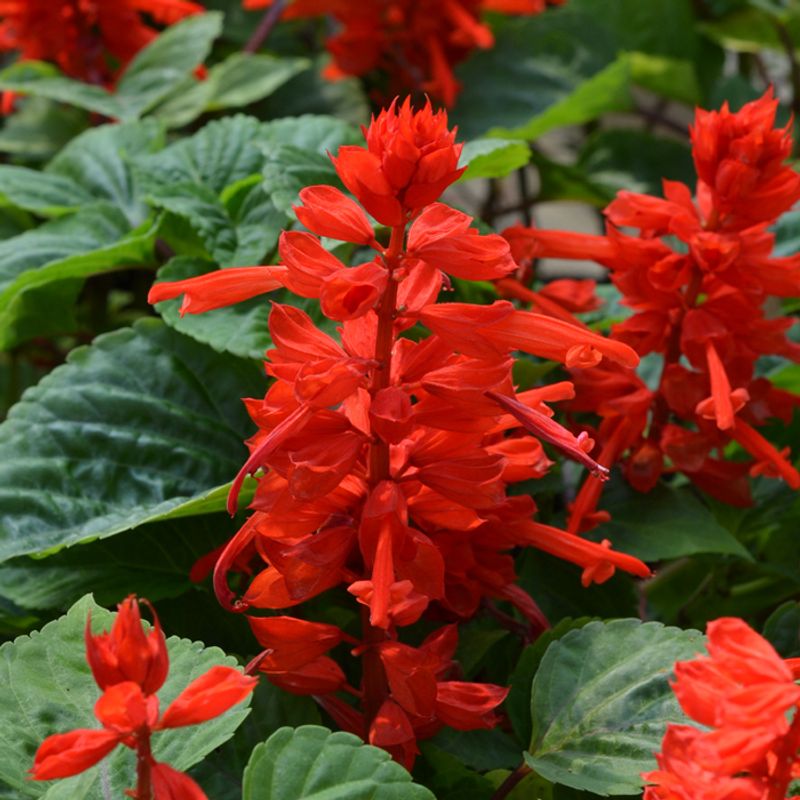
Salvia is the kind of plant that earns its spot in a Texas container garden every single year. With tall, striking spikes of red, purple, coral, or blue flowers, it adds vertical interest and bold color to any outdoor space.
Scarlet sage, or Salvia splendens, is one of the most popular varieties and performs exceptionally well in the intense Texas summer heat.
What makes salvia stand out is its ability to hold its color even during the hottest and driest stretches of summer.
While other plants might fade or wilt when temperatures hit triple digits, salvia keeps pushing out fresh flower spikes. It thrives in full sun and is moderately drought tolerant once established in a container.
Water salvia regularly during the growing season, especially in the peak heat of July and August in Texas. A deep watering two to three times per week is usually enough for most containers.
Feed it with a balanced fertilizer every three to four weeks to keep the blooms coming strong through the fall.
Salvia is also a top pick for wildlife gardeners. Hummingbirds absolutely love the tubular flowers, and bees and butterflies visit frequently too.
Heat-tolerant varieties like Sizzler Series, Vista Series, and native Texas salvias like Salvia greggii are all excellent container choices.
Salvia greggii, often called autumn sage, is especially well suited to Texas conditions because it is native to the region and naturally adapted to the heat, humidity swings, and occasional drought that come with a Texas summer.
7. Verbena
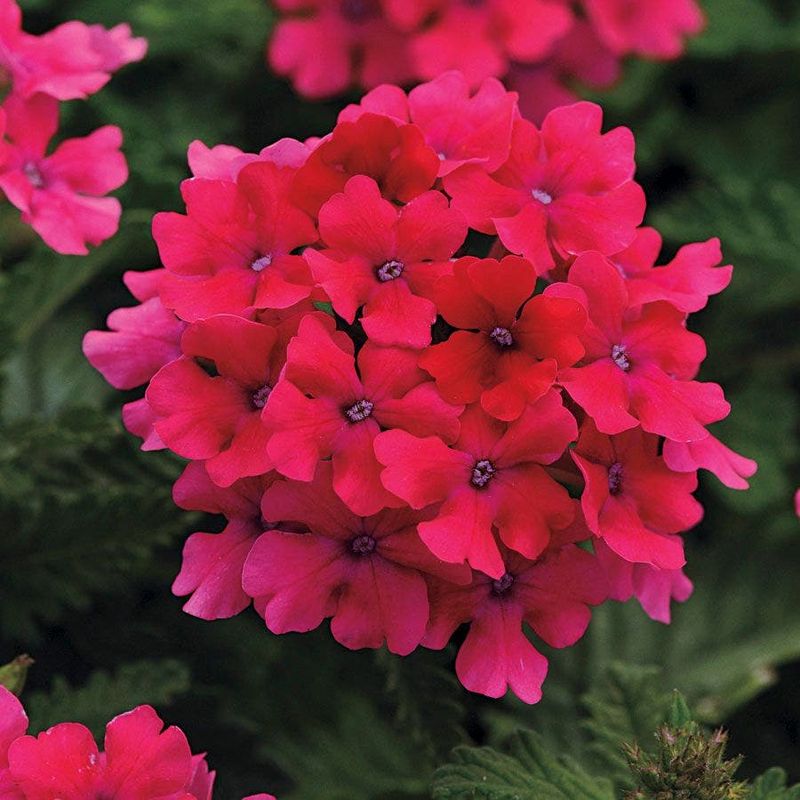
Verbena is the trailing superstar of the Texas container garden world. Its long, spreading stems cascade beautifully over the edges of pots and hanging baskets, creating a waterfall of small but vivid flower clusters in shades of purple, pink, red, white, and coral.
Few plants look as naturally lush and full in a hanging basket as a well-grown verbena in peak bloom.
One of the best things about verbena is how well it handles the Texas summer trifecta: full sun, high heat, and dry spells. It is a tough plant that does not need a lot of babying.
Water it when the soil feels dry an inch below the surface, and it will keep blooming without complaint through even the hottest weeks of July and August.
Verbena grows best in containers with excellent drainage. Soggy roots are one of the few things that can cause problems for this plant, so always use a well-draining potting mix and a pot with drainage holes.
Fertilize every two to three weeks with a balanced liquid fertilizer to encourage continuous blooming throughout the season.
Trailing varieties like Superbena and Homestead Purple are especially popular across Texas because they spread quickly, fill containers beautifully, and hold up in intense heat.
Deadheading spent blooms occasionally helps keep the plant looking tidy and encourages fresh flower production.
If you want a plant that spills over your pots with nonstop color from spring through fall in Texas, verbena is one of the smartest choices you can make for your outdoor container garden.