These Patio Setups Are Taking Over Arizona Homes This April
Arizona patios take center stage in April, right when days feel long enough to enjoy and evenings still stay comfortable.
Outdoor areas start to feel more like part of the home instead of something separate, especially when the setup feels right from the moment you step outside.
Some layouts draw attention without much effort, while others never quite come together no matter how much gets added.
Comfort, shade, and layout all play a role, but the difference often comes from how everything works together instead of what gets placed out there.
April brings that short stretch when small changes stand out fast, and the right setup can shift the whole feel of a yard without a major overhaul.
1. Gravel Patios With Basic Defined Edges
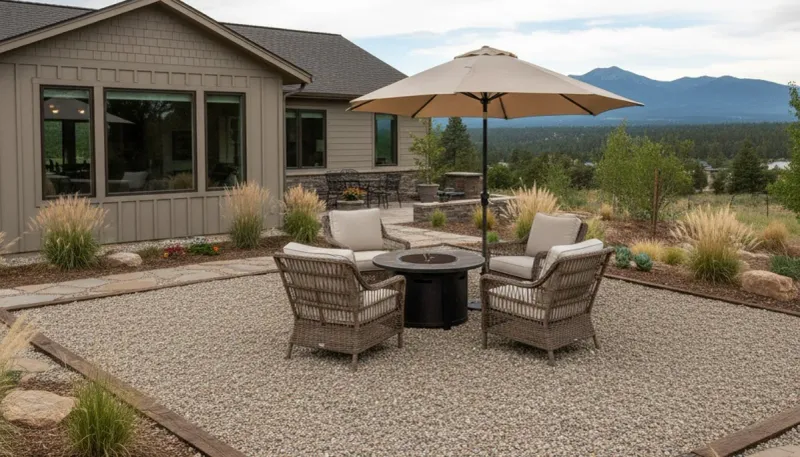
Gravel patios are everywhere in Arizona right now, and the reason is straightforward: they work with the desert instead of fighting it. Concrete cracks in extreme heat.
Grass needs constant water. Gravel stays cool enough to walk on in the morning, drains instantly after monsoon rain, and requires almost no upkeep once it is set.
April is the ideal window to install one before the ground hardens further into summer.
Defined edges are what separate a polished gravel patio from a yard that just looks unfinished. Steel edging is the most durable option for Arizona soil, which shifts and compresses differently than soil in wetter climates.
Aluminum edging works fine for lighter-use areas, while concrete borders give a more permanent look if you want something that holds its shape over years.
Decomposed granite is the go-to gravel choice across Tucson and the East Valley because it compacts slightly underfoot, reducing the shuffling feeling that loose river rock creates.
A two-to-three inch depth is usually enough for good drainage and weed suppression when paired with a layer of landscape fabric underneath.
Edging spikes every twelve inches keep borders from shifting during heavy rain. Spreading a fresh top layer of DG every year or two keeps the surface looking sharp without major effort or expense.
2. DIY Pallet Seating With Outdoor Cushions
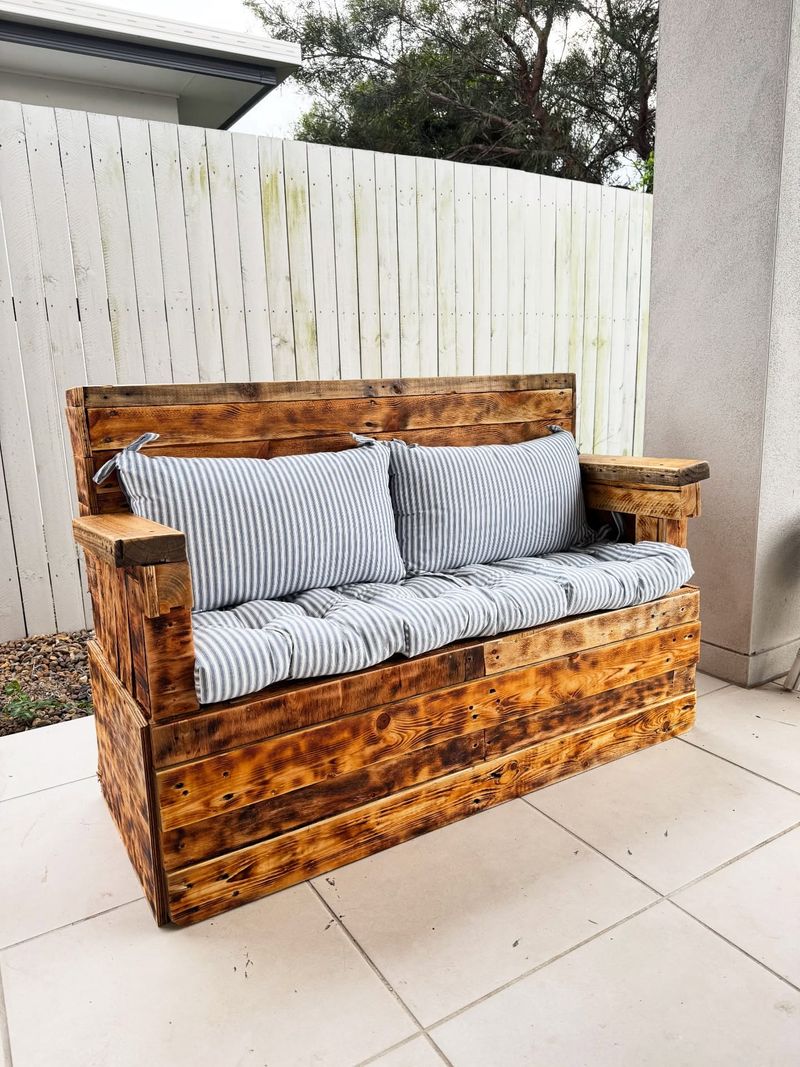
Pallet furniture has a reputation for looking rough, but done right, it holds up surprisingly well in Arizona conditions and costs a fraction of what store-bought outdoor furniture runs. The key is starting with heat-treated pallets marked HT, not chemically treated ones.
Sanding the wood smooth before sealing it makes a real difference in both comfort and longevity under desert sun.
Two pallets stacked flat create a solid base for a couch-style seat. Add a third upright behind them as a backrest support, secure everything with exterior screws, and the structure stays solid even on uneven patios.
Sealing the wood with an exterior-grade wood stain or deck oil helps it handle the dry heat without cracking through the summer months.
Cushions are where most of the comfort comes from, so skipping on fabric quality is a mistake in Arizona. Sunbrella and similar solution-dyed acrylic fabrics resist UV fading and dry quickly after monsoon rain, which matters more here than in most other states.
Your Arizona Garden Changes Every Week. Your Plan Should Too.
Gardening in Arizona changes quickly throughout the season. Every Friday you’ll receive a simple weekly plan showing exactly what to plant, prune, fertilize, harvest, and protect so you never miss the right timing.
Thicker cushion fills around four inches give better support and bounce back well over time. Storing cushions indoors during peak summer or covering them with a weatherproof cover extends their life noticeably.
Across the Phoenix metro, this setup is showing up on patios of all sizes because it is easy to customize, move around, and replace when needed.
3. Simple Shade Sails That Block Harsh Sun
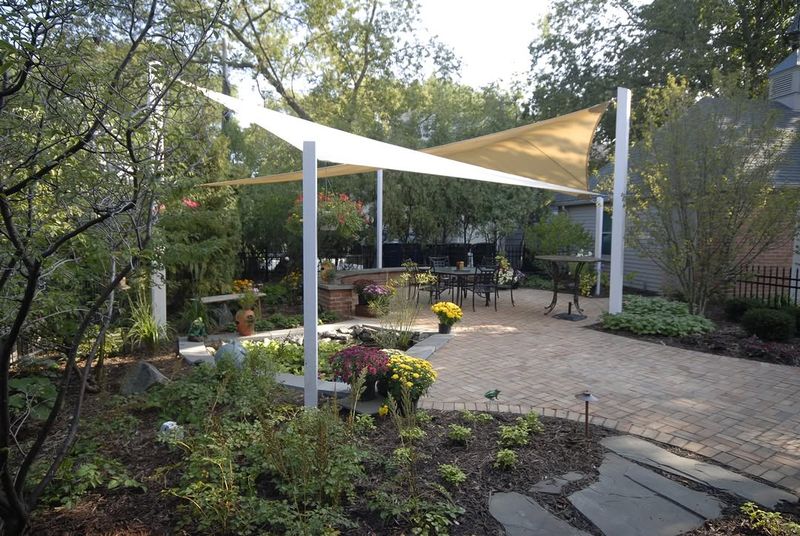
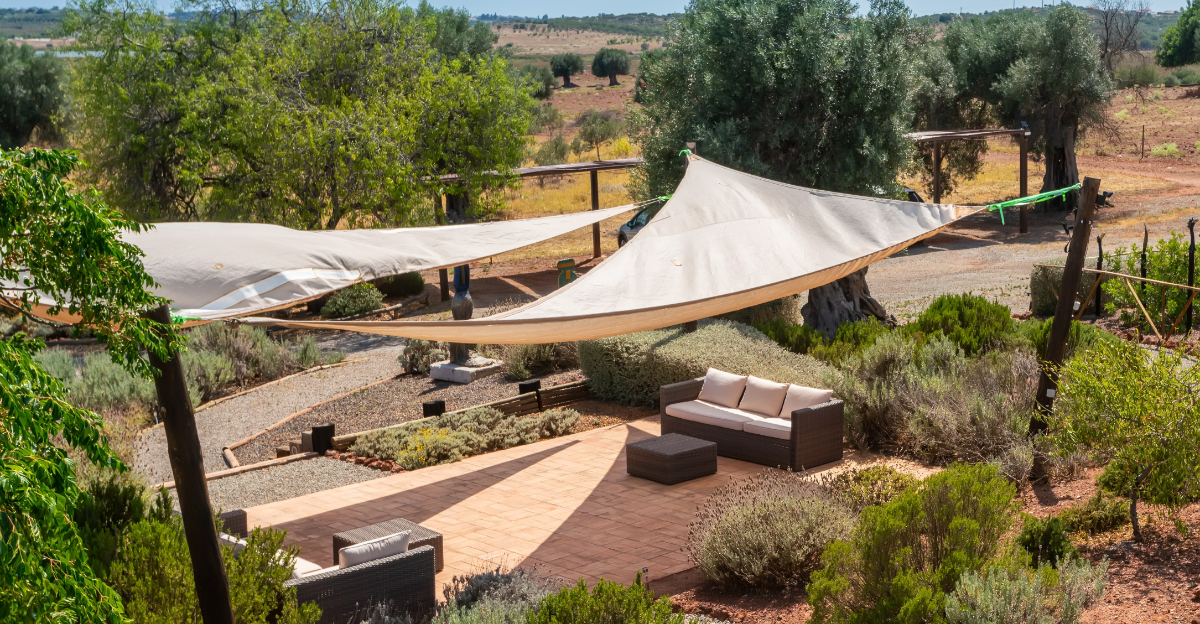
Shade sails have quietly become one of the most practical additions to Arizona patios, and April is exactly the right time to get them up before temperatures climb.
Unlike bulky pergolas or permanent structures, shade sails mount to anchor points on walls, posts, or fences using stainless steel hardware and tensioned fabric.
You can angle them in ways that block the sun at different times of day without completely closing off the sky.
In Phoenix and Scottsdale, homeowners are layering two or three sails of different sizes to cover more ground while keeping the look clean and modern.
The best fabrics for Arizona conditions are high-density polyethylene, which blocks 90 to 95 percent of UV rays while still allowing some airflow underneath.
Solid vinyl blocks more sun but traps heat, so breathable fabric tends to feel more comfortable during spring afternoons.
Installation is manageable as a weekend DIY project if you have solid anchor points already in place. Turnbuckles and D-rings make tensioning easier and let you adjust the sag over time.
Colors like sand, slate gray, and burnt orange tend to hold up longer under intense UV exposure than lighter shades.
Replacing a shade sail every few years is far cheaper than building a fixed structure, which makes them a practical choice for Arizona renters and homeowners alike.
4. String Lights Over Small Seating Areas
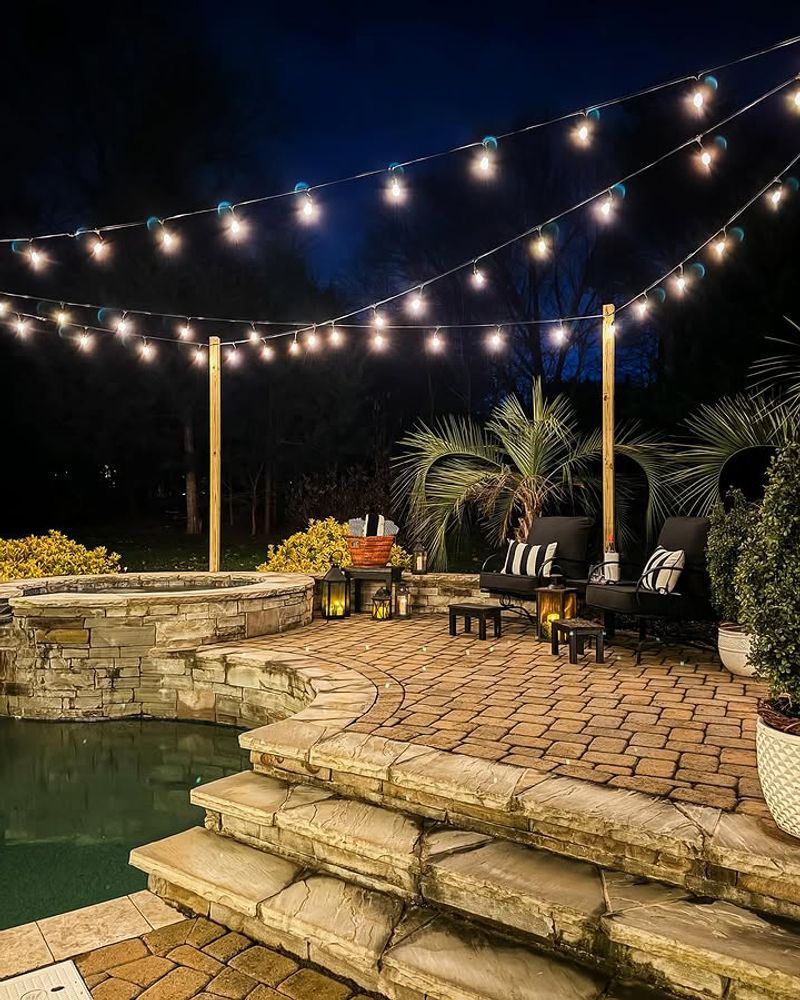
String lights change the feel of a patio completely once the sun drops, and in Arizona that evening window between sunset and bedtime is genuinely pleasant through most of April.
Temperatures fall fast here after dark, and having a lit outdoor space makes it easy to stay outside longer without needing much else.
Globe-style Edison bulbs on black or white wire are the most popular choice right now across Tempe and Mesa patios. Solar-powered string lights have gotten much better in recent years and work well in Arizona given the consistent sun exposure for charging.
Hardwired options with a GFCI outlet are more reliable if you plan to use the lights frequently, though they require a bit more setup upfront.
Stringing lights in a zigzag or crisscross pattern rather than a single straight line fills overhead space more fully and creates a more layered, finished look.
Attaching them to eye hooks screwed into wood posts, fence tops, or a nearby wall keeps them taut without sagging.
Keeping bulbs at least eight feet off the ground prevents them from feeling too close overhead. Warm white bulbs around 2700K give off a softer glow that flatters outdoor spaces better than cool daylight tones.
Weatherproof-rated lights, specifically IP44 or higher, hold up better through Arizona dust storms and summer monsoon downpours without flickering out after a single season.
5. Container Plant Corners With Heat-Tolerant Plants
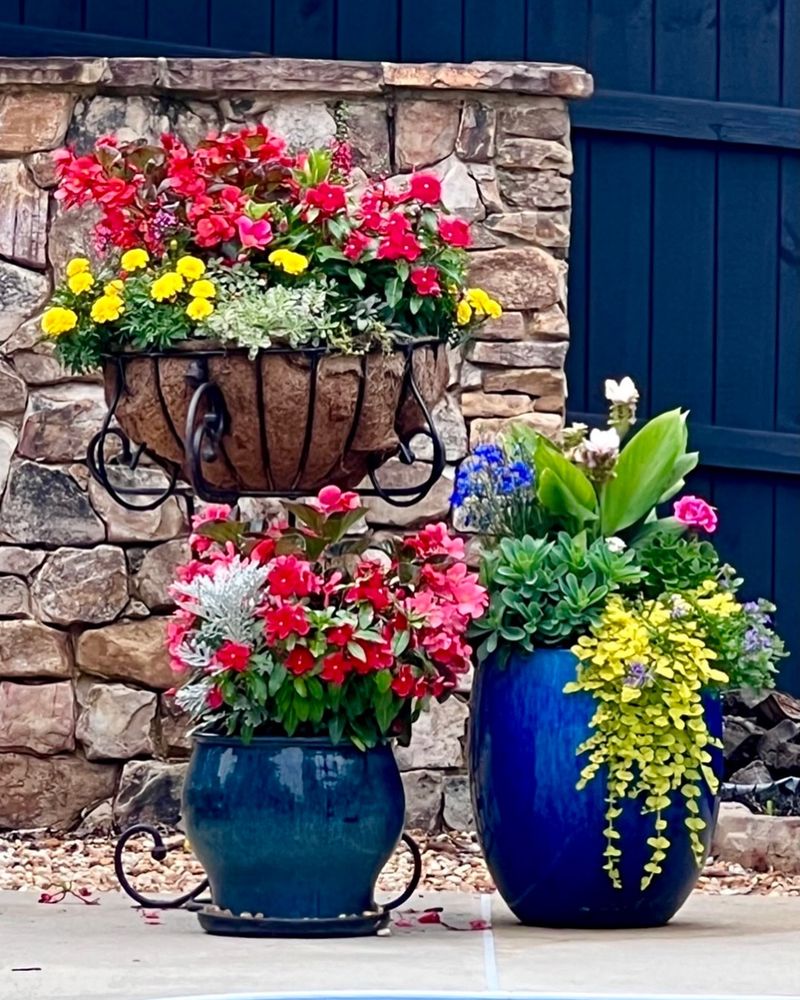
A well-arranged container corner can completely transform a bare patio edge into something that actually looks intentional. Arizona patios have a real advantage here because so many plants that struggle in other climates absolutely thrive in the desert heat.
April is a good time to get containers established before summer arrives, giving roots time to settle before temperatures peak.
Bougainvillea in large containers is a standout choice for color and sun tolerance. Yellow lantana and red salvia bring in pollinators and hold up through punishing afternoon heat.
Agave and desert spoon add structural height without needing frequent watering. Mixing plant heights across containers, tall in the back, medium in the middle, low spilling at the front, creates depth in a corner that would otherwise look flat.
Terracotta pots are popular for a reason in Arizona: they breathe, which helps prevent root issues in a climate where overwatering is a more common problem than underwatering.
Glazed ceramic holds moisture longer, which works better for plants that prefer more consistent hydration.
Grouping containers close together creates a microclimate that slightly reduces evaporation around each plant. Watering in the early morning rather than midday gives roots time to absorb moisture before the heat pulls it away.
Tucson gardeners have been doing this for decades, and the results speak for themselves when you see a lush container corner in July.
6. Foldable Chairs For Flexible Small Patios
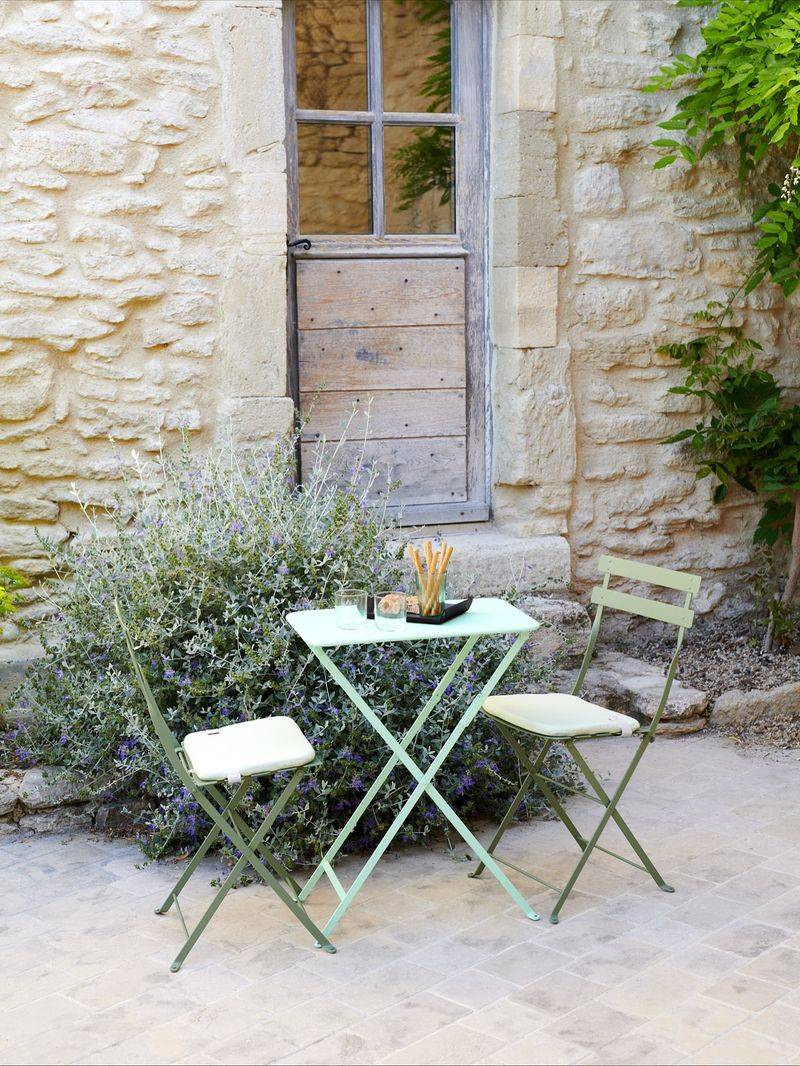
Small patios in Arizona neighborhoods get used hard in spring and then barely at all in July, which is exactly why foldable chairs make more sense than bulky fixed seating for a lot of households.
You can pull them out when the weather cooperates and stack them out of the way when it does not, without dedicating permanent floor space to furniture that sits unused for months.
Steel foldable chairs with a powder-coated finish hold up better under Arizona sun than plastic, which tends to become brittle after a summer or two of direct UV exposure.
Aluminum is lighter and rust-resistant, which matters in areas that get heavy monsoon moisture.
Woven polypropylene seats dry fast and do not absorb heat the way dark metal surfaces do, making them more comfortable to sit on in warm afternoons.
Compact apartment patios across central Phoenix are using foldable chairs specifically because they allow the same space to function as a dining area, a lounging corner, or simply an open floor depending on the day.
Pairing two or four foldable chairs with a small folding table gives you a full outdoor dining setup that stores flat against a wall.
Locking mechanisms on the legs matter more than most buyers realize, since chairs that wobble on uneven concrete or pavers create a frustrating experience over time. Checking weight ratings before buying is worth the extra minute, especially for heavier users.
7. Outdoor Rugs To Define A Seating Spot
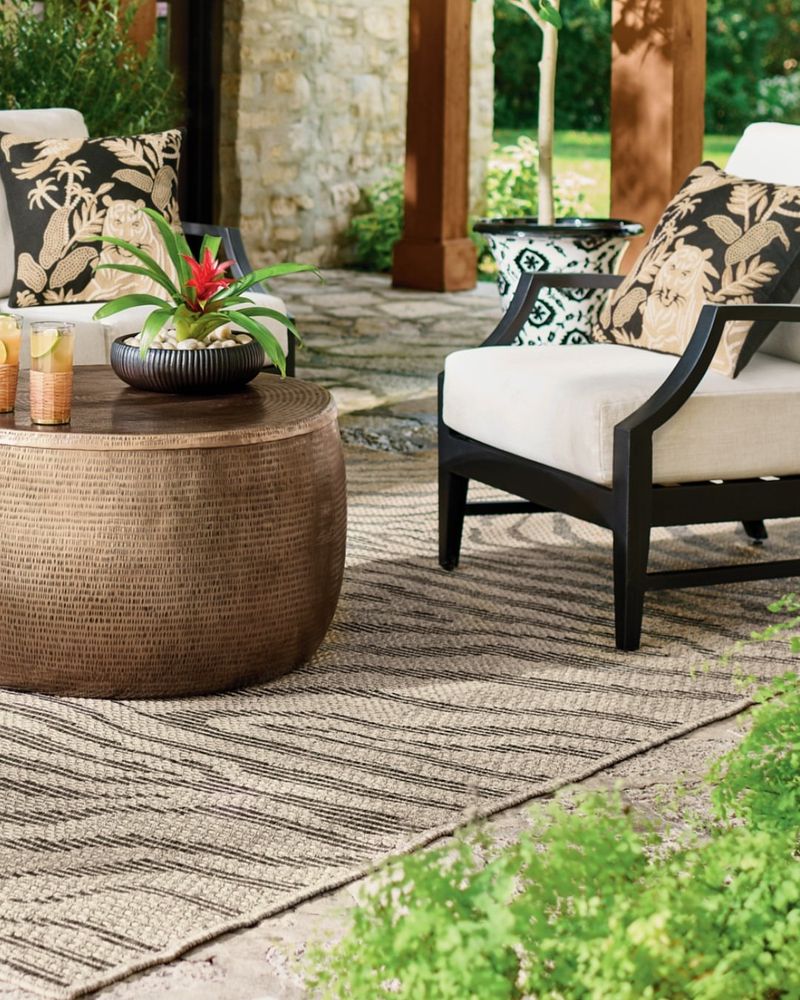
An outdoor rug does something that most other patio additions cannot: it instantly tells the eye where the seating area begins and ends.
On a plain concrete slab, which describes a huge number of Arizona patios, a rug is often the cheapest and fastest way to make the space feel designed rather than accidental.
April is a practical time to add one before sun intensity increases and fading becomes a bigger factor.
Flat-weave polypropylene rugs are the standard recommendation for Arizona outdoor use because they resist mold, dry fast after rain, and hold their color reasonably well under UV exposure.
Avoid rugs with thick pile or natural fibers like jute, which absorb moisture and break down quickly in monsoon humidity.
Sizes tend to run large for outdoor use, with eight by ten feet being a common starting point for a seating area that fits two chairs and a table comfortably.
Geometric patterns in earthy tones like terracotta, sand, and sage are showing up across Chandler and Gilbert patios this spring, fitting naturally into the desert modern aesthetic that Arizona homeowners are gravitating toward.
Securing the rug with outdoor rug tape or non-slip pads prevents it from shifting in wind, which picks up more than expected in open Arizona yards.
Hosing the rug down monthly and letting it dry fully in the sun keeps it clean without much effort through the spring season.
8. Umbrella Setups For Quick Afternoon Shade
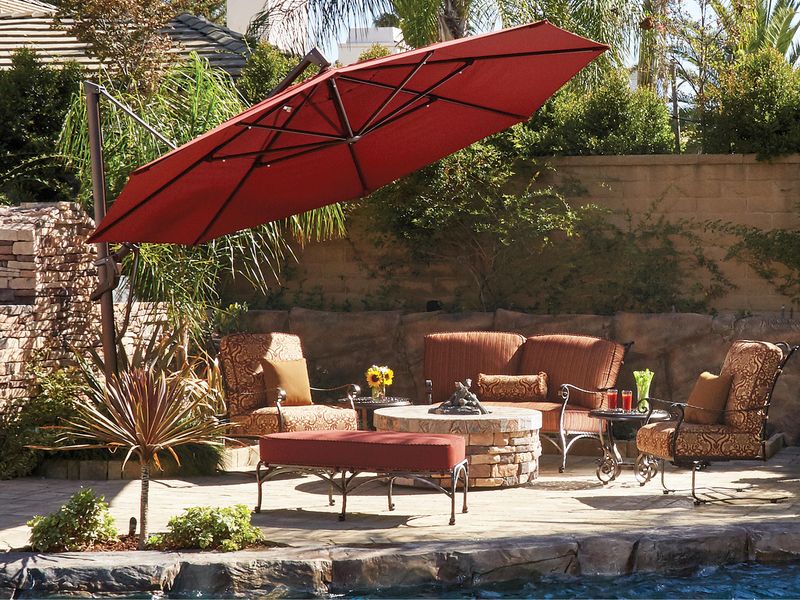
Cantilever umbrellas have replaced the old center-pole style on a lot of Arizona patios, and the reason is simple: the pole stays out of the way.
With a side-mounted or offset design, you get full coverage over a table or seating area without a base sitting in the middle of your floor space.
April afternoons in Arizona can already push into the mid-90s, so having shade that you can reposition in minutes is genuinely useful.
Weight and base stability matter more here than in most places. Arizona wind gusts, especially before monsoon season, can tip a lightweight umbrella over without warning.
A base filled with sand or water and weighing at least 50 pounds gives a cantilever umbrella a fighting chance in those conditions. Anchored in-ground bases work even better for permanent spots.
Fabric choice affects both comfort and lifespan under Arizona sun. Sunbrella-grade fabric holds color through several seasons of direct UV exposure, while cheaper polyester fades noticeably within a single summer.
Darker colors absorb more heat on the fabric surface itself, so lighter neutrals tend to feel more comfortable when you are sitting directly beneath them. Tilting mechanisms let you adjust the angle as the sun moves, which extends the usable shade window from early afternoon through evening.
Across Peoria and Surprise, umbrella setups paired with a small bistro table are one of the most common and practical patio combinations going up right now this April.