These Pennsylvania Houseplants Are Highly Toxic To Your Pets
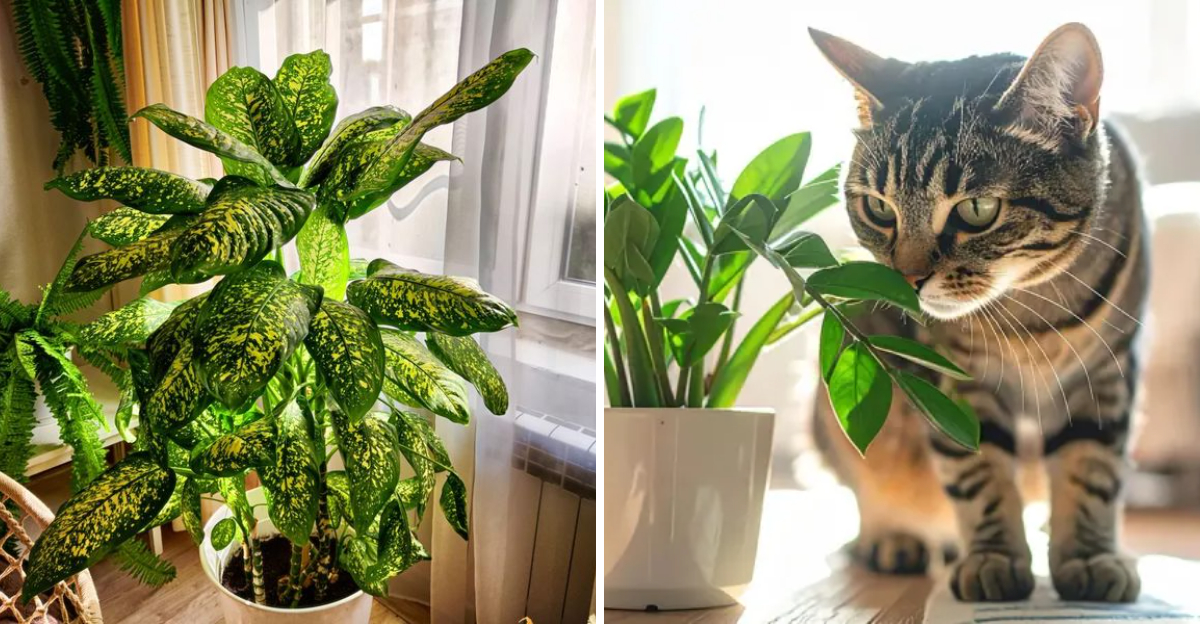
Houseplants and pets seem like a perfectly natural combination. A little greenery inside the home, a curious cat or dog doing what curious animals do.
But some of the most popular and beautiful houseplants found in Pennsylvania homes are genuinely dangerous to the animals sharing that space. And a lot of pet owners have no idea until something goes wrong.
This is not a small risk. Some common houseplants can cause serious harm to dogs and cats, ranging from digestive upset and excessive drooling all the way to organ failure and worse.
The frightening part is that many of these plants are sold without any warning, displayed attractively at garden centers and home stores with nothing to indicate they could send your pet to the emergency vet.
If you have pets in your Pennsylvania home, knowing which houseplants pose a real danger is one of the most important things you can do to keep them safe. Here’s what needs to come off your shelves or stay out of your home entirely.
1. Sago Palm
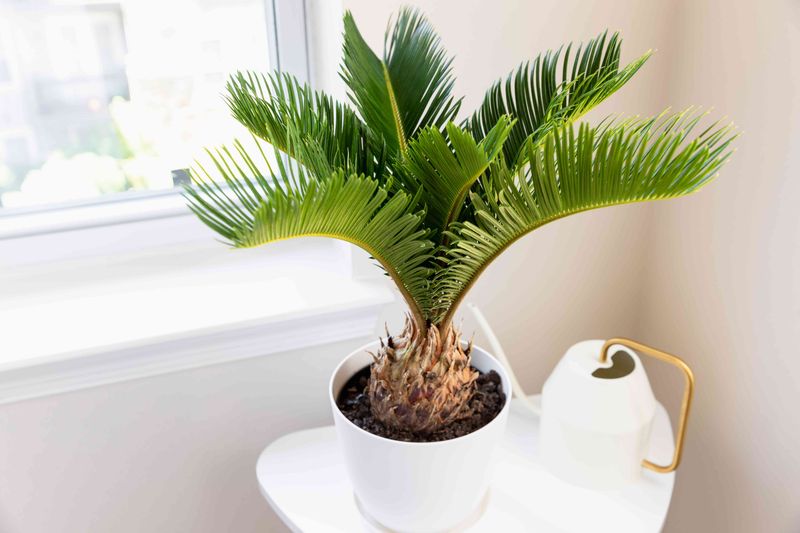
If there is one plant every Pennsylvania pet owner should know about, it is the Sago Palm. This plant looks tropical and beautiful, which is exactly why so many people bring it inside their homes.
But behind those dark green, feathery fronds hides a serious danger for your pets. Every single part of the Sago Palm is toxic to both cats and dogs. The seeds are especially dangerous.
Even a tiny amount can cause severe liver damage in pets. Symptoms can show up within just a few hours of your pet chewing on any part of this plant.
Watch for signs like vomiting, diarrhea, loss of appetite, and extreme tiredness. Your pet may also seem confused or have trouble walking. These are emergency warning signs that need immediate veterinary attention.
Many pet owners do not realize how fast this plant can affect an animal. The toxin inside the Sago Palm is called cycasin, and it is incredibly harmful to the liver. Even a small seed can cause serious and lasting damage.
If you already have a Sago Palm in your home, the safest move is to rehome it to a pet-free household or place it completely out of reach.
A high shelf is not always enough since curious cats can climb. Consider swapping it for a pet-safe plant like a spider plant or Boston fern instead.
Your pets depend on you to keep their environment safe. Removing the Sago Palm from your home is one of the simplest and most effective steps you can take to protect them from serious harm.
2. Dieffenbachia
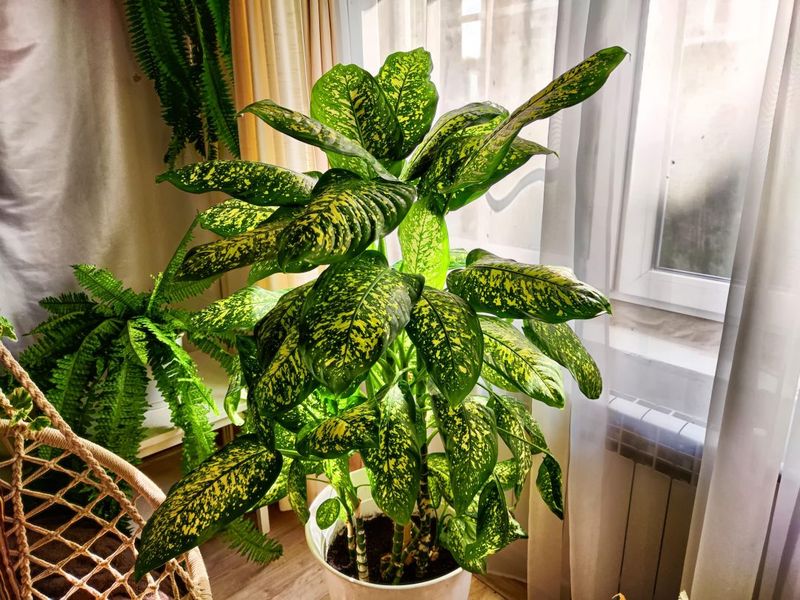
Nicknamed dumb cane, Dieffenbachia is one of the most recognizable houseplants around. Its large, patterned leaves with splashes of green and cream make it a popular choice for living rooms and offices.
But this plant carries a painful secret that can seriously hurt your pets. Dieffenbachia contains tiny, needle-like calcium oxalate crystals inside its leaves and stems. When a pet chews on the plant, these crystals are released directly into the mouth and throat.
Your Pennsylvania Garden Changes Every Week. Your Plan Should Too.
Gardening in Pennsylvania changes quickly throughout the season. Every Friday you’ll receive a simple weekly plan showing exactly what to plant, prune, fertilize, harvest, and protect so you never miss the right timing.
The result is immediate and intense pain, swelling, and burning that can make swallowing very difficult.
Cats and dogs that nibble on Dieffenbachia often start drooling heavily right away. They may paw at their mouths, refuse to eat, and show signs of real distress.
In more serious cases, swelling in the throat can make breathing harder, which needs urgent veterinary care.
One interesting fact about this plant is how it got its nickname. The swelling it causes in the mouth can temporarily affect speech in humans, which is why people historically called it dumb cane.
For pets, the effects can be even more intense because of their smaller body size. Keeping Dieffenbachia on high shelves or in rooms your pets cannot enter is a smart strategy.
However, falling leaves on the floor can still be a hazard, especially for dogs who sniff and lick everything in sight.
A safer decorating choice might be a calathea or prayer plant, both of which offer stunning leaf patterns without the toxic crystals. Your home can still look amazing without putting your pet at risk.
3. Pothos
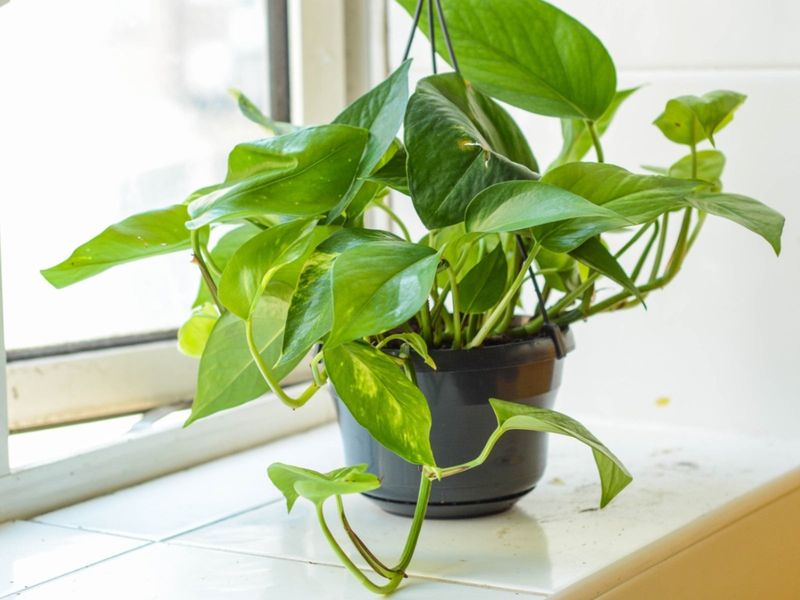
Ask almost any houseplant enthusiast what their first plant was, and there is a good chance they will say Pothos. Also known as devil’s ivy, this trailing vine is beloved for being nearly impossible to neglect.
It grows in low light, tolerates irregular watering, and looks gorgeous cascading from shelves or hanging baskets.
Unfortunately, Pothos is not as harmless as it seems when you have pets at home. The plant contains calcium oxalate crystals, similar to Dieffenbachia, which irritate the soft tissues of the mouth and stomach when chewed.
Pets that munch on Pothos leaves often experience immediate mouth discomfort, excessive drooling, and sometimes vomiting.
Dogs are especially prone to chewing on hanging vines since the dangling leaves look like toys to them. Cats may bat at the trailing stems and end up biting into them out of curiosity.
Even a small amount can trigger an uncomfortable reaction that leaves your pet feeling miserable for hours.
The good news is that Pothos is rarely fatal when pets ingest a small amount. However, larger quantities can cause more serious gastrointestinal upset, and the mouth irritation alone can be very painful for your animal.
If your pet chews on Pothos, rinse their mouth gently with water and contact your vet right away. Bring a piece of the plant with you to the appointment so the vet can confirm what your pet was exposed to.
Swapping Pothos for a hanging Boston fern or a string of pearls kept well out of reach gives you that same flowing, lush look without the worry. Your pet will thank you for the safer swap.
4. Philodendron
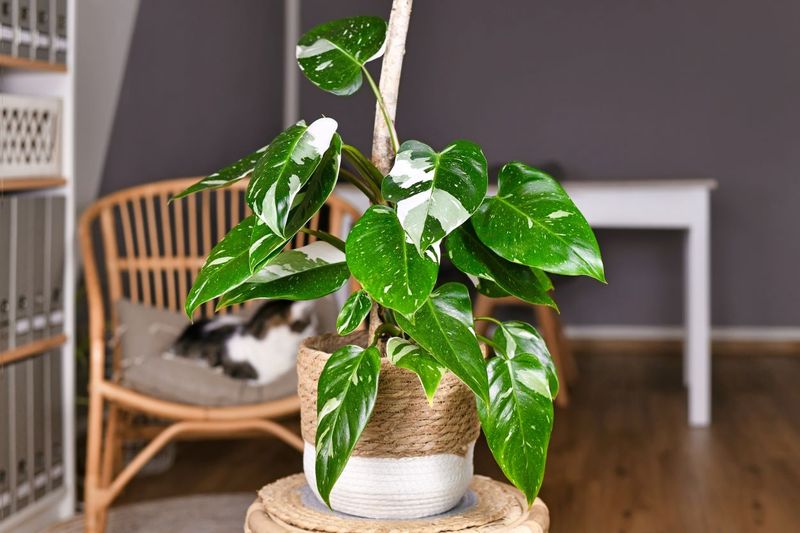
Philodendrons have been a staple of American homes for decades. With their glossy, heart-shaped leaves and easy-going growth habits, it is no wonder they show up in so many Pennsylvania living rooms, offices, and bedrooms.
They look lush, they grow fast, and they clean the air. What is not to love? Well, for pet owners, there is actually quite a bit to be cautious about.
Like Pothos, Philodendrons contain calcium oxalate crystals that cause immediate irritation when chewed.
Cats and dogs that bite into the leaves will likely experience burning and swelling in the mouth, along with heavy drooling. Vomiting often follows as the body tries to get rid of the irritant.
What makes Philodendrons a particular concern is how widely they are available. You can find them at grocery stores, big box stores, and garden centers across Pennsylvania.
Many people buy them without ever thinking about whether they are safe for their animals.
There are dozens of Philodendron varieties, and they all share the same toxic property. Whether you have a split-leaf variety or a classic heartleaf type, the risk to your pets remains the same.
Keeping any version of this plant away from curious animals is the safest approach. If your pet shows signs of mouth pain, pawing at the face, or sudden vomiting after being near a Philodendron, call your vet immediately.
Quick action makes a big difference in how quickly your pet recovers.
Replacing Philodendrons with pet-safe alternatives like peperomia or areca palm lets you keep your home green and vibrant while keeping your beloved animals safe from unnecessary discomfort.
5. Peace Lily
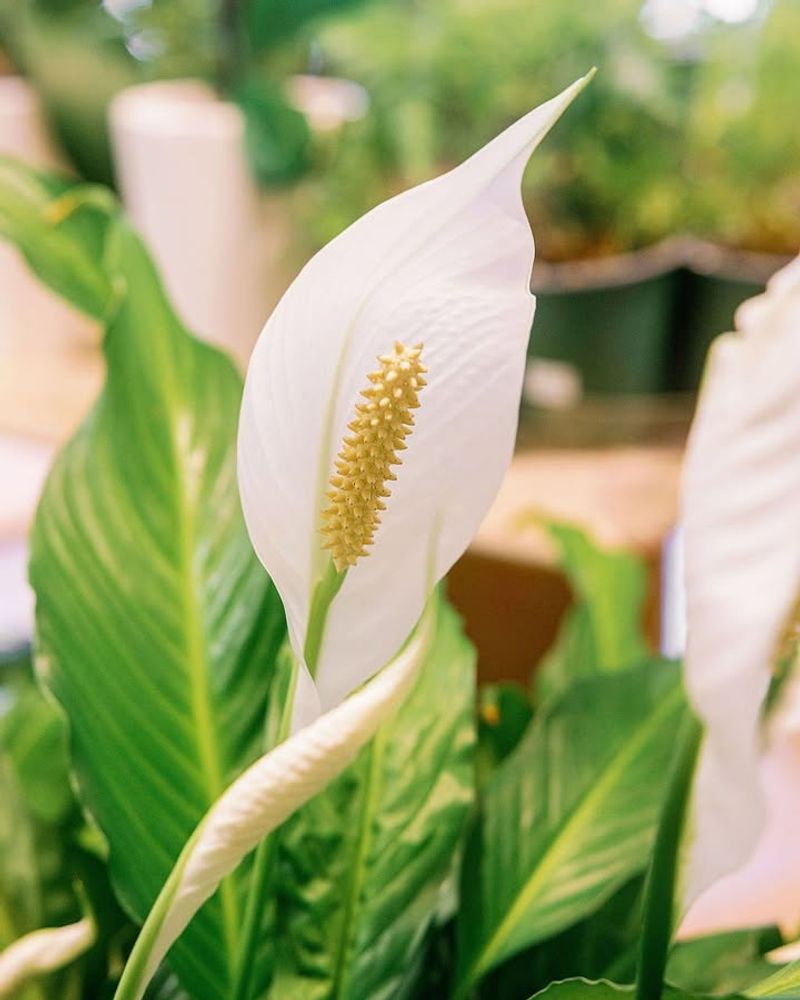
There is something undeniably elegant about a Peace Lily. Those crisp white blooms rising above deep green leaves make it one of the most popular flowering houseplants in Pennsylvania.
It thrives indoors with minimal sunlight and even helps filter indoor air. On the surface, it seems like the perfect houseplant. But if you have a cat or dog at home, you need to know the full story.
Peace Lilies contain calcium oxalate crystals, just like several other plants on this list. When a pet chews or swallows any part of the plant, those crystals cause immediate irritation in the mouth and throat.
Drooling, pawing at the mouth, and vomiting are some of the first signs you might notice. One thing that sets Peace Lilies apart from other toxic plants is how attractive they are to cats specifically.
The wide, smooth leaves seem to invite rubbing and chewing, which means feline households face a higher risk.
Even brushing against the plant and then grooming can transfer enough irritant to cause a reaction.
Difficulty swallowing is another symptom that can develop if a pet ingests a larger amount. This is a serious sign that requires prompt veterinary attention. Do not wait to see if the symptoms improve on their own.
Many pet owners are surprised to learn that Peace Lilies are harmful because they have such a calm, pure appearance. But looks can absolutely be deceiving when it comes to houseplant safety.
Consider replacing Peace Lilies with African violets or orchids, both of which are considered safe for pets and still bring beautiful blooms into your Pennsylvania home.
6. ZZ Plant
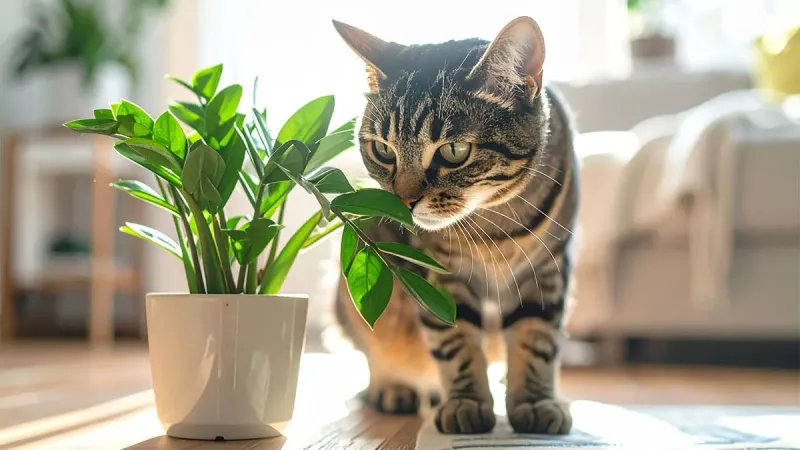
Low light? No problem. Forget to water for two weeks? Still thriving.
The ZZ Plant has earned a loyal fanbase among busy homeowners and apartment dwellers across Pennsylvania because it is practically indestructible. Those thick, waxy, dark green leaves look polished and modern, fitting right into any home decor style.
But before you place one in your living room, there is something important every pet owner should understand.
ZZ Plants contain calcium oxalate compounds throughout their leaves, stems, and roots. When a pet chews on any part of the plant, those compounds cause irritation and burning in the mouth and stomach.
Symptoms include drooling, vomiting, and visible discomfort around the mouth area.
The good news is that ZZ Plants are considered mildly to moderately toxic, meaning the effects are usually not life-threatening if a small amount is ingested. However, the discomfort your pet experiences is very real and can last for several hours.
Larger amounts can cause more serious gastrointestinal upset.
What makes ZZ Plants tricky is their height and structure. The stems grow upright and the leaves sit at different levels, making them accessible to both dogs and cats depending on the plant’s size.
A curious dog can easily snap off a lower stem, while a climbing cat might reach the top leaves. Keeping ZZ Plants in rooms your pets cannot access is one option.
Another is to replace them with a pet-safe alternative like a haworthia or a cast iron plant, which offer that same tough, low-maintenance appeal without the risk to your animals. Your pets are worth the swap. A small change in your plant choices goes a long way.
7. Snake Plant
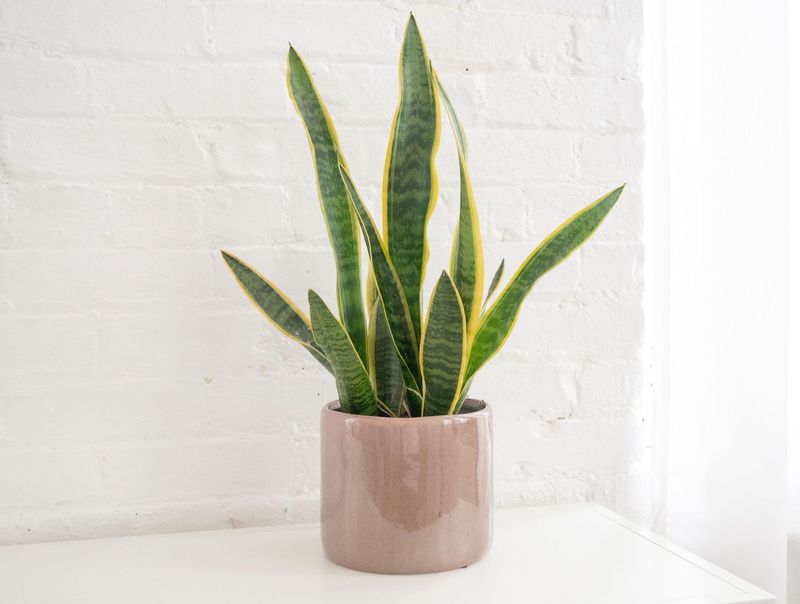
Walk into almost any home, office, or waiting room in Pennsylvania and you are likely to spot a Snake Plant.
Also called mother-in-law’s tongue, this striking plant with its tall, stiff leaves and yellow-edged pattern has become one of the most popular houseplants in the country.
It is easy to care for, looks architectural and bold, and is often praised for improving indoor air quality. But if you share your home with a cat or dog, you need to keep a close eye on this one.
Snake Plants contain saponins, which are natural chemical compounds the plant uses as a defense against insects and fungi. When pets chew on the leaves, those saponins can cause nausea, vomiting, and diarrhea.
The symptoms are typically not severe, but they are unpleasant and can leave your pet feeling very uncomfortable.
Cats are especially attracted to Snake Plants because the tall, narrow leaves look a bit like grass, which cats naturally chew on when they feel the urge to graze. This instinct puts them at higher risk of nibbling on the plant without you noticing right away.
If your pet does ingest part of a Snake Plant, contact your vet for guidance. Most cases resolve with supportive care at home, but your vet may want to check on your pet if symptoms continue or worsen.
Interestingly, Snake Plants are one of the few houseplants that release oxygen at night, which is why many people keep them in bedrooms. But a bedroom is often exactly where pets sleep, making it a risky location.
Swapping a Snake Plant for a pet-friendly option like a parlor palm or bamboo palm keeps your bedroom air fresh and your sleeping pets completely safe.