These Plants Attract Dragonflies To Texas Gardens Every Spring
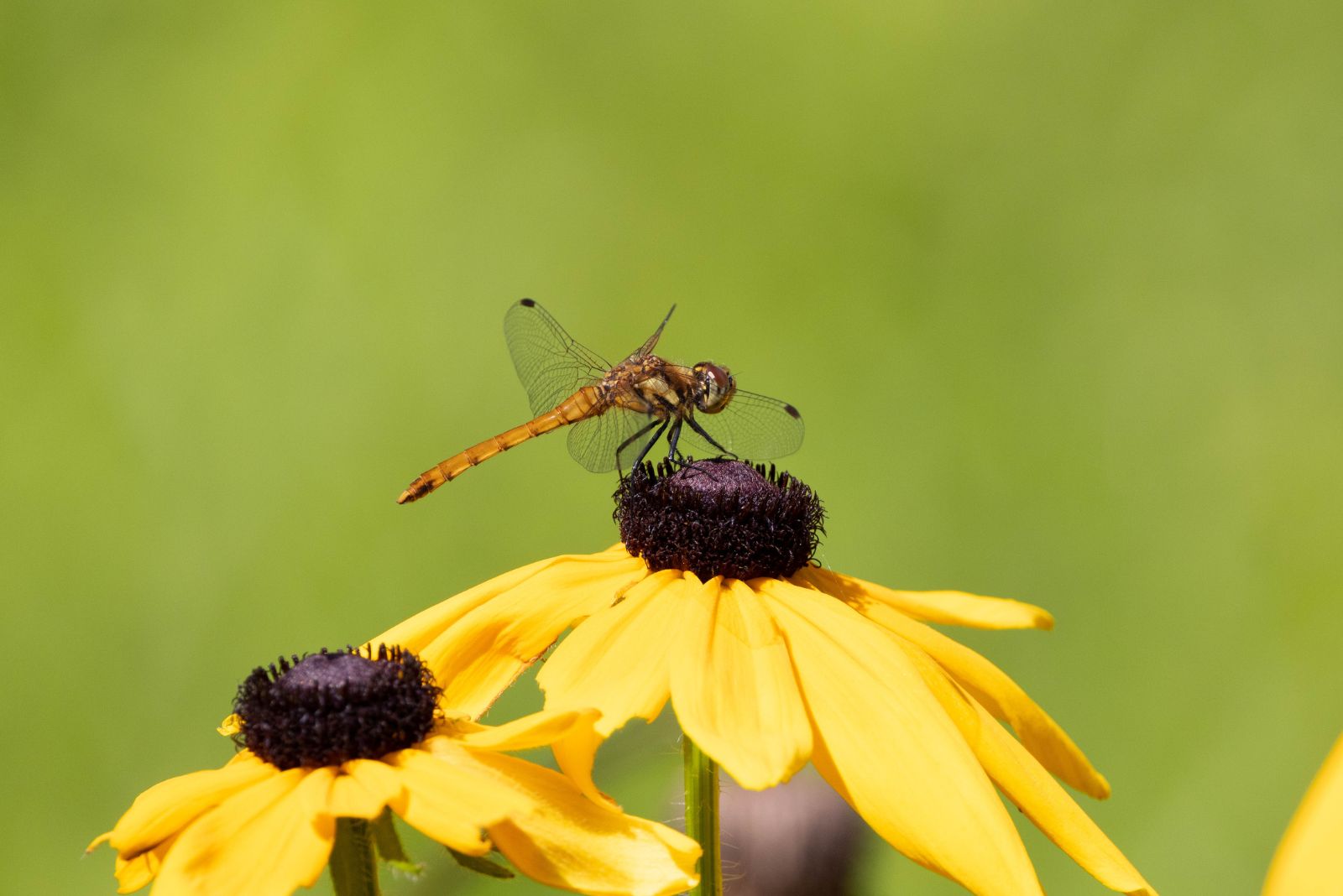
Dragonflies have a way of making a garden feel more alive. One minute the yard is quiet, and the next these bright, fast-moving visitors are darting through the air like tiny flying jewels.
In Texas, spring is when they start showing up more often, and for many gardeners, that is a welcome sight. They add movement, color, and a little extra charm to outdoor spaces that are just starting to wake up after winter.
What makes them even more appealing is that they are not just pretty to watch. Dragonflies are also helpful to have around, especially in places where mosquitoes tend to become a problem as temperatures rise.
That is why the plants in your garden can make such a difference. Certain choices create a space that feels more inviting to them, whether through shelter, moisture, or the kind of natural setting they seem to prefer.
For Texas gardeners who want a yard that feels lively and useful, planting with dragonflies in mind is a smart move. The right mix can make spring feel a lot more active and a lot more enjoyable.
1. Pickerelweed
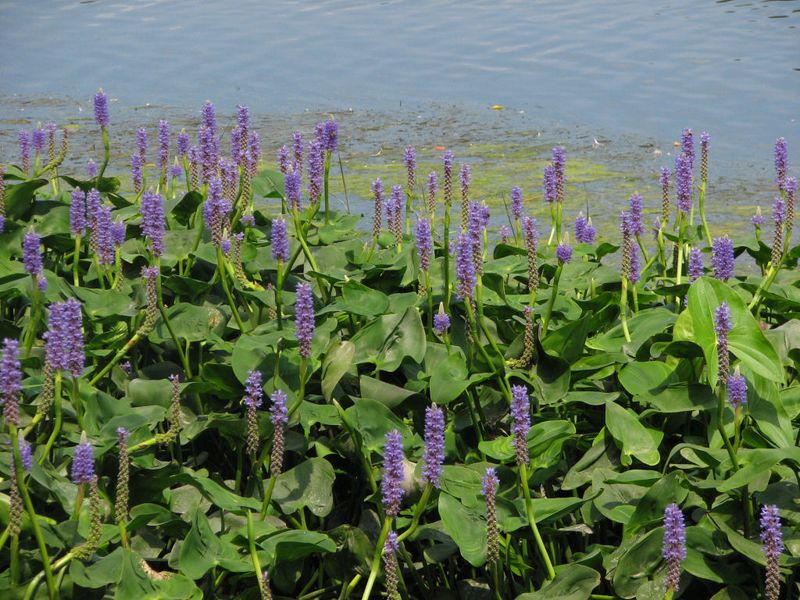
Few aquatic plants put on a show quite like Pickerelweed. Those tall spikes of purple-blue flowers rising out of the water are hard to miss, and dragonflies absolutely love them.
If you are trying to build a true dragonfly-friendly space in your Texas garden, this plant deserves a front-row spot near your pond or water feature.
Pickerelweed grows best in shallow water, usually in just a few inches up to about a foot deep. It spreads at a manageable rate and stays tidy enough for most backyard water gardens.
The sturdy, upright stems give adult dragonflies a perfect place to perch and scan for food. That is actually a big deal – dragonflies are hunters, and they need good lookout spots.
Beyond perching, the plant creates the kind of underwater habitat where dragonfly larvae can develop safely. Female dragonflies lay their eggs on or near aquatic plants like Pickerelweed, and the nymphs spend months underwater before emerging as adults.
So planting this in your Texas garden is not just about looks, it is about supporting the full dragonfly life cycle.
Pickerelweed is also a Texas native, which means it is well-adapted to the local climate and does not need a lot of extra care once established. It blooms from late spring through fall, giving you months of color.
Plant it along a pond edge or in a large container filled with water, and watch the dragonflies start showing up before you know it.
2. Arrowhead
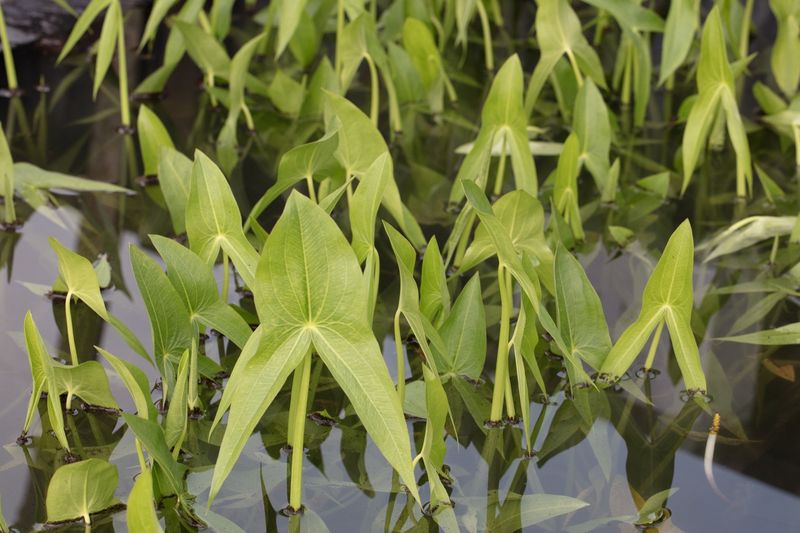
Named for the bold, arrow-shaped leaves that shoot up from the water, Arrowhead is one of those plants that earns its keep in a Texas water garden without much fuss. It is native to North America, it thrives in shallow ponds and marshy edges, and dragonflies genuinely depend on it.
If your goal is a garden full of these winged hunters by spring, Arrowhead is a smart place to start.
The plant grows in standing or slow-moving water, making it a natural fit for backyard ponds, rain gardens, and boggy low spots that tend to stay wet after heavy Texas rains. Its thick, upright leaves give dragonfly nymphs places to cling to as they develop underwater.
When the nymphs are ready to emerge as adults, they crawl up plant stems – and Arrowhead provides exactly the kind of vertical structure they need for that transformation.
Adult dragonflies also use the sturdy leaves as resting spots between hunting runs. Since dragonflies eat mosquitoes, small flies, and other insects, having them patrol your Texas yard is a real benefit.
Arrowhead supports that by helping keep a healthy insect community in and around the water.
White, three-petaled flowers bloom on Arrowhead from summer into fall, adding a simple, clean look to any water garden. Birds and other wildlife appreciate the seeds too, so you are really creating a mini ecosystem.
Plant it in the shallows of your pond, and let it do what it does best – quietly building habitat while looking great doing it.
3. Blue Flag Iris
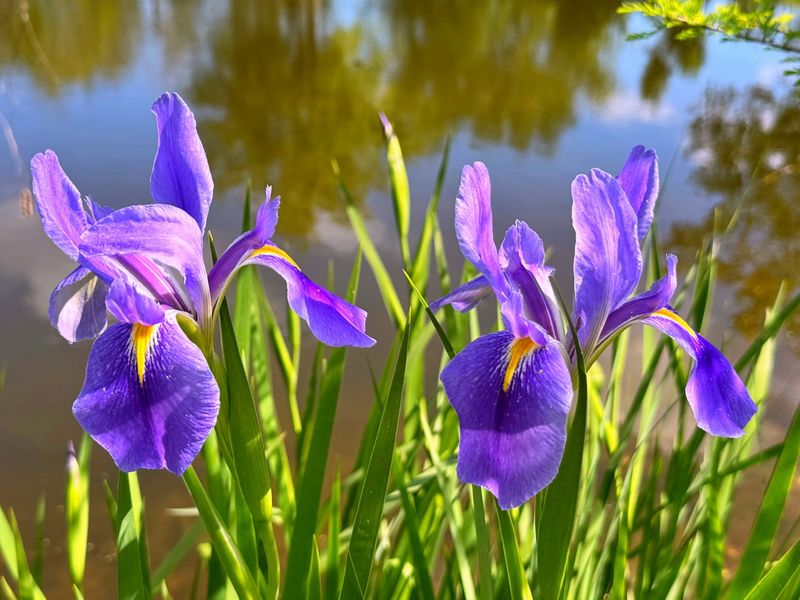
There is something almost magical about Blue Flag Iris blooming at the edge of a Texas pond in spring. The violet-blue flowers are striking, and the tall, sword-like leaves give the whole planting a wild, natural feel.
But beyond the good looks, this plant plays a real role in drawing dragonflies to your yard season after season.
Blue Flag Iris loves moist to wet soil and does especially well along the banks of ponds or in shallow water. In Texas, it thrives in areas that stay damp, like low spots in the garden or the margins of a backyard water feature.
The dense clumps of foliage create a sheltered microhabitat that female dragonflies seek out when choosing spots to lay eggs. Moisture is the key ingredient dragonflies need for breeding, and Blue Flag Iris helps deliver that environment naturally.
The upright leaves also serve as perches for adult dragonflies resting between flights. Dragonflies are incredibly active predators, and they spend a lot of time hovering or resting near water.
Giving them a reliable spot to land encourages them to stick around your Texas garden longer, which means more pest control for you.
Blue Flag Iris is a native species, so it fits right into a Texas-friendly planting plan without needing a lot of extra watering or fertilizing once it gets established. It blooms in spring, which lines up perfectly with the season when dragonflies start becoming active again.
Pair it with other water-loving plants for a layered, wildlife-rich garden edge that looks as good as it performs.
4. Swamp Milkweed
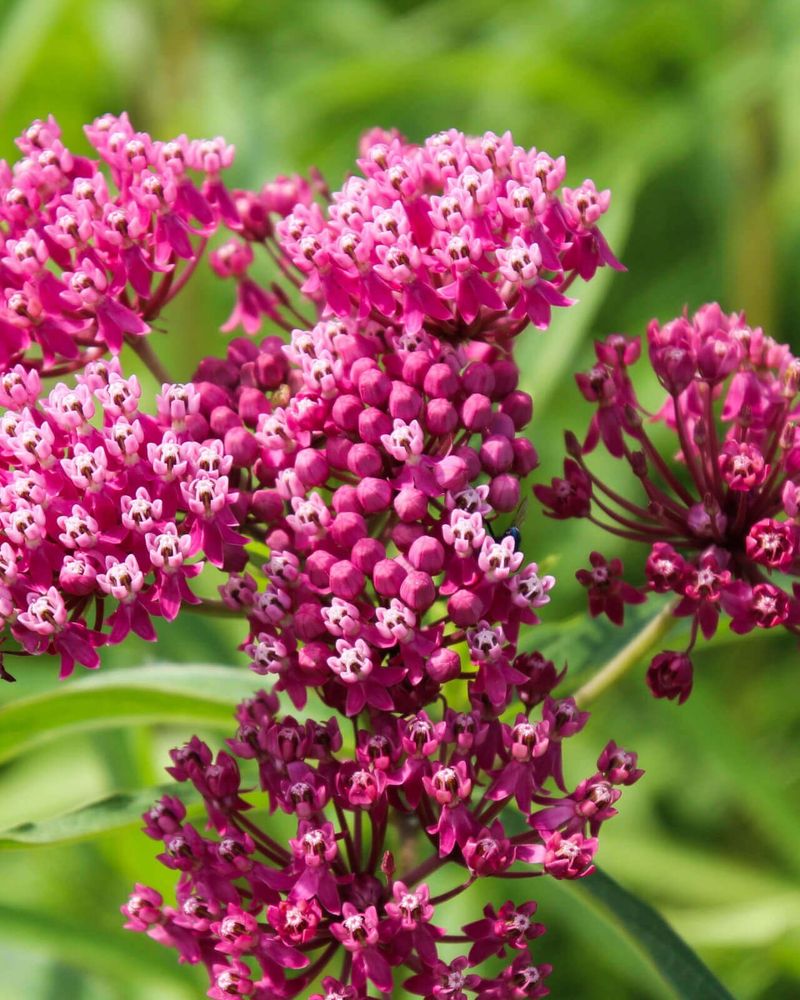
Swamp Milkweed might have a plain-sounding name, but this plant is anything but boring. Clusters of dusty pink flowers sit on top of tall, upright stems, and by midsummer, the whole plant buzzes with activity.
Bees, butterflies, and other pollinators flock to it – and where insects gather in numbers, dragonflies are never far behind.
Unlike many milkweed species, Swamp Milkweed is built for wet conditions. It thrives in moist or even waterlogged soil, making it a natural companion for pond edges and rain gardens across Texas.
The plant roots in deeply and grows back reliably each year as a native perennial, which means you plant it once and enjoy it for many springs to come. That kind of low-maintenance payoff is exactly what Texas gardeners are looking for.
The connection between Swamp Milkweed and dragonflies is less direct than with fully aquatic plants, but it is still meaningful. Dragonflies are predators, and they hunt wherever insects are plentiful.
By bringing in a wide variety of pollinators and small flying insects, Swamp Milkweed essentially sets a dinner table that dragonflies are happy to visit. A garden with a healthy insect population is a garden that dragonflies will keep coming back to.
Beyond dragonflies, Swamp Milkweed is a host plant for monarch butterflies, making it a double-duty addition to any Texas garden.
Plant it in a spot that gets full sun and stays consistently moist, and watch it become one of the most visited plants in your whole yard from spring straight through to fall.
5. Joe-Pye Weed
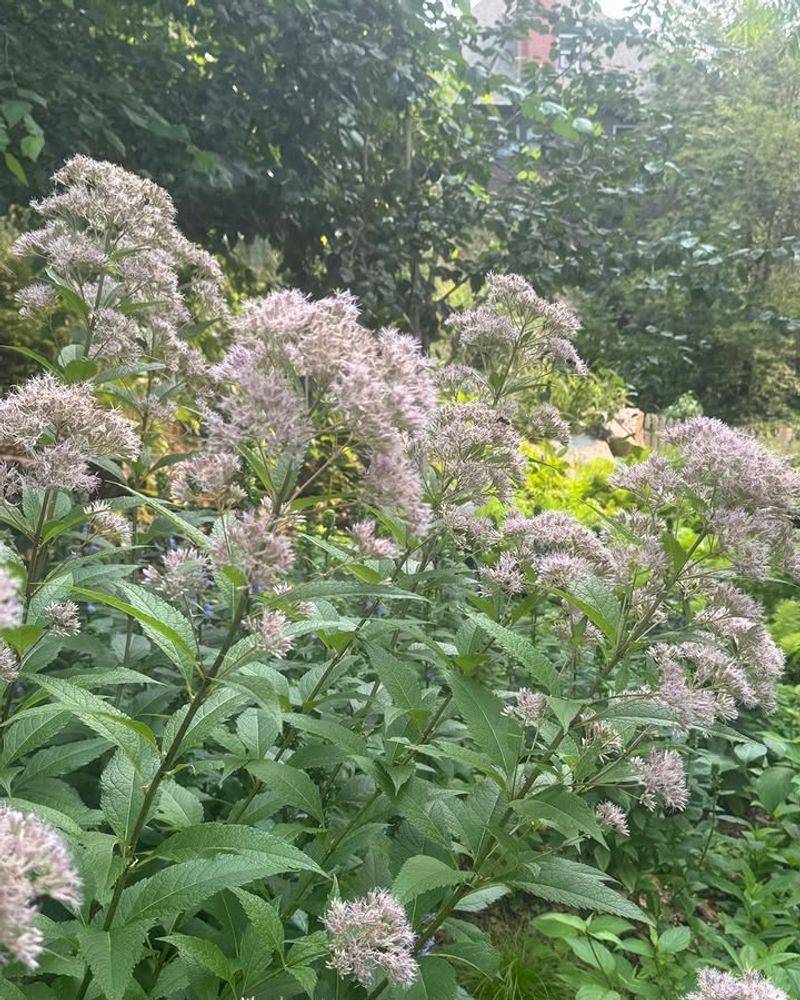
Standing anywhere from four to seven feet tall, Joe-Pye Weed is the kind of plant that commands attention in a garden. The fluffy, mauve-pink flower clusters bloom in late summer and attract an impressive parade of insects.
For dragonflies patrolling a Texas yard, a tall plant like this is basically a watchtower – and they use it as one.
Dragonflies are aerial hunters. They chase down mosquitoes, gnats, and small flies with remarkable speed and precision.
To do that effectively, they need high perching spots where they can scan a wide area before launching an attack. Joe-Pye Weed gives them exactly that.
The tall stems and dense flower heads create ideal landing zones, especially when the plant is positioned near a water source like a pond or birdbath.
Joe-Pye Weed also plays a supporting role by drawing in the kinds of insects dragonflies eat. Butterflies, bees, and small beetles all visit the flowers regularly.
More insect activity means more hunting opportunities for dragonflies, which keeps them returning to your Texas garden throughout the warmer months.
Growing Joe-Pye Weed in Texas is straightforward as long as you give it a spot with full to partial sun and decent moisture in the soil. It does particularly well near water features or in low areas of the yard that hold rain.
Native to North America, it is well-suited to the region and needs very little intervention once established. Plant a small grouping near your pond for the best results, and enjoy watching dragonflies claim the top perches every single morning.
6. Black-Eyed Susan
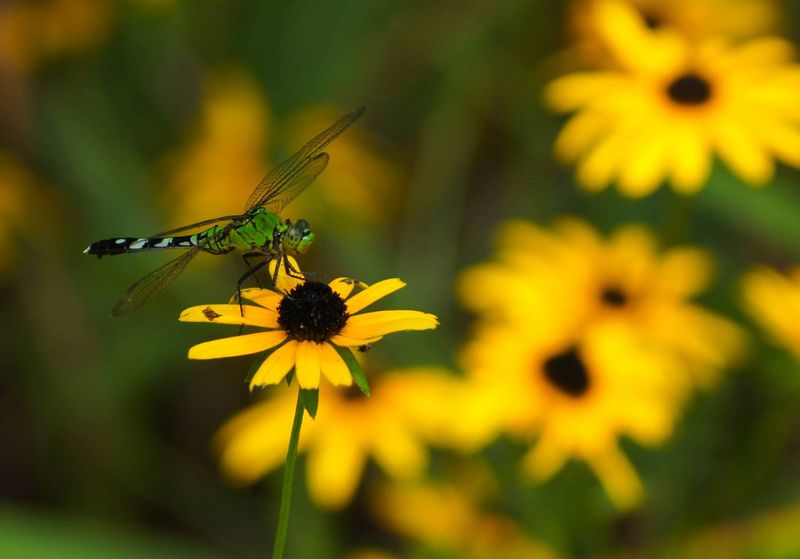
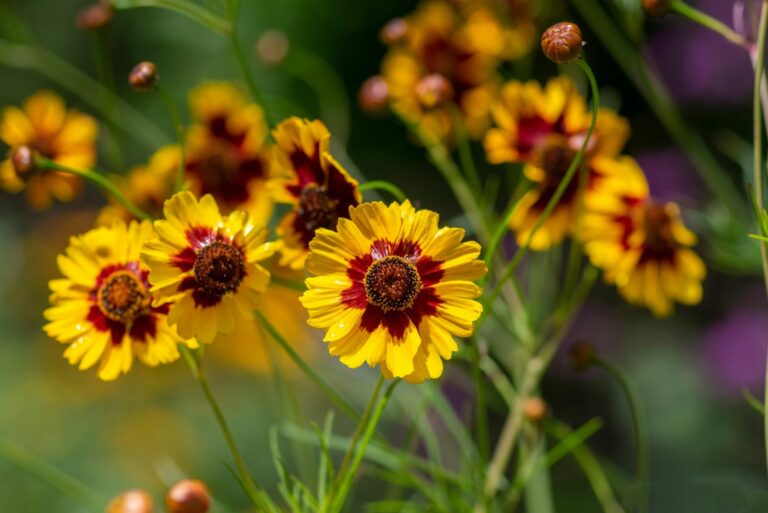
Bright yellow petals surrounding a dark, almost velvety center – Black-Eyed Susan is one of the most cheerful wildflowers you can grow in a Texas garden. It is tough, reliable, and blooms generously from late spring well into fall.
But what makes it especially useful for dragonfly lovers is the steady stream of small insects it pulls in every single day. Dragonflies are carnivores. They eat other insects, and they are very good at it.
Black-Eyed Susan does not provide water or egg-laying sites the way aquatic plants do, but it serves a different and equally important role – it feeds the food chain.
The flowers attract beetles, flies, small bees, and other tiny insects that adult dragonflies actively hunt. A garden with Black-Eyed Susan in full bloom is essentially a well-stocked hunting ground.
One of the best things about growing Black-Eyed Susan in Texas is how little it asks of you. It handles drought well, tolerates poor soil, and comes back year after year without much fuss.
It thrives in full sun, which is never in short supply across most of Texas. Plant it in clusters for the biggest visual impact and the most insect activity, since a large patch draws far more visitors than a single stem.
Mixing Black-Eyed Susan with water-loving plants like Pickerelweed or Blue Flag Iris creates a garden that supports dragonflies at every stage of their lives – breeding near the water and hunting near the flowers.
That combination is one of the most effective ways to keep dragonflies active and present in your Texas garden all spring and summer long.
7. Yarrow
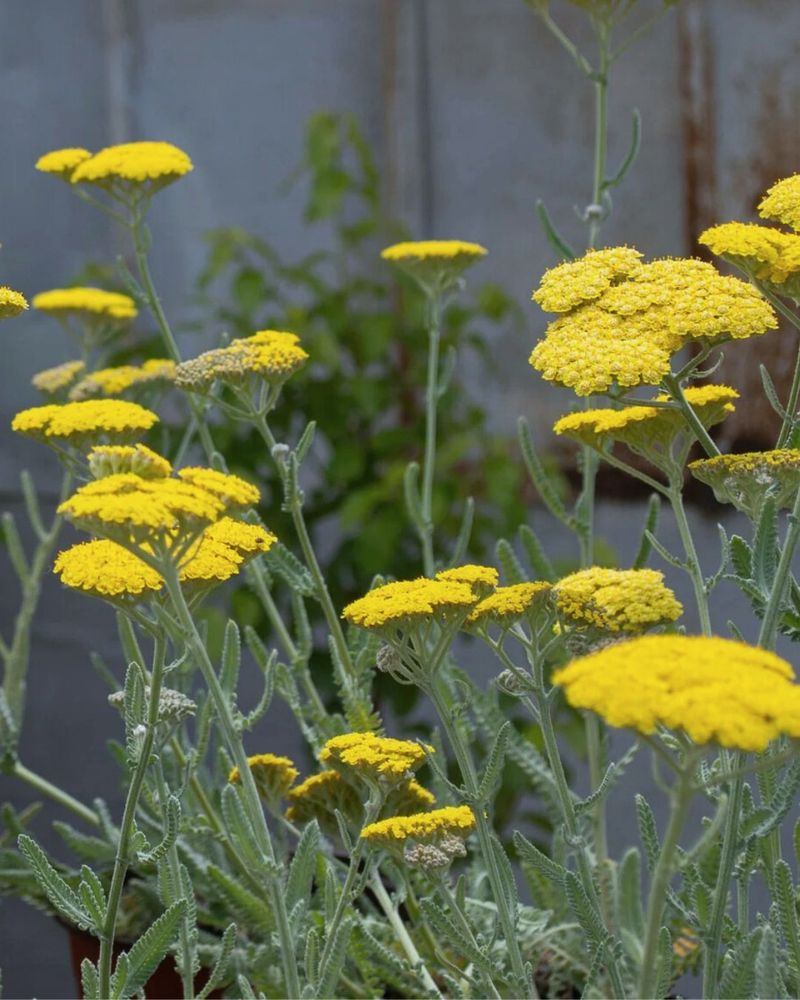
Yarrow has been growing wild across North America for centuries, and Texas gardeners have long appreciated how well it handles the heat. The flat-topped flower clusters, which come in white, yellow, and soft pink, are like tiny landing pads for insects.
And where insects land, dragonflies circle overhead, watching and waiting for the right moment to swoop in.
What sets Yarrow apart from many other garden plants is its adaptability. It grows in poor, dry soil and does not need extra watering once it gets going.
For Texas gardeners dealing with long, hot summers and unpredictable rainfall, that kind of resilience is a real advantage. It spreads steadily over time, filling in gaps in a garden bed and creating a dense, low-maintenance carpet of foliage and flowers.
The insect traffic Yarrow generates is impressive. Small flies, beetles, wasps, and native bees all visit the flowers regularly throughout spring and into summer.
That consistent activity gives dragonflies a reliable hunting zone right in your own backyard. Pair Yarrow with taller plants like Joe-Pye Weed or a nearby water feature, and you create the kind of layered habitat that dragonflies find irresistible.
Yarrow also works well as a border plant along the edges of a garden bed, especially when planted near a pond or birdbath that provides the moisture dragonflies need for breeding. In Texas, it starts blooming in spring just as dragonfly season kicks off, making the timing almost perfect.
Plant it in full sun, give it room to spread, and let it quietly do the work of turning your garden into a dragonfly magnet every year.