These 7 Plants Can Get Oregon Homeowners In Trouble If They Are Not Removed
Some plants cause a lot more trouble than Oregon homeowners expect. They may look harmless at first, blend into the yard, or even seem useful for privacy and quick greenery.
But a few can spread aggressively, crowd out better plants, damage nearby spaces, or create problems that are expensive and frustrating to fix later.
In some cases, leaving them in place can even lead to neighborhood complaints or put you on the wrong side of local rules and invasive plant concerns. That is what makes them so risky.
The issue is not just how they look today, but what they can do once they settle in and start taking over.
Knowing which plants are worth removing can save time, money, and a lot of future stress while helping you build an Oregon yard that is easier to manage and far better behaved.
1. Tree Of Heaven
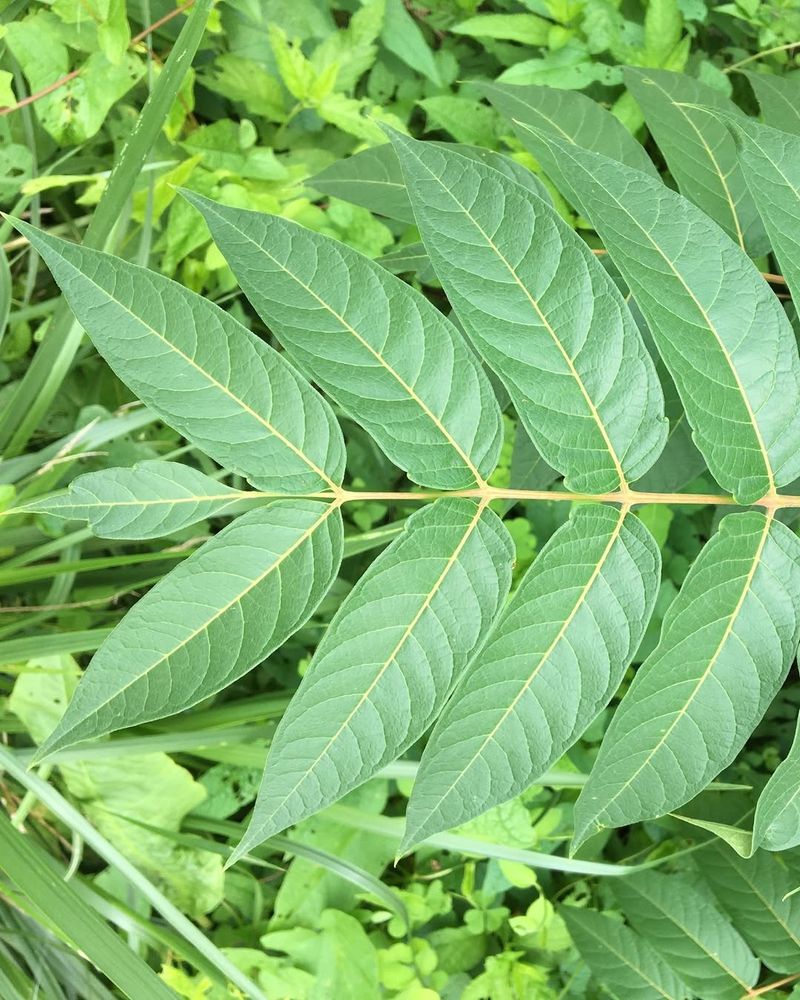
Few trees have a name as misleading as this one. The Tree of Heaven, known scientifically as Ailanthus altissima, sounds peaceful, but Oregon homeowners have learned the hard way that it is anything but.
Originally brought to the United States from China in the 1700s, it has since spread aggressively across the Pacific Northwest.
This tree grows at a shocking rate, sometimes more than six feet per year. It sends out root sprouts that can crack sidewalks, damage foundations, and push through walls.
The roots are nearly impossible to control once the tree gets established on your property.
Oregon classifies the Tree of Heaven as an invasive species, which means you could face pressure from local authorities to remove it. The tree also produces chemicals in its roots that prevent other plants from growing nearby, essentially poisoning your garden.
It releases a strong, unpleasant odor when the leaves or stems are broken. Getting rid of it requires professional help, because cutting it down without treating the stump will only cause it to grow back stronger.
If you spot one on your Oregon property, act fast.
2. Black Locust
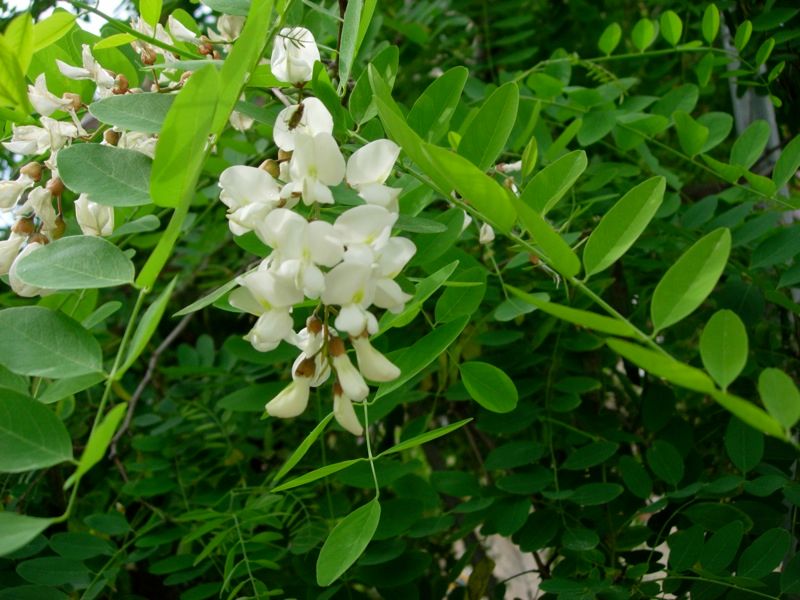
There is something almost deceptive about the Black Locust. In spring, it blooms with gorgeous white flowers that smell like honey, making it easy to fall in love with at first glance.
But underneath that pretty exterior is one of the most aggressive and property-damaging trees you can have on your Oregon land.
Black Locust spreads through root sprouting, meaning one tree can quickly turn into a small forest. These sprouts pop up through lawns, garden beds, and even cracks in driveways.
The thorns on younger growth are sharp enough to puncture tires and cause injuries to people and pets walking nearby.
In Oregon, Black Locust is recognized as a problematic invasive plant in many counties. It outcompetes native vegetation and can change the soil chemistry, making it hard for other plants to survive.
The wood is extremely tough, which sounds useful, but it makes removal a challenging and expensive process. Homeowners who ignore it often find their entire yard overrun within just a few years.
Your Oregon Garden Changes Every Week. Your Plan Should Too.
Gardening in Oregon changes quickly throughout the season. Every Friday you’ll receive a simple weekly plan showing exactly what to plant, prune, fertilize, harvest, and protect so you never miss the right timing.
Consulting a certified arborist in Oregon before the tree spreads further is strongly recommended. Early removal saves both money and a lot of frustration down the road.
3. English Holly
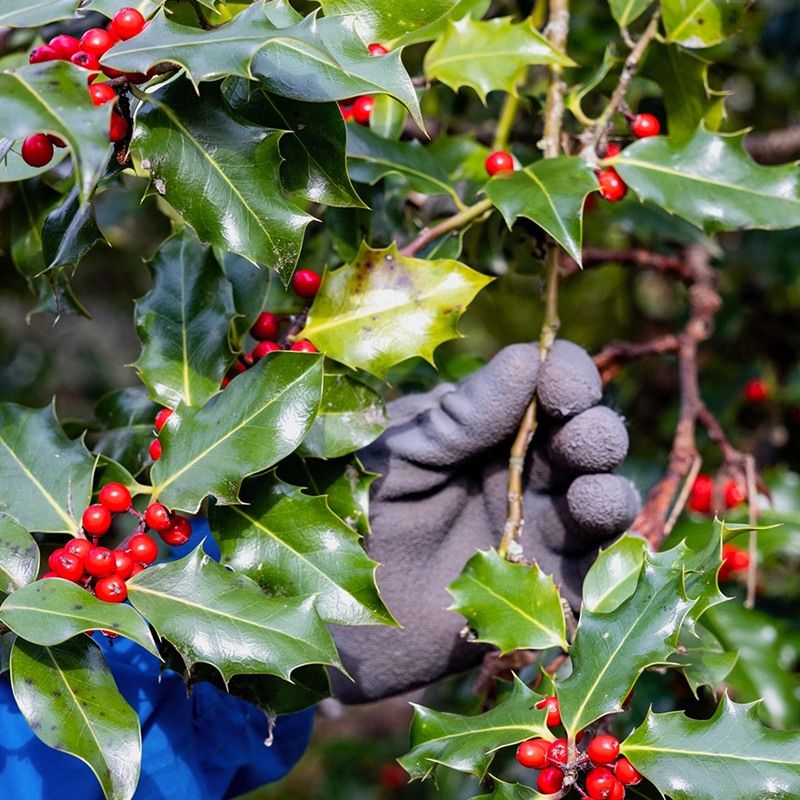
Walk through almost any older Oregon neighborhood in December and you will spot English Holly with its glossy green leaves and bright red berries. It looks festive and cheerful, but this plant has a reputation that most homeowners do not know about until it is too late.
English Holly is listed as an invasive species in Oregon and Washington, and for good reason.
Birds love to eat the berries and spread the seeds far and wide, which means one holly tree can produce dozens of seedlings across your yard and beyond your property line. Once established, English Holly can crowd out native Oregon plants and shrubs, reducing habitat for local wildlife.
It is a slow but steady takeover that is hard to reverse.
The berries are also toxic to dogs, cats, and small children, which makes it a safety concern for family homes. Oregon landowners are increasingly being asked to manage or remove English Holly to protect native ecosystems.
Removal can be tricky because even small root sections left in the ground can regrow. Wearing thick gloves is a must, as the leaves have sharp edges.
Hiring a professional tree service familiar with invasive species removal in Oregon is the smartest and safest approach.
4. Scotch Broom
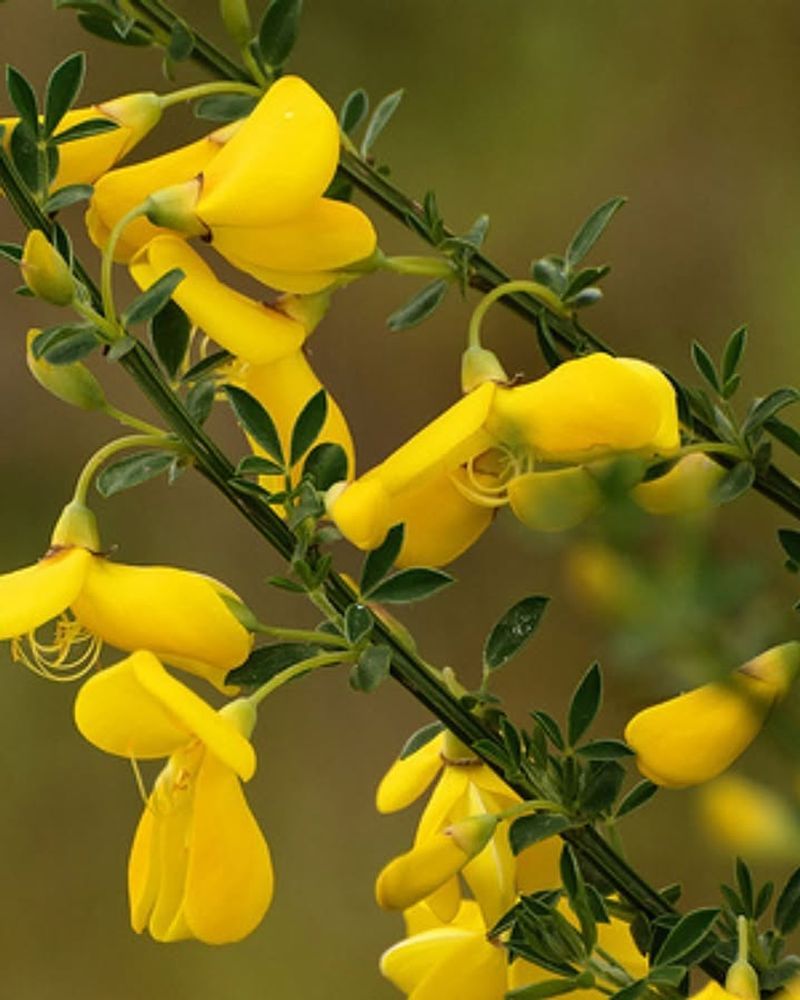
Bright yellow flowers might make Scotch Broom look like a cheerful addition to any property, but Oregon officials have a very different opinion. Scotch Broom is one of the most aggressively invasive plants in the entire state, and homeowners who let it grow unchecked can face serious problems with local weed control authorities.
A single Scotch Broom plant can produce up to 18,000 seeds per year. Those seeds can remain dormant in the soil for decades and sprout when conditions are right.
This means that even after you remove the plant, new growth can appear for years if the soil is not treated properly.
Oregon counties have weed control programs that can hold property owners responsible for invasive species on their land. Scotch Broom is a fire hazard too, because its dried stems and seed pods are highly flammable, putting homes at greater risk during Oregon’s dry summer months.
It also releases chemicals that change soil nitrogen levels, making it harder for native plants to return after removal. Manual removal works best when plants are young, but large infestations require professional help.
If Scotch Broom is taking over your Oregon property, do not wait. Reach out to your county’s weed control board for guidance and support.
5. Himalayan Blackberry
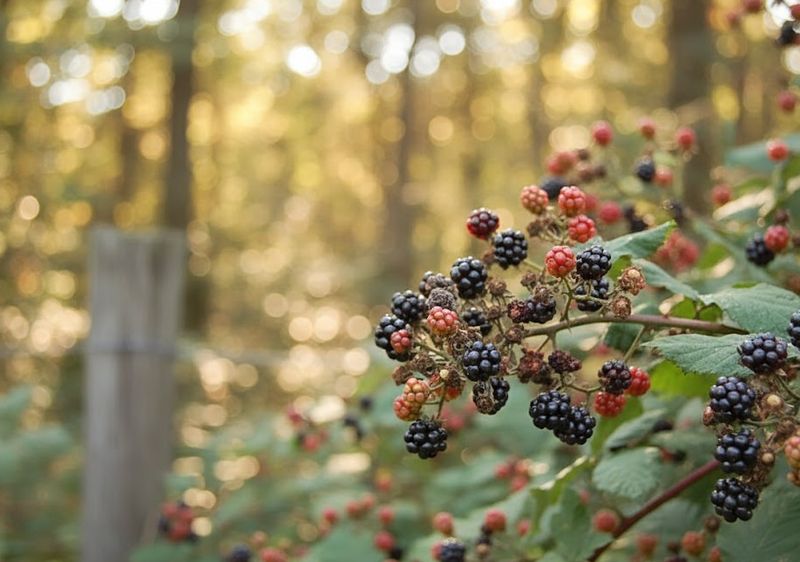
Ask any Oregon homeowner who has tried to clear Himalayan Blackberry from their yard, and you will hear a story of scratched arms, broken tools, and a whole lot of frustration. This plant is not just a nuisance; it is a full-on invasion.
Himalayan Blackberry is listed as one of Oregon’s most problematic invasive species, and it earns that title every single season.
The canes grow incredibly fast and can reach lengths of over twenty feet in a single year. They form dense, thorny thickets that are nearly impossible to walk through.
The roots go deep into the soil, making simple cutting almost pointless because the plant regrows from the base quickly and with renewed energy.
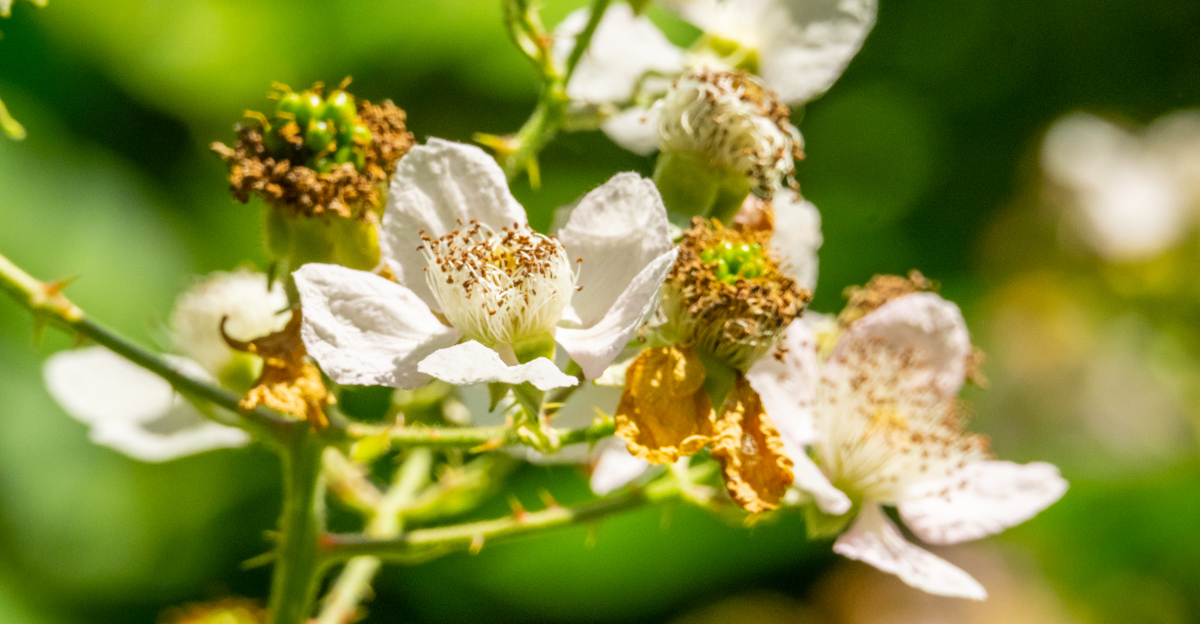
Beyond being a headache for homeowners, Himalayan Blackberry can block drainage ditches, damage fences, and take over outbuildings on your property. In Oregon, some municipalities require property owners to control invasive species growth near public rights-of-way, and Himalayan Blackberry is frequently at the top of that list.
Failing to manage it can result in fines or mandated removal at your expense. Professional removal combined with follow-up herbicide treatment gives the best long-term results.
The berries are edible and tasty, but that sweetness is not worth the structural and legal risks that come with letting this plant run wild.
6. Sweet Cherry (Wild Types)
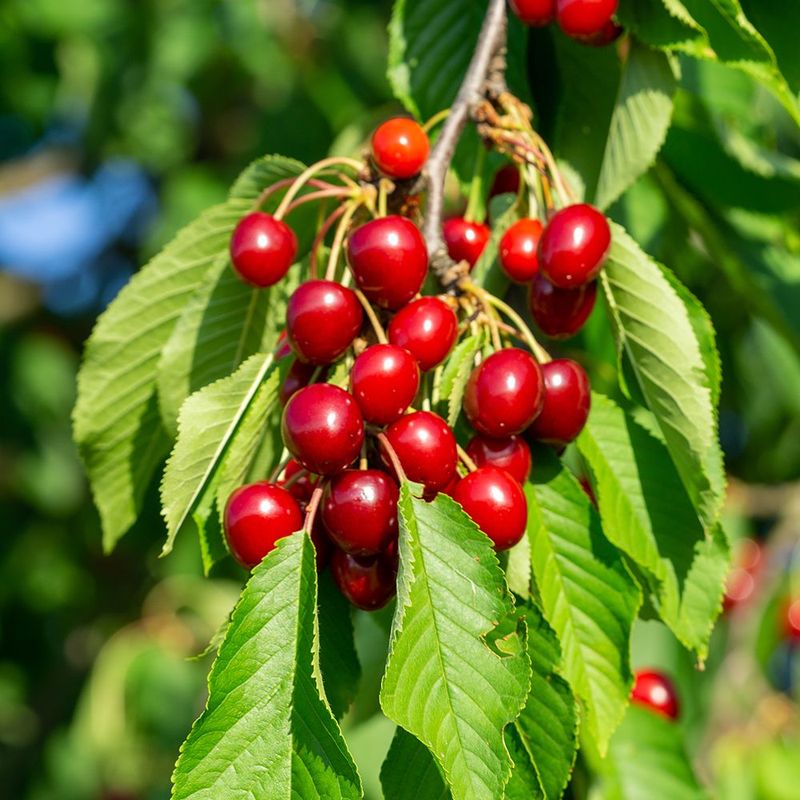
Sweet cherries are beloved across Oregon, especially in the Hood River Valley where orchards stretch for miles. But wild-type Sweet Cherry trees that sprout naturally on residential properties are a different story.
These trees can grow very tall, very fast, and create a surprising number of problems for homeowners who do not keep them in check.
Wild Sweet Cherry trees can reach heights of over sixty feet, which puts them dangerously close to power lines, rooftops, and neighboring structures. Their root systems are aggressive and can interfere with underground water and sewer lines over time.
Falling limbs from an unmaintained cherry tree can cause serious damage to vehicles, fences, and home exteriors.
Birds spread cherry seeds widely, which means new trees can sprout up in unexpected places on your property, including close to your home’s foundation. In some Oregon neighborhoods, homeowners have faced disputes with neighbors over falling cherries that stain patios and attract pests like wasps and raccoons.
Overgrown wild cherry trees can also block sunlight and reduce the value of your landscaping. Regular pruning by a certified arborist can help manage growth, but in some cases full removal is the safer and smarter choice.
If a wild cherry tree is growing too close to your home in Oregon, get a professional assessment sooner rather than later.
7. Norway Maple
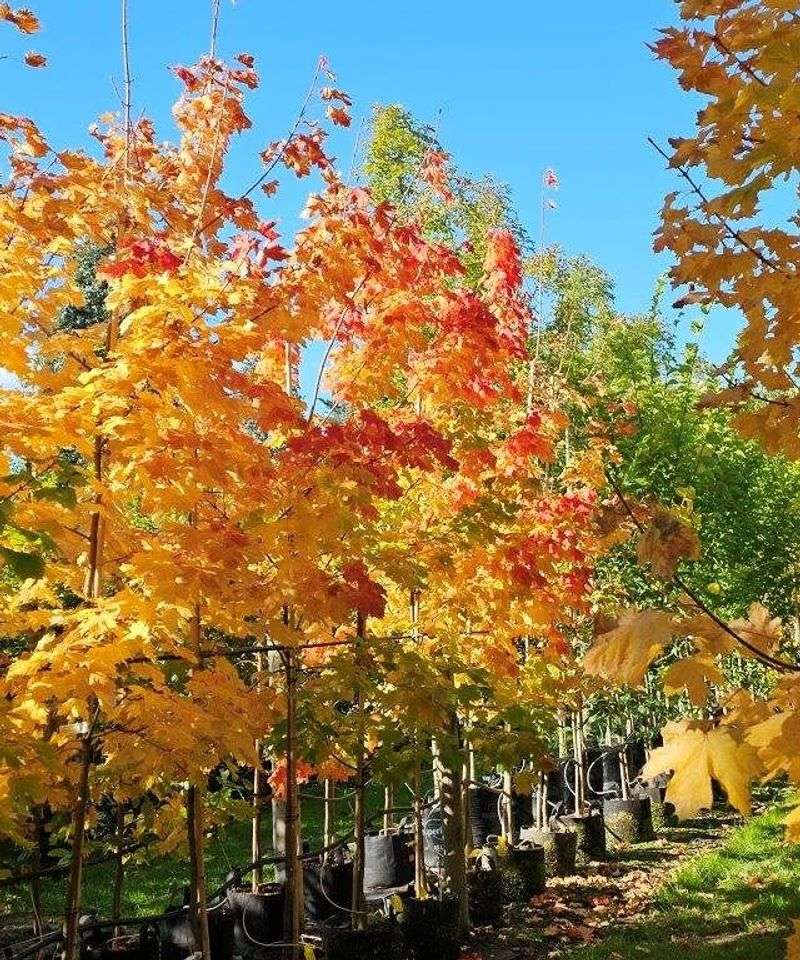
Norway Maple was once a popular choice for Oregon streets and yards because of its thick canopy and tolerance for tough conditions. Over time, though, it became clear that this tree comes with a long list of problems that no homeowner wants to deal with.
Oregon now recognizes Norway Maple as an invasive species, and for good reason.
The tree produces thousands of winged seeds every year that travel easily on the wind and sprout in gardens, gutters, and cracks in pavement. Its shallow, aggressive root system is notorious for lifting sidewalks, cracking driveways, and damaging home foundations.
The dense shade it creates prevents grass and other plants from growing underneath it, leaving large bare patches in your yard.
Norway Maple also outcompetes native Oregon tree species like bigleaf maple and Oregon white oak, reducing biodiversity in local ecosystems. Some Oregon cities have already banned the planting of new Norway Maples and encourage removal of existing ones.
Homeowners with large Norway Maples near their homes should have them inspected regularly for structural weakness, as older trees can become unstable during Oregon’s heavy winter storms. Removal is often the recommended course of action, especially when the tree is close to structures.
A licensed arborist can assess the risk level and help you plan a safe and effective removal strategy.