10 Texas Container Plants That Make Your Space More Beautiful And Inviting
Ever notice how the right pot of plants can completely change the feel of a patio or porch?
In Texas, where heat, strong sun, and tight outdoor spaces often shape what you can grow, container gardening has become a favorite way to keep things looking fresh and inviting.
Not every plant handles Texas conditions well in a pot, but the right picks can thrive with surprisingly little effort.
From small balconies to sunny patios, the right container plants can soften hard edges, add color, and make outdoor spaces feel more like a retreat without turning yard care into a full-time job.
1. Lantana Brings Bright Color In Full Sun Containers
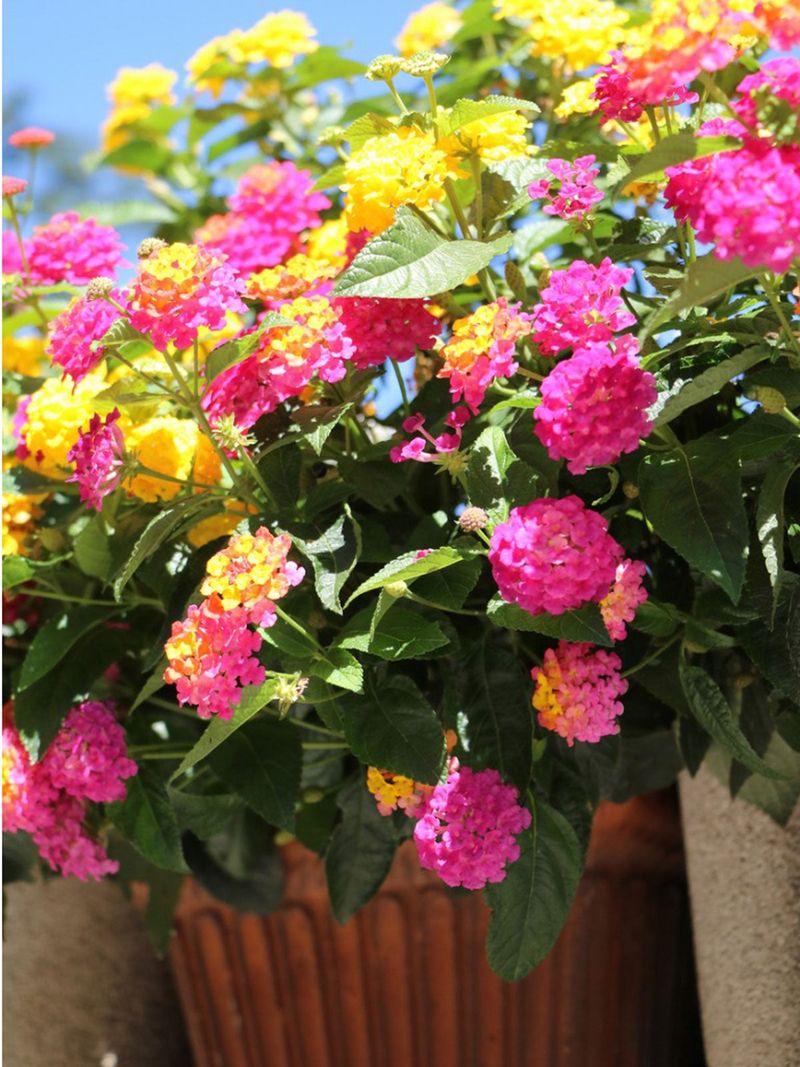
Few plants can match the sun-soaked performance of lantana when temperatures climb into the upper nineties and patios feel like ovens.
In Texas, this plant is practically built for summer containers, thriving in full sun conditions that would stress most flowering plants.
Its clusters of small blooms shift between yellow, orange, pink, and red as they age, giving a single pot multiple colors at once.
Lantana is drought-tolerant, which makes it a practical choice for gardeners who cannot water every single day.
Containers do dry out faster than in-ground beds, especially during a Texas summer, so choosing a plant that handles some missed waterings is a real advantage.
A pot with good drainage holes and a well-draining mix will help lantana roots stay healthy without sitting in excess moisture.
Hummingbirds and butterflies are naturally drawn to lantana flowers, which adds a lively, animated quality to any outdoor seating area.
For best results, use a container at least 12 inches wide and place it where it receives six or more hours of direct sun daily.
Deadheading spent blooms encourages continued flowering throughout the season, keeping the display looking full and colorful from late spring into early fall.
2. Pentas Keeps Blooms Coming In Warm Weather
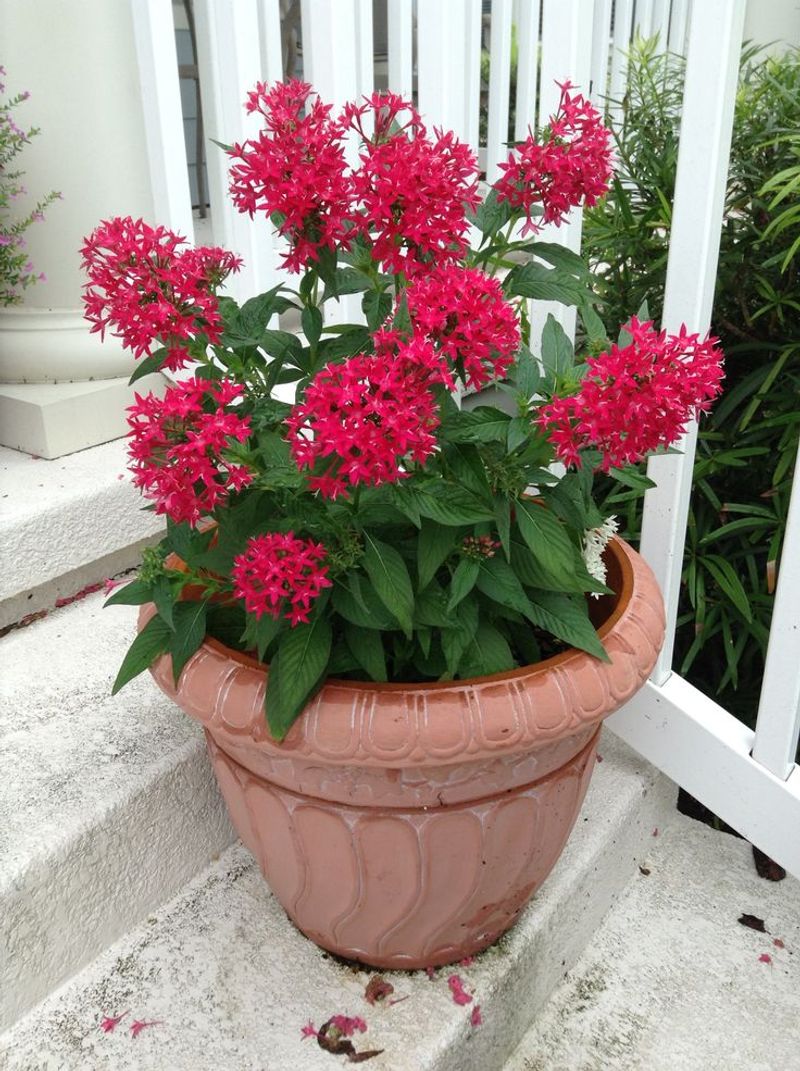
When summer heat lingers well into September across Texas, having a container plant that keeps producing flowers without skipping a beat is genuinely valuable.
Pentas, sometimes called Egyptian star flower, earns its reputation as a reliable warm-weather bloomer by pushing out clusters of star-shaped flowers in shades of red, pink, white, and lavender through the hottest months of the year.
What makes pentas especially useful in Texas container gardens is its ability to attract butterflies and hummingbirds while tolerating intense heat and humidity.
Planting it in a container that receives full sun to partial shade gives it the flexibility to perform well in different spots around a patio or balcony.
The plant responds well to regular watering, though it appreciates soil that drains quickly rather than staying soggy between waterings.
Pentas grows compactly enough to fit in a 10- to 12-inch pot while still producing an impressive flower show. Pinching back the tips occasionally encourages bushier growth and more blooms over time.
For Texas gardeners looking to fill containers with season-long color that holds up under real summer conditions, pentas consistently delivers without demanding constant attention or complicated care routines.
Your Texas Garden Changes Every Week. Your Plan Should Too.
Gardening in Texas changes quickly throughout the season. Every Friday you’ll receive a simple weekly plan showing exactly what to plant, prune, fertilize, harvest, and protect so you never miss the right timing.
3. Geranium Adds Classic Color To Patio Pots
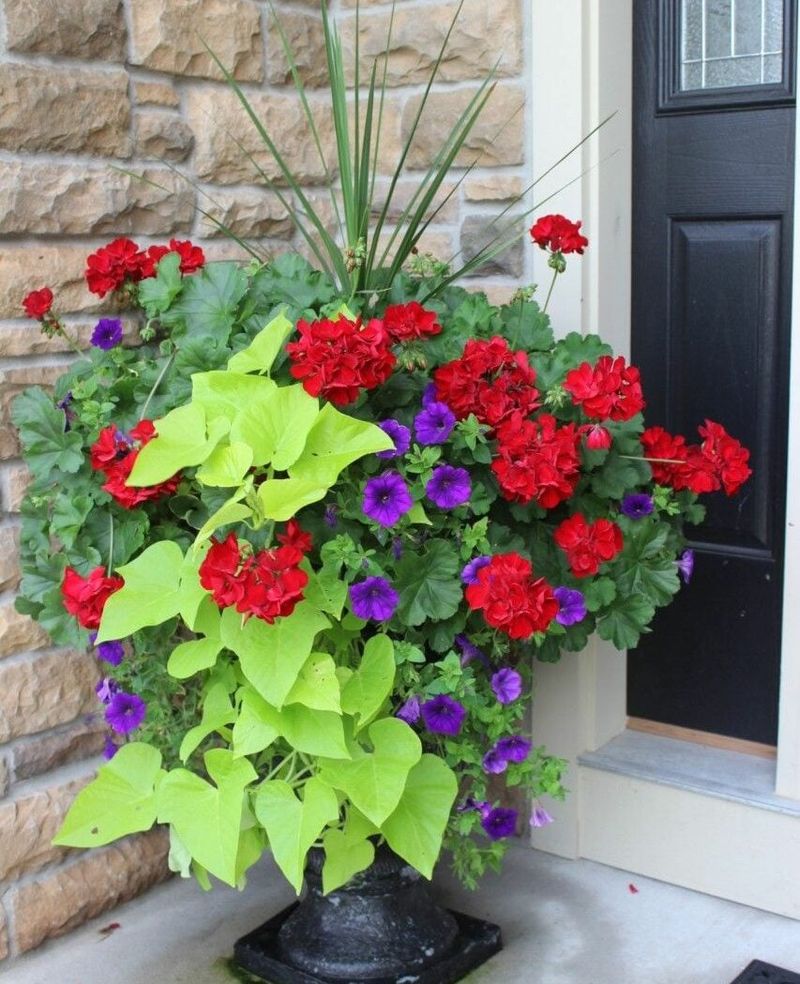
Old-fashioned charm meets practical container performance when geraniums take center stage on a Texas patio.
These dependable bloomers have been brightening porches and patios for generations, and they remain popular because they genuinely earn their spot in the lineup.
Round flower heads in shades of red, pink, salmon, white, and coral sit atop sturdy stems, creating a tidy and cheerful display that feels polished without being fussy.
In Texas, geraniums perform best during the cooler portions of the growing season, including spring and early fall, when temperatures stay below the high nineties.
During peak summer heat, moving pots to a spot with afternoon shade can help them continue blooming without the stress that intense midday sun brings.
Well-draining soil and containers with good drainage holes are important because geraniums do not respond well to consistently wet roots.
Watering when the top inch of soil feels dry is a reliable approach that keeps them healthy without overwatering. Removing spent flower clusters regularly encourages new buds to form and keeps plants looking neat.
Geraniums also work beautifully in mixed container arrangements alongside trailing plants like sweet potato vine, where their upright form provides height and structure to the overall design of the pot.
4. Sweet Potato Vine Spills Over Containers With Bold Foliage
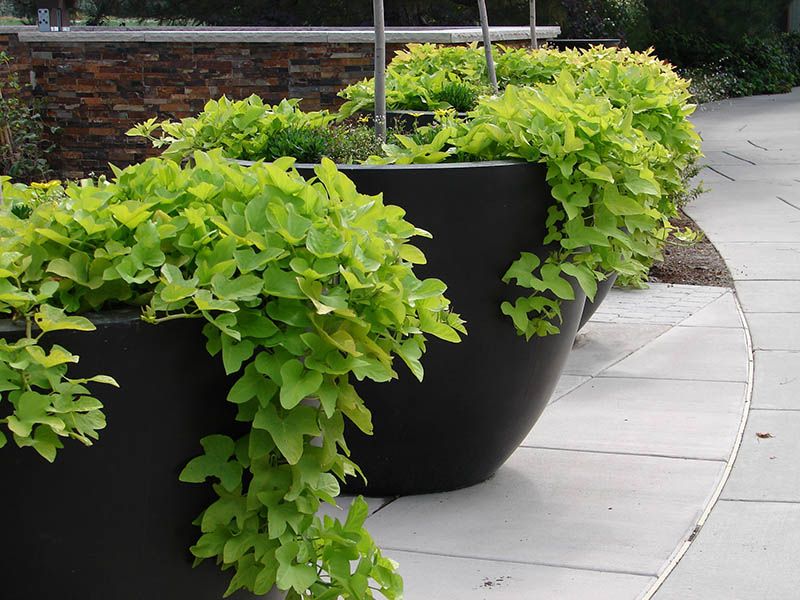
Bold, cascading foliage can completely change how a container arrangement looks, and sweet potato vine does exactly that with impressive speed and energy.
Grown for its striking leaves rather than its flowers, this plant comes in shades ranging from bright chartreuse to deep burgundy and nearly black purple, making it one of the most versatile foliage plants available for Texas containers.
Heat does not slow sweet potato vine down at all. In fact, the hotter and sunnier the Texas summer gets, the faster it tends to grow, spilling over pot edges and trailing down in long, dramatic sweeps of color.
It pairs especially well with upright flowering plants like pentas or geraniums, where its trailing habit creates the kind of layered, lush look that makes container arrangements feel professionally designed.
Containers should be at least 12 to 14 inches wide to give the roots enough room to support vigorous top growth. Regular watering is important during hot spells since the large leaf surface loses moisture quickly in strong Texas sun.
Pinching back long runners occasionally keeps the plant from overwhelming smaller companions in the pot.
Sweet potato vine is not fussy about soil as long as drainage is adequate, and it typically needs very little fertilizer to maintain its vibrant, eye-catching color all season long.
5. Coleus Fills Shady Spaces With Rich Color
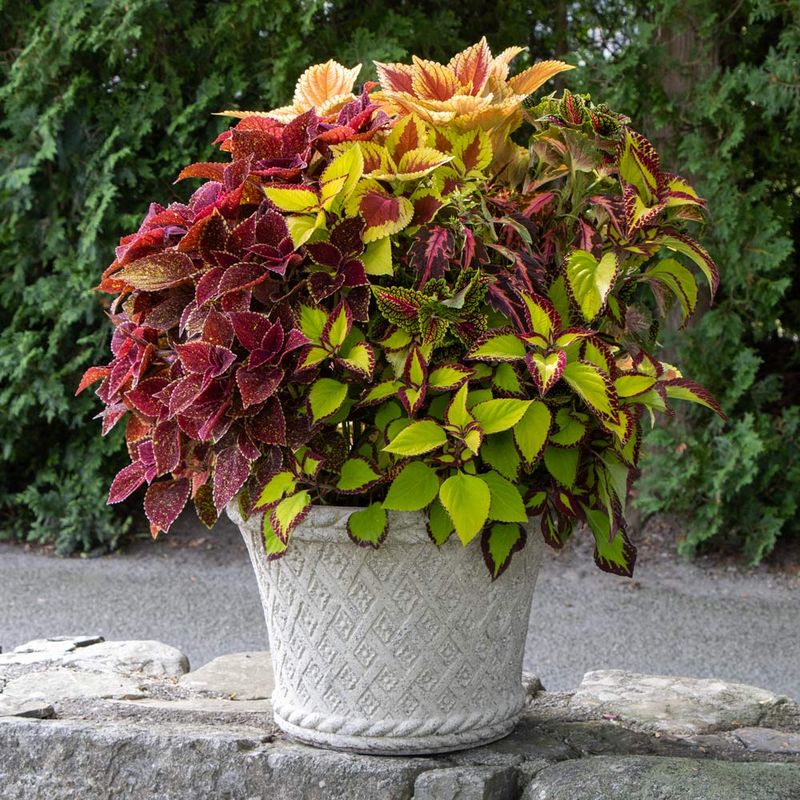
Shaded patios and covered porches can feel a little dull when flowering plants struggle without enough direct sun, but coleus changes that dynamic completely.
Known for its extraordinarily varied and vivid foliage, coleus produces leaves in combinations of red, burgundy, pink, gold, lime green, and deep purple that create the kind of visual richness most people associate with flowering plants.
The color comes from the leaves themselves, which means it stays consistent all season long without depending on bloom cycles.
In Texas, coleus thrives in spots that receive morning sun and afternoon shade, which also happens to be one of the most common patio setups in the state.
Intense afternoon sun can cause leaf colors to fade or edges to scorch, so a shaded or filtered-light location suits it well.
Containers with good drainage and a rich, moisture-retentive potting mix keep coleus roots comfortable during warm months.
Pinching off any flower spikes that appear redirects the plant’s energy back into producing lush foliage rather than blooming. Coleus grows quickly and can fill a 10- to 12-inch pot with a full, rounded shape in just a few weeks.
Mixing several varieties in a single large container creates a tapestry-like effect that adds serious visual interest to any shaded outdoor corner.
6. Caladium Brightens Containers In Low Light
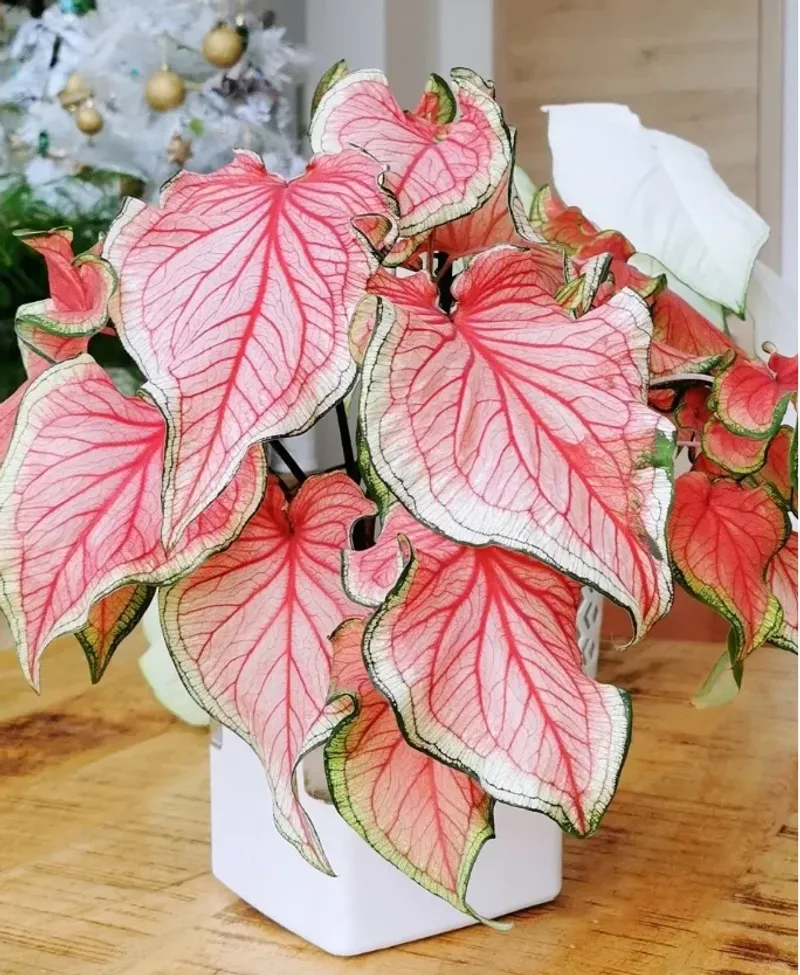
Some of the most dramatic foliage available for container gardening belongs to a plant that actually prefers low light conditions.
Caladiums produce large, heart-shaped leaves in stunning combinations of white, pink, red, and green, often with intricate vein patterns that make each leaf look almost hand-painted.
For shaded patios, covered porches, or any spot under a large tree in a Texas yard, caladiums are among the most visually striking options available.
Texas summers can be brutal, and caladiums appreciate protection from harsh afternoon sun, which can bleach or burn their delicate leaves.
A spot with bright, indirect light or morning sun works well for most varieties, keeping the colors vivid and the leaves in good shape.
Consistent moisture is important because caladiums do not like to dry out completely, though waterlogged soil can cause the tubers to rot, so drainage remains essential.
Planting caladium tubers in containers with a rich, well-draining potting mix and keeping them consistently moist through the growing season supports healthy, lush growth.
As temperatures cool in late fall, the leaves naturally fade as the plant goes dormant.
The tubers can be stored indoors over winter and replanted the following spring, making caladiums a rewarding and reusable investment for Texas container gardens year after year.
7. Purslane Thrives In Hot Dry Pots
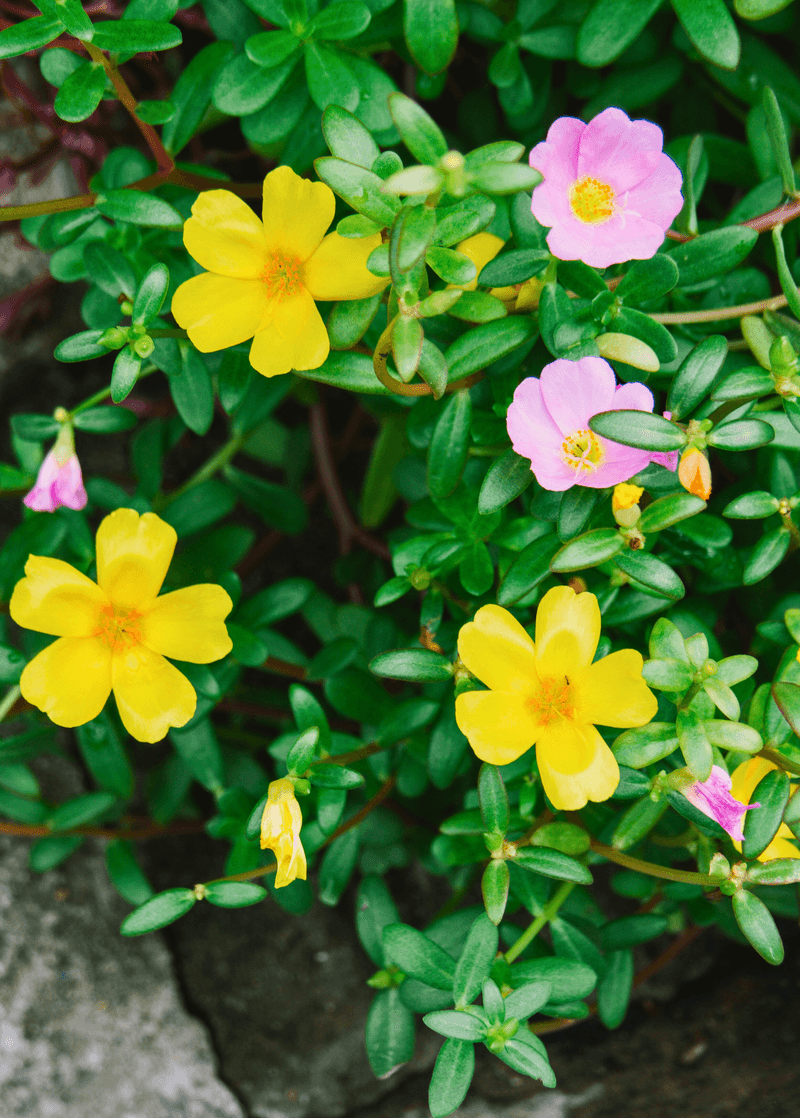
Gardening in Texas during July and August means accepting that some plants simply cannot handle the combination of intense heat, high temperatures, and the rapid soil drying that happens in containers under full sun.
Purslane is one of the few flowering plants that seems genuinely unbothered by those conditions.
Its thick, succulent-like stems and small glossy leaves store moisture efficiently, allowing it to stay attractive even when watering gets inconsistent.
The flowers open in cheerful shades of pink, yellow, orange, red, and white, blooming most vigorously during the sunniest parts of the day.
Purslane is low-growing and spreading, making it an excellent choice for the front edge of a container arrangement where it can spill slightly over the rim and soften the look of the pot.
It pairs well with taller, upright plants that need similar sun and drainage conditions.
Sandy or well-draining potting mix suits purslane far better than a dense, moisture-retaining blend.
Overwatering is the most common issue with this plant, so erring on the drier side between waterings is a reasonable approach during Texas summers.
Fertilizing lightly once a month during the growing season keeps it blooming steadily without pushing excessive leafy growth at the expense of flowers.
Purslane is a low-maintenance, high-reward option for sun-drenched Texas containers.
8. Ornamental Peppers Add Color And Structure
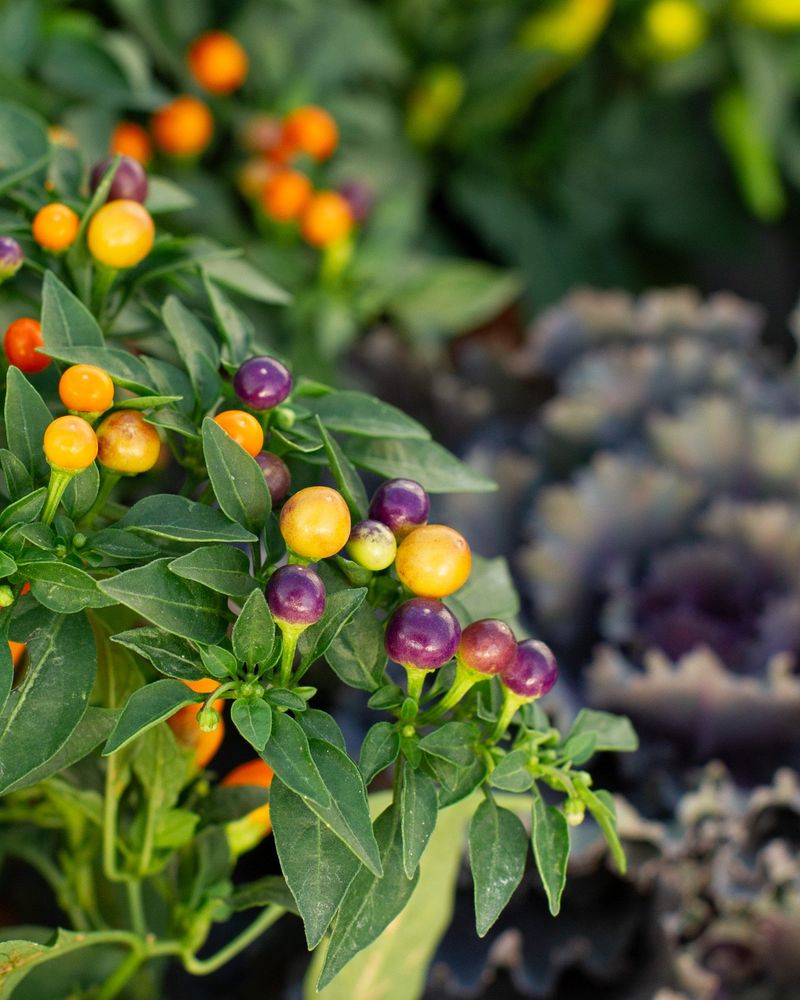
Containers that rely entirely on flowers for visual interest can feel one-dimensional, and ornamental peppers solve that problem with a completely different kind of color source.
The small, upright fruits of ornamental pepper plants ripen through a progression of shades including cream, yellow, orange, red, and deep purple, often with multiple colors present on a single plant at the same time.
The effect is eye-catching in a way that stands apart from typical flowering container plants.
Ornamental peppers are well-suited to Texas growing conditions, handling heat and humidity without much complaint as long as they receive adequate sunlight.
A spot with at least six hours of direct sun per day encourages the most prolific fruit production, keeping the plant looking full and colorful for an extended period.
They grow upright and compact, which gives them a structured, tidy appearance that works well in formal container arrangements or mixed pots.
Regular watering and a balanced fertilizer applied every few weeks during the growing season support healthy growth and sustained fruit production.
Containers should have drainage holes to prevent waterlogged roots, which can cause stress and reduce overall plant performance.
While the fruits are visually striking, most ornamental pepper varieties are extremely spicy and not intended for eating. They make excellent seasonal container plants from late spring through fall across Texas.
9. Begonia Keeps Containers Looking Fresh In Shade
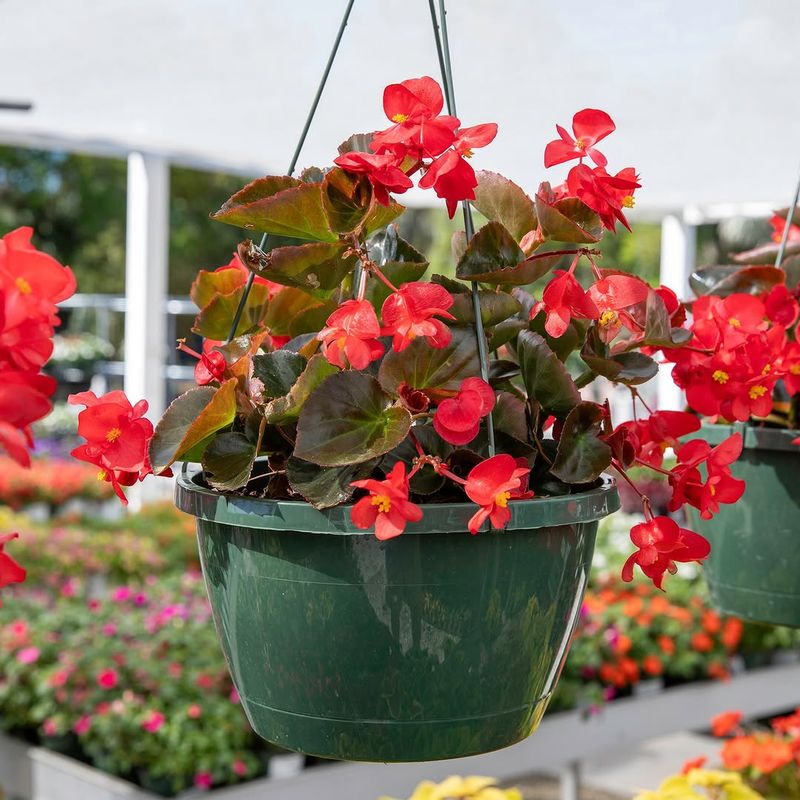
Shaded spots around a Texas home can be tricky to plant up beautifully, especially when summer heat builds up even in areas that do not receive direct sunlight.
Begonias handle those conditions with a kind of steady, reliable grace that makes them a go-to choice for shaded containers across the state.
Wax begonias in particular produce glossy, rounded leaves and cheerful flowers in shades of red, pink, white, and coral that bloom continuously from spring through late fall without much encouragement.
One of the most appealing qualities of begonias in Texas containers is their ability to stay compact and tidy without needing frequent pruning or deadheading. The spent flowers fall away on their own, keeping the plant looking clean and fresh with minimal effort.
They tolerate the heat better than many shade-loving plants, especially when placed in a spot that receives morning light and protection from harsh afternoon sun.
Begonias prefer consistently moist but well-draining soil, and containers should never be allowed to sit in standing water. A 10- to 12-inch pot gives them enough room to develop a full, rounded shape.
Adding a slow-release fertilizer at planting time and supplementing with a liquid fertilizer monthly keeps them blooming strongly.
For Texas gardeners seeking low-fuss beauty in shaded spaces, begonias are a dependable and rewarding container choice.
10. Rosemary Adds Fragrance And Texture To Pots
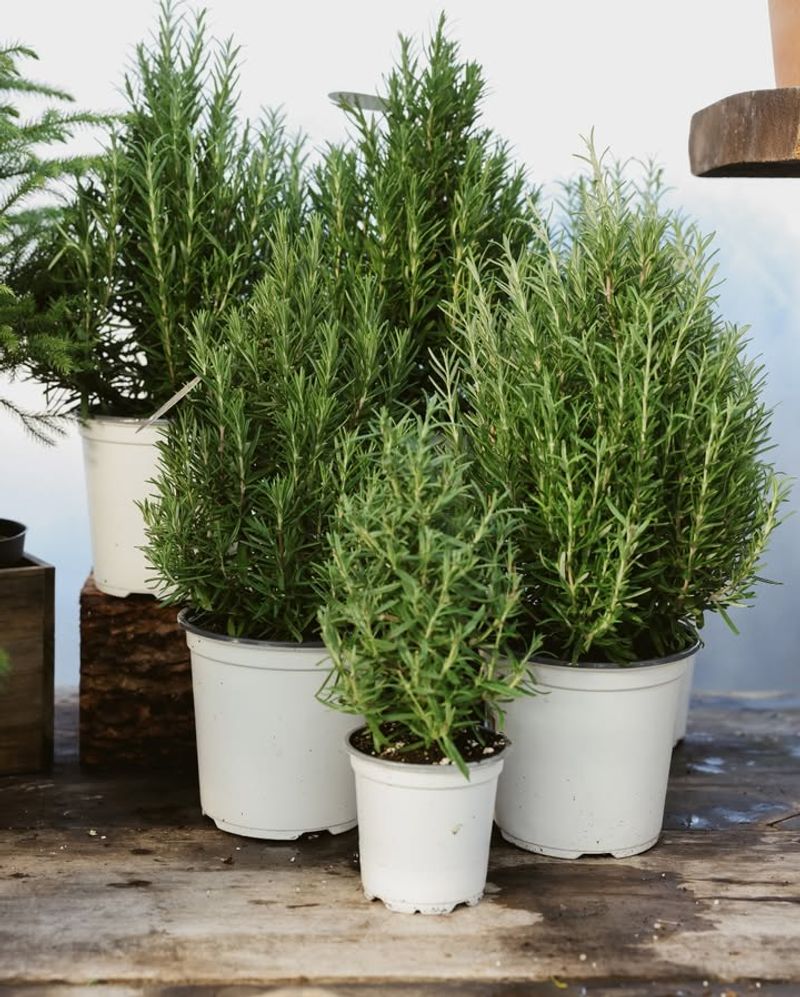
Walking past a container of rosemary and brushing a hand across its needle-like leaves releases one of the most pleasant fragrances a garden can offer.
Beyond its sensory appeal, rosemary brings a distinctive upright, architectural texture to container arrangements that most flowering plants simply cannot replicate.
Its silvery-green foliage stays attractive year-round in Texas, making it one of the few container plants that earns its spot in every season.
Texas heat and dry spells actually suit rosemary quite well. It originates from Mediterranean climates and handles drought, strong sun, and poor soil conditions with ease, which translates directly to container success in the Texas climate.
The key is ensuring the container drains exceptionally well, since rosemary roots are highly susceptible to rot in overly wet conditions.
A terracotta or unglazed clay pot allows excess moisture to evaporate more quickly than plastic, which benefits this plant considerably.
Rosemary grows best in full sun and benefits from occasional trimming to maintain a compact, attractive shape in the pot.
It can be harvested regularly for cooking, which encourages fresh new growth and keeps the plant from becoming woody and sparse over time.
Pairing rosemary with other Mediterranean herbs like thyme or lavender in a large container creates a fragrant, textural herb garden that looks beautiful on a Texas patio while offering practical kitchen use throughout the growing season.