These Plants Can Handle Windy Pennsylvania Yards
A home on a Pennsylvania hilltop comes with plenty of perks. Sweeping views, gorgeous sunsets, and a front-row seat to the fall foliage. It also comes with wind. Lots of it.
The same goes for yards near open farmland, along Lake Erie, or tucked between buildings where gusts funnel through.
Constant wind can be surprisingly tough on plants. It dries out leaves, snaps tall stems, and leaves evergreens browned and battered by late winter.
Young trees struggle to stay upright, and delicate flowers get shredded before they have a chance to shine.
Some plants simply aren’t built for those conditions. Others handle them with ease, thanks to flexible stems, sturdy branches, deep roots, and tough leaves that hold on to moisture.
Choosing the right ones can turn a windswept yard into a beautiful, thriving space that stands up to whatever blows through.
1. Little Bluestem Sways Without Snapping
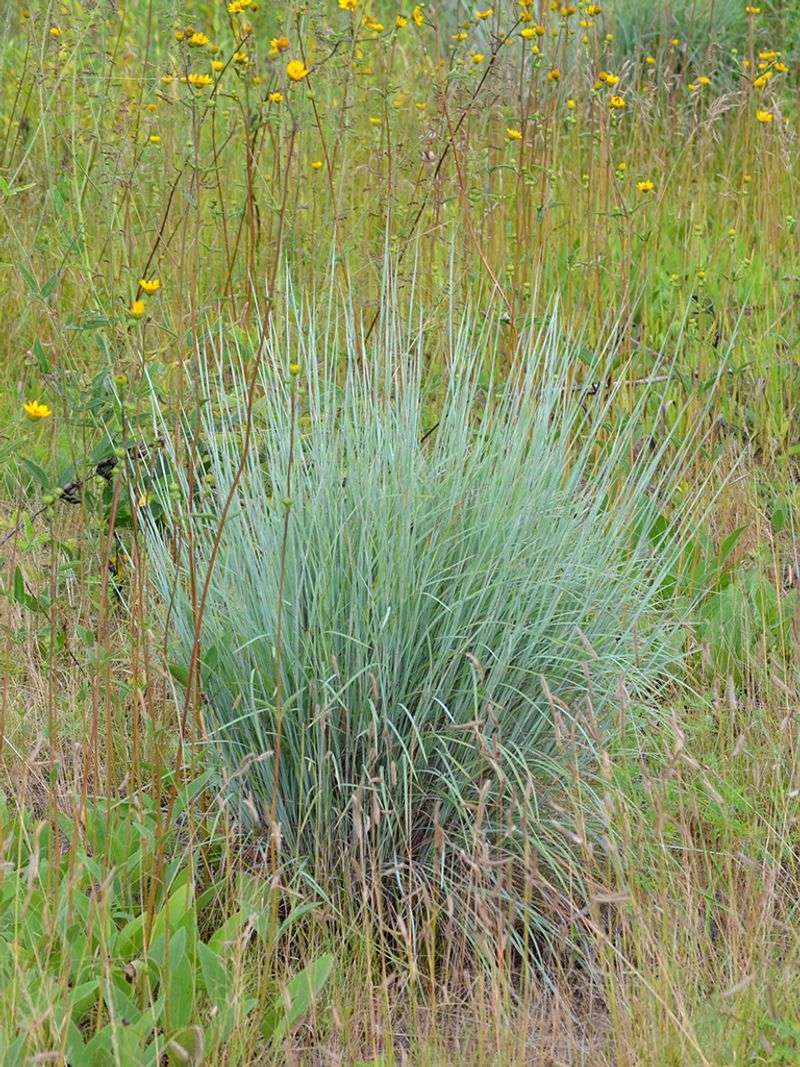
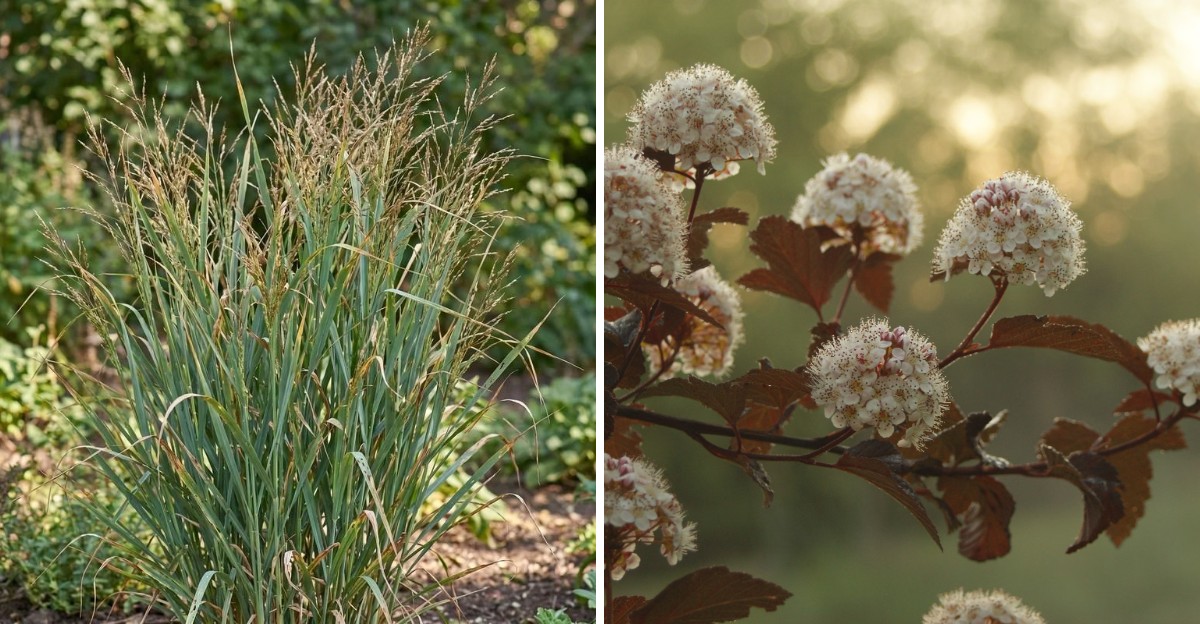
Some plants fight the wind. Little bluestem simply dances with it. When a strong gust rolls across your yard, the slim stems bend low and then pop right back up.
Long ago, this grass covered huge prairies across North America. Those open lands had nothing to block the wind, so the grass learned to survive by being flexible. Its roots can reach several feet down into the soil, which keeps the clump locked in place.
During summer, the leaves have a cool blue-green shade. Once fall arrives, the whole plant turns copper, orange, and even a little purple.
Fluffy silver seed heads catch the sunlight and sparkle when the breeze moves through them. Many people say it looks like the yard is glowing in October.
Little bluestem usually grows about two to three feet tall. It likes full sun and soil that drains well. Rich, wet soil can actually make it flop over, so skip the fertilizer. Rocky or sandy spots suit it just fine.
Planting is easy. Set young plants about two feet apart in spring. Water them for the first few weeks while the roots settle in. After that, rain usually handles the job.
Leave the stems standing over winter. They look lovely with snow on them, and small birds eat the seeds. In early spring, cut the old growth down to a few inches tall before new shoots appear.
Fun fact: little bluestem is the state grass of Kansas and Nebraska. Pennsylvania gardeners can enjoy it too, especially on windy slopes, along driveways, or in a sunny corner where other plants keep getting knocked down. It is a small grass with a big, stubborn spirit.
2. Switchgrass Stands Tall All Winter
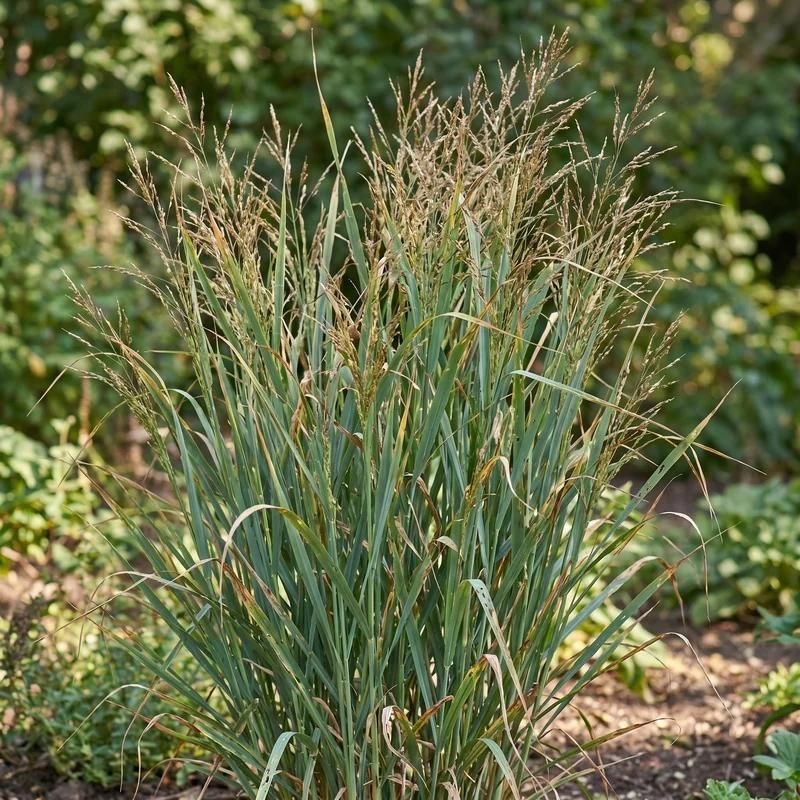
Farmers have trusted switchgrass for a long time. They plant it in rows to slow wind, stop soil from blowing away, and give wildlife a safe place to hide. That says a lot about how tough it is.
Switchgrass is a native grass that can grow three to six feet tall. Its stems are thick and stiff, almost like thin straws. Below ground, the roots dig down as far as ten feet. With an anchor like that, a windy day barely bothers it.
Your Pennsylvania Garden Changes Every Week. Your Plan Should Too.
Gardening in Pennsylvania changes quickly throughout the season. Every Friday you’ll receive a simple weekly plan showing exactly what to plant, prune, fertilize, harvest, and protect so you never miss the right timing.
Many grasses fall over once winter snow arrives. Switchgrass usually keeps standing. Its tan and gold stems add shape to a quiet, brown yard from November to March. Birds like juncos and sparrows tuck themselves inside the clumps to stay out of icy gusts.
Want a living screen? Plant a row of switchgrass along a property line. In one or two seasons, it can form a soft wall that cuts the wind for flower beds behind it.
Some types, like Shenandoah, turn deep red in late summer. Northwind is a popular choice with very upright stems. Growing it is simple:
Pick a sunny spot. Switchgrass handles dry soil, clay, and even wet ground near a ditch. Space plants about two to three feet apart. Water them well the first summer.
Cut the clumps back in late winter, about four to six inches above the ground. New green blades will push up as the weather warms. Every few years, you can dig and divide big clumps to share with neighbors.
Switchgrass is a hardworking, low-fuss plant. It gives you privacy, wind protection, and winter beauty all in one package.
3. Eastern Red Cedar Blocks Gusts Year-Round
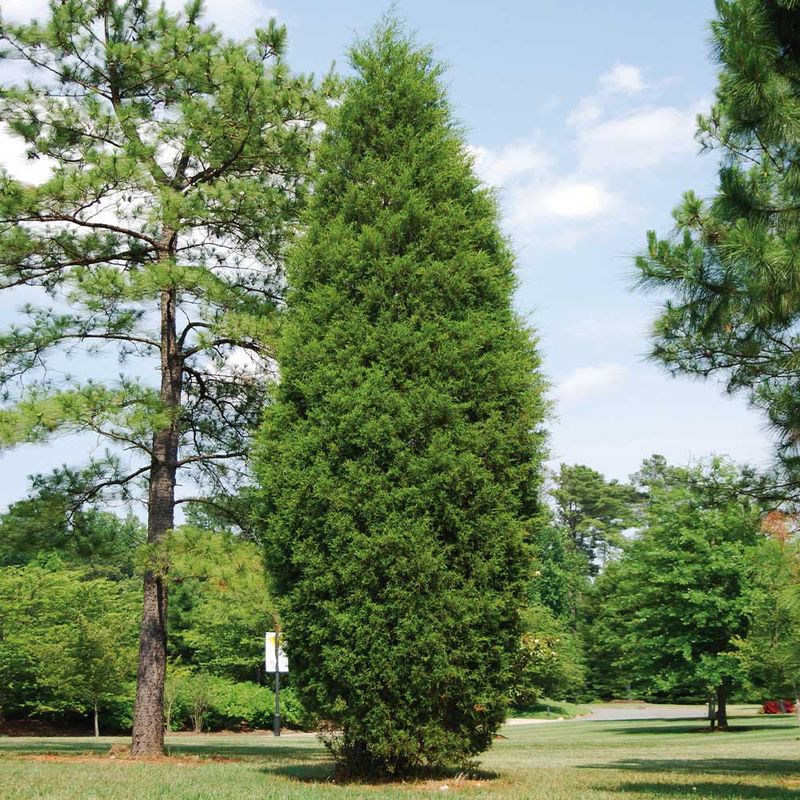
Drive through rural Pennsylvania and you will spot them. Tall, narrow evergreens stand along old fence lines and pasture edges. Many of those are eastern red cedars, and they have been guarding farms from wind for generations.
Here is why they work so well. The foliage is made of tiny, scale-like leaves packed tightly together. Wind runs into that thick wall and slows down. Since the tree stays green all year, it protects your yard in January just as well as in July.
Eastern red cedar is also hard to discourage. It grows in thin, rocky soil where other trees give up. It shrugs off drought, heat, and bitter cold. Salt from winter roads does not bother it much either, so it can work near a street.
Most trees reach 30 to 40 feet tall and about 10 to 15 feet wide. Give them full sun for the thickest growth. For a windbreak, plant them in a row about eight to twelve feet apart. Two staggered rows block even more wind.
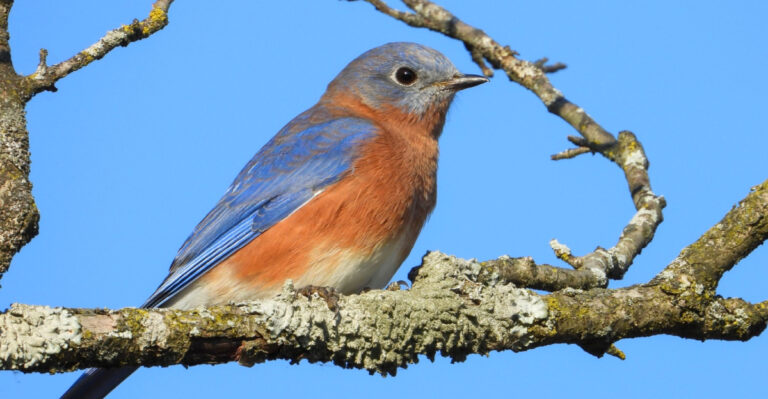
Wildlife loves this tree. Female trees grow small, dusty blue berries that cedar waxwings and bluebirds gobble up in winter. The dense branches also make great nesting spots.
A little history: early settlers used the reddish wood for fence posts because it resists rot. The wood smells sweet, which is why people still line closets and chests with it to keep moths away.
One warning. Red cedar can carry cedar-apple rust, which spreads to apple trees. If you grow apples nearby, keep some distance between them. Otherwise, it is a steady, dependable shield for an exposed yard.
4. Pitch Pine Loves Rugged Ridges
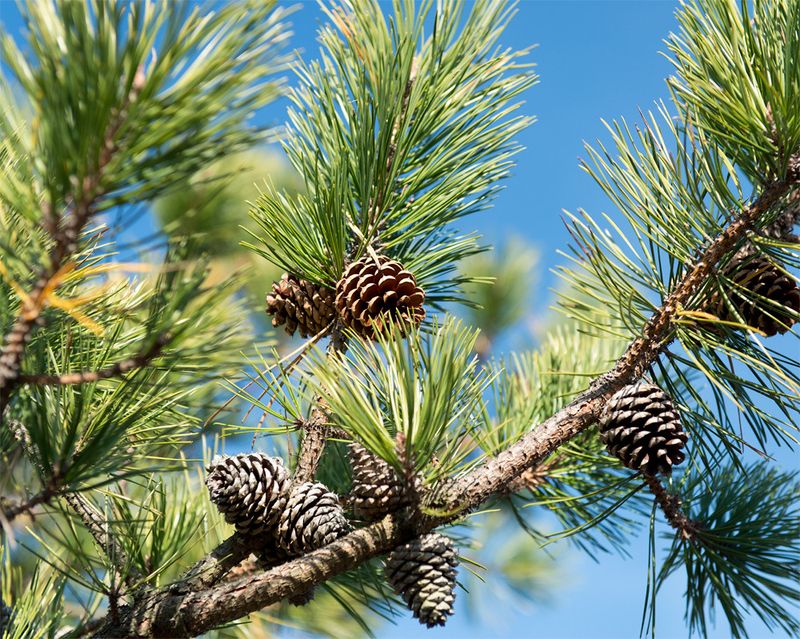
Hike along a rocky ridge in the Pocono Mountains and you might meet a tree that looks a bit wild. Its trunk twists. Its branches reach out in odd shapes. That rugged character is pitch pine, and it thrives in places most trees avoid.
Pitch pine grows naturally on windswept ridges, sandy barrens, and rocky slopes across Pennsylvania. Poor soil does not scare it.
Neither do icy winters or blazing summer sun. Its strong branches and deep roots let it hold on when storms roar through.
The tree has a neat survival trick. After a fire, pitch pine can sprout new needles right from its trunk. Very few pines can do that. Some of its cones even stay closed until heat opens them and releases the seeds.
In a home yard, pitch pine usually grows 40 to 60 feet tall. It has stiff needles in bundles of three, which is one way to identify it.
Young trees often look neat and rounded. Older trees develop that craggy, artistic shape many people love. Planting tips to remember:
Choose a sunny location with sandy or gravelly soil that drains fast. Avoid soggy spots. Water young trees during dry spells for the first year or two. After that, they mostly care for themselves.
Pitch pine works well on a big, open lot or at the top of a slope. It can also anchor a natural-looking corner with native grasses below it. Birds, squirrels, and many moths depend on it too.
If your property feels harsh and exposed, this tough mountain pine may feel right at home there.
5. Gray Dogwood Forms A Flexible Thicket
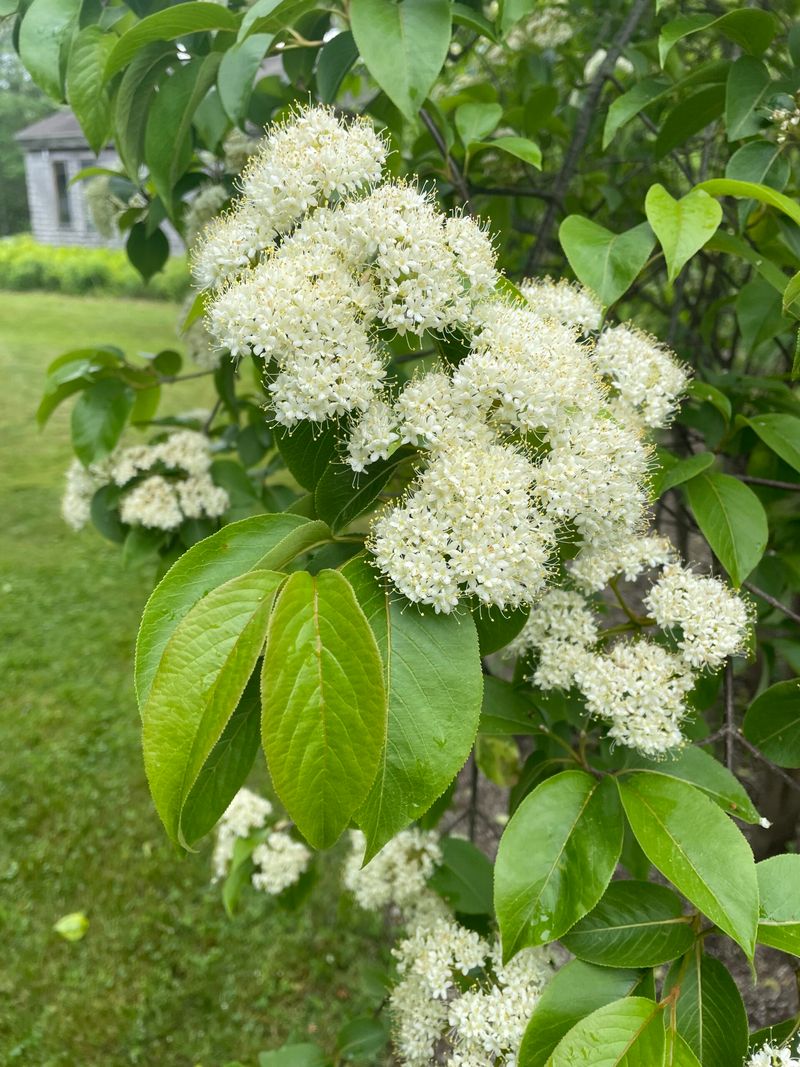
Not every dogwood is a fancy front-yard tree. Gray dogwood is the scrappy cousin, and honestly, that is what makes it so useful. It grows into a thick clump of stems that bend in the wind like fishing rods.
Because the stems are flexible, strong gusts rarely snap them. The shrub spreads by sending up new shoots from its roots.
Over time, one plant can become a small thicket that acts as a natural wind barrier for the rest of your yard.
Gray dogwood does not care much about soil. Heavy clay, rocky ground, and dry patches are all okay. It handles sun or partial shade.
Many gardeners use it on slopes, where its spreading roots also help stop erosion. Each season brings something new:
In late spring, flat clusters of creamy white flowers appear. Bees and butterflies visit them often. By late summer, white berries form on bright red stalks. The red and white combination looks almost like candy.
Birds go wild for those berries. More than 100 bird species are known to eat dogwood fruit, including robins, catbirds, and woodpeckers. In fall, the leaves turn a dusky purple-red.
The shrub usually grows about 10 to 15 feet tall. If you want it smaller or neater, prune out a few of the oldest stems each winter. You can also mow around the edges to stop it from spreading too far.
Gray dogwood works great along a back fence, near a field, or anywhere you want a wild, bird-friendly hedge. It is tough, generous, and easy to please.
6. Ninebark Brings Color And Grit
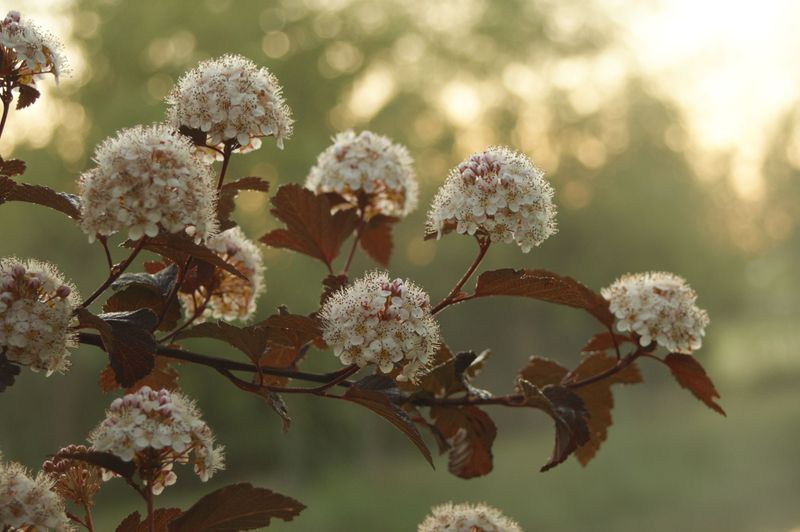
Ever looked at a shrub’s bark and thought it was peeling like a sunburn? That is ninebark, and the shaggy bark is part of its charm. Legend says the name comes from the idea that it has nine layers of bark.
Beyond its odd looks, ninebark is seriously tough. It is a Pennsylvania native that grows wild along rocky stream banks and cliffs. Its arching branches flex in the wind, and its roots grip the ground firmly. Open, breezy yards suit it well.
Ninebark also handles heat, dry spells, and freezing winters. It grows in sun or part shade and tolerates many soil types. Once settled, it needs very little watering.
Gardeners love the color choices. Some varieties have deep purple or burgundy leaves. Others glow bright gold or lime green. Diablo is a well-known purple type, while Little Devil stays compact for small spaces.
In late spring and early summer, round clusters of tiny white or pink flowers cover the branches. Pollinators swarm them. Later, reddish seed pods add another layer of interest. Care is simple:
Plant ninebark in spring or fall. Water it regularly the first season. Right after it blooms, trim back a few older branches to the ground to keep it fresh.
Good airflow helps prevent powdery mildew, and a windy yard actually gives you plenty of that.
Most ninebarks grow five to ten feet tall, though dwarf types stay around three or four feet. Use them as a hedge, a backdrop for flowers, or a bold accent near the house. This shrub proves tough plants can be stylish too.
7. Lowbush Blueberry Hugs The Ground
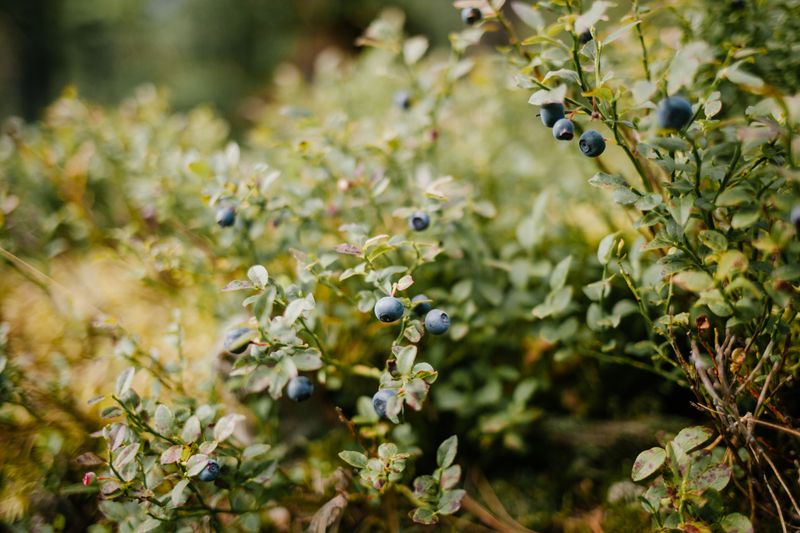
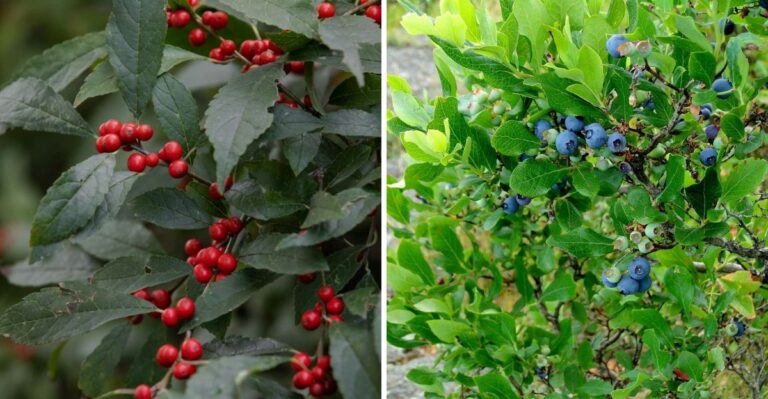
Picture a summer hike, but with snacks growing right at your feet. On Pennsylvania’s mountain ridges and barrens, lowbush blueberries carpet the rocky ground. People have been picking these tiny, sweet berries for hundreds of years.
So how does such a small plant survive in such windy places? It stays low. Most lowbush blueberries grow only six inches to two feet tall. Wind passes right over the top while the plant stays safe close to the soil.
It spreads by underground stems, slowly forming a dense mat. That makes it a great ground cover for sunny slopes where grass struggles. Once it fills in, it also helps hold soil in place.
Here is the most important tip: blueberries need acidic soil. They grow best when the soil pH is between 4.5 and 5.5.
Test your soil first. If it is not acidic enough, mix in sulfur or pine needle mulch to help. Other things to know:
Give it full sun for the most berries. Make sure water drains well. Mulch with pine bark or needles to keep roots cool and moist. Planting two different types can improve your harvest.
The berries ripen in July and August. They are smaller than store-bought blueberries but often taste sweeter and stronger. Birds and chipmunks may try to beat you to them, so check often.
Fall is the real showstopper. The leaves turn a fiery, brilliant red that looks like a glowing blanket across the yard. With berries, color, and wind toughness, this little shrub gives a lot back.
8. Butterfly Weed Lights Up Breezy Spots
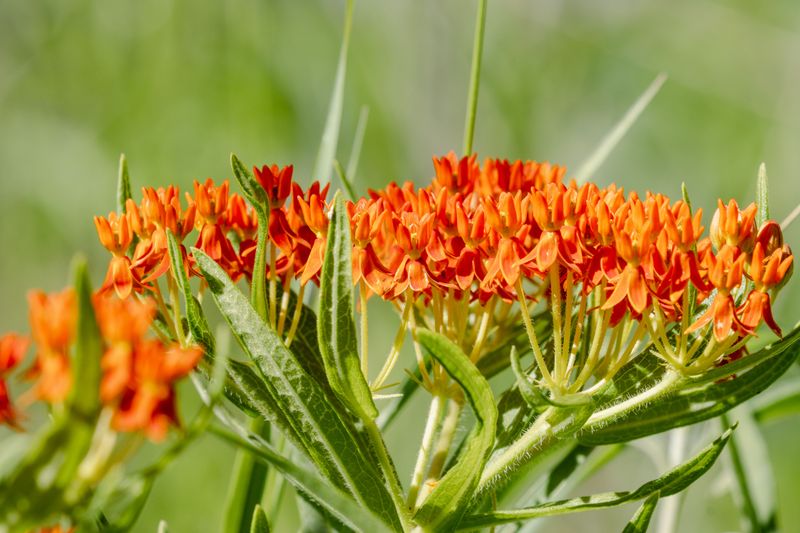
Bright orange flowers. Fluttering monarchs. A plant that laughs at the wind. Butterfly weed checks a lot of boxes for Pennsylvania gardeners.
The secret to its strength is underground. Butterfly weed grows a long, thick taproot, a bit like a carrot.
That root dives deep into the soil and holds the plant steady. Its stems are short and sturdy, usually one to two feet tall, so they rarely flop over in a storm.
That taproot also helps it survive dry weather. Once established, butterfly weed hardly ever needs watering. In fact, too much water or rich soil can cause trouble. Sandy, rocky, or dry spots in full sun are perfect.
Butterfly weed is a type of milkweed. Monarch butterflies lay eggs only on milkweed plants, and their striped caterpillars munch the leaves.
Adult monarchs, swallowtails, and bees sip nectar from the flower clusters all summer. Planting even a few can turn your yard into a busy butterfly stop. A few growing tips:
Buy young plants or start from seed. Because of the deep taproot, it does not like being moved, so pick its spot carefully. Be patient in spring. It wakes up late, often in May or June, so mark where it grows.
Do not worry if caterpillars chew some leaves. The plant bounces back, and you are helping monarchs on their long trip to Mexico.
Fun fact: Native Americans once used the root as medicine, giving it the old nickname pleurisy root. Today, gardeners mostly grow it for its cheerful color and wind-proof attitude.