These 8 Plants Handle Florida Heat Better Than Petunias Ever Could
Petunias can look like a million bucks in spring, then crash and burn the moment Florida turns up the heat. One week your beds are bursting with color, the next they look like they waved a white flag.
That is Florida gardening in a nutshell, and it catches even seasoned gardeners off guard. Now picture a yard that refuses to quit when July rolls in.
Flowers keep popping, pollinators keep buzzing, and nothing melts into a soggy mess after the daily rain hits. That kind of garden is not luck.
It comes down to picking plants that can take the heat and keep their cool. Florida does not play nice, so your plant choices cannot either.
Swap out those high-maintenance favorites for tough performers that laugh in the face of humidity and blazing sun, and suddenly your summer garden starts working with you, not against you.
1. Firebush Thrives In Florida Heat Without Slowing Down
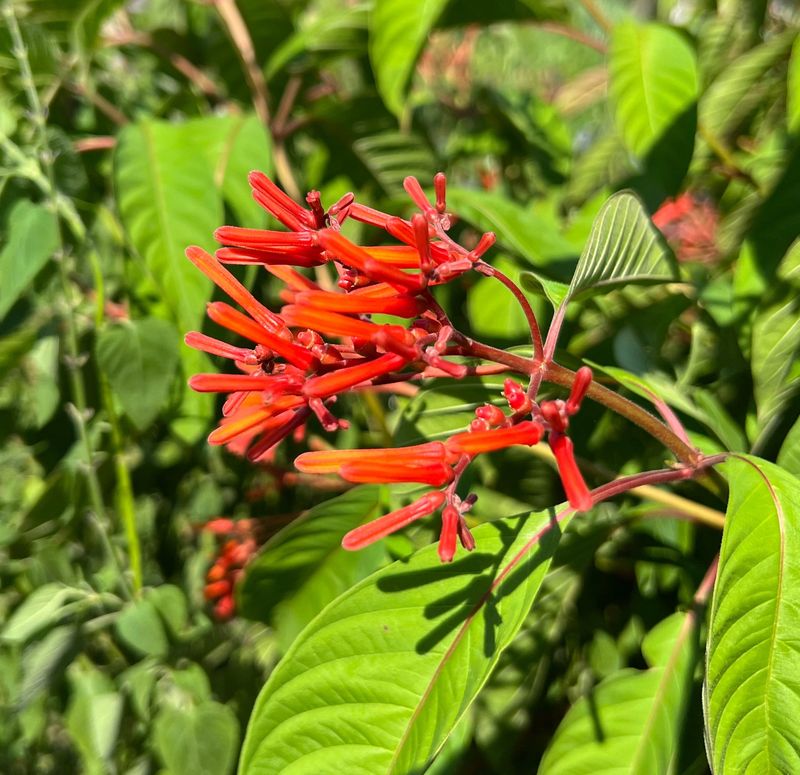
Walk through almost any Florida native plant garden in the middle of August and you are likely to spot firebush blazing away like nothing is wrong.
Known scientifically as Hamelia patens, this Florida native shrub is one of the most reliable heat-tolerant plants the state has to offer.
While petunias struggle to survive past June, firebush keeps producing its tubular orange-red flowers through the hottest months without missing a beat.
University of Florida IFAS Extension recognizes firebush as highly adaptable to Florida’s varied conditions, from sandy coastal soils to inland clay-heavy landscapes. Once established, it handles drought with ease, making it a low-maintenance choice for busy homeowners.
The bloom season stretches from spring all the way through fall, giving your yard consistent color for months.
Pollinators absolutely love it. Hummingbirds, butterflies, and native bees are drawn to its flowers regularly.
Firebush can be grown as a large shrub or pruned into a more compact shape depending on your space. It performs well across all regions of Florida and thrives in full sun to partial shade.
For anyone tired of replacing petunias every few weeks, firebush is a seriously satisfying upgrade.
2. Pineland Lantana Brings Color Without The Invasive Risk
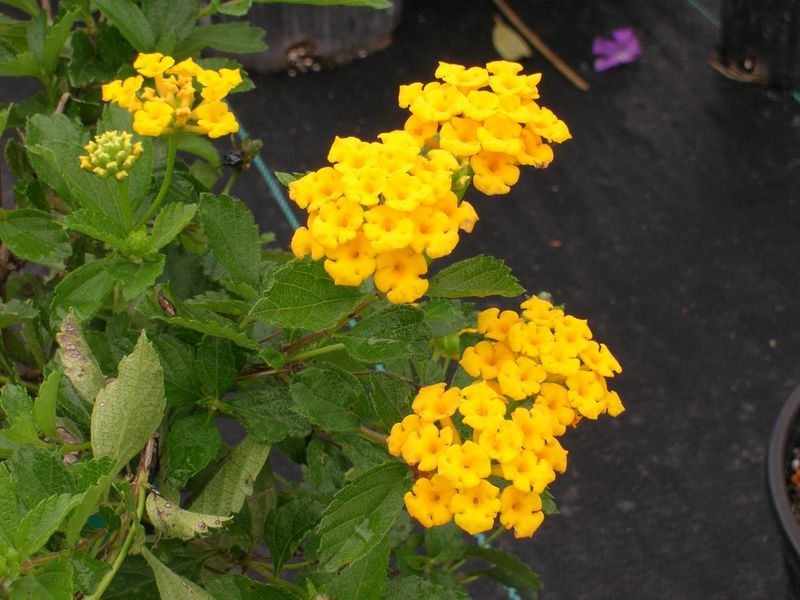
Not all lantanas are created equal, and that distinction really matters in Florida. The lantana most people know, Lantana camara, is actually listed as a Category I invasive species in Florida by the Florida Exotic Pest Plant Council.
Pineland lantana, or Lantana depressa, is a completely different story. It is a true Florida native that stays where you plant it without threatening surrounding natural areas.
Pineland lantana handles heat and drought impressively well once established.
Its small yellow blooms attract butterflies and other pollinators throughout the warm months, and its low-growing, mounding habit makes it a great fit for sunny borders, coastal landscapes, and inland gardens alike.
It is particularly well-suited to the sandy, well-drained soils found across much of South and Central Florida.
Maintenance requirements are minimal. It rarely needs supplemental irrigation once roots are established, and it does not require heavy fertilizing to perform well.
Compared to petunias, which need consistent watering and often collapse in summer heat, pineland lantana just keeps going.
If you want reliable color without the invasive concern or the constant upkeep, this native is an easy, regionally responsible choice worth adding to your landscape.
3. Tropical Sage Keeps Blooming Through Florida Summer
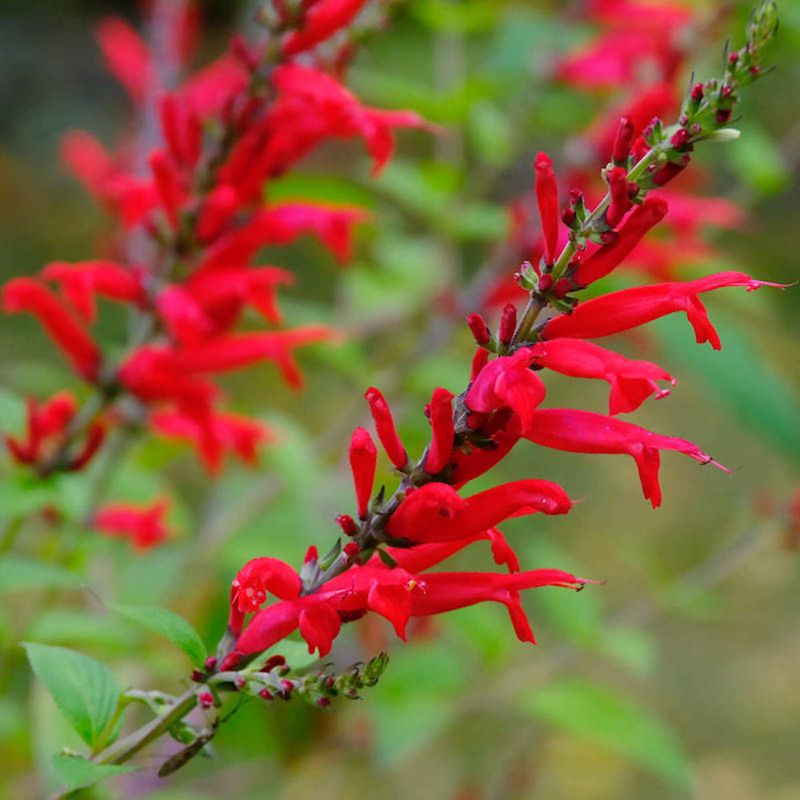
Bright red and absolutely relentless, tropical sage earns its place in Florida gardens by doing something petunias simply cannot: it blooms right through the heart of summer without flinching.
Salvia coccinea is a Florida native that has adapted beautifully to the state’s heat, humidity, and afternoon rain patterns.
It grows quickly, flowers abundantly, and then reseeds itself so you often get a fresh round of plants the following season.
According to University of Florida IFAS Extension, Salvia coccinea is widely adapted across all regions of Florida, from the Panhandle to the Keys. It thrives in full sun and tolerates the kind of humidity that sends other flowering plants into decline.
The slender spikes of red flowers are irresistible to hummingbirds and butterflies, making it a fantastic pollinator plant as well as a visual standout.
Pink and white flowering varieties also exist, giving you some flexibility in color palette. Plants stay fairly upright and tidy, reaching about two to three feet tall in most garden settings.
Watering needs are low once established, and the plant handles periods of dry weather without dramatic wilting. For a low-effort, high-reward summer bloomer that feels at home in Florida, tropical sage is genuinely hard to beat.
4. Twinflower Stays Low And Tidy Even In Full Heat
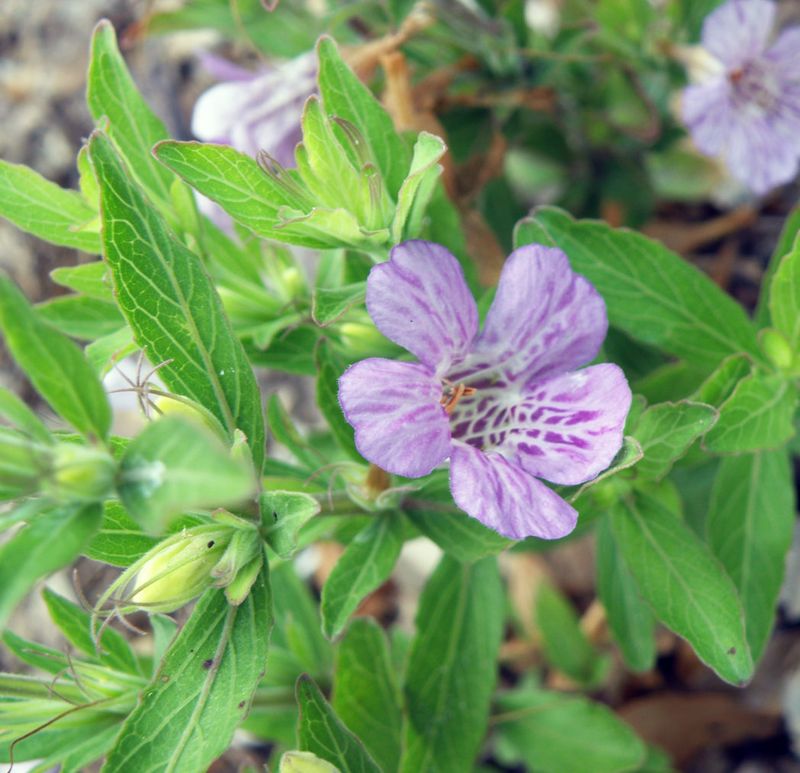
Sometimes the best plant for a tough spot is the one that does not try to show off. Dyschoriste oblongifolia, commonly called twinflower, is a native Florida groundcover that earns quiet appreciation from gardeners who want something reliable without the fuss.
It grows low to the ground, spreads gradually, and produces small lavender-purple flowers that add gentle color without overwhelming a space.
Heat tolerance is one of twinflower’s strongest qualities. It handles full sun to partial shade across Florida’s varied landscape conditions.
Unlike petunias that tend to get leggy and burned during peak summer, twinflower maintains its tidy, compact form even when temperatures climb well into the nineties. It is especially well-suited to naturalistic garden designs and low-maintenance landscapes where minimal intervention is the goal.
Twinflower works particularly well under trees or along the edges of garden beds where other plants struggle to stay attractive. It is not the flashiest option on this list, but its consistency and adaptability make it genuinely useful.
Established plants show reasonable drought tolerance, though they appreciate occasional watering during extended dry spells.
For gardeners in Central or North Florida looking for a native, well-behaved groundcover that handles summer with minimal drama, twinflower is absolutely worth considering.
5. Blue Daze Handles Heat Without Falling Apart
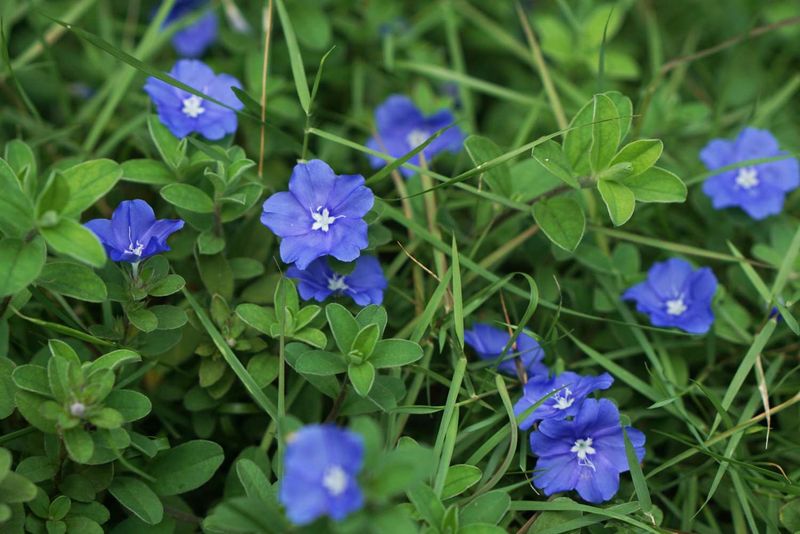
Few things are as satisfying as finding a plant that delivers true blue color in the Florida summer, and blue daze does exactly that. Evolvulus glomeratus produces a steady stream of sky-blue flowers that open each morning and refresh daily, giving garden beds and containers a consistently lively appearance.
While petunias fade and stretch in summer heat, blue daze stays compact and blooms without interruption.
It is worth being clear that blue daze is not a Florida native, but it has a long and well-documented track record in Florida landscapes. University of Florida IFAS Extension recognizes it as a reliable performer in the state’s hot, sunny conditions.
It strongly prefers full sun and does best with good drainage, making it a natural fit for raised beds, container plantings, and sloped garden areas.
Water needs are moderate, and the plant handles short dry periods reasonably well once established. It does not tolerate frost, so in North Florida it is typically grown as an annual or overwintered indoors.
In Central and South Florida, it often persists as a perennial. For anyone wanting reliable blue color in a Florida summer garden without the constant replanting that petunias demand, blue daze is a proven, practical solution that delivers season after season.
6. Sunshine Mimosa Creates A Groundcover That Stays Manageable
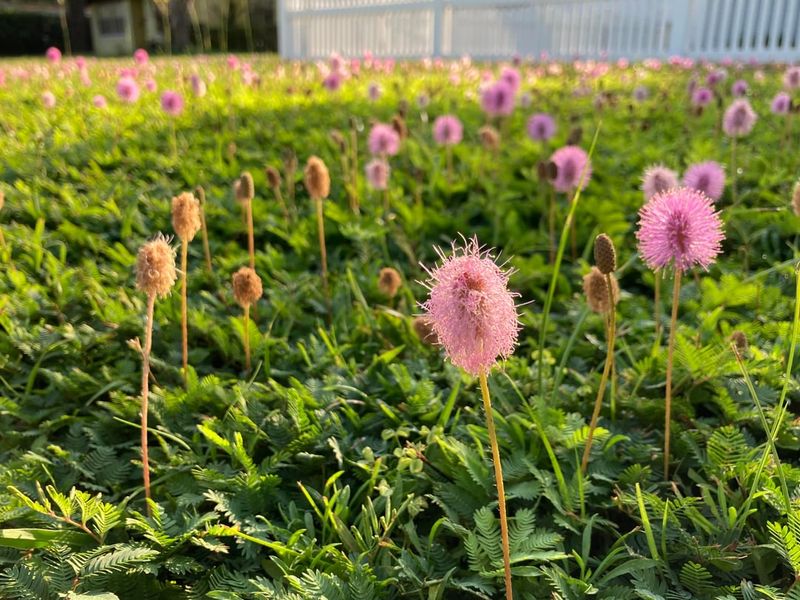
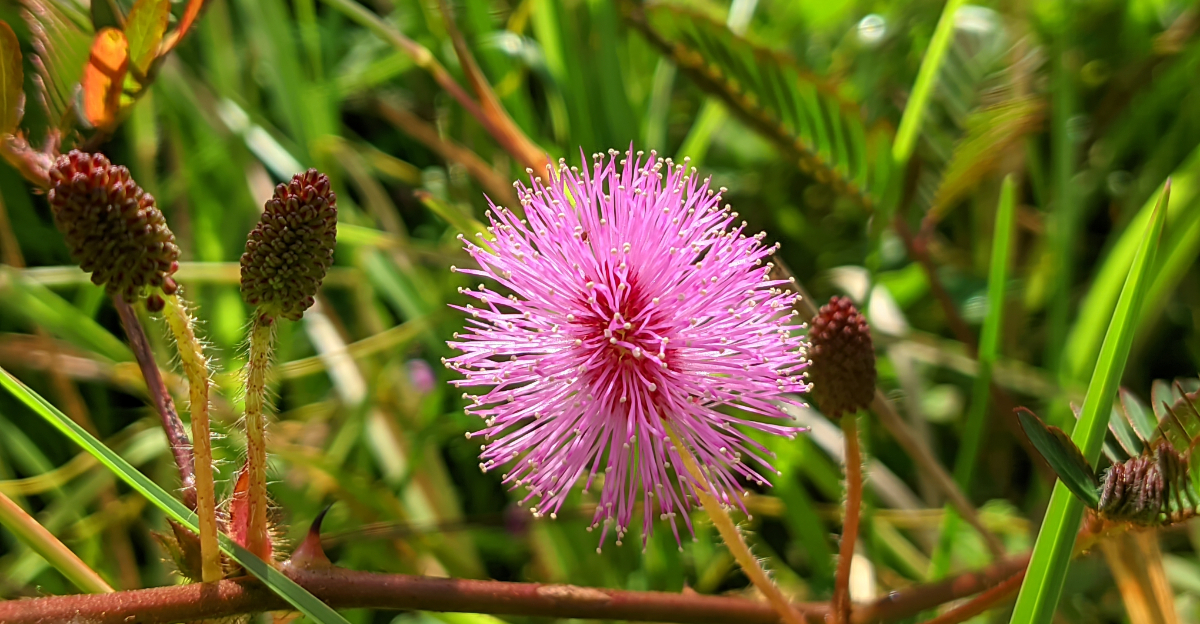
There is something almost magical about watching a plant respond to your footstep by gently folding its leaves, then slowly reopening. Sunshine mimosa, or Mimosa strigillosa, does exactly that, and it is just one of the reasons this Florida native groundcover captures people’s attention.
Beyond the novelty, it is a genuinely tough, heat-adapted plant that handles Florida summers with confidence.
Unlike some spreading groundcovers that quickly become a management problem, sunshine mimosa spreads at a controlled, predictable pace.
It stays low to the ground, rarely exceeding six inches in height, and its pink powder-puff flowers attract bees and butterflies throughout the warm season.
It is drought tolerant once established and handles the kind of intense sun that would exhaust most traditional groundcover options, including creeping petunias.
Sunshine mimosa works particularly well as a lawn alternative in sunny areas with well-drained soil. It can handle light foot traffic, which makes it a practical choice for pathways and open areas.
Across Central and South Florida it performs especially well, though it can also be used in warmer parts of North Florida with some care.
The Florida Native Plant Society recognizes it as a valuable native species, and its combination of visual interest and heat resilience makes it one of the more underrated plants on this list.
7. Crossandra Loves Florida Heat And Humidity
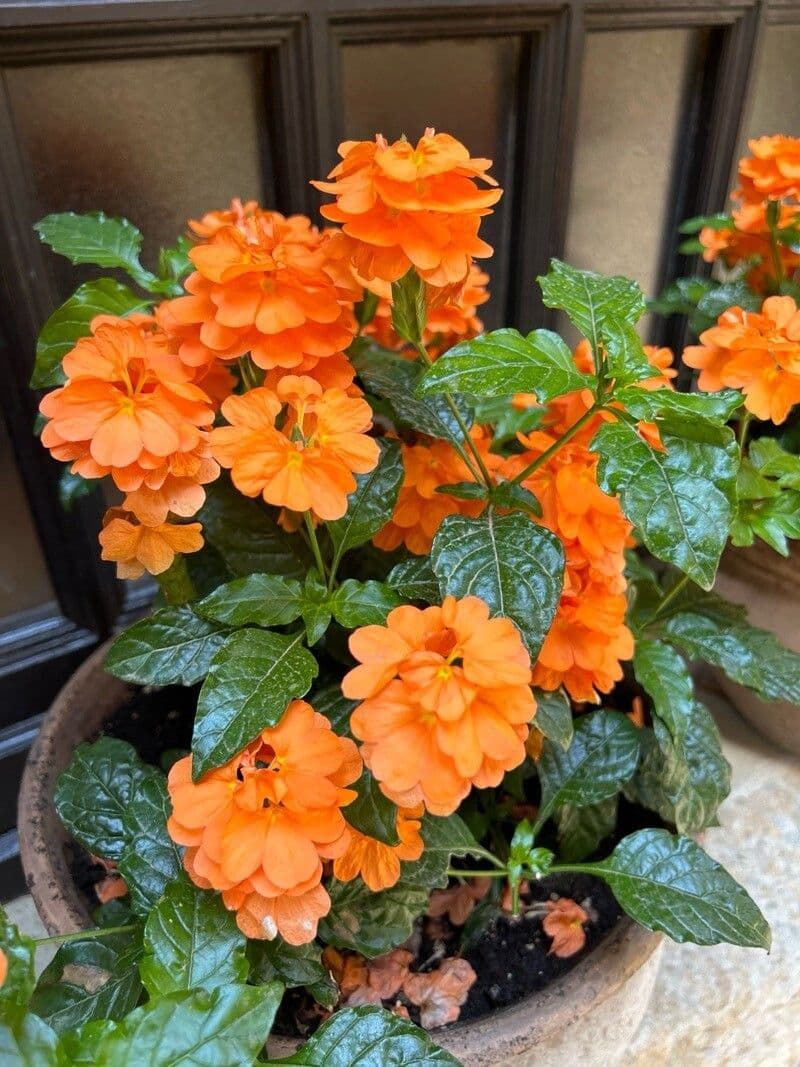
Most plants treat Florida’s summer humidity like an obstacle. Crossandra treats it like a welcome invitation.
Crossandra infundibuliformis, sometimes called firecracker flower, is a tropical plant that genuinely thrives in warm, steamy conditions.
Its salmon-orange blooms are striking against deep green foliage, and unlike many flowering plants that slow down in August, crossandra often hits its stride right when temperatures peak.
It performs best in Central and South Florida, where winters stay warm enough to allow it to grow as a perennial. In North Florida, it is more reliably used as a seasonal annual since it is sensitive to cold temperatures and frost.
Plant it in a spot with partial shade to full sun, rich soil, and consistent moisture for the best results. It does not tolerate drought the way some of the native options on this list do, so some attention to watering during dry stretches is worthwhile.
Crossandra reaches about one to two feet in height and works beautifully as a border plant, a container specimen, or a colorful addition to shaded garden beds.
It is not a Florida native, but its strong performance in humid tropical conditions makes it a genuinely useful option for gardeners in the southern half of the state who want bold, lasting color through the hottest months of the year.
8. Beach Sunflower Handles Brutal Heat And Sandy Soil Easily
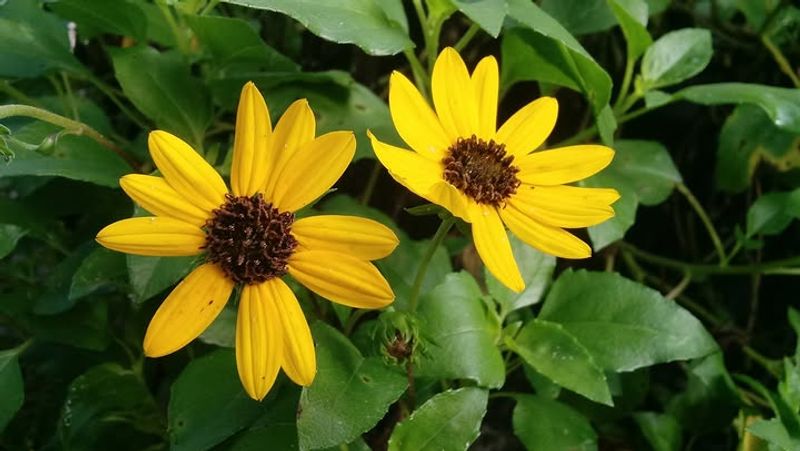
Sandy soil, salt spray, relentless sun, and zero irrigation. Most plants would not last a week under those conditions, but beach sunflower not only survives, it spreads cheerfully and blooms without complaint.
Helianthus debilis is a Florida native coastal plant that has evolved to handle some of the most demanding growing conditions in the state. Its bright yellow flowers resemble small sunflowers and appear consistently throughout the warm months.
Salt tolerance is one of its standout qualities, making it an excellent choice for coastal landscapes where many other flowering plants struggle. It also handles sandy, low-nutrient soils that would leave petunias completely defeated.
Once established, beach sunflower requires very little supplemental water and essentially no fertilizer to maintain healthy growth and consistent flowering. University of Florida IFAS Extension supports its use as a low-maintenance, regionally appropriate landscape plant.
Beyond the coast, beach sunflower also performs well in inland sunny gardens with good drainage. It spreads by runners and can cover a good amount of ground over a season, making it useful as a sprawling groundcover or a cascading border plant.
In North Florida it may behave more like an annual, but in Central and South Florida it often returns reliably year after year. For gardeners who want maximum color with minimum effort in tough conditions, beach sunflower is an outstanding native choice.