These 8 Plants Help Baby Birds Survive Harsh Florida Summers
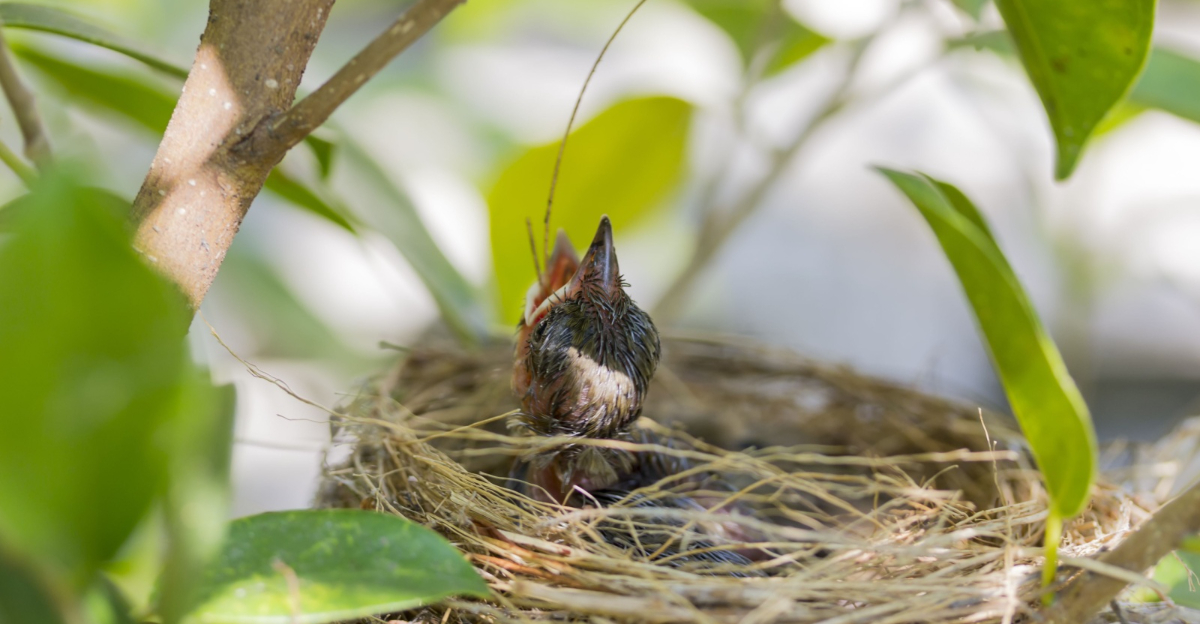
Most people never see the struggle that happens in their own backyard. Florida summer heat can overwhelm baby birds faster than predators.
Nestlings overheat, dehydrate, and weaken while parents search for insects under a hot sun. Lawns and exotic yards offer little shade, little food, and almost no shelter. Native plants change that story.
The right shrubs, trees, and grasses create cooler pockets of air, insect rich factories, safe hidden places, and natural food stations that young birds depend on in their first dangerous weeks.
A single yard planted with native species can support dozens of families of songbirds, hummingbirds, and doves.
Small choices by homeowners shape survival across entire neighborhoods. Add the right plants, skip pesticides, offer shallow water, and watch fragile hatchlings grow into strong, fully grown birds despite brutal heat.
Your yard can become a safe refuge in the hardest season of the year for wildlife too.
1. Plant Firebush For Cooling Shade And Nectar
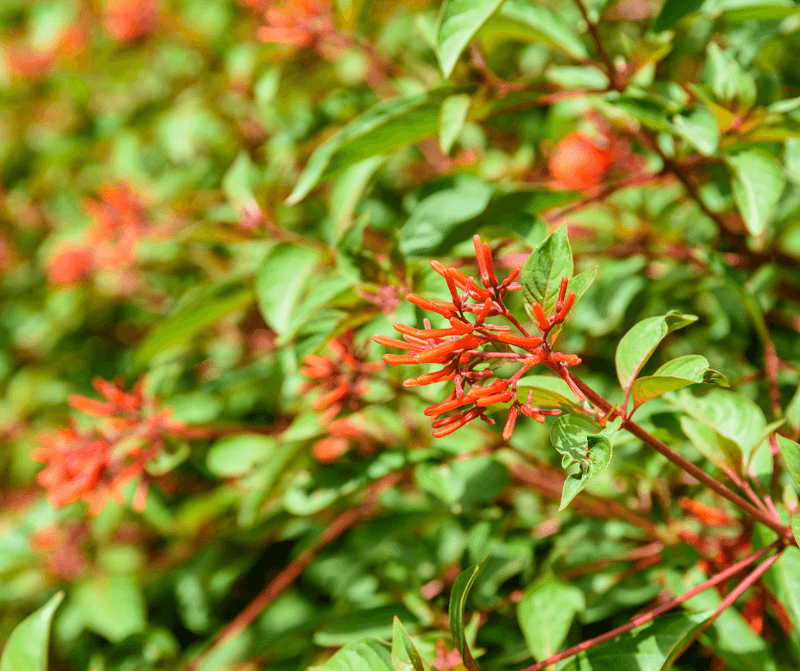
Firebush stands out as one of Florida’s most valuable native shrubs for supporting young birds during brutal summer heat. The plant grows quickly into a dense, multi-branched shrub that creates layers of cooling shade where baby birds can escape direct sunlight.
Its bright red tubular flowers bloom continuously throughout summer, attracting hummingbirds and insects, which become protein-rich meals for growing baby birds (most nestlings rely primarily on insects, not nectar).
The thick foliage of firebush offers excellent cover where parent birds can safely feed their young without exposure to predators or harsh sun. Small dark berries appear after flowering, providing another food source that many native bird species rely on.
The plant’s structure creates multiple perching spots at different heights, perfect for fledglings practicing their flying skills in a protected environment.
Plant firebush in sunny spots where it receives at least six hours of direct light daily. It tolerates Florida’s sandy soils and doesn’t require much watering once established, making it low-maintenance for homeowners.
Space plants about four to six feet apart to create a continuous screen of shade and shelter.
Firebush thrives in the heat and humidity that challenge other plants, maintaining its lush appearance even during the most intense summer weeks when baby birds need refuge most.
2. Grow Simpson’s Stopper For Safe Nesting Cover
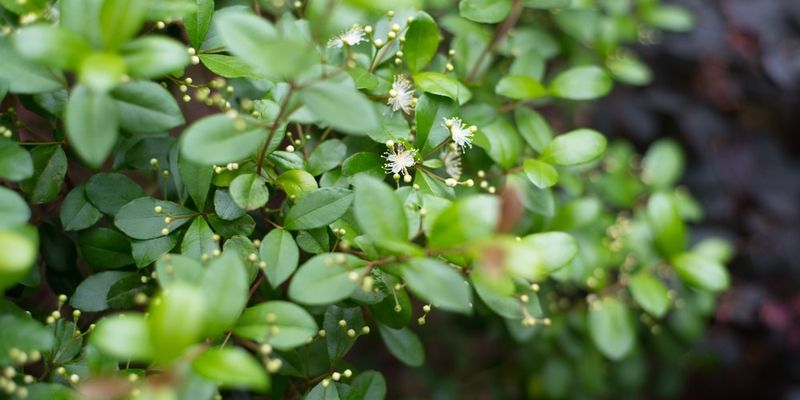
Simpson’s stopper creates the kind of dense, protected environment that parent birds seek when building nests and raising their young. This native Florida shrub grows with tightly packed branches and small, glossy leaves that form an almost impenetrable screen.
The thick branching pattern provides natural protection from predators while keeping harsh sunlight from reaching delicate nestlings during the hottest parts of the day.
White flowers appear in clusters during spring and early summer, attracting beneficial insects that become easy prey for parent birds feeding their babies. After flowering, small purple-black berries develop that offer nutrition to fledglings learning to forage on their own.
The berries often ripen from late spring into summer, providing a reliable seasonal food source for young birds.
This shrub adapts well to various Florida soil types and grows naturally in both sun and partial shade, giving you flexibility in placement. Consider planting Simpson’s stopper near windows where you can observe nesting activity without disturbing the birds.
The plant reaches about six to ten feet tall and wide, creating substantial habitat in a relatively small footprint. Its evergreen nature means it provides year-round shelter, but its value peaks during summer when baby birds require the most protection from Florida’s intense heat and afternoon storms.
3. Add Wax Myrtle For Dense Summer Shelter
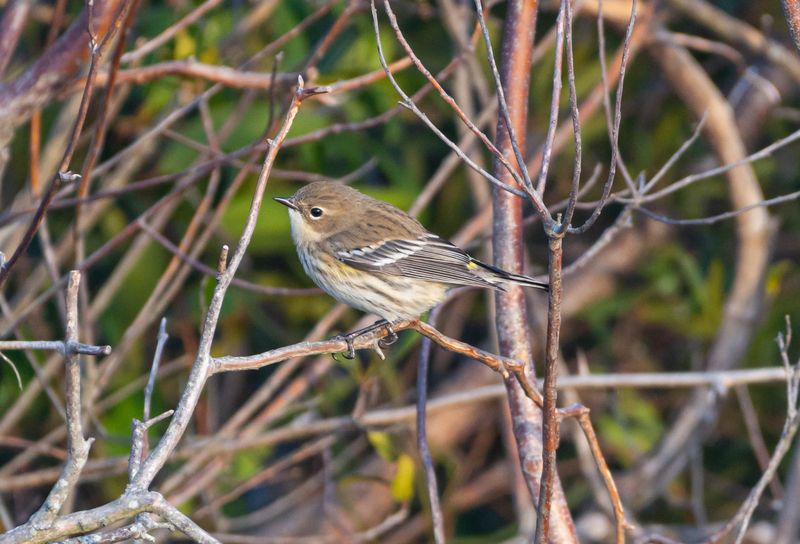
Wax myrtle grows into one of the most reliable shelter plants for Florida birds, creating thick layers of foliage that protect young birds from summer’s harsh conditions. The narrow, aromatic leaves grow densely along flexible branches, forming a natural umbrella that blocks intense sunlight while allowing air to circulate.
This combination keeps the interior of the plant noticeably cooler than the surrounding air, offering baby birds a comfortable microclimate during the hottest hours.
Female wax myrtle plants produce small waxy berries that persist through summer and into fall, providing high-fat nutrition, especially important for many birds in fall and winter, though the plant still offers excellent summer shelter and nesting cover.
More than forty bird species feed on these berries, making wax myrtle one of the most important native plants for supporting Florida’s bird populations.
The plant’s structure accommodates nests at various heights, and its evergreen nature means it never leaves birds exposed during vulnerable periods.
Wax myrtle tolerates wet and dry conditions equally well, thriving in Florida’s unpredictable summer rainfall patterns. It grows quickly, reaching ten to fifteen feet tall, so place it where you want substantial screening or a privacy hedge that doubles as wildlife habitat.
The plant handles salt spray near coastal areas and adapts to inland conditions, making it versatile for yards throughout the state. Prune lightly to maintain shape without removing too much protective cover that birds depend on.
4. Use Beautyberry To Provide Food And Protection
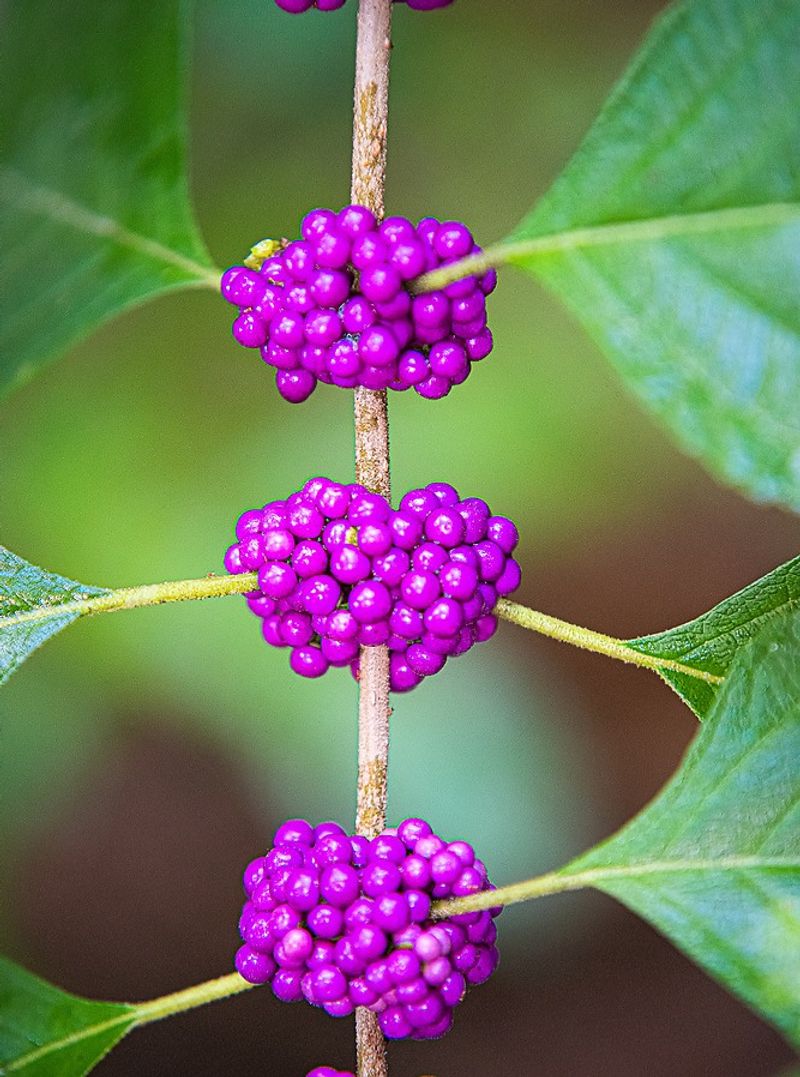
American beautyberry earns its name with stunning clusters of bright purple berries that appear along arching branches during late summer and fall. But beyond its visual appeal, this native shrub serves as a vital resource for young birds navigating their first summer.
The berries provide essential nutrition during the transition period when fledglings learn to find food independently. Parent birds bring their young to beautyberry plants, teaching them to recognize this reliable food source.
The plant’s open branching structure with large leaves creates dappled shade that cools without completely blocking light. This partial shade works perfectly for ground-feeding birds that forage beneath the plant while staying protected from overhead predators.
Beautyberry grows in a rounded, fountain-like shape that provides multiple access points, allowing several birds to feed simultaneously without competition or stress.
Plant beautyberry in locations with morning sun and afternoon shade for best berry production. The shrub grows four to six feet tall and equally wide, fitting well into smaller yards or garden borders.
It tolerates Florida’s sandy soils but appreciates occasional watering during extended dry spells. The berries ripen just as young birds face the challenge of finding enough food before cooler months and seasonal changes in food availability.
Leave the branches unpruned through summer so birds can access every berry cluster without obstruction.
5. Plant Elderberry To Support Hungry Young Birds
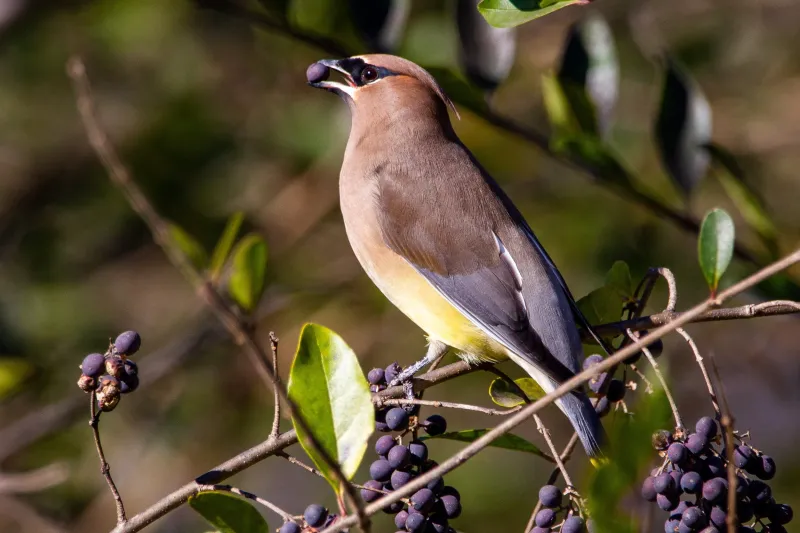
Elderberry produces some of the most nutritious berries available to Florida birds, making it especially valuable for supporting the rapid growth that baby birds experience during summer months. The small, dark purple berries grow in large, flat-topped clusters that ripen in waves throughout the season.
This staggered ripening means young birds have access to fresh food over an extended period rather than a single brief harvest. The berries contain high levels of vitamins and antioxidants that provide nutrients that help birds stay strong during heat stress.
The plant itself grows into a large, fast-growing shrub with compound leaves that create substantial shade. Elderberry naturally occurs along Florida wetlands and moist areas, so it thrives in spots that stay damp during summer.
The white flower clusters that appear before berries attract numerous insects, giving parent birds abundant protein sources for feeding nestlings. The plant’s size and structure accommodate multiple nesting sites within its branches.
Choose a location with consistent moisture for best results, such as near downspouts or low spots in your yard. Elderberry can reach eight to twelve feet tall, creating significant habitat quickly.
The plant spreads through underground shoots, so give it room to form a colony that increases its value to birds. Cut back older canes every few years to encourage vigorous new growth with maximum berry production.
6. Choose Coral Honeysuckle For Shade And Nectar
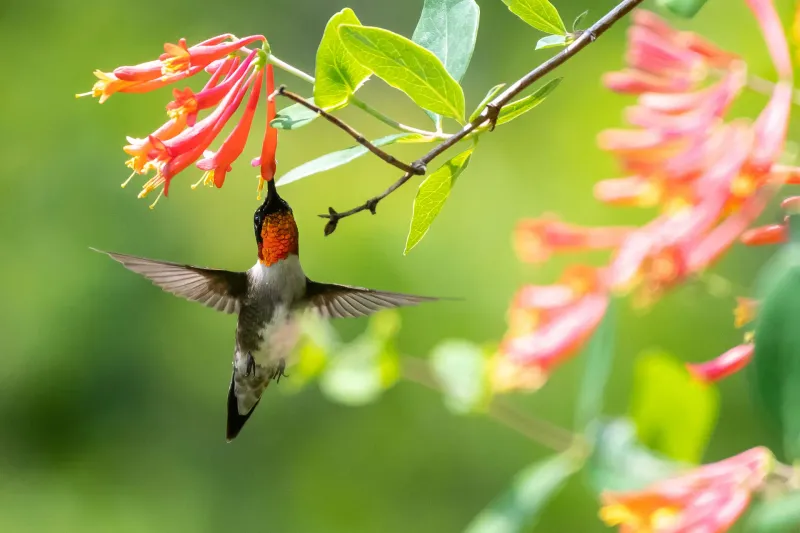
Coral honeysuckle offers a vertical solution for creating bird habitat in yards with limited ground space. This native vine climbs naturally using twining stems, covering fences, arbors, or trellises with dense foliage and brilliant tubular flowers.
The overlapping leaves create shaded pockets where small birds rest during the hottest parts of the day. Unlike invasive honeysuckle species, coral honeysuckle behaves politely in Florida landscapes, staying where you plant it without spreading aggressively.
The bright coral-red flowers bloom heavily in spring and continue sporadically through summer, providing nectar that attracts hummingbirds and the insects that follow them. These insects become food for young birds learning to hunt.
After flowering, small red berries develop that many songbird species consume eagerly. The vine’s structure creates protected pathways where fledglings can move through the garden while staying hidden from predators.
Train coral honeysuckle on a sturdy support in a location with morning sun and afternoon shade. The vine reaches fifteen to twenty feet in length, covering substantial area once established.
It tolerates Florida’s heat and humidity without developing the fungal issues that plague some ornamental vines. Water regularly during the first growing season, then reduce watering as the plant matures.
The evergreen to semi-evergreen foliage means it provides shelter even during cooler months, though its peak value comes during summer when baby birds need every advantage.
7. Add Muhly Grass For Ground-Level Refuge
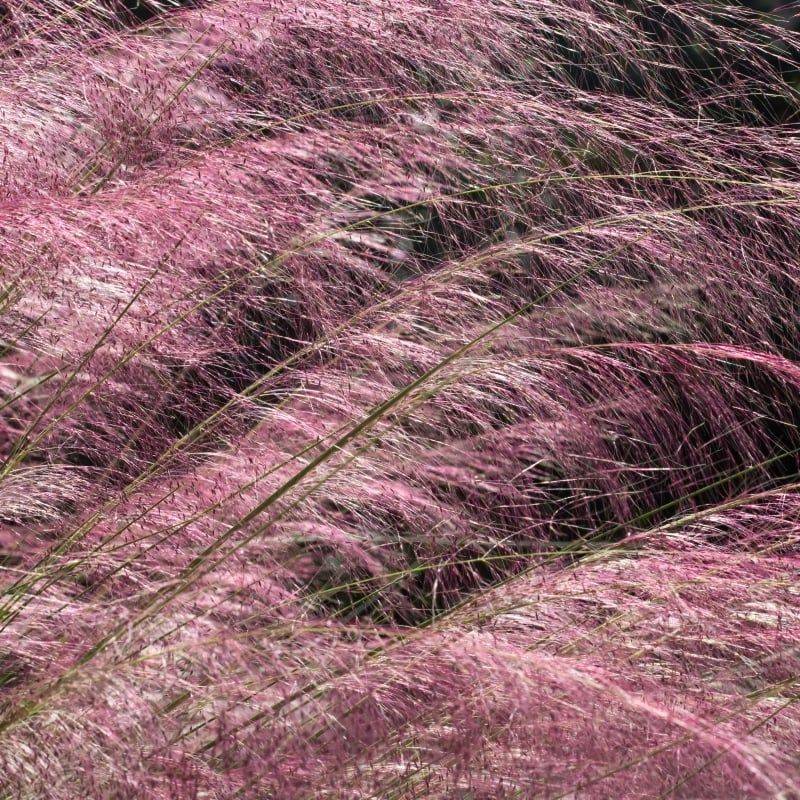
Muhly grass creates ground-level habitat that many gardeners overlook but birds absolutely require. This native ornamental grass grows in dense clumps with fine-textured foliage that forms a protective curtain around its base.
Young birds that spend time on the ground while developing flight skills find safety within and beneath these grass clumps. The structure keeps them hidden from cats, hawks, and other predators while they rest between practice flights.
The grass provides more than just cover. Seeds mainly develop in fall and winter, while during summer the grass is most valuable as protective shelter for young birds and as habitat for insects they eat.
Insects shelter within the grass blades, giving young birds easy hunting opportunities as they perfect their foraging techniques. The grass stays green through Florida summers, maintaining its protective qualities even during droughts that stress other plants.
Its roots help stabilize soil and create habitat for the insects that birds depend on.
Plant muhly grass in full sun where it will develop the most dramatic plumes and densest growth. Space clumps about three feet apart to create a meadow effect that maximizes bird habitat.
The grass reaches about three feet tall and equally wide, fitting well into borders or mass plantings. It requires virtually no maintenance once established and tolerates Florida’s sandy soils without amendments.
Leave the grass standing through winter rather than cutting it back in fall, preserving shelter when birds need it most.
8. Plant Live Oak For Lifesaving Summer Canopy
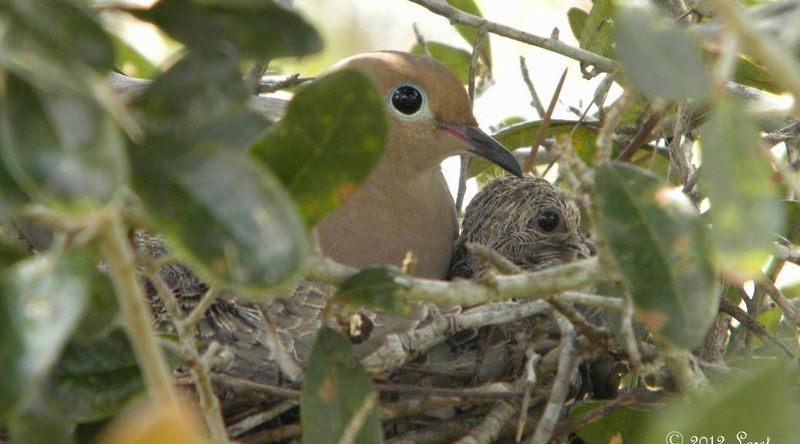
Live oak represents the gold standard for creating bird habitat in Florida yards, offering benefits that no other plant can match.
These magnificent native trees develop massive, spreading canopies that cast deep shade over large areas, often lowering ground temperatures significantly compared to open areas, helping reduce heat stress for wildlife.
This cooling effect helps reduce dangerous heat stress during the hottest days. The thick, leathery leaves stay on the tree year-round, providing consistent protection.
The ecological value of live oak extends far beyond shade. A single mature tree supports hundreds of insect species that become food for growing birds.
The rough bark harbors spiders, beetles, and caterpillars that parent birds collect by the thousands to feed their young. Acorns provide nutrition for many bird species, and the tree’s structure accommodates countless nests within its strong, horizontal branches.
Live oaks create a complete ecosystem that sustains multiple generations of birds.
Choose a location with plenty of space for the tree’s eventual fifty to eighty-foot spread. Plant young trees in fall or winter, giving them time to establish before facing their first summer.
Water regularly for the first two years, then allow natural rainfall to sustain the tree. Live oaks grow slowly but steadily, increasing in value to birds every year.
Consider planting one as an investment in long-term habitat that will support Florida’s bird populations for centuries.