These 9 Plants Will Keep Mosquitoes Away From Your Illinois Patio
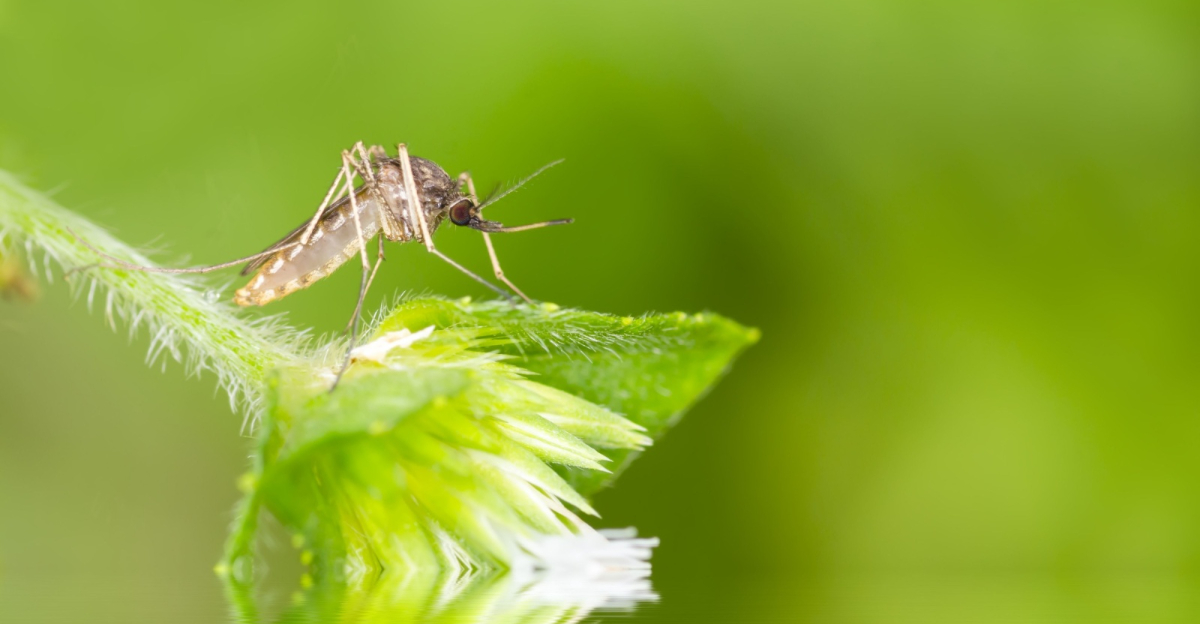
llinois summers are meant for patio dinners and cold drinks.
They’re also meant for doing absolutely nothing productive.
What they are not meant for is spending every evening flailing your arms at things you can barely see.
Mosquitoes are relentless.
One minute you’re flipping burgers, the next you’re inside, itchy and annoyed, wondering why you even bothered.
Here’s something worth knowing though: certain aromatic plants contain compounds mosquitoes may dislike.
Not in a “light this candle and hope for the best” way, but in a real, science-backed, these-bugs-will-avoid-your-yard way.
The right herbs and flowers release natural compounds that mosquitoes find unbearable, and they happen to look beautiful doing it.
Plant a few of these around your patio and your chances of a peaceful summer evening improve considerably.
1. Lavender
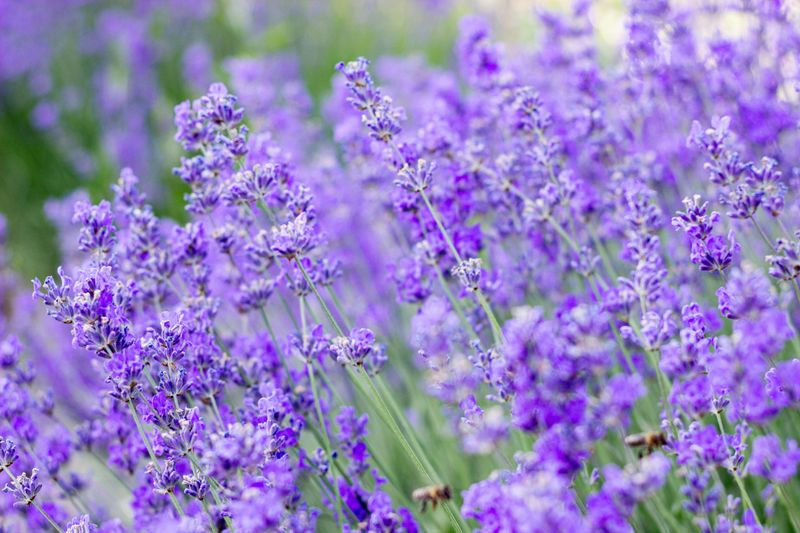
Lavender smells like a spa day, but mosquitoes seem to have a very different opinion of it.
This purple-bloomed beauty has been used for centuries to repel insects, and research suggests it really works.
The secret weapon is linalool, a naturally occurring compound that bugs simply cannot stand.
Planting lavender along the edges of your patio creates a fragrant border that works double duty.
It keeps the biters away while giving your yard a polished, cottage-garden look that neighbors will notice.
Illinois summers can be humid, but lavender actually thrives in well-drained soil and full sun, making it a surprisingly easy fit for the region.
Place a few pots near your seating area for the most impact.
When the breeze picks up on a warm evening, the scent releases naturally into the air around you.
You can also rub a few fresh sprigs between your palms and apply them directly to your skin for a light, natural scent.
Dried lavender bundles near doorways won’t stop every bug, but they do keep your space smelling like summer in the best possible way.
With minimal watering and almost no fuss, this plant is one of the most rewarding additions to any outdoor space.
Once you plant it, you might wonder how you ever survived a summer without it.
2. Lemon Balm
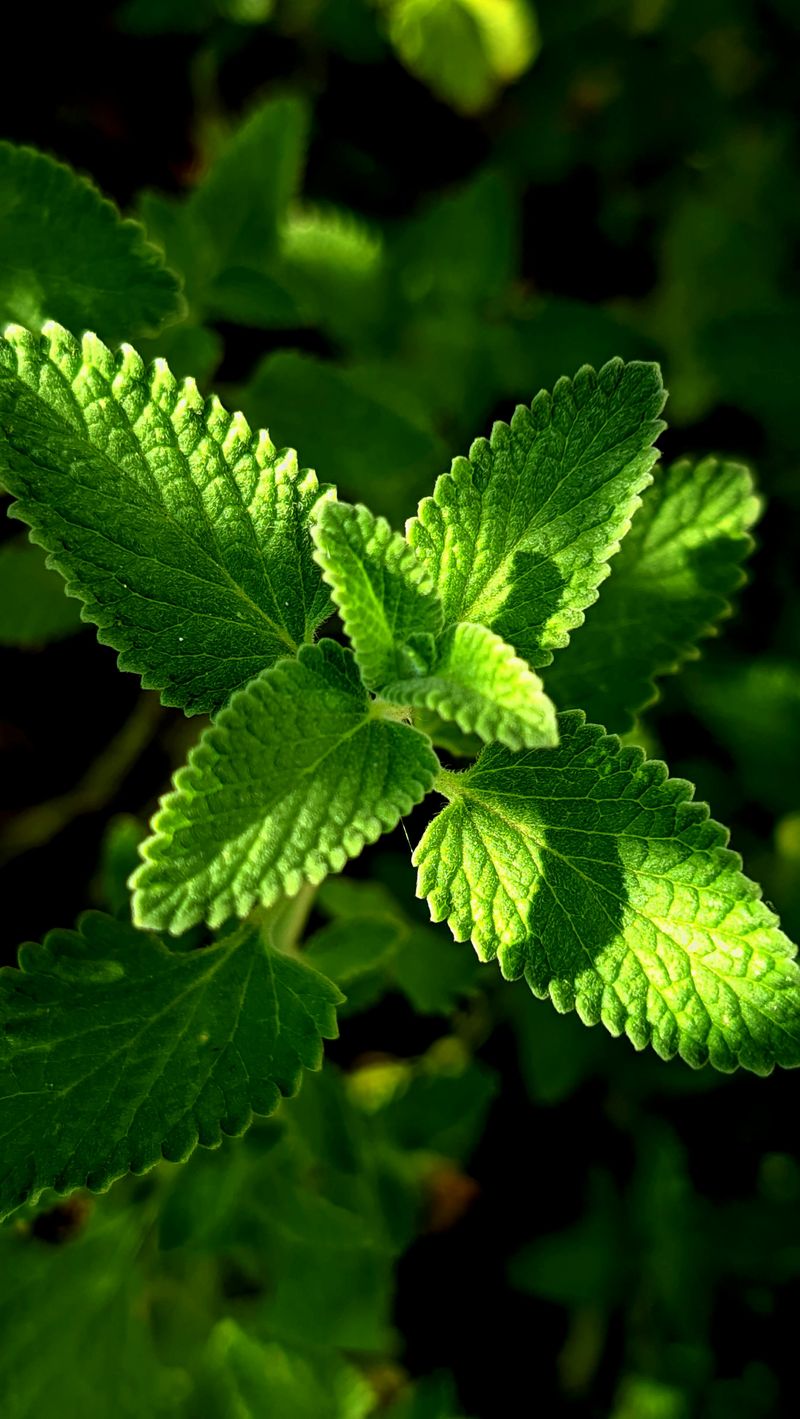
Crush a single lemon balm leaf between your fingers and the smell hits you instantly, citrusy, clean, and surprisingly powerful.
That sharp scent comes from high concentrations of citronellal, the same compound found in citronella-based repellents.
Mosquitoes tend to avoid it, and honestly, that is reason enough to keep a pot nearby.
Lemon balm is a member of the mint family, which means it grows fast and spreads enthusiastically.
Keeping it in a container is a smart move if you do not want it taking over your garden beds.
The good news is that a single pot placed near your favorite outdoor chair can make a noticeable difference on a buggy evening.
Crush a few leaves to release the scent and the effect kicks in almost instantly.
Beyond pest control, lemon balm has a long history as a calming herb used in teas and cooking.
Your Illinois Garden Changes Every Week. Your Plan Should Too.
Gardening in Illinois changes quickly throughout the season. Every Friday you’ll receive a simple weekly plan showing exactly what to plant, prune, fertilize, harvest, and protect so you never miss the right timing.
Toss a few fresh leaves into a pitcher of water for a refreshing summer drink that tastes as good as it smells.
The plant thrives in partial shade, which makes it perfect for patios that do not get full sun all day.
It handles Illinois heat reasonably well with regular watering and occasional trimming to keep it from getting leggy.
Harvesting leaves regularly actually encourages bushier, more productive growth.
This plant is one of those rare finds that earns its spot in your garden from multiple angles at once.
3. Basil

Most people think of basil as a pizza topping, but this kitchen staple pulls serious weight as a mosquito fighter.
Unlike most repellent plants that only work when crushed, basil releases its oils into the surrounding air on its own.
That means you get passive protection just by having it nearby, no effort required.
Even a single pot on a warm afternoon can make a noticeable difference.
Some research suggests basil oil may affect mosquito larvae, so planting it near water features like a birdbath or decorative pond in your yard is worth trying.
That is a level of pest control most people never even think about.
Sweet basil, lemon basil, and cinnamon basil all carry repellent properties, so you have plenty of room to experiment with varieties depending on what grows best in your space.
Generally speaking, lemon basil tends to pack an extra punch thanks to its higher citrus oil content, which is worth keeping in mind when choosing your variety.
Basil loves heat, and Illinois summers give it exactly what it needs to thrive.
Water it consistently at the base rather than overhead to prevent leaf mold, and pinch off flower buds to keep the plant producing fresh foliage.
Harvesting leaves for cooking regularly keeps the plant healthy and the oils potent.
Having fresh basil on hand for dinner while it quietly guards your patio is a win that feels almost too good to be true.
4. Catnip

Research has found that compounds in catnip can repel mosquitoes.
Not bad for a plant you can grow in a pot on your porch.
If that does not make you want to run to the nearest garden center, nothing will.
The active compound is nepetalactone, and it messes with the sensory receptors mosquitoes use to locate their targets.
Essentially, it makes you invisible to them, at least for a little while.
You can rub fresh catnip leaves on your skin for a more direct effect.
Your cat, however, will have opinions about this.
Growing catnip is almost embarrassingly easy.
It tolerates a wide range of soil conditions, bounces back from drought, and spreads readily if left unchecked.
Keeping it in a pot gives you control over where it grows while still letting you enjoy the benefits.
Place a container near your patio furniture or along a walkway where foot traffic will brush against the leaves and release the scent.
Catnip also attracts pollinators when it blooms, so you get a bonus benefit for your garden ecosystem.
If you have outdoor cats, be ready for some dramatic rolling and flopping near your carefully tended pots.
This plant is a conversation piece, a pest deterrent, and a feline entertainment system all in one.
5. Rosemary

Rosemary has a scent so bold and woodsy that it practically announces itself the moment you walk past it.
That strong aromatic profile is exactly what sends mosquitoes in the opposite direction.
The plant produces oils that may interfere with the insect’s ability to detect carbon dioxide, which is how they find warm-blooded targets.
Beyond its bug-fighting credentials, rosemary is one of the most versatile plants you can grow on a patio.
Snip a few sprigs for roasted chicken or toss a bundle on the grill for a smoky herbal twist on grilled vegetables.
Dried stems burn beautifully as a natural outdoor incense when the mood calls for it.
The smoke from burning rosemary is especially effective at clearing a space of flying pests during an outdoor gathering.
Rosemary loves full sun and well-drained soil, two things that are easy to provide in most Illinois backyard setups.
It is drought-tolerant once established, making it a low-maintenance choice for gardeners who forget to water.
In colder months, bring potted rosemary indoors near a sunny window to keep it alive through winter.
With a little care, a single plant can last for years and grow into an impressive shrub.
Rosemary is the rare plant that justifies itself three times over before you even finish your first cup of morning coffee.
Good looks, great flavor, and zero tolerance for mosquitoes.
What more could a patio ask for?
6. Citronella Grass
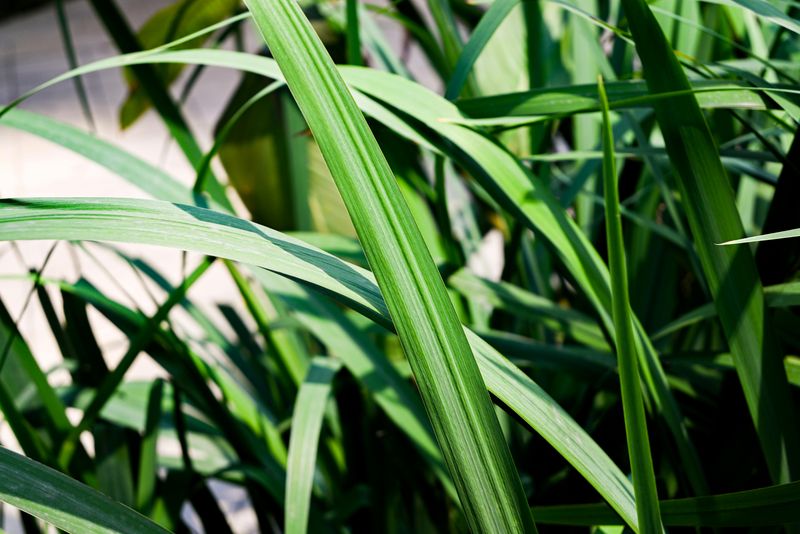
You have probably burned a citronella candle at some point this summer, but the real thing is far more powerful than any wax version.
Citronella grass is the actual source plant behind those candles.
And growing it directly on your patio means you get the real thing, not a watered-down version melted into wax.
The leaves release strong lemony oils that mask the scents mosquitoes use to track people down.
This grass grows tall and dramatic, sometimes reaching five or six feet, which makes it a striking visual anchor for any patio corner.
It thrives in full sun and warm temperatures, so the heat of an Illinois summer is basically ideal growing conditions.
Plant it in a large container to control its spread and move it around your outdoor space as needed.
Brushing against the leaves or gently bending them releases the scent into the surrounding air, giving you a quick burst of protection.
For a stronger effect, crush a leaf and rub the oil on exposed skin before heading outside for the evening.
Citronella grass is a tropical plant, so it will not survive a Midwestern winter outdoors.
Bring the pot inside before the first frost and keep it near a bright window until spring returns.
One healthy plant can last for years with proper care, which means you are essentially making a one-time investment in multiple summers of peaceful evenings.
Not a bad return on a single trip to the garden center.
7. Peppermint
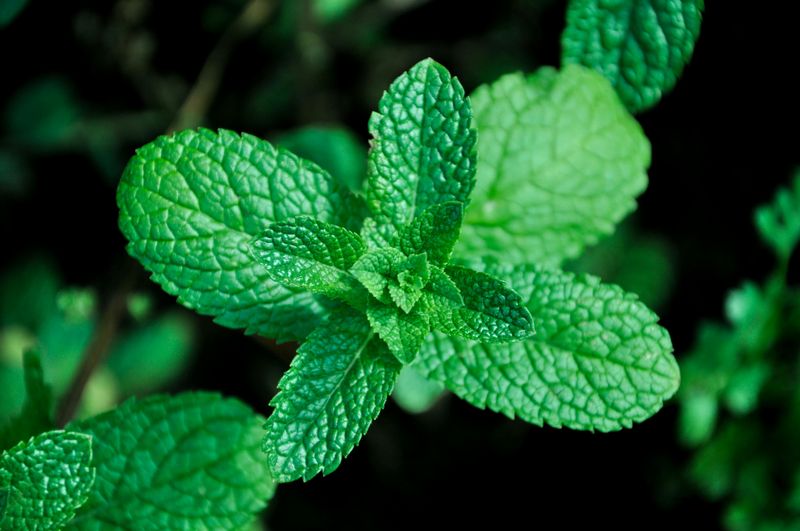
Peppermint is intensely fragrant in a way that most people find refreshing and mosquitoes find considerably less appealing.
The menthol content in peppermint is what drives insects away, overwhelming their sensory systems and making the area feel inhospitable.
For humans, that same scent is refreshing, invigorating, and honestly kind of delightful on a hot afternoon.
Growing peppermint in containers is strongly recommended because this plant spreads like it has somewhere to be.
Left unchecked in a garden bed, it will claim territory fast and crowd out neighboring plants.
A pot near your patio chairs, however, is the perfect setup, close enough to work, contained enough to stay manageable.
Brushing your hand across the leaves as you walk past releases a concentrated burst of scent that lingers in the air.
You can also make a simple peppermint spray by steeping fresh leaves in boiling water, letting it cool, and pouring the liquid into a spray bottle.
Mist it around your seating area before guests arrive for a fast, fragrant layer of protection.
Peppermint also repels spiders, ants, and flies, so the benefits extend well beyond just mosquito control.
It grows quickly, tolerates partial shade, and handles the moisture levels typical of Illinois summers without much fuss.
This plant is proof that the most effective solutions are often the simplest ones sitting right in front of you.
8. Sage
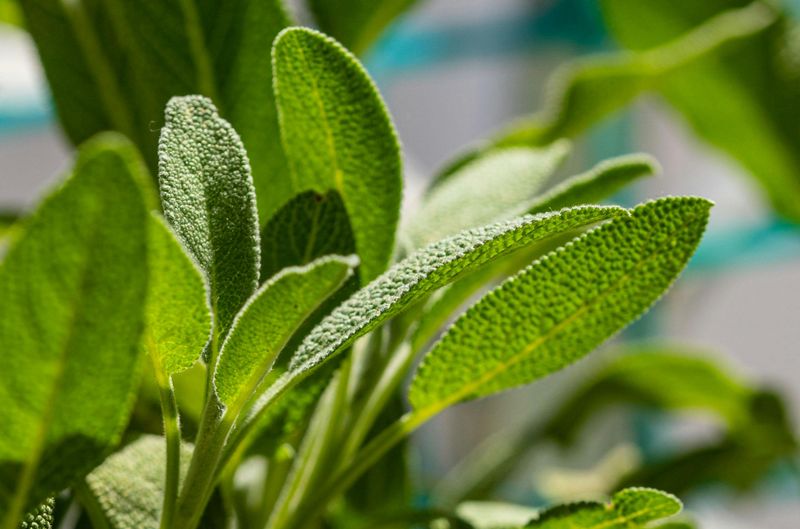
Sage has been burned in ceremonies across cultures for thousands of years, but mosquitoes do not care about the history.
They just know they want nothing to do with the smoke.
When sage burns, it releases compounds that mosquitoes find deeply unpleasant.
For outdoor gatherings, that puts sage in the category of natural deterrents that are actually worth trying.
Toss a few fresh or dried sprigs directly onto your grill or a small fire pit and let the smoke do the work.
Even without burning, potted sage planted around your patio creates a passive barrier against mosquitoes.
It is one of those rare plants that pulls its weight whether you light it or simply leave it in a pot.
The silvery-green leaves have a pungent, earthy aroma that intensifies in the heat, releasing oils into the surrounding air throughout the day.
That slow, steady release is part of what makes sage such a reliable outdoor companion during warmer months.
Sage is drought-resistant, sun-loving, and genuinely low maintenance once it gets established in well-drained soil.
It handles the variable weather of an Illinois season well and comes back reliably year after year in most garden zones.
Pruning it after flowering keeps the plant compact and encourages fresh, oil-rich growth that maximizes its repellent effect.
Fresh sage leaves also work beautifully in cooking, from roasted meats to compound butters.
Mosquitoes are not fans of sage.
You will love it.
Your patio evenings will finally go the way you actually planned them.