Tennessee Gardeners Swear By These 7 Plants To Keep Mosquitoes And Gnats Away All Summer
Summer in Tennessee is something special. The fireflies and the front porches set the scene.
You feel those long, warm evenings stretching on forever. But anyone who has tried to enjoy a backyard cookout here knows exactly what shows up uninvited.
Mosquitoes and gnats have a way of turning a perfect evening into a retreat indoors faster than you can refill your sweet tea. Here is the thing though.
You do not need sprays, foggers, or anything that comes with a warning label to take your yard back. Gardeners across the Volunteer State have been solving this problem naturally for generations, and their secret grows right in the soil.
Certain plants release oils and scents that bugs simply want nothing to do with. From a sprawling Nashville backyard to a cozy Knoxville porch, the right plants can change everything.
Your garden can finally work for you all season long.
1. Basil
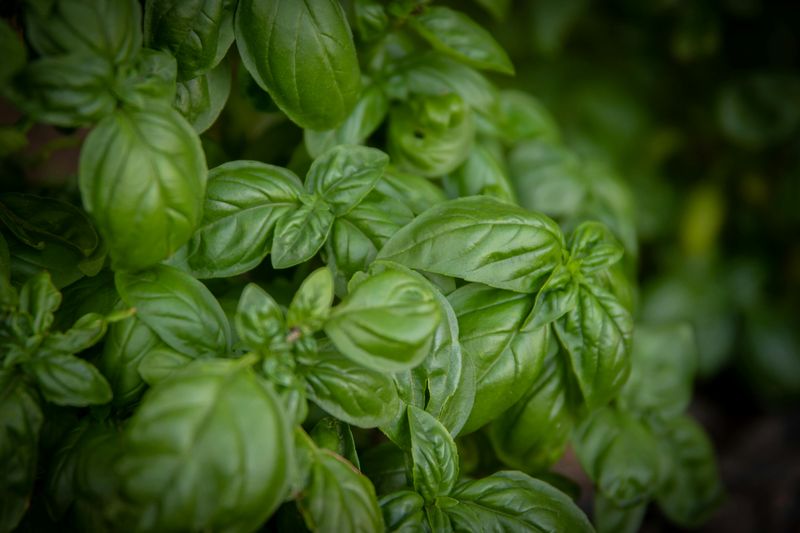
Most people think of basil as something that belongs in the kitchen, but this humble herb has a talent that goes far beyond the dinner plate.
Basil is one of the more effective natural bug barriers you can grow, and it thrives beautifully in Tennessee’s warm climate.
Mosquitoes and gnats tend to avoid the strong, peppery scent that basil releases into the air. On hot afternoons, the natural oils in the leaves become even more active, creating a fragrant shield right where you need it most.
Planting basil near your back door or along a patio edge can make a noticeable difference during those long summer evenings. Sweet basil is a great starting point, but lemon basil and cinnamon basil are worth trying too.
Both varieties carry a stronger scent that flying insects seem to find especially uninviting.
Gardeners across middle Tennessee love placing pots of basil directly on outdoor dining tables during summer gatherings. It looks lovely, smells incredible, and quietly does its job all evening long.
You can also crush a few leaves between your fingers and rub them lightly on your skin for a quick, natural deterrent that actually smells good.
Basil loves full sun and warm soil, which makes it a natural fit for Tennessee summers. Water it at the base, give it a trim now and then, and it will keep producing fresh growth for months.
A quick note for pet owners: basil is generally considered safe around dogs and cats, making it one of the most worry-free options on this list.
A little pot of basil might just become the most hardworking thing in your entire garden this summer.
2. Bee Balm
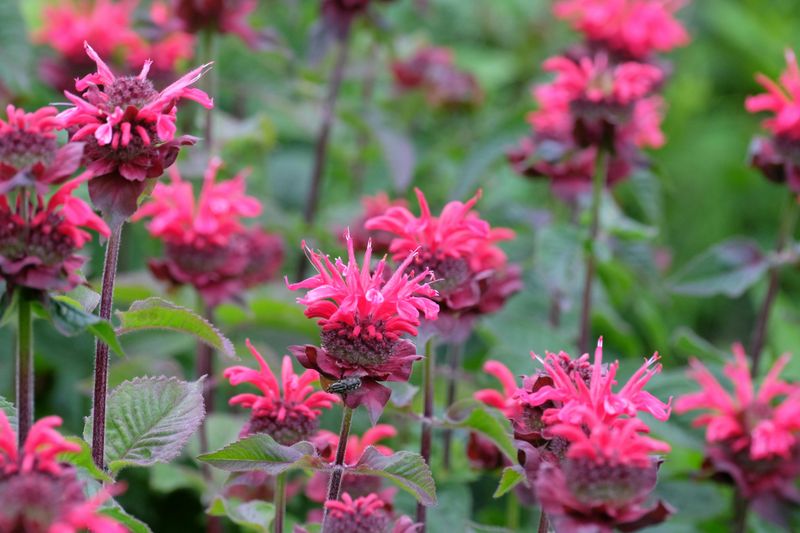
If you have ever walked past a bee balm plant in full bloom and stopped without quite knowing why, you already understand part of its appeal. This native Tennessee wildflower has been quietly earning its place in American gardens for centuries, and it turns out mosquitoes and gnats are considerably less charmed by it than people are.
Bee balm contains thymol and carvacrol, two natural compounds that research has linked to insect repellent properties.
Your Tennessee Garden Changes Every Week. Your Plan Should Too.
Gardening in Tennessee changes quickly throughout the season. Every Friday you’ll receive a simple weekly plan showing exactly what to plant, prune, fertilize, harvest, and protect so you never miss the right timing.
Studies have explored both compounds in controlled settings and found that insects tend to avoid them. Growing bee balm in your garden puts those compounds to work right where you spend your evenings.
The scent releases steadily throughout the season and gets noticeably stronger when you brush against the leaves or when afternoon sun warms the plant.
Planting it near seating areas or along a patio edge gives you the best chance of putting that fragrance where it counts.
Bee balm is native to North America and grows beautifully across Tennessee without spreading aggressively or overtaking surrounding beds.
It handles the region’s heat and humidity with ease and comes back reliably each year with very little encouragement from you.
It is also considered non toxic to humans, cats, and dogs, making it one of the genuinely worry free options on this list.
The vivid red and purple blooms attract pollinators all summer long, turning your pest deterrent into one of the most beautiful corners of your entire garden.
Few plants manage to be this useful and this lovely at the same time.
3. Rosemary
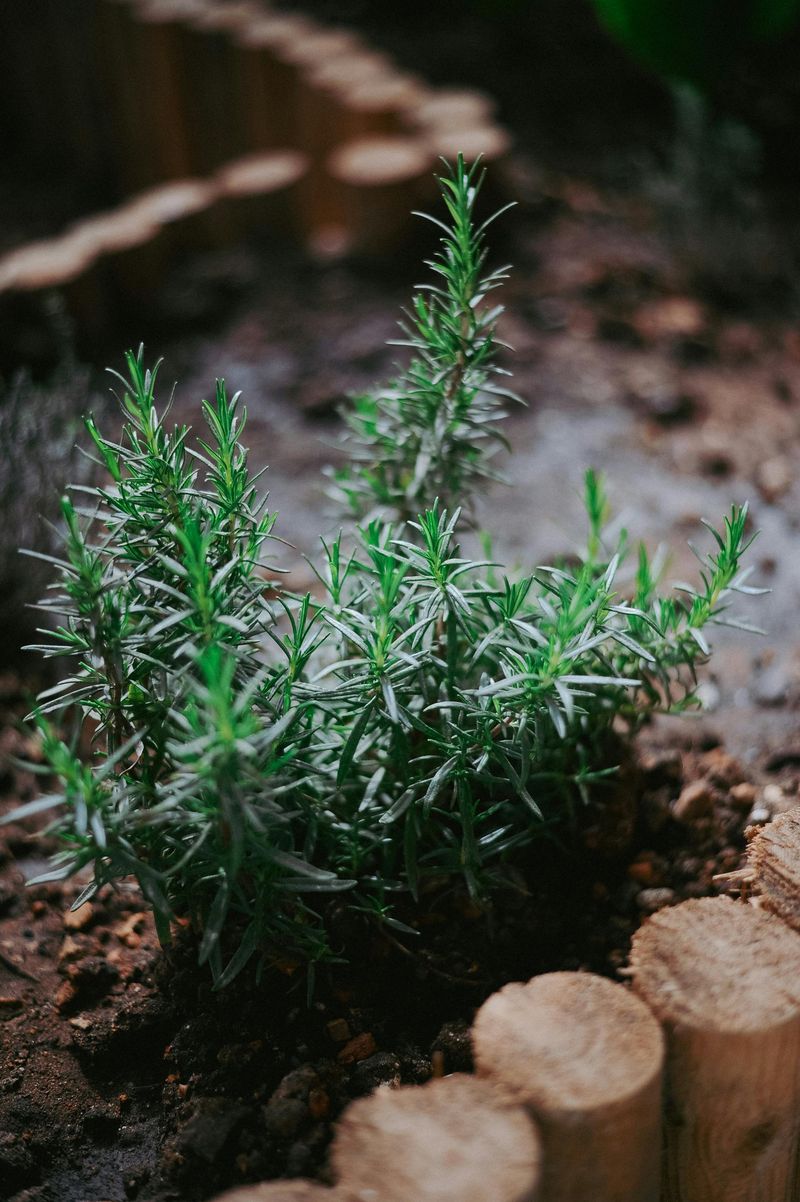
If there is one plant that pulls double duty better than almost anything else in a Tennessee garden, rosemary might just be it.
To you, it smells like a Sunday roast and warm kitchens. To mosquitoes, it smells like a reason to stay far away.
Rosemary has been used for centuries as a natural insect repellent, and it continues to earn that reputation every single summer.
The strong, camphor-like fragrance it releases tends to confuse and repel mosquitoes, gnats, and even some flies before they get anywhere near you.
One of the best things about rosemary is how little it asks of you once it settles in.
Plant it along walkways, near seating areas, or in raised beds where you spend the most time outside. Every time you brush against the branches, the scent intensifies and gives off a natural burst of fragrance right in that moment.
Rosemary also brings something extra to your summer cookouts. Toss a few fresh sprigs onto hot charcoal while grilling and the smoke carries that signature fragrance into the air around you.
It smells incredible and gives bugs one more reason to find somewhere else to be.
Tennessee summers can be intense, but rosemary handles the heat and dry spells with ease.
It thrives in well-drained soil and full sun, and with time it can grow into a full, beautiful shrub that anchors your whole garden.
Rosemary is generally considered safe for humans and is even edible. Pet owners should note it may cause mild digestive upset in cats or dogs if eaten in large quantities.
Plant it once, tend to it a little, and rosemary will quietly work in your favor for years to come.
4. Catnip
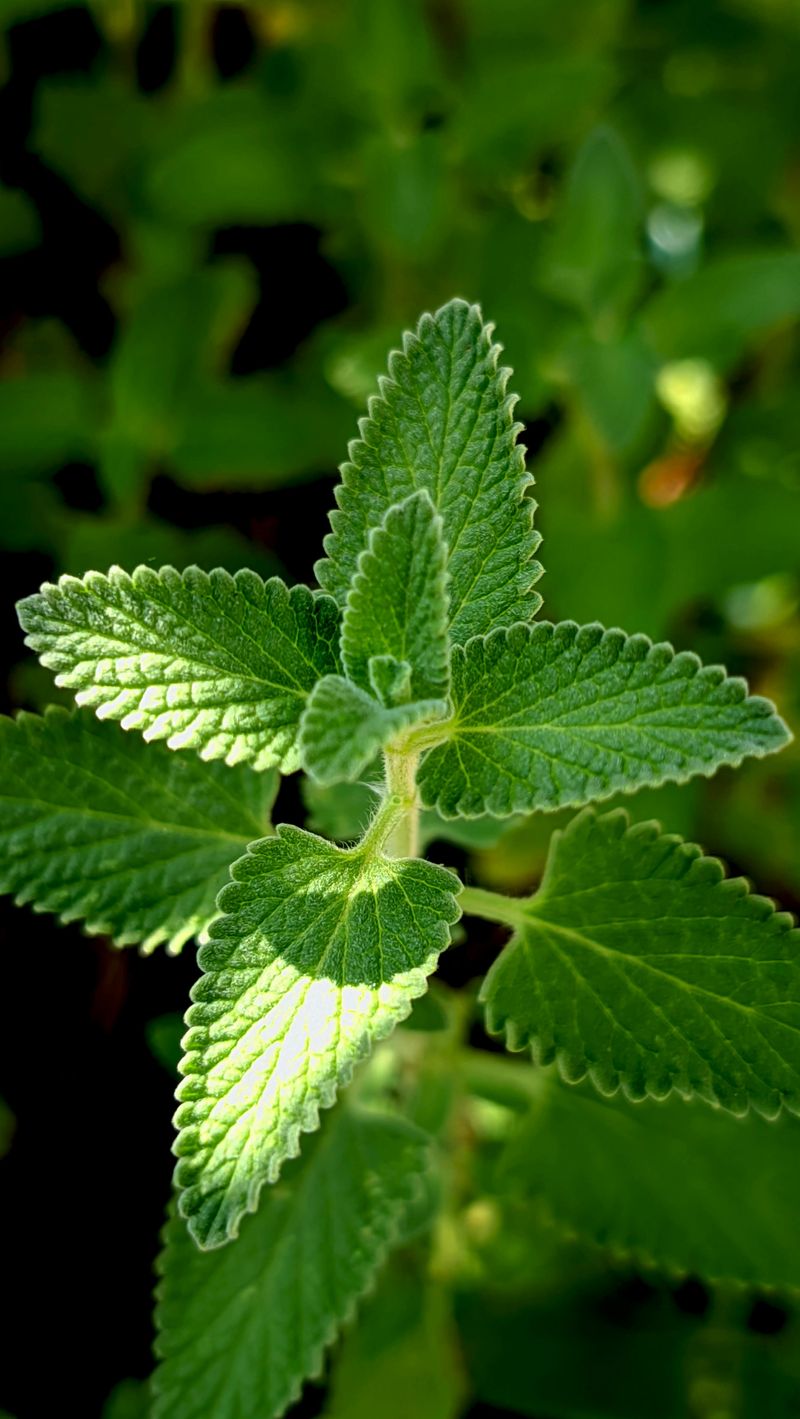
Most people associate catnip with the cat toy aisle. Few think of it as a serious garden plant.
That is a missed opportunity for anyone dealing with mosquitoes in a Tennessee backyard.
Research from Iowa State University found that nepetalactone may be a more effective mosquito deterrent than many common alternatives. The compound is what gives catnip its distinctive scent.
That is a remarkable result for something so simple to grow on a porch or in a garden bed.
The scent releases steadily throughout the season. It gets stronger when you brush against the leaves or when afternoon sun warms the plant.
Planting catnip near seating areas or along a patio edge can help create a fragrant zone that mosquitoes tend to avoid. Crushing a few leaves and rubbing them lightly on your skin adds a quick, natural layer of protection right when you need it most.
Catnip settles in well across Tennessee. It handles the summer heat without much fuss once it gets established.
It prefers well-drained soil and grows in full sun or partial shade. Unlike some herbs, it stays well-behaved in the garden and does not spread aggressively into surrounding beds.
It is also completely non-toxic to humans, dogs, and cats. One honest warning though.
If you have cats at home, they will find it. Probably quickly.
Easy to grow, genuinely effective, and safe for the whole family. Catnip deserves a spot in far more Tennessee gardens than it currently occupies.
5. Lavender
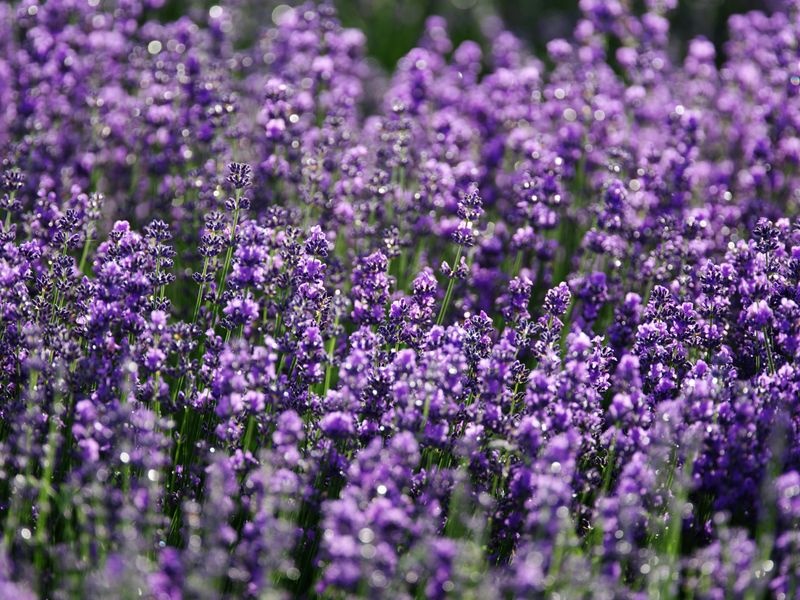
Image Credit: © 光曦 刘 / Pexels
Humans have adored the scent of lavender for centuries.
Mosquitoes and gnats find it far less appealing.
That contrast is exactly what makes lavender one of the most satisfying plants you can add to a Tennessee garden.
The linalool compounds packed into its essential oils tend to repel mosquitoes, gnats, fleas, and moths, covering a wide range of the insects most likely to ruin a good evening outside. One plant pulls a lot of weight.
Plant lavender along pathways or near windows and doors where you need it most. The scent peaks when warm sun hits the flowers, right around the same time mosquitoes start searching for a meal.
The timing could not work out better.
You can also dry the flower stalks and hang them indoors to carry that protection inside your home throughout the season. It looks beautiful and keeps working long after the blooms are gone.
Lavender thrives in well-drained, slightly alkaline soil with full sun, conditions that are easy enough to create even in smaller yard spaces.
English lavender in particular handles Tennessee’s humidity better than other varieties and tends to come back fuller and stronger each year with very little effort from you.
The silvery green foliage stays elegant even when the plant is not in bloom, earning its spot in your garden through every season.
One important note for pet owners: lavender is mildly toxic to cats and dogs and can cause nausea or digestive upset if eaten, so it is worth planting in spots your pets cannot easily access.
Calming for you, uninviting to bugs, and beautiful year round.
Lavender really does earn its place.
6. Lemongrass
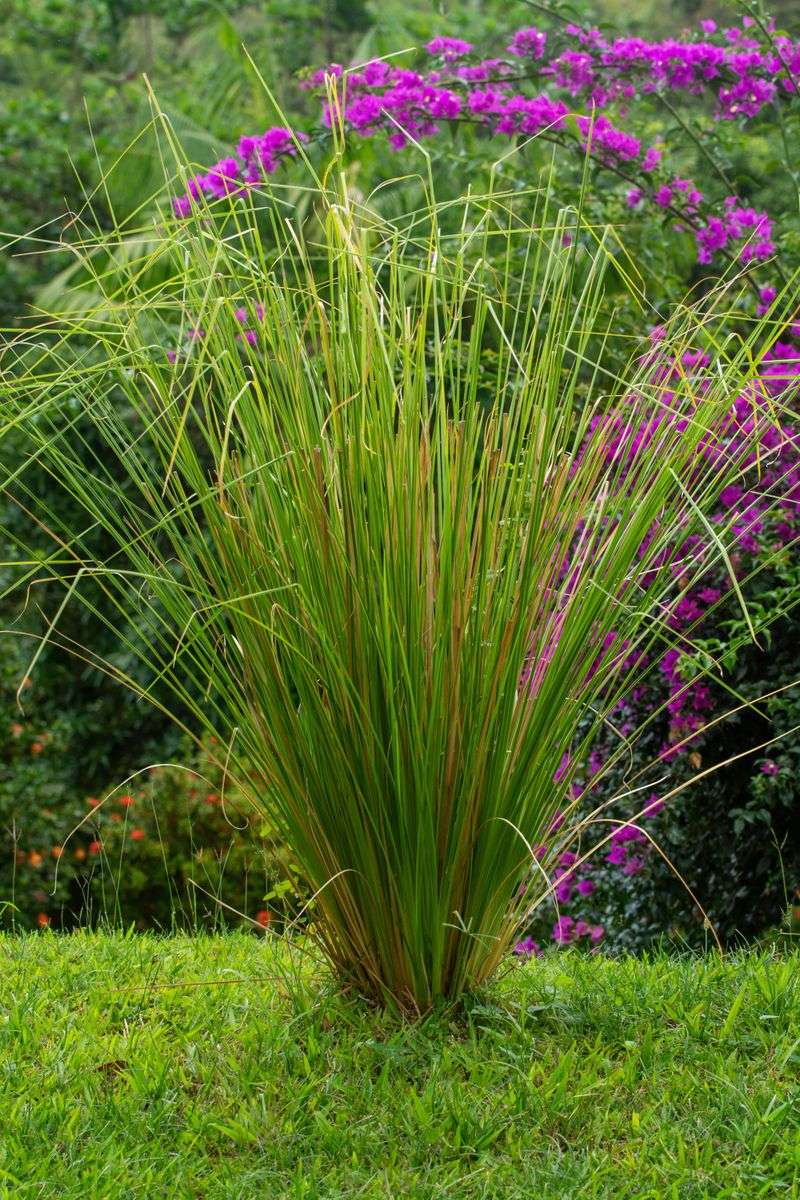
Before there were citronella candles, there was lemongrass, and growing the real plant gives you a more direct source of that same protection.
Those candles owe their entire reputation to this tall, graceful grass.
The natural citronella oil that makes them work comes directly from lemongrass itself, which means growing the plant puts that protection right in your own yard. No candle required.
Lemongrass contains two compounds called citronellal and geraniol that mosquitoes tend to find quite uninviting.
It releases them continuously throughout the growing season, quietly doing its job from the moment warm weather arrives.
A single large container placed near a seating area can make a noticeable difference during outdoor gatherings.
It also grows with impressive speed and energy.
Lemongrass can reach five or six feet in a single season, turning into a dramatic focal point that anchors any garden layout beautifully. Brush your hand along the leaves as you walk past and a sharp, clean citrus scent fills the air around you right away.
Tennessee summers are practically ideal for lemongrass.
The heat and humidity that can feel so demanding are exactly the conditions this plant thrives in. Plant it in large containers so you can bring it indoors before the first frost and let it overwinter on a sunny windowsill without any fuss.
Pet owners should be aware that lemongrass can cause digestive upset in cats and dogs if they chew on it, so containers placed slightly out of reach are a smart choice.
And when you are done enjoying it outside, take some into the kitchen. Lemongrass works beautifully in soups, teas, and marinades, giving you one plant that earns its place in the garden and on the dinner table.
7. Floss Flower
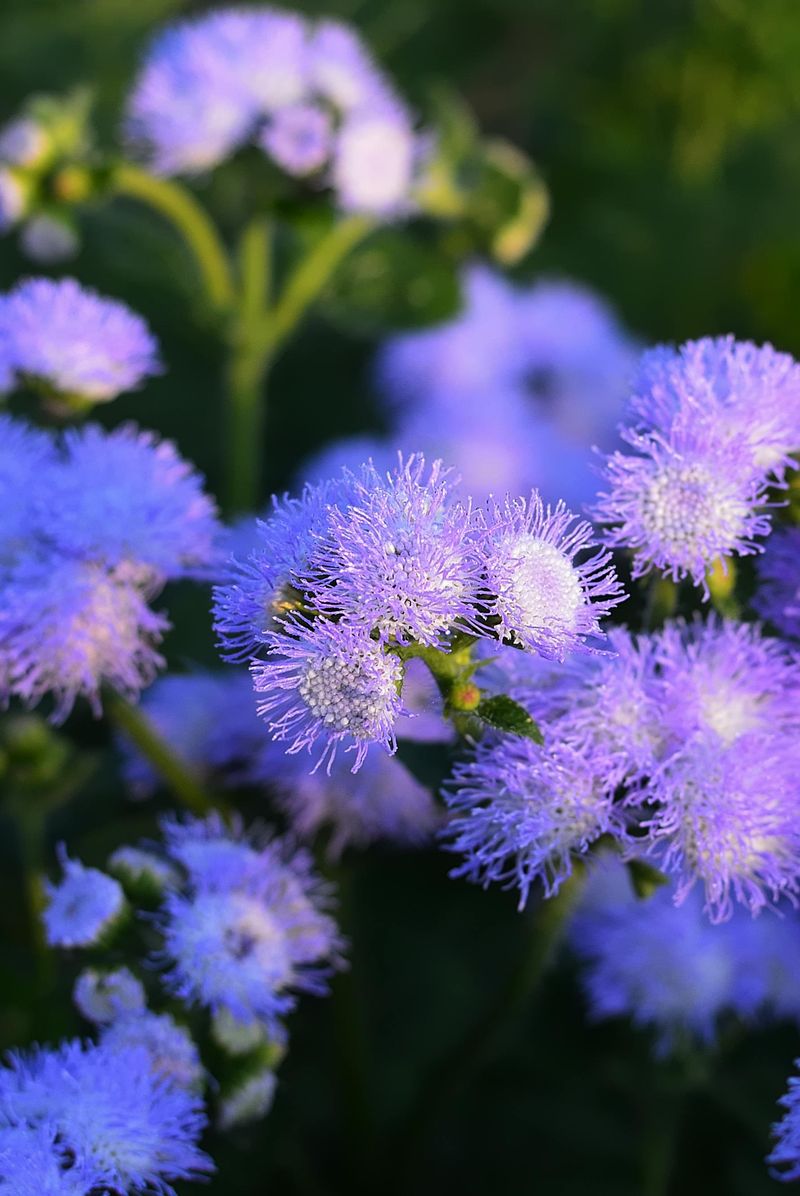
Not every hero in the garden looks the part, and floss flower might be the best example of that on this entire list.
Those soft, fluffy clusters of blue and purple blooms look like something you would grow purely for decoration.
This cheerful little annual has a genuinely useful trick tucked inside its petals.
Floss flower contains a naturally occurring compound called coumarin.
Research published in Phytochemistry identified coumarin in floss flower as having genuine mosquito repellent properties.
The blooms release that compound steadily throughout the growing season.
Tucking floss flower into containers near seating areas, along patio borders, or beside entryways puts it right where summer evenings actually happen.
Tennessee summers suit floss flower well. It thrives in the heat, blooms reliably from late spring through fall, and keeps performing through the kind of long, warm evenings when mosquitoes are most active.
Full sun and regular watering are really all it asks for.
One thing worth knowing is that floss flower is an annual in Tennessee, so it will need replanting each season.
On the bright side, it establishes quickly and gets to work fast once it settles in.
Pet owners should plant it somewhere curious cats and dogs are unlikely to snack on it, as eating it in quantity can cause mild digestive upset.
A raised bed or elevated container handles that easily enough.
Beautiful, research backed, and quietly working all summer long, floss flower deserves far more attention than it usually gets.