These 9 Proven And Award Winning Plants Grow Beautifully In Florida
In Florida, gardening can feel like rolling the dice.
Blazing heat, sandy soil, surprise storms, and humidity that would make a rainforest sweat.
That is why smart gardeners do not just plant what looks pretty.
They plant what has been proven.
Some of the plants on this list have earned top honors from respected horticultural organizations.
Others have become time tested Florida favorites, thriving where fussier plants throw in the towel.
All of them have one thing in common.
They show up and perform when it matters most.
From award winning perennials to battle tested native beauties, these nine standout plants bring color, texture, and pollinator power to gardens from the Panhandle to the Keys, with no guesswork, no crossed fingers, just results.
1. Coreopsis grandiflora
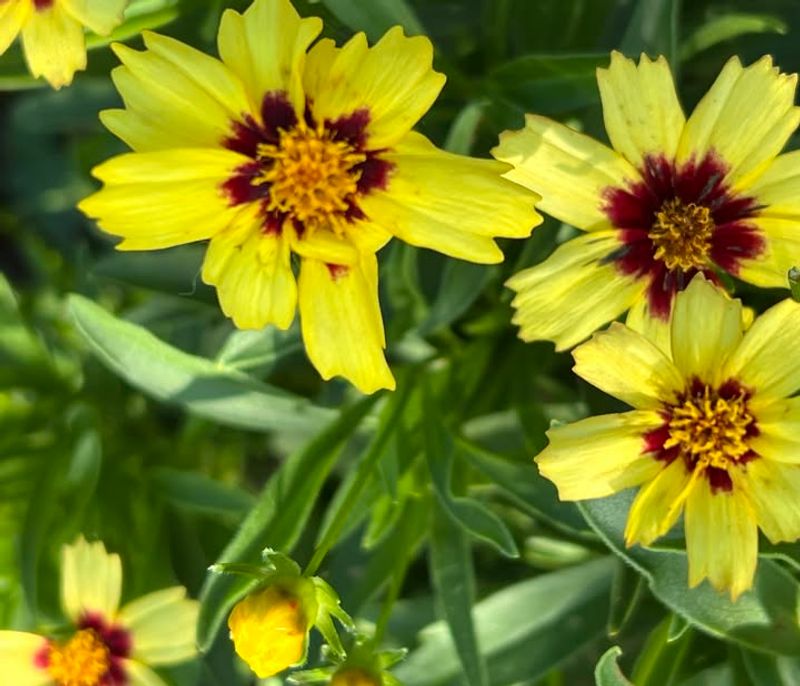
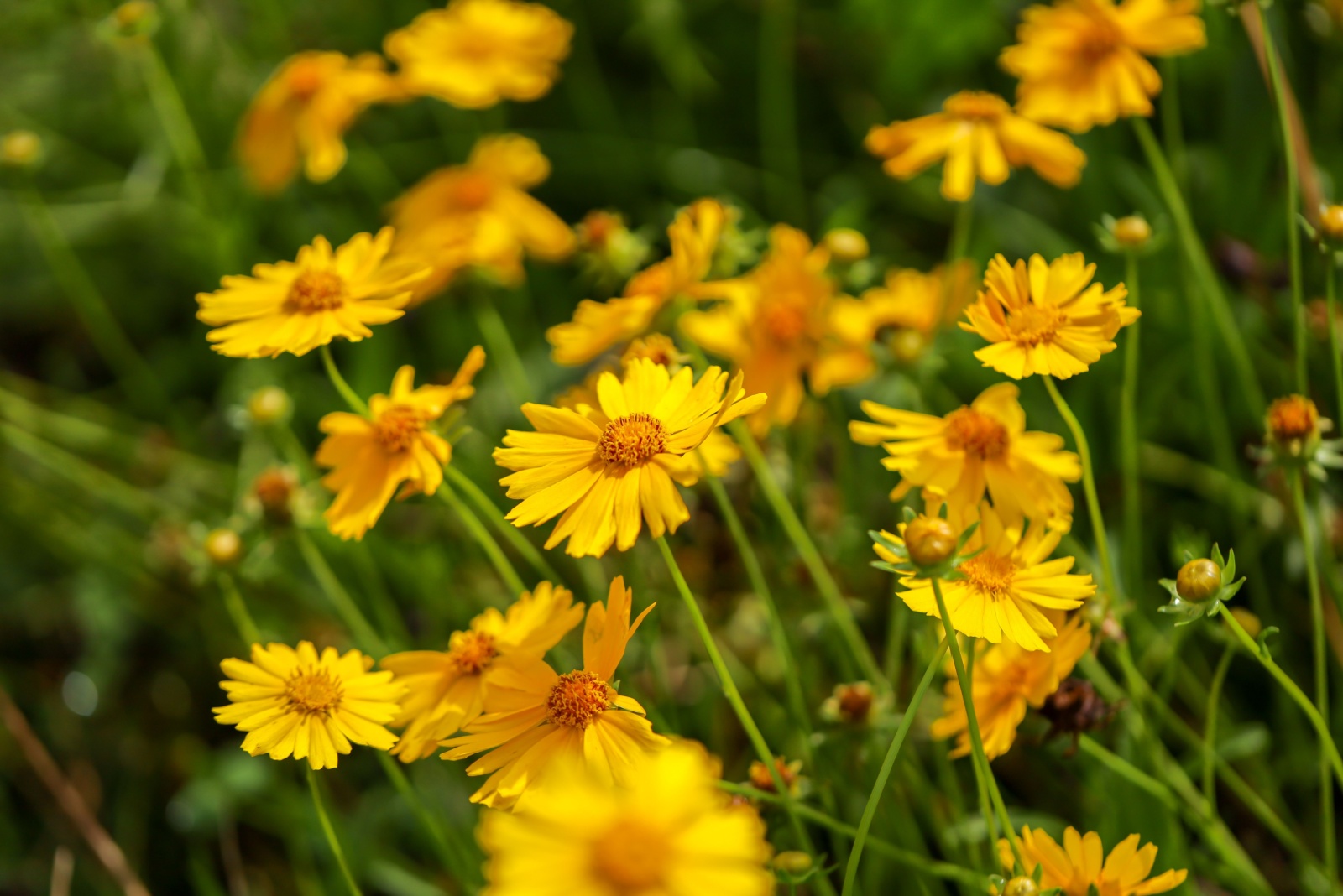
Bright golden blooms dance on slender stems all summer long, turning any Florida garden into a cheerful paradise.
Some Coreopsis grandiflora cultivars (such as ‘Early Sunrise’) have earned the RHS Award of Garden Merit, reflecting strong performance in garden trials.
This award confirms what Florida gardeners have known for years: this native wildflower is practically unstoppable once established.
The sunny yellow petals attract butterflies and bees, creating a lively ecosystem right in your backyard.
Plants reach about two feet tall and spread naturally without becoming invasive.
They tolerate heat, humidity, and occasional drought with grace, making them perfect for our unpredictable weather patterns.
Deadheading spent flowers encourages even more blooms, though many gardeners let some seed heads remain to feed birds in late summer.
Coreopsis thrives in full sun and well-drained soil, asking for very little maintenance in return for months of vibrant color.
Whether planted in masses or mixed with other perennials, this award winner never disappoints and brings an authentic Florida feel to any landscape design.
2. Florida Native Blanket Flower
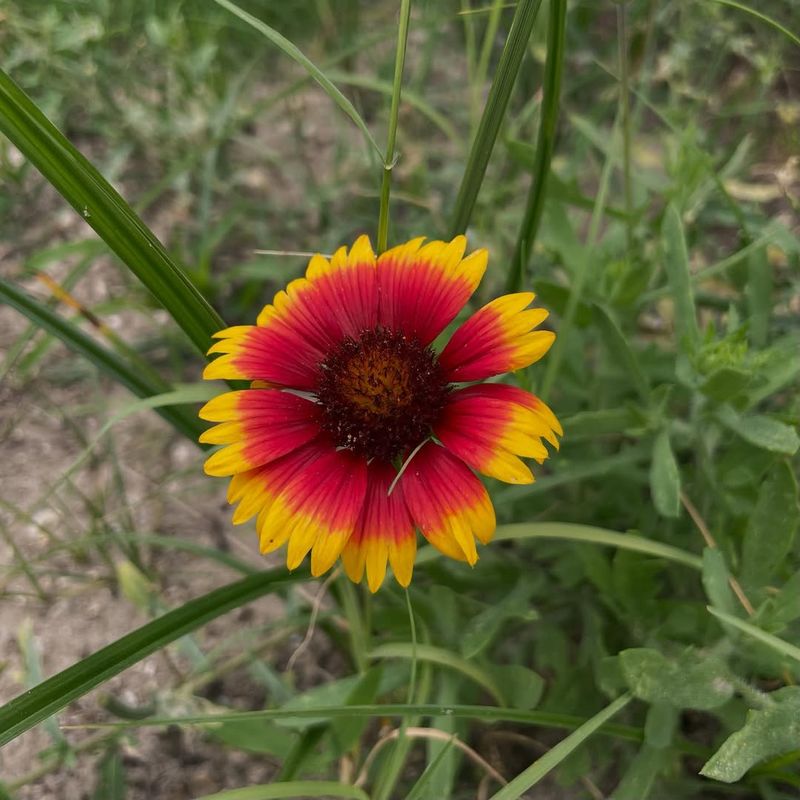
Few flowers embody the spirit of a Florida summer quite like Gaillardia pulchella, with its fiery red and yellow petals that seem to glow in the afternoon sun.
This Florida native blanket flower is widely recommended for Florida landscapes because it thrives in heat, sand, and coastal conditions, and it’s a top choice for pollinator gardens.
Walking through a field of blooming Gaillardia feels like stepping into a sunset painting.
These tough little plants handle sandy soil, salt spray, and intense heat without missing a beat.
They bloom prolifically from spring through fall, providing nectar for pollinators when many other flowers have faded.
The daisy-like blooms feature bold color combinations that add instant drama to borders, wildflower meadows, or cottage garden designs.
Gaillardia pulchella reseeds readily, creating natural drifts of color year after year.
Gardeners love how low maintenance these plants are, requiring only occasional watering once established.
Cutting back spent blooms keeps the show going strong, but even without deadheading, the plants continue to produce cheerful flowers that brighten every corner of the garden with their warm, welcoming hues.
3. Salvia nemorosa
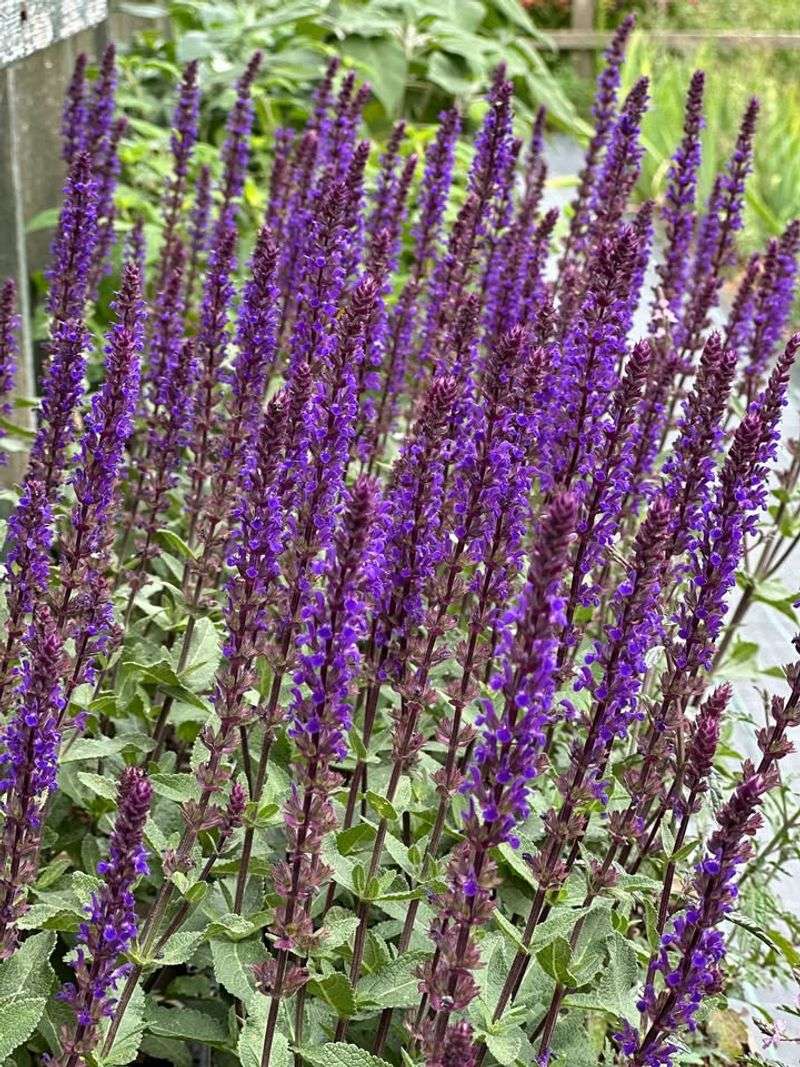
Purple spikes rise elegantly above aromatic foliage, creating vertical interest that transforms ordinary garden beds into something spectacular.
Several Salvia nemorosa cultivars have earned major garden-performance recognition (including RHS Award of Garden Merit selections), and the plant is widely valued for its long bloom season and pollinator appeal.
Although not a Florida native, this salvia adapts beautifully to our northern and central regions where it thrives in full sun.
The fragrant leaves release a pleasant herbal scent when brushed, and the vibrant flower spikes attract hummingbirds and butterflies throughout the growing season.
Plants form neat clumps that work wonderfully as edging or in mixed perennial borders.
Cutting back the first flush of flowers encourages a second wave of blooms, extending the colorful display well into fall.
Salvia nemorosa prefers well-drained soil and performs best with regular watering during establishment, though mature plants show good drought tolerance.
The deep purple blooms pair beautifully with yellows, whites, and pinks, offering endless design possibilities for creative Florida gardeners looking to add sophisticated color.
4. Rudbeckia fulgida Goldsturm
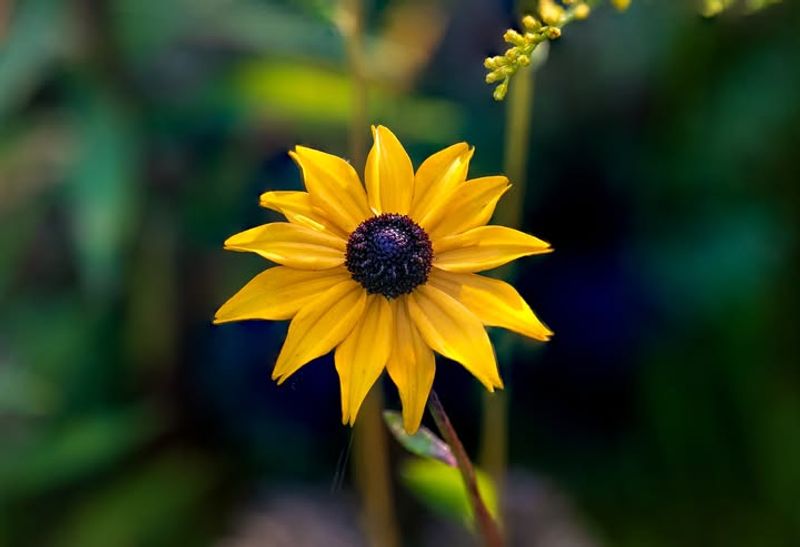
Golden petals radiate around dark chocolate centers, creating a striking contrast that catches every eye in the garden.
Rudbeckia fulgida Goldsturm received the Perennial Plant Association Perennial Plant of the Year honor in 1999, cementing its status as one of the most reliable perennials available.
This black-eyed Susan cultivar has proven itself in gardens across diverse climates, including Florida.
Plants form robust clumps that bloom heavily from summer into fall, providing consistent color when many other perennials take a break from the heat.
The cheerful flowers measure about three inches across and attract beneficial insects while adding cottage garden charm.
Goldsturm shows excellent resistance to powdery mildew and other common issues that plague lesser varieties.
In Florida gardens, this rudbeckia performs best in central and northern zones where it receives some afternoon shade during the hottest months.
The sturdy stems rarely need staking, and spent flowers can be left standing through winter to feed birds and add architectural interest.
Dividing clumps every few years keeps plants vigorous and blooming abundantly, ensuring your garden stays filled with these award-winning golden beauties season after season.
5. Zinnia elegans
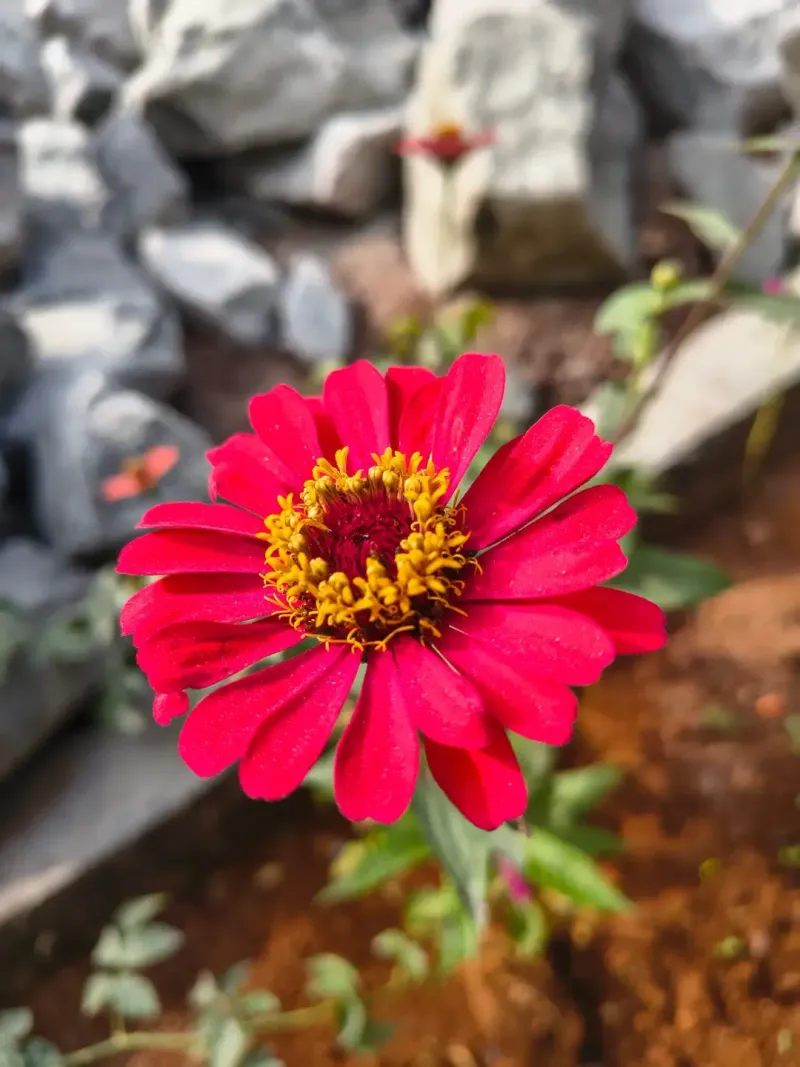
Bold, vibrant blooms in every color imaginable make zinnia elegans a beloved staple in Florida gardens from spring through fall.
Several zinnia series and cultivars—especially the disease-resistant Profusion-type zinnias—have earned major trial and garden-performance recognition, including All-America Selections winners.
These awards validate what generations of gardeners already knew: zinnias deliver unmatched color and reliability.
The flowers range from tiny buttons to dinner-plate sized blooms, offering options for every garden style and space.
Butterflies flock to the nectar-rich flowers, creating a living kaleidoscope of movement and color.
Zinnias thrive in Florida’s heat and humidity, blooming most vigorously when temperatures soar.
Starting zinnias from seed is easy and economical, with plants blooming just weeks after germination.
They prefer full sun and well-drained soil but adapt to various conditions with cheerful resilience.
Regular deadheading promotes continuous blooming and keeps plants looking tidy.
Whether grown in cutting gardens, containers, or mixed borders, these award-winning zinnias bring endless joy and prove why they remain garden favorites year after year across the Sunshine State.
6. Pentas lanceolata
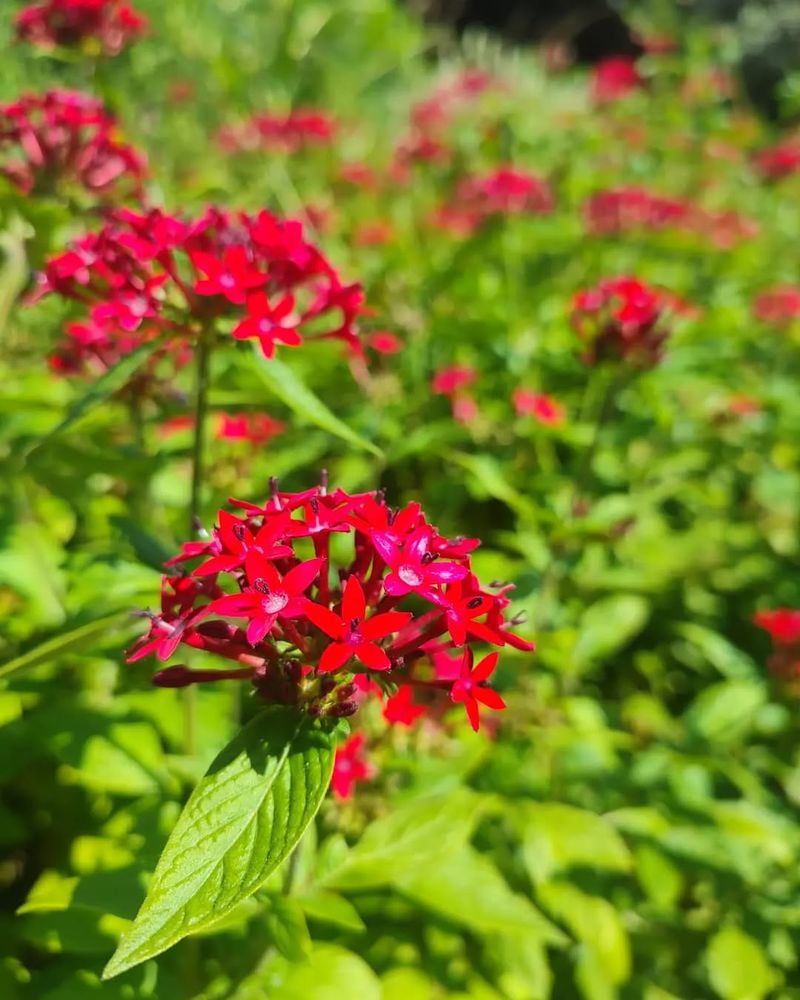
Star-shaped flowers cluster together in cheerful bouquets that seem to float above glossy green foliage throughout the year.
Pentas lanceolata earned recognition from the University of Florida IFAS as a Florida-Friendly Landscaping plant, celebrating its exceptional performance in our climate and its value to pollinators.
Watching butterflies and hummingbirds visit pentas is like having front-row seats to nature’s most beautiful show.
Available in shades of red, pink, white, and lavender, pentas bloom nearly year-round in frost-free areas of Florida.
The plants tolerate heat, humidity, and brief dry spells with remarkable grace.
They work beautifully in borders, containers, and butterfly gardens, always delivering reliable color and attracting beneficial wildlife.
Pentas prefer full sun to partial shade and appreciate regular watering, though established plants show good drought tolerance.
Occasional trimming keeps plants bushy and encourages fresh waves of flowers.
The continuous blooming habit means your garden never lacks color, even during the hottest summer months when other plants struggle.
For Florida gardeners seeking a dependable performer that supports local ecosystems while providing gorgeous blooms, this Florida-friendly beauty checks every box with style and substance.
7. Muhly Grass
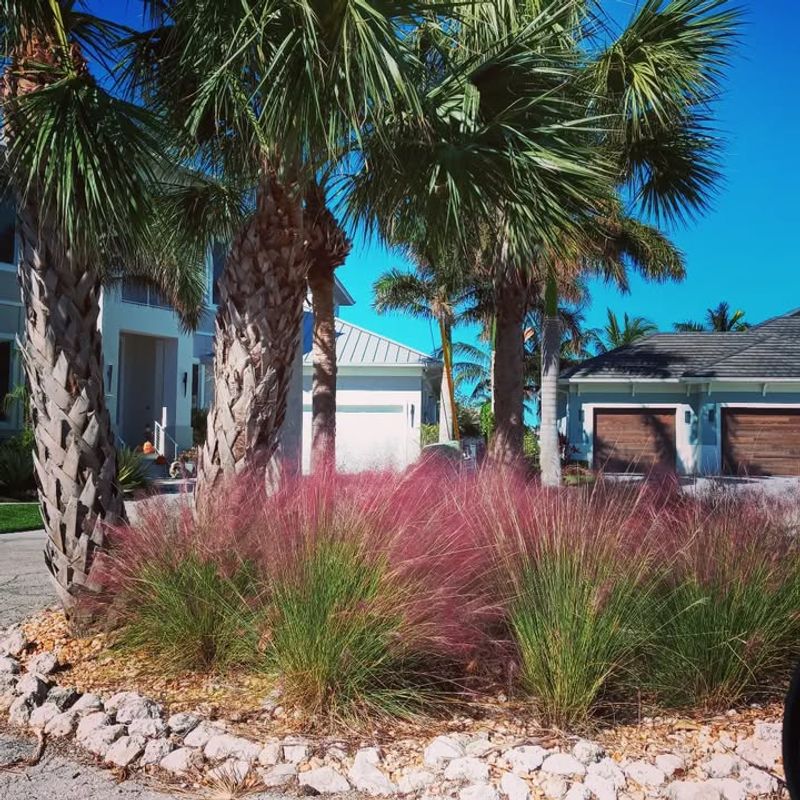
Clouds of pink and purple plumes emerge in fall, transforming the landscape into a dreamy, ethereal scene that stops traffic.
This Florida native is a standout in Florida-friendly landscapes, prized for its fall color, drought tolerance, and low-maintenance habit.
When backlit by morning or evening sun, the feathery seed heads glow with an almost magical quality that photographs can barely capture.
This clump-forming grass grows naturally throughout Florida, thriving in sandy soils and full sun.
The fine-textured foliage remains attractive year-round, forming tidy mounds about two feet tall before sending up the stunning flower stalks in autumn.
Muhly grass tolerates salt spray, drought, and poor soil, making it ideal for coastal gardens and low-maintenance landscapes.
Planting Muhly grass in masses creates breathtaking displays that rival any flower border for visual impact.
The grass requires minimal care, needing only an annual trim in late winter to remove old foliage.
Birds appreciate the seeds, and the grass provides habitat for beneficial insects.
Whether used as a specimen, in drifts, or mixed with perennials, this standout Florida native brings unmatched beauty and ecological value to Florida gardens.
8. Echinacea purpurea
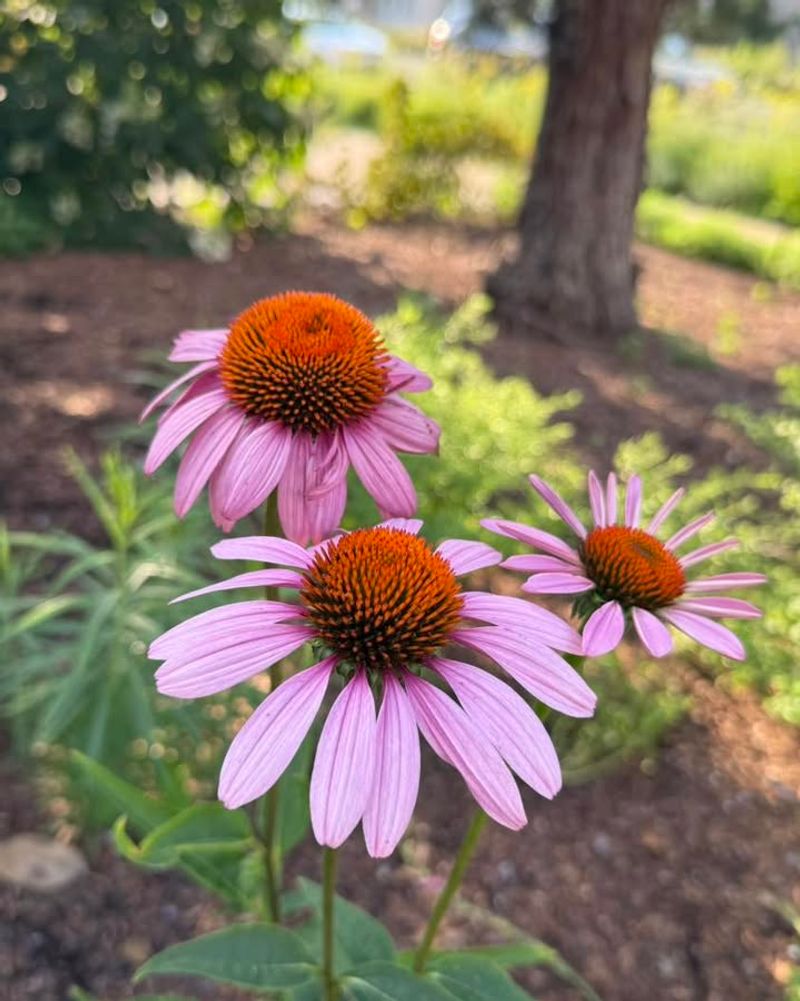
Purple coneflower stands tall and proud, its distinctive raised centers surrounded by graceful petals that droop slightly like a ballerina’s skirt.
Several Echinacea cultivars have earned the RHS Award of Garden Merit, reflecting strong garden performance and reliability.
Beyond its beauty, this plant has been valued for centuries, with Native Americans using it for various traditional purposes long before it became a garden favorite.
The bold flowers bloom from late spring through summer, attracting butterflies, bees, and other pollinators in impressive numbers.
Goldfinches love the seed heads, often perching atop the spiky cones in late summer and fall.
Plants reach three to four feet tall and form sturdy clumps that anchor perennial borders with substance and color.
In Florida, Echinacea purpurea performs best in northern and central regions where it receives full sun and good drainage.
The plants tolerate heat and brief drought once established, though they appreciate consistent moisture during blooming.
Leaving spent flowers standing through winter provides food for birds and adds architectural interest to the dormant garden.
This award-winning perennial combines beauty, ecological value, and easy care in one impressive package that deserves a place in every Florida garden.
9. Hybrid Blanket Flowers
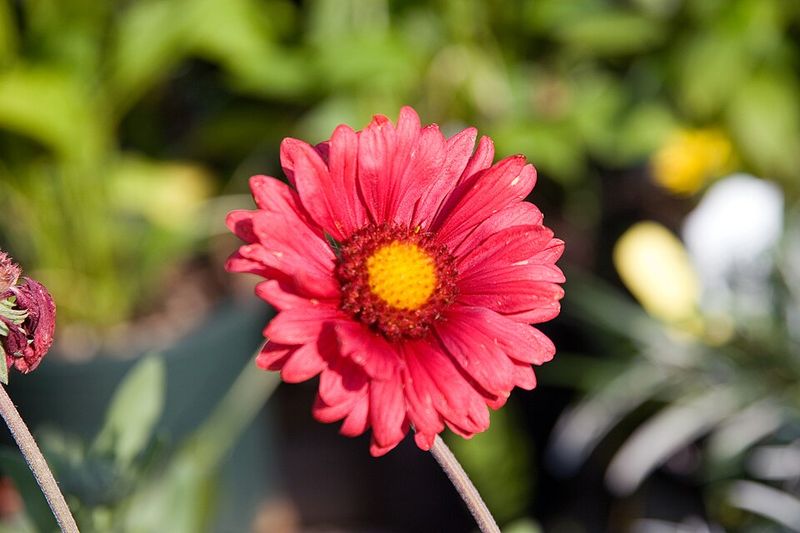
Warm sunset colors blend together in cheerful blooms that seem to capture summer’s essence in every petal.
Hybrid blanket flowers (Gaillardia × grandiflora and its cultivars) have won major garden-trial awards for flowering and performance, and they’re especially valued for their long bloom season and heat tolerance.
These honors reflect how well these hybrids perform in real-world landscapes, even in tough conditions.
Blanket flowers bloom from spring until frost, providing months of continuous color with minimal effort from the gardener.
The daisy-like flowers feature bold red, orange, and yellow patterns that brighten borders, containers, and cutting gardens.
Plants handle heat, humidity, and drought with impressive resilience, making them perfect for Florida’s demanding climate.
These tough perennials prefer full sun and well-drained soil, thriving even in sandy or poor soils where other plants struggle.
Deadheading encourages more blooms, though plants continue flowering even without this attention.
The flowers attract butterflies and beneficial insects while providing cheerful color that never feels boring.
For Florida gardeners seeking reliable, low-maintenance color that performs beautifully year after year, these award-winning blanket flowers deliver exactly what’s needed with style, substance, and undeniable charm.