These 7 Pruning Mistakes Are Keeping Your Hydrangeas From Blooming
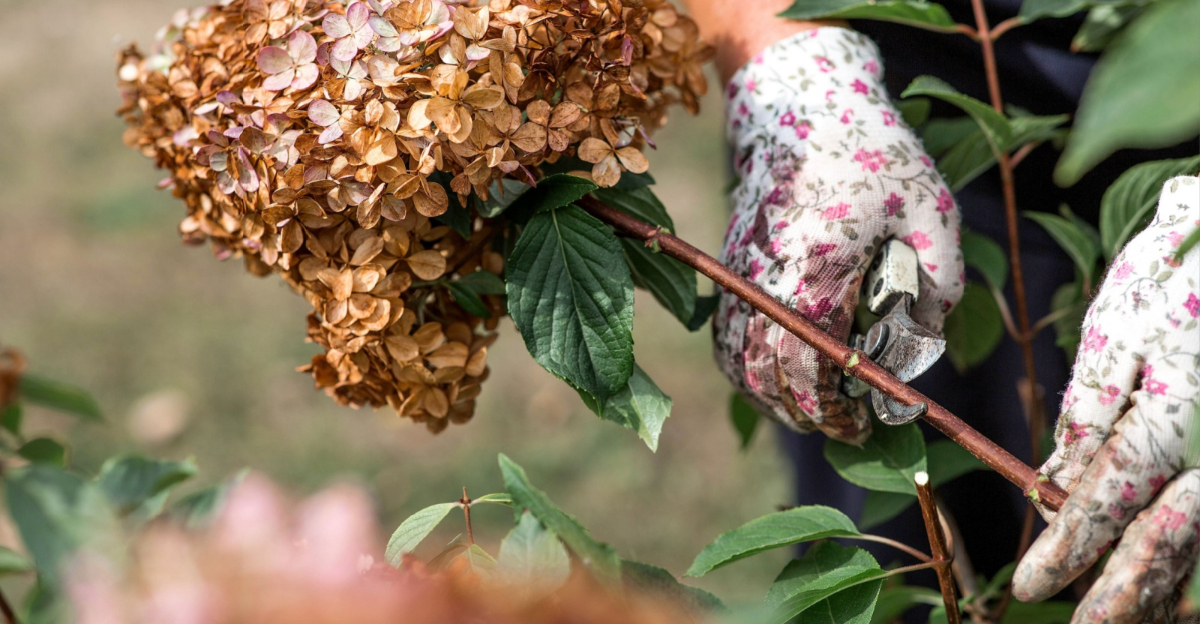
Your hydrangeas are not broken. Your pruning, on the other hand, might be. Everything done by the book this season. And come July, your hydrangea gave you a grand total of nothing. Before you blame the weather or the soil, check your pruning habits.
That is where most hydrangea problems start and end. Hydrangeas are not like other shrubs in your yard. They have strong opinions about when and how they get cut back.
Prune at the wrong time, cut in the wrong spot, or grab your shears out of habit rather than necessity, and you could be erasing an entire summer of flowers without even knowing it.
The frustrating part is that these mistakes are incredibly easy to make. Most gardeners commit at least one of them every single season. Seven mistakes. Any one of them could cost you an entire season of blooms.
1. Pruning At The Wrong Time Of Year
Timing is everything with hydrangeas. Cut at the wrong moment and you are basically snipping off next season’s flowers before they even get a chance.
Most hydrangeas set their flower buds in late summer and fall. That means if you grab your shears in early spring and start trimming, you are removing buds that were already formed and waiting to bloom.
Many gardeners prune in spring because that is when they tackle the rest of the yard. It feels natural to do a big garden cleanup when things start waking up. But for hydrangeas, that timing can cost you an entire season of color.
The general rule is to prune right after your hydrangea finishes blooming. For most varieties, that window falls in midsummer. You get a short stretch of time to shape the plant before it starts forming new buds for next year.
If you missed that window, the best move is to simply skip pruning that year. Leaving the plant alone is far better than cutting at the wrong time. A little patience now pays off with a much stronger bloom season.
Watch your plant closely through late summer. Notice when the flowers start to fade and dry out. That fading is your signal that the blooming cycle is wrapping up and your pruning window is opening.
Getting the timing right is one of the most impactful things you can do for your hydrangeas. Once you nail it, everything else falls into place. Pruning mistakes often start right here, and fixing this one alone can bring your blooms back to life.
2. Cutting Back Too Hard
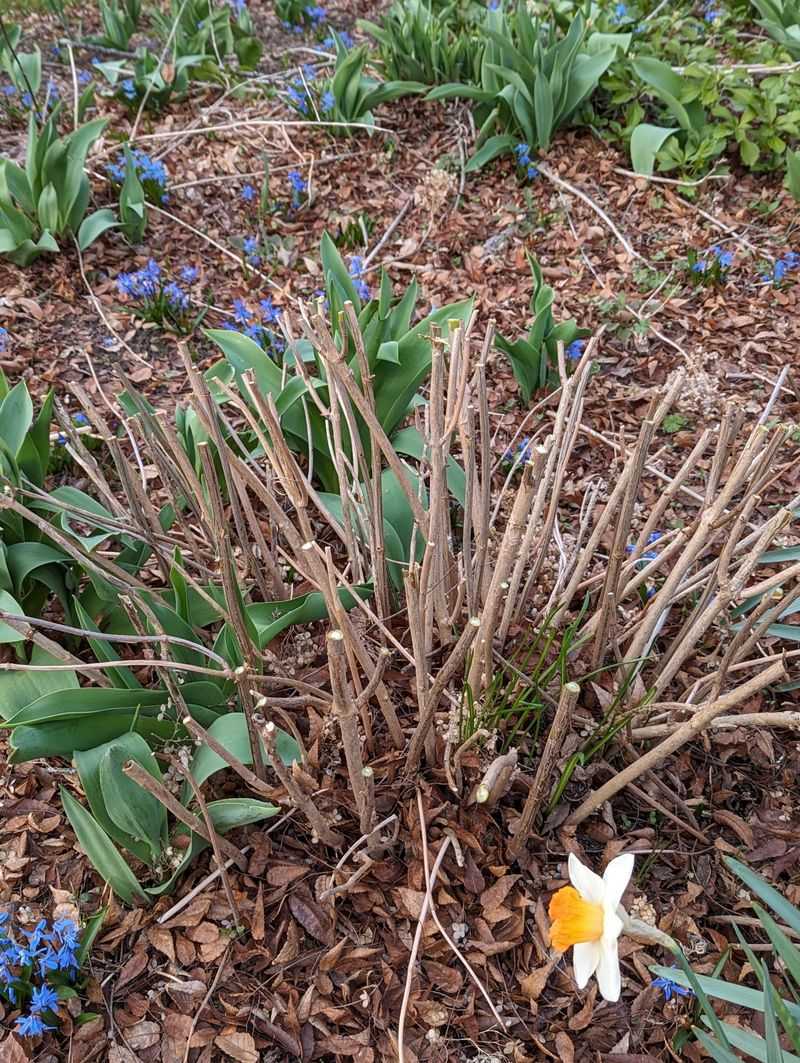
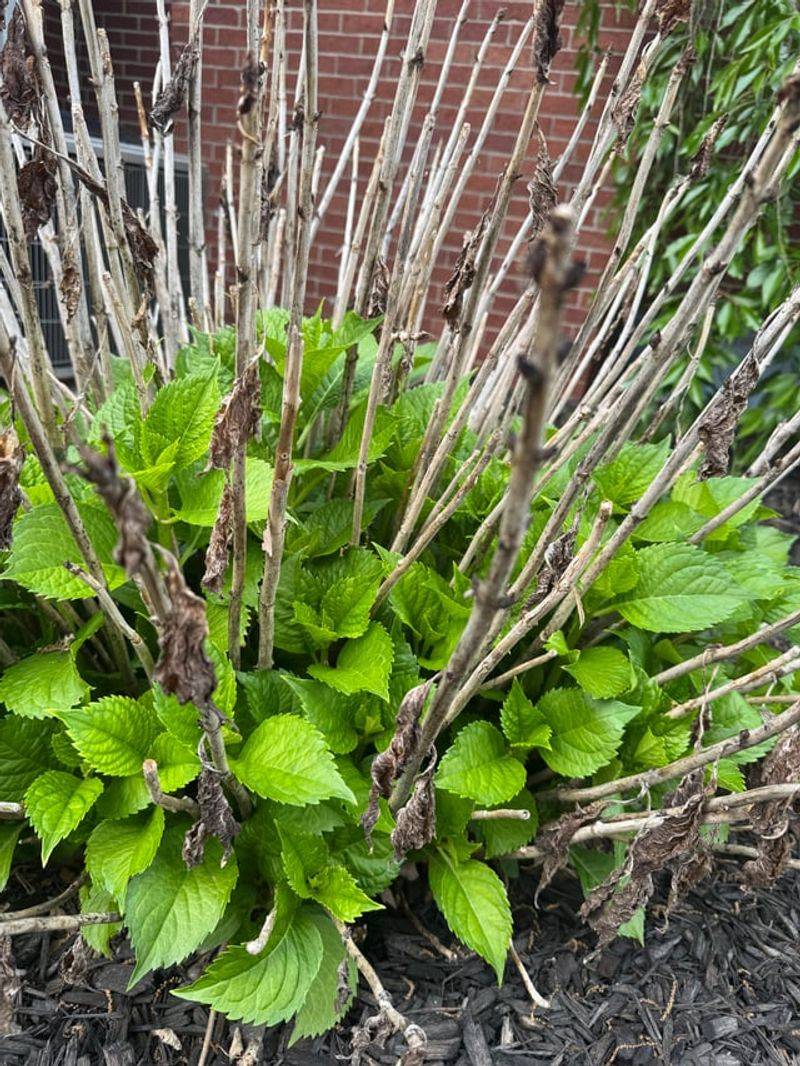
A few bare stubs and a fraction of the plant remaining. That is what aggressive pruning looks like, and it is one of the fastest ways to lose a whole season of hydrangea blooms.
Some gardeners go big when they prune. They cut the plant down to just a few inches from the ground, thinking a hard reset will encourage stronger growth.
And while that works for some plants, hydrangeas do not respond well to being cut down that severely. When you cut back too hard, the plant spends all its energy trying to regrow stems and leaves.
It has nothing left to put toward making flowers. You end up with a lush, leafy bush that looks healthy but produces almost no blooms.
A better approach is light, strategic pruning. Focus on removing spent stems, crossing branches, and any wood that looks weak or damaged.
Take off no more than one-third of the plant at a time. If your hydrangea has gotten too large and you want to reduce its size, do it gradually over two or three seasons.
Slow and steady gives the plant time to adjust without sacrificing its blooming potential. Stand back and look at the overall shape before you make any cuts.
Ask yourself what actually needs to go. Often, far less pruning is needed than you think.
Restraint is a real skill in the garden. The gardeners with the best hydrangea displays tend to be the ones who cut the least. Less really is more when it comes to keeping these shrubs happy and blooming.
3. Not Knowing Your Hydrangea Type
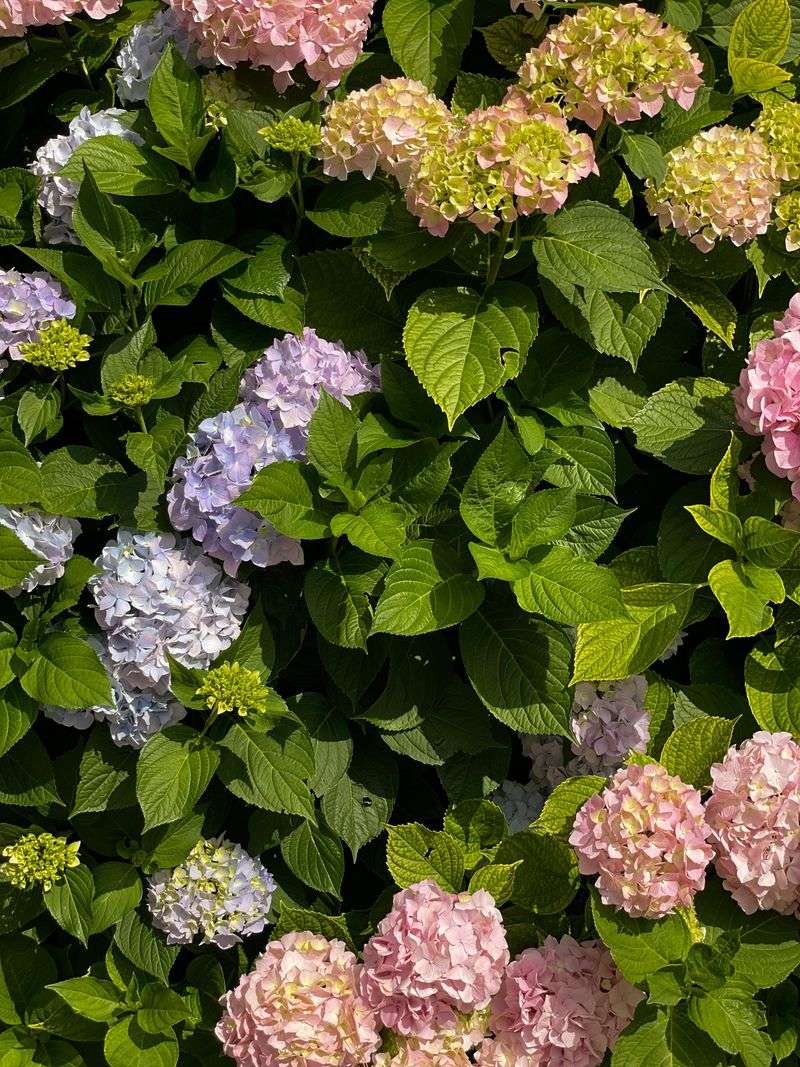
Here is a truth most gardeners learn the hard way: not all hydrangeas are the same. Pruning the wrong variety the wrong way is a guaranteed recipe for a bloomless summer.
There are several common types grown in American yards. Bigleaf hydrangeas, also called Hydrangea macrophylla, bloom on old wood. Smooth hydrangeas and panicle hydrangeas bloom on new wood. Oakleaf hydrangeas mostly bloom on old wood too.
Each type has its own pruning rules. Old wood bloomers form their buds on stems that grew the previous year, so if you cut those stems off, the buds go with them.
New wood bloomers form buds on stems that grow in the current season, so pruning in late winter or early spring is perfectly fine for them. The problem is that many gardeners treat all hydrangeas as if they are the same plant.
They follow advice that works great for panicle types but completely wrecks their bigleaf varieties. Before you pick up the shears, take a moment to identify what you have.
Check the leaf shape, flower form, and bloom color. If you are not sure, look up the tag from when you bought it or take a photo to a local nursery.
Even experienced gardeners sometimes mix up their varieties. Labels get lost, plants get moved, and memories fade.
If you inherited hydrangeas with a house or received one as a gift, there is a good chance you do not know what type you have. A five-minute identification check can save you an entire season of blooms.
Knowing your hydrangea type is the foundation of good pruning. Everything else, timing, technique, and frequency, flows from this one piece of knowledge.
Once you know what variety is growing in your yard, the right pruning approach becomes obvious. Hydrangea pruning mistakes shrink dramatically the moment you stop guessing and start identifying.
4. Removing Old Wood On Reblooming Varieties
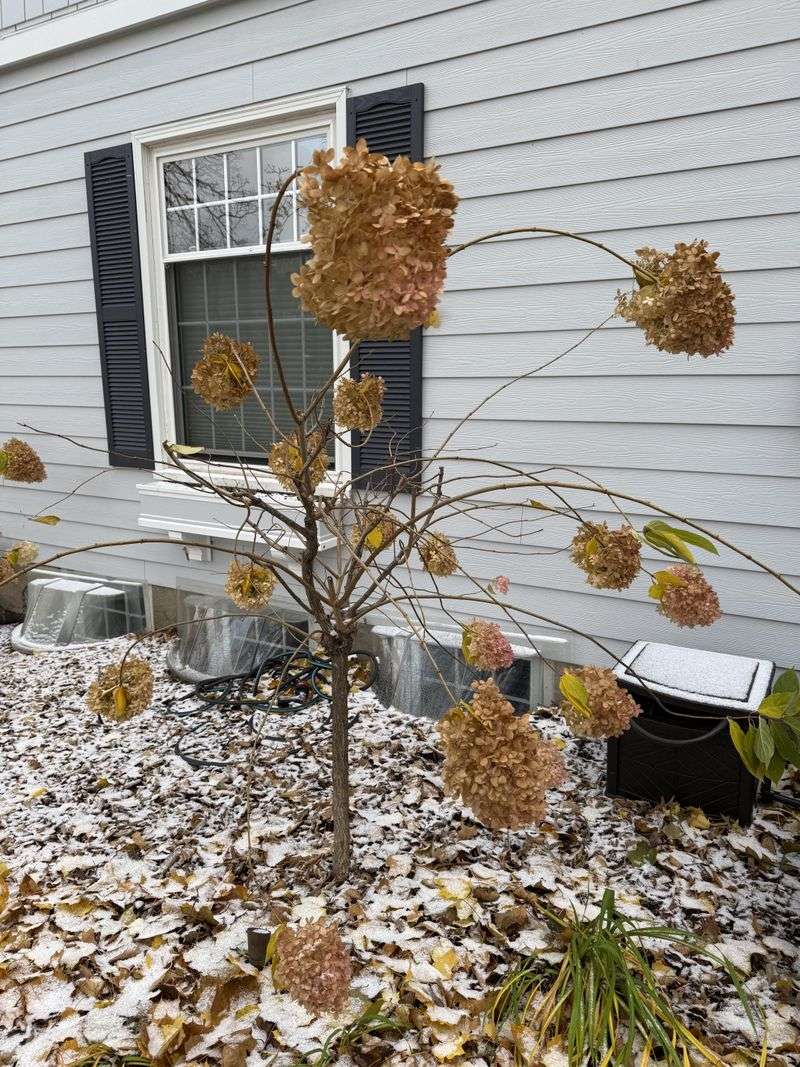
Reblooming hydrangeas sound like the dream. They promise flowers in spring and again in late summer, which is why so many gardeners snap them up at the nursery.
Varieties like Endless Summer and BloomStruck are marketed as reblooming, and they can deliver on that promise. But only if you leave the old wood alone. Cut it off and you lose the first round of blooms entirely.
Old wood on reblooming varieties holds buds that were set in the previous fall. Those buds are the source of your earliest, showiest blooms. When you prune that wood away in spring, those buds disappear with it.
The second flush of blooms, which comes on new wood, may still appear later in summer. But it tends to be smaller and less dramatic. You are giving up your best display without even realizing it.
To protect old wood, focus any pruning on spent or clearly damaged stems only. Use your fingernail to scratch a small spot on a stem. If you see green underneath, that stem is alive and worth keeping.
Do this scratch test on every stem before making a cut. It takes a few extra minutes but saves you from accidentally removing healthy, bud-loaded wood. Patience at this stage is genuinely rewarded come bloom season.
Reblooming hydrangeas are incredibly generous plants when treated right. Give them the chance to show off both rounds of flowers by respecting what the old wood is holding.
With the right care, you can enjoy blooms from late spring through early fall.
5. Pruning Too Late In The Season
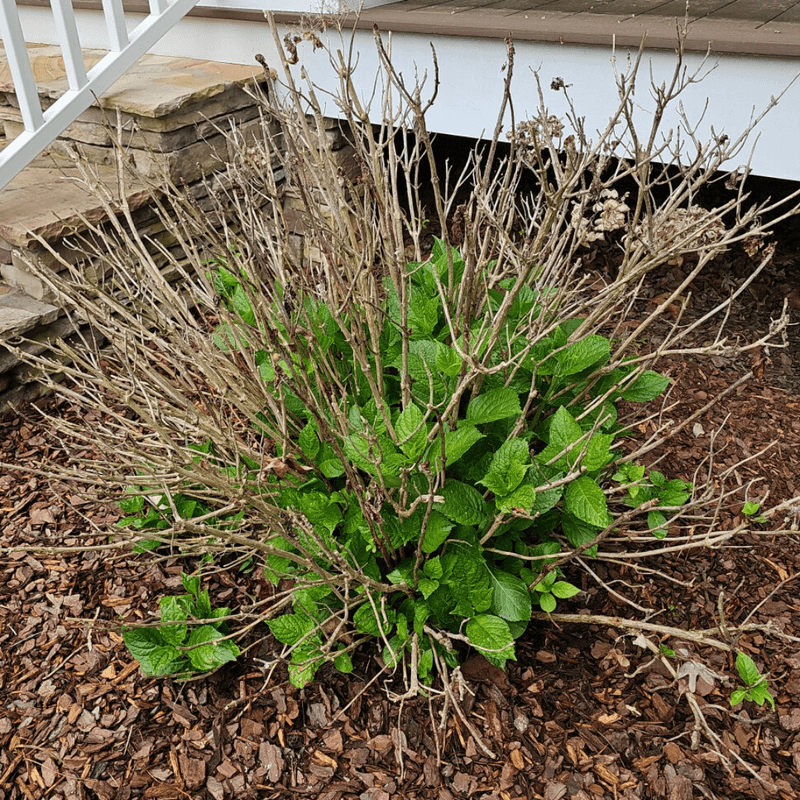
By mid to late August, most hydrangeas are already working on next year’s buds. The plant has shifted its energy from flowering to bud formation.
Any pruning done during this period removes buds that are either fully formed or actively developing. It feels harmless to do a little cleanup trim in late summer or early fall.
The plant is still green and growing. Nothing looks wrong. But underneath the surface, you are cutting away the future blooms your hydrangea spent weeks preparing.
Mark your calendar instead. If you want to prune old wood bloomers, the safe window closes around mid-July in most parts of the country. After that, put the shears away and let the plant do its thing.
For new wood bloomers like panicle and smooth hydrangeas, late winter or very early spring is the right time. These varieties are more forgiving because they bloom on stems that have not yet grown.
You can trim them back before new growth begins without any risk. If you missed the window for old wood bloomers this year, accept it and move on.
Pruning now will only make next year worse. Skip the cut, let the plant bloom naturally, and plan to prune right after flowering next season.
Discipline in the garden pays off. Waiting for the right moment is the mark of a gardener who actually gets results.
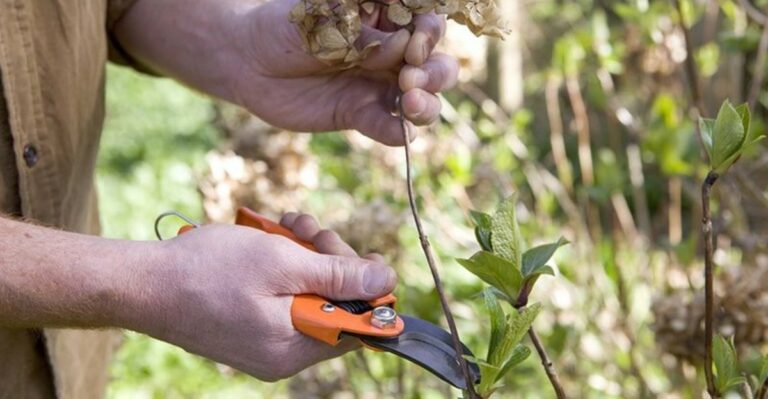
6. Using Dull Or Dirty Tools
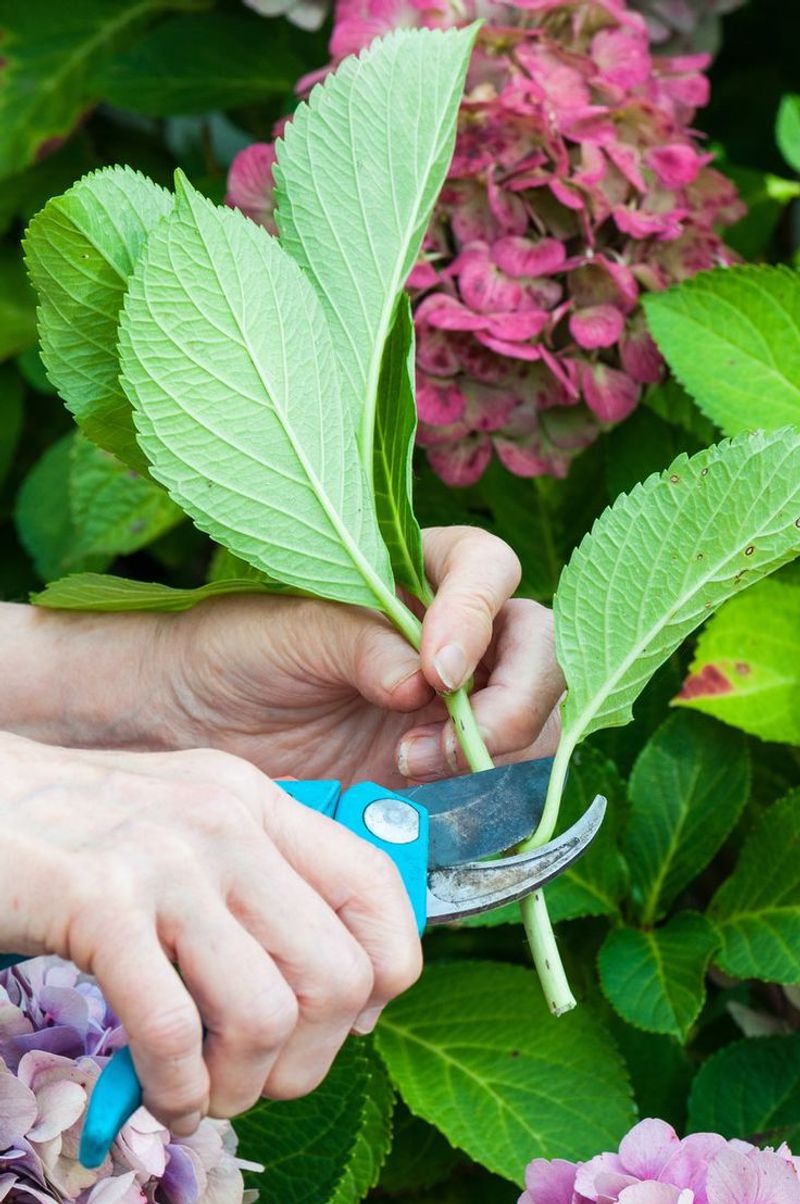
Sharp tools are not just a nice luxury. They are genuinely essential for keeping your hydrangeas healthy and blooming season after season.
A dull blade does not cut cleanly. Instead, it crushes and tears plant tissue, leaving ragged edges that are slow to heal.
Those damaged ends become entry points for disease and fungal infections that can spread through the whole plant. Dirty tools carry an even bigger risk.
Blades that have touched diseased plants can transfer bacteria, fungi, and viruses to healthy stems with a single cut. You might be spreading a problem from one corner of your garden to another without knowing it.
Before pruning any hydrangea, wipe your blade with rubbing alcohol or a diluted bleach solution. This takes about thirty seconds and can prevent weeks of plant stress or worse.
Clean between plants too, especially if any of them look unhealthy. Sharpening your pruning shears is easier than most people think. A basic sharpening stone or a dedicated tool sharpener works well and costs very little.
Sharp blades make the job faster, cleaner, and far less stressful on the plant. Look for clean, smooth cuts when you prune. The stem should separate easily without crushing or fraying.
If you have to saw back and forth to get through a branch, your blade needs attention before you continue. Good tools treated with a little care last for years.
Investing in clean, sharp equipment is one of the simplest ways to protect your hydrangeas and avoid pruning mistakes that sneak in through the back door.
7. Pruning Every Year When Your Hydrangea Doesn’t Need It
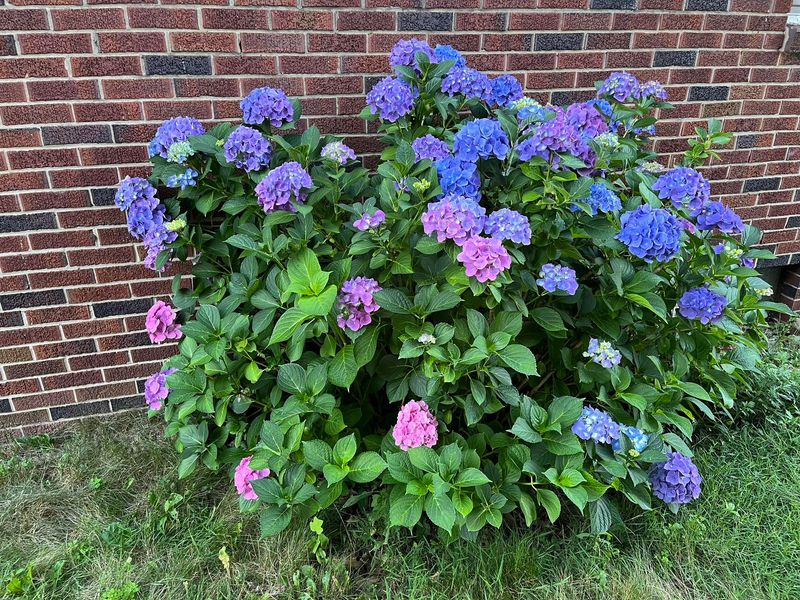
Not every hydrangea needs to be pruned every single season. Many gardeners grab their shears out of habit, treating it like a yearly chore that simply has to be done.
It feels productive, it feels like good garden maintenance. That is exactly why it is such a common mistake.
A healthy hydrangea that is blooming well and growing at a manageable size may not need any pruning at all. Skipping a year is not neglect. It is smart gardening.
Every cut is a wound the plant has to heal, and that healing takes energy away from flower production. Prune too often and you end up with a plant that is constantly recovering instead of thriving.
Before you reach for the shears, walk around the plant and ask yourself what problem you are actually trying to solve. If the plant is healthy, well-sized, and blooming strong, there is no reason to cut anything at all.
Some gardeners prune simply because a general gardening calendar tells them it is time. But hydrangeas do not care about the calendar. They care about whether you are removing wood they need.
A hydrangea that bloomed well last season and is growing at a healthy pace does not need your intervention. Leave it alone and it will very likely reward you with another strong season of blooms.
Prune with purpose, not with habit. The best gardeners know that sometimes the most powerful thing you can do for your plants is nothing at all.