These 10 Raised Bed Ideas Make Florida Vegetable Gardening Easier In 2026
Sun soaked days, surprise rain showers and soil that slips through your fingers like beach sand can make Florida vegetable gardening feel like a roll of the dice, yet raised beds turn that gamble into a sure thing.
In the Sunshine State a well built bed works like a steady compass, guiding roots through winter cool snaps, rising spring warmth and heavy humidity with quiet confidence.
From Jacksonville to the Keys, Florida gardeners are already leaning into raised beds in 2026 to take back control of their soil, drainage and nutrients.
They’re turning every square foot into fertile ground where tomatoes glow, peppers thrive and greens stay crisp and tender.
This year the tide has already turned for growers who are done battling stubborn ground and unpredictable weather.
Raised beds have become the backbone of productive Florida gardens that deliver more food with less frustration.
These ten ideas blend time tested gardening wisdom with modern Florida know how, creating spaces where seeds leap to life and plants grow like they have something to prove, setting the stage for a season full of abundant, beautiful harvests.
1. Elevated Raised Beds
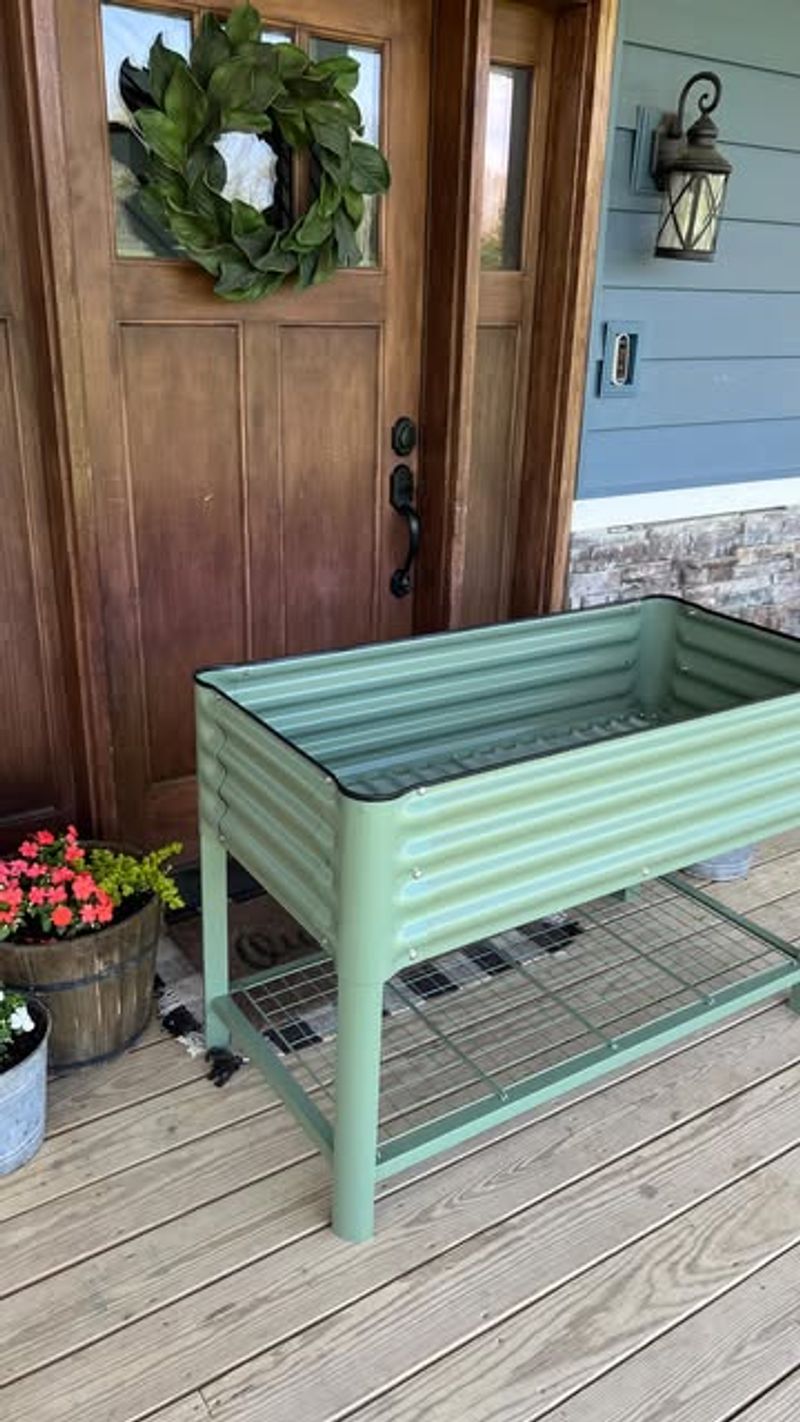
Building your garden beds higher off the ground solves multiple problems that Florida gardeners face throughout the growing season.
Excess water drains away faster during heavy summer storms, preventing roots from sitting in saturated soil for too long.
Your back and knees will thank you because elevated designs reduce bending and kneeling during planting and harvesting tasks.
Florida’s sandy native soil gets replaced with quality growing medium that you control completely from the very beginning.
Tomatoes, peppers, and squash thrive when their roots stay healthy in well-drained, nutrient-rich elevated bed environments.
Pests like slugs and certain ground insects have a harder time reaching your precious vegetables when beds sit higher.
Going into 2026, elevated beds represent a smart investment that makes Florida vegetable gardening accessible and far less physically demanding.
Comfortable gardening means you’ll spend more time tending your plants and enjoying better harvests all season long.
2. Narrow Reach Beds
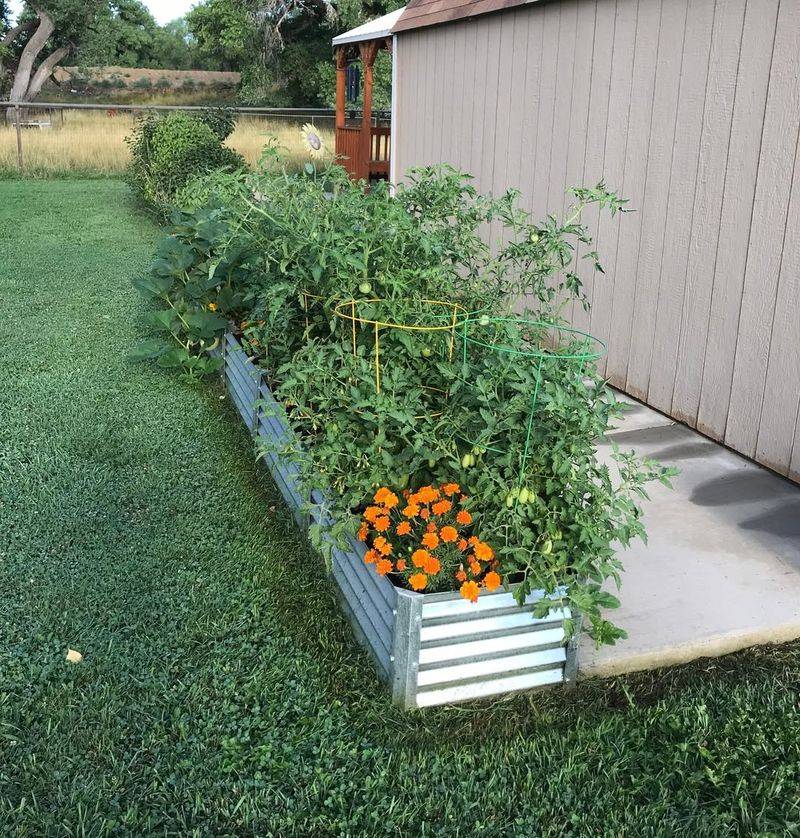
Keeping your raised beds narrow enough to reach the center from either side makes everyday gardening tasks surprisingly effortless.
You never need to step on the soil, which prevents compaction and keeps roots breathing freely throughout the season.
Better airflow circulates around plants when beds stay narrow, reducing fungal issues common in Florida’s humid summer climate.
Harvesting lettuce, beans, and cucumbers becomes quick and easy when everything remains within comfortable arm’s reach always.
Narrow designs work perfectly in small Florida yards where space efficiency matters more than ever before this year.
Weeding takes less time because you can spot and remove unwanted plants quickly without awkward stretching or bending.
Florida heat makes efficiency valuable, and narrow beds let you complete garden chores faster before temperatures climb too high.
As 2026 unfolds, smart layout choices like narrow reach beds help you maintain a productive garden without unnecessary strain.
Simple access means you’ll check on plants more often, catching problems early and enjoying a healthier vegetable harvest overall.
3. Deep Soil Beds
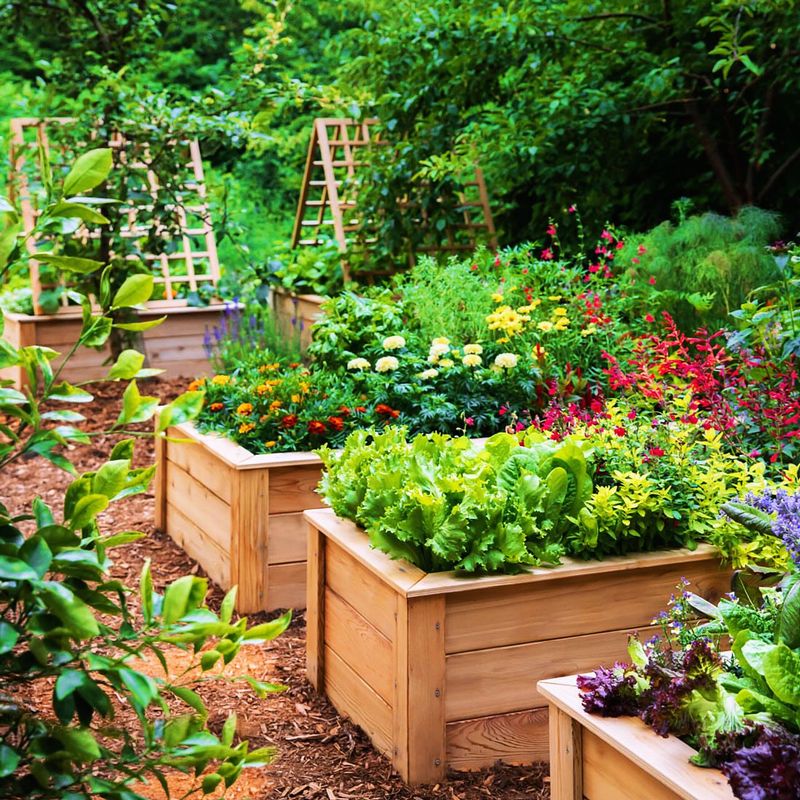
Adding extra depth to your raised beds gives vegetable roots the room they need to develop strong, healthy systems.
Florida’s native sandy soil lacks nutrients and drains too quickly, but deep beds filled with quality mix solve both problems.
Carrots, parsnips, and potatoes need generous soil depth to form properly and reach their full size at harvest time.
Moisture retention improves dramatically when beds contain deeper soil, reducing how often you need to water during dry spells.
Root crops grow straighter and more uniform when they encounter fewer obstacles and enjoy consistent moisture levels throughout growth.
Tomatoes and peppers develop extensive root systems in deep beds, leading to stronger plants that produce more abundant yields.
Florida’s intense summer sun evaporates surface moisture quickly, but deeper soil holds water longer where roots actually need it.
Heading into 2026, deep soil beds represent a foundational improvement that supports healthier vegetables and reduces your daily maintenance workload.
Generous depth means your plants stay resilient during Florida’s unpredictable weather swings and challenging growing conditions year-round.
4. Metal Raised Beds
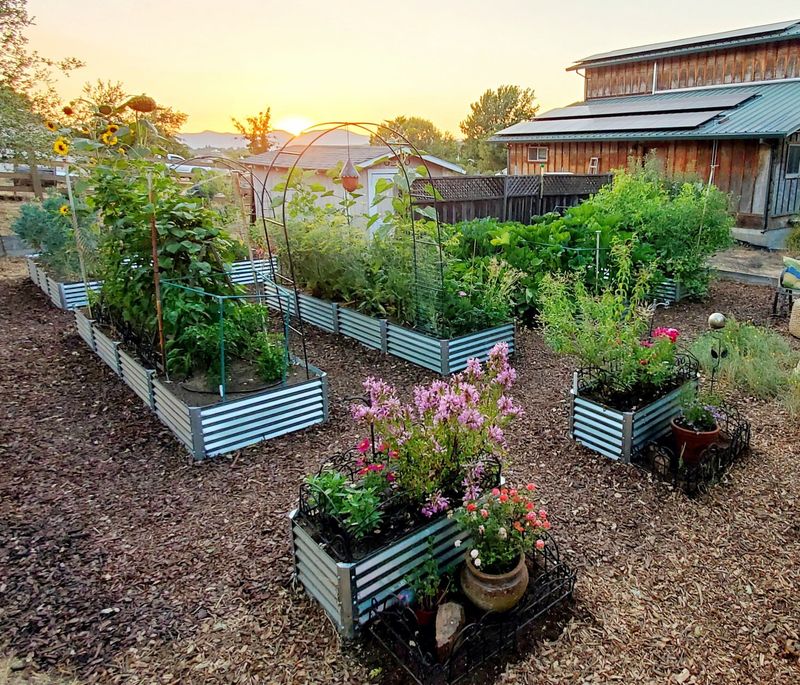
Galvanized steel and aluminum beds offer exceptional durability that stands up to Florida’s harsh weather year after year.
Unlike wood, metal won’t rot, warp, or attract termites, making it a low-maintenance choice for long-term garden planning.
Heat management becomes important because metal can warm up quickly, but proper soil depth and mulching keep roots comfortable.
Florida’s intense sun, heavy rains, and high humidity don’t damage quality metal beds the way they affect other materials.
Modern metal designs look sleek and contemporary, fitting beautifully into updated landscapes and stylish outdoor living spaces across Florida.
Leafy greens, herbs, and cool-season vegetables grow wonderfully in metal beds when you monitor soil temperature during summer months.
Installation is often simpler than building wooden beds from scratch, saving time and effort during your initial garden setup.
As 2026 brings renewed focus on sustainable gardening, metal beds offer a durable solution that won’t need replacement anytime soon.
Weather resistance means your investment lasts decades, making metal raised beds a practical choice for serious Florida vegetable gardeners.
5. Wooden Cedar Beds
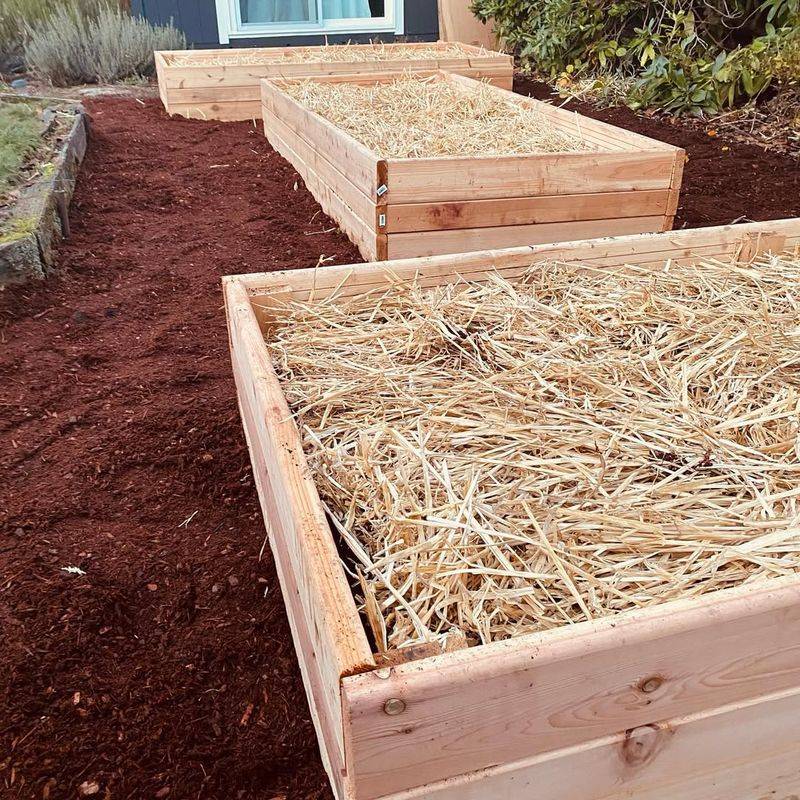
Cedar wood naturally resists rot and insect damage, making it an excellent material choice for Florida’s humid, wet climate.
The warm, natural appearance of cedar blends beautifully with traditional and cottage-style Florida landscapes and outdoor garden spaces.
Building cedar beds is beginner-friendly because the wood is lightweight, easy to cut, and simple to assemble with basic tools.
Florida’s climate compatibility with cedar means your beds will last many years without chemical treatments or constant maintenance efforts.
Natural oils in cedar wood help protect against termites and decay, which are common concerns for Florida outdoor structures.
Vegetables like beans, squash, and eggplant thrive in cedar beds that provide stable growing conditions throughout the changing seasons.
Cedar’s insulating properties help moderate soil temperature, keeping roots cooler during Florida’s intense summer heat waves and sunny days.
Looking toward 2026, cedar beds offer a timeless, reliable option that supports healthy vegetable growth without overwhelming your budget.
Natural beauty combined with practical durability makes cedar an ideal choice for Florida gardeners seeking both function and aesthetic appeal.
6. Hugelkultur-Style Beds
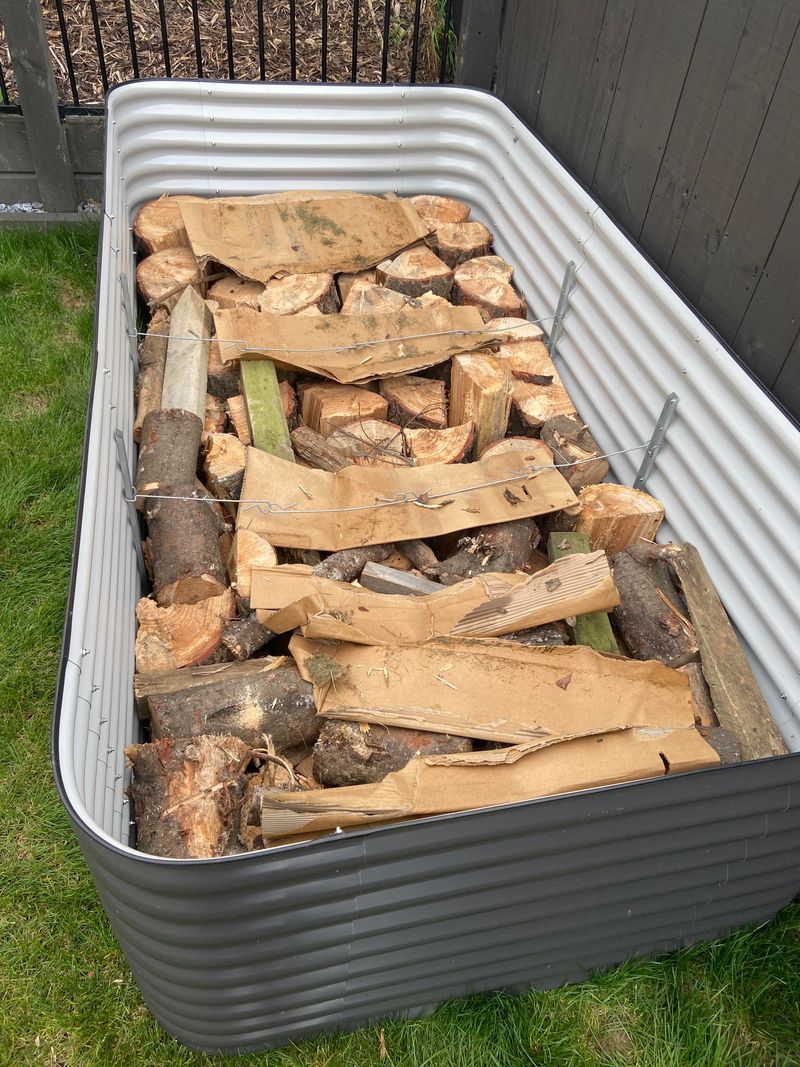
Hugelkultur beds incorporate buried wood and organic matter that slowly decompose, releasing nutrients and holding moisture over many seasons.
Florida’s sandy soil benefits enormously from this method because the decomposing wood acts like a sponge inside your bed.
Water retention improves dramatically, reducing how often you need to irrigate during dry periods and saving both time and resources.
Organic matter breakdown creates rich, fertile soil that supports vigorous vegetable growth without constant fertilizer applications throughout the year.
Squash, cucumbers, and melons love the consistent moisture and nutrients that hugelkultur beds provide during Florida’s long growing season.
Florida soil improvement happens naturally as the buried wood breaks down, building a living ecosystem that benefits your plants continuously.
Reduced watering needs mean you spend less time managing irrigation and more time enjoying the fruits of your gardening labor.
As 2026 emphasizes sustainable practices, hugelkultur-style beds offer an eco-friendly approach that works beautifully in Florida’s unique climate conditions.
Long-term soil health improves year after year, making this method a smart investment for gardeners planning many productive seasons ahead.
7. Keyhole Raised Beds
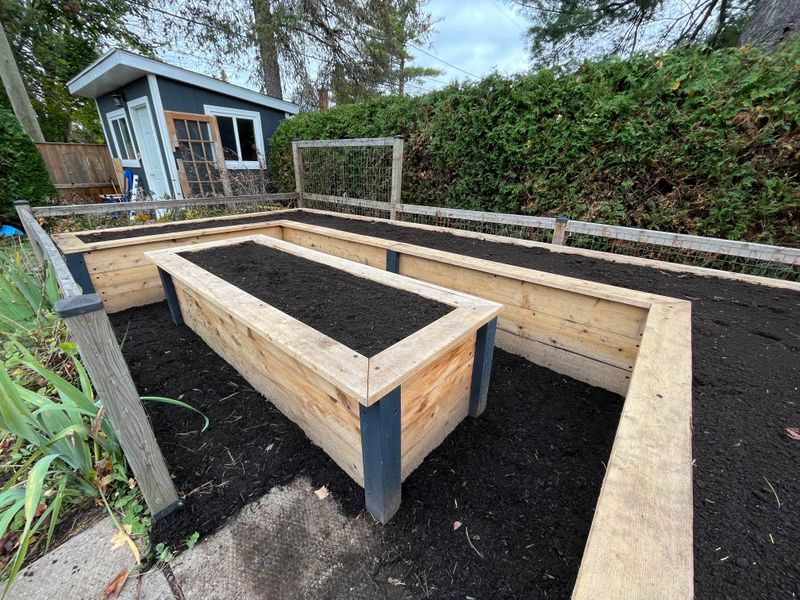
Keyhole beds feature a circular design with a central compost basket, maximizing growing space while minimizing wasted square footage.
Compact efficiency makes keyhole beds perfect for small Florida yards where every inch of garden space counts toward your harvest.
Compost access is built right into the center, allowing you to add kitchen scraps that feed your vegetables continuously.
Florida small-yard solutions like keyhole beds let you grow more food in less space without sacrificing productivity or convenience.
Reduced walking stress happens because you can reach most of the bed from the keyhole opening without stepping around constantly.
Leafy greens, radishes, and herbs thrive in keyhole beds where nutrients from the central compost basket spread throughout the soil.
Watering becomes easier because you can add water directly to the compost basket, where it distributes gradually to plant roots.
Planning for 2026 means thinking creatively about space, and keyhole beds offer an innovative solution for Florida’s urban gardeners.
Efficient design combined with built-in composting makes keyhole beds a clever choice for maximizing your vegetable garden’s potential this year.
8. Raised Beds With Trellises
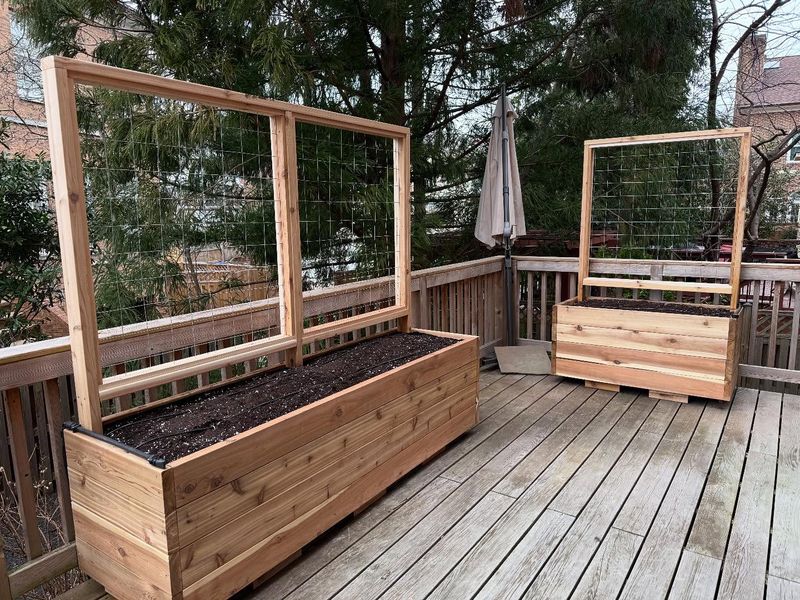
Adding vertical trellises to your raised beds allows vining vegetables to grow upward, saving ground space and improving airflow.
Cucumbers, pole beans, and peas climb happily up trellises, producing cleaner fruit that’s easier to spot and harvest regularly.
Airflow improvement around leaves and stems reduces fungal diseases that commonly plague Florida gardens during humid summer months and rainy periods.
Pest reduction happens naturally because vegetables growing vertically are harder for ground-dwelling insects and critters to reach consistently.
Florida vining vegetable success increases dramatically when plants grow upward instead of sprawling across the ground in crowded conditions.
Tomatoes and squash benefit from vertical support that keeps fruit off the soil, preventing rot and making daily inspection much simpler.
Harvesting becomes more comfortable because you can pick vegetables at eye level instead of bending down repeatedly throughout the season.
As 2026 brings renewed interest in space-efficient gardening, trellised raised beds offer a practical solution for Florida’s smaller yards.
Vertical growth combined with raised bed benefits creates an ideal environment for productive, healthy vegetables that thrive all season long.
9. Modular Raised Bed Systems
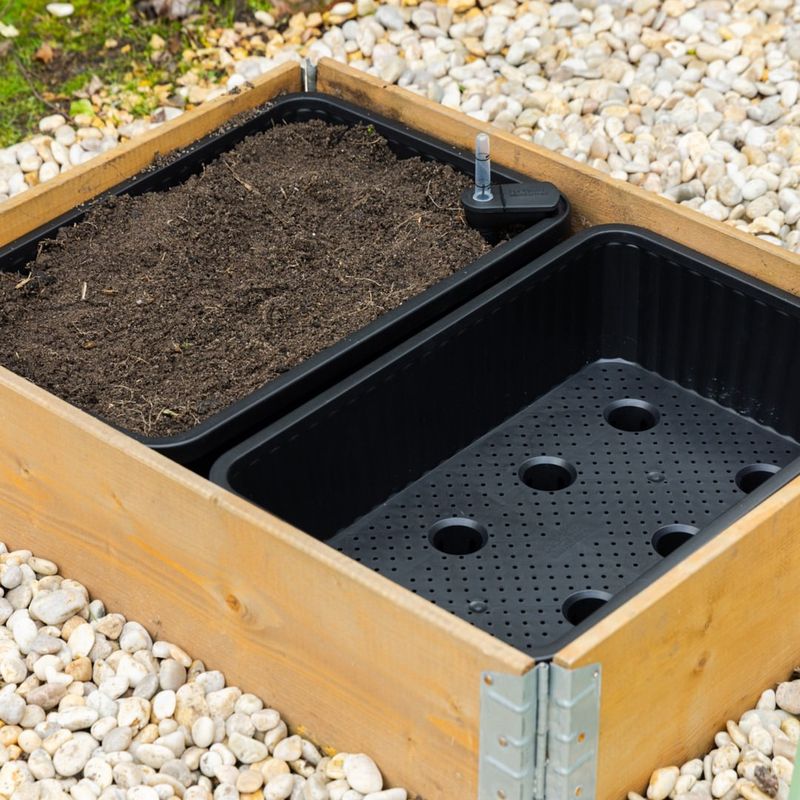
Modular systems let you start small and add sections over time as your gardening skills and ambitions grow naturally.
Flexibility is key because you can rearrange or expand your garden layout to match changing needs and available space.
Florida seasonal adjustments become easier when you can move or modify bed sections to capture optimal sun throughout the year.
Long-term planning for 2026 and beyond is simplified with modular beds that adapt as your vegetable gardening experience deepens.
Different sections can hold different soil types or depths, allowing you to customize growing conditions for specific vegetable varieties perfectly.
Crop rotation becomes simpler when you can easily designate different modular sections for different plant families each growing season.
Tomatoes, peppers, and brassicas can each have dedicated spaces that you adjust annually to maintain soil health and productivity.
Investment spreads over time because you purchase and build additional modules as your budget and gardening confidence both increase.
Modular systems offer Florida gardeners a practical, scalable approach that grows alongside their skills and produces consistent vegetable harvests yearly.
10. Raised Beds With Covers
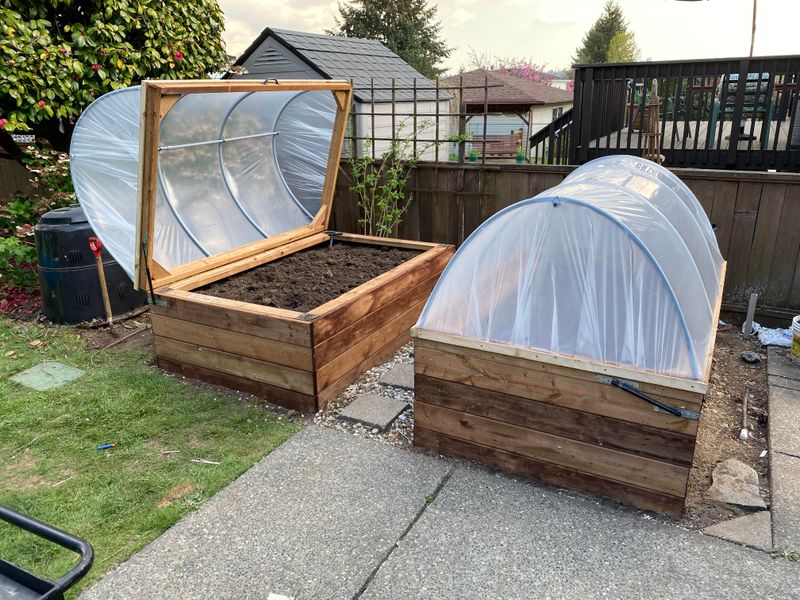
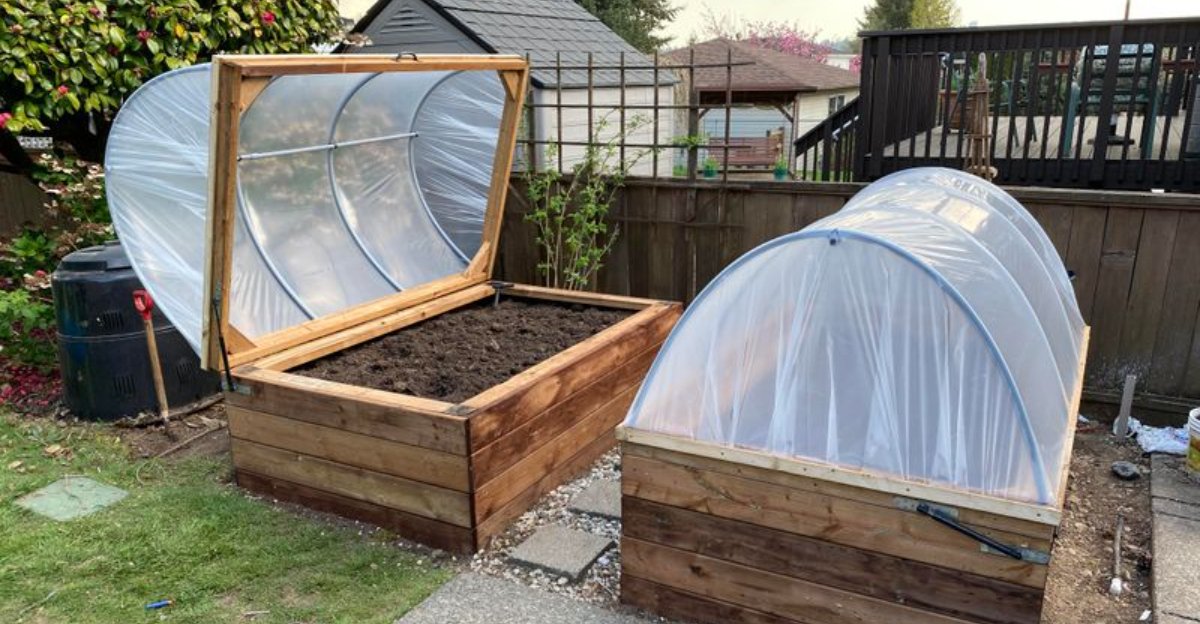
Protective covers shield your vegetables from unexpected cold snaps that occasionally surprise Florida gardeners during winter months and early spring.
Frost protection extends your growing season, allowing you to start seeds earlier and harvest tender crops later than uncovered beds.
Pest exclusion becomes remarkably effective when covers keep out insects, birds, and other creatures that damage leaves and developing fruit.
Florida weather swings from hot to cool unpredictably, but covered beds provide a buffer that moderates temperature extremes for plants.
Row covers or hoop houses over raised beds create a microclimate that supports consistent growth even during challenging weather periods.
Leafy greens, broccoli, and cauliflower thrive under covers that protect them from intense sun and sudden temperature drops throughout the season.
Extended growing seasons mean you enjoy fresh vegetables for more months each year, maximizing your garden’s productivity and your investment.
As 2026 emphasizes year-round gardening, covered raised beds offer Florida gardeners a tool for truly continuous vegetable production success.
Simple covers transform your raised beds into versatile growing spaces that adapt to Florida’s unique climate challenges all year long.