These Rare Native Georgia Shrubs Are Worth Looking For This Spring
Spring in Georgia makes the same shrubs start showing up everywhere again.
Garden centers fill up with familiar shrubs, while more interesting native ones stay hidden in smaller nurseries or older neighborhoods. A few almost look too unusual to be native at all once the flowers start opening.
Bright blooms, unusual branching, and softer natural shapes can completely change the feel of a yard without making it look overly designed.
Wildlife usually finds these shrubs quickly too, especially during spring when everything starts becoming active again.
The surprising part is how many of these natives outperform common landscape shrubs once they finally get established.
Better seasonal color, fewer problems with local conditions, and a much more natural look tend to win people over pretty fast. Finding them before they sell out is usually the difficult part.
1. Oakleaf Hydrangea Puts On A Show In Late Spring
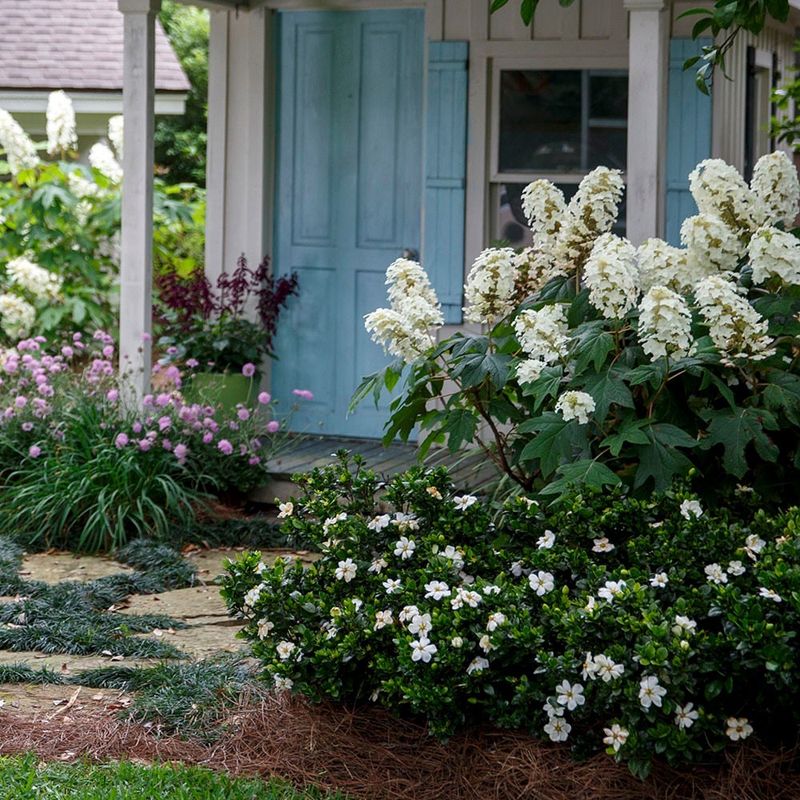
Few shrubs stop people in their tracks quite like Oakleaf Hydrangea. When those big, cone-shaped flower clusters open up in late spring, the whole plant looks like it is covered in snow.
It is bold without being fussy.
Native to the southeastern United States, this shrub thrives in partly shaded spots with well-drained soil. Rocky slopes, woodland edges, and stream banks are where it naturally grows best.
It handles dry spells better than most hydrangeas once it gets established.
Mature plants can reach six to eight feet tall and just as wide. Give it room.
Crowding it against a fence or wall will limit airflow and make it look cramped.
The flower heads start creamy white, then slowly age to pinkish tan by summer’s end. Even after the blooms fade, the papery clusters cling to the branches and add texture through fall and winter.
Peeling cinnamon-colored bark is another reason to grow this plant. Come winter, when everything else looks bare, those exfoliating stems still bring real visual interest to the yard.
Oakleaf Hydrangea also supports native bees and butterflies during bloom time. Birds sometimes use the dense branching for cover.
Planting it near a shaded patio makes spring mornings feel genuinely refreshing. It rewards patience with years of reliable beauty.
2. Sweetshrub Leaves A Spicy Scent Behind
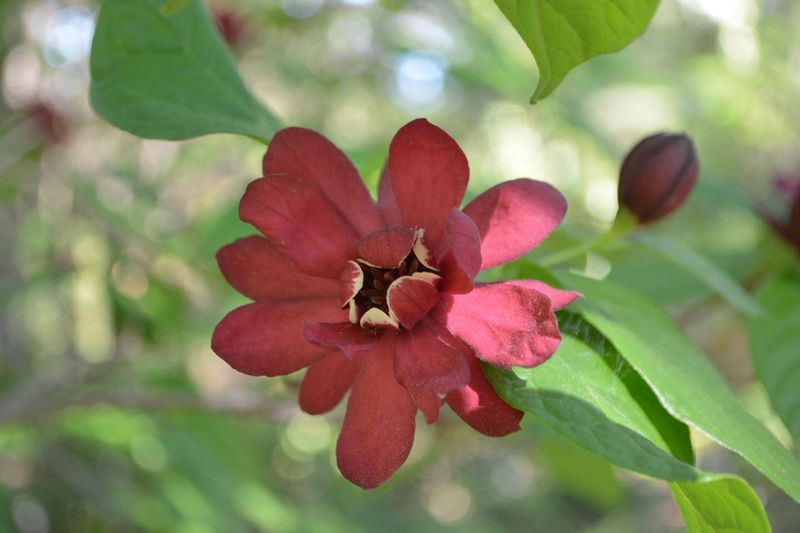
Crush a leaf from this shrub and you will immediately understand how it earned its name. Sweetshrub releases a warm, spicy fragrance that some people compare to strawberries, others to cloves or allspice.
It varies by plant and by nose.
Calycanthus floridus is native to the Southeast and has been admired for centuries. Early colonists reportedly sent it back to Europe as a curiosity.
That history alone makes it worth seeking out.
Flowers appear in mid to late spring and look unlike anything else in the garden. The dark reddish-brown blooms have thick, strap-like petals arranged in a tight spiral.
They are subtle but fascinating up close.
Sweetshrub prefers partial shade and moist, humus-rich soil. Woodland gardens and shaded borders suit it well.
It tolerates clay soil better than many native shrubs, which makes it practical for a wide range of yards.
Your Georgia Garden Changes Every Week. Your Plan Should Too.
Gardening in Georgia changes quickly throughout the season. Every Friday you’ll receive a simple weekly plan showing exactly what to plant, prune, fertilize, harvest, and protect so you never miss the right timing.
Plants typically grow six to nine feet tall and spread by suckering. Pruning right after bloom keeps the shape tidy without reducing next year’s flowers.
Removing suckers controls spread if space is limited.
Fragrance intensity varies widely between individual plants. Before buying, rub a leaf or smell a flower in person if possible.
Some specimens are far more aromatic than others. Finding a strongly scented one is absolutely worth the extra effort on your end.
3. Virginia Sweetspire Stays Full Near Wet Soil
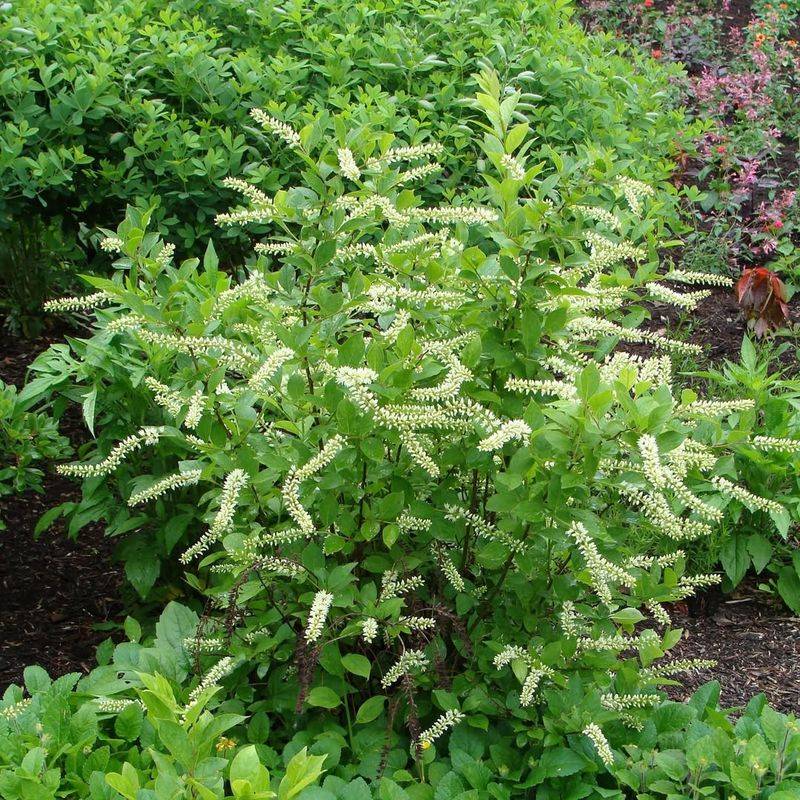
Soggy spots in the yard frustrate most gardeners. Virginia Sweetspire actually welcomes them.
Wet soil near downspouts, low-lying areas, or stream edges is exactly where this native shrub performs at its best.
Itea virginica produces long, arching stems covered in bottlebrush-style white flower spikes in late spring. The blooms are fragrant and attract pollinators quickly.
Bees especially seem drawn to the sweet scent during warm afternoons.
Fall color on this shrub surprises a lot of people. Leaves turn brilliant shades of orange, red, and deep purple before dropping.
Few shrubs offer both reliable spring blooms and strong fall color in one compact package.
Size stays manageable. Most plants top out around three to five feet tall and spread gradually by suckering.
That spreading habit fills in gaps nicely along rain gardens or naturalized borders without becoming aggressive.
Full sun to partial shade works well. Moisture is the real key.
Plants in consistently moist soil grow fuller and flower more heavily than those in dry conditions. Supplemental watering during dry stretches helps younger plants establish.
Virginia Sweetspire also tolerates periodic flooding, which makes it ideal for bioswales and stormwater management plantings. Landscape designers use it frequently in sustainable yard projects across the Southeast.
Home gardeners who deal with drainage problems will find this shrub genuinely useful rather than just decorative. It solves a real problem while looking great.
4. Dwarf Fothergilla Flowers Before Most Shrubs
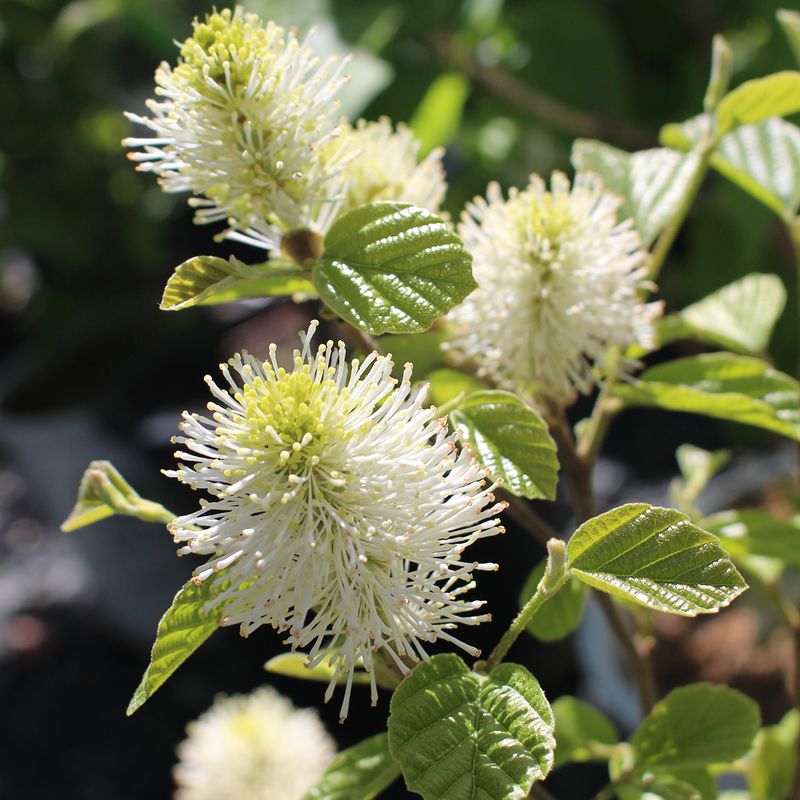
Timing is everything with this one. Dwarf Fothergilla blooms before its leaves fully emerge, so nothing competes with those fluffy white flower spikes in early spring.
It catches the eye when most of the yard is still waking up.
Fothergilla gardenii is a compact native shrub that typically reaches two to three feet tall. It suits smaller yards, foundation plantings, and mixed shrub borders without overwhelming the space around it.
The flowers carry a light honey-like fragrance. On a warm spring morning, you can catch the scent from several feet away.
Native bees visit the blooms early in the season when food sources are still scarce.
Fall is where this shrub really doubles down on value. Leaves turn vivid shades of yellow, orange, and red simultaneously on the same plant.
Few shrubs match that kind of multi-toned fall display at this compact size.
Acidic, well-drained soil with added organic matter gives best results. Fothergilla performs poorly in alkaline or compacted soils.
Amending with compost or pine bark before planting makes a noticeable difference in long-term health.
Full sun to light shade both work. More sun generally means stronger fall color.
Avoid dense shade, which leads to sparse flowering and weak growth over time. Regular watering during the first growing season builds a strong root system.
After that, established plants need very little extra care to thrive year after year.
5. Florida Anise Tree Handles Humidity Well
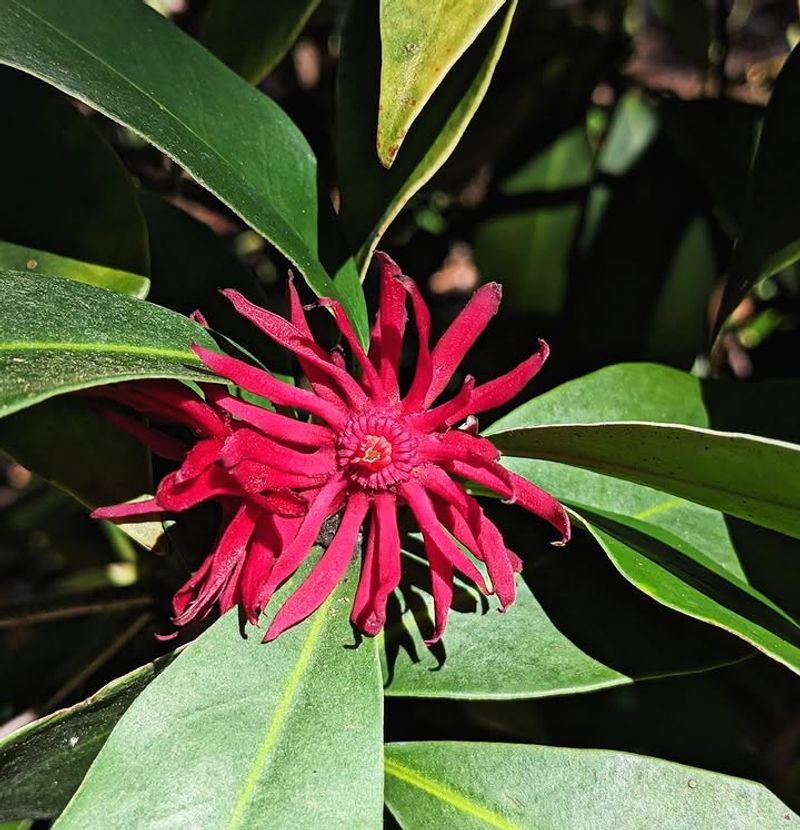
Humidity is not a problem for this evergreen native. Florida Anise Tree shrugs off the muggy summers that challenge so many ornamental shrubs in the Southeast.
It stays lush and green when others look stressed.
Illicium floridanum grows naturally in moist, shaded ravines and stream banks. Its glossy, dark green leaves stay on the plant year-round, providing structure and privacy even in winter when deciduous shrubs go bare.
Spring brings unusual deep red flowers. They are star-shaped with many narrow petals and have a slightly spicy fragrance.
The blooms are not showy from a distance, but up close they are genuinely fascinating and unlike anything common in garden centers.
Crushed leaves release a strong anise scent. Deer tend to avoid this shrub because of that aroma, which makes it practical in areas where deer pressure is a real concern.
That natural resistance removes one major headache from the gardening equation.
Shade tolerance is one of its strongest qualities. Dense shade under large trees is often a planting challenge.
Florida Anise Tree fills those difficult spots without struggling. Moist, acidic soil is preferred, and consistent moisture during establishment speeds up early growth.
Plants can eventually reach eight to ten feet tall. Pruning after bloom controls height and encourages bushier growth.
It works well as a screening shrub along shaded property lines or near woodland paths where year-round greenery adds real privacy value.
6. Georgia Plume Keeps A Soft Airy Look
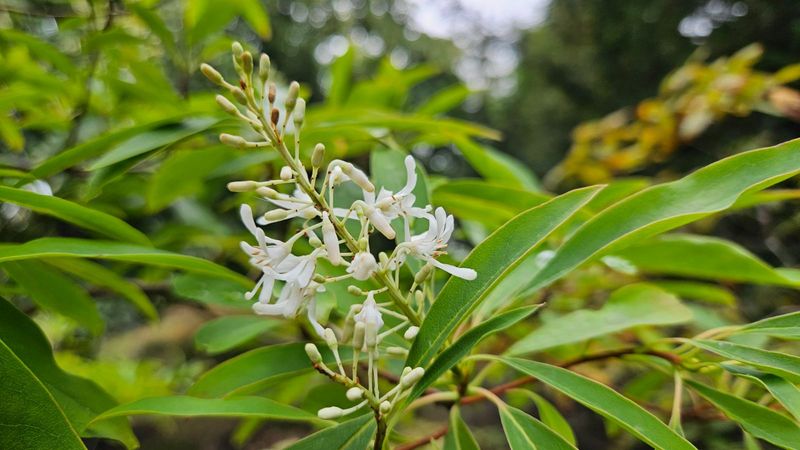
Rare is not an overstatement with this one. Georgia Plume is considered one of the most uncommon native shrubs in the entire country.
Finding it in a nursery feels genuinely exciting for plant enthusiasts who know what they are looking at.
Elliottia racemosa produces tall, feathery white flower spikes in early to midsummer. The blooms are delicate and airy, giving the plant an elegant quality that heavier-flowering shrubs simply cannot replicate.
It looks refined rather than flashy.
Wild populations are extremely limited. Most occur in a narrow band of the coastal plain in Georgia.
Conservation efforts are ongoing, and growing cultivated specimens in home gardens actually supports broader awareness of this plant’s fragile status.
Acidic, sandy, well-drained soil is essential. Heavy clay or poorly drained sites cause this shrub to struggle significantly.
Raised beds with sandy, acidic amendments can help in areas where native soil conditions are not ideal for it.
Established plants can reach six to twelve feet tall over many years. Growth is slow, so patience is genuinely required.
Starting with a healthy nursery-grown plant rather than attempting propagation from scratch saves considerable time and frustration.
Partial shade suits it well in warmer areas. Morning sun with afternoon shade helps prevent leaf scorch during peak summer heat.
Minimal fertilization is best since rich soil can actually work against long-term health. Watering during dry periods keeps young plants on track through their first few seasons.
7. Piedmont Azalea Covers Branches In Bright Color
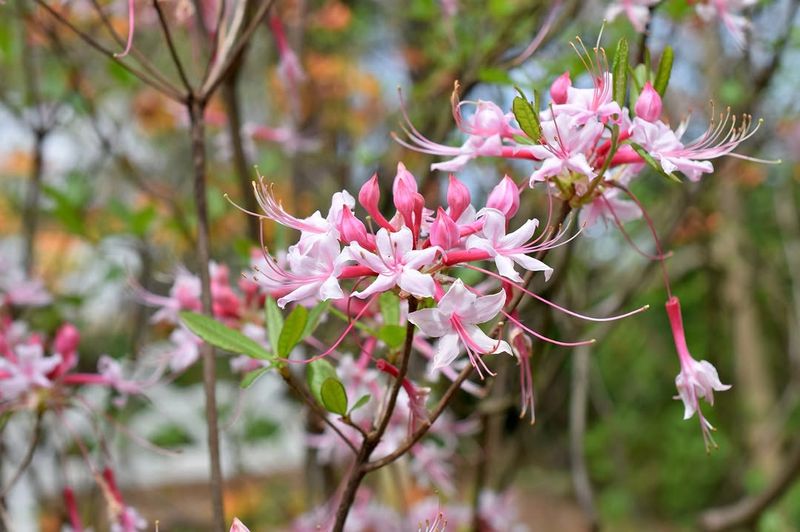
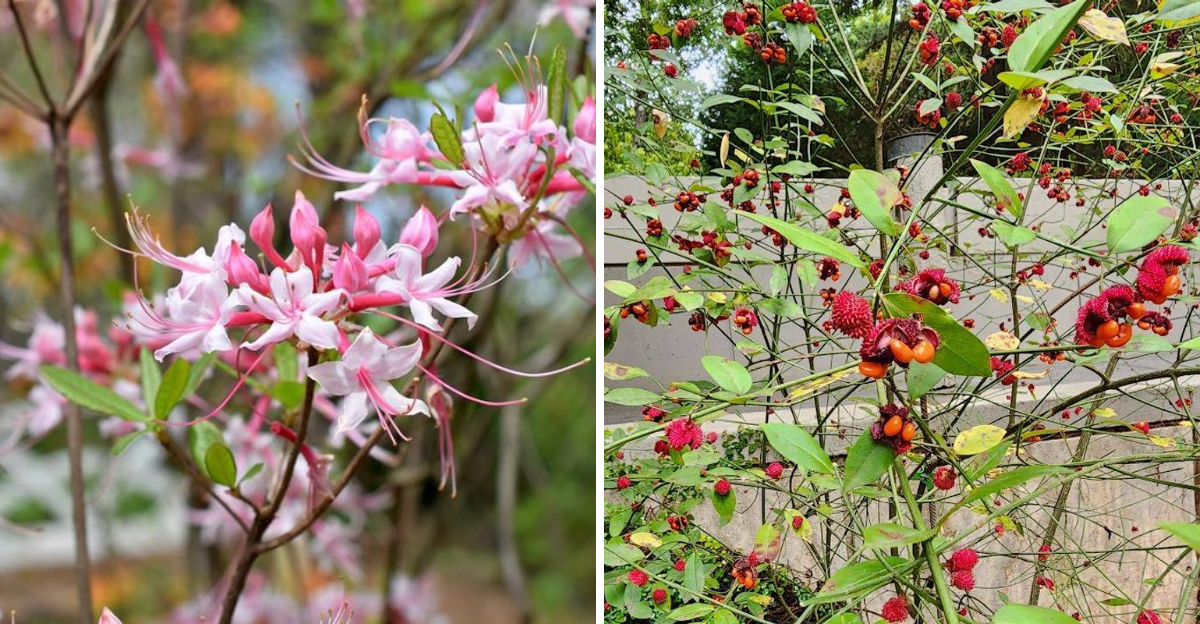
Nothing in the spring woodland quite matches the sight of Piedmont Azalea in full bloom. Clusters of pink, tube-shaped flowers open directly on bare branches before the leaves even appear.
It looks almost theatrical against the still-brown forest floor.
Rhododendron canescens is a native deciduous azalea found naturally along stream banks and woodland edges across the Southeast. It grows taller than most people expect, reaching eight to fifteen feet under good conditions over time.
Flower color ranges from pale blush to deeper rose pink. Fragrance is a bonus that many people do not anticipate.
Walking past a blooming specimen on a warm spring afternoon, the sweet scent carries noticeably on the breeze.
Hummingbirds and native bees visit the blooms actively. Long flower tubes are particularly well-suited for hummingbirds, which can reach nectar that shorter-tongued insects cannot access as easily.
Planting near a window gives a front-row view of that activity.
Moist, acidic soil and partial shade produce the best growth. Avoid heavy clay without amendment.
Root competition from large trees can limit performance, so giving this shrub its own space with good light access makes a real difference.
Pruning is rarely needed. Remove crossed or crowded branches right after bloom if shaping is necessary.
Cutting at other times risks removing next year’s buds. Mulching with pine straw helps retain soil moisture and keeps the root zone cool during summer heat.
8. Strawberry Bush Stands Out Once Seed Pods Appear
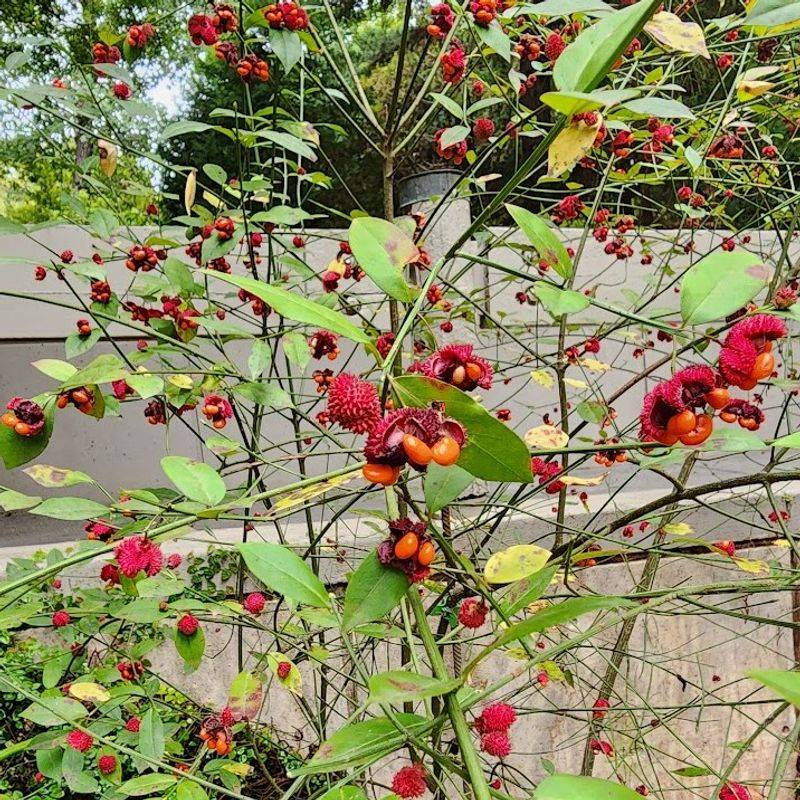
Spring is just the warm-up act for this native shrub. Strawberry Bush saves its most dramatic display for fall, when those bizarre, bumpy pink pods split open to reveal bright orange-red seeds.
It looks almost artificial, like a prop from a fantasy film.
Euonymus americanus grows naturally in moist woodland understories across the Southeast. It stays relatively low-key through spring and summer with simple green stems and small inconspicuous flowers.
Then fall arrives and completely changes the conversation.
Wildlife value is significant. Birds, including eastern bluebirds and wild turkeys, feed on the exposed seeds.
White-tailed deer browse the stems, which is worth considering when choosing a planting location in areas with high deer activity.
Mature height usually lands between four and six feet. Stems stay green year-round, giving the plant a somewhat unusual look even in winter when leaves are gone.
That green stem color adds subtle interest during the colder months.
Moist, shaded conditions suit it best. Stream banks, shaded rain gardens, and woodland borders are natural fits.
It tolerates periodic wet conditions without complaint, which expands planting options in low-lying areas of the yard.
Propagation from seed is possible but slow. Buying established plants from a reputable native nursery is the most reliable route to quick results.
Planting in groups of three or more creates a stronger visual impact during the fall fruiting season. Spacing plants about four feet apart allows good air circulation while still achieving that clustered, layered look.