These 7 Reasons Are Keeping Your Petunias Leggy And Weak
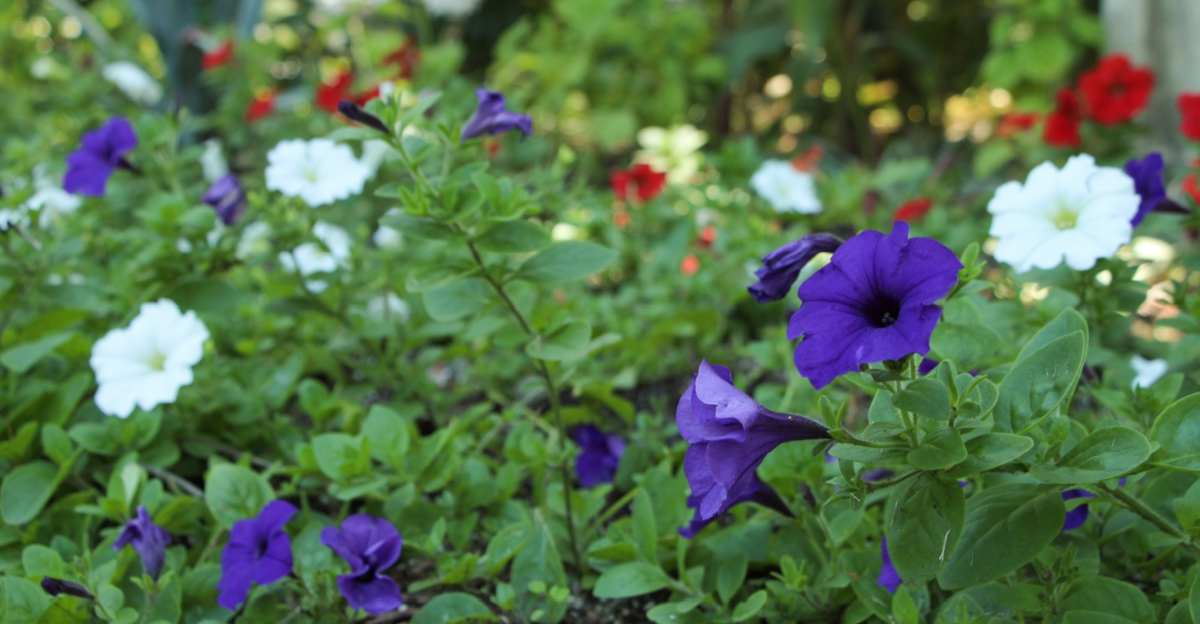
Have you ever looked at your petunias and felt a little disappointed? I know that feeling well. Last summer, my window boxes were full of long, stretchy stems with barely a bloom in sight.
It was frustrating, to be honest. But it pushed me to dig deeper and figure out what was going wrong.
Petunias are generally forgiving flowers. They tend to reward even beginner gardeners with cheerful color.
Yet sometimes, despite our best efforts, they grow tall and spindly instead of full and lush. The good news is that leggy petunias are usually a sign of something fixable.
Small changes in care can make a noticeable difference. Light, pruning habits, and feeding routines all seem to play a role. If your petunias are looking a little tired and stretched out, you are in the right place.
Let’s gently figure this out together!
1. They Are Starving For Light
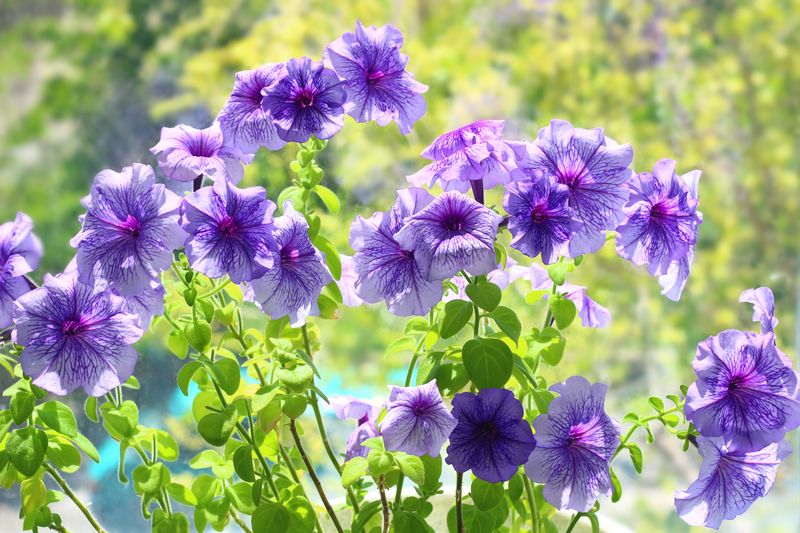
There is one thing petunias simply cannot compromise on, and that is a good long drink of sunlight.
That stretching is what creates those long, weak, leggy stems that make your plant look more like a vine than a flowering beauty.
Petunias need at least six hours of direct sunlight every day to grow compact and produce plenty of blooms. Less than that, and the plant starts putting all its energy into stem growth instead of flowers.
It is basically reaching out in desperation, trying to find more light to survive.
If your petunias are on a porch, under a tree, or near a wall that blocks the afternoon sun, that shady spot could be the entire problem. Moving the container to a sunnier location can show results within just a week or two.
Leggy petunias grown in low light also tend to have pale, washed-out color and fewer blooms overall. The leaves may look healthy enough, but the plant is quietly struggling.
Bright, direct sun brings out the deep pigment in the petals and encourages tight, bushy growth.
Before buying new plants or trying complicated fixes, check how many hours of sun your petunias actually receive each day. You might be surprised.
Sometimes the simplest solution is just moving the pot a few feet to the right and letting the sunshine do its job.
2. You Never Pinch Them Back
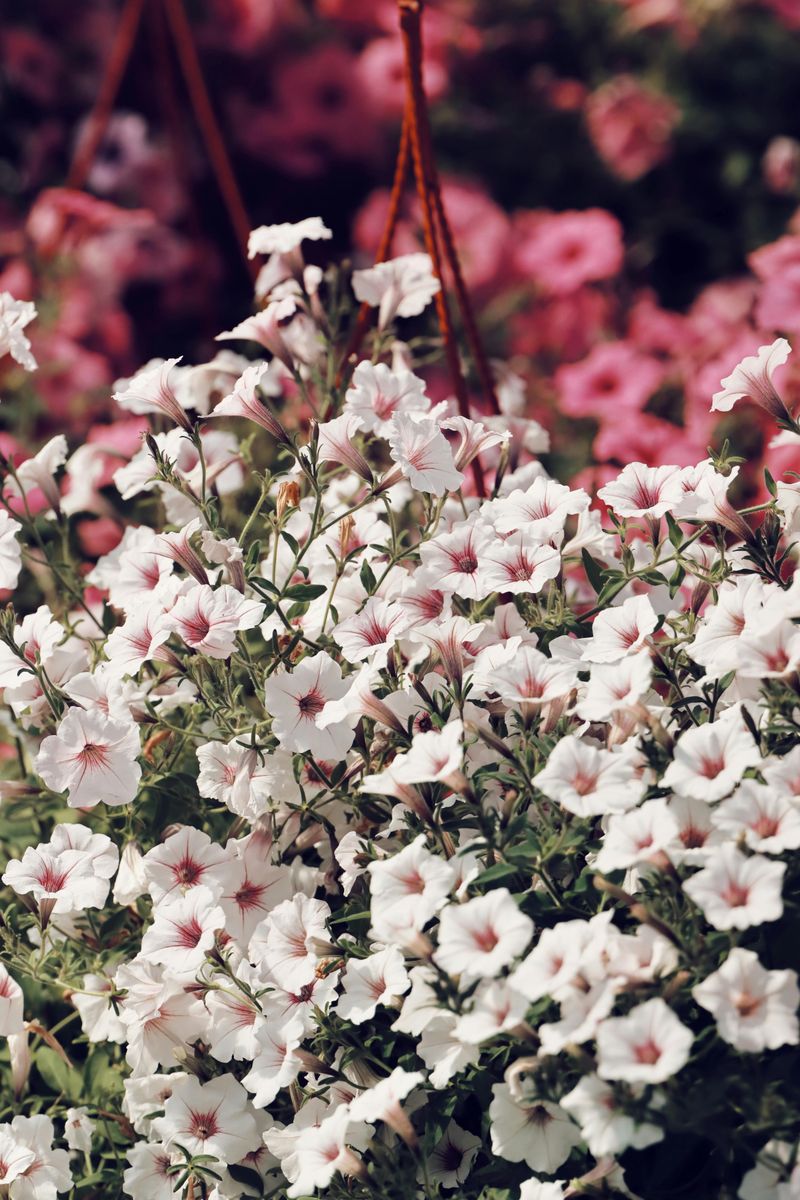
Pinching sounds like something you do to a cheek, not a plant.
But this one simple habit is one of the biggest differences between petunias that look full and lush versus ones that grow long and scraggly. Most gardeners skip it entirely because nobody told them it was necessary.
When you pinch back a petunia, you remove the tip of a stem, usually just above a leaf node. That action signals the plant to stop growing in one direction and start branching out sideways.
More branches mean more stems, and more stems mean more blooms packed tightly together.
Skipping this step lets the plant keep sending energy to the same few long stems. Those stems get longer and longer, bloom only at the very tips, and leave the base of the plant bare and sad-looking.
That is the classic leggy petunia problem in action.
The best time to pinch is when your petunias are young, right after planting. But even established plants respond well to a good trim.
Cut back about one-third of the stem length and watch new growth appear within a week or so.
Some gardeners worry that cutting their petunias will hurt them. The opposite is true.
Petunias are incredibly resilient and bounce back fast after pruning. Think of pinching as a reset button that encourages the plant to grow the way you actually want it to.
Do it regularly throughout the season and your petunias will reward you with nonstop color all summer long.
3. You Are Overfeeding The Wrong Way
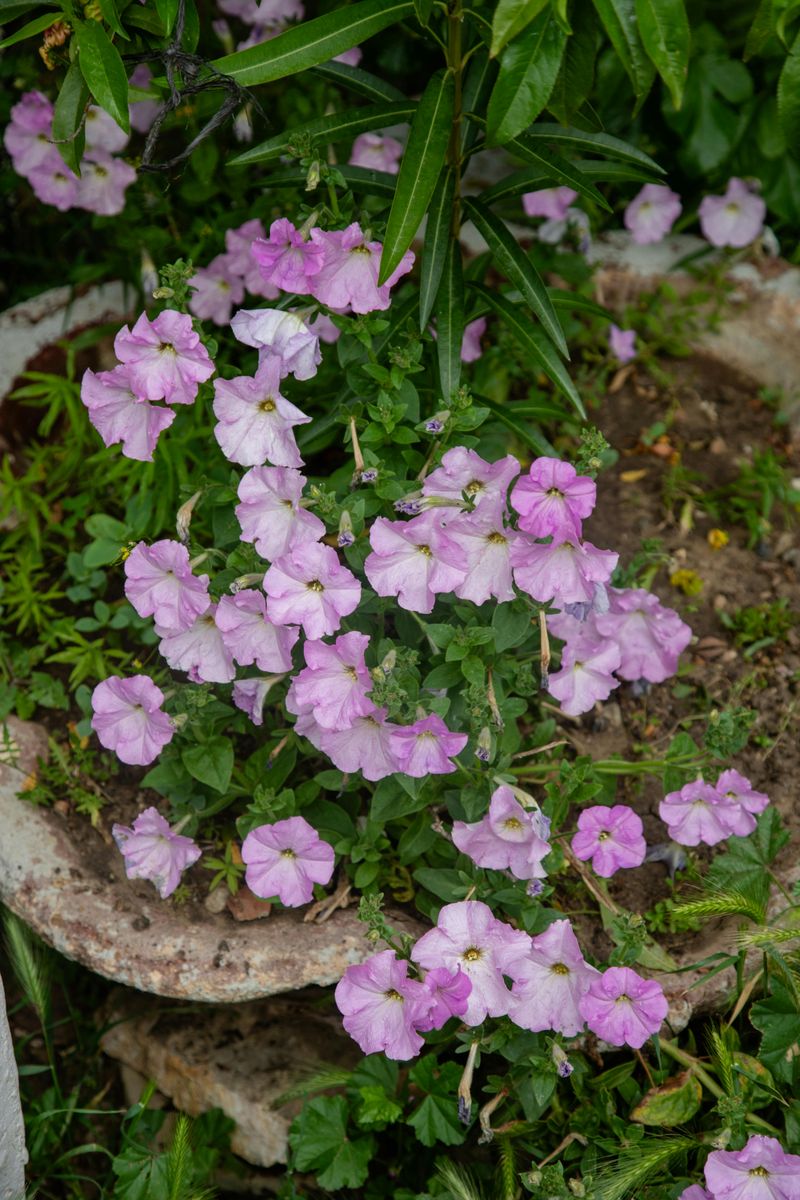
Fertilizer feels like a gift you give your plants, so more must be better, right? Not even close.
Feeding your petunias the wrong type of fertilizer or giving too much of it is one of the sneakiest reasons they end up tall, green, and nearly flowerless.
The problem usually comes down to nitrogen. Fertilizers high in nitrogen push plants to produce lots of leafy, green growth.
For a vegetable garden, that can be great. For petunias, it is a disaster.
All that lush green energy goes into stems and leaves instead of the blooms you are counting on.
Leggy petunias that have been over-fertilized with a nitrogen-heavy formula tend to look deceptively healthy at first glance. The foliage is thick and green, but blooms are sparse and stems are long and floppy.
The plant is essentially overfed but malnourished in the ways that matter most.
Switch to a fertilizer with a higher phosphorus content, which is the middle number on the label. Phosphorus supports root development and flower production, which is exactly what you need.
A balanced formula like 10-10-10 works well, or look for blends specifically made for flowering annuals.
Feed your petunias every one to two weeks during the growing season, but follow the label directions carefully. More fertilizer does not equal more flowers.
The right fertilizer in the right amount is what pushes these plants to bloom hard and stay compact all season without going wild with stem growth.
4. They Are Too Crowded To Thrive
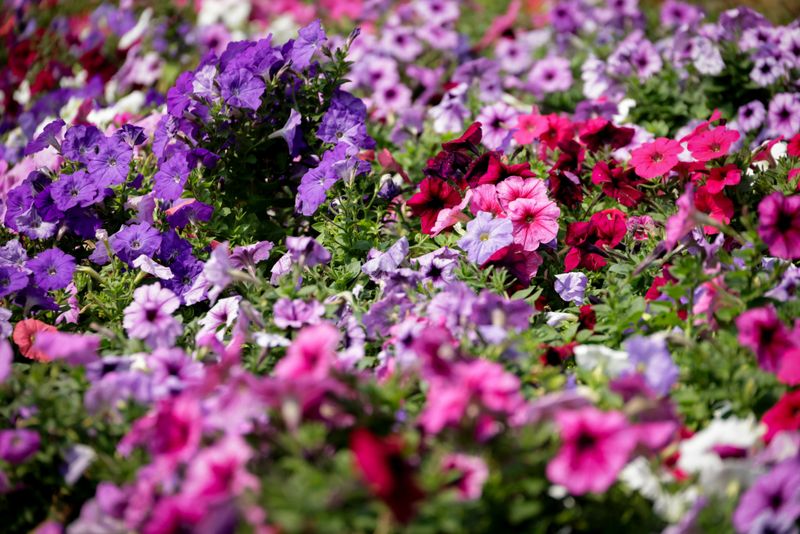
Crowding plants together feels like a shortcut to a full, lush look right out of the gate. But petunias crammed too close together end up competing for water, nutrients, and light in ways that leave every single plant weaker than it should be.
When petunias are too crowded, each plant instinctively reaches upward to escape the competition. That upward stretch is what creates leggy stems.
The plant is not thriving, it is surviving. And there is a big difference between the two when it comes to how your garden looks by midsummer.
Proper spacing for petunias is usually around 12 inches apart for standard varieties and slightly less for trailing types. That spacing gives each plant room to spread out sideways instead of shooting straight up.
Air circulation also improves with proper spacing, which reduces the risk of fungal problems that can further weaken stems.
If your petunias are already planted too close, you have options. You can thin them out by removing every other plant, which feels painful but genuinely helps.
Alternatively, you can trim the plants back hard and let them regrow with more room to breathe.
Container gardeners often overplant pots to create instant impact. That strategy works for a few weeks before the plants start fighting each other.
Resist the urge to stuff one more plant into the pot. Give your petunias the space they need from the start and they will fill in beautifully on their own terms without going leggy.
5. Your Watering Routine Is All Over The Place
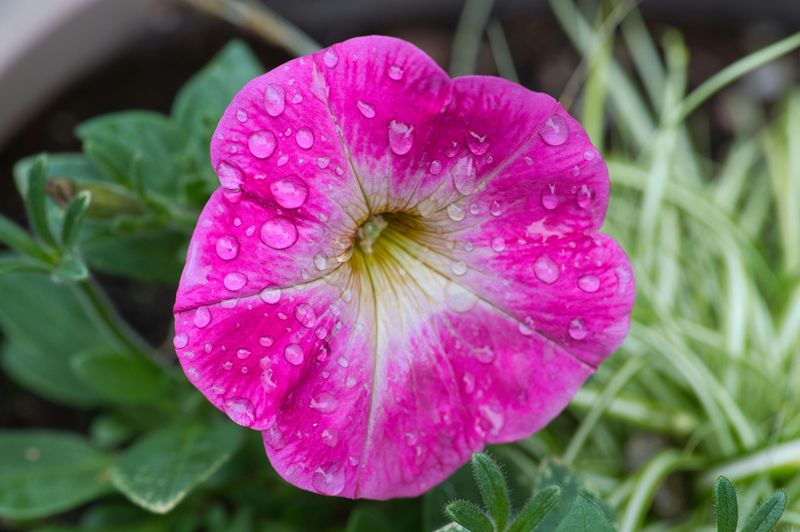
Could something as simple as watering be the reason your petunias always look a little off?
Inconsistent moisture is one of the most overlooked reasons these plants never quite look the way you want them to.
When petunias dry out completely between waterings, they go into a mild stress response. The plant shifts its energy away from flower production and toward basic survival.
Stems grow longer and thinner as the plant tries to reach any available moisture in the air or soil around it.
On the flip side, overwatering creates soggy roots that cannot absorb nutrients properly. A plant that cannot access the nutrition in its soil will always look weak and stretched.
Waterlogged roots also invite rot, which quietly destroys the plant from the ground up before you even notice something is wrong.
The goal is consistent, even moisture. Water your petunias when the top inch of soil feels dry to the touch.
In hot summer weather, that might mean watering every day for container plants. In cooler or cloudy stretches, every two to three days may be enough.
Leggy petunias often perk up noticeably when watering habits become more consistent. Pair a steady moisture routine with proper sunlight and regular pinching, and you will start to see the compact, flower-packed plants you originally imagined.
Water is the foundation everything else builds on, so getting that part right makes every other fix work even better.
6. The Heat Is Pushing Them Into Survival Mode
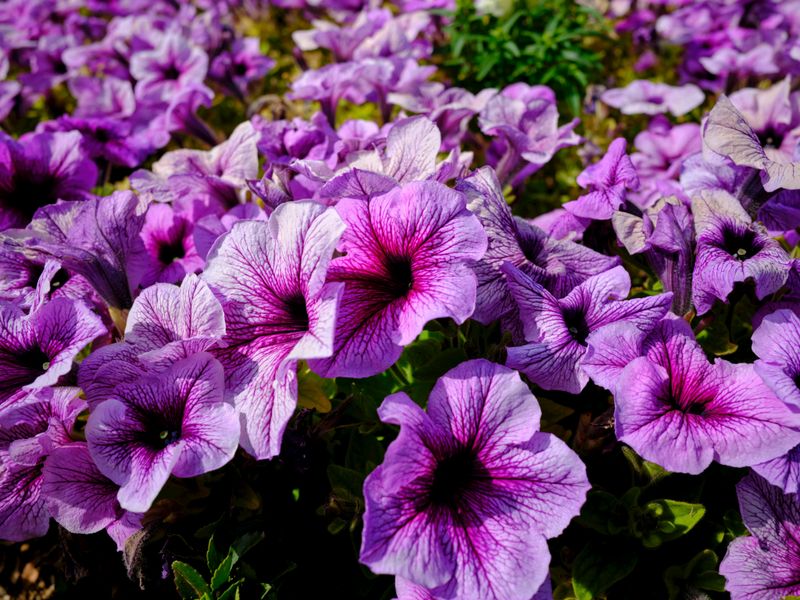
Petunias love warm weather, but there is a point where the heat tips from pleasant to punishing. Your plants will show you exactly when that line has been crossed.
When temperatures climb consistently above 90 degrees Fahrenheit, petunias slow down their flower production. They redirect energy toward simply staying alive.
Stems elongate, blooms become sparse, and the whole plant takes on that tired, stretched-out look. It is easy to confuse this with a light or pruning problem.
Midsummer slumps are incredibly common in hot climates. Many gardeners assume their petunias are dying when they are actually just heat-stressed.
The fix is gentler than you might think. During peak heat waves, move containers to a spot that gets morning sun but afternoon shade.
For in-ground plants, a light layer of mulch around the base helps keep soil temperatures cooler. It also reduces moisture loss between waterings.
You can give the plant a modest trim during the hottest stretch of summer. That removes the tired, leggy growth and encourages fresh new branching once temperatures ease back down.
Petunias often experience a beautiful second wind in late summer and early fall. Plants that looked completely spent in July can surprise you with a flush of compact blooms by September.
Knowing that heat stress is temporary takes the panic out of it. It lets you respond with patience rather than pulling plants that still have plenty of season left to give.
7. You Are Growing The Wrong Variety For Your Space
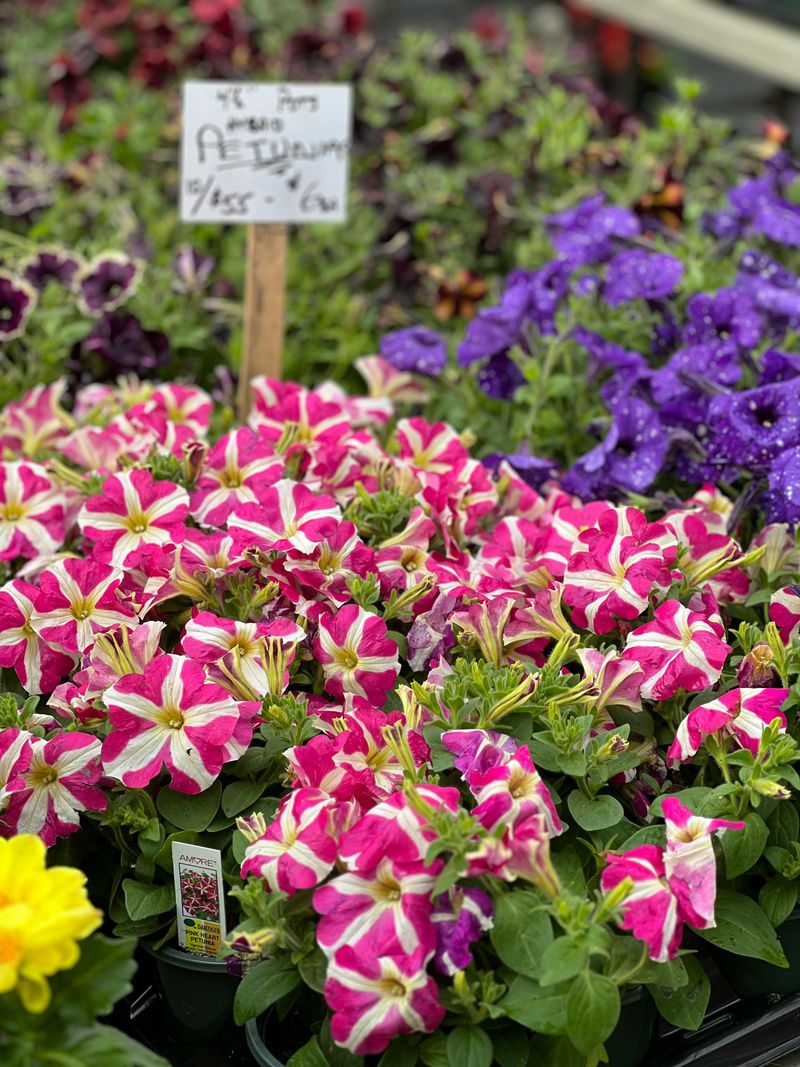
Not all petunias are created equal. Planting the wrong type for your situation is a quiet setup for disappointment.
There are grandifloras, multifloras, millifloras, and trailing spreading varieties. Each one behaves quite differently when it comes to how compact and full they grow.
Grandifloras have the largest individual blooms. But they are also the most prone to leggy, open growth, especially in humid climates or when light is not perfectly ideal.
If you planted a grandiflora in a shaded corner, you were working against the plant’s nature from the very beginning. Expecting it to bush out like a mound was never going to work.
Multifloras produce smaller flowers but far more of them. They tend to stay naturally fuller and more compact without as much intervention.
Spreading varieties like Wave petunias are bred to sprawl outward rather than shoot upward. That makes them excellent choices for containers and hanging baskets where trailing, dense coverage is the goal.
Matching the variety to your space is half the battle. Before you buy next season, look at the tag carefully and consider where the plant will live.
A sun-drenched raised bed calls for a different variety than a partly shaded window box. Choosing a petunia naturally suited to your conditions means you spend far less time correcting leggy growth.