The Drought-Resistant California Perennials That Replace Thirsty Annuals In Summer Pots
Summer pots can look cheerful in May, then turn needy the second California heat settles in. Thirsty annuals often ask for constant watering, and some still wilt like they have been personally wronged by the sun.
That gets old fast, especially when containers dry out quicker than garden beds. Drought resistant perennials can make summer pots feel a lot less dramatic.
They bring color, texture, and staying power without demanding a daily rescue mission. Many also come back again, which makes them feel like a smarter buy than plants that fade after one season.
The best part is that these tougher choices can still look bright and stylish near patios, steps, and sunny entryways.
A container garden does not need to be fragile to look beautiful. Swap out the thirsty divas, and your summer pots can keep their charm with far less begging.
1. Coreopsis Keeps Pots Bright Without Constant Water
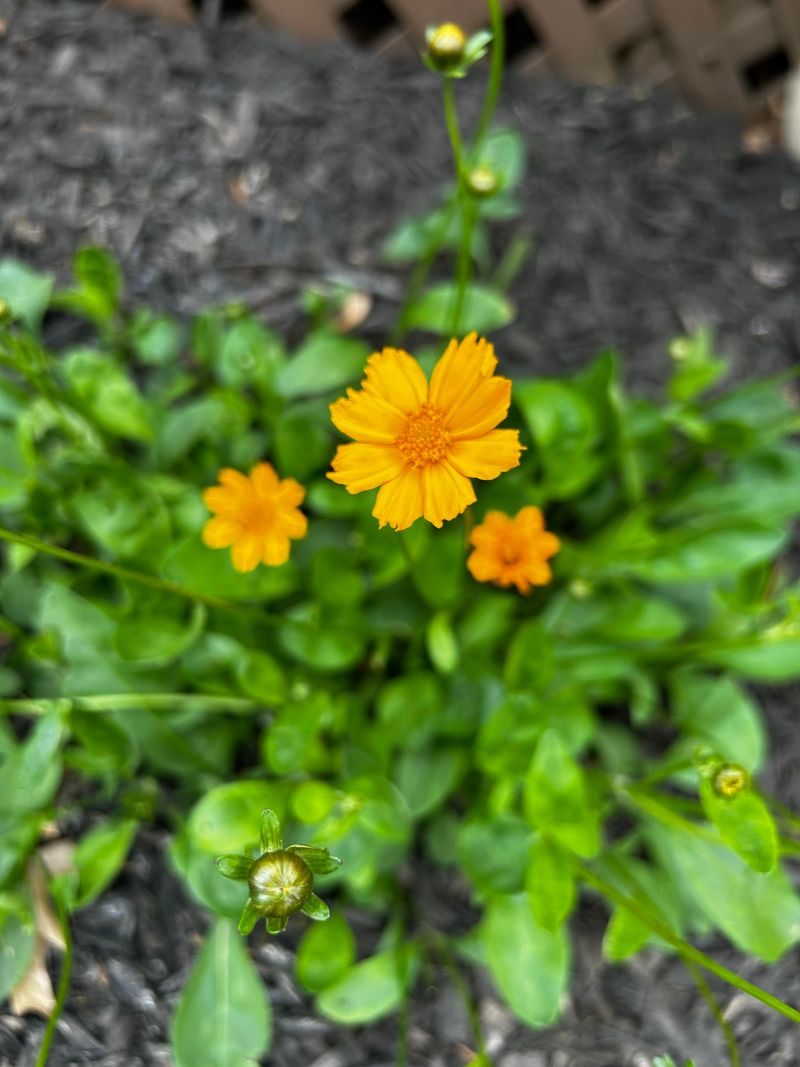
Few plants put on a show quite like coreopsis does when the summer sun turns up the heat. Known as tickseed, this cheerful perennial pumps out bright yellow, orange, or red daisy-like blooms from late spring all the way through fall.
It thrives on neglect, which makes it a dream plant for busy gardeners. Plant it in a well-draining potting mix and set it where it gets at least six hours of full sun daily.
Water it deeply once or twice a week, then let the soil dry out before watering again. Overwatering is actually more of a problem than underwatering with this plant.
Deadheading spent flowers encourages more blooms, but even without it, coreopsis keeps producing.
Most varieties stay compact enough to work well in medium to large containers. Pair it with other sun-lovers like verbena or lantana for a bold, colorful pot that practically takes care of itself all season long.
Coreopsis is also a magnet for butterflies and bees, so your patio becomes a little wildlife garden too. It is hardy in most regions of our state and returns reliably each year, saving you money on replanting costs.
For a pop of long-lasting color with very little effort, coreopsis earns its spot in any summer pot.
2. Gaillardia Handles Hot Containers Like A Champ
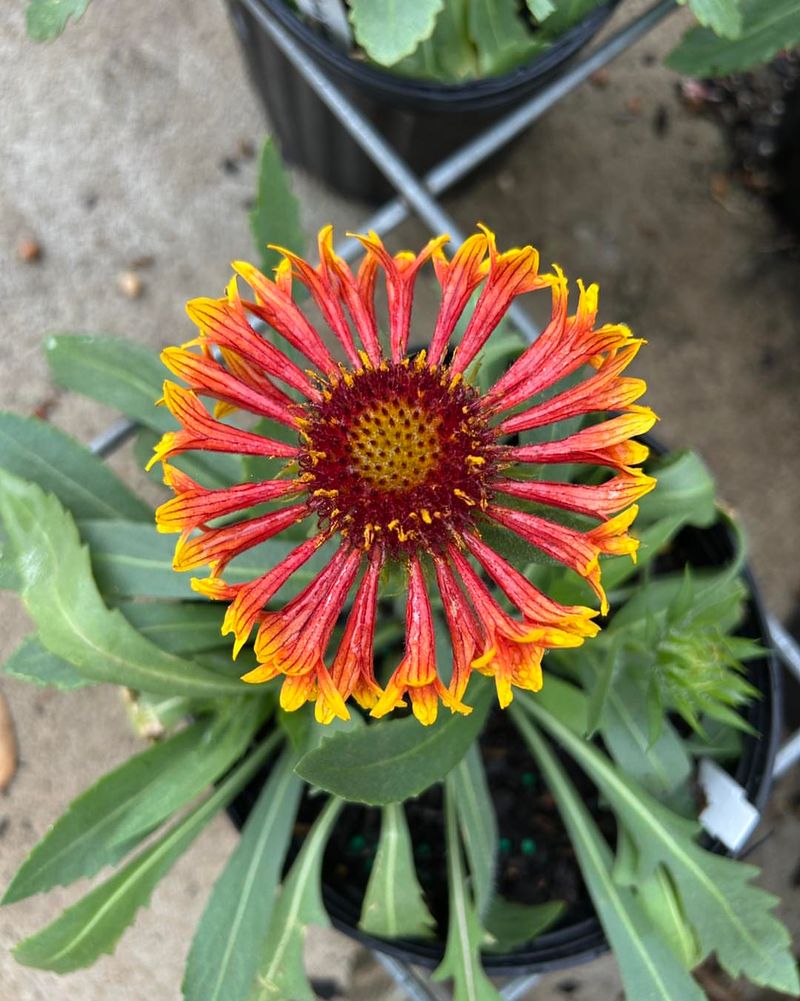
When temperatures climb past 90 degrees and other plants start to struggle, gaillardia is just getting started.
Also called blanket flower, this tough perennial produces bold red, orange, and yellow blooms that look like little sunsets sitting right in your pot.
It was named after a French magistrate who loved botany, which feels fitting for such a showy plant.
Gaillardia thrives in sandy, fast-draining soil and loves full sun all day long. It handles heat and dry spells with ease, making it a strong replacement for annuals like petunias that demand frequent watering.
Once established, it only needs watering every few days, even during the hottest weeks of summer.
Keep the container from staying wet for too long, as soggy roots are the one thing that can really set this plant back.
Deadhead regularly to keep the blooms coming strong through the entire season. A light trim in midsummer can refresh the plant and push out a fresh wave of flowers.
Your California Garden Changes Every Week. Your Plan Should Too.
Gardening in California changes quickly throughout the season. Every Friday you’ll receive a simple weekly plan showing exactly what to plant, prune, fertilize, harvest, and protect so you never miss the right timing.
Gaillardia works beautifully in mixed containers alongside silver-leafed plants like artemisia or santolina.
The contrasting colors and textures make for a stunning display. Since it returns each year as a perennial in most of our state’s climate zones, it delivers season after season without you having to replant from scratch.
3. Gazania Opens Bold Blooms In Full Sun
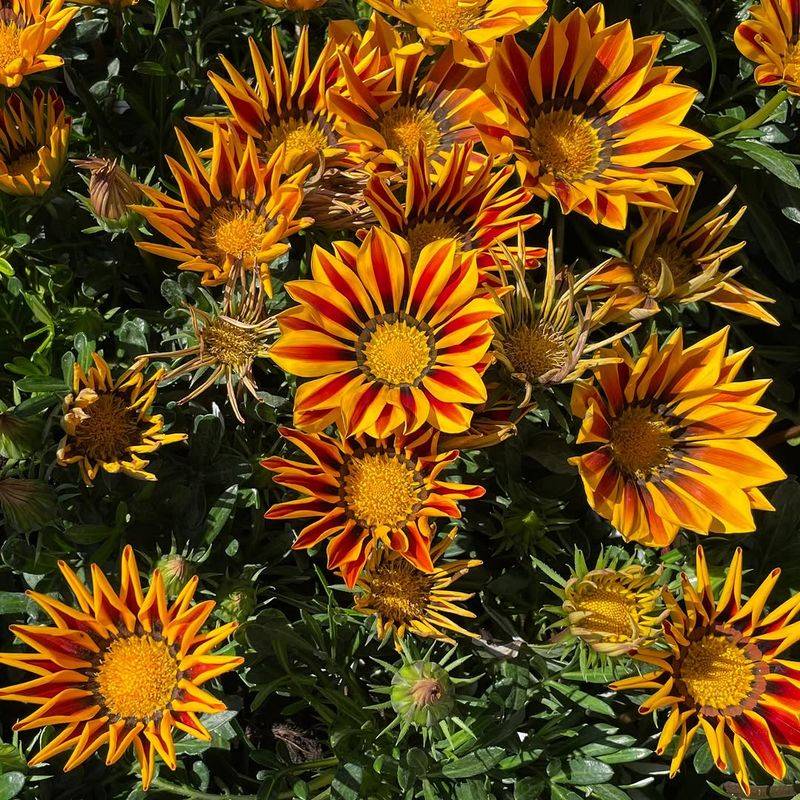
Sometimes called treasure flower, gazania is one of those plants that looks almost too bright and bold to be real.
Its large, daisy-shaped blooms come in vivid shades of orange, yellow, pink, red, and white, often with striking striped patterns on the petals.
It opens wide in full sun and closes up at night or on cloudy days, almost like it is saving its energy for the best light.
This South African native is perfectly suited for the dry, sunny summers we experience across our state. It handles poor soil and limited water like a pro, making it an excellent swap for thirsty annuals like impatiens or begonias.
Plant it in a lightweight, well-draining potting mix and place the container where it gets maximum sun exposure.
Water gazania sparingly, letting the soil dry out between sessions. Too much water or shade will cause it to produce fewer flowers and stretch out in an unattractive way.
A compact container with good drainage holes is key to keeping it healthy and blooming. Gazania pairs wonderfully with ornamental grasses or trailing succulents in mixed pots.
Its bold colors create a dramatic focal point on any patio or balcony. Since it behaves as a perennial in mild-winter areas of our state, it may even come back the following year, giving you extra value from a single planting.
4. Verbena Spills Over Pot Edges All Summer
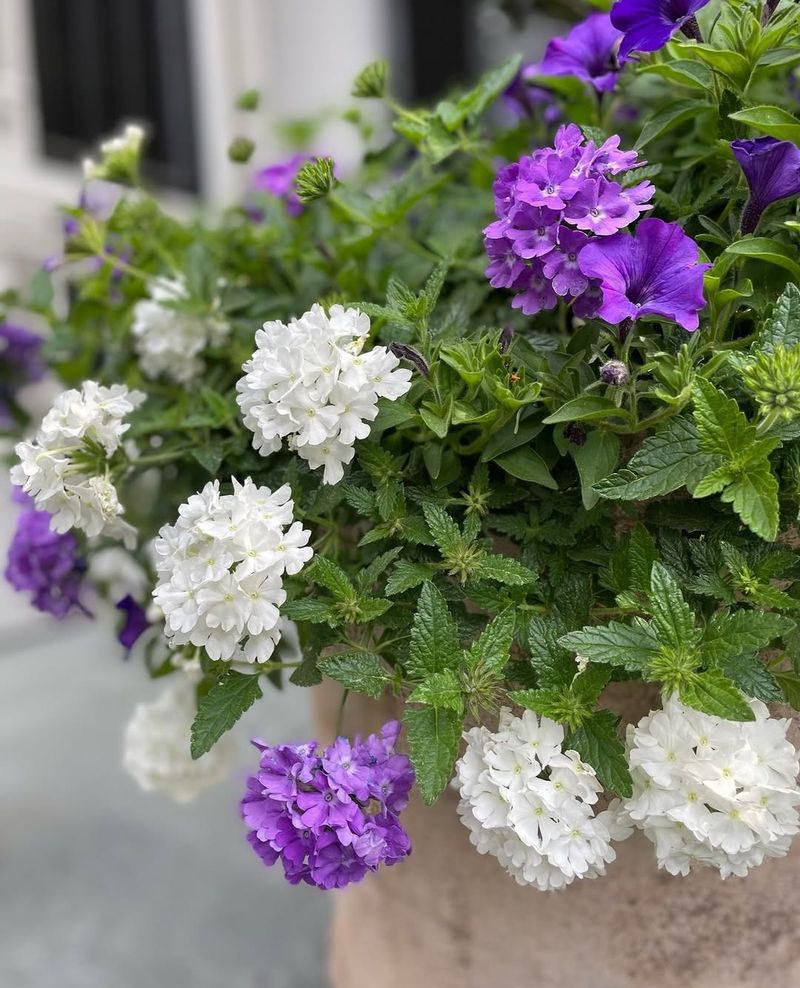
There is something almost magical about watching trailing verbena cascade over the sides of a pot like a colorful waterfall.
This low-growing, spreading perennial produces clusters of tiny flowers in purple, pink, red, white, and coral from late spring all the way through the first cool nights of fall. It is one of the most reliable spillers you can put in a container.
Verbena loves full sun and handles dry conditions far better than most annuals. Once it is settled into its pot, it only needs watering every few days, even during a heat wave. It does best in a fast-draining potting mix that does not stay soggy between waterings.
Pair trailing verbena with upright plants like angelonia or autumn sage in the center of a large container for a classic thriller-filler-spiller arrangement.
The combination creates a full, lush look that holds up all summer with minimal fuss. Pinching back the stems occasionally keeps the plant bushy and encourages more flower clusters to form.
Verbena is also a favorite stop for butterflies and hummingbirds, adding life and movement to your patio. In mild-winter regions of our state, it often survives the cold season and returns with new growth in spring.
That kind of staying power makes it a much smarter investment than traditional annuals that need replacing every single year.
5. Lantana Keeps Blooming When Heat Builds
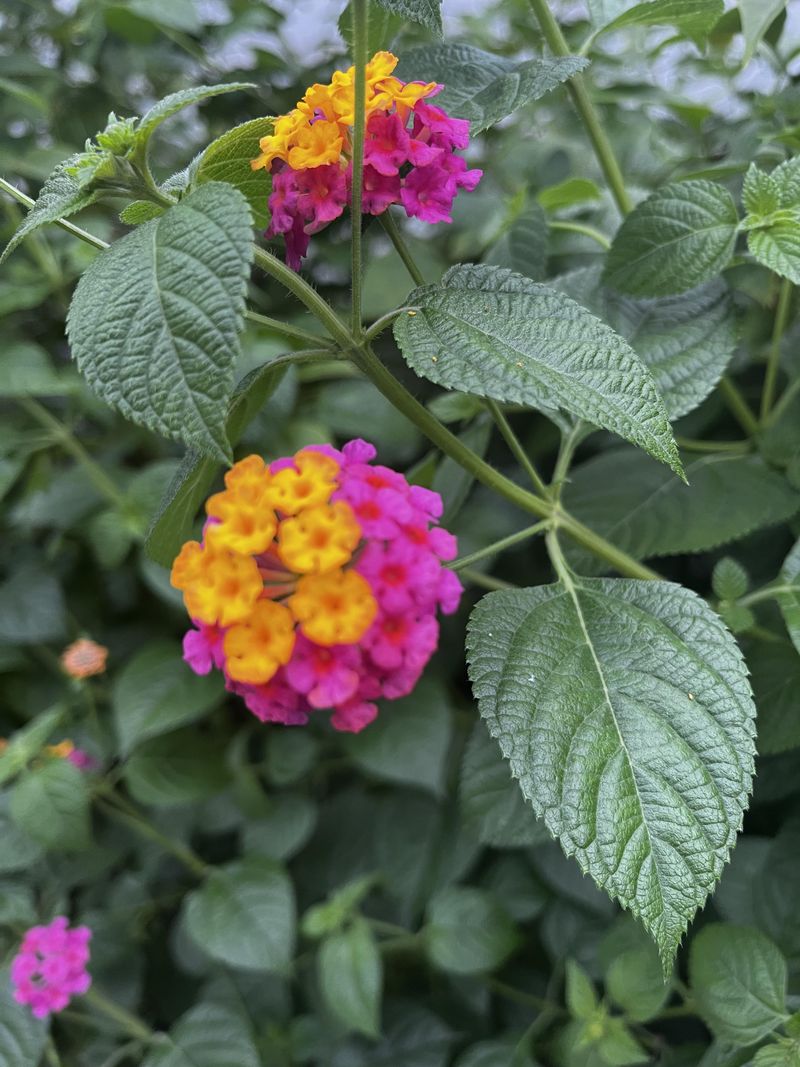
Lantana is the plant that laughs at heatwaves. While other container plants droop and beg for water, lantana just keeps pumping out those cheerful clusters of tiny flowers in orange, yellow, pink, red, and purple.
The blooms often shift color as they age, giving each flower head a beautiful multicolored effect that looks almost hand-painted.
This tough shrubby perennial thrives in full sun and dry conditions, making it a natural fit for summer pots across our state.
It needs very little water once established, usually just a deep soak once or twice a week depending on temperatures. Let the soil dry out between waterings to keep the roots healthy and the plant vigorous.
Lantana grows quickly and can get large, so choose a substantial container and give it room to spread.
Regular deadheading is not strictly necessary, but removing old flower clusters helps the plant look tidy and encourages fresh blooms. A light trim in midsummer can also keep it from getting too leggy.
Butterflies, bees, and hummingbirds are absolutely drawn to lantana, making it a lively addition to any outdoor space.
Keep it away from pets and children, as the berries it produces can cause stomach upset. In warmer regions of our state, lantana often persists as a woody perennial, returning each spring with impressive vigor and color.
6. Angelonia Looks Like An Annual But Handles Heat Better
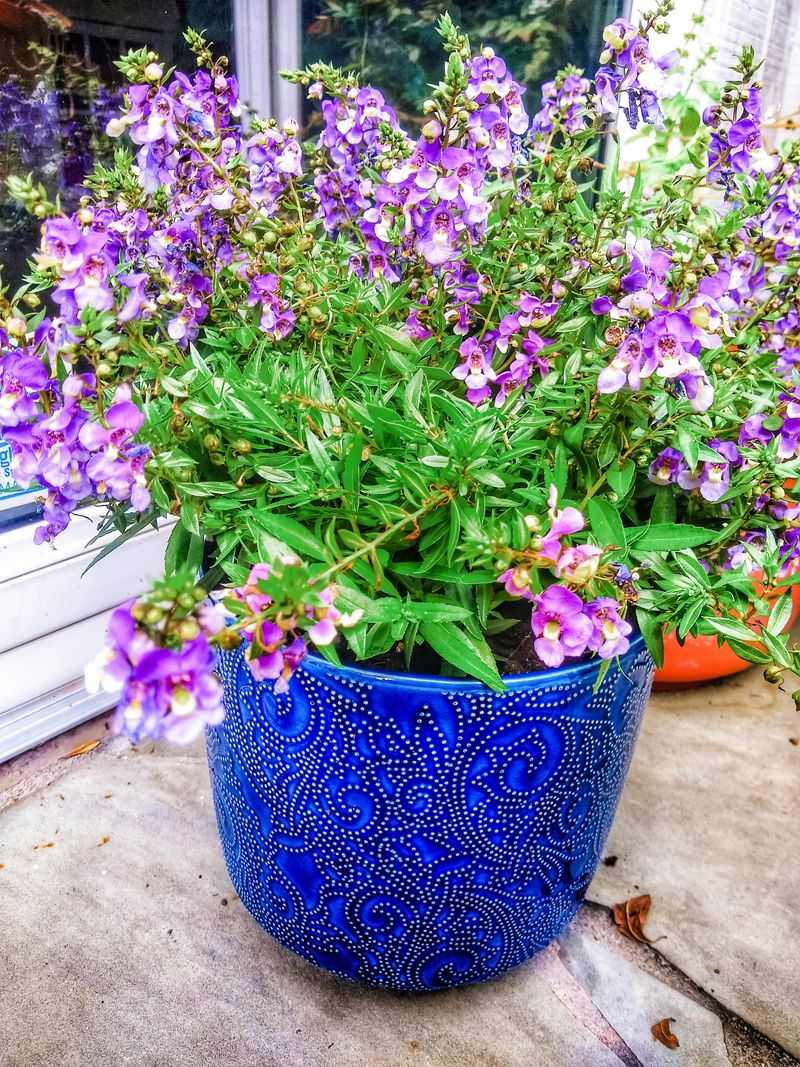
At first glance, angelonia looks a lot like a snapdragon, and that comparison is actually a compliment.
Sometimes called summer snapdragon, this upright perennial produces tall spikes of small, orchid-like flowers in purple, pink, white, and bicolors from early summer right through fall. It has a light, pleasant fragrance that makes sitting near it on the patio a real treat.
What sets angelonia apart from true annuals is its remarkable ability to handle heat and dry spells without missing a beat.
It thrives in full sun and only needs watering a couple of times a week during hot stretches. The more sun it gets, the better it blooms, so do not tuck it into a shady corner.
Use angelonia as the thriller in a mixed container, placing it in the center or back of the pot where its height can shine.
Pair it with low-growing spillers like verbena or trailing succulents for a balanced, eye-catching arrangement. It grows well in standard potting mix as long as drainage is good.
Unlike many annuals, angelonia does not need deadheading to keep blooming, which saves time during busy summer weeks.
In our state’s warmer zones, it behaves as a true perennial and may return the following spring.
Even in cooler areas, it performs so strongly through the season that it more than earns its place in any summer container lineup.
7. Autumn Sage Gives Pots Long-Lasting Color
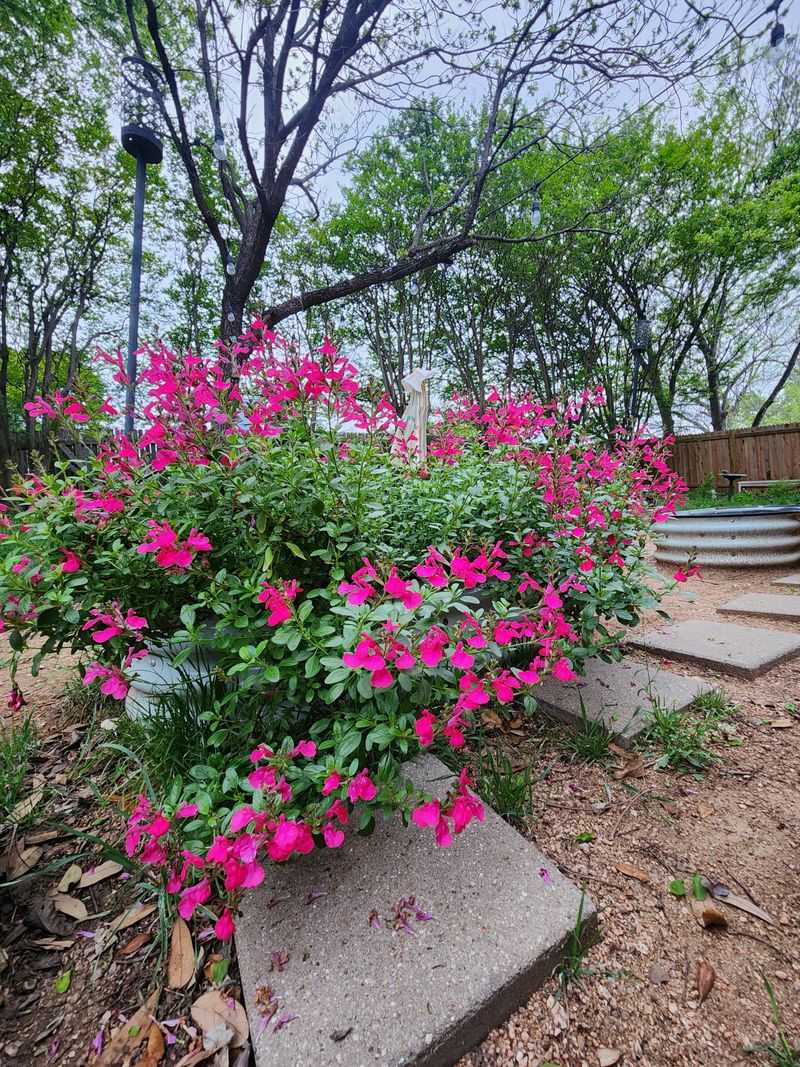
Do not let the name fool you. Autumn sage does not wait until fall to start showing off.
This compact, woody perennial begins blooming in late spring and keeps going almost nonstop through the warm months, often picking back up with extra vigor when cooler fall temperatures arrive.
It is one of the longest-blooming plants you can put in a summer pot. Native to the dry mountain regions of the American Southwest and northern Mexico, autumn sage is built for heat and drought.
It handles the intense summer sun across our state without flinching. Bright red is the most common flower color, but you can also find varieties in coral, pink, white, and salmon to match different color schemes.
Plant it in a large container with fast-draining soil and set it in a spot that gets at least six hours of direct sun each day.
Water deeply but infrequently, letting the soil dry out between sessions. Overwatering is the fastest way to stress this plant, so err on the side of dry rather than wet.
Hummingbirds are absolutely obsessed with the tubular flowers, so expect regular visitors if you place the pot near a window or seating area.
Trim back the stems by about one-third after each big bloom cycle to encourage fresh growth and more flowers. Autumn sage is reliably perennial across most regions of our state, making it a smart long-term container investment.
8. Dianthus Stays Neat In Smaller Containers
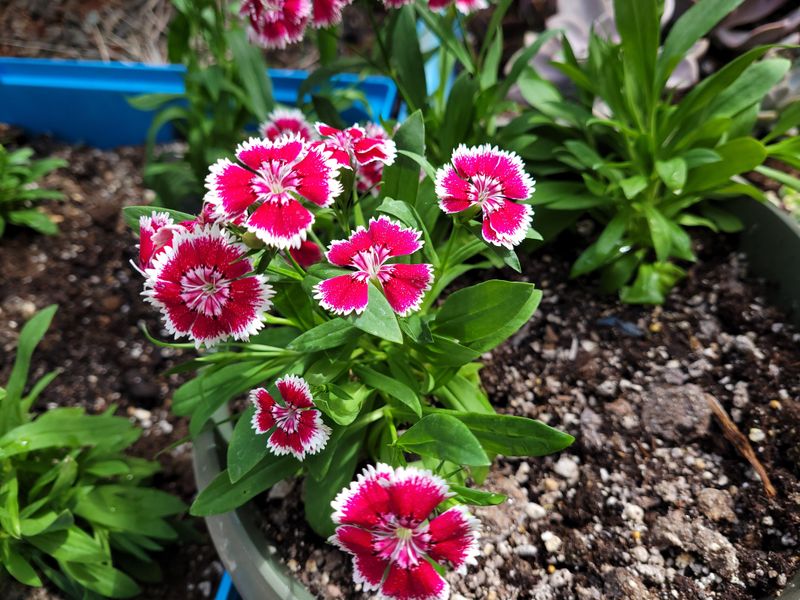
For smaller pots on windowsills, tabletops, or narrow ledges, dianthus is a tidy and charming choice that punches well above its weight.
These compact plants produce fringed, often sweetly scented flowers in shades of pink, red, white, and bicolors that bring a cottage-garden feel to any outdoor space. The spicy-sweet fragrance is a bonus that many gardeners absolutely adore.
Dianthus handles dry conditions much better than most small annuals. It prefers full sun and well-draining soil, and it actually performs better when allowed to dry out slightly between waterings.
Soggy soil is its main weakness, so make sure any container it goes into has solid drainage holes at the bottom.
Many dianthus varieties are true perennials that return year after year in our state’s mild climate.
Some are even considered evergreen in areas with mild winters, holding their blue-green, grass-like foliage through the cooler months. That year-round structure makes them useful even when they are not actively blooming.
Deadhead spent flowers regularly to extend the bloom period well into summer and sometimes beyond.
A light trim after the main spring flush of flowers often encourages a second round of blooms in late summer or early fall.
Dianthus pairs beautifully with trailing rosemary or silver santolina in a mixed small-pot arrangement, creating a fragrant and visually interesting combination that is easy to maintain.
9. Trailing Rosemary Adds Structure And Scent
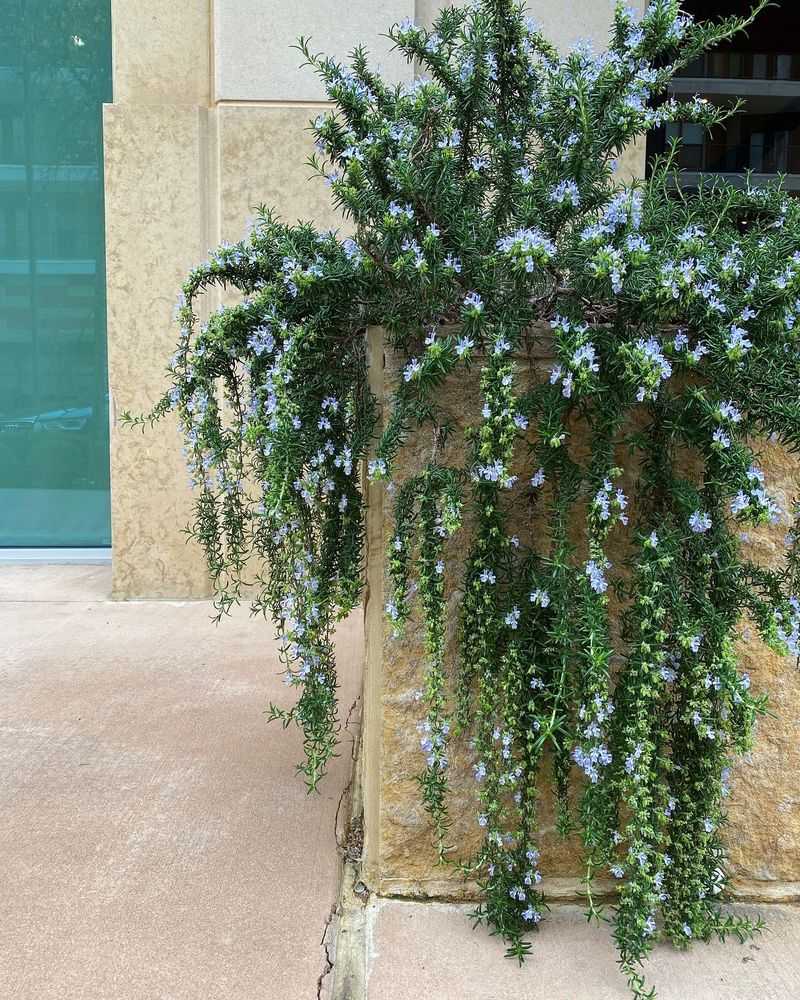
Herbs and ornamentals do not always overlap, but trailing rosemary manages to be both at the same time.
This sprawling, low-growing form of the classic herb sends long, arching stems over the edges of a container, creating a graceful, waterfall-like effect that looks intentional and elegant.
Tiny blue or purple flowers appear along the stems in late winter and spring, and sometimes again in fall.
Trailing rosemary is one of the most drought-tolerant plants you can put in a pot. It evolved in the dry, rocky hillsides of the Mediterranean, which means it is perfectly at home in our state’s hot, dry summers.
Water it deeply but infrequently, and make sure the container has excellent drainage. It actually prefers slightly poor soil over rich, fertile mixes.
Beyond its good looks, trailing rosemary fills the air around it with that classic, piney, herbal scent every time the breeze moves through the stems.
Place the pot near a seating area or walkway where brushing against it releases the fragrance. It is also fully usable in cooking, so you get beauty and practicality in one plant.
Full sun is non-negotiable for this plant. In shadier spots, it gets leggy and produces fewer flowers. Trim it lightly after blooming to keep the shape tidy and encourage dense, bushy growth.
In most of our state’s climate zones, trailing rosemary is an evergreen perennial that delivers year-round interest with almost no extra effort.
10. Santolina Brings Silver Foliage To Dry Patio Pots
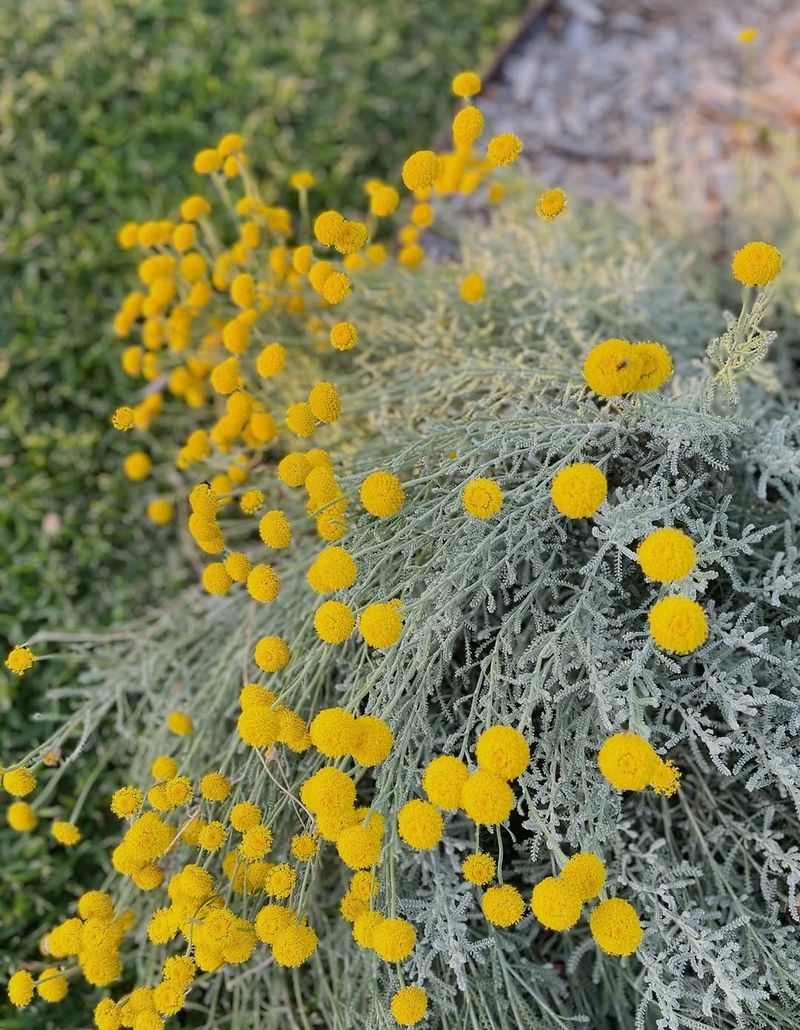
Not every great container plant wins you over with its flowers. Santolina, also known as cotton lavender, earns its place on the patio through its stunning silver-gray foliage that holds its color and texture all season long.
The feathery, finely divided leaves create a soft, cloud-like mound that contrasts beautifully with bolder, darker-leafed plants in mixed arrangements.
In summer, small, bright yellow button flowers pop up on slender stems above the foliage, adding a cheerful accent to the overall look.
The blooms are modest compared to showier plants, but they are charming in their own quiet way. The foliage is the real star here, and it performs consistently whether the flowers are present or not.
Santolina is about as drought-tough as it gets. Native to the dry scrublands of the Mediterranean, it thrives on neglect and actually suffers in overly moist conditions.
Use a very fast-draining potting mix and water sparingly, especially during hot weather when you might expect plants to need more. Less water, not more, is the key to keeping it happy.
Full sun brings out the best silver color in the foliage. In partial shade, the leaves tend to look greener and less striking. Trim the plant back by about one-third after flowering to keep it compact and well-shaped.
Santolina is a reliable evergreen perennial across most of our state, making it a low-effort, high-reward addition to any dry patio pot collection.