These Shade Trees Thrive In Texas Heat
Finding a tree that can handle Texas heat without looking stressed by midsummer is a big win for any gardener. Plenty of trees look promising when they are young, but once the sun starts blazing and dry stretches settle in, the wrong choice can struggle fast.
Leaves scorch, growth slows, and that future shade tree starts looking more like a problem than an investment. That is why heat-tolerant shade trees matter so much in Texas landscapes.
The right tree does more than cast a little relief over the yard. It can cool down outdoor spaces, make patios and lawns more comfortable, and add structure that transforms the whole look of a property.
In a place where summer can feel relentless, a strong shade tree earns its keep quickly. The best ones are not just tough enough to survive.
They keep growing, hold their shape, and continue looking good even when temperatures stay high for days at a time.
Texas gardeners know that not every tree is built for these conditions. The ones that truly thrive tend to be dependable, adaptable, and ready for the kind of heat that sends weaker choices into decline.
Pick the right shade tree, and you are not just planting for looks. You are creating comfort, beauty, and long-term value for your yard.
1. Live Oak
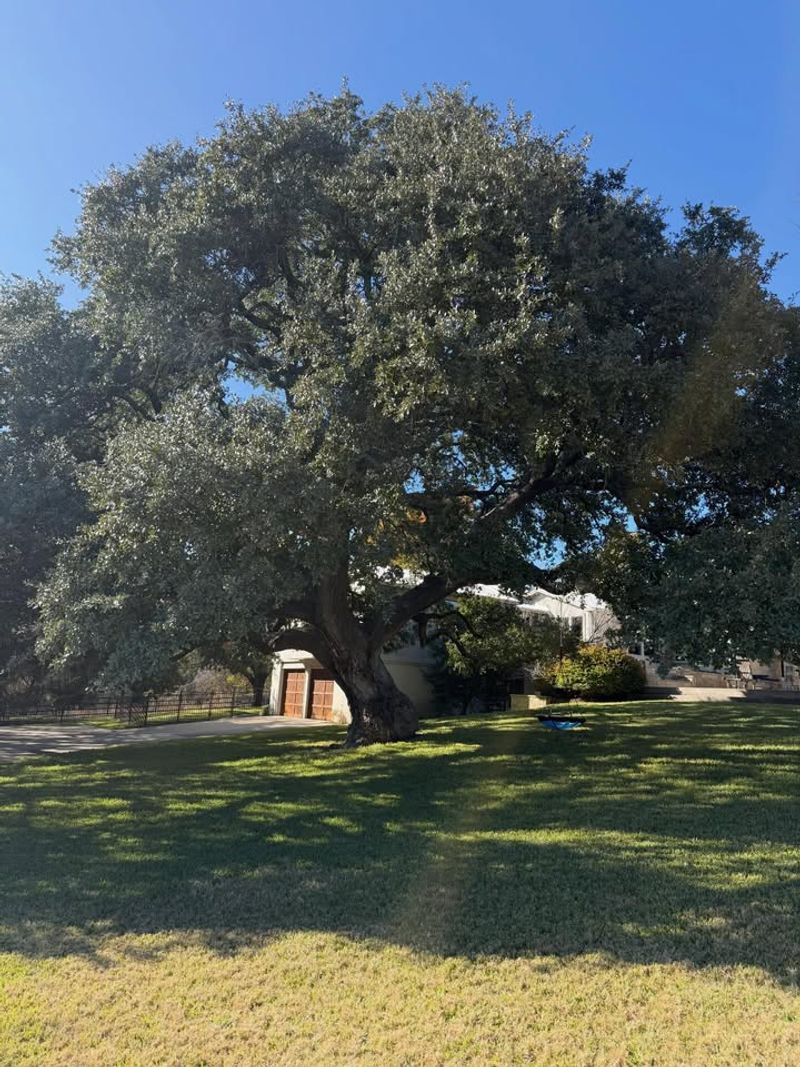
If Texas had an official shade tree, the Live Oak would win by a landslide. This iconic evergreen has been shading Texas yards, ranches, and parks for hundreds of years.
Its wide, spreading canopy can stretch out 60 to 100 feet across, creating a cool, shady retreat even on the hottest summer days.
Live Oaks are tough. They handle drought like champions, sending deep roots into the soil to find water when rain is scarce.
Across Texas, from the Hill Country to the Gulf Coast, you will spot these trees standing strong through heat waves that would stress lesser trees. Their leaves are small, dark green, and leathery, which helps them hold moisture and resist the drying Texas winds.
One of the best things about planting a Live Oak is that it stays green almost all year long. It does drop its old leaves in late winter, but new ones quickly take their place, so you barely notice the change.
This tree grows at a moderate pace, reaching around 40 to 60 feet tall at maturity. For Texas homeowners, planting a Live Oak is a long-term investment. These trees can live for centuries, meaning the shade you plant today will benefit your grandchildren someday.
They also provide shelter and food for birds and wildlife, making your yard feel alive and full of energy.
Plant your Live Oak in full sun and well-drained soil. Once it gets established, it needs very little extra watering. It is truly one of the most rewarding trees you can add to any Texas landscape.
2. Cedar Elm
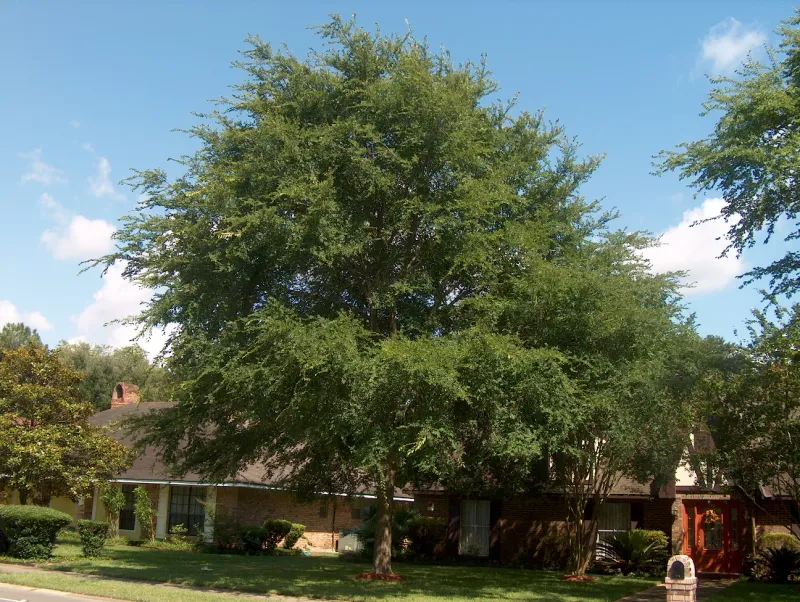
Ask any Texas landscaper about a tree that can handle almost anything, and Cedar Elm will come up fast.
This tough native tree grows naturally across much of Texas, from the blackland prairies around Dallas to the limestone hills of the Edwards Plateau. It is one of the most adaptable trees in the entire state, and that is saying a lot.
Cedar Elm handles poor soil, compacted urban ground, and long stretches without rain without missing a beat. If you live in a neighborhood with heavy clay soil or rocky ground, this tree will still find a way to thrive.
That toughness makes it a favorite for planting along streets, in parking lots, and in yards across Texas cities and towns.
The tree grows to about 50 to 70 feet tall with a rounded, arching canopy. Its small, dark green leaves create a dense shade that keeps things noticeably cooler underneath.
In fall, the leaves turn a pretty yellow before dropping, giving Texas yards a seasonal color change that many people love.
Cedar Elms also bloom in late summer and early fall, which is unusual for elms. The tiny flowers are not showy, but they add a subtle charm to the tree at an unexpected time of year.
Birds and small animals are drawn to the seeds that follow, adding life and movement to your outdoor space.
For Texas homeowners looking for a low-maintenance, reliable shade tree, Cedar Elm is hard to beat. Plant it in full sun, give it a little water while it gets started, and watch it grow into a strong, beautiful centerpiece for your yard.
3. Texas Red Oak
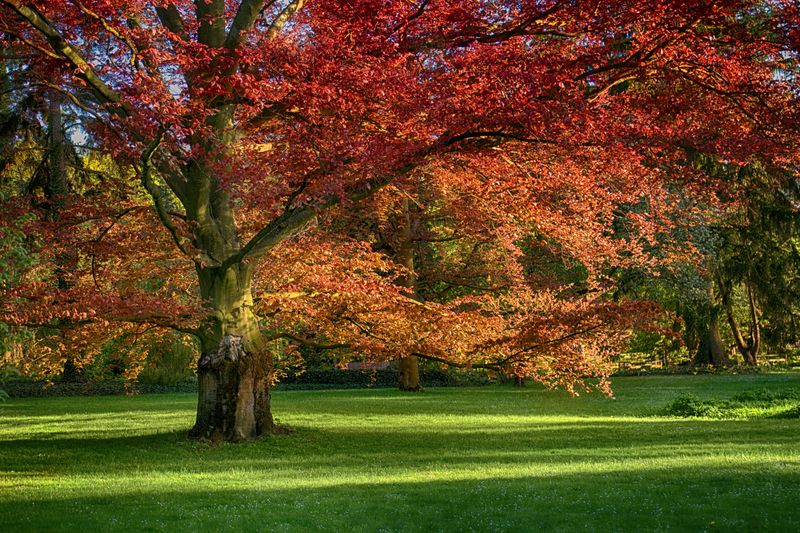
There is something special about a tree that puts on a brilliant fall color show in a state not always known for autumn leaves.
Texas Red Oak does exactly that, turning deep red and orange every fall in a way that genuinely stops people in their tracks. It is one of the most beautiful native trees in the Lone Star State.
Native to the rocky soils of central Texas, this oak is perfectly adapted to the region’s intense heat and dry conditions. It grows at a moderate pace, reaching about 30 to 50 feet tall with a nicely rounded canopy.
That moderate size makes it a great fit for average-sized Texas yards where a massive Live Oak might feel too big.
Texas Red Oak is drought-tolerant once established, which is a must for surviving Texas summers.
It prefers well-drained, slightly acidic soil, and it does especially well in the Hill Country and surrounding regions. If you are gardening in central Texas, this tree feels right at home in your landscape.
Beyond the stunning fall color, this oak provides solid shade throughout the spring and summer months.
The canopy is dense enough to keep a patio or outdoor seating area noticeably cooler during the long Texas heat season. It also produces acorns that attract deer, squirrels, and a variety of birds.
Planting a Texas Red Oak is a smart choice for anyone who wants beauty and toughness in one package. Give it full sun, decent drainage, and a little patience while it gets established. The payoff, especially come fall, is absolutely worth the wait.
4. Bald Cypress
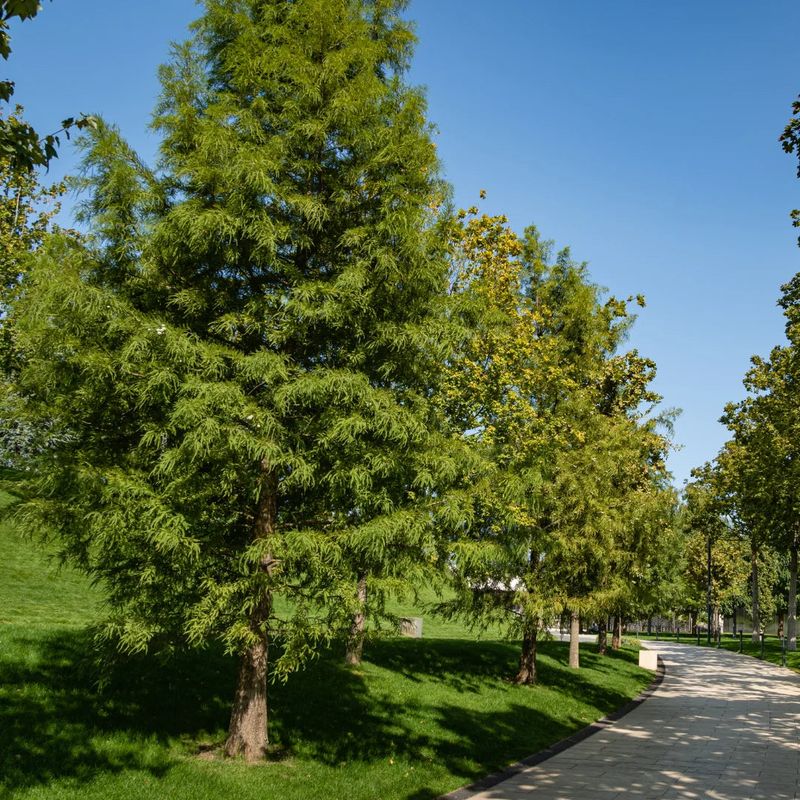
Most people picture Bald Cypress growing in swamps, its roots poking up from murky water like something out of a nature documentary. What surprises many Texas gardeners is that this remarkable tree handles dry conditions just as well as wet ones.
That kind of flexibility is rare, and it makes Bald Cypress a standout choice for Texas landscapes.
Across Texas, Bald Cypress grows naturally along rivers and creek bottoms, but it adapts well to regular yard conditions too. It can handle everything from soggy, flood-prone spots to dry upland soils, making it one of the most versatile native trees available in the state.
If your yard has drainage issues or sits in a low spot, Bald Cypress might be your best option.
The tree grows tall and stately, often reaching 50 to 70 feet in height. Its feathery, soft green foliage gives it a light, airy look that feels different from the heavy canopies of oaks.
In fall, the needles turn a warm copper-orange before dropping, adding a seasonal color display to your Texas yard.
Bald Cypress is also surprisingly tough in the heat. Once established, it handles the brutal Texas summer without much extra help.
It grows at a moderate to fast pace, so you will start seeing real shade benefits within a few years of planting.
For Texas homeowners who want a tall, graceful, and tough shade tree with year-round visual interest, Bald Cypress delivers on every front. Plant it in a spot with full sun and give it regular water during its first couple of years to help it get a strong start.
5. Mexican Sycamore
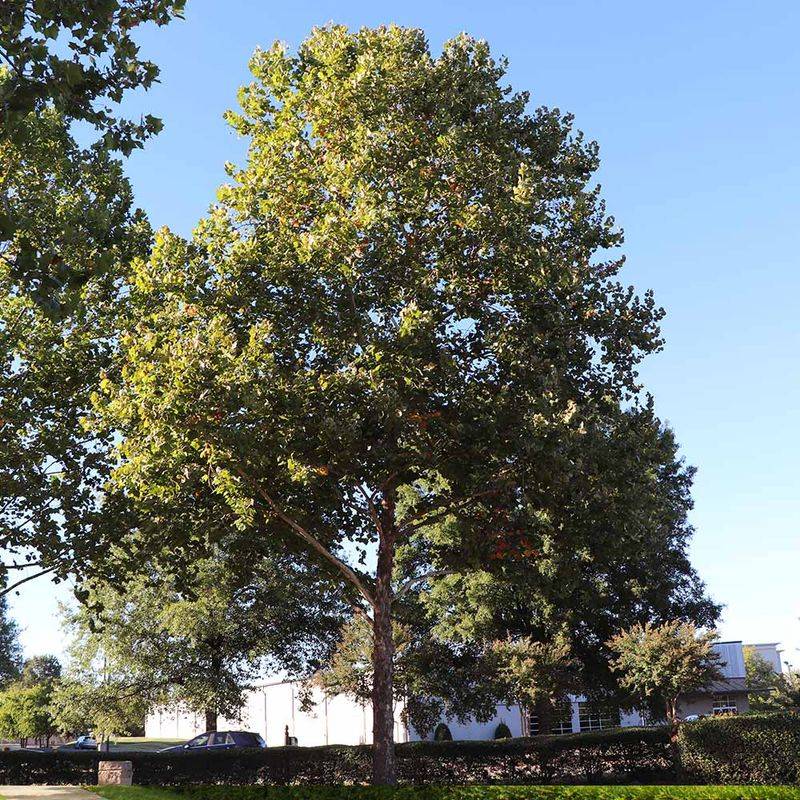
Few trees turn heads quite like the Mexican Sycamore. Its bark peels away to reveal a stunning patchwork of white, cream, and pale green underneath, making it one of the most visually striking trees you can plant in a Texas yard.
Even in winter, when the leaves are gone, the bark alone makes this tree worth admiring. Beyond its good looks, Mexican Sycamore is a powerhouse when it comes to shade.
It grows fast, sometimes putting on several feet of growth in a single year, and its large, bold leaves create a dense canopy that blocks out serious amounts of sunlight.
For Texas homeowners who want shade quickly, this tree is one of the best options available.
Originally from northeastern Mexico, this tree is naturally built to handle heat and dry conditions. It performs beautifully across Texas, from South Texas up through the Hill Country and into the Dallas-Fort Worth area.
It handles the intense summer sun without showing the stress that native sycamores sometimes do in Texas conditions.
Mexican Sycamore grows to around 40 to 50 feet tall and wide, making it a substantial tree that works well as a focal point in larger yards.
It prefers full sun and does best with regular watering while getting established, though it becomes more drought-tolerant as it matures.
One fun bonus: the peeling white bark reflects sunlight and actually helps keep the tree cooler in extreme heat. If you want a fast-growing, gorgeous shade tree that makes your Texas yard feel like a true outdoor retreat, Mexican Sycamore is a fantastic pick.
6. Desert Willow
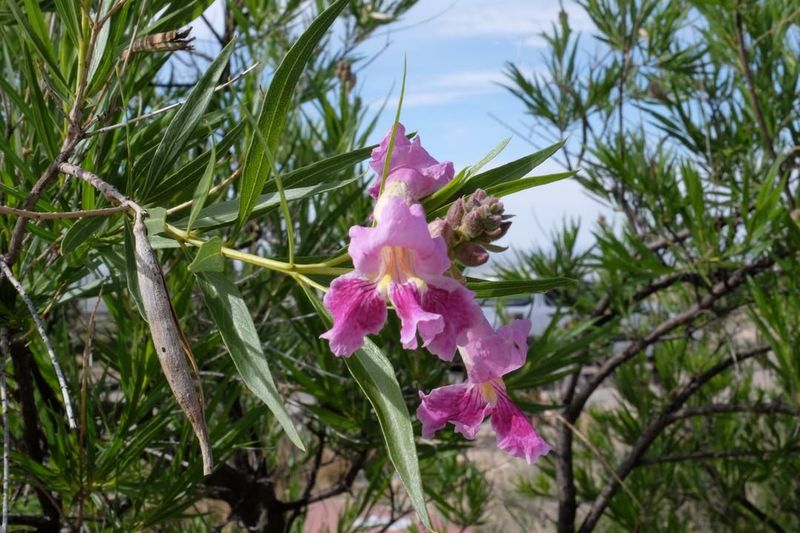
Not every great shade tree has to be massive. Desert Willow proves that smaller trees can still pack a serious punch, especially when they come loaded with some of the most beautiful flowers of any tree in Texas.
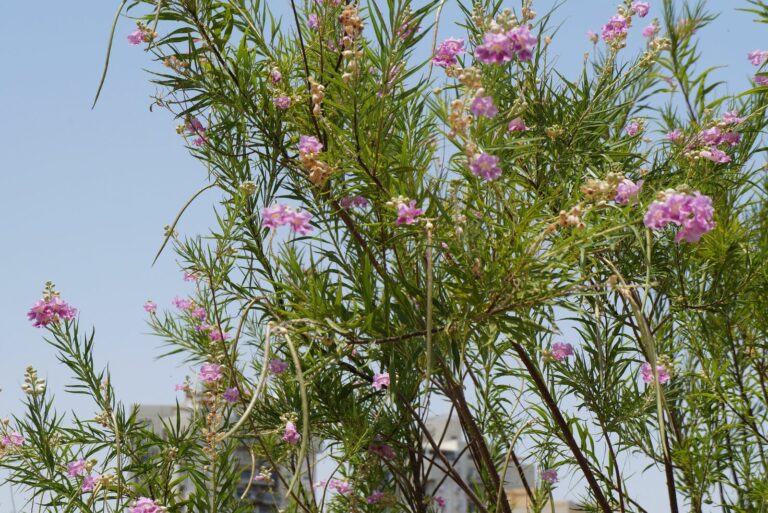
From late spring all the way through fall, this tree bursts into bloom with orchid-like, trumpet-shaped flowers in shades of pink, purple, and white.
Desert Willow is built for heat and drought. It grows naturally in dry creek beds and rocky desert terrain across West Texas and into the Southwest, so the blazing Texas sun feels like home to it.
Once established, it needs very little water, making it one of the most water-wise shade trees you can choose for a Texas landscape.
The canopy is lighter and more open compared to oaks or sycamores, but it still filters sunlight and provides comfortable dappled shade on a hot afternoon.
The long, narrow leaves and graceful, arching branches give it a relaxed, flowing appearance that adds a touch of elegance to any yard.
Hummingbirds absolutely love the flowers, and butterflies are regular visitors too. Planting a Desert Willow is like setting up a natural pollinator garden right in your backyard.
It grows to about 15 to 25 feet tall, making it a great choice for smaller yards or spots where a full-sized shade tree would feel overwhelming.
For Texas gardeners who want beauty, toughness, and wildlife appeal all in one tree, Desert Willow is a genuine gem. Plant it in full sun and well-drained soil, and it will reward you with blooms and shade year after year.