These Signs Mean Your Texas Plants Will Recover After Winter
Winter in Texas can be unpredictable. Some years are mild, while others bring surprise freezes that leave your plants looking sad and lifeless.
But don’t panic just yet. Many plants that seem damaged in early spring may actually be alive and bouncing back beneath the surface.
If you’re staring at droopy leaves or brown stems, there are a few simple signs that can help you tell if your plants are down for good, or just taking their time to recover.
From hidden green growth to flexible stems and healthy roots, these clues can give you peace of mind and help you decide what to prune, what to water, and what to leave alone.
Knowing what to look for can save you time, effort, and money in your garden. Let’s take a closer look at the key signs that your Texas plants are on the road to recovery after a rough winter.
1. Green Stems Beneath The Bark
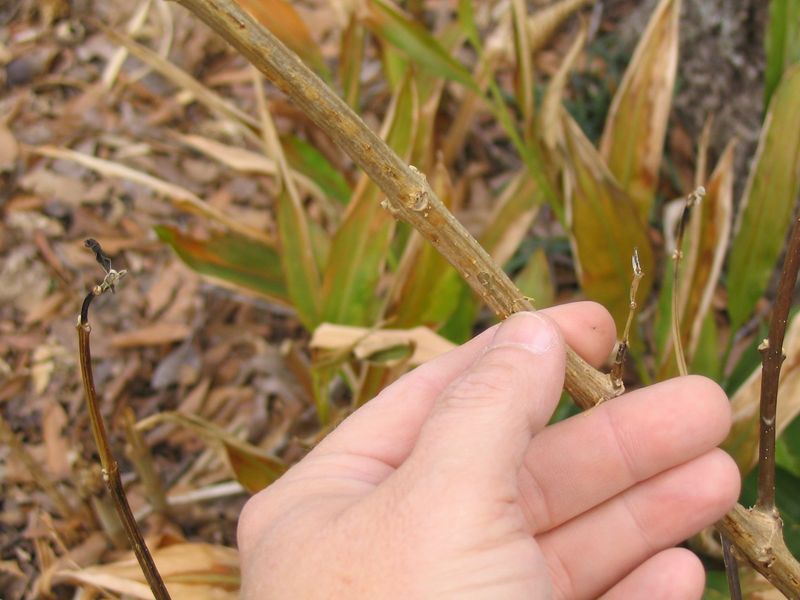
Scratching beneath the surface tells you everything you need to know about your plant’s condition. Take your fingernail or a small knife and gently scrape away a tiny bit of bark from a stem or branch.
If you see green tissue underneath, that’s living plant material. This green layer, called the cambium, means water and nutrients are still moving through the plant.
It’s one of the most reliable ways to check if your Texas shrubs and trees made it through winter.
Brown or tan tissue underneath the bark indicates that particular branch may not recover. However, don’t give up on the whole plant yet.
Check multiple branches at different heights and locations. Often, the tips of branches suffer damage while the base remains healthy.
This is especially common in Texas where temperature swings can be extreme. A plant might look completely brown on top but have plenty of life closer to the ground.
Perform the scratch test every few weeks as spring progresses. What appears brown in early March might show green by April as the plant slowly wakes up.
Texas plants, particularly native species like esperanza and turk’s cap, can take longer to leaf out than you’d expect. Some don’t show real growth until temperatures stay consistently warm.
Keep checking those stems, and you’ll know exactly which parts of your plant are worth keeping and which sections need pruning away.
2. New Growth At The Base
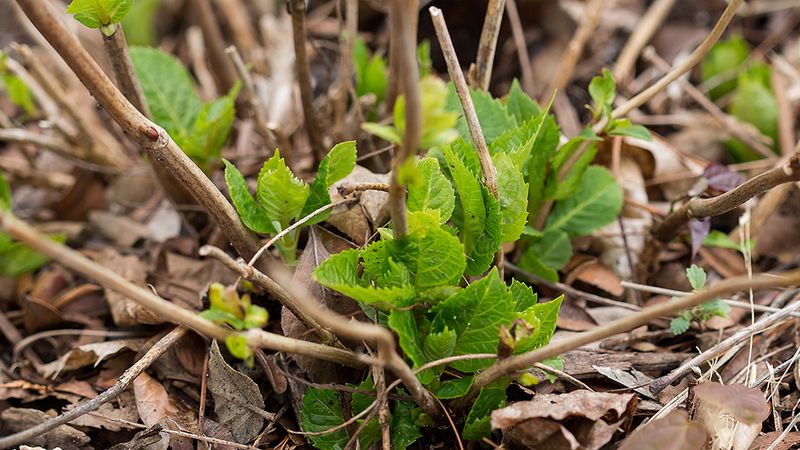
Look down low, right where the plant meets the soil. New shoots emerging from the base of the plant are a fantastic sign of recovery.
Even if the top growth looks completely brown and lifeless, fresh green sprouts at ground level mean the root system survived winter.
This happens frequently with Texas perennials and shrubs that experience freeze damage to their above-ground portions. The roots stayed protected underground and are now sending up new growth.
Plants like lantana, esperanza, and Mexican bush sage regularly show this pattern in Texas gardens. They might look completely finished after a hard freeze, but come late spring, bright green shoots pop up from the crown.
This is actually a normal part of their growth cycle in areas that experience occasional freezes. The plant essentially starts over from the roots, and by summer, you’ll have a full, flowering shrub again.
Give these base shoots plenty of time to develop before you do any major pruning. Wait until you can clearly see where the new growth is emerging, then cut away the brown stems above it.
This helps the plant focus its energy on the healthy new shoots. Don’t be in a rush to tidy up your Texas garden too early.
Many plants won’t show this base growth until late April or even May, depending on your specific location in the state. Patience pays off when you see a plant you thought was gone come back stronger than ever.
3. Swelling Buds On Branches
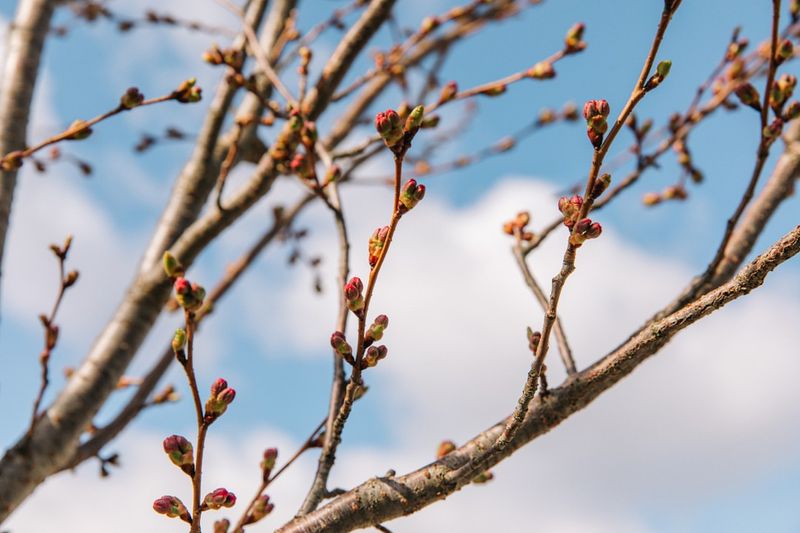
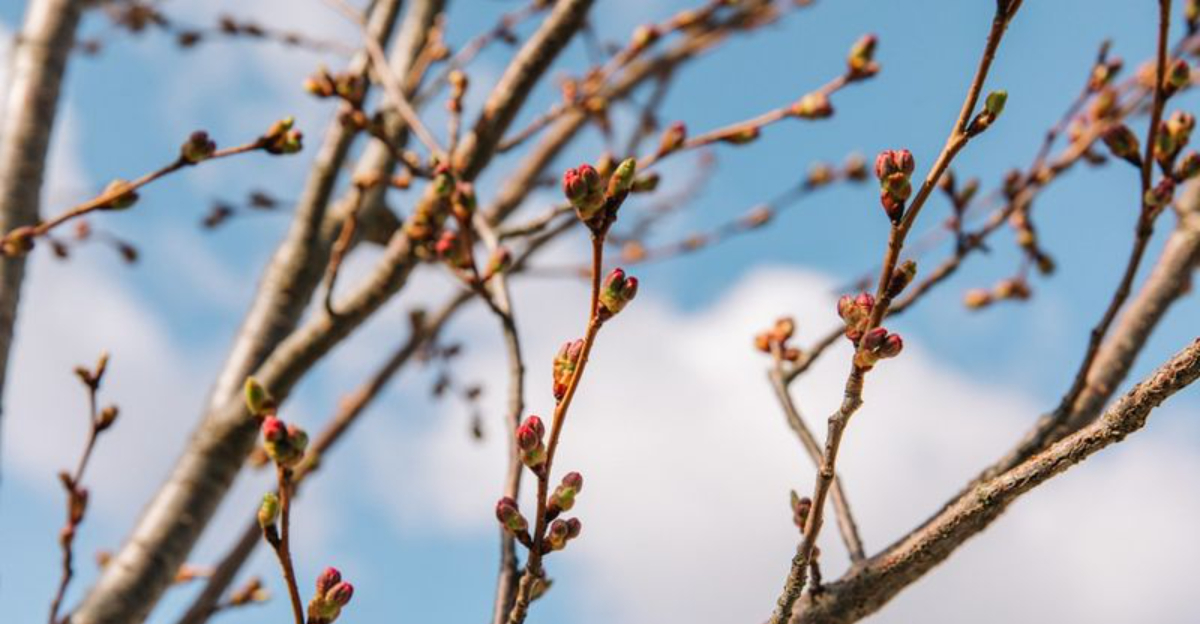
Buds are baby leaves and flowers waiting to open. When you notice buds starting to swell and change color on your branches, that’s a clear signal the plant is gearing up for spring growth.
These buds were formed last year and stayed dormant through winter. Now that warmer temperatures have arrived in Texas, they’re responding by preparing to burst open.
Swollen buds feel slightly plump to the touch and often show hints of green, red, or purple depending on the plant species.
Check your trees and shrubs carefully for these swelling buds. They typically appear on the tips of branches and along the sides of stems.
Deciduous trees like oaks, pecans, and crape myrtles show this pattern clearly. Even if the branches still look bare and brown, those swelling buds tell you the plant survived and is ready to leaf out.
This process happens at different times for different species, so don’t compare your oak tree’s timeline to your neighbor’s Bradford pear.
In Texas, bud break can happen anywhere from late February through May depending on the plant and your location. Northern parts of the state see later bud break than southern regions.
Watch for the buds to gradually grow larger, then split open to reveal tiny leaves inside. This progression can take several weeks.
If you see lots of swelling buds across the plant, you can feel confident it made it through winter successfully. Avoid heavy pruning once buds start swelling, as you’ll be cutting off the new growth the plant worked hard to prepare.
4. Flexible Stems That Bend
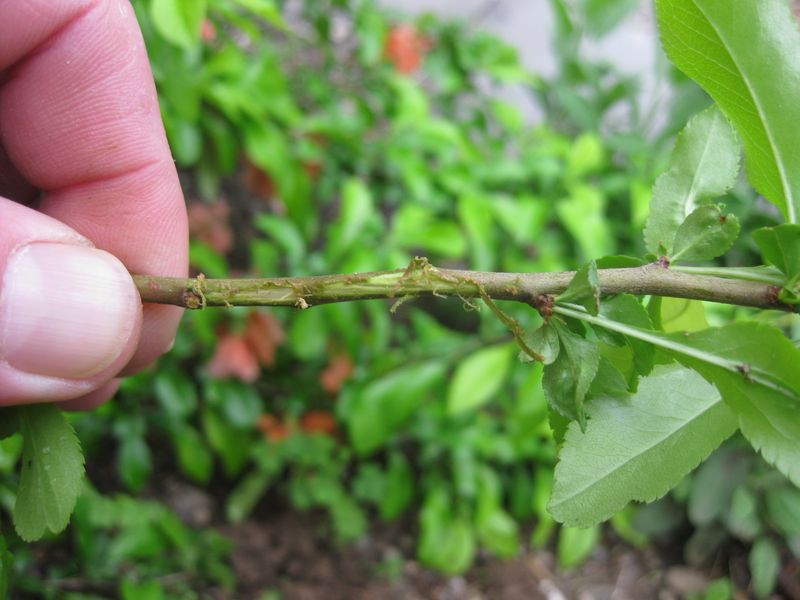
Here’s a simple test that works wonders. Gently bend a small branch or stem.
Living wood has some flexibility and will bend without snapping immediately. It might crack slightly but won’t break clean off in your hand.
This flexibility indicates there’s still moisture moving through the plant tissue. Plants that didn’t survive winter have brittle, dry stems that snap easily with a sharp, clean break. The difference is usually obvious once you try it.
Perform this bend test on several branches around the plant to get a complete picture. Sometimes outer branches or exposed tips will be brittle while protected inner branches remain flexible.
This is normal in Texas where cold damage often affects the most exposed parts of plants first.
A plant with mostly flexible stems has a good chance of recovery, even if it doesn’t look great right now. Those flexible stems will eventually produce new leaves once the plant fully wakes up.
Be gentle when doing this test so you don’t accidentally damage healthy tissue. Use small branches rather than thick main stems, and apply slow, steady pressure rather than quick jerks.
If you’re testing a perennial with soft stems rather than woody branches, look for stems that feel firm and springy rather than mushy or completely dried out.
Texas gardeners often find this test helpful on roses, hibiscus, and other woody shrubs that can look questionable after winter.
The flexibility test, combined with the scratch test, gives you a reliable assessment of which plants are worth keeping and which ones truly won’t come back.
5. Roots That Look White And Firm
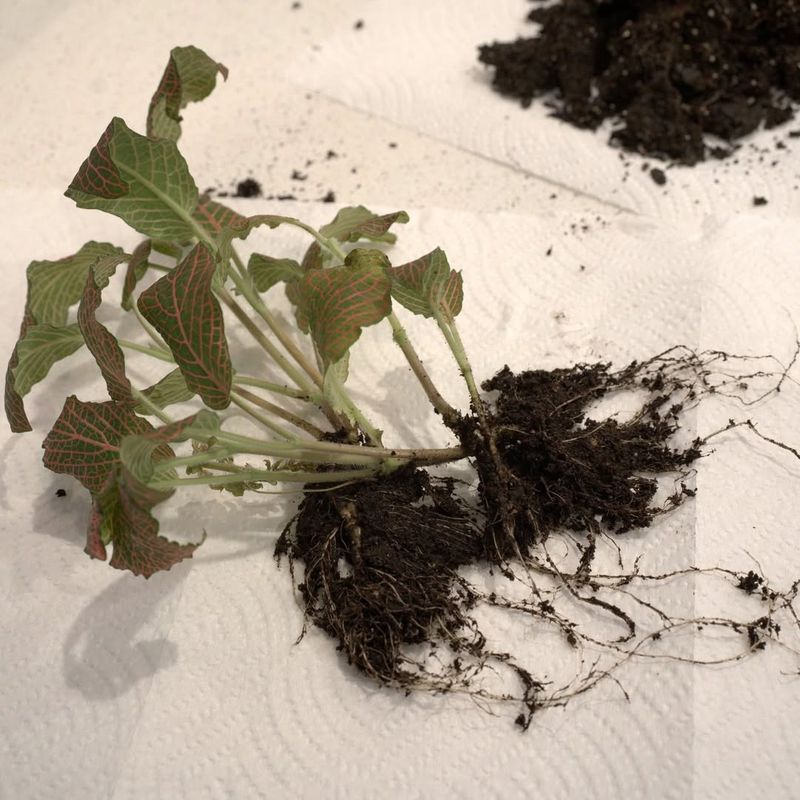
Sometimes you need to investigate below ground to know what’s happening with your plant. Carefully dig near the base of a questionable plant and expose some of the root system.
Healthy roots appear white or light tan and feel firm when you touch them. They shouldn’t be mushy, slimy, or dark brown.
Roots that look and feel healthy mean the plant has a strong foundation for recovery, even if everything above ground looks rough.
This root check is particularly useful for perennials and smaller shrubs in Texas gardens. Plants like daylilies, cannas, and salvias might have completely brown foliage after winter, but their root systems often remain perfectly healthy underground.
Those healthy roots will produce new shoots when conditions are right. If you find good roots, leave the plant in place and wait for spring growth to appear. Cover the roots back up with soil and keep the area moderately moist.
Bad roots tell a different story. If you find roots that are dark brown or black, mushy to the touch, or falling apart easily, the plant likely won’t recover.
This kind of root damage usually comes from a combination of cold and too much moisture, which can happen during wet Texas winters. Healthy roots are your plant’s lifeline, so finding them in good shape is one of the best signs you can get.
For larger plants where digging isn’t practical, you can sometimes check roots by gently pulling back mulch and examining the very top of the root zone where it meets the stem. Even this limited check can give you useful information about the plant’s overall health.
6. Leaves Beginning To Unfurl
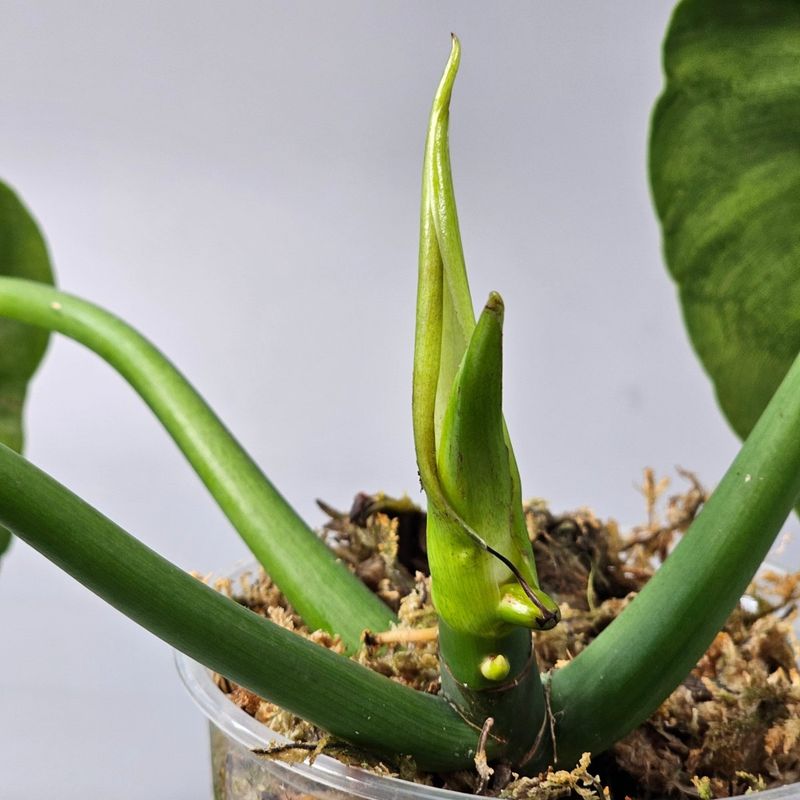
Nothing says recovery like actual leaves opening up. When you start seeing tiny leaves emerging from buds and beginning to unfurl, you know for certain the plant made it through winter.
These baby leaves start out tightly folded and gradually open over several days. They’re often lighter green than mature leaves and have a delicate, fresh appearance. This is the moment Texas gardeners wait for after a tough winter.
Different plants leaf out at different speeds across Texas. Some, like redbuds and Bradford pears, leaf out relatively early, sometimes as soon as late February in southern Texas.
Others, like crape myrtles and lantana, wait until the weather is reliably warm, which might not happen until May.
Native Texas plants are often the slowest to leaf out because they’ve adapted to wait for consistent warmth before investing energy in new growth. This strategy helps them avoid damage from late cold snaps.
Watch these emerging leaves carefully for the first few weeks. They’re tender and can still be damaged by unexpected late freezes, strong winds, or pest problems.
But if they continue to grow and expand normally, your plant is definitely on the road to full recovery. Once leaves start opening, you can safely prune away any remaining brown branches that didn’t produce growth.
The plant is telling you exactly which parts are alive and which aren’t. By late spring, a plant that looked completely brown in March can be covered in healthy green foliage, proving once again that Texas plants are tougher than they look.
7. Strong Growth From Grafted Root Stock
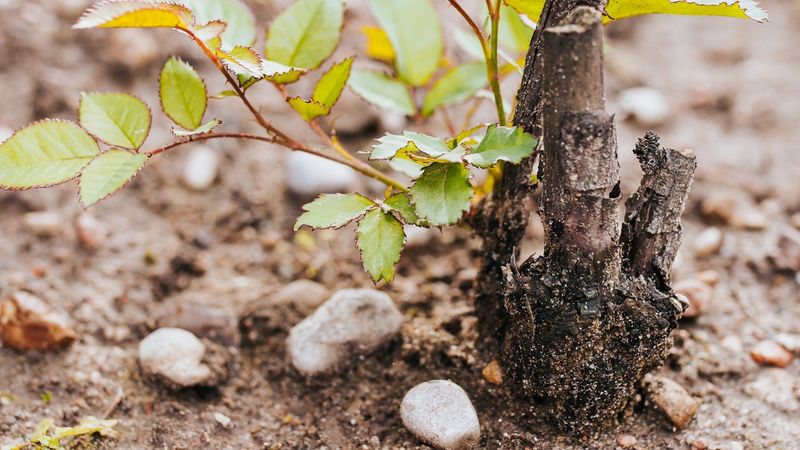
Grafted plants like roses and fruit trees have two parts: the ornamental top and the hardy rootstock below. Sometimes winter damages the top part but the rootstock survives and sends up vigorous shoots.
You’ll notice these shoots emerging from below the graft union, which is usually a visible bulge or knob near the base of the plant. While this growth proves the plant is alive, it’s important to understand what you’re seeing.
Rootstock growth is typically very vigorous and fast-growing. The leaves might look different from what you remember because they’re from a different plant variety.
For roses, rootstock shoots often have seven or more leaflets per leaf, while the grafted rose might have had five. These shoots are sometimes called suckers, and they can take over if you let them.
However, their presence confirms the root system is healthy and strong, which is valuable information.
In Texas, you have options when rootstock growth appears. You can remove these shoots and see if the original grafted portion recovers and sends out its own growth.
Give it until late spring to see what happens. Alternatively, if the grafted portion seems completely gone, you can let the rootstock grow and see what it produces.
Some rootstocks actually make decent landscape plants, though they won’t be the variety you originally planted. For fruit trees, rootstock growth won’t give you the same fruit, but it proves the plant’s foundation is solid.
Many Texas gardeners have been surprised by rootstock roses that turned out to be attractive and tough, even if they weren’t the hybrid tea rose they originally bought.