These Simple Pinecone Tricks Can Help Oregon Gardens In A Surprising Way
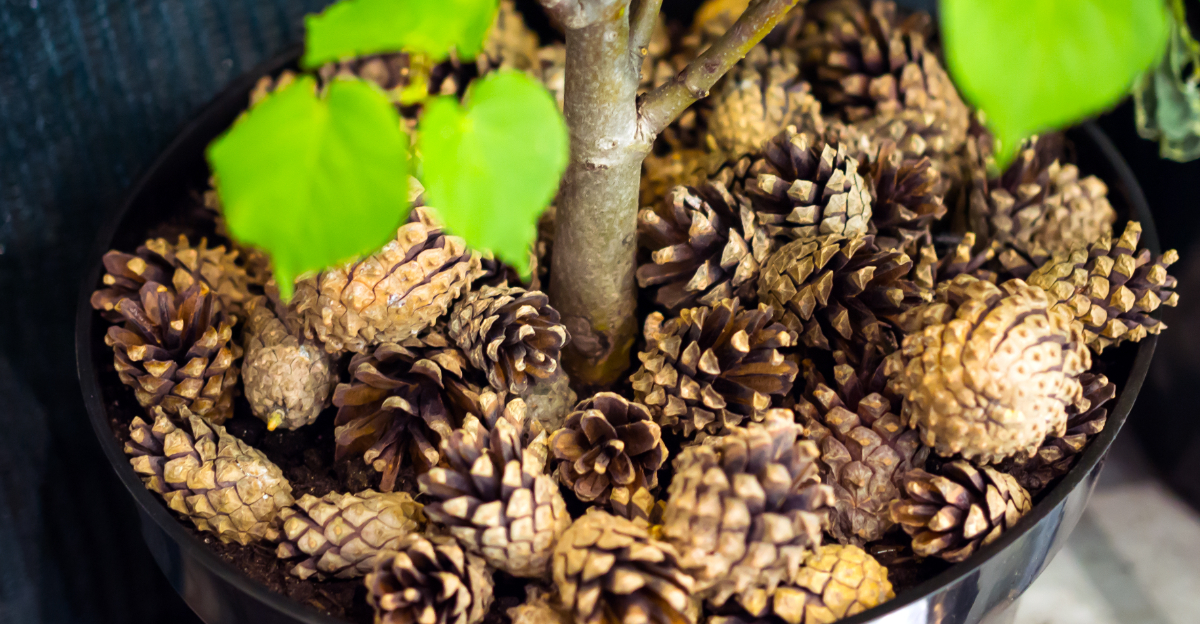
Pinecones are not just cute woodland leftovers waiting to become craft projects. In Oregon gardens, they can pull off a surprisingly useful little trick when hung around beds, borders, or outdoor growing spaces.
As humidity shifts, pinecones naturally open and close, giving gardeners a fun visual clue about moisture in the air.
Open scales often point to drier conditions, while closed scales suggest dampness has moved in, which feels very on-brand for Oregon’s moody spring and summer weather.
They will not replace a real moisture meter or weather app, but they can help you notice patterns near patios, veggie beds, shady corners, and flower borders. Plus, they add rustic charm while quietly doing their tiny weather-station routine.
Hang a few where you pass often, and your garden gets a simple, free, nature-made humidity hint with serious cottage-core bonus points.
1. Hang Pinecones As Weather Clues
Most people do not realize that pinecones are one of nature’s oldest weather tools. Oregon gardeners can use them to get a rough idea of what kind of weather is coming, without ever checking a phone app.
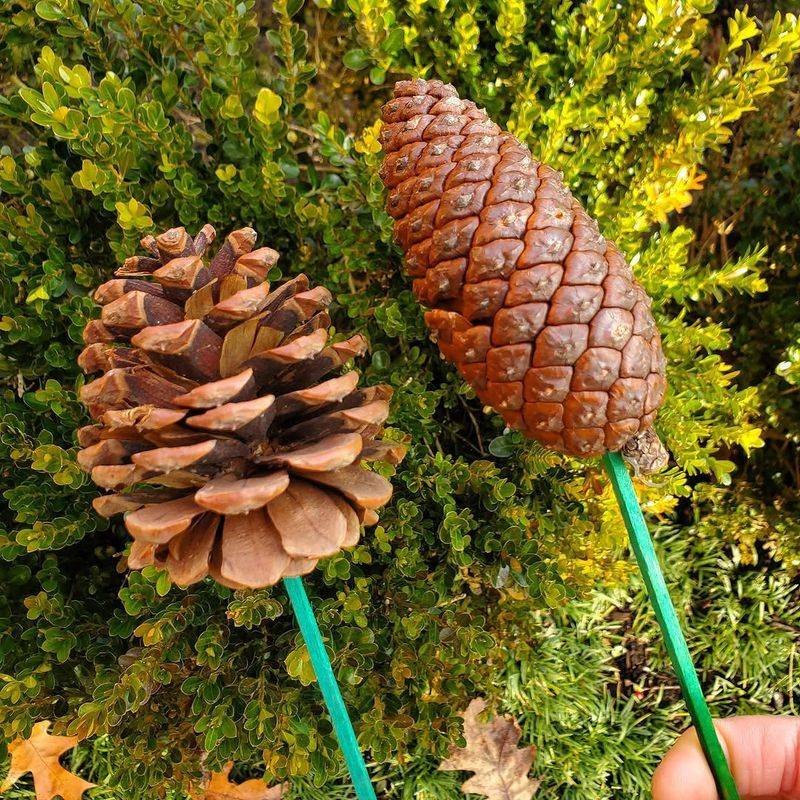
When humidity rises before rain, pinecone scales absorb moisture and press tightly together. When dry air moves in, those same scales open wide and spread out.
Hang a pinecone from a fence post, porch railing, or garden stake using a piece of twine. Watch it over a few days and notice how it changes.
Closed scales often mean rain or damp air is on the way, which is pretty common in western Oregon. Open scales usually signal drier conditions ahead.
This trick works because pinecone scales are made from two layers of wood fiber that react differently to moisture. They bend and shift naturally, acting almost like a living hinge.
Farmers and hikers have used this method for generations. For Oregon gardeners, knowing when rain is coming helps you decide when to water, when to cover seedlings, and when to hold off on planting.
It is a free, low-effort way to stay one step ahead of the weather.
2. Watch Cones Open And Close
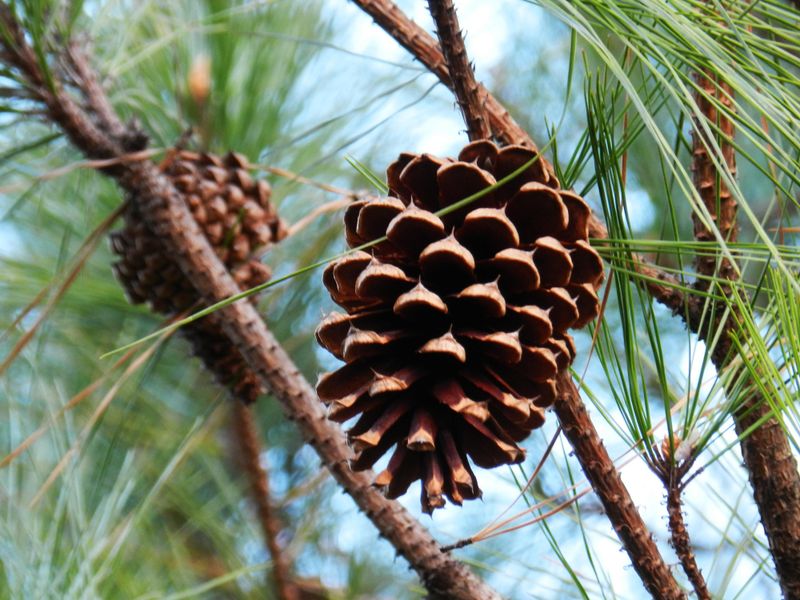
Watching pinecones open and close is not just a fun science experiment. It is actually a practical skill that can help you understand your Oregon garden’s environment better.
Pinecones respond to moisture in the air almost in real time, making them a surprisingly accurate humidity tracker right in your backyard.
Try placing a pinecone on your potting bench or near your raised beds. Check it each morning before you water.
If the scales are clamped shut, the air is already holding a lot of moisture. That means your soil might still be damp from overnight dew or recent rain.
You may not need to water at all.
This simple observation habit can save water, which matters a lot during Oregon’s dry summer months. Overwatering is one of the most common mistakes gardeners make, and it can lead to root problems and weak plants.
Using a pinecone as a visual humidity cue takes just a few seconds each day. Over time, you start to notice patterns in how your garden behaves.
Your Oregon Garden Changes Every Week. Your Plan Should Too.
Gardening in Oregon changes quickly throughout the season. Every Friday you’ll receive a simple weekly plan showing exactly what to plant, prune, fertilize, harvest, and protect so you never miss the right timing.
It builds your instincts as a gardener. The best tools are sometimes the most unexpected ones, and in Oregon, they are literally falling from the trees.
3. Use Them Near Seedlings
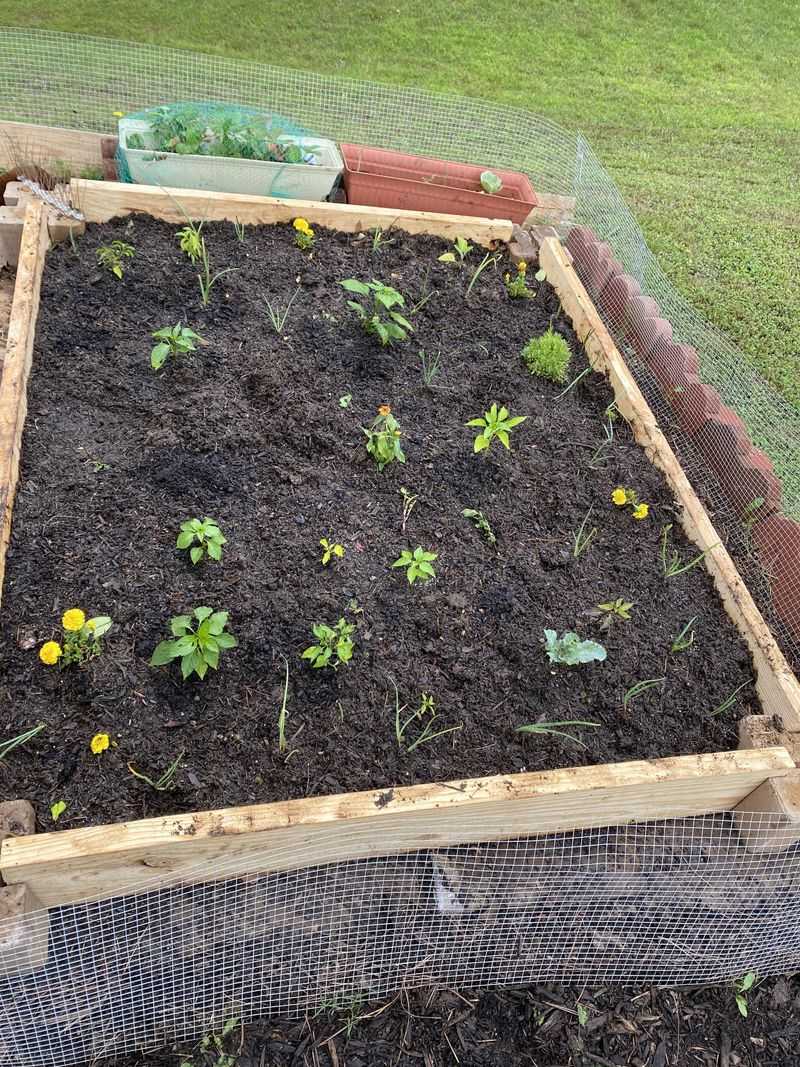
Seedlings are fragile. A sudden cold snap, a heavy rainstorm, or even a strong gust of wind can knock them sideways before they ever get a real start.
Oregon springs can be especially tricky because warm days can flip to cold nights without much warning. Placing pinecones around your seedlings creates a tiny windbreak that helps protect them during those vulnerable early weeks.
Arrange three or four pinecones in a loose circle around each seedling. They do not need to touch the plant.
The goal is to slow down the air moving across the soil surface and reduce the chill factor around tender stems. Pinecones also help hold a little warmth near the ground during cool nights.
As an added bonus, the cones can help slow moisture loss from the soil surface. They act almost like a mini mulch layer.
This is especially helpful in Oregon’s Willamette Valley, where spring planting often happens while the weather is still making up its mind. You do not need to buy anything special.
Just gather a handful of cones from under a nearby tree. Rinse them off, let them dry, and tuck them gently around your seedlings for a natural layer of protection that costs absolutely nothing.
4. Let Movement Deter Birds
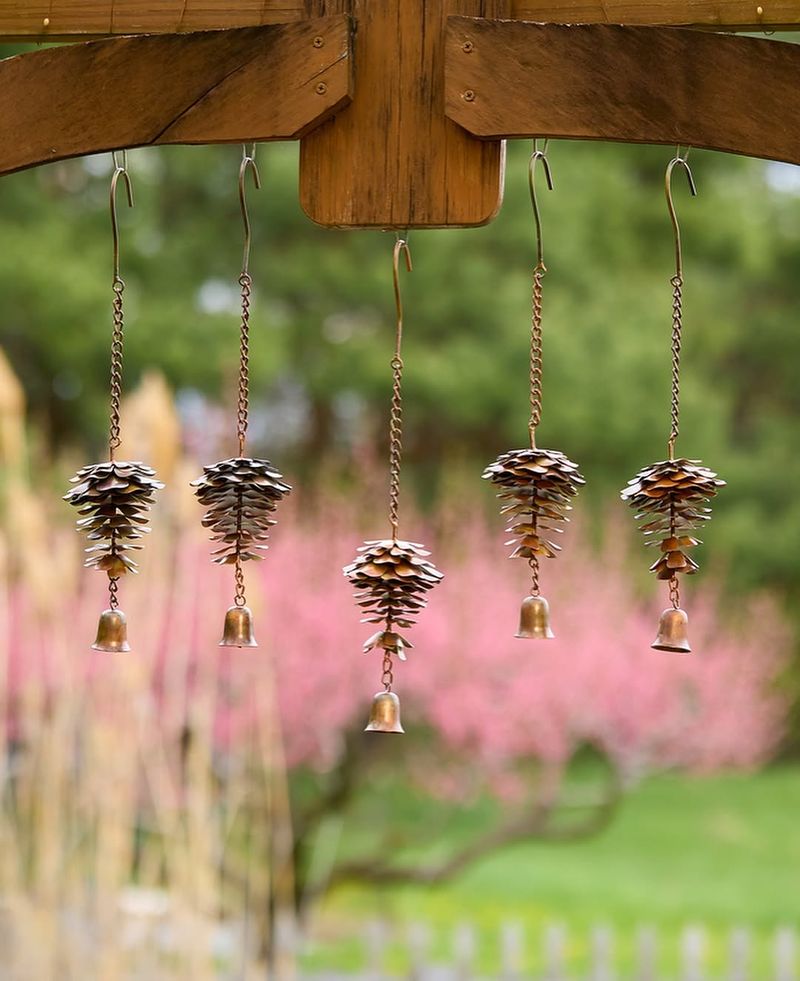
Birds are wonderful to have around an Oregon garden, but not when they are pecking at your freshly planted seeds or nibbling on tender sprouts. Instead of using plastic netting or loud noise makers, try hanging pinecones on string near the areas where birds tend to cause trouble.
It is a surprisingly effective and completely natural solution.
Thread a piece of twine or fishing line through the top of a pinecone and tie several of them at different heights along a garden stake or trellis. When the breeze picks up, which happens often along the Oregon coast and in valley gardens, the cones swing and spin.
That unpredictable movement confuses birds and makes them hesitant to land nearby.
You can also paint the cones with bright colors or tie shiny ribbon to them for extra effect. The visual movement combined with the irregular shapes does a good job of keeping curious birds at a distance without causing them any harm.
This method works especially well for protecting strawberry beds, lettuce rows, and freshly seeded areas. It is reusable, weatherproof, and blends right into a natural garden setting.
Oregon gardeners who want to work with nature rather than against it will find this trick both practical and satisfying to use.
5. Place Cones Around Beds
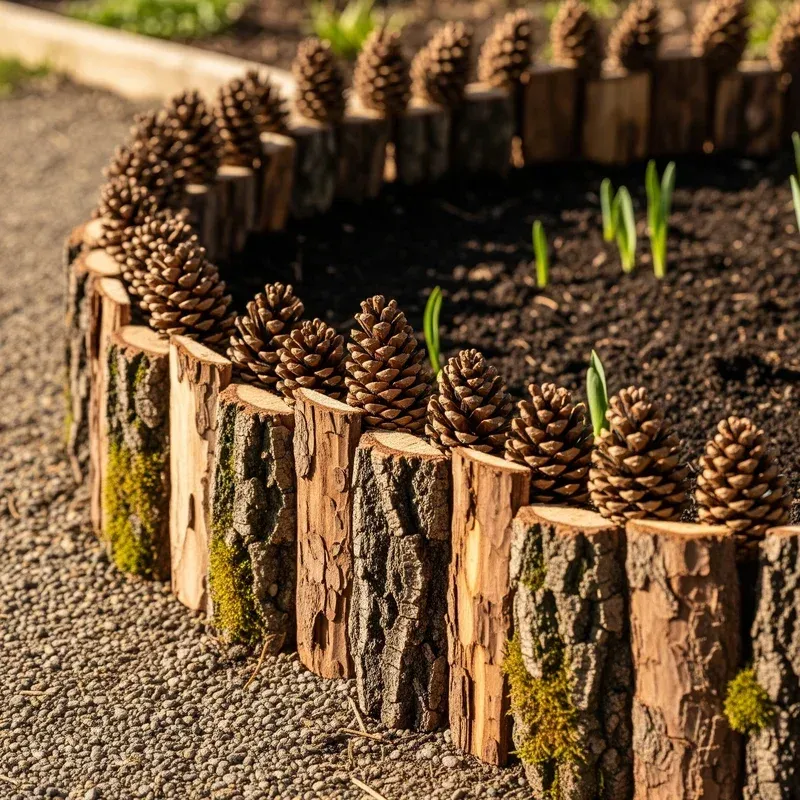
Lining your garden beds with pinecones is one of the easiest and most attractive ways to use them. Placed along the edges of raised beds or in-ground plots, pinecones create a natural border that looks tidy and serves a real purpose.
They help define the space while also doing some quiet work behind the scenes.
Pinecones placed around garden beds act as a light mulch layer. They slow down evaporation from the soil surface, which is helpful during Oregon’s dry summer stretch from July through September.
They also make it slightly harder for weeds to push up along the bed edges, cutting down on the time you spend pulling them out.
Over several months, the cones begin to break down slowly and add organic material back into the soil. They do not break down as fast as wood chip mulch, but they contribute over time.
In Oregon’s wetter regions, like around Eugene or Salem, the moisture helps the breakdown process along. If you want a clean, natural look for your garden without spending money on store-bought edging or bark dust, pinecones are a fantastic option.
Collect them in fall when they drop in large numbers and store them in a dry spot until you are ready to use them.
6. Create Bug-Friendly Shelter
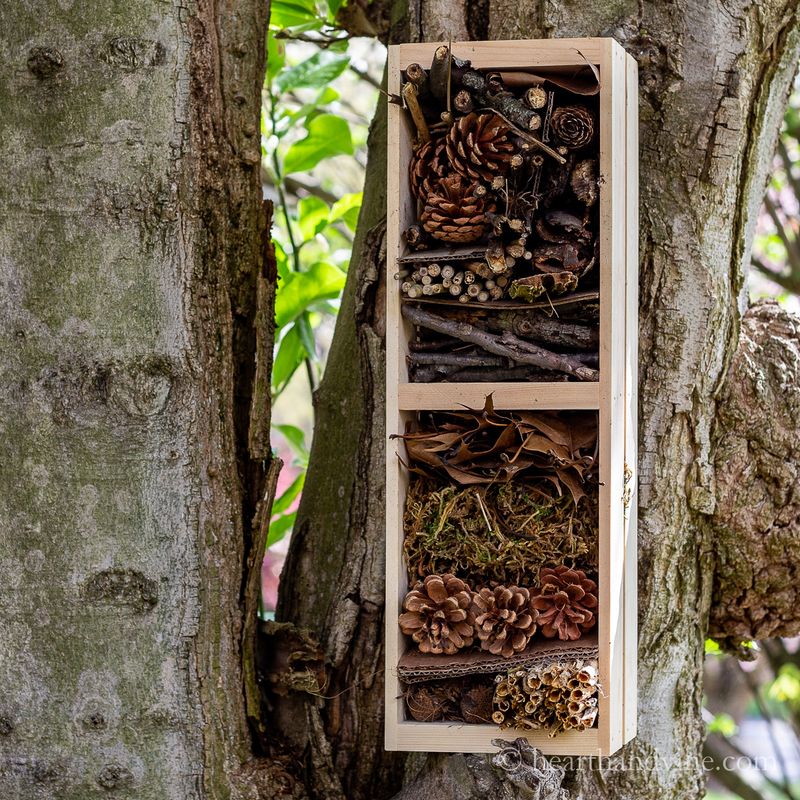
Not all bugs are bad news in the garden. Beneficial insects like ground beetles, ladybugs, lacewings, and solitary bees do a lot of the hard work that keeps Oregon gardens healthy.
They eat pest insects, pollinate flowers, and help break down organic matter. The trick is giving them a reason to stick around, and pinecones can help with that.
Pile a loose cluster of pinecones in a quiet corner of your garden, under a shrub, or near a garden wall. The gaps between the scales and between the cones themselves create tiny sheltered spaces where insects can hide, rest, and overwinter.
You do not need to do anything fancy. A simple pile works just fine.
This kind of habitat feature is sometimes called a bug hotel, and it fits naturally into any Oregon garden setting. Coastal gardens, backyard plots in Portland, and rural farms in southern Oregon can all benefit from having a few insect-friendly spots.
Avoid moving the pile too often once insects have settled in. Let it sit undisturbed through fall and winter.
Come spring, you may notice more beneficial activity around your plants. It is one of those small efforts that pays off in ways you can actually see throughout the growing season.
7. Dry Cones Before Hanging
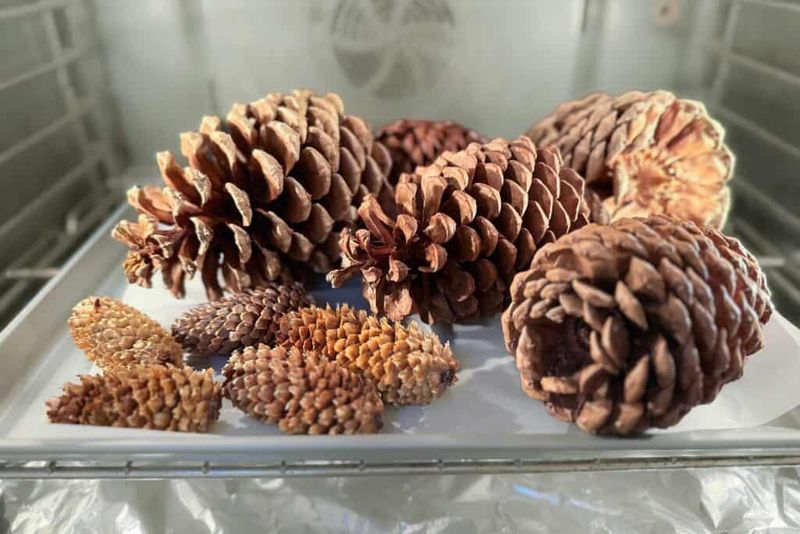
Before you hang pinecones in your garden or use them for any of these tricks, it helps to dry them out first. Freshly fallen pinecones often carry moisture, sap, or even small insects from the tree.
Drying them properly makes them more stable, easier to work with, and less likely to bring unwanted pests into your garden beds.
Spread the cones out on an old baking sheet or wire rack and let them sit in a warm, dry spot for a few days. You can also put them in an oven set to a very low temperature, around 200 degrees Fahrenheit, for about an hour.
This drives out moisture and causes any sap to harden. The scales will open up as they dry, which is a good sign that the process is working.
Oregon gardens, especially in the wet western half of the state, deal with a lot of moisture year-round. Drying your pinecones first helps them last longer when placed outside.
Damp cones can grow mold quickly in rainy conditions, which can spread to nearby soil and plants. Dried cones hold their shape better, look nicer as garden accents, and function more reliably as weather indicators.
Taking this small extra step before using your cones makes every other pinecone trick work better and last longer.
8. Compost Them Later
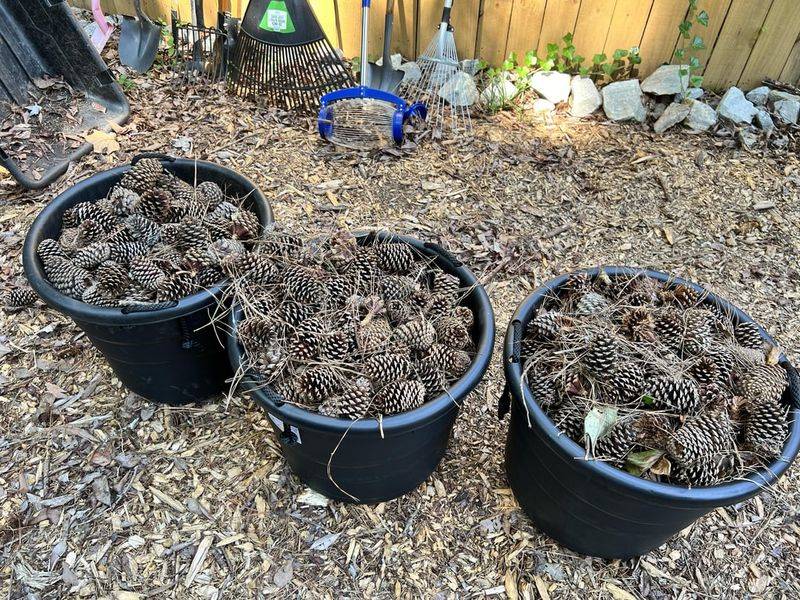
When your pinecones have done their job in the garden, do not toss them in the trash. Pinecones are fully compostable, which means they can go right into your backyard compost bin and eventually turn into rich, dark material that feeds your soil.
It takes a while, but the payoff is real.
Pinecones are considered a brown or carbon-rich material in composting terms. They break down slowly because of their dense, woody structure.
To speed things up, break or crush the cones into smaller pieces before adding them to your pile. Mixing them with green materials like kitchen scraps, grass clippings, or garden trimmings helps balance the carbon-to-nitrogen ratio and keeps the pile active.
Oregon’s rainy seasons actually help the composting process along. Moisture is essential for breaking down organic matter, and the Pacific Northwest gets plenty of it from October through May.
By the time the following summer rolls around, your old pinecones may have transformed into useful compost you can spread across your beds. It is a satisfying full-circle moment for any Oregon gardener.
You started with a free material from a local tree, used it in several smart ways throughout the season, and ended up with something that genuinely improves your soil. That is sustainable gardening at its simplest and best.