9 Shade-Loving Plants To Fill Empty Spaces Under Pennsylvania Trees
That bare, patchy dirt beneath your backyard tree isn’t a lost cause. Many people see it and think nothing can grow there, so they leave it empty for years.
That’s not the right choice. The actual issue isn’t the shade. It’s about planting the wrong types of plants.
Plants that need a lot of sunlight will always struggle under a thick canopy, but the right plants? They can really thrive there, and a lot of them are native to Pennsylvania woodlands.
Gardeners in Pennsylvania have some amazing options that can transform those areas into something intentional and truly beautiful. Some plants spread out into soft carpets. Others keep their color all through winter.
Some burst into flowers every spring without needing any extra care from you. Fortunately, I have nine plants that can completely solve this issue. Are you ready?
1. Let Wild Ginger Spread Beneath The Roots
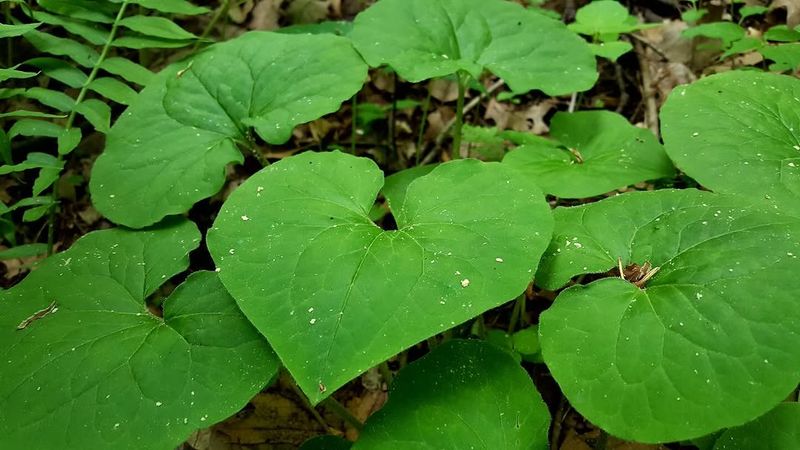
If you stroll through a Pennsylvania forest in the spring, you’ll find wild ginger already thriving. There’s no fuss or drama, just a serene spread of large leaves covering the shaded ground.
This plant takes its time. It spreads through rhizomes and fills empty soil beneath trees over several seasons.
To speed up the process, plant it in groups right from the start. Relying on a single plant is a slow journey.
It thrives best in rich, moist, well-drained soil. Full to partial shade is ideal for it. Extremely dry, sunny areas are a definite no-go.
Now, here’s the part that many gardeners overlook. Wild ginger actually enjoys leaf litter. Don’t rake it away. Allow fallen leaves to decompose around the base of the plant.
This breakdown nourishes the soil and perfectly mimics what wild ginger experiences in its natural habitat. So, remember: you’re not being lazy. You’re being smart about gardening.
According to Penn State Extension, it’s also a non-invasive native plant that supports local wildlife. It really rewards your patience every single time.
2. Tuck Barren Strawberry Into Part Shade
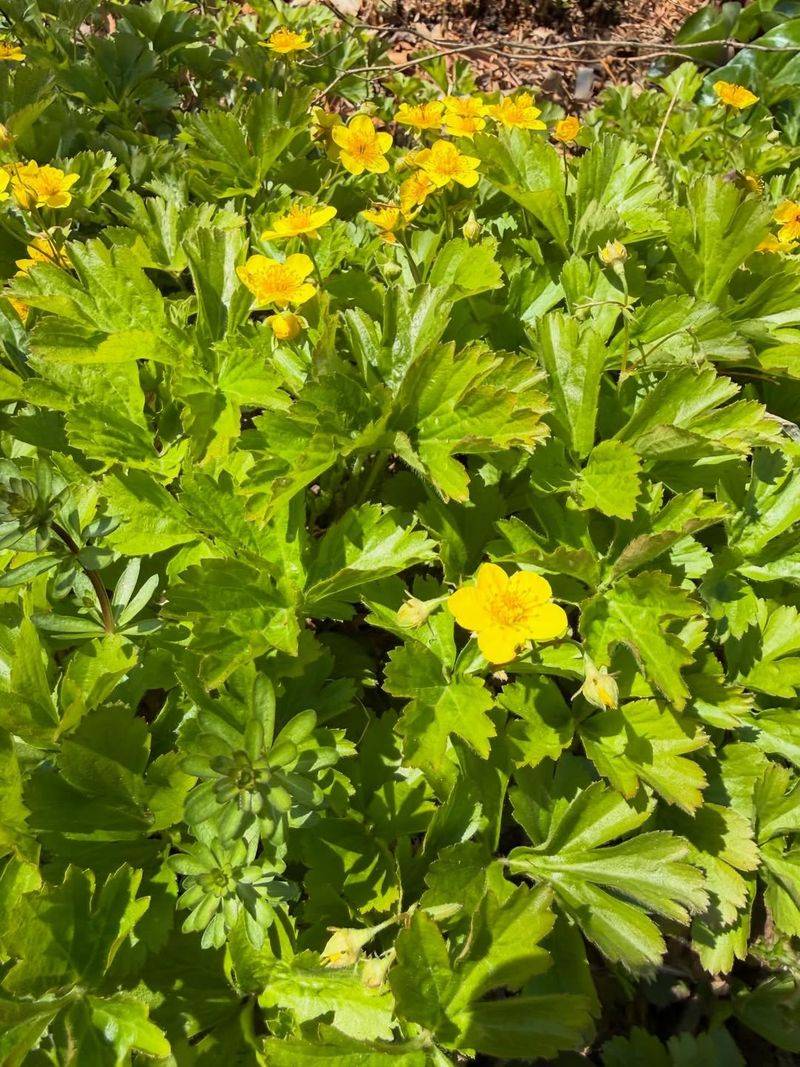
Many gardeners might not know about the barren strawberry. That is honestly their loss. Waldsteinia fragarioides looks almost identical to a strawberry plant. It has the same leaf shape, the same low spreading growth, and the same cheerful appearance.
The only thing it doesn’t have is fruit. No strawberries? No problem! This plant provides reliable ground coverage in areas where full sun doesn’t quite reach.
It’s not meant for deep shade. Being right at the base of a big tree isn’t where it thrives. However, the edges of a tree canopy, with that dappled, filtered light? That’s perfect. Plant it where a few hours of indirect light can still sneak in during the day.
In spring, it produces small bright yellow flowers that bloom before most shade plants even start to wake up. The semi-evergreen leaves remain tidy and keep decent color well into fall.
Space the plants about twelve inches apart and let them grow together naturally over time. No dividing. No fuss. No complicated care needed.
Your Pennsylvania Garden Changes Every Week. Your Plan Should Too.
Gardening in Pennsylvania changes quickly throughout the season. Every Friday you’ll receive a simple weekly plan showing exactly what to plant, prune, fertilize, harvest, and protect so you never miss the right timing.
Penn State Extension recognizes it as a great, non-invasive ground cover for landscapes in Pennsylvania. It spreads steadily without taking over, which is exactly what a shaded bed needs.
Clean edges, low effort, and genuinely good results. Barren strawberry truly deserves its place every single season.
3. Use Native Violets For Easy Green Coverage
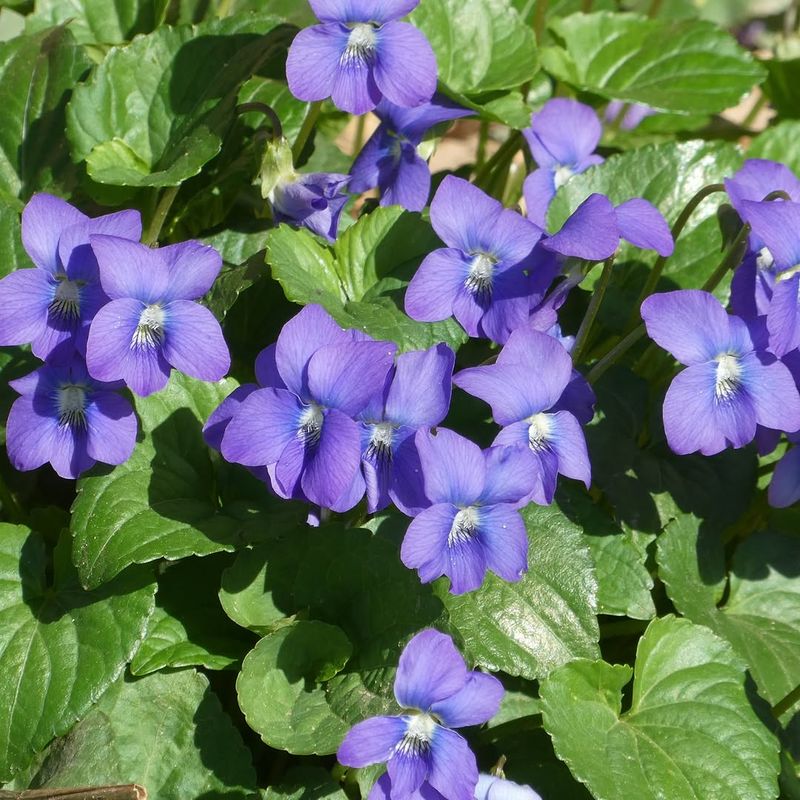
Native violets seem to have missed the memo about needing care. They simply thrive on their own. Viola sororia naturally emerges in shaded lawns without any assistance.
Their heart-shaped leaves remain green and neat all season. Violets are a true, valuable component of the local food web.
They thrive in part to full shade and prefer average to moist soil. Once established, they can withstand dry periods without any issues.
When transplanting, space them eight to ten inches apart. Then, step back and let them take care of everything else on their own. No need for fertilizing. No dividing required. Very little weeding. Essentially, almost nothing at all.
The only real downside is that native violets spread quickly and have no desire to stay within formal borders. They don’t fit well in a meticulously maintained bed with sharp edges.
However, they truly excel in a relaxed woodland garden beneath a large tree. They bring life to a shaded area, making it feel vibrant instead of overly managed.
Sometimes, the smartest gardening choice is to plant something that hardly needs your help at all. Right?
4. Add Sweet Woodruff Where Shade Runs Deep
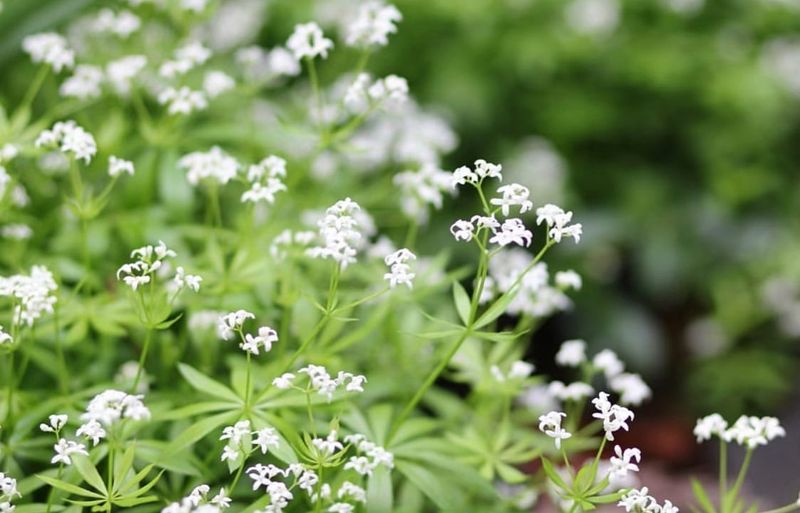
Some areas beneath trees are simply very dark. Not dappled, not filtered. Just dark. Most plants see those conditions and completely give up. But, sweet woodruff doesn’t.
Galium odoratum is one of the rare ground covers that actually flourishes in deep, cool shade. The entire plant reaches a height of eight to twelve inches.
It’s tidy, low, and quietly stunning. It spreads steadily over a few seasons and can cover a good area without much help.
It prefers average to moist soil to thrive. However, it struggles in bone-dry, compacted soil under large surface-rooting trees. So, choose the location wisely. Now, let’s be clear. Sweet woodruff is not native to Pennsylvania.
It originates from Europe and parts of Asia. Gardeners who want to stick strictly with native plants should choose options like wild ginger or native violets instead.
But for everyone else who needs a plant that can handle the yard’s darkest corners, sweet woodruff earns its place. No drama. No excuses. Just a dependable little shade-lover doing a job most plants refuse to do.
5. Plant Christmas Fern For Year Round Texture
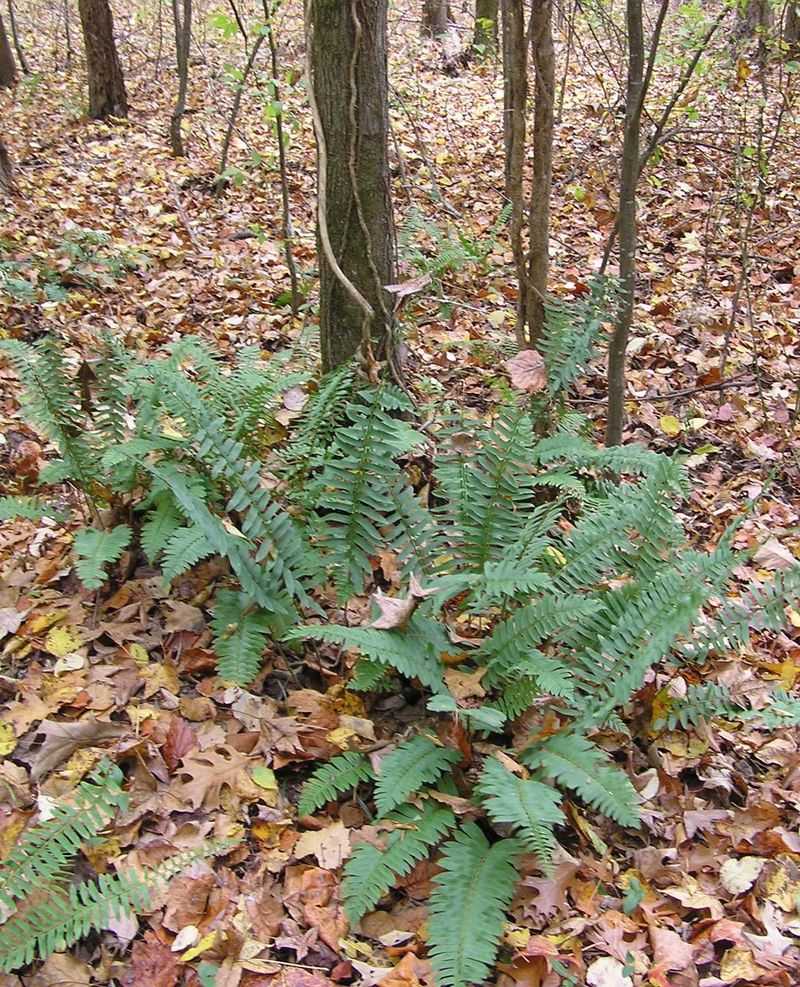
Most shade plants vanish as soon as the temperatures drop. Christmas fern clearly didn’t get that message.
Polystichum acrostichoides keeps its dark green fronds looking fresh and upright all through winter. That’s exactly how it got its name.
It’s a native plant of Pennsylvania, found growing naturally in shaded woodlands throughout the state. It doesn’t spread out like a ground cover, so don’t expect it to cover a large area by itself.
Instead, plant several clumps together with eighteen to twenty-four inches between them and let them work as a group. The result is intentional, layered, and genuinely appealing.
It thrives in full shade to part shade. Moist, humus-rich soil is best, but Christmas fern can handle dry spells better than most ferns.
Luckily, maintenance is nearly nonexistent. You can cut back old fronds in late winter before new growth starts, but it’s totally fine to skip that step. The plant takes care of itself quite well.
Deer mostly ignore it, which in many neighborhoods is basically a five-star review all on its own.
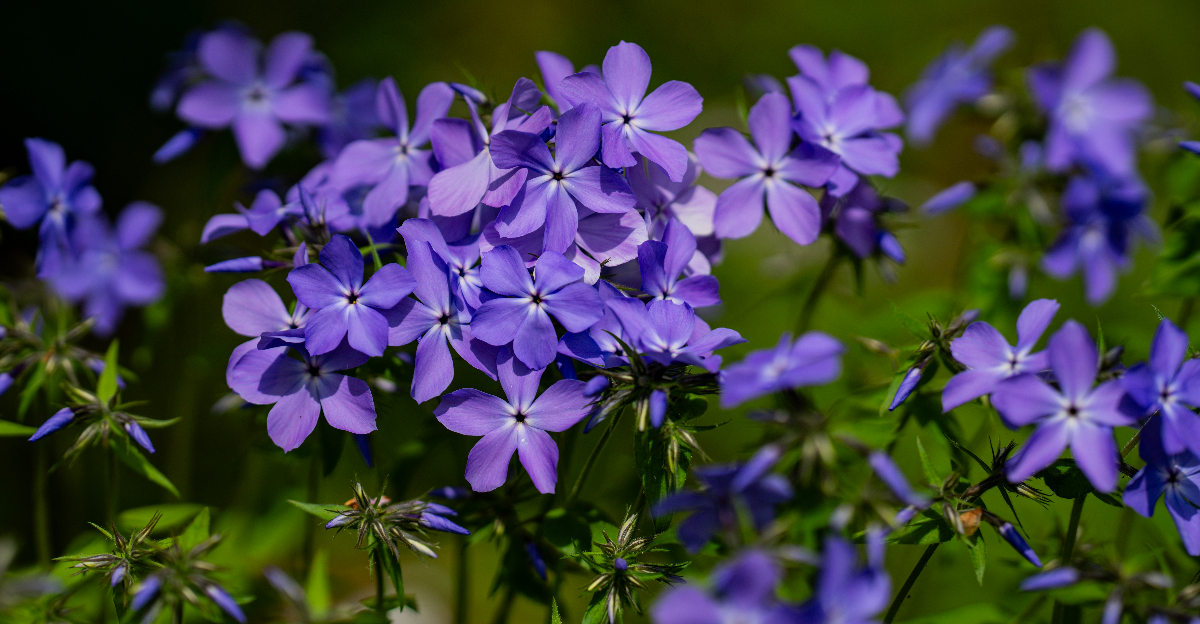
6. Bring In Woodland Phlox For Soft Spring Color
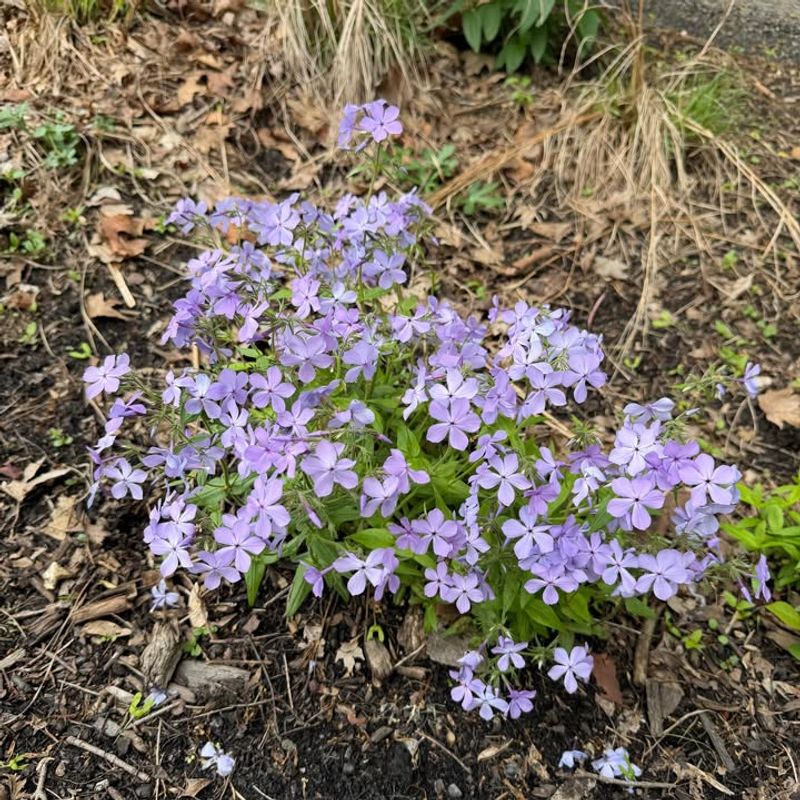
Finding color beneath a tree canopy is almost always a surprise. Woodland phlox makes it happen reliably. Year after year, without any fuss.
This native plant of Pennsylvania showcases soft lavender, pale blue, and sometimes white blooms each spring. Growing to a height of eight to fifteen inches, it gradually spreads through stolons.
It thrives best in part shade to light shade. Soil that retains some moisture and has good organic content is ideal for its growth.
The only area to steer clear of is the dry, root-compacted ground right at the base of a large tree trunk. If you move it slightly outward to a more forgiving spot, it will generously reward that small change.
The flowers emit a light fragrance that butterflies and hummingbirds find utterly irresistible during their spring bloom.
Once the flowers fade, the semi-evergreen leaves persist through mild Pennsylvania winters. A thin layer of mulch can help retain moisture and keep the roots cool when summer heat sets in.
It doesn’t require heavy fertilization, and dividing is only needed when clumps become very dense after several years.
Gentle color, fragrance, and true wildlife benefits. Woodland phlox is quietly one of the best choices for shade gardening.
7. Use Coral Bells For Foliage That Works Hard
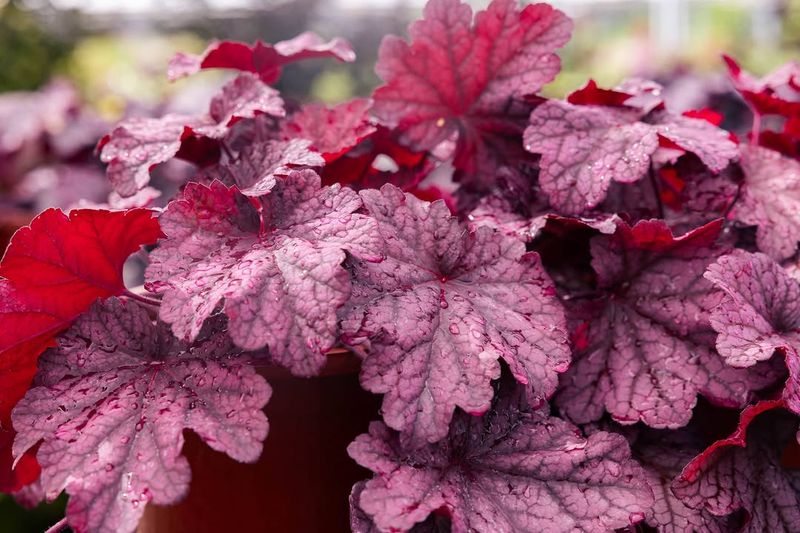
Most shade plants require you to wait for blooms to get excited. Coral bells completely avoids that waiting game.
Heuchera stands out just for its foliage, and it does so with real style. Deep burgundy, caramel, lime green, silver.
The variety of colors is so broad that there’s almost always a type that matches whatever else is growing nearby. No flowers are needed to create a strong visual impact, although the flowers do eventually appear anyway.
The native Heuchera americana is well-suited to the woodlands of Pennsylvania and does great in shaded and partially shaded areas. Many cultivars developed from native species also thrive locally, but choosing the right variety is important.
Penn State Extension recommends avoiding those that are mainly marketed for hot, sunny environments. Those plants will struggle here.
Low, rounded mounds can grow between eight to eighteen inches tall. Coral bells do best along the edges of tree beds, where the soil isn’t heavily compacted or extremely dry.
Hard-packed, dry soil right under a large tree can stress it out. Adding compost to the planting area before putting it in the ground makes a big difference from the start.
In late spring, stems with small bell-shaped flowers rise above the foliage, attracting hummingbirds reliably. After blooming, the foliage continues to impress all the way through fall.
Lightly mulch around the crowns before winter to prevent frost heaving. Divide clumps every three to four years to keep them healthy and full. And that’s all it takes.
8. Edge Moist Shade With Crested Iris
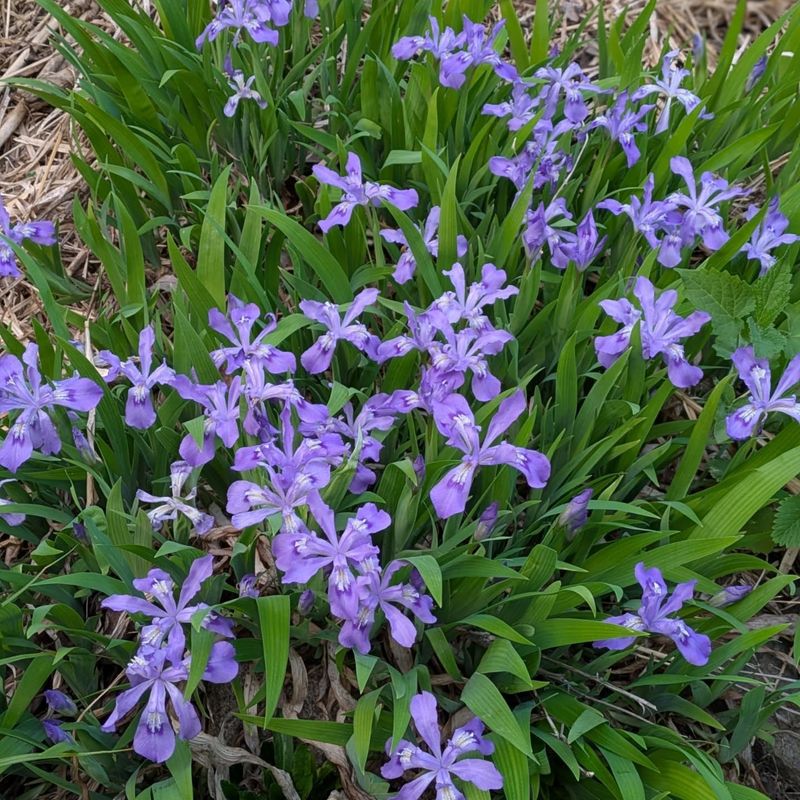
This plant grows four to six inches tall. It’s tiny and almost delicate. Yet, every April, the dwarf crested iris catches everyone’s attention.
Iris cristata is a native woodland plant that naturally occurs throughout the eastern United States, including Pennsylvania. It’s perfectly suited for the dappled light and rich soil found along the edges of trees.
Although small, it’s absolutely beautiful. For a plant that barely reaches the ground, it puts on a truly impressive display in spring.
The blooming period lasts for two to three weeks, which is really short. However, the strappy leaves that follow remain attractive throughout the growing season.
Over time, slow-spreading rhizomes create low, flat colonies. It thrives best in partial shade with reasonably moist soil.
So, the outer edges of a tree canopy are perfect for it. Since this plant does not like bone-dry soil, be sure to place it wisely from the beginning.
Allow it a full season or two to settle in before you expect to see noticeable spreading. Lightly mulch, avoid disturbing the shallow rhizomes once they are established, and mostly just let it be.
Gardeners who are patient will be rewarded with a stunning display every April that comes back even stronger each year.
9. Let Foamflower Brighten Moist Shade
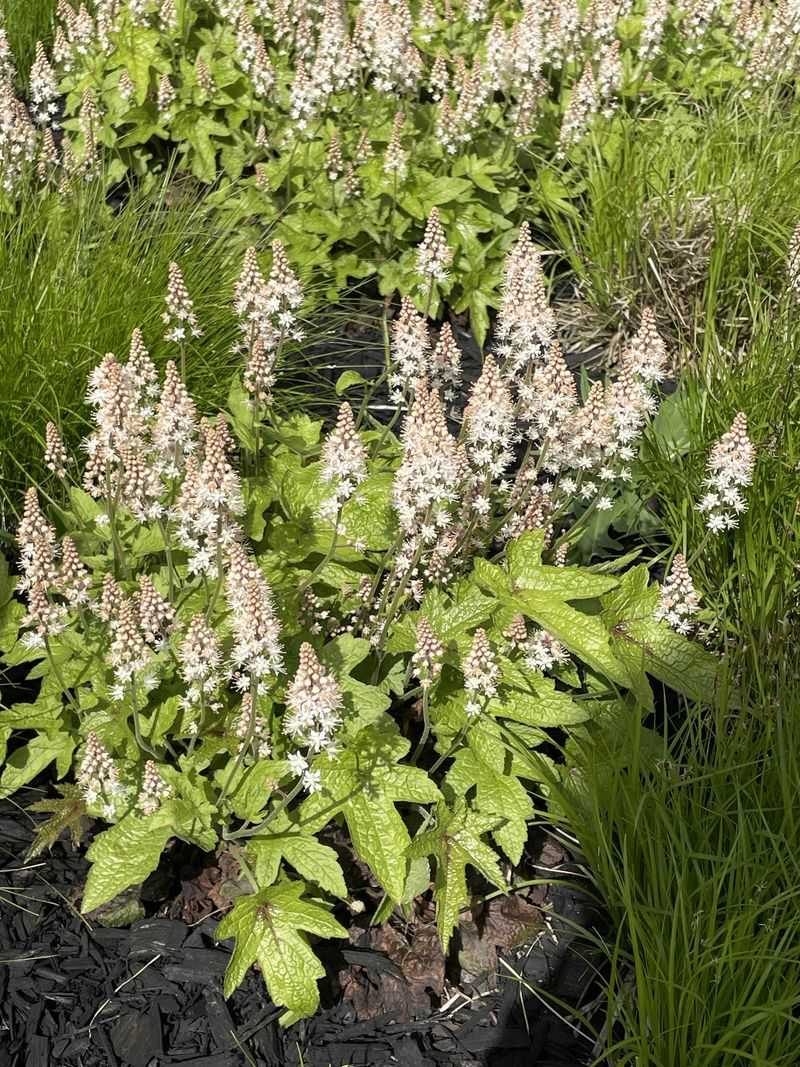
Foamflower may seem very fragile, but don’t let that fool you. Tiarella cordifolia is a Pennsylvania native that thrives in the shade of woodlands.
It produces soft, fluffy white flower spikes in the spring and early summer, just when shady areas could use a bit of brightness.
The leaves are just as beneficial as the flowers. Its heart-shaped foliage creates low clusters that can gradually fill in bare spots, particularly in cool, rich soil.
Unlike many shade plants that simply survive, foamflower offers both seasonal blooms and year-round texture.
However, this plant isn’t suitable for dry, compacted soil right next to a thirsty tree trunk. Foamflower mostly enjoys moist, humus-rich soil and thrives in dappled to full shade.
If the space under your tree gathers leaf litter and remains consistently moist, then you win! This plant will thrive there.
If you want a better visual impact, plant several together. One foamflower looks charming, but a group of them appears more intentional. It’s subtle, beautiful, and perfectly suited for woodland-style gardens.
Honestly, shady tree beds could really use more plants like this. Those forgotten spaces deserve just as much attention, am I right?