These Simple Ways Lead To Better Blueberry Harvests In Arizona
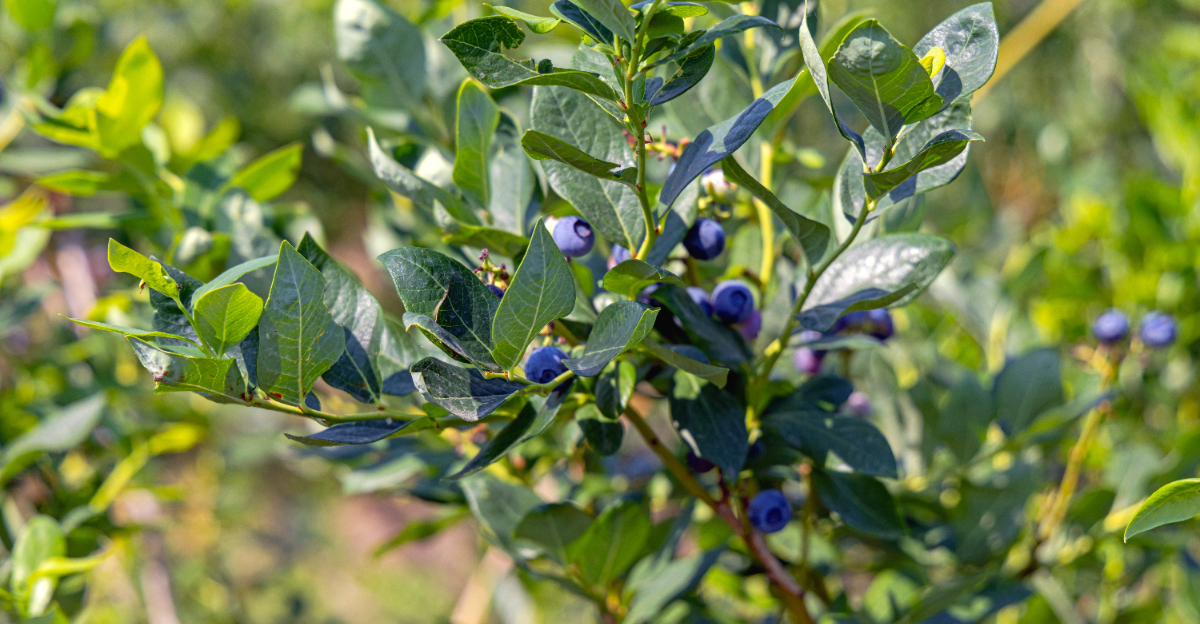
Growing blueberries in Arizona feels like a challenge from the very start. The climate is tough, the soil is different from what these plants naturally prefer, and getting a real harvest can seem out of reach for a lot of home gardeners.
But plenty of Arizona growers are pulling in surprisingly good blueberry harvests every season, and the difference usually comes down to a handful of simple practices most people overlook. Blueberries are particular plants.
They respond strongly to how they are cared for, and small changes in your routine can lead to noticeably better results without a lot of extra work or expense involved.
Whether your plants have been underperforming for a while or you are just getting started and want to do things right from the beginning, there is a lot of room to improve what you are already doing.
Sometimes the most effective solutions are also the most straightforward ones, and blueberries in Arizona are a perfect example of that.
1. Choose Low-Chill Blueberry Varieties That Set Fruit Reliably
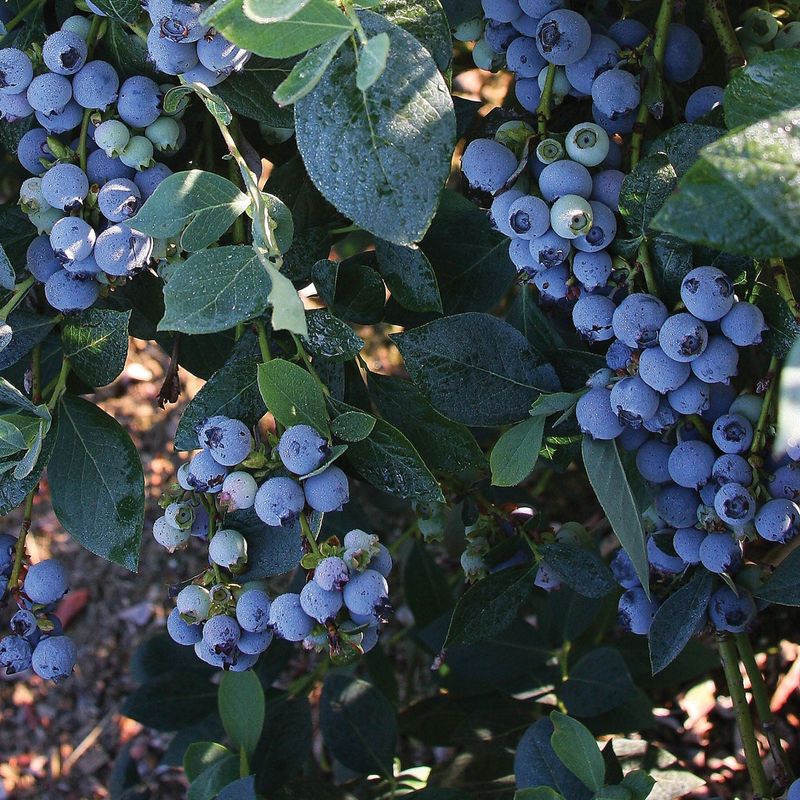
Not every blueberry bush will cooperate in Arizona’s climate, and variety selection is where most beginners go wrong. Standard northern highbush blueberries need hundreds of chill hours that Arizona winters simply do not deliver in most zones.
Choosing the wrong type means years of growth with almost no fruit to show for it.
Southern highbush and rabbiteye varieties are the real workhorses for Arizona gardeners. Varieties like Sunshine Blue, Misty, O’Neal, and Emerald have been bred specifically for low-chill environments and produce fruit reliably even in warmer winters.
Sunshine Blue is especially popular because it handles heat well and stays compact enough for container growing.
Planting at least two compatible varieties side by side improves cross-pollination, which directly boosts berry yield and size. Even self-fertile types like Sunshine Blue produce more generously when another variety grows nearby.
Check with local Arizona nurseries or cooperative extension offices for updated variety recommendations specific to your elevation and region.
Rabbiteye varieties such as Tifblue and Brightwell are worth considering in areas with slightly cooler winters, like higher elevations around Flagstaff.
2. Use Acidic Soil To Keep Plants Healthy And Productive
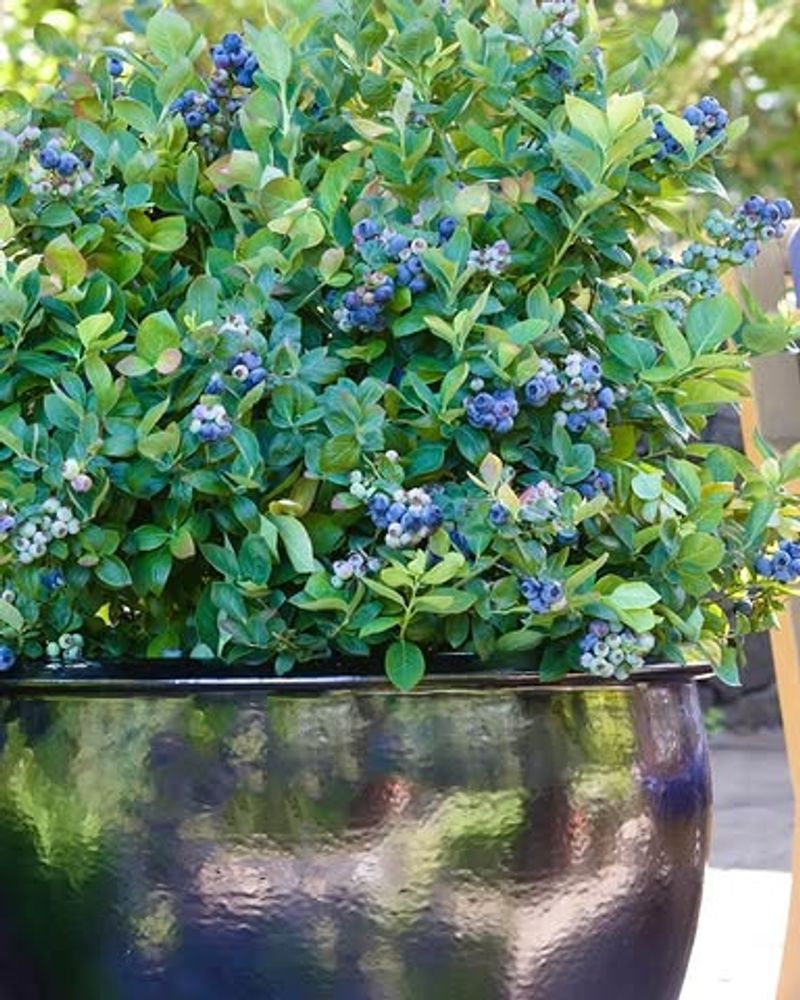
Blueberries are picky about soil in a way that catches a lot of Arizona gardeners off guard. Native Arizona soil tends to run alkaline, often testing between pH 7.5 and 8.5, while blueberries demand a soil pH between 4.5 and 5.5.
That gap is not minor. At the wrong pH, plants cannot absorb iron and other nutrients properly, and leaves turn yellow even when the soil is loaded with fertilizer.
Sulfur is one of the most reliable ways to lower soil pH over time. Worked into the planting area months before you put a bush in the ground, elemental sulfur reacts slowly with soil bacteria to create acidity.
Peat moss mixed into the planting hole also helps create the right environment and improves drainage at the same time.
Testing your soil before planting is worth every penny. Simple home test kits or professional soil labs give you a clear starting number so you know exactly how much amendment to add.
Your Arizona Garden Changes Every Week. Your Plan Should Too.
Gardening in Arizona changes quickly throughout the season. Every Friday you’ll receive a simple weekly plan showing exactly what to plant, prune, fertilize, harvest, and protect so you never miss the right timing.
Skipping this step often means chasing pH problems for years instead of solving them upfront.
Once plants are in the ground, pH tends to drift back up over time in Arizona because of the naturally alkaline water supply. Applying acidifying fertilizers and retesting annually keeps things in range.
Adding pine bark mulch or pine needle mulch around the base also contributes mild acidity with each passing season.
3. Plant In Containers To Control Soil Conditions Better
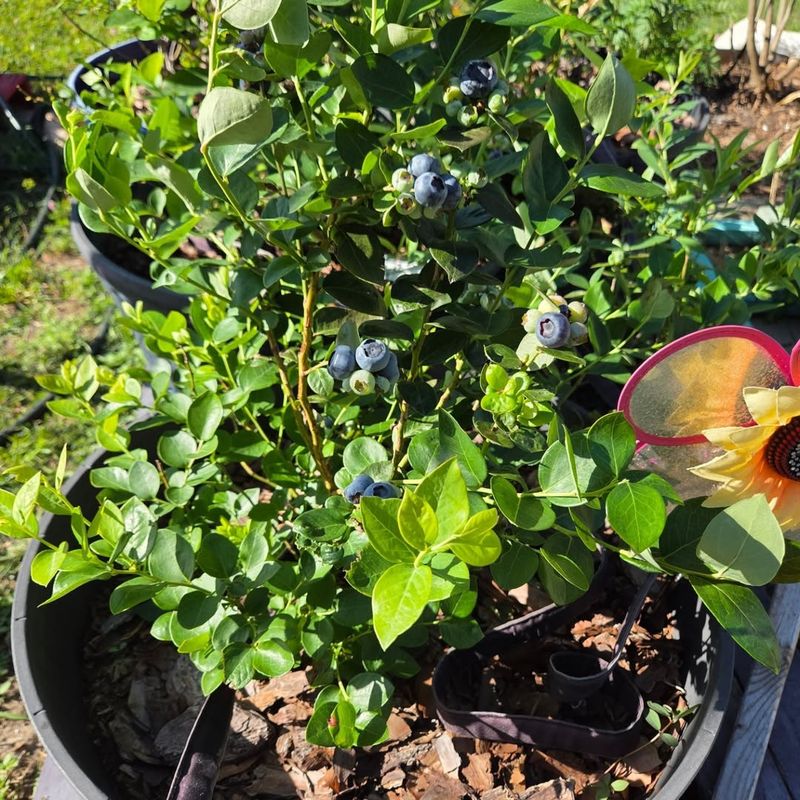
Container growing is one of the smartest moves an Arizona blueberry gardener can make. When native soil is too alkaline and too dense to fix easily, skipping it entirely and filling a container with the perfect mix puts you in complete control from day one.
Fabric grow bags and large ceramic or plastic pots all work well, as long as drainage is excellent.
A good blueberry container mix combines peat moss, pine bark fines, and perlite in roughly equal parts. Some gardeners add a handful of sulfur granules to the mix before planting to keep pH stable as the season progresses.
Avoid using straight potting soil from a bag because most commercial blends run too neutral or too rich in nutrients for blueberries.
Container size matters more than most people expect. Blueberry roots spread wide rather than deep, so a pot that is at least 18 to 24 inches wide and equally deep gives roots enough room to establish properly.
Going too small stresses the plant and limits how much fruit it can support at harvest time.
One practical advantage unique to Arizona is that containers can be moved. During the most brutal summer stretches, shifting pots into partial shade or under a patio cover protects roots from overheating.
Containers also let you bring plants to better light in cooler months when sun angle drops.
4. Give Morning Sun With Protection From Harsh Afternoon Heat
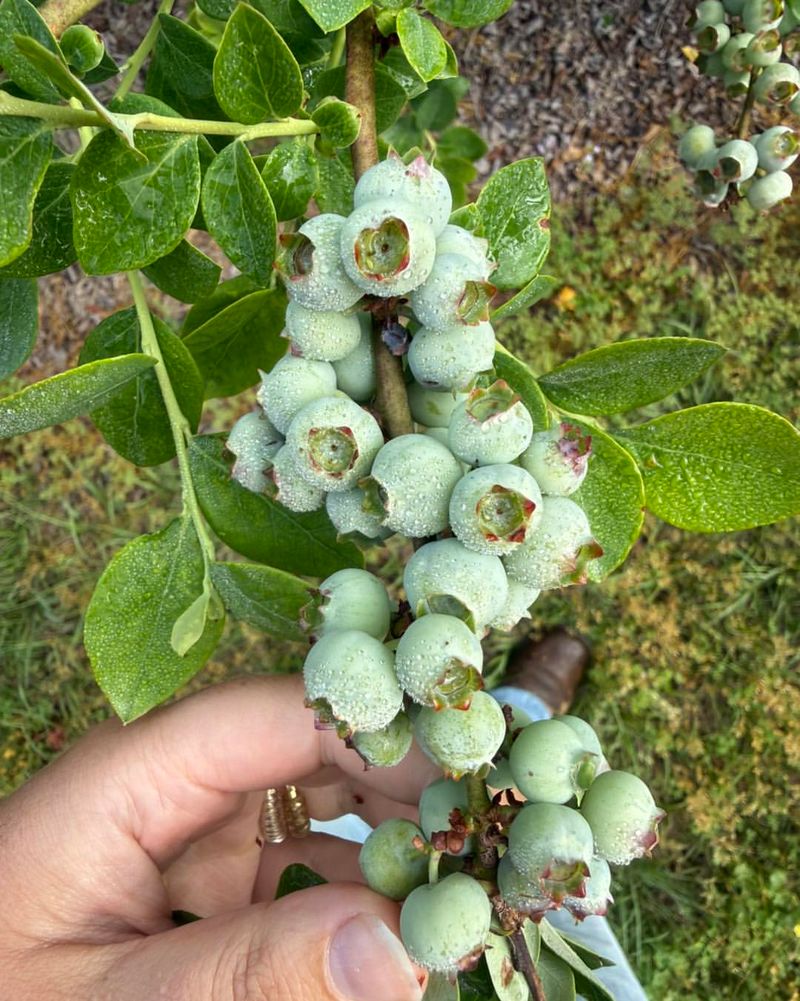
Sunlight strategy in Arizona is completely different from what gardening books written for the Pacific Northwest or Southeast will tell you. Blueberries need full sun to produce fruit, but full Arizona sun from noon onward can stress plants badly enough to cause leaf scorch and fruit drop before harvest.
Getting the balance right takes a little planning but pays off significantly.
East-facing planting spots are ideal across much of Arizona. Plants get bright, direct morning light from sunrise through midday, then slip into natural shade as the sun moves west.
Afternoon shade from a block wall, building, or large tree positioned to the west can make a measurable difference in how plants handle summer temperatures.
Shade cloth rated at 30 to 40 percent works well when natural shade options are limited. Draping it over a simple frame above the plants during the hottest months protects leaves without cutting off enough light to hurt flowering or fruit development.
Remove the cloth in late fall and winter when light intensity drops and temperatures become manageable.
Ground temperature in Arizona deserves attention too. Soil in a full-sun container or raised bed can reach temperatures that damage roots even when air temps seem tolerable.
Positioning pots where they get afternoon shade on the container walls, not just the foliage, helps roots stay cooler.
5. Water Consistently To Prevent Stress And Fruit Drop
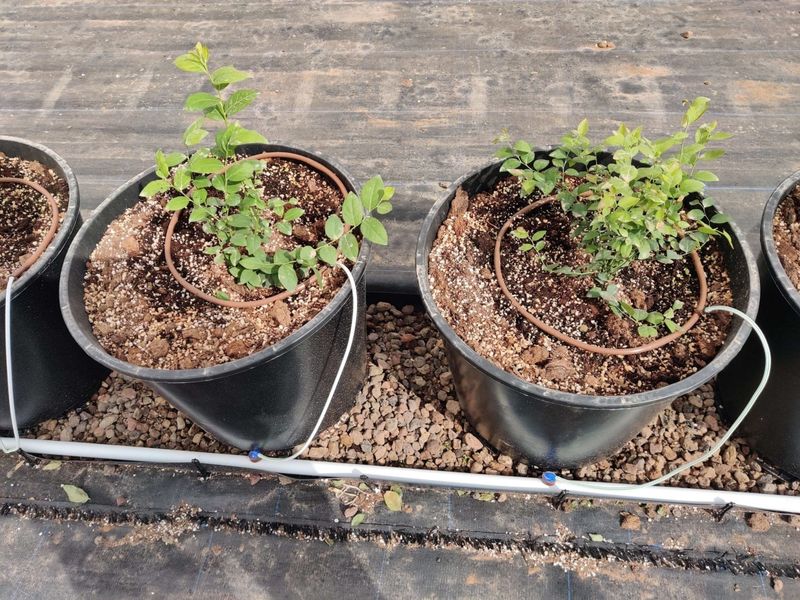
Inconsistent watering is one of the fastest ways to lose a blueberry crop in Arizona. Blueberries have shallow, fibrous root systems that dry out quickly, especially in sandy desert soils or container mixes.
When moisture swings from too wet to bone dry and back again, plants respond by dropping developing fruit before it matures.
Drip irrigation is the most reliable watering method for blueberries in Arizona. Running emitters directly at the base of each plant keeps moisture in the root zone without wetting foliage, which reduces fungal problems.
Setting the system on a timer removes the guesswork and ensures plants never go too long between drinks during the hot season.
Frequency depends heavily on season, container versus in-ground planting, and current temperatures. During Arizona summers, container-grown blueberries may need water every day or even twice daily when temperatures push past 105 degrees.
In-ground plants in well-mulched beds typically need deep watering every two to three days during peak heat.
Watching the soil moisture rather than following a fixed schedule is the most accurate approach. Sticking a finger two inches into the growing medium tells you more than any calendar.
If it feels dry at that depth, it is time to water. If it still feels damp, hold off another day.
Overwatering is also a real risk because constantly saturated roots develop rot, especially in poorly draining soils.
6. Mulch To Keep Roots Cool And Hold Moisture
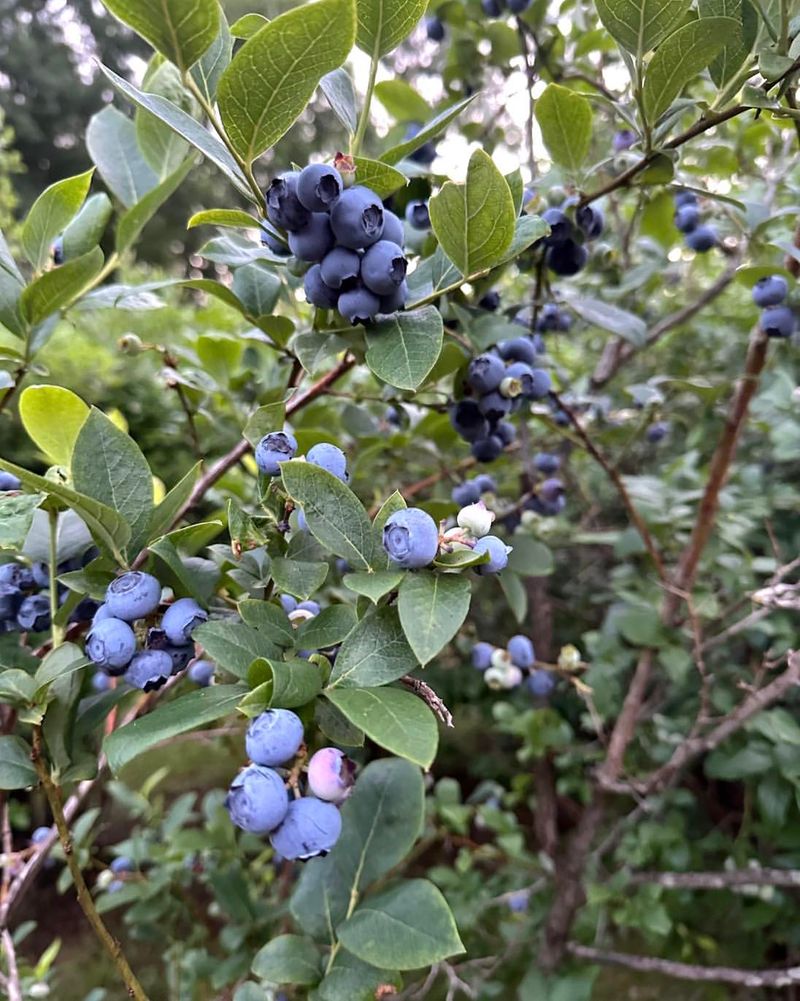
A thick layer of mulch around blueberry plants is not optional in Arizona. It is one of the most impactful things you can do to improve plant health and harvest quality without spending a lot of money or time.
Mulch acts as insulation, keeping soil temperatures several degrees cooler than bare ground during scorching summer months across the state.
Pine bark mulch and pine needle mulch are the top choices for blueberries because they break down slowly and contribute mild acidity to the soil over time. Wood chip mulch works as well and is often available free from local tree trimming companies.
Avoid using rock or gravel mulch near blueberry plants since stone absorbs and radiates heat rather than blocking it.
Apply mulch in a layer at least three to four inches deep, keeping it pulled slightly away from the main stem to prevent moisture buildup against the bark.
Spreading it out in a wide circle covering the entire root zone rather than just the area directly under the plant makes a bigger difference in moisture retention.
Mulch also suppresses weeds that would otherwise compete with blueberry roots for water and nutrients. In Arizona, where water is precious and every drop counts, reducing competition matters.
Replenishing mulch once or twice a year keeps the layer effective as it gradually breaks down and incorporates into the soil.
7. Feed With Acid-Loving Fertilizer At The Right Time
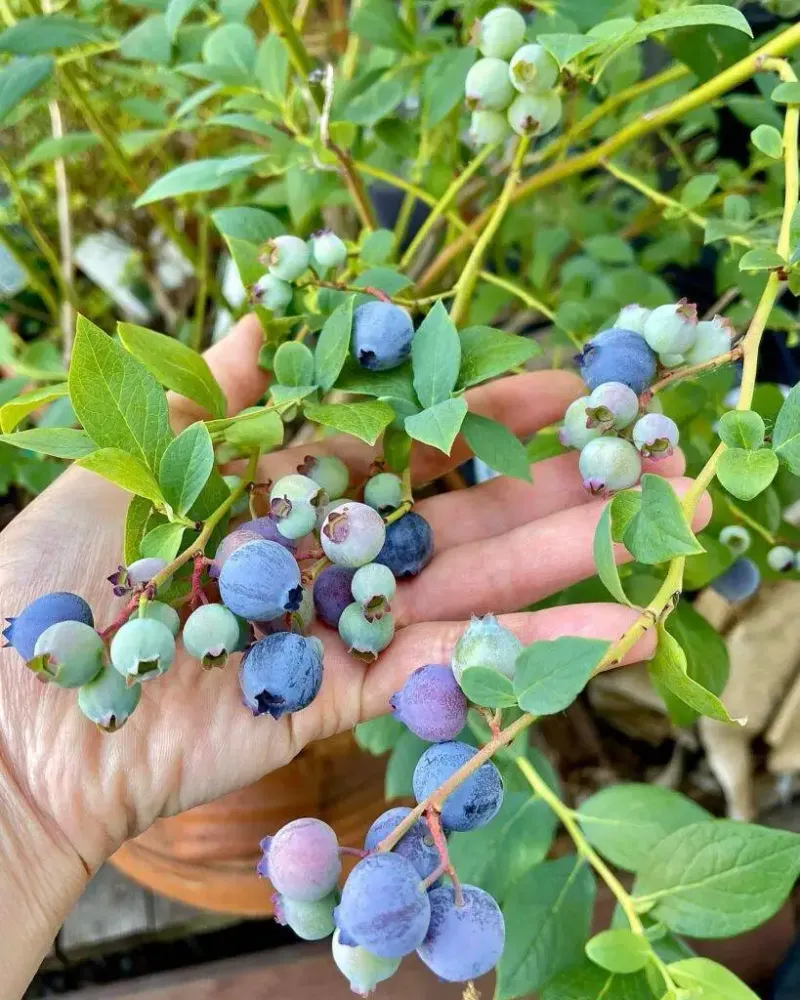
Feeding blueberries correctly in Arizona requires a different mindset than fertilizing most other fruit plants. Standard balanced fertilizers often contain forms of nitrogen that push soil pH higher, which is exactly the opposite of what blueberries need.
Ammonium sulfate is the classic choice for blueberries because it acidifies the soil while delivering the nitrogen plants need for healthy leaf and shoot growth.
Fertilizers labeled for azaleas, camellias, and rhododendrons work well for blueberries because those plants share the same soil pH preference. Look for products that list ammonium sulfate or sulfur-coated urea as the nitrogen source.
Avoid any fertilizer containing nitrate nitrogen, which raises pH and can cause iron deficiency symptoms in Arizona’s already alkaline conditions.
Timing matters as much as product selection. Apply the first round of fertilizer in late winter or very early spring just as new growth begins to emerge.
A second light feeding in late spring after flowering supports fruit development without pushing excessive vegetative growth that can stress plants heading into summer heat.
Avoid fertilizing during Arizona’s hottest months from June through August. Plants are already managing heat stress during this period, and adding fertilizer salts to the root zone can make things worse rather than better.
Resume a light feeding in early fall if plants show slow growth or pale foliage.