These Slow-Growing Plants Are The Ones That Stay Neat And Easy Across Texas

Keeping a garden neat in Texas can feel like chasing your tail, especially when fast-growing plants take over after one good rain.
Between long summers, sudden heat waves, and busy schedules, many homeowners want landscapes that look good without constant trimming.
That’s where slow-growing plants really shine. They grow at a steady pace, hold their shape, and make it easier to enjoy your yard instead of working in it nonstop.
Slow-growing plants are a smart choice for Texas gardens because they don’t rush to outgrow their space. A low-maintenance garden doesn’t have to look boring or bare.
Sometimes the best-looking plants are the ones that take their time. Neat landscapes are built with patience, not constant pruning.
Choosing plants that grow slowly can make gardening feel calmer and more rewarding. Across Texas, from humid areas to drier regions, these plants adapt well and stay manageable through changing seasons.
They help create clean lines, balanced designs, and long-lasting beauty with less effort. For gardeners who want a tidy yard without turning weekends into workdays, slow-growing plants offer a simple, reliable solution that fits the Texas lifestyle perfectly.
1. Dwarf Yaupon Holly
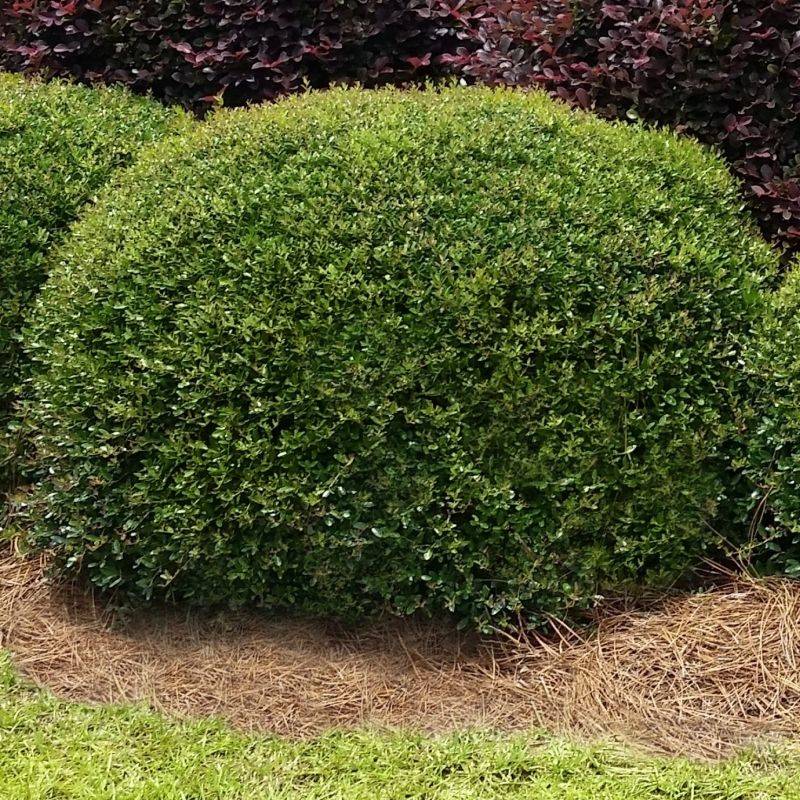
Compact and evergreen, Dwarf Yaupon Holly brings year-round greenery to Texas landscapes without the hassle of frequent trimming. This native shrub grows slowly to about three or four feet tall, making it perfect for foundation plantings, borders, or low hedges.
Its small, glossy leaves stay dense and attractive through every season, and it tolerates both drought and occasional flooding once established.
Gardeners across Texas appreciate how this holly adapts to different soil types, from sandy coastal areas to heavier clay found inland.
It handles full sun to partial shade equally well, giving you flexibility in placement around your property. The slow growth rate means you can plant it and forget about constant shaping or pruning.
Dwarf Yaupon Holly also produces tiny white flowers in spring that attract pollinators, followed by small red berries on female plants during fall and winter. These berries provide food for birds while adding seasonal color.
The plant rarely suffers from pest or disease problems, making it one of the most reliable choices for Texas gardeners who want a tidy, low-maintenance shrub that performs beautifully year after year without demanding much attention or care.
2. Little Gem Magnolia

Southern charm meets practical gardening with Little Gem Magnolia, a slow-growing tree that stays manageable in size while delivering stunning white blooms.
Unlike its towering relatives, this compact magnolia reaches only 20 to 25 feet at maturity, making it suitable for smaller yards across Texas.
The dark green leaves feature rusty-brown undersides that create beautiful contrast when breezes rustle through the branches.
Fragrant white flowers appear throughout the warmer months, filling your outdoor space with their sweet scent. Each blossom can measure up to four inches across, creating eye-catching focal points against the glossy foliage.
The slow growth habit means this tree maintains its pyramidal shape naturally without requiring aggressive pruning or shaping.
Little Gem Magnolia thrives in Texas heat and handles various soil conditions, though it prefers well-drained spots with regular moisture during establishment. Once settled in, it becomes quite drought-tolerant and performs reliably in both full sun and partial shade.
The evergreen nature provides privacy screening year-round, while the manageable size prevents it from overwhelming your landscape or interfering with power lines and structures nearby.
3. Autumn Sage
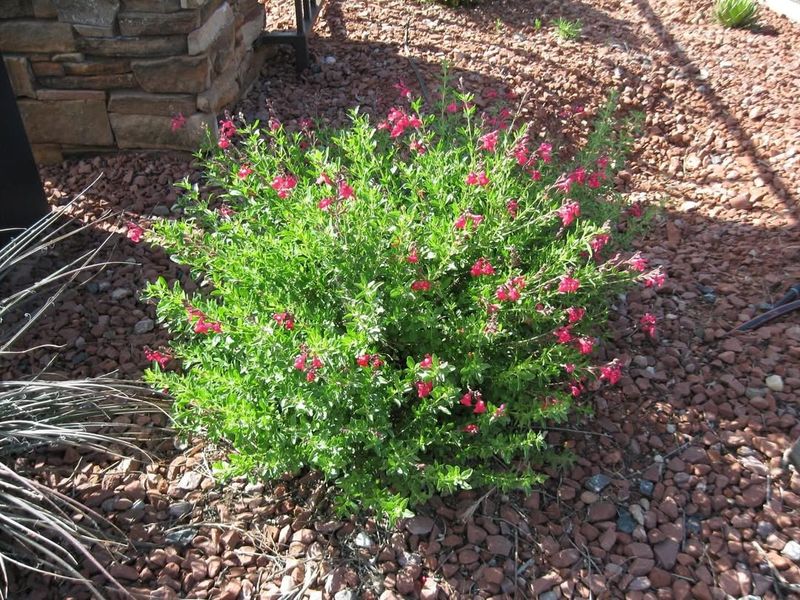
Bursts of color come effortlessly from Autumn Sage, a Texas native perennial that blooms prolifically while growing at a leisurely pace.
This woody-based plant typically reaches two to three feet in height and width, forming neat mounds that stay tidy without constant deadheading or cutting back.
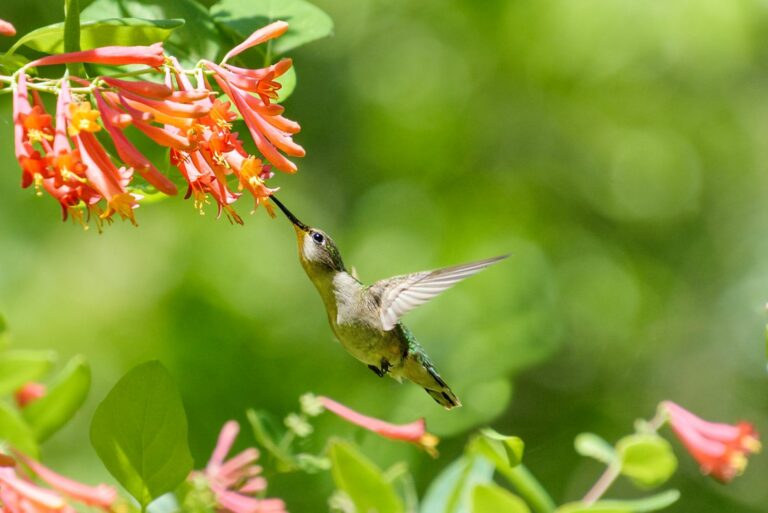
Tubular flowers in shades of red, pink, white, or coral appear from spring through fall, attracting hummingbirds and butterflies to your garden.
The silvery-green foliage releases a pleasant fragrance when brushed, adding sensory interest beyond the visual appeal. Autumn Sage handles Texas heat and drought like a champion once established, making it ideal for water-wise landscapes.
It grows slowly enough that you won’t find it taking over garden beds or requiring frequent division. This salvia performs best in well-drained soil and full sun, though it tolerates light shade in hotter regions of Texas.
The plant naturally maintains a compact form, rarely needing pruning except for occasional shaping after flowering peaks.
Deer tend to avoid it thanks to the aromatic leaves, giving you one less garden challenge to worry about. Whether planted in masses, borders, or containers, Autumn Sage delivers reliable color and attracts beneficial wildlife without demanding much time or effort from busy gardeners.
4. Possumhaw Holly
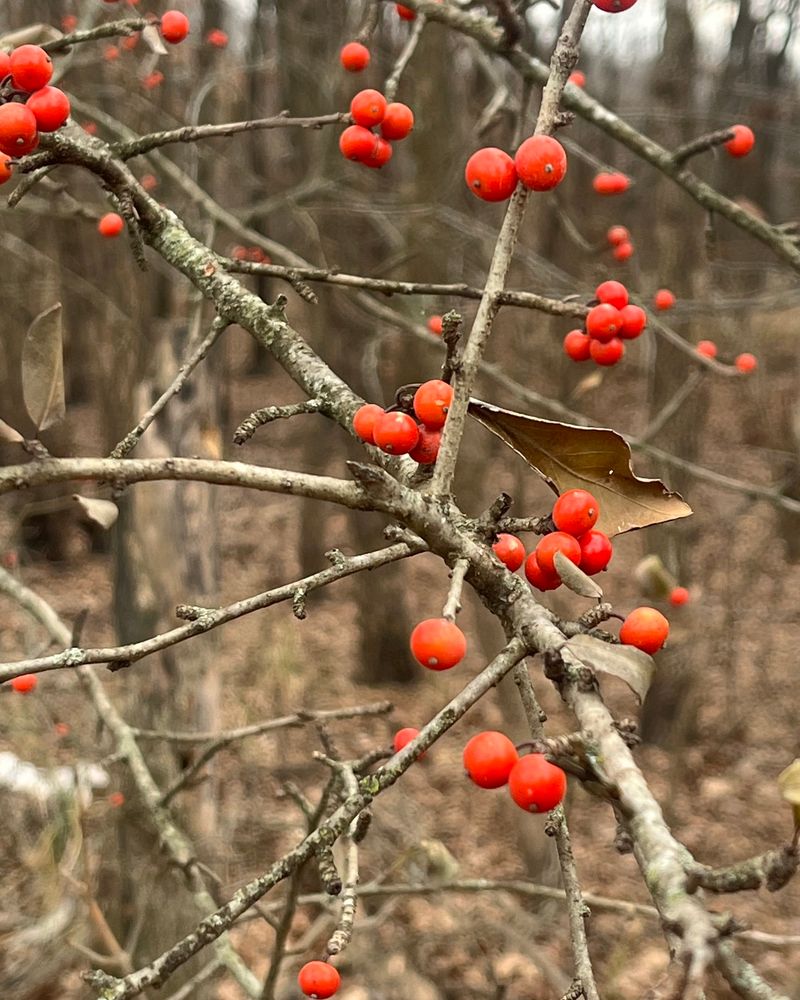
Winter drama arrives courtesy of Possumhaw Holly, a deciduous native that grows slowly into a multi-stemmed small tree or large shrub.
Unlike evergreen hollies, this variety drops its leaves in fall to reveal smooth gray bark and abundant bright red or orange berries that persist through winter.
The display becomes even more striking against snow or frost, though those events are rare treats in most Texas locations.
Growing 15 to 20 feet tall over many years, Possumhaw Holly adapts to wet or dry conditions once established, making it versatile for different areas of your property.
It naturally occurs in East Texas bottomlands but performs well across much of the state. The slow growth means you won’t suddenly find it outgrowing its space or requiring emergency pruning.
During spring and summer, the fine-textured green leaves provide a soft backdrop for other garden plants. Female plants produce the showy berries when a male pollinator is nearby, creating a feast for birds during the leaner months.
This holly tolerates poor drainage better than most trees, making it valuable for challenging spots where other plants struggle.
The minimal maintenance requirements and multi-season interest make Possumhaw Holly a smart choice for Texas gardeners seeking beauty without constant upkeep.
5. Gulf Coast Muhly Grass
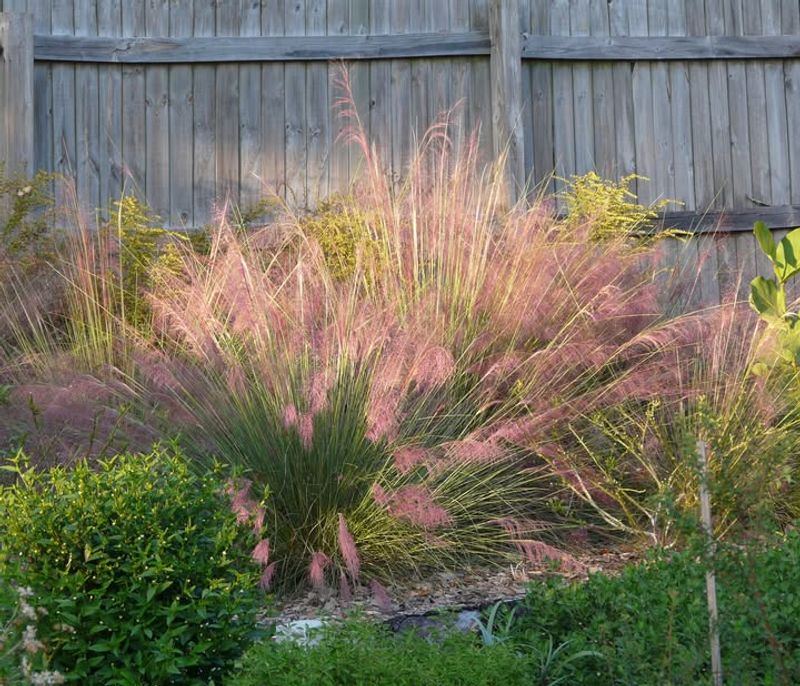
Airy pink plumes transform landscapes each fall when Gulf Coast Muhly Grass sends up its spectacular flower stalks.
This clumping ornamental grass grows slowly to form tidy mounds about two to three feet wide, with fine-textured blue-green foliage that stays neat throughout the growing season.
The real showstopper arrives in autumn when clouds of pink to purple flowers rise above the foliage, creating an almost magical effect in the landscape.
Native to coastal areas of Texas and other Gulf states, this grass handles heat, humidity, and salt spray with ease. It adapts to inland conditions equally well, tolerating drought once established while also handling occasional wet periods.
The clumping habit means it stays where you plant it instead of spreading aggressively like some grasses.
Gulf Coast Muhly Grass requires minimal care beyond an annual late-winter trim to remove old foliage before new growth emerges. It thrives in full sun and well-drained soil, making it perfect for borders, mass plantings, or accent spots throughout Texas gardens.
The slow growth rate keeps it manageable, and the spectacular fall color provides a seasonal highlight that rivals any flowering perennial while requiring far less fussing and maintenance throughout the year.
6. Texas Mountain Laurel
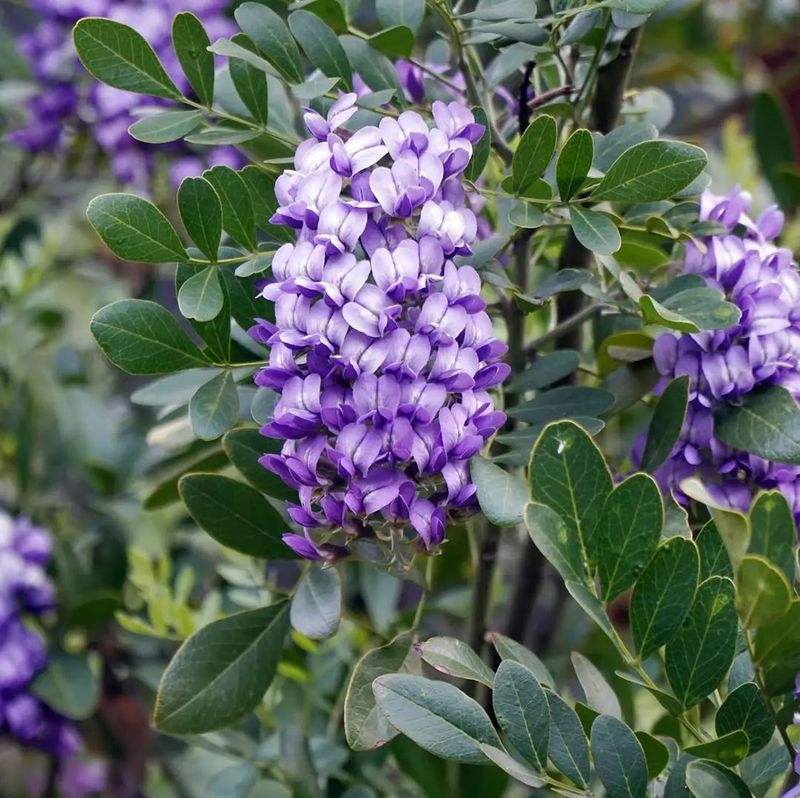
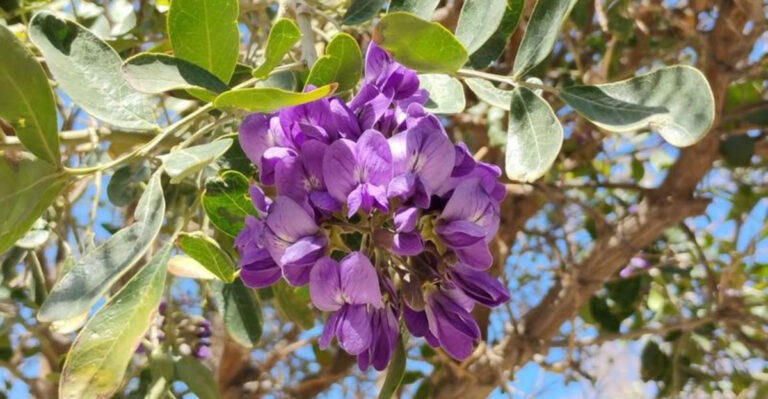
Intoxicating fragrance fills the air when Texas Mountain Laurel blooms in early spring, producing drooping clusters of purple flowers that smell remarkably like grape soda. This evergreen shrub or small tree grows very slowly, taking years to reach its mature height of 10 to 15 feet.
The deliberate growth pace makes it perfect for gardeners who want a permanent feature that won’t quickly outgrow its intended space.
Silvery-green compound leaves provide year-round interest and texture, while the thick, leathery foliage helps the plant conserve water during dry spells. Texas Mountain Laurel handles the toughest conditions the state can offer, including alkaline soils, intense heat, and extended drought.
It thrives across Central and South Texas, where it naturally occurs on rocky hillsides and limestone outcrops.
The plant requires excellent drainage and full sun to perform its best, making it ideal for xeriscaping and low-water landscapes. Once established, it needs virtually no supplemental irrigation or fertilizer.
The slow growth and tidy habit mean pruning is rarely necessary except to shape young plants or remove occasional damaged branches.
Birds and butterflies visit the flowers, while the sculptural form and fragrant blooms make Texas Mountain Laurel a treasured addition to gardens where patience and beauty meet.
7. Flame Acanthus

Brilliant orange-red tubular flowers catch every eye when Flame Acanthus bursts into bloom during the hottest months of summer.
This Texas native perennial grows steadily but not aggressively, forming clumps about three to four feet tall and wide.
The dark green foliage provides a lush backdrop for the vibrant flowers that appear from late spring through fall, attracting hummingbirds by the dozens.
Gardeners in South and Central Texas have long relied on Flame Acanthus for reliable color when many other plants struggle with the heat. It handles full sun to partial shade and adapts to various soil types, though it prefers decent drainage.
The plant may freeze back during hard winters in northern parts of the state but typically rebounds from the roots when warm weather returns.
Flame Acanthus requires minimal care once established, needing only occasional water during extreme drought. The slow to moderate growth rate keeps it from becoming invasive or overwhelming nearby plants.
You can cut it back in late winter to encourage fresh growth and more compact form. Deer generally leave it alone, and it rarely suffers from pest problems.
The combination of stunning flowers, wildlife attraction, and low maintenance makes Flame Acanthus a standout choice for Texas gardens seeking summer color without constant attention.
8. Lindheimer’s Muhly
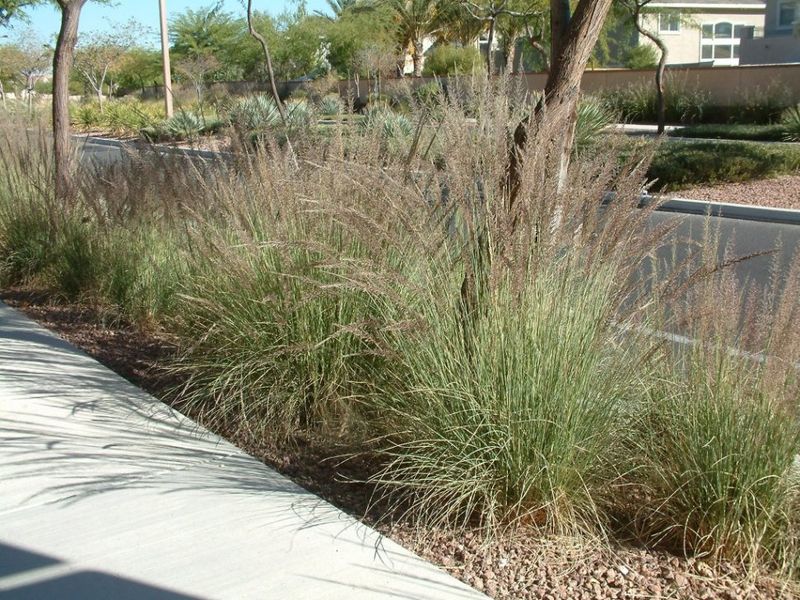
Delicate beauty and tough resilience combine perfectly in Lindheimer’s Muhly, a native Texas grass that grows in graceful clumps without spreading aggressively.
This ornamental grass reaches about two to three feet in height and width, with fine blue-green foliage that sways gently in breezes.
Feathery flower spikes emerge in fall, creating a soft, airy texture that adds movement and interest to the landscape.
Named after German-Texan botanist Ferdinand Lindheimer, this grass naturally occurs across much of Texas and handles the state’s challenging conditions with ease. It tolerates drought, heat, poor soil, and even occasional flooding once established.
The slow, steady growth means it maintains its tidy clump form year after year without requiring division or aggressive management.
Lindheimer’s Muhly performs best in full sun to light shade and works beautifully in rock gardens, borders, or naturalized areas. It needs virtually no fertilizer and minimal water after the first growing season.
An annual trim in late winter removes old foliage and makes way for fresh growth. The grass provides habitat and seeds for wildlife while adding texture and softness to plantings.
For Texas gardeners seeking a low-maintenance ornamental grass that stays neat and handles tough conditions, Lindheimer’s Muhly delivers reliable performance with minimal effort required throughout the seasons.
9. Agarita
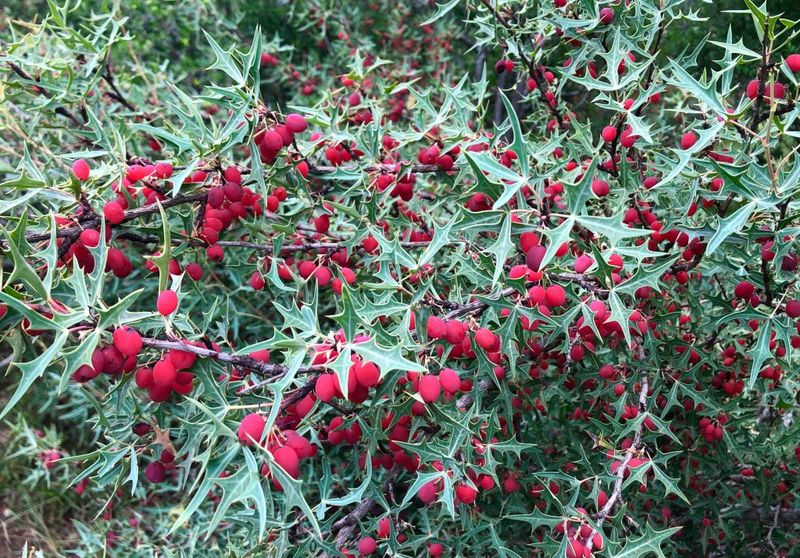
Tough as nails and beautiful too, Agarita brings unique character to Texas landscapes with its holly-like gray-green foliage and spiny stems. This evergreen shrub grows very slowly, eventually reaching four to six feet in height and width over many years.
The deliberate growth pace makes it perfect for gardeners who want a permanent, low-maintenance feature that stays manageable without constant pruning or shaping.
Fragrant yellow flowers appear in late winter to early spring, often before many other plants break dormancy.
These blooms develop into tart red berries by early summer, which make excellent jellies and attract birds to your garden. The spiny leaves provide natural security screening while creating habitat for small wildlife.
Native to Central and West Texas, Agarita thrives in rocky, alkaline soils and handles extreme drought and heat once established. It performs best in full sun to partial shade and requires virtually no supplemental water or fertilizer after the first year.
The plant’s unique texture and form add architectural interest to xeriscapes and native plant gardens. Deer avoid browsing on it thanks to the spiny foliage, giving you one less challenge to manage.
For Texas gardeners seeking a distinctive, ultra-low-maintenance shrub that handles the toughest conditions while staying neat and attractive, Agarita proves its worth year after year.