What To Water And What To Let Go Dormant In Nevada This Summer
Summer in Nevada doesn’t hold back. It shows up fast, cranks the heat, and turns your garden into a test of patience.
By July, the soil dries and splits like old pottery. Even the toughest shrubs start drooping by noon. Here’s the thing though. Not every plant needs rescuing.
Some are practically built for this heat. Drought-hardy natives handle 100-degree afternoons without a drop of extra water.
Others tell a different story. Thirsty transplants and delicate perennials will wilt into crispy regret if you look away for two days straight.
The trick isn’t watering everything more. It’s knowing which plants are quietly asking for help and which ones are already handling business on their own.
Get that balance wrong, and you’ll burn through water bills chasing a lawn that was never going to make it. Get it right, and your Nevada garden stays green while everyone else’s turns to straw.
Young Trees Need Consistent Deep Watering
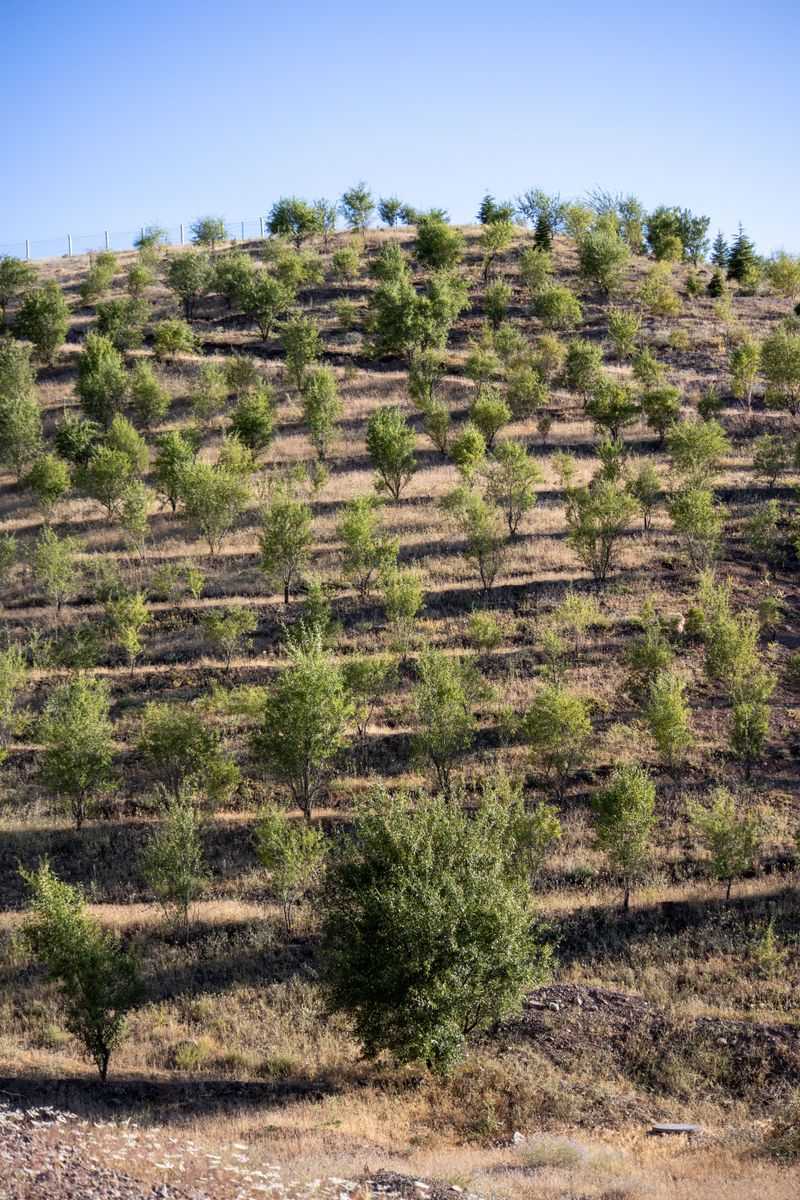
Picture a toddler trying to run a marathon without water. That is basically what a young tree faces during a Nevada summer without consistent deep watering.
Young trees have shallow root systems that have not yet reached deeper, cooler soil layers. They depend entirely on you to get through the intense heat.
Deep watering means soaking the ground slowly so moisture reaches 12 to 18 inches below the surface. A quick splash from a hose provides only surface moisture and rarely reaches the deeper roots.
Drip irrigation works beautifully here because it delivers water slowly right at the root zone. Set it to run for 45 minutes to an hour, two or three times per week, adjusting based on soil type.
Mulching around the base of the tree helps trap that precious moisture in the soil longer. Use three to four inches of wood chips, keeping mulch away from the actual trunk.
Morning watering is smarter than evening because it reduces the risk of fungal issues overnight. The cooler morning temperatures also mean less evaporation stealing your effort.
Skip watering young trees and you risk permanent root damage that no amount of fall care can fix. Stunted growth, wilting leaves, and bark cracking are all warning signs to watch for closely.
Staying consistent with your schedule is the real secret to success here. A young tree that gets steady care this summer will reward you with strong growth for many years ahead.
Vegetable Gardens Require Regular Moisture
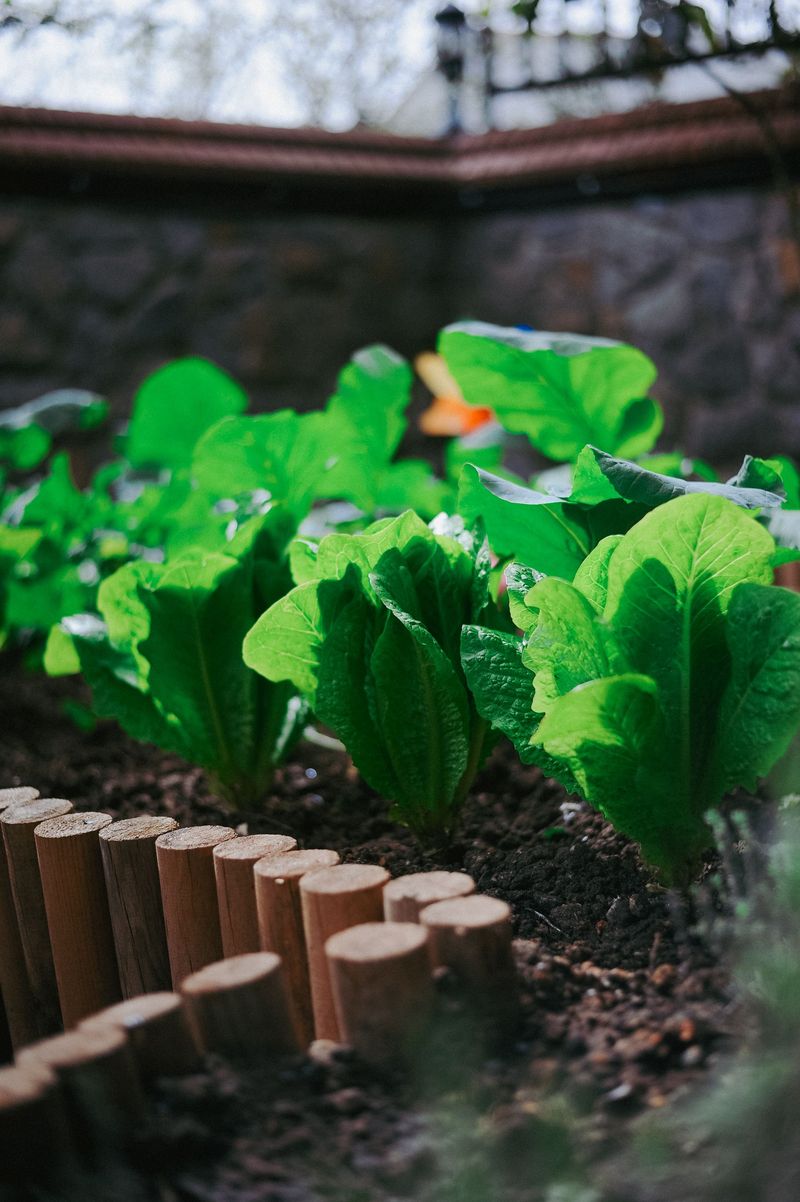
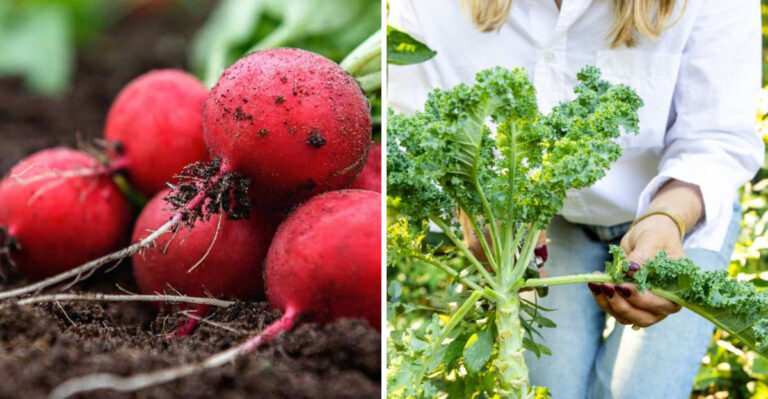
Tomatoes do not negotiate. Peppers do not compromise. Your vegetable garden is the most demanding part of your yard when summer hits hard.
Most vegetables are made up of roughly 90 percent water, so skipping irrigation days causes stress almost immediately. You will see it in wilted leaves and dropped blossoms fast.
In Nevada heat, vegetable gardens often need watering every one to two days, though this varies by soil and mulch coverage. Sandy desert soils drain quickly, which speeds up how fast roots dry out.
Your Nevada Garden Changes Every Week. Your Plan Should Too.
Gardening in Nevada changes quickly throughout the season. Every Friday you’ll receive a simple weekly plan showing exactly what to plant, prune, fertilize, harvest, and protect so you never miss the right timing.
Drip lines placed directly at the base of each plant are the gold standard for efficiency. Overhead sprinklers waste water through evaporation and can scorch wet leaves under intense sun.
Checking soil moisture with your finger is an old trick that still works perfectly. Push your finger two inches into the soil, and if it feels dry, it is time to water again.
Raised beds dry out even faster than in-ground gardens because hot air surrounds all four sides. Plan on watering raised beds more frequently than traditional garden rows.
Shade cloth can be a game changer during peak afternoon heat. A 30 to 40 percent shade cloth reduces soil temperature and keeps moisture from disappearing too quickly.
Consistent watering also prevents blossom end rot in tomatoes and bitter flavor in cucumbers. Regular moisture is what separates a thriving summer harvest from a disappointing one in the desert heat.
Newly Planted Shrubs Depend On Steady Care
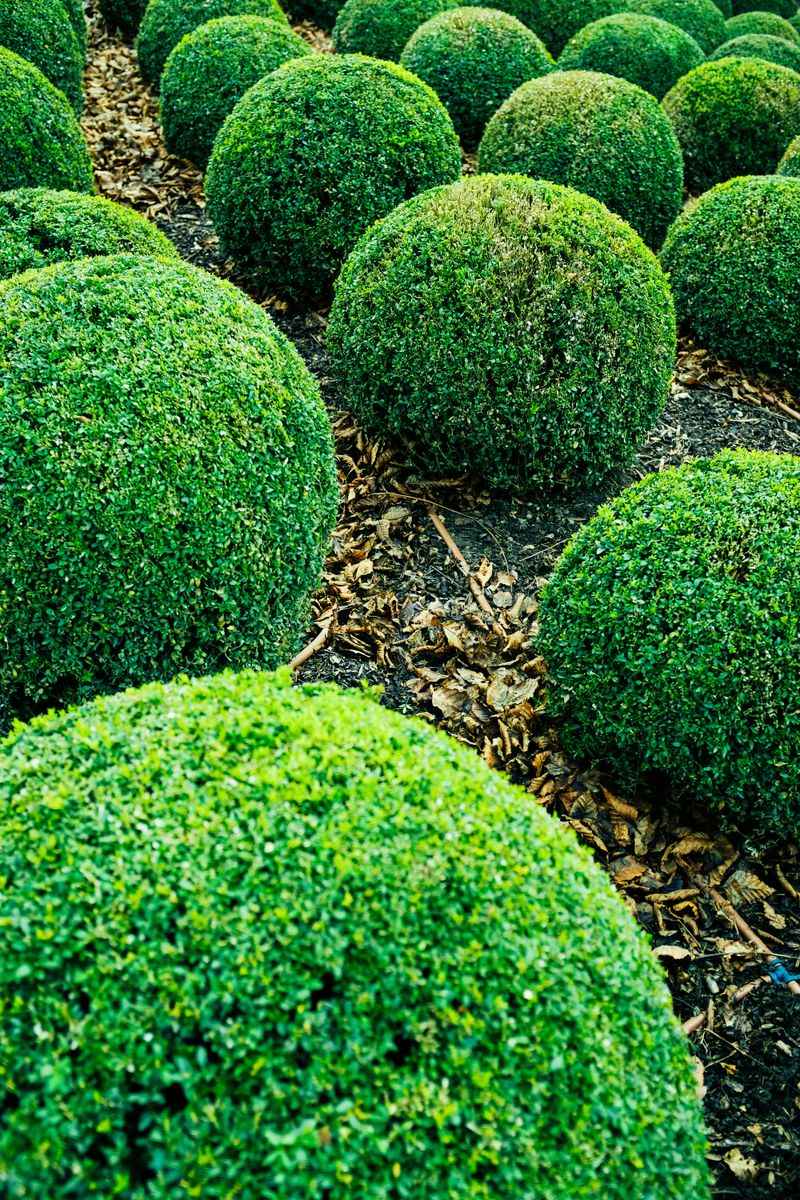
Fresh out of the nursery container and straight into 105-degree heat, newly planted shrubs face a demanding adjustment period.
They have not had time to establish roots, which makes summer planting a challenging time to establish new growth.
Even drought-tolerant shrubs like salvia or desert marigold need regular watering during their first summer. Drought tolerance only kicks in after roots have spread wide and deep.
For the first two months after planting, water every two to three days. After that, you can gradually reduce frequency as the shrub shows signs of healthy new growth.
Slow, deep watering sessions beat short frequent sprinkles every single time. You want roots to chase moisture downward, not stay near the surface where soil dries fastest.
A simple ring of soil built around each shrub creates a basin that holds water right where roots need it. Fill the basin slowly and let it drain completely before walking away.
Mulch is your best friend when caring for newly planted shrubs. A thick layer around the base keeps soil cooler and dramatically reduces how often you need to water.
Watch for yellow leaves or wilting in the morning hours, which are early signs of stress. Morning wilting is more concerning than afternoon wilting because healthy plants often droop slightly in peak afternoon heat.
Stick with steady care through September, and your shrubs will reward you with strong root systems that handle future summers with much less help from you.
Container Plants Dry Out Fast And Need Attention
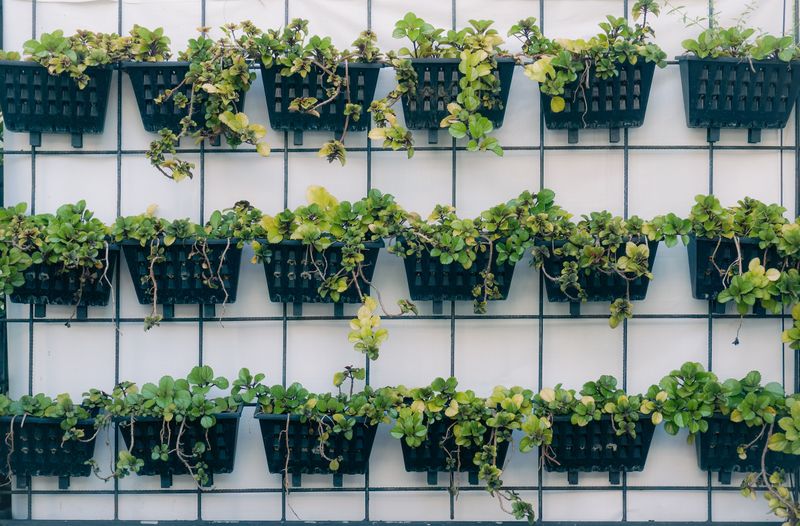
Container plants are among the most sensitive parts of the summer garden, and they have every reason to be. Pots heat up fast, drain quickly, and leave roots with little protection from high temperatures.
On a 100-degree day, a small terracotta pot can dry out within just a few hours depending on size and sun exposure. Checking containers at least once a day is not excessive, it is just smart summer gardening.
Dark-colored pots absorb more heat than light-colored ones and push soil temperatures dangerously high. Switching to white, cream, or glazed ceramic containers can protect roots during the most intense summer weeks.
Water container plants until it flows freely from the drainage hole at the bottom. That is the only way to know the entire root zone has received enough moisture.
Self-watering containers with built-in reservoirs are a brilliant solution for busy gardeners. They release moisture slowly into the soil, reducing daily watering chores significantly.
Grouping pots together creates a small microclimate where plants shade each other slightly. That little bit of shared shade can make a meaningful difference in how quickly pots dry out.
Moving containers to a shaded spot during peak afternoon hours is another smart strategy. Even heat-loving plants like succulents appreciate a break from direct sun when temperatures climb past 105 degrees.
Container gardening in Nevada summer is absolutely doable with the right habits in place. Give these plants consistent attention, and they will bloom and thrive well into fall.
Kentucky Bluegrass Can Handle Summer Dormancy
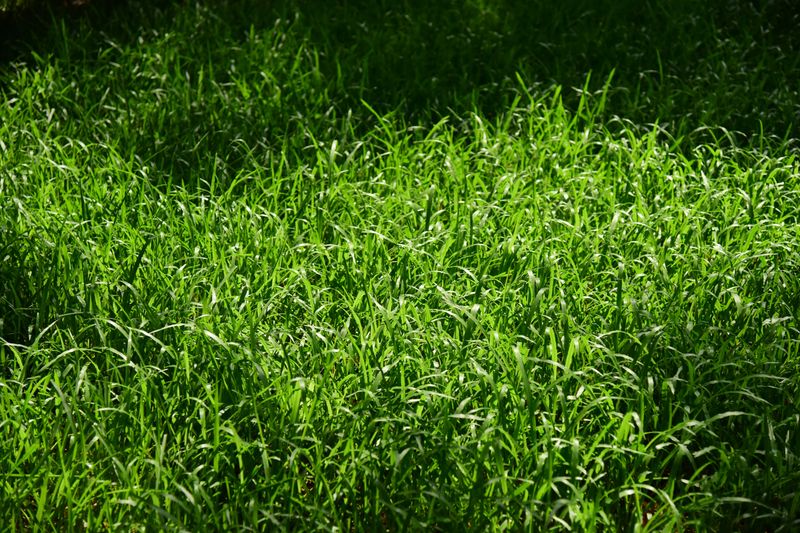
Golden and crunchy underfoot, a dormant bluegrass lawn looks rough but it is not gone for good. Kentucky bluegrass has a clever adaptation trick built right into its biology.
When summer heat becomes extreme, this cool-season grass shuts down growth and goes dormant to conserve energy. Think of it like a bear going into hibernation, just much shorter and less dramatic.
Letting bluegrass go dormant can actually save thousands of gallons of water over a single Nevada summer. That is real money back in your pocket without sacrificing your lawn permanently.
To keep dormant grass alive without actively growing it, water deeply once every two to three weeks. This minimal moisture keeps the crown of the plant alive so it can green up again in fall.
Do not mow dormant grass. Cutting stressed, sleeping grass adds unnecessary damage that slows recovery when cooler weather returns in autumn.
Foot traffic on dormant turf should be kept to a minimum. Compressing dry, dormant grass repeatedly can damage crowns and create bare patches that are hard to fill back in.
Fertilizing dormant bluegrass is a mistake many homeowners make. Feeding it signals the grass to wake up and grow, which exhausts its energy reserves during the worst possible time of year.
Come September, cooler nights will naturally wake your lawn back up. A little patience now means a lush green lawn again without replanting or reseeding from scratch.
Established Native Plants Tolerate Dry Stretches
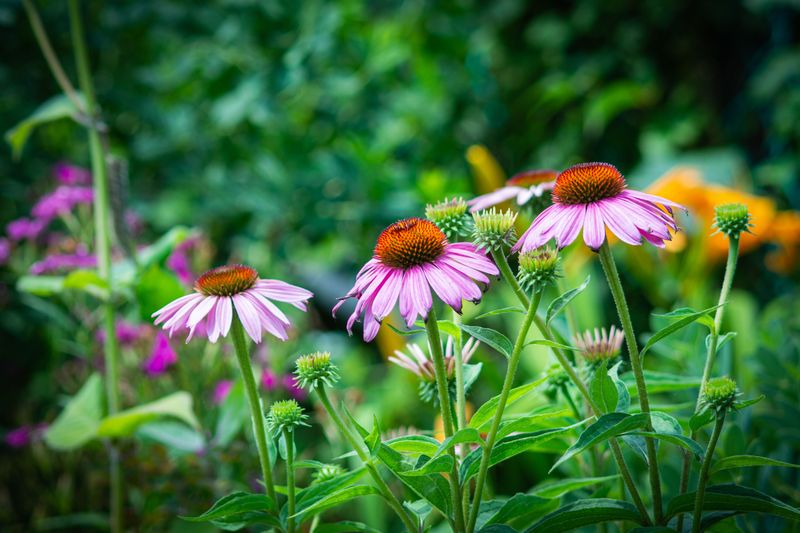
Brittlebush, desert willow, and Apache plume handle summer differently than most plants. These natives evolved specifically to handle long dry stretches without any help from a garden hose.
Established native plants, meaning those in the ground for at least two full growing seasons, have root systems that reach deep into the soil. That depth gives them access to moisture that shallower-rooted plants simply cannot reach.
Cutting off irrigation to established natives in summer is not neglect, it is actually good plant care. Overwatering desert-adapted plants causes root rot and can damage them faster than drought would.
A few species like desert willow may drop some leaves during peak heat as a natural cooling strategy. Leaf drop in summer is not a sign of failure, it is a smart adaptive response.
If you want to water established natives at all, do it once a month at most. A slow, deep soak once in July and once in August is more than enough for most species.
Pruning natives during summer stress is another mistake to skip entirely. Wait until late winter or early spring to shape and cut back any overgrown branches. Planting more natives this fall is one of the best investments you can make in your yard.
They cost less to maintain, support local wildlife, and look stunning with almost no summer effort. A yard full of established natives is a yard that practically takes care of itself all season long.
Ornamental Grasses Handle Drought Naturally
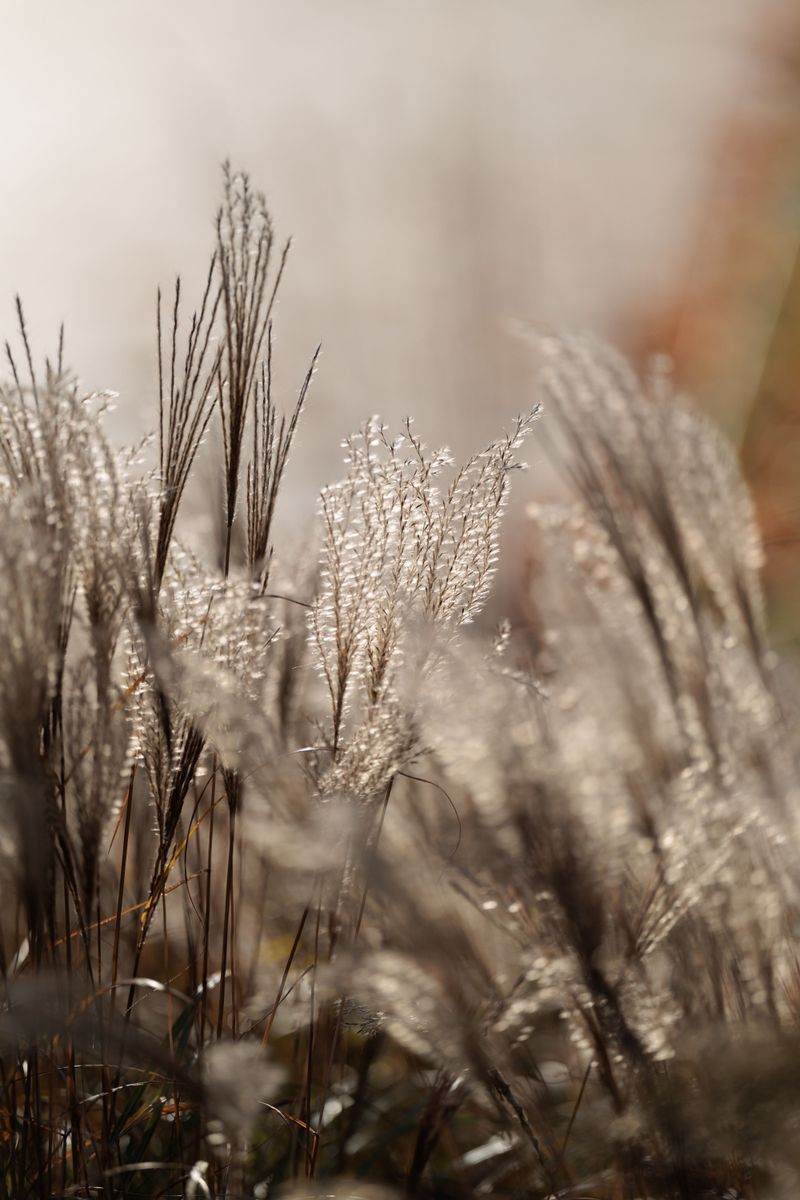
Ornamental grasses are among the easiest performers in the summer garden, staying steady while other plants show visible stress. Blue oat grass, deer grass, and purple three-awn thrive when other plants are struggling to keep up.
Most ornamental grasses store energy and moisture in their thick root masses. This built-in storage system lets them coast through dry weeks without showing much stress at all.
Once established, ornamental grasses in a Nevada landscape need watering only every two to three weeks in summer. Younger clumps planted within the last year will need a bit more attention to get fully settled.
One of the best things about ornamental grasses is how little fussing they require. No spent-flower trimming, no daily checks, no dramatic wilting to make you feel guilty on a busy week.
Planting ornamental grasses in full sun locations maximizes their natural toughness. Partial shade can actually weaken them and make them flop over instead of standing tall and graceful.
Avoid cutting ornamental grasses back in summer. The foliage, even when slightly dry at the tips, protects the crown and adds visual texture to the landscape all season.
Their seed heads attract finches and sparrows, which makes them a double win for gardeners who love wildlife. A patch of swaying grass in a hot Nevada yard brings both beauty and birds to your space.
If you are tired of babysitting your summer garden, ornamental grasses are the answer you have been waiting for.
Mature Trees With Deep Roots Need Less Help
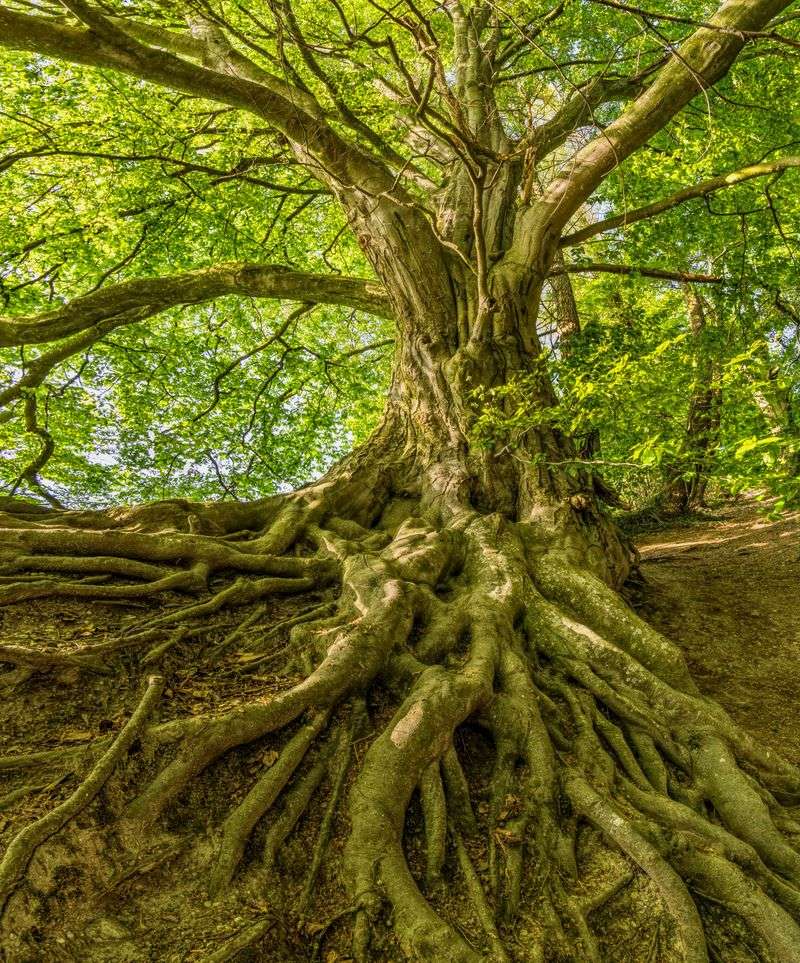
A mature tree that has been in the ground for ten or more years has a well-established, resilient root system. It has seen summers come and go and built deep roots that tap into moisture far below the surface.
Most mature trees in Nevada need supplemental watering only once or twice per month during peak summer. Deep, infrequent watering is always better than shallow, frequent sessions for large established trees.
Signs that a mature tree actually needs water include curling leaves, premature leaf drop, and bark that looks dry and cracked. Healthy mature trees generally hold their shape and color even during prolonged hot spells.
When you do water a large tree, apply moisture at the drip line, not at the trunk. The drip line is the outer edge of the canopy, where the most active feeder roots are located.
Overwatering mature trees is a surprisingly common mistake in desert landscapes. Soggy soil around large tree roots invites fungal disease and root rot that can take years to show up visibly.
Keeping lawn grass away from the base of mature trees benefits both the tree and the turf. Grass and trees compete for water, and the tree almost always loses out in that competition.
A thick ring of mulch extending from the trunk to the drip line retains soil moisture beautifully. It also keeps mowers and trimmers away from the bark, which prevents accidental damage.
Knowing what to water and what to let go dormant in Nevada this summer starts with trusting your mature trees to do their job.