These Snakes Florida Homeowners Commonly Mistake As Dangerous
You spot a snake in your yard and your heart instantly skips a beat. In Florida, that reaction is almost automatic.
The problem? Not every snake that looks scary actually is.
Many harmless species get mistaken for dangerous ones because of similar colors, patterns, or size, and that confusion leads to a lot of unnecessary panic. From garden beds to driveways to backyard fences, these lookalikes show up more often than most homeowners realize.
Knowing the difference can save you stress, protect local wildlife, and help you react the right way instead of overreacting in the moment. The snakes coming up next are the ones Florida homeowners misidentify the most, and some of them might surprise you.
1. Southern Water Snakes Trigger Constant Cottonmouth Confusion
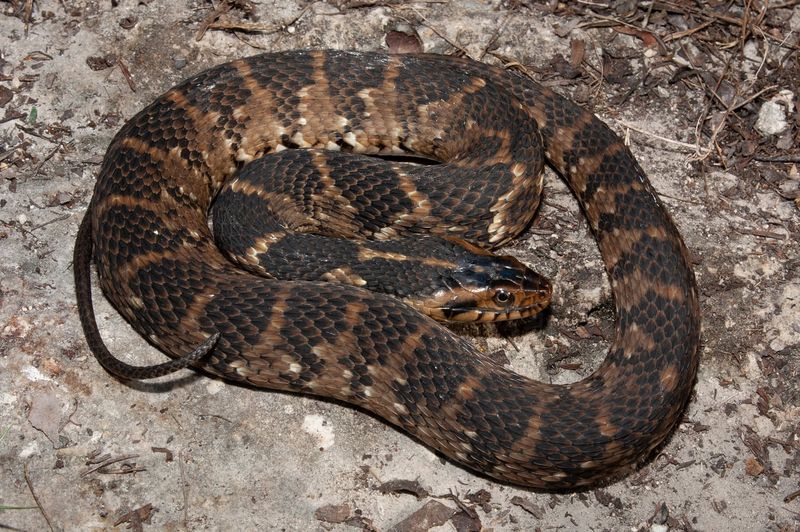
Spotting a thick-bodied snake swimming across your pond, canal, or drainage ditch often causes immediate fear. Many Florida homeowners instantly assume they are looking at a cottonmouth, also called a water moccasin.
In reality, Southern water snakes are far more common and account for the majority of these sightings across residential areas.
Southern water snakes have dark bands, heavy bodies, and rough-looking scales that make them appear intimidating at first glance. When threatened, they flatten their bodies, widen their stance, and lift their heads, which exaggerates their size and creates the illusion of a more dangerous snake.
This defensive behavior frequently causes homeowners to panic unnecessarily.
Behavior alone is not a reliable way to identify these snakes. Both cottonmouths and water snakes may either flee or stand their ground depending on the situation.
Cottonmouths are more likely to display an open-mouth warning posture, but neither species should be assumed aggressive. Southern water snakes are active hunters that feed on fish, frogs, tadpoles, and small aquatic animals.
This makes them important for controlling overpopulation in backyard ponds and retention areas.
Although they may look aggressive, Southern water snakes are not venomous and rarely bite unless handled. If you encounter one near water, the safest response is to keep your distance and allow it to move on naturally.
Giving wildlife space protects both your family and Florida’s fragile ecosystem.
2. Banded Water Snakes Fool Homeowners Near Ponds And Canals
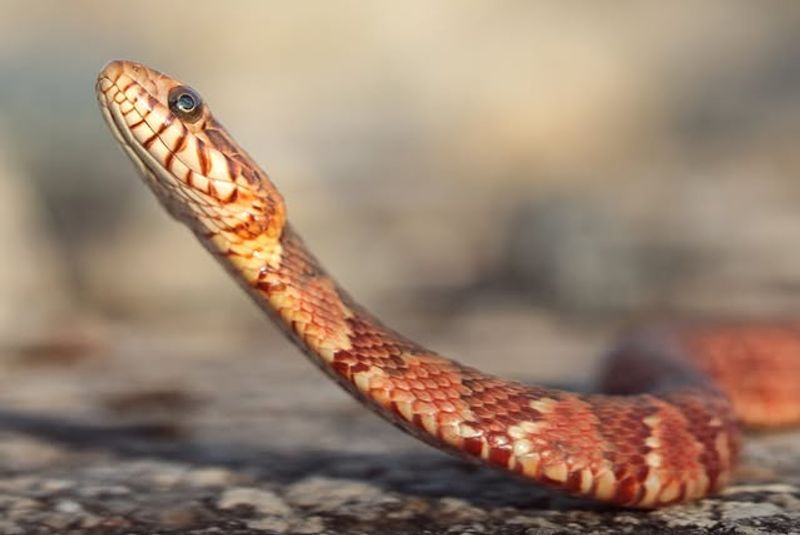
Your neighbor calls you over to look at a snake coiled near the canal behind your subdivision. It has bold dark bands, a thick muscular body, and a defensive posture that immediately sparks whispers about cottonmouths.
In reality, the snake most Florida homeowners encounter in these situations is usually a banded water snake, a completely non-venomous species that thrives in canals, retention ponds, drainage ditches, and neighborhood lakes.
Banded water snakes display striking crossbands that closely resemble cottonmouth patterns, especially when seen from a distance or in murky water. This visual similarity is one of the main reasons homeowners panic.
When disturbed, these snakes often appear aggressive, but their behavior is defensive rather than dangerous.
If a banded water snake feels trapped, it may flatten its body, raise its head, hiss loudly, and strike in your direction without making contact. This bluffing display is meant to scare away predators and create space for escape.
Unlike cottonmouths, they lack the heat-sensing facial pits that venomous pit vipers use to locate warm prey. Head shape alone is unreliable for identification because many nonvenomous snakes flatten their heads defensively.
These snakes play an important ecological role in Florida neighborhoods. They feed on fish, tadpoles, frogs, and small aquatic animals, helping prevent overpopulation in backyard waterways.
Without them, many retention ponds would experience imbalanced ecosystems.
If you spot one near your canal, the safest response is to remain calm, step back slowly, and allow it to move on. Most banded water snakes retreat quickly when not threatened, keeping both residents and wildlife safe.
3. Black Racers Get Mistaken For Dangerous Species All The Time
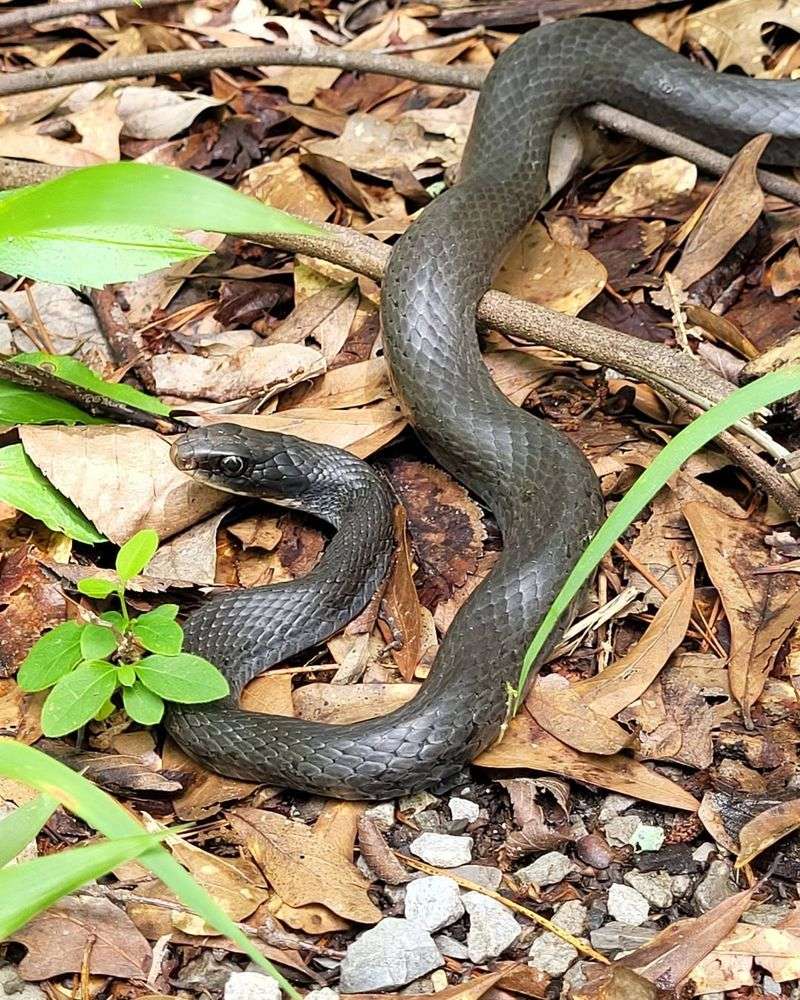
A long, sleek black snake suddenly shoots across your driveway, patio, or backyard, moving faster than you thought possible. Your heart jumps, and for a split second you may wonder if it could be some dangerous exotic species.
In reality, what you just witnessed is almost always a black racer, one of Florida’s most common and completely harmless native snakes. It is also important to note that juvenile black racers are gray with dark blotches and only turn solid black as they mature.
Black racers are known for their incredible speed and alert behavior. They rely on quick bursts of movement to escape predators rather than standing their ground or acting aggressively.
Their solid black coloration, glossy appearance, and sudden motion often startle homeowners who are unfamiliar with Florida wildlife. Some people mistakenly assume they are dangerous venomous snakes simply because of their dark color, even though juvenile cottonmouths are actually banded brown with yellow tail tips and not solid black.
These snakes are active during the day and prefer open, sunny areas such as lawns, gardens, driveways, and fence lines. They are highly effective hunters that feed on lizards, frogs, insects, small rodents, and even other small snakes.
Because of this, black racers provide valuable natural pest control around residential properties.
When approached, black racers almost always flee at high speed instead of confronting people. They may dart into bushes, climb shrubs, or disappear under decks and sheds.
If you see one in your yard, the best response is to give it space and let it move on. Their presence usually indicates a healthy local ecosystem and balanced wildlife activity around your home.
4. Scarlet Snakes Spark Coral Snake Panic
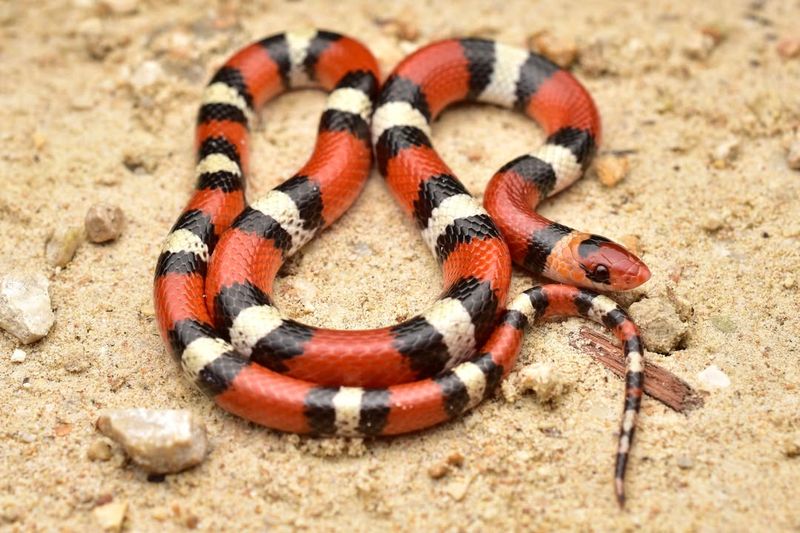
You flip over a piece of plywood, garden board, or landscaping stone and suddenly spot a small, brightly colored snake with red, black, and yellow bands. Your mind immediately jumps to coral snakes, and concern about venomous bites sets in fast.
However, if the red bands are touching black bands, what you are actually seeing is a scarlet snake – a shy, harmless burrowing species found throughout much of Florida.
Scarlet snakes are commonly confused with Eastern coral snakes because their color patterns look similar at a glance. Many homeowners remember the rhyme used for identification, but panic often overrides careful observation in the moment.
The key difference is band placement. Scarlet snakes have red touching black, while coral snakes have red touching yellow.
This simple visual clue can prevent serious misidentification.
Unlike coral snakes, scarlet snakes spend most of their lives underground. They prefer loose soil, mulch beds, leaf litter, and garden debris where they hunt reptile eggs, small insects, and invertebrates.
Because of this secretive lifestyle, they are rarely seen unless heavy rain floods their burrows or homeowners accidentally uncover them while gardening.
Scarlet snakes are small, slender, and non-aggressive. They do not pose a threat to people, children, or pets.
If you encounter one, avoid handling it and allow it to return to cover naturally. These snakes are not only harmless, but also beneficial to Florida’s backyard ecosystems.
5. Kingsnake Patterns Create Serious Identification Mix-Ups
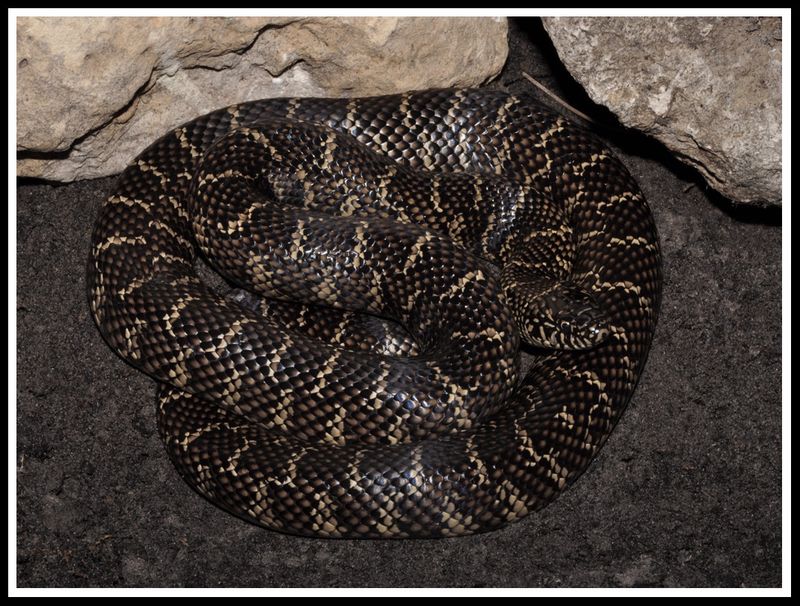
A snake with bold black and white bands suddenly crosses your patio, driveway, or pool deck, and you freeze because it looks dangerous at first glance. Depending on the pattern, many Florida homeowners immediately think coral snake or assume the snake is venomous.
In reality, what you are most likely seeing is a Florida kingsnake; a completely harmless species that is actually one of the most beneficial snakes to have around your property.
Kingsnakes display a wide variety of patterns across the state. Some have sharp black-and-white bands, others show speckled or striped designs, and some even appear nearly solid dark.
This wide variation causes constant misidentification, especially because kingsnakes are thick-bodied and move with calm, confident motions that can appear intimidating.
Unlike venomous snakes, kingsnakes are constrictors. They subdue prey by wrapping around it and applying pressure rather than using venom.
Their diet includes rodents, birds, lizards, frogs, and — most importantly – other snakes. Kingsnakes actively hunt venomous species such as rattlesnakes and cottonmouths and have a higher tolerance to snake venom than many other snakes, though large bites can still be dangerous.
Because of this behavior, kingsnakes act as natural population control for dangerous snakes around residential areas. Seeing one on your property often means fewer rodents and fewer venomous snakes nearby.
If you spot a kingsnake, consider yourself lucky. They are not aggressive toward people and prefer to avoid confrontation.
Giving them space allows them to continue quietly patrolling your property and keeping your yard safer without any human intervention.
6. Rat Snakes And Corn Snakes Get Labeled As Rattlesnakes
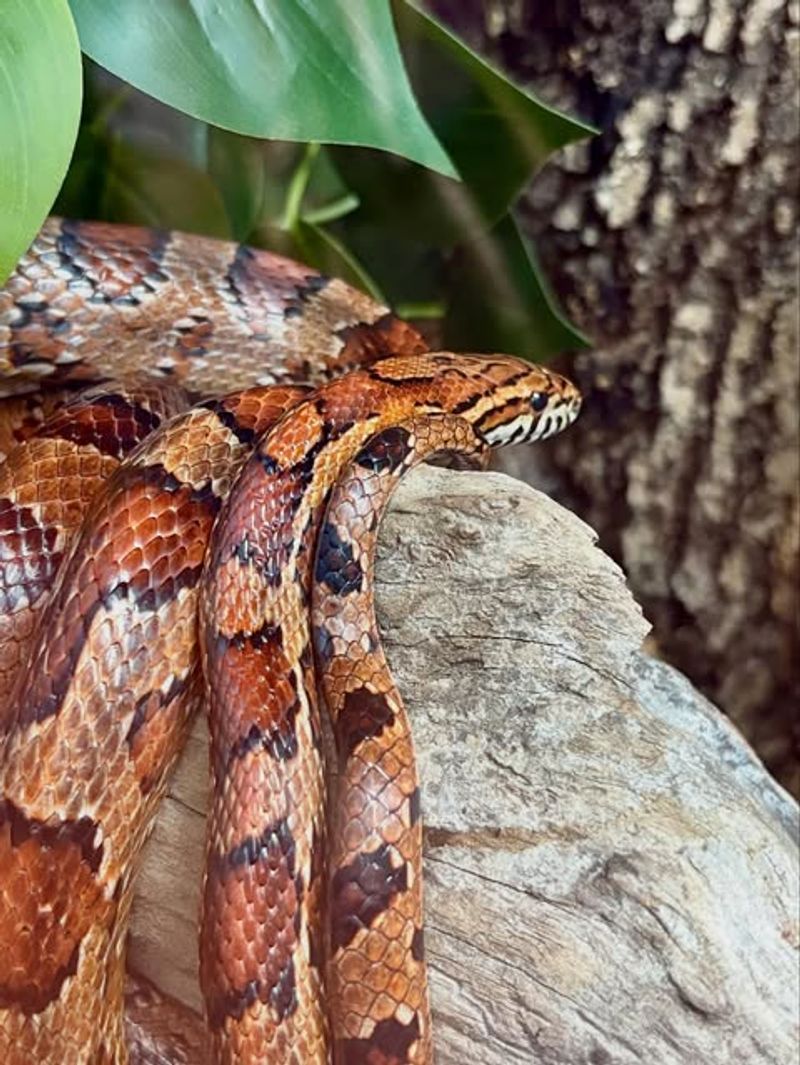
A large snake with bold blotches and rough-looking markings climbs your fence, rests near your woodpile, or slips along your shed wall. In Florida, rat snakes are commonly referred to as Eastern rat snakes.
The size alone is enough to make many Florida homeowners panic, and the pattern often leads people to assume they are looking at a rattlesnake. In reality, these encounters usually involve rat snakes or corn snakes, both of which are harmless constrictors and extremely beneficial to residential areas.
Rat snakes can grow longer than six feet, making them one of the largest non-venomous snakes commonly found near homes. Their blotched coloration closely resembles rattlesnake markings to untrained eyes, especially when viewed quickly or from a distance.
Corn snakes share similar patterning but are generally smaller and more colorful, which still causes confusion among homeowners unfamiliar with snake identification.
Both species are excellent climbers and are frequently spotted on fences, trees, rooftops, and inside barns or attics while searching for rodents and nesting birds. Their climbing ability often surprises residents and increases fear, even though it is simply part of their hunting behavior.
When threatened, rat snakes and corn snakes may vibrate their tails against dry leaves or debris, producing a buzzing sound that mimics a rattlesnake. This defensive trick is meant to scare predators away and does not indicate venom or aggression.
If you encounter one near your home, the best response is to keep your distance and allow it to move on. These snakes are non-venomous, prefer escape over confrontation, and help control rat and mouse populations that cause property damage.