These Soil Fixes Work Better Than Fertilizer In Florida Gardens
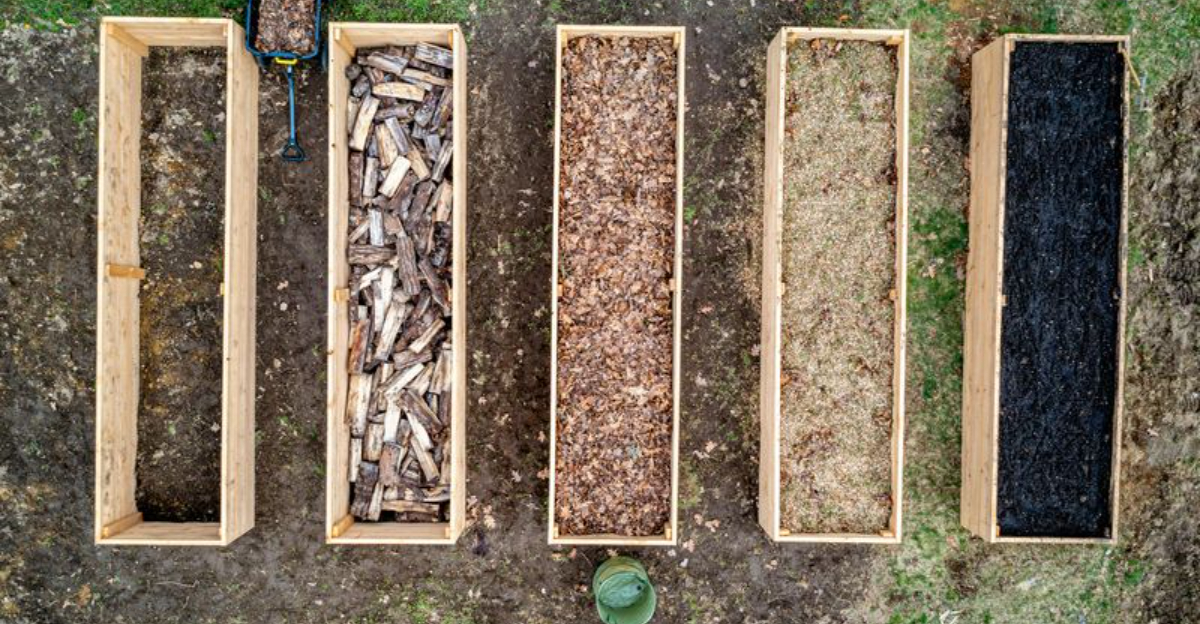
Florida soil looks nothing like the rich garden soil shown in magazines and viral videos. Most yards start with pale sand that drains fast, heats up quickly, and struggles to hold water or nutrients long enough for plants to thrive.
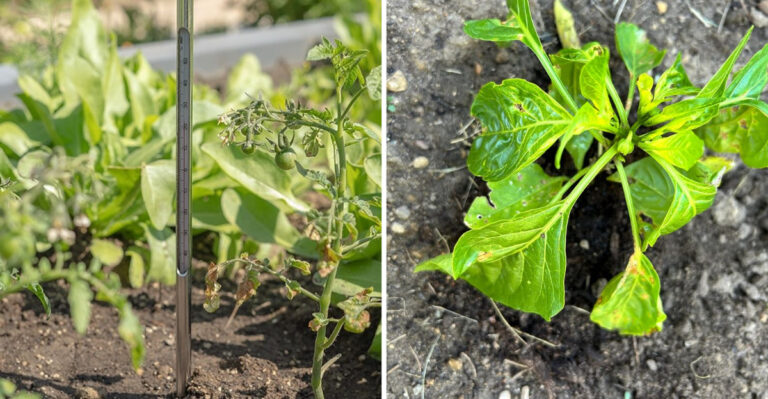
Many homeowners respond by adding more fertilizer, hoping it will fix weak growth or yellowing leaves. The problem is that in Florida’s sandy soil, much of that fertilizer moves straight through before roots can absorb it.
Fertilizer does help plants grow, but soil conditions determine how much of it actually gets used. When soil lacks organic matter and structure, nutrients disappear quickly and watering becomes a constant chore.
That’s why improving the soil itself often produces stronger, longer-lasting results than adding fertilizer alone.
Healthier soil holds moisture, supports beneficial organisms, protects roots from heat stress, and keeps nutrients available between rainstorms.
Plants become easier to care for, gardens stay greener longer, and growth becomes more reliable even during Florida’s unpredictable weather.
1. Organic Matter Is What Florida Soil Is Missing Most
Walk through any established Florida garden after a summer storm and you’ll notice something. The beds with compost mixed in still look fluffy and dark, while sandy spots have already dried out and hardened.
That difference comes down to organic matter, the spongy material that helps soil hold water and nutrients between rain events.
Florida’s warm, humid climate breaks down organic matter much faster than in cooler regions of the country. Organic matter can decompose several times faster in Florida than in cooler northern states.
South Florida gardeners deal with this even more intensely because of year-round warmth and heavy rainfall that leaches nutrients quickly.
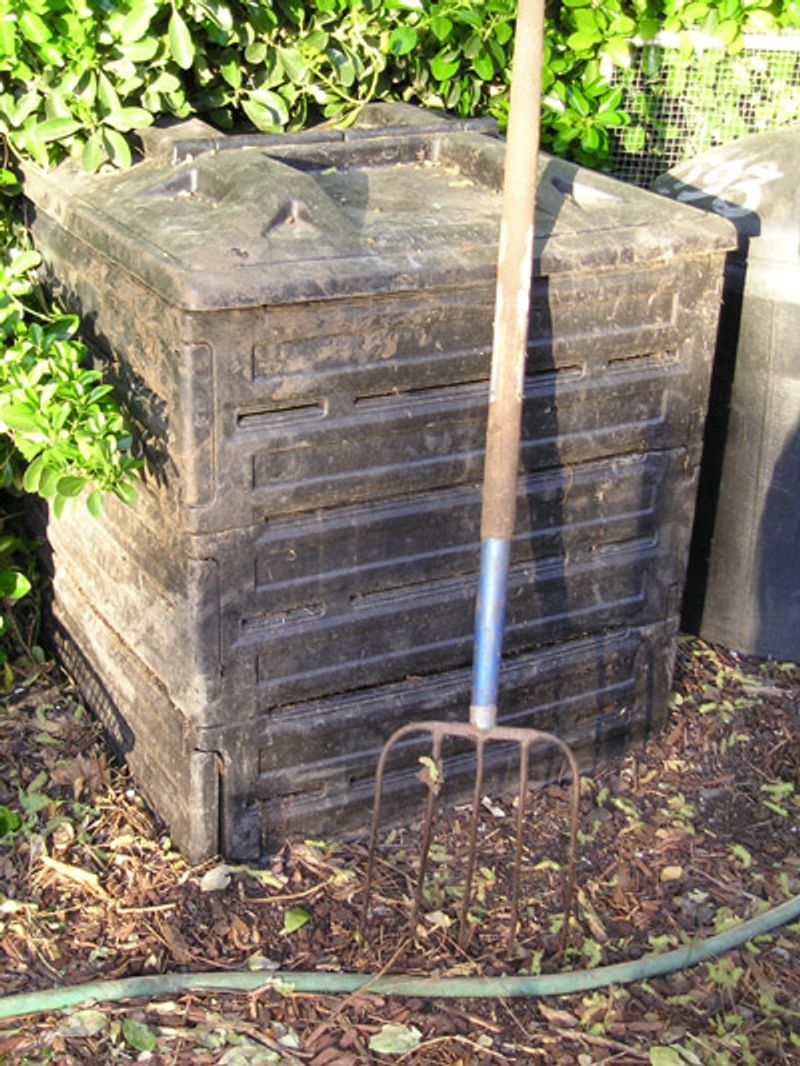
You don’t need truckloads of compost to see results. Working in two to three inches of aged compost or composted manure each season gradually builds soil structure.
Your plants will grow stronger roots, need less frequent watering, and pull nutrients more efficiently from what’s already there.
North Florida clay soils benefit just as much, though for different reasons. Organic matter loosens tight clay and improves drainage, preventing that brick-hard surface that forms after dry spells.
Central Florida’s deep sand needs organic matter to create any structure at all, giving roots something to anchor into beyond loose grains.
2. Mulch Slowly Improves Soil Without Extra Work
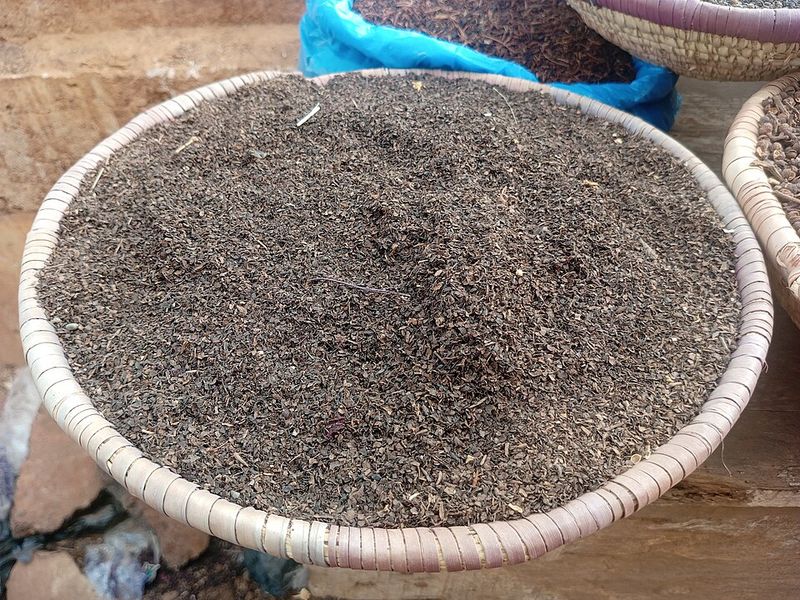
Mulch does more than keep weeds down. Every time it rains, water carries tiny bits of decomposing mulch down into the top layer of soil.
Over months, that slow breakdown feeds soil organisms and adds organic material exactly where roots need it most, without you lifting a shovel.
Pine bark, pine straw, and hardwood mulches all work well in Florida, though they break down at different speeds. Pine straw disappears faster in South Florida’s wet summers, while hardwood mulch lasts longer but can tie up nitrogen temporarily as it decomposes.
Most gardeners find a two- to three-inch layer strikes the right balance.
You’ll notice healthier plants within a single growing season. Mulched beds stay cooler during afternoon heat, which protects shallow roots and keeps soil microbes active.
During dry stretches, mulch slows evaporation so you can water less often without stressing plants.
North Florida gardeners can use slightly thicker mulch layers because cooler winters slow decomposition. Central and South Florida beds need fresh mulch more often, but the payoff is worth it—your soil gradually becomes darker, holds moisture better, and supports stronger plant growth without constant fertilizer applications.
3. Better Drainage Without Digging Up Your Yard
Standing water after summer thunderstorms signals a drainage problem that fertilizer can’t solve. Roots sitting in saturated soil struggle to breathe, and nutrients wash away before plants can absorb them.
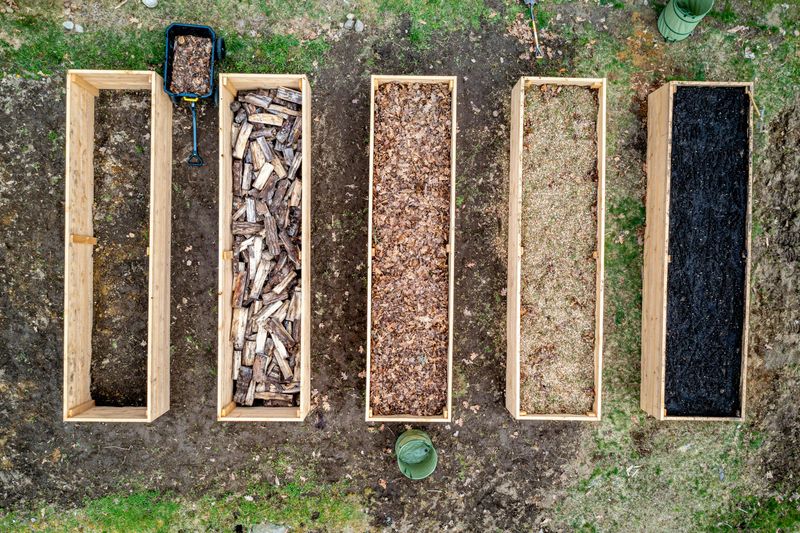
Fixing drainage doesn’t always mean installing pipes or regrading your entire yard—sometimes raising beds a few inches makes all the difference.
Building beds up with a mix of native soil, compost, and coarse sand creates gentle mounds that shed excess water naturally.
South Florida gardeners often deal with high water tables and frequent flooding, so raised beds become essential for growing anything beyond wetland plants.
Central Florida’s deep sand usually drains too fast, but pockets of hardpan clay can create surprise puddles that need similar fixes.
North Florida clay soils benefit most from this approach. Adding coarse organic matter and working it deeply into clay breaks up compacted layers and opens channels for water to move through.
You’ll see roots grow deeper and plants bounce back faster after heavy rain.
Even modest improvements change how your garden responds to Florida’s unpredictable weather. Better drainage means nutrients stay available longer, roots explore more soil volume, and you spend less time rescuing stressed plants after every storm.
4. Groundcover Plants That Protect And Improve Soil
Bare soil doesn’t last long in Florida. Sun bakes the surface hard, rain washes away loose particles, and weeds move in fast.
Living groundcovers do what mulch can’t—they actively pump organic matter into soil through root growth and leaf drop while shading the surface and slowing water runoff.
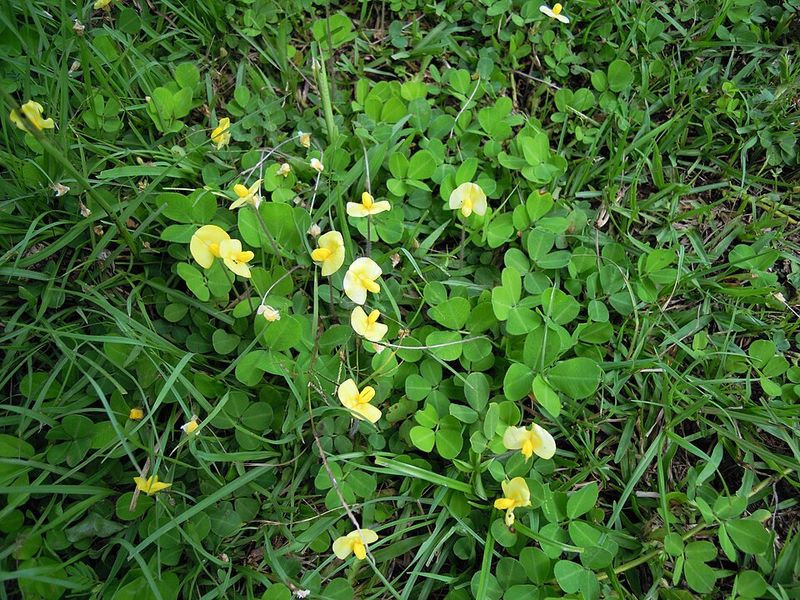
Perennial peanut works beautifully in Central and South Florida, spreading quickly and fixing nitrogen that becomes available to the soil over time as plant material decomposes.
Sunshine mimosa tolerates foot traffic and handles sandy soils well, while creeping fig and Asiatic jasmine thrive in shadier spots.
North Florida gardeners can add liriope and mondo grass to the mix, especially in areas with partial clay content.
These plants create their own mulch layer as older leaves drop and decompose. Their roots break up compacted zones and create channels that help water and air reach deeper soil layers.
You’ll notice fewer weeds, cooler soil temperatures, and healthier neighboring plants within a single growing season.
Groundcovers reduce your fertilizer needs because they’re constantly feeding the soil. As roots grow and shed, they leave behind organic matter and support beneficial fungi and bacteria.
Your garden becomes more resilient, holds moisture better, and needs less intervention overall.
5. Compacted Soil Is Blocking Root Growth
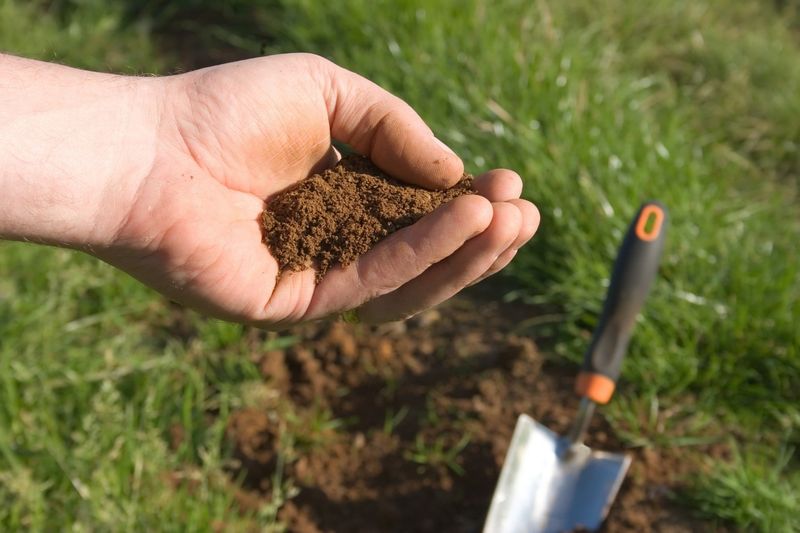
Roots need air just as much as they need water and nutrients. Compacted soil squeezes out air pockets, leaving roots struggling to expand and explore.
You’ll see stunted growth, yellowing leaves, and poor response to fertilizer—not because nutrients are missing, but because roots can’t reach them.
Foot traffic, heavy equipment, and even repeated tilling can compress soil particles together. North Florida clay compacts easily, especially when worked wet, forming layers that roots can’t penetrate.
Central Florida sand doesn’t compact as severely, but repeated traffic still crushes the small amount of structure that organic matter provides. South Florida’s organic soils can compress under weight, reducing their natural sponginess.
Fixing compaction takes patience. Working compost into the top six to eight inches helps, but avoid tilling repeatedly—that can make compaction worse over time.
Broadfork tools loosen soil without turning it over, preserving beneficial soil structure and organism networks.
Planting deep-rooted cover crops like daikon radish or sunn hemp breaks up compacted layers naturally as roots push downward. When these plants decompose, they leave channels that improve drainage and aeration.
Your garden responds with stronger root systems, better nutrient uptake, and healthier growth that doesn’t rely on constant fertilizer applications.
6. Watering Less Often But More Effectively
Frequent shallow watering trains roots to stay near the surface, right where Florida heat dries soil fastest. Those shallow roots can’t access deeper nutrients or moisture reserves, so plants become dependent on constant irrigation and fertilizer.
Changing how you water changes everything about how your garden grows.
Deep, infrequent watering encourages roots to grow downward, exploring larger soil volumes and becoming more drought-tolerant. Sandy soils in Central and South Florida need slower application rates—water too fast and it runs straight through without soaking in.
North Florida’s clay soils hold moisture longer, so you can water less frequently once roots establish.
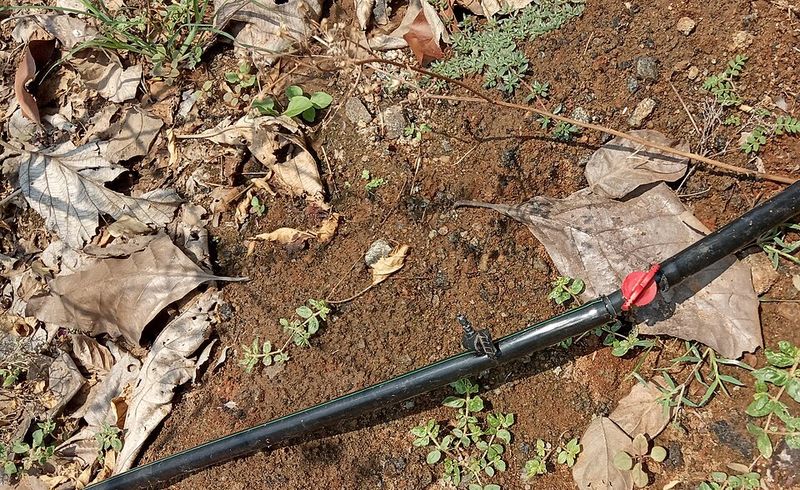
Soaker hoses and drip irrigation deliver water slowly right at the root zone, reducing waste and keeping foliage dry. You’ll use less water overall and see stronger plants that don’t wilt at the first sign of heat.
Mulch helps by slowing evaporation, so more of each watering actually reaches roots.
As soil structure improves with organic matter, it holds water more evenly and releases it gradually. You’ll notice plants staying greener longer between waterings and responding better to nutrients already in the soil.
Better watering habits make every soil improvement more effective.
7. Healthy Soil Needs Living Organisms
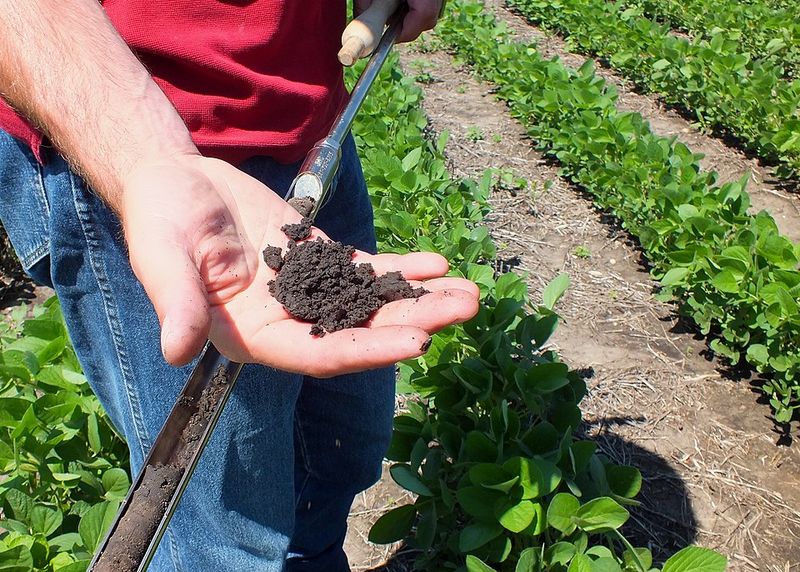
Soil isn’t just sand and organic matter—it’s home to billions of bacteria, fungi, and tiny creatures that break down materials and make nutrients available to plants.
Healthy soil feels alive, and when you improve conditions for these organisms, they do the hard work of feeding your plants for you.
Mycorrhizal fungi attach to plant roots and extend far into surrounding soil, gathering nutrients and water that roots can’t reach alone. In return, plants share sugars with the fungi.
This partnership works especially well in Florida’s low-nutrient sands, where fungi dramatically expand each plant’s effective root zone.
Adding compost, avoiding excessive tilling, and keeping soil covered with mulch or groundcovers all support soil life. South Florida’s warmth keeps organisms active year-round, while North Florida gardeners see slower activity during cool winters.
Central Florida falls somewhere in between, with organisms working hard most of the year.
You can’t see most soil organisms, but you’ll notice their effects—better plant growth, improved disease resistance, and less need for fertilizer. Healthy soil ecosystems cycle nutrients efficiently, turning organic matter into plant-available forms naturally.
Building this biological activity takes time, but it’s the foundation of a garden that thrives with less input.
8. Soil Testing Prevents Wasted Fertilizer
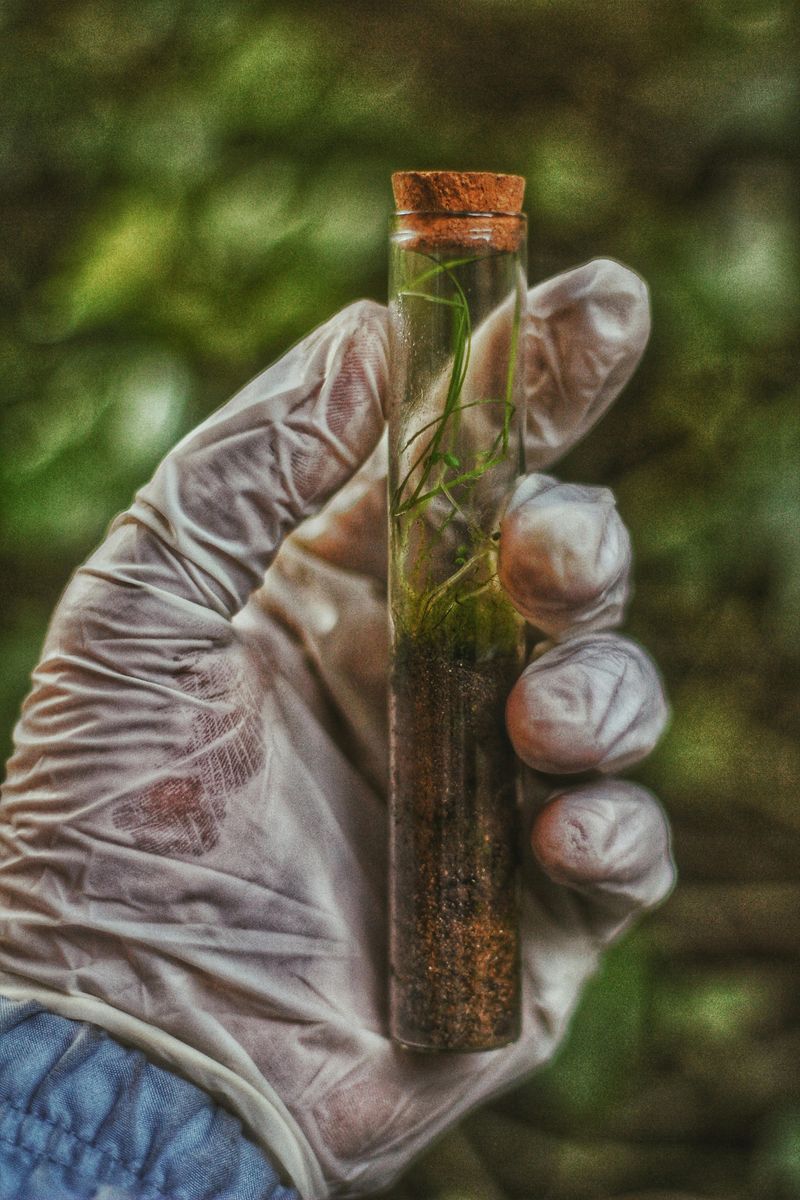
Guessing what your soil needs leads to overapplication, nutrient imbalances, and money spent on fertilizer that washes away unused. A simple soil test from your county extension office tells you exactly what’s present and what’s missing, so you can focus on real deficiencies instead of adding everything and hoping.
Florida soils vary dramatically even within the same neighborhood. North Florida might show adequate phosphorus but low magnesium, while Central Florida sand often lacks everything except silica.
South Florida’s alkaline soils can lock up iron and manganese, causing deficiency symptoms even when those nutrients are present—testing reveals pH issues that fertilizer alone won’t fix.
Testing every two to three years tracks how your soil improvements are working. As organic matter increases, you’ll see better nutrient retention and more balanced results.
You can reduce fertilizer applications gradually, relying more on soil health and less on constant inputs.
The test results guide decisions about lime, sulfur, and specific nutrient additions. You’ll stop wasting money on unnecessary products and start making targeted improvements that actually help.
Combined with better soil structure, proper pH, and active soil life, your garden becomes more efficient at using what’s already there.