These Succulents Handle Texas Heat Without Frequent Watering
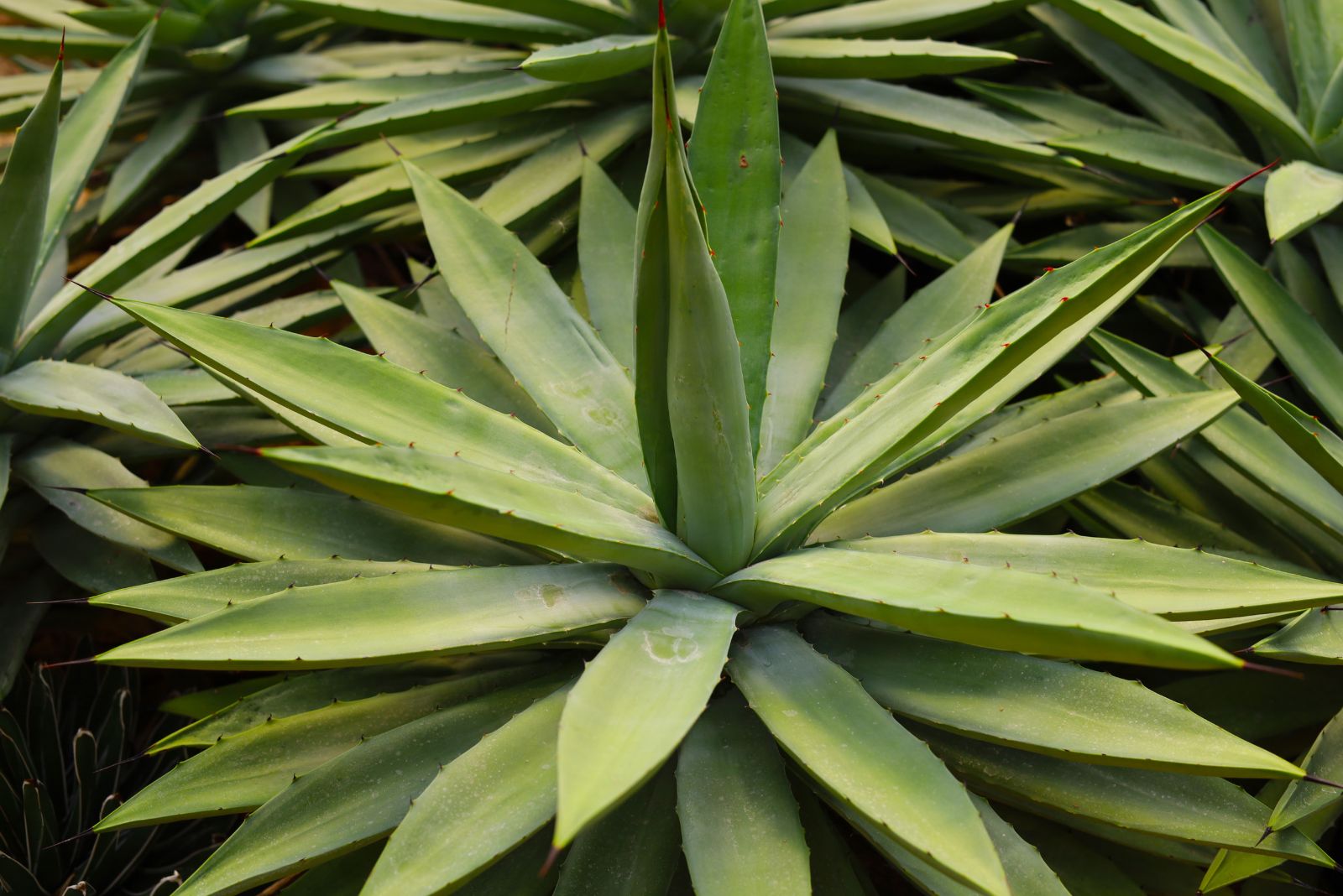
Texas heat can be rough on plants, especially when rain is scarce and watering every day is not realistic. That is exactly why succulents are such a smart choice for Texas gardens, patios, and containers.
These plants are built to store water, handle bright sun, and keep going when other greenery starts to look stressed, faded, or flat-out exhausted. In a climate where summer can feel relentless, that kind of toughness matters.
What makes succulents especially appealing is that they do not ask for much in return. Many can thrive with minimal watering, little maintenance, and plenty of sunshine, which makes them perfect for busy gardeners or anyone trying to cut back on water use.
They also come in a wide range of shapes, colors, and textures, so a drought-friendly yard does not have to look plain or repetitive.
The best part is that tough does not mean boring. The right succulents can add serious style to a Texas landscape while staying impressively low effort.
Once you see how well they handle the heat, it becomes easy to understand why so many gardeners keep coming back to them.
1. Agave
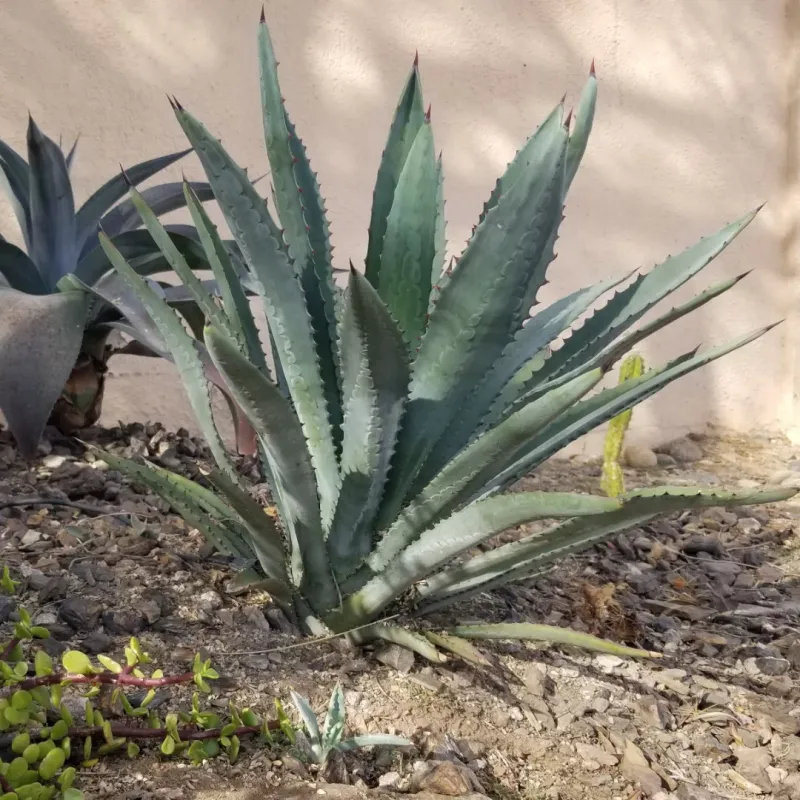
Few plants command attention the way agave does. Walk through any Texas neighborhood, and you will likely spot one standing bold and proud in someone’s front yard.
There is a reason it is so popular here. Agave is built for the heat, and Texas heat is exactly the kind of challenge it handles without breaking a sweat.
Agave stores water directly in its thick, fleshy leaves. This means it can go weeks, sometimes even months, without a single drop of rain or irrigation.
Once it gets established in your garden, you barely need to think about watering it. That makes it one of the most low-maintenance plants you can choose for a Texas landscape.
The plant’s rosette shape gives it a striking, sculptural look. It acts almost like living yard art.
Whether you plant it solo as a focal point or group several together along a walkway, agave makes a bold statement. The leaves range from blue-gray to green, and many varieties have sharp tips that also act as a natural deterrent for foot traffic in unwanted areas.
Agave grows best in well-drained soil and full sun, which Texas has plenty of. It does not like sitting in soggy soil, so avoid overwatering.
Sandy or rocky soil works great. If your yard has heavy clay, mix in some gravel or coarse sand before planting.
For Texas gardeners looking to xeriscape their outdoor space, agave is an absolute must-have. It is tough, beautiful, and completely at home under the Texas sun.
2. Aloe Vera
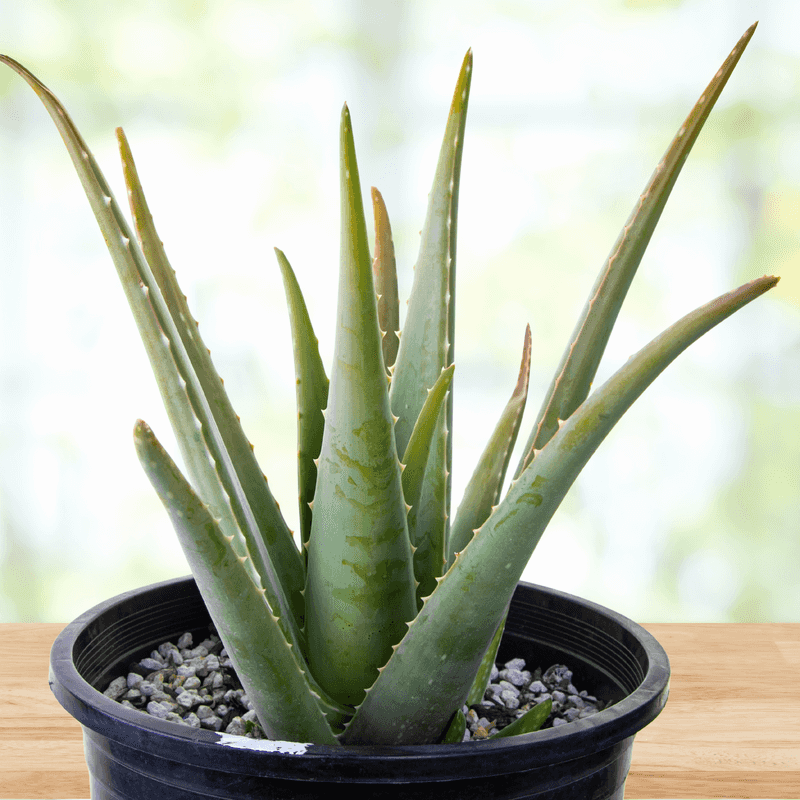
Aloe vera might be the most useful plant you ever grow in your Texas garden. Most people know it as the soothing gel you reach for after a sunburn.
But beyond its first-aid fame, aloe is also an incredibly tough plant that thrives in the hot, dry conditions that Texas is known for.
Native to the Arabian Peninsula, aloe has adapted over thousands of years to survive in harsh, arid environments. That background makes it perfectly suited for life in Texas.
It handles drought with ease, storing moisture in its plump, gel-filled leaves. During dry spells, it taps into those reserves without any help from you.
Aloe vera grows well in containers, which is great news for Texas homeowners with limited garden space. A terracotta pot on a sunny porch or patio works beautifully.
Just make sure the pot has drainage holes, because aloe roots can rot if water sits around them too long. In garden beds, plant it in sandy or well-drained soil and give it full to partial sun.
Watering aloe is simple. Soak the soil deeply, then let it dry out completely before watering again.
In most parts of Texas, rainfall alone may be enough during cooler months. During peak summer heat, a deep watering every two to three weeks is usually plenty.
Snapping off a leaf and applying the clear gel to a minor cut or sunburn is one of the best perks of growing aloe vera. It is practical, pretty, and perfectly suited for Texas living.
3. Prickly Pear Cactus
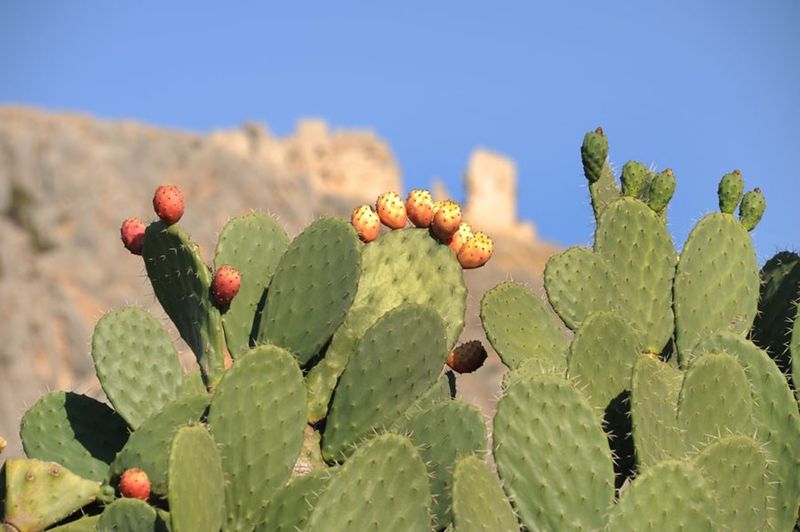
If there is one plant that truly belongs to Texas, it is the prickly pear cactus. You see it growing wild along roadsides, in open fields, and across rocky hillsides all over the state.
It is as Texan as barbecue and bluebonnets, and it is one of the toughest plants on the planet.
Prickly pear belongs to the Opuntia family, and it is famous for its flat, paddle-shaped pads covered in spines. But do not let those spines fool you into thinking it is all business.
In spring, the plant bursts into brilliant yellow, orange, or pink blooms that are absolutely stunning. After the flowers fade, bright red or purple fruits called tunas form on the pads.
These fruits are actually edible and are used in Texas to make jelly, syrup, juice, and even candy.
When it comes to drought tolerance, prickly pear is in a league of its own. It can survive months without rain and still look healthy.
The thick pads store water efficiently, and the waxy coating on the surface helps reduce moisture loss in extreme heat. It thrives in poor, dry soil that would challenge most other plants.
Planting prickly pear in Texas is almost effortless. Choose a sunny spot with good drainage, stick a pad in the ground, and walk away. It really is that simple. Wear thick gloves when handling it, because those spines are sharp.
For a truly low-maintenance Texas garden with bonus snacks included, prickly pear is an outstanding choice.
4. Sedum (Stonecrop)
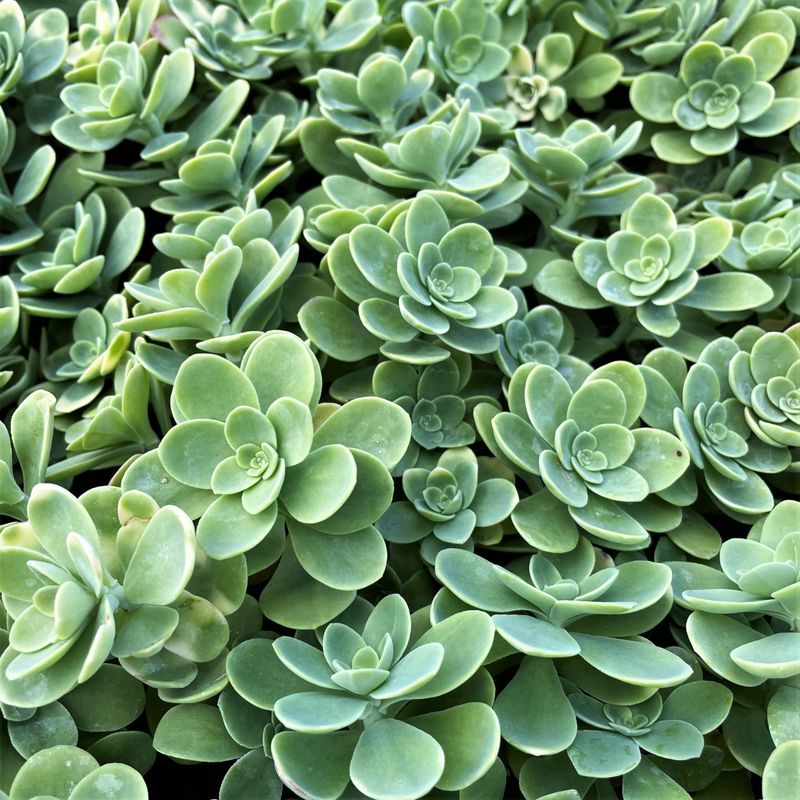
Sedum, commonly called stonecrop, earns its nickname honestly. This plant grows happily in rocky, poor soil where most other plants would struggle.
It is a ground-hugging succulent that spreads quietly and steadily, filling in bare spots in your Texas garden without demanding much attention at all.
What makes sedum so appealing for Texas gardeners is its extreme versatility. There are hundreds of sedum varieties, ranging from creeping types that hug the ground to upright forms that grow a foot or two tall.
The creeping varieties work brilliantly as ground cover between stepping stones, along pathways, or on slopes where grass is hard to maintain. They crowd out weeds naturally, which means less work for you.
Sedum handles Texas heat remarkably well. Its fleshy, water-storing leaves allow it to push through dry spells without complaint.
Once established, it rarely needs supplemental watering. Even in the intense summer heat of places like San Antonio or Midland, sedum holds its own.
The leaves often take on reddish or bronze tones during periods of drought or stress, which actually makes the plant look more interesting. Plant sedum in a spot that gets full sun to light shade. Well-draining soil is key.
Avoid areas where water tends to pool after rain, as soggy roots are one of the few things that can harm this tough little plant. Fertilizing is not necessary. Sedum actually prefers lean soil.
It is one of those rare plants that genuinely thrives on a little neglect, making it ideal for busy Texas homeowners.
5. Echeveria
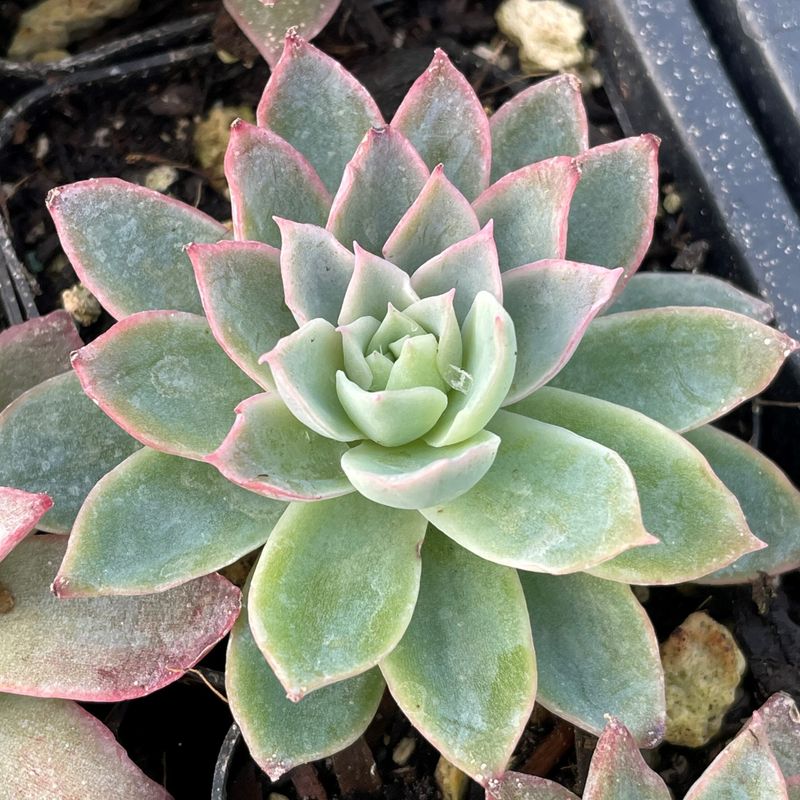
There is something almost magical about an echeveria rosette. The leaves spiral outward in perfect symmetry, like a living flower frozen in time.
It is no wonder this succulent has become one of the most popular plants for Texas gardeners who want beauty without the fuss.
Echeveria originates from the semi-arid regions of Mexico and Central America, so it already has the heat tolerance built right in. In Texas, it thrives in sunny spots with well-draining soil.
The leaves come in a stunning range of colors, from pale blue-green to dusty pink, deep purple, and even bright red edges. Strong sunlight often intensifies these colors, making the plant even more eye-catching.
One thing to watch in Texas is excessive humidity and heavy rain, especially in the eastern parts of the state. Echeveria does not like sitting in wet soil for extended periods.
If you are growing it in the ground, make sure the soil drains quickly. Many Texas gardeners prefer to grow echeveria in containers so they can move plants under a covered porch during particularly rainy stretches.
Watering echeveria follows the same soak-and-dry method used for most succulents. Water deeply, then wait until the soil is completely dry before watering again.
In the blazing heat of a Texas summer, this might mean watering once every two to three weeks. During winter, cut back even further.
Echeveria also looks gorgeous in arrangements with other succulents. Mix different colors and sizes together in a shallow dish or planter for a stunning centerpiece that practically takes care of itself.
6. Yucca
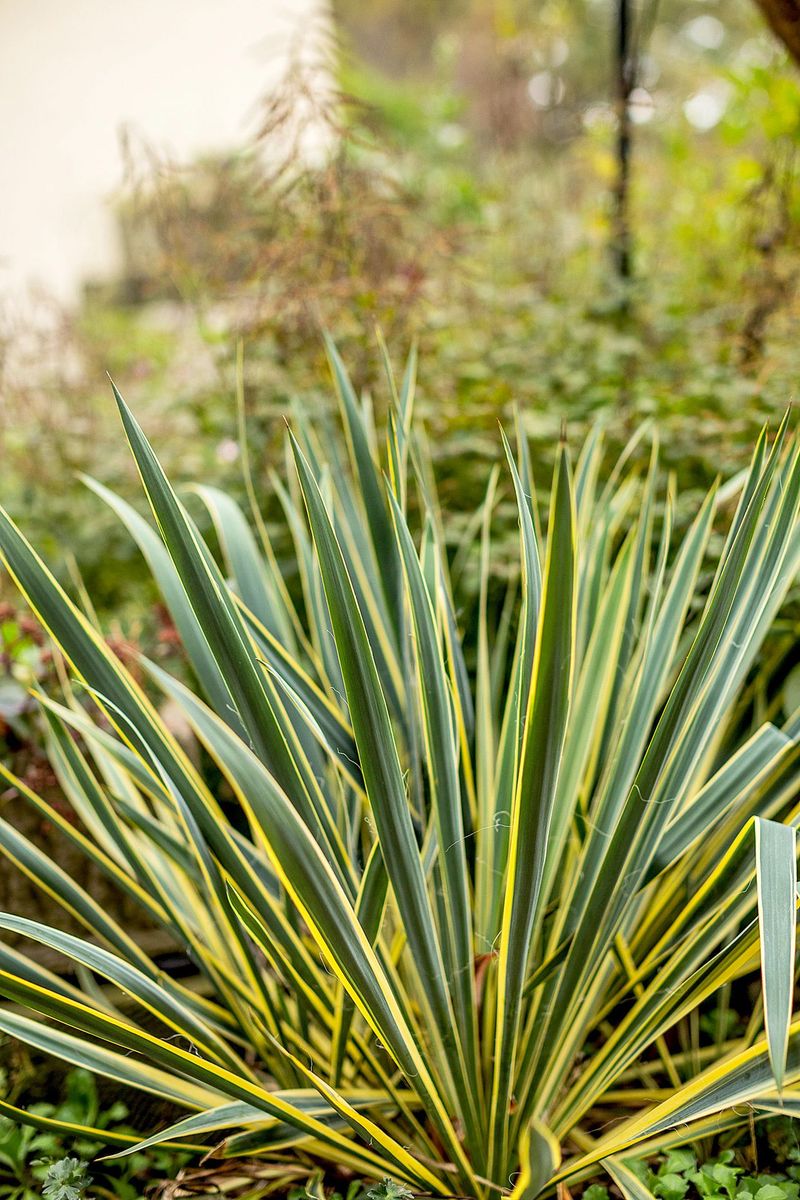
Bold, dramatic, and completely unfazed by Texas heat, yucca is one of those plants that looks like it was designed for the Lone Star State. Its long, sword-shaped leaves radiate outward from a central base, creating a shape that is impossible to ignore.
When it sends up its towering flower spike covered in creamy white blooms, it becomes the star of any landscape.
Yucca is native to arid and semi-arid regions of North America, including many parts of Texas. That native connection means it is perfectly adapted to local conditions.
It tolerates poor, rocky, or sandy soil without any complaints. It handles full sun without flinching, even during the most brutal July or August heat waves that roll through Texas year after year.
Once established, yucca barely needs any watering at all. During its first growing season, give it occasional deep watering to help the roots settle in.
After that, natural rainfall in most parts of Texas is usually enough to keep it healthy. Overwatering is actually a bigger concern than underwatering with this plant.
Yucca also provides wildlife value. Its white flowers attract night-flying moths, and the plant offers shelter for small animals.
Some species produce edible fruit, adding yet another bonus to this already impressive plant.
Placement matters with yucca. Keep it away from walkways and play areas because those leaf tips are genuinely sharp.
Give it space to grow and show off its natural form. In a Texas front yard or along a fence line, yucca creates a rugged, striking look that stands up to any weather the state can throw at it.
7. Ghost Plant (Graptopetalum)
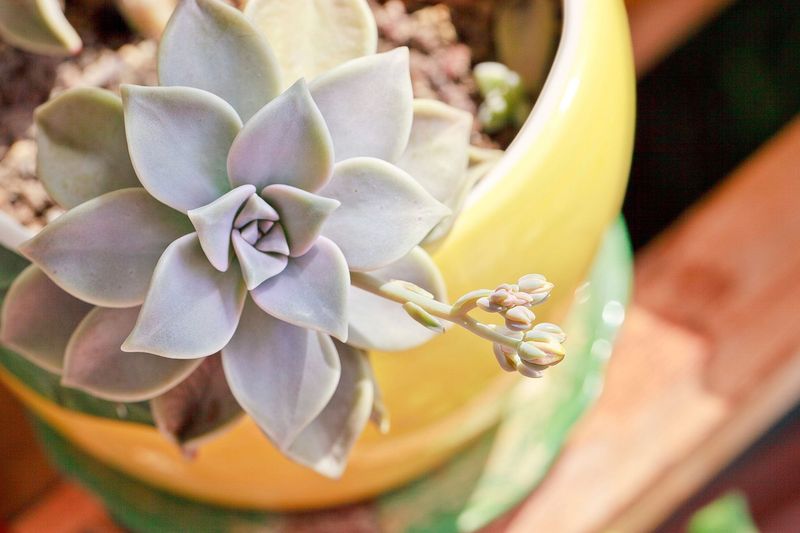
Meet the ghost plant, one of the most underrated succulents you can grow in Texas. Its silvery, pinkish-gray leaves give it an almost ethereal, otherworldly appearance, which is exactly how it earned its spooky nickname.
Up close, each rosette looks like it has been dusted with a fine, pearly powder. It is genuinely one of the prettiest succulents around.
Scientifically known as Graptopetalum paraguayense, the ghost plant originally comes from the rocky cliffs of Mexico. That rugged background gives it serious staying power in tough conditions.
Texas heat does not rattle it at all. It handles full sun, intense temperatures, and dry stretches with the kind of calm confidence that makes it a gardener’s dream.
One of the standout features of the ghost plant is its trailing growth habit. As it matures, the stems lengthen and cascade outward, making it perfect for hanging baskets, elevated planters, or the edges of raised garden beds.
In a container on a sunny Texas porch, a ghost plant can spill beautifully over the sides, creating a lush, flowing look without needing constant attention.
Watering is minimal. Follow the standard soak-and-dry routine, letting the soil dry out completely between waterings.
In the dry heat of West Texas or Central Texas, the ghost plant thrives on very little water. Even a few weeks without rain will not stress it out.
The leaf color shifts with sun exposure. More sun brings out warmer pink and apricot tones, while shadier spots produce cooler blue-gray hues.
Either way, the ghost plant is a showstopper that earns its place in any Texas succulent collection.