These Texas Houseplants Desperately Need Repotting In March
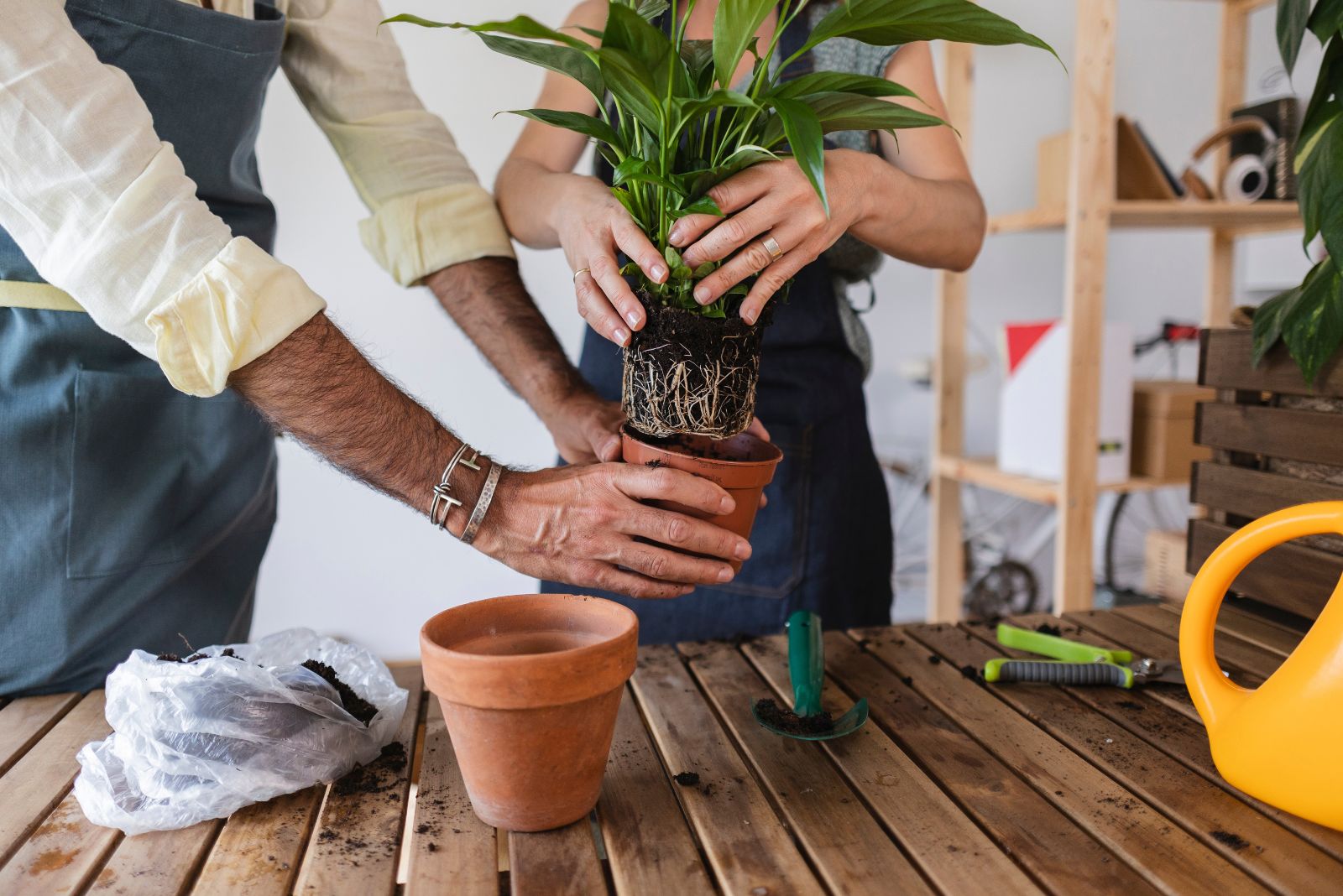
If your Texas houseplants have been looking a little cramped or struggling to grow, March might be the perfect time to give them some much-needed attention. After months of winter, many indoor plants are waking up and ready to spread their roots.
If they’ve been in the same pot for a while, they may be outgrowing their space, and that’s when repotting becomes essential.
Repotting isn’t just about giving your plants a bigger pot; it’s a way to refresh the soil, improve drainage, and ensure they have enough room to grow healthy and strong.
Certain houseplants, especially those that are fast growers or have been in the same container for more than a year, are more likely to show signs they need a new home.
By tackling this task in March, you’re setting your plants up for a thriving season of growth, all while keeping them looking lush and vibrant in your home.
1. Spider Plant (Chlorophytum Comosum)
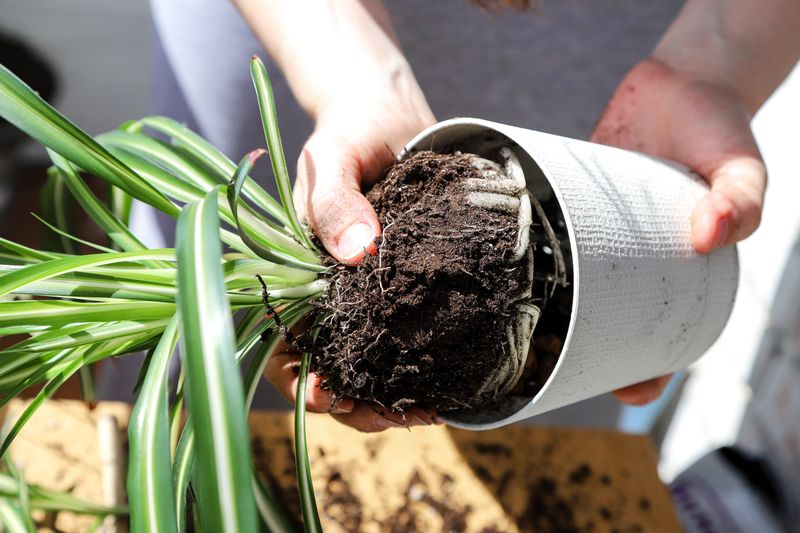
Few houseplants are as cheerful and easy to love as the spider plant. With its arching green-and-white striped leaves and little dangling offshoots that look like tiny baby plants, it is a favorite in Texas homes.
But here is something many plant owners do not realize: spider plants are fast growers, and by March, they are often seriously cramped in their pots.
When a spider plant becomes root-bound, the roots start poking out of the drainage holes at the bottom of the pot. The soil also dries out much faster than usual because the roots take up so much space.
You might also notice the leaves starting to look pale or a little limp, which is a clear sign the plant needs more room.
Repotting in March is smart because the plant is just waking up from winter and ready to grow. Choose a new pot that is one to two inches wider than the current one.
Make sure it has good drainage holes so water does not sit at the bottom and cause problems.
Fresh potting soil will also give the roots a boost of nutrients they have been missing. Gently loosen the root ball before placing it in the new container.
Press the soil down lightly around the roots and give the plant a good drink of water afterward.
Texas plant lovers who repot their spider plants in March are usually rewarded with lush, full growth and even more baby offshoots by summer. It is one of the easiest repotting jobs you will ever do.
2. Pothos (Epipremnum Aureum)
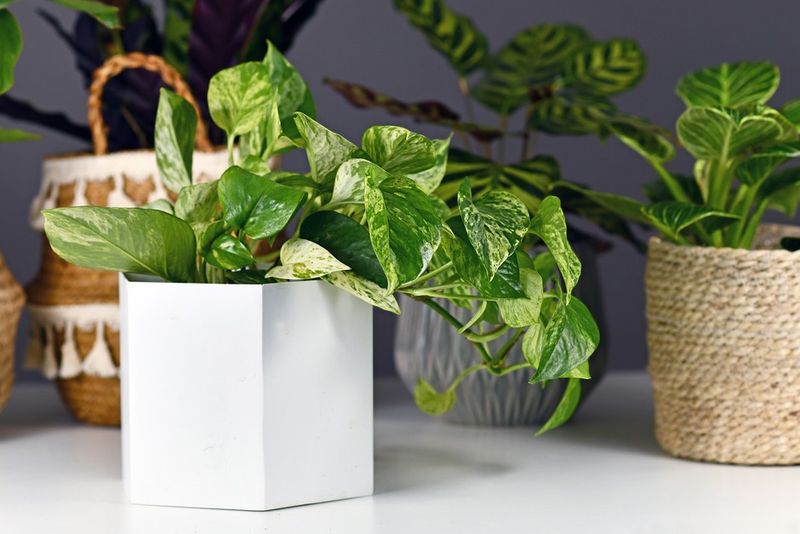
Pothos is one of those plants that seems to thrive on being ignored, but do not let that easygoing personality fool you.
By March in Texas, a pothos that has been sitting in the same pot for a year or more is likely telling you it needs more space. The warm Texas spring triggers faster growth, and a cramped pot will slow it right down.
One of the most obvious signs your pothos is ready for a new home is leggy growth. When you see more than three inches between leaves on a vine, the plant is stretching because it is not getting enough nutrients from the soil.
The roots may also be circling the inside of the pot or peeking out of the drainage holes. Before you repot, take a few minutes to trim back any vines that look especially long and sparse.
Cutting them back actually encourages the plant to grow fuller and bushier rather than just long. Save those cuttings too because they root easily in water and make great gifts for friends.
When choosing a new pot, go one to two inches larger in diameter. Use a well-draining potting mix and make sure the container has drainage holes.
Pothos do not like sitting in soggy soil, especially in the humid Texas spring and summer months ahead.
After repotting, place your pothos in a spot with bright, indirect light. Within a few weeks, you should see fresh new leaves pushing out, which means the plant is settling into its new home happily.
3. Peace Lily (Spathiphyllum Spp.)
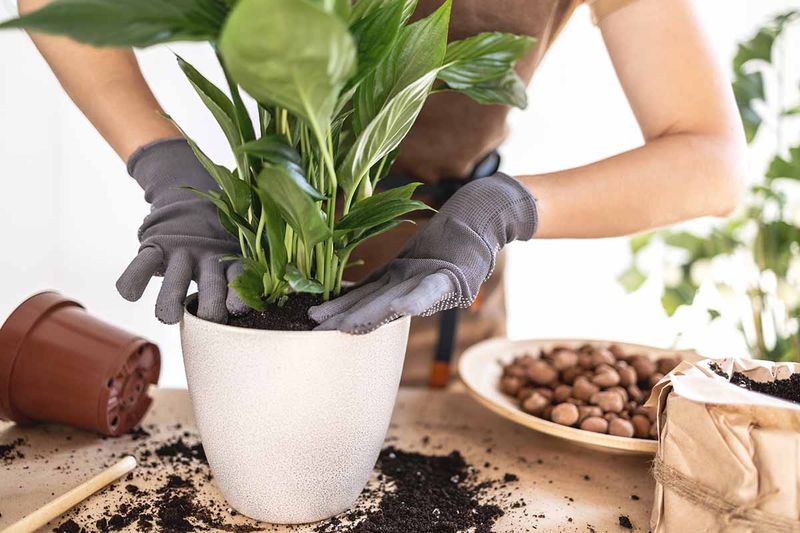
There is something almost elegant about a peace lily. Its deep green leaves and white flowers bring a calm, clean look to any room, and it is a beloved houseplant in Texas homes across the state.
But even graceful plants have their limits, and by March, many peace lilies are silently struggling in pots that have become too small.
When a peace lily is root-bound, it shows in very specific ways. The flowers get smaller or stop appearing altogether.
The leaves may droop more often even after watering, and the soil seems to dry out unusually fast. Some owners also notice brown leaf tips despite keeping humidity levels steady, which is a common sign the roots are under stress.
March is an ideal time to repot because the peace lily is entering its active growing phase. Moving it to a fresh container now means it can put all that new energy into producing bigger leaves and more flowers.
Choose a pot with drainage holes and fill it with a well-draining potting mix that holds just enough moisture without becoming waterlogged.
Go up only one to two pot sizes. A container that is too large can hold excess moisture and cause root issues.
Gently remove the plant, shake off old soil, and spread the roots out before placing them in the new pot.
Texas gardeners often notice a dramatic improvement after repotting their peace lilies. Within a month or two, fresh blooms and large, glossy leaves are usually the reward for taking the time to give this beauty more room to grow.
4. Fiddle Leaf Fig (Ficus Lyrata)
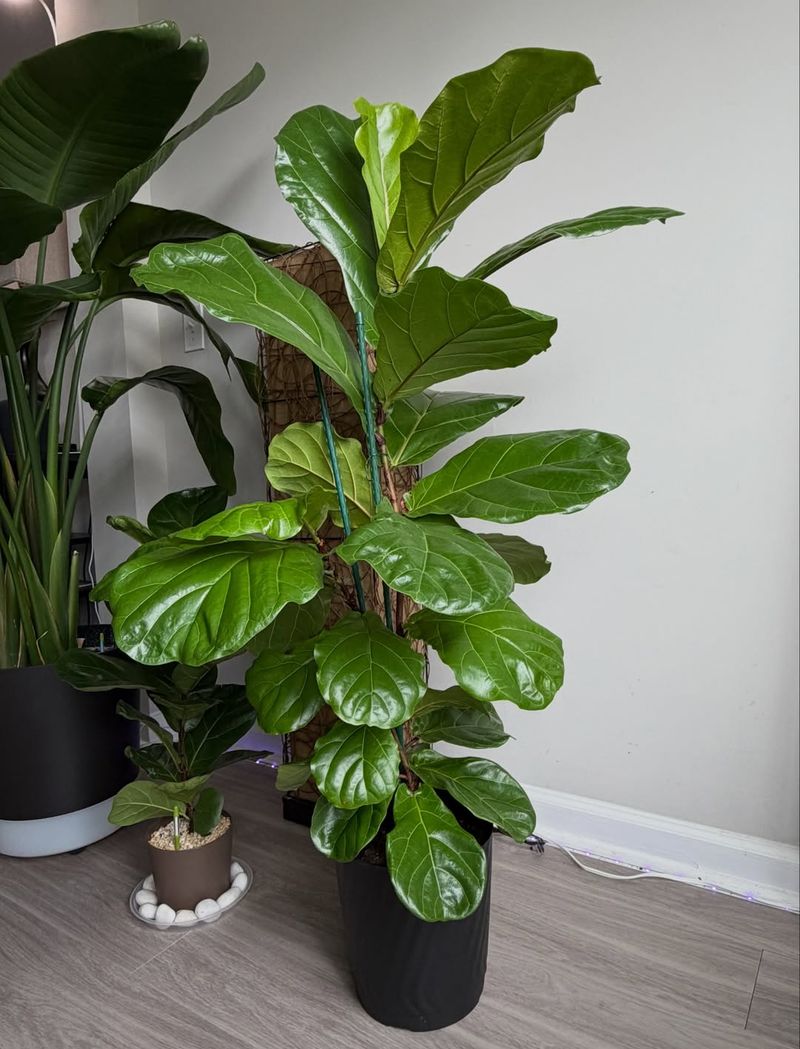
Ask any plant enthusiast in Texas about their most dramatic houseplant, and the fiddle leaf fig will almost always come up. With its large, violin-shaped leaves and tall, sculptural silhouette, it makes a bold statement in any room.
But this beauty has a reputation for being a little temperamental, especially when it is cramped and unhappy in a pot it has outgrown.
Fiddle leaf figs are known for growing quickly, especially as spring arrives. By March, a plant that has been in the same container for more than a year or two may start showing signs of distress.
Increased leaf drop, soft spots near the base of the trunk, and slowed growth are all clues that the roots need more space to breathe and expand.
The key to repotting a fiddle leaf fig is going slow and careful. Choose a new pot that is only two inches larger in diameter than the current one.
Going too big too fast can cause the soil to stay wet too long, which leads to root problems. Use a well-draining potting mix and make sure the new pot has drainage holes.
Try not to disturb the roots more than necessary during the move. Fiddle leaf figs are sensitive to change, and a gentle transition helps them settle in without too much stress. Keep the plant in the same spot with the same light conditions after repotting.
Texas homes with bright, indirect light are perfect environments for this plant to bounce back and thrive after a fresh repot in March. Patience pays off with this one.
5. Snake Plant (Sansevieria Trifasciata)
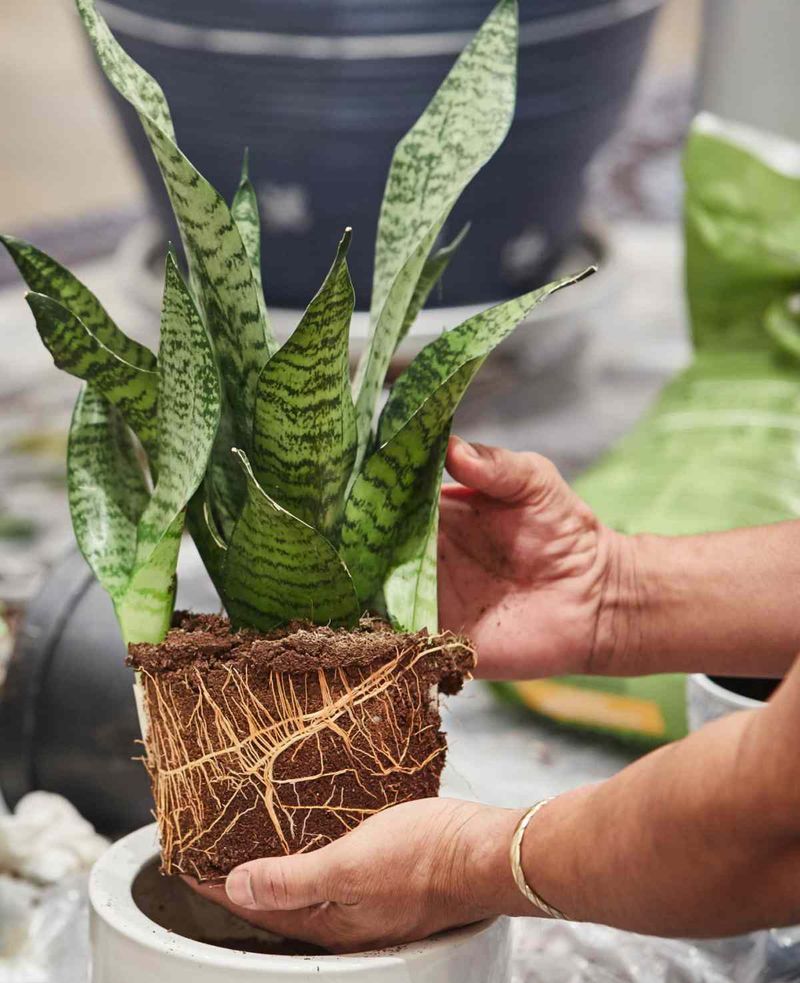
Snake plants have earned their reputation as the ultimate low-maintenance houseplant. They tolerate low light, survive irregular watering, and keep looking sharp with almost no fuss.
But even this tough, resilient plant has a breaking point, and that usually comes in the form of a pot it has completely outgrown.
Snake plants are slow growers, but after a couple of years in the same container, their thick, fleshy roots start to run out of room.
You might notice the pot cracking slightly from the pressure of the roots, or you may see roots pushing up through the soil surface or sneaking out of the drainage holes. These are clear signals that it is time for a bigger home.
March is a great time to tackle this task in Texas. The plant is just beginning its growing season, and repotting now gives it the best chance to settle into its new container before the heat of summer arrives.
Choose a pot with a wider base rather than a taller one, since snake plant roots tend to spread outward more than downward.
A fast-draining potting mix works best for snake plants. They do not like soggy soil, so avoid mixes that hold too much moisture. Add a layer of perlite or coarse sand if you want to improve drainage even further.
After repotting, hold off on watering for a few days to let the roots adjust. Snake plants in Texas tend to reward patient owners with steady, upright growth and an overall healthier look all season long.
6. Dracaena (Dracaena Spp.)
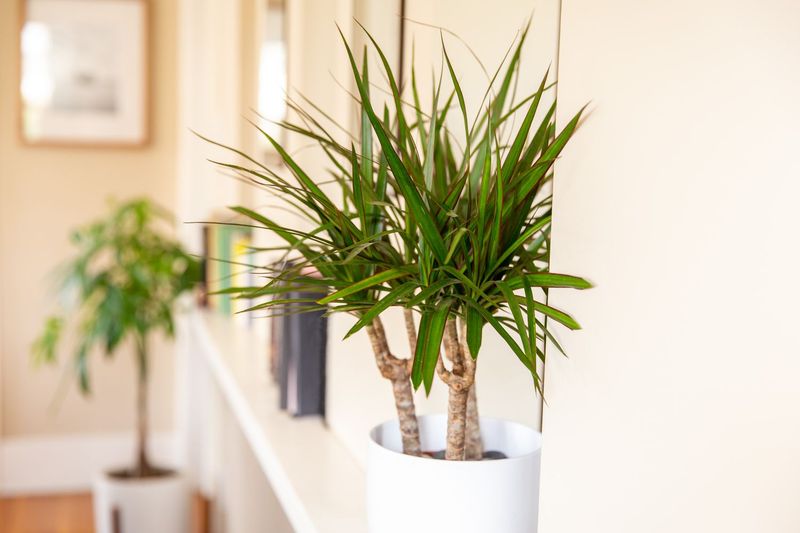
Walk into almost any Texas home with houseplants, and there is a good chance you will spot a dracaena somewhere. These striking plants come in many varieties, from tall corn plants to compact, colorful cultivars with red or yellow stripes.
They are popular for a reason: they look great, they are tough, and they clean the air while they are at it.
By March, a dracaena that has been in the same pot for two or more years may start to look a little tired. The soil becomes compacted over time, which makes it harder for water and nutrients to reach the roots.
You might notice slower growth, yellowing lower leaves, or roots starting to circle the inside of the pot.
Refreshing the soil alone can make a big difference, but if the roots are truly crowded, moving up to a slightly larger container is the right call.
March is ideal for this task in Texas because the warmer temperatures and longer days ahead will help the plant recover quickly and push out fresh new growth.
Be gentle when removing a dracaena from its pot. These plants can be sensitive to root disturbance, so handle the root ball carefully.
Avoid shaking or pulling at the roots aggressively. Place the plant in a new pot with fresh, well-draining potting mix and water it lightly after repotting.
Give your dracaena a spot with bright, indirect light after the move. Avoid direct afternoon sun, which can scorch the leaves.
With a little care, your dracaena will reward you with lush, vibrant foliage all through the Texas growing season.
7. ZZ Plant (Zamioculcas Zamiifolia)
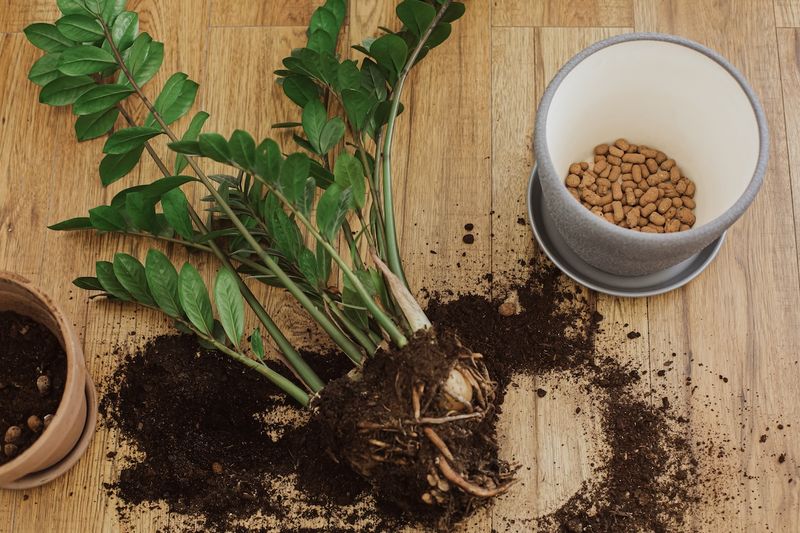
If you have ever forgotten to water a plant for weeks and found it still looking perfectly fine, it was probably a ZZ plant. Known for its glossy, dark green leaves and almost indestructible nature, the ZZ plant is a go-to choice for busy Texas households.
But slow grower does not mean no grower, and after a couple of years, even a ZZ plant quietly runs out of room.
What makes the ZZ plant unique is its root system. Instead of typical roots, it grows thick underground stems called rhizomes that store water and nutrients.
Over time, these rhizomes fill up the pot and start pushing against the sides. When you see the pot bulging slightly or roots and rhizomes poking out of the drainage holes, that is your sign to act.
March is the perfect window for repotting in Texas. The plant is just entering its active growth phase, and giving it a fresh start now means it can establish itself in the new container before the hottest months arrive.
Choose a pot that is only slightly larger than the current one. Going too big can cause water to pool around the roots and rhizomes, which they do not tolerate well.
Use a well-draining potting mix, and consider mixing in some perlite for extra drainage. Gently place the rhizomes in the new container without overcrowding them, and cover with fresh soil. Do not water immediately after repotting.
Texas plant owners who give their ZZ plants a fresh pot in March often notice a satisfying burst of new stems and leaves by late spring. It is a small effort with a big, beautiful payoff.