These Texas Native Flowers Bring Northern Cardinals To Your Garden
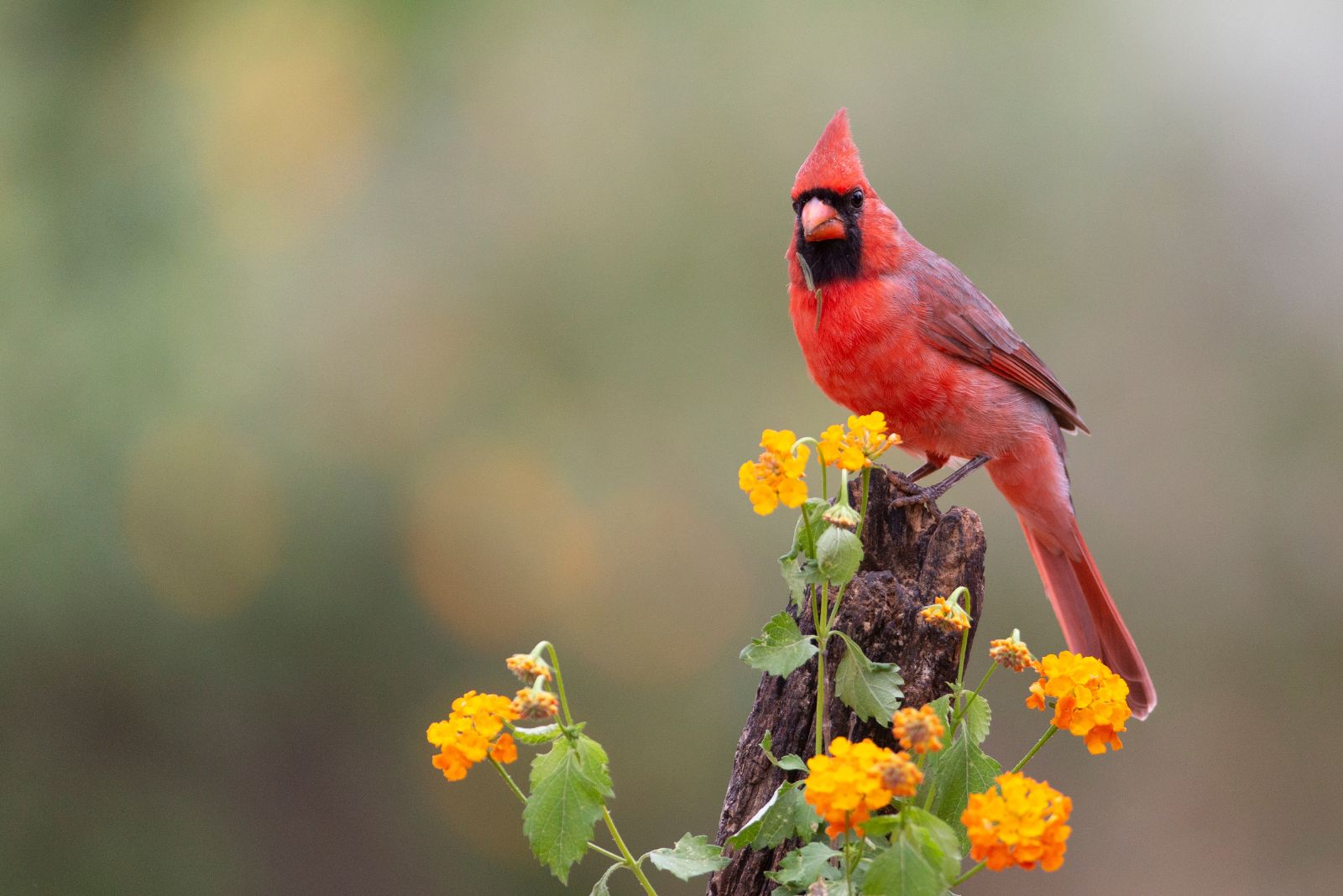
If you’ve ever watched a Northern Cardinal flit across your garden, you know how their bright red feathers can instantly bring a pop of color to any landscape.
But did you know that planting the right native flowers can help attract these beautiful birds right to your yard?
Northern Cardinals are drawn to certain blooms that offer the food and shelter they love. By choosing flowers that thrive in Texas and support local wildlife, you can turn your garden into a bird-friendly paradise.
Texas native flowers not only add vibrant colors to your garden, but they also provide the seeds, nectar, and cover that Northern Cardinals need to thrive.
These flowers are perfectly suited to the Texas climate, handling everything from hot summers to unpredictable rainfall.
So if you’re looking to bring more of these stunning red birds to your space, it’s all about planting the right blooms at the right time.
How Texas Native Flowers Draw Northern Cardinals To Your Garden?
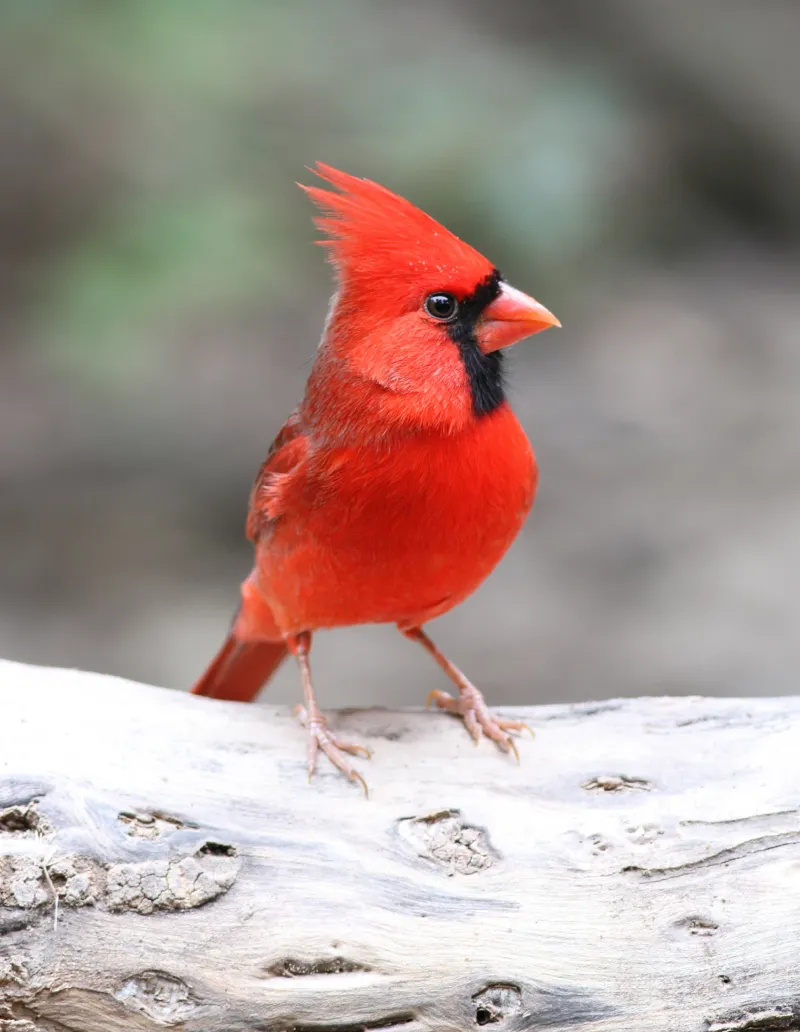
Northern Cardinals aren’t just beautiful – they’re smart foragers looking for both food and shelter. Planting Texas native flowers turns your yard into a cardinal paradise.
Bright blooms like Indian Blanket, Black-Eyed Susan, and Maximilian Sunflower produce seeds that cardinals can snack on, while also attracting insects that make a tasty protein-rich meal for their chicks.
Dense clusters of native flowers provide safe hiding spots and cozy cover, making your garden irresistible to these vibrant birds.
Ready to invite cardinals into your yard? Let’s see which native flowers can make it happen!
1. Indian Blanket (Gaillardia Pulchella)
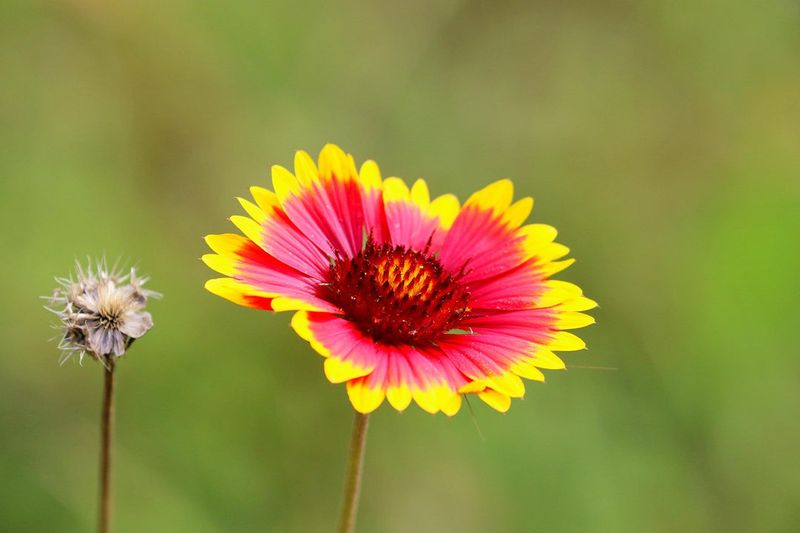
Few wildflowers in Texas turn heads quite like the Indian Blanket. With its bold red and yellow petals, this native flower looks like it was painted by hand.
It is one of the most recognizable wildflowers across the Lone Star State, blooming cheerfully along roadsides, open fields, and backyard gardens from spring all the way through summer.
What makes Indian Blanket so valuable for Northern Cardinals is its seed production. Once the bright petals fade, the plant forms round, bristly seed heads packed with small seeds that cardinals find irresistible.
You will often spot these birds hopping between stems, picking seeds right off the dried flower heads. It is a simple and natural food source that requires zero effort from you once the plant is established.
Growing Indian Blanket in Texas is almost effortless. This plant thrives in hot, sunny conditions and actually prefers poor, well-drained soil.
Overwatering or rich soil can make it leggy and less productive. Direct sow seeds in a sunny spot and let the Texas sun do the rest.
It reseeds itself each year, so once you plant it, it tends to come back season after season without much help.
Beyond feeding cardinals, Indian Blanket also attracts bees and butterflies, making your garden a full wildlife destination. Planting it in large drifts creates a stunning visual effect and gives visiting birds plenty of foraging ground.
For Texas gardeners wanting low-maintenance beauty with real bird appeal, Indian Blanket is a top-tier choice.
2. Purple Coneflower (Echinacea Angustifolia)
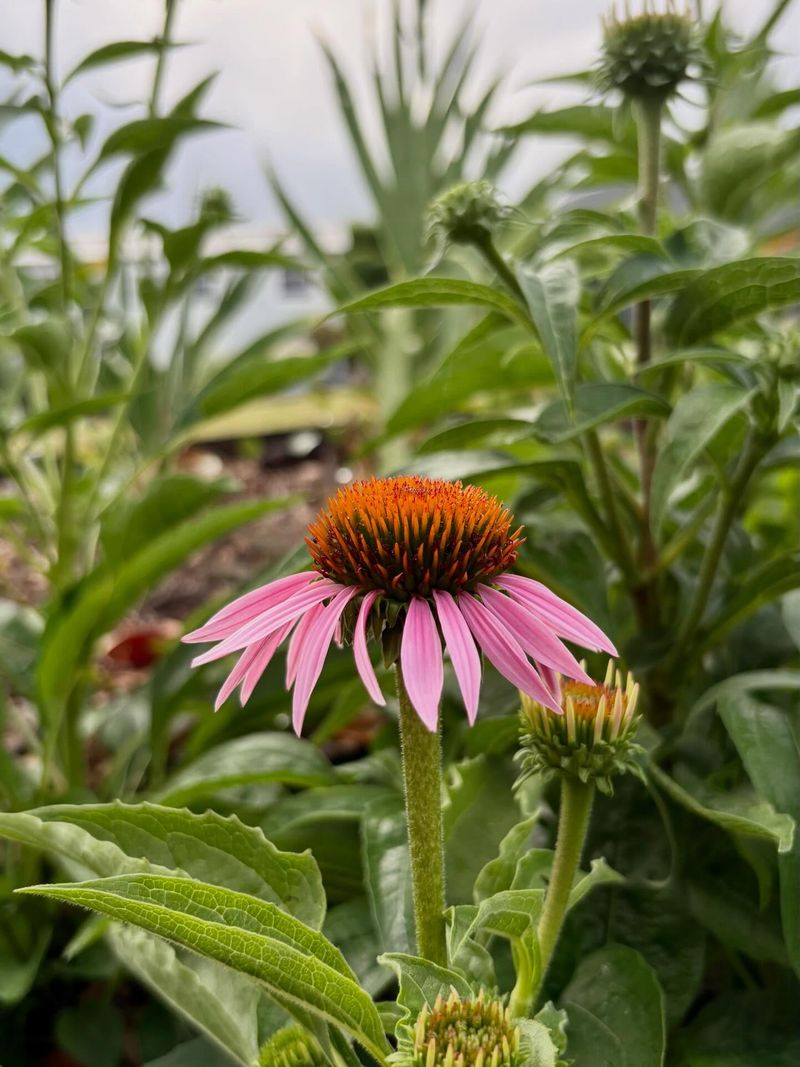
Walk through any native Texas prairie and you might stumble across the Purple Coneflower standing tall and proud. Its large, cone-shaped seed head sits at the center of drooping lavender-pink petals, and that cone is exactly what Northern Cardinals are after.
Cardinals are seed lovers by nature, and the chunky seeds packed into those spiky cones are like a gourmet meal for them.
Echinacea angustifolia is native to parts of Texas, particularly in the central and northern regions of the state. It has adapted over thousands of years to handle the tough Texas climate, including long dry spells and intense summer heat.
This deep-rooted plant is remarkably drought tolerant, making it a smart pick for Texas gardeners who want a plant that can survive without constant watering.
One of the best strategies for attracting cardinals is to resist deadheading your coneflowers.
Many gardeners instinctively remove spent blooms, but leaving the seed heads in place gives birds a reliable food source well into fall and even winter. Cardinals will return again and again to a garden where food is consistently available.
Purple Coneflower also supports the broader garden ecosystem by attracting native bees and beneficial insects.
Since Northern Cardinals also feed on insects, especially during nesting season, a garden buzzing with insect life gives cardinals even more reasons to stick around.
Plant coneflowers in groups of five or more for the biggest impact, and watch your Texas garden come alive with feathered visitors throughout the season.
3. Plains Coreopsis (Coreopsis Tinctoria)
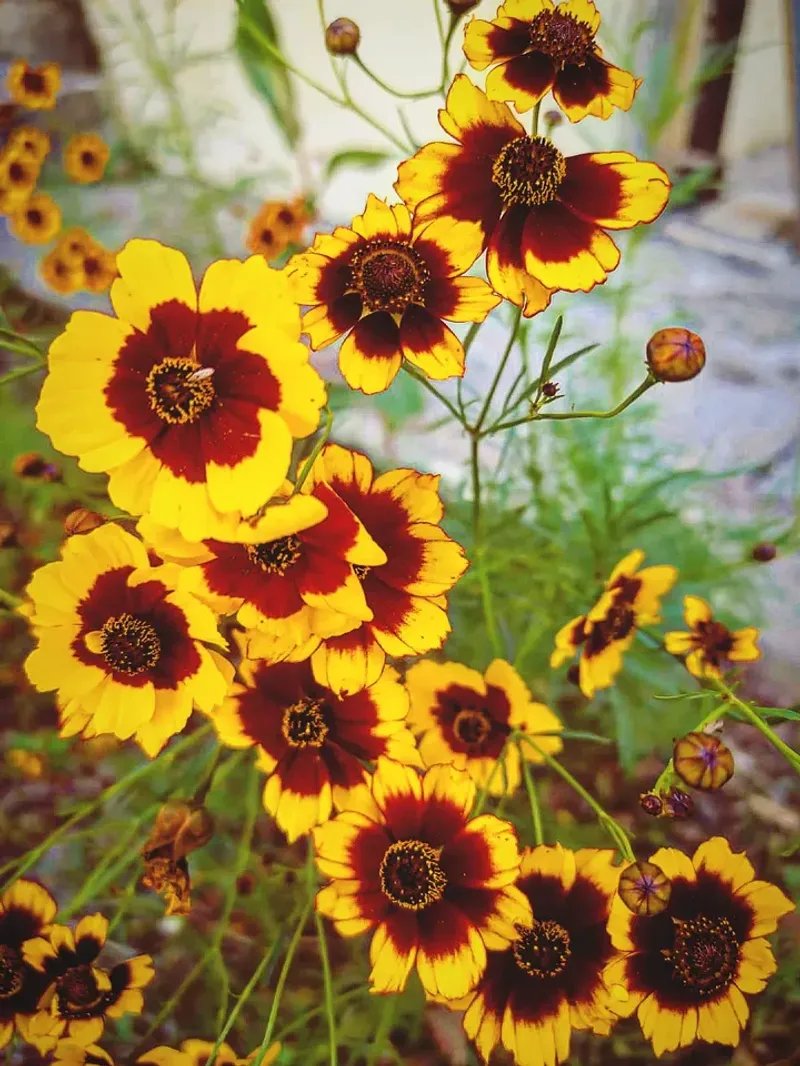
Plains Coreopsis is the kind of wildflower that makes a Texas garden feel alive. Its cheerful yellow and burgundy blooms wave in the breeze from late spring through summer, creating a sea of color that is hard to ignore.
But beyond its good looks, this native Texas wildflower is a powerhouse when it comes to attracting wildlife, including the beloved Northern Cardinal.
One of the biggest draws for cardinals is the sheer number of small seeds that Plains Coreopsis produces. This plant is a prolific seeder, which means it creates a steady and generous food supply throughout the growing season.
Cardinals are quick to notice an abundant seed source, and once they find your coreopsis patch, they will keep coming back. The seeds are small but nutritious, making them a great snack for foraging birds.
Plains Coreopsis also plays an indirect role in feeding cardinals by attracting a wide variety of insects. Beetles, bees, and small flies are drawn to the blooms, and cardinals eagerly hunt these insects, especially when raising chicks.
Protein-rich insects are essential for baby birds, so a garden full of insect activity is a major bonus for nesting pairs.
Growing Plains Coreopsis from seed is simple, even for beginner gardeners in Texas. Scatter seeds on bare soil in a sunny spot, press them lightly into the ground, and let nature handle the rest.
This plant reseeds generously, so your patch will likely grow bigger and better each year. It is a wildflower that truly earns its place in any Texas native garden.
4. Black-Eyed Susan (Rudbeckia Hirta)
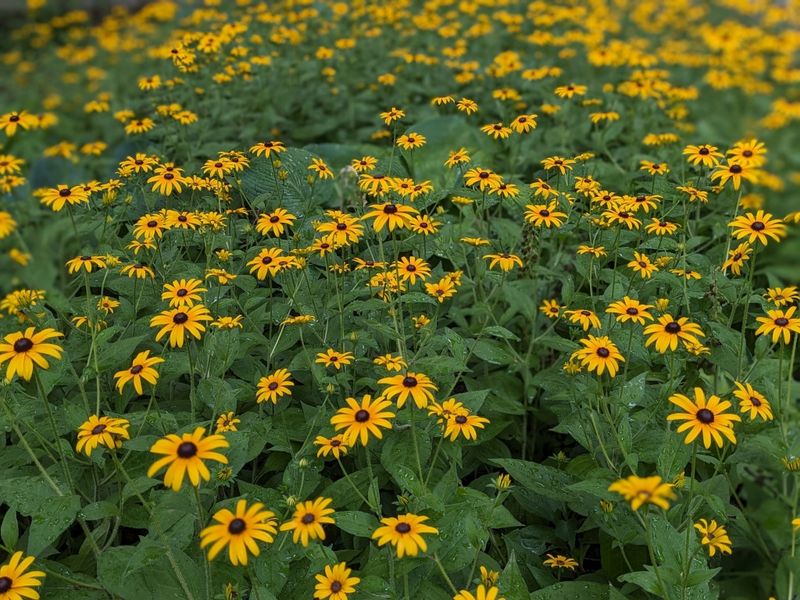
There is something wonderfully familiar about a patch of Black-Eyed Susans. Those golden yellow petals surrounding a dark chocolate-brown center have been brightening Texas gardens and wild spaces for generations.
But this flower is more than just a pretty face. It is a reliable and adaptable plant that gives Northern Cardinals exactly what they need: a steady supply of nutritious seeds.
As the blooming season winds down, Black-Eyed Susan develops seed heads that are absolutely packed with tiny seeds. Cardinals are expert foragers, and they will zero in on these seed heads quickly.
The plant has a long blooming season, which means it produces seeds over an extended period rather than all at once. That steady trickle of food keeps birds visiting your Texas garden consistently rather than just for a short burst.
What really sets Black-Eyed Susan apart is its adaptability. It grows well in a wide range of Texas soils, from sandy coastal soils to the rocky ground of the Hill Country.
It handles both drought and occasional wet periods without complaint. Full sun is ideal, but it can tolerate a bit of afternoon shade during the hottest Texas summers, which is a real advantage in warmer regions of the state.
For gardeners who want a no-fuss plant with serious bird appeal, Black-Eyed Susan checks every box.
Plant it alongside other native wildflowers like Indian Blanket or Plains Coreopsis to create a layered, season-long food source that will keep Northern Cardinals returning to your yard all year long.
5. Mealy Blue Sage (Salvia Farinacea)
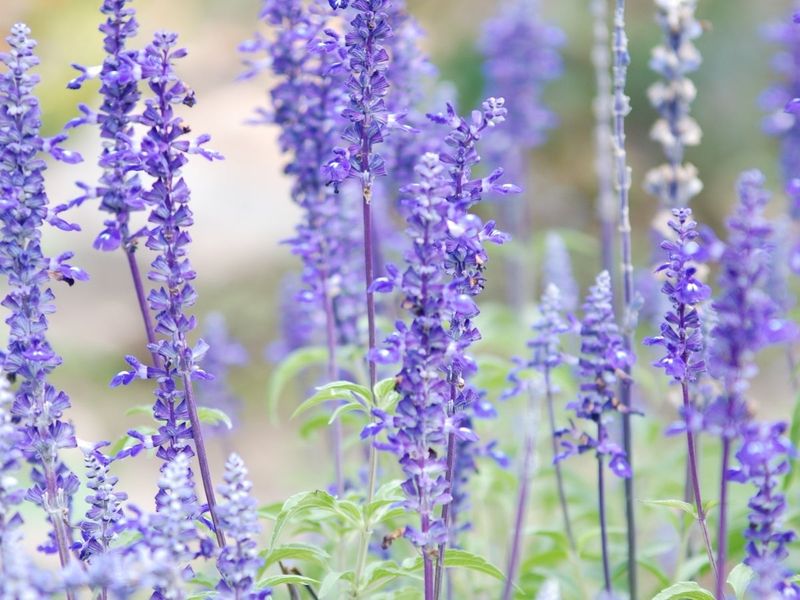
Mealy Blue Sage has a quiet kind of magic. Its slender spikes of violet-blue flowers rise above silvery stems, creating an elegant, airy display that looks right at home in any Texas landscape.
Native to Central and South Texas, this sage is a workhorse in the garden, blooming from spring all the way through the first frost of the season. That long blooming window makes it one of the most valuable plants you can grow for attracting Northern Cardinals.
Cardinals do not feed on sage seeds the way they do with sunflowers or coneflowers. Instead, the real draw is insects.
Mealy Blue Sage is a magnet for bees, butterflies, and a wide variety of small insects that buzz and hover around its blooms all season long. Northern Cardinals are opportunistic feeders, and they actively forage around insect-rich plants.
A sage patch in full bloom can become a regular hunting ground for cardinals looking for a protein-packed meal.
During nesting season, insect availability is especially critical. Parent cardinals need to feed their chicks high-protein food, and insects fill that role perfectly.
A garden planted with Mealy Blue Sage gives nesting pairs a reliable spot to find food close to home, which can encourage them to nest nearby and visit your yard repeatedly.
Mealy Blue Sage is also incredibly tough. It handles Texas heat, drought, and poor soil without skipping a beat.
Plant it in full sun for the best performance, and skip heavy fertilizing. Let it grow naturally, and it will reward you with season-long color and a steady stream of cardinal activity around your Texas garden.
6. Maximilian Sunflower (Helianthus Maximiliani)
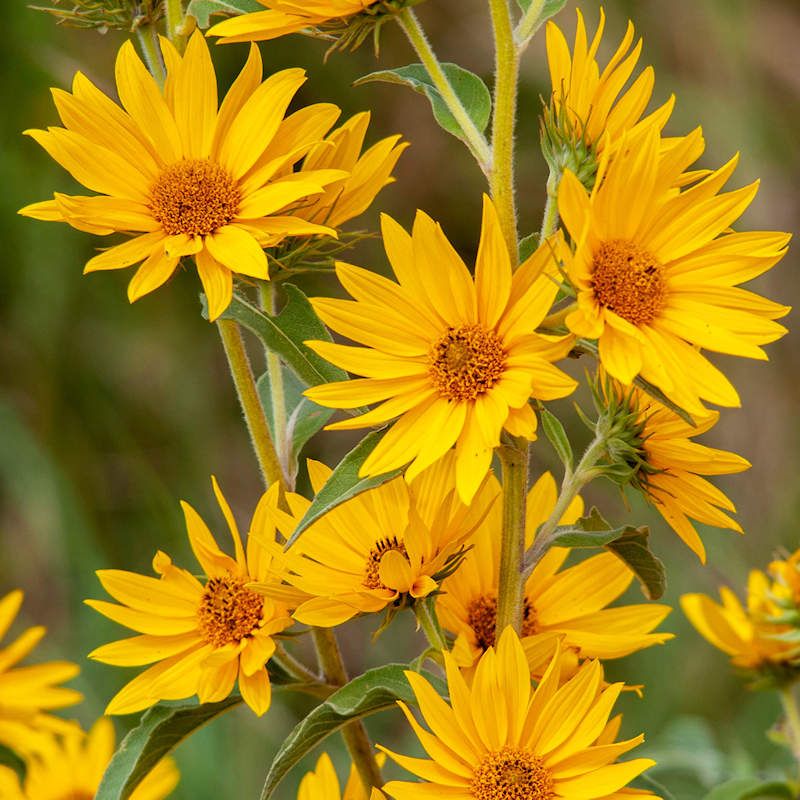
Standing up to ten feet tall with dozens of bright yellow blooms, the Maximilian Sunflower is hard to miss. Named after a European prince who explored North America in the 1800s, this native Texas prairie plant has been feeding birds and wildlife for centuries.
When it comes to attracting Northern Cardinals, few plants can compete with the sheer abundance of seeds this sunflower produces in late summer and fall.
Cardinals absolutely love sunflower seeds, and Maximilian Sunflower delivers them in massive quantities. Each plant can produce hundreds of seed heads, and each head is packed with seeds that cardinals can crack open with their strong, cone-shaped bills.
This late-season food source is especially important as natural food supplies start to thin out in autumn across Texas. A row of Maximilian Sunflowers along a fence line or garden border can become a cardinal feeding station that lasts for weeks.
This plant is built for Texas conditions. It thrives in full sun and is highly heat tolerant, handling the brutal Texas summer without flinching.
Once established, it spreads slowly by underground rhizomes, gradually forming larger colonies that provide even more food and cover for birds. It can handle dry spells well, though a deep watering during extreme drought helps it perform at its best.
For maximum impact, plant Maximilian Sunflower at the back of a garden border where its height becomes a dramatic backdrop.
Pair it with shorter natives like Black-Eyed Susan or Plains Coreopsis in front to create a layered habitat that supports cardinals and many other Texas birds through multiple seasons.
7. Greenthread (Thelesperma Filifolium)
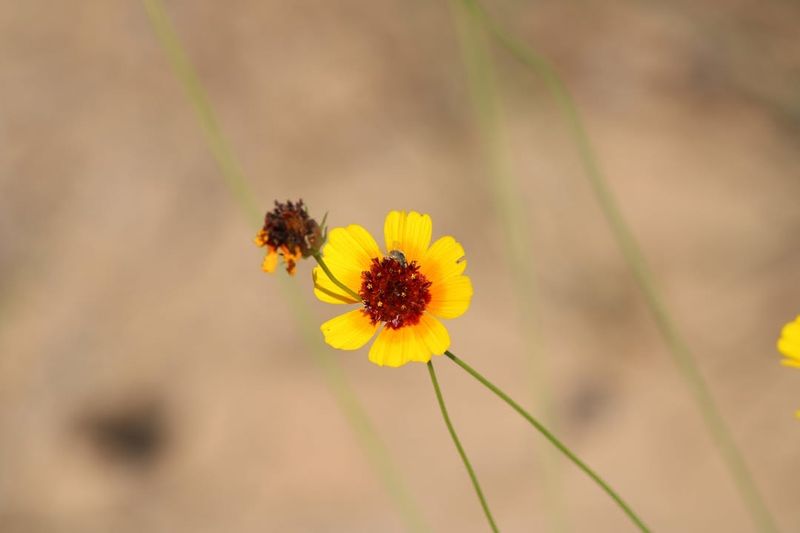
Greenthread might not be the flashiest flower in the Texas wildflower lineup, but do not let its delicate appearance fool you. This wispy native prairie plant punches well above its weight when it comes to supporting local wildlife, including the Northern Cardinal.
Its thread-like green stems and small, daisy-like blooms give it an airy, graceful look that adds a soft texture to any native garden in the Lone Star State.
The seeds of Greenthread are small but plentiful, and birds have been eating them for ages. Northern Cardinals are resourceful foragers, and they will work through a stand of Greenthread methodically, picking seeds from the dried flower heads.
Because the plant produces seeds in large numbers, it offers a reliable food source even in modest garden spaces. In Texas, where hot and dry conditions can stress many plants, Greenthread stays productive where others struggle.
Drought tolerance is one of Greenthread’s greatest strengths. It thrives in poor, rocky, or sandy soils that would challenge most other plants.
This makes it an ideal choice for Texas gardeners dealing with tough growing conditions, especially in West Texas or the Edwards Plateau region. It needs very little water once established and actually performs better without rich soil or heavy fertilization.
Beyond feeding cardinals directly, Greenthread also supports the small insects that cardinals hunt for extra protein.
Planting it alongside other native Texas wildflowers creates a diverse habitat layer that gives birds multiple reasons to visit and stay. It is a quiet, hardworking plant that earns its spot in every Texas native garden.