These Texas Plants Smother Weeds Without Chemicals
Weeds in a Texas garden are a year-round reality, and anyone who has spent a summer pulling them knows how quickly the situation can get away from you.
You clear a bed on Saturday, and by the following weekend there’s a fresh round pushing through like the whole exercise never happened.
It’s one of those maintenance tasks that feels genuinely endless, and reaching for chemical herbicides every few weeks isn’t a solution most gardeners are fully comfortable with, especially in spaces where kids, pets, and beneficial insects are part of the picture.
The most effective long-term answer to weed pressure in Texas isn’t a spray. It’s ground coverage.
Dense, low-growing plants that spread across the soil surface and block the light that weed seeds need to germinate are doing the work of herbicides passively, continuously, and without any chemical input from you.
These Texas plants cover ground so effectively that weeds simply run out of options before they get a real foothold.
1. Frogfruit
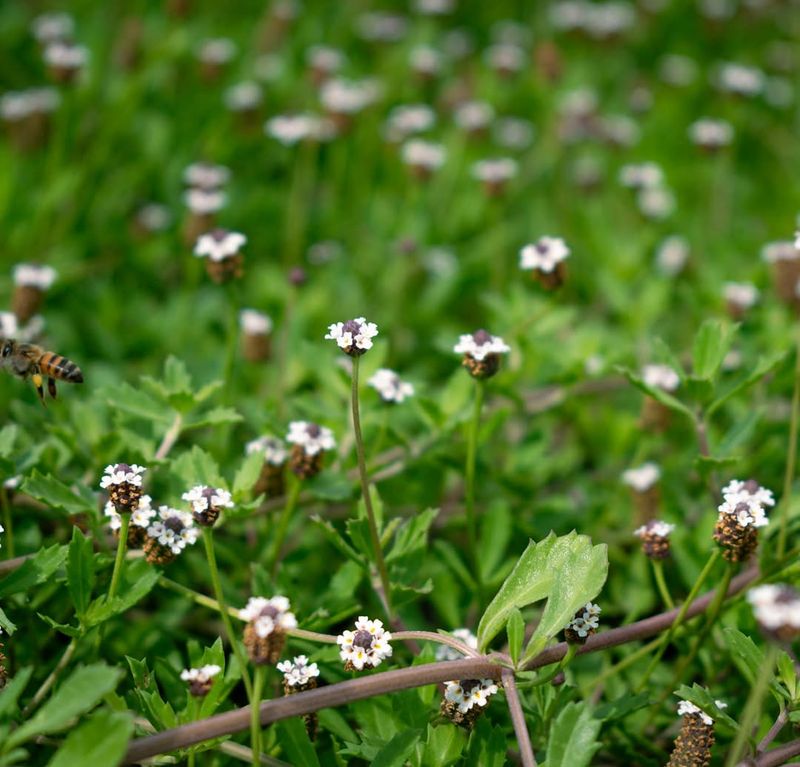
Ever notice a low-growing plant spreading like a carpet across the ground and wonder what it is? That might just be frogfruit, one of the hardest-working groundcovers you can grow in Texas.
This native plant is a champion at filling in bare spots fast, and once it gets going, weeds barely stand a chance.
Frogfruit spreads by sending out runners that hug the soil tightly. It forms such a thick, dense mat that weed seeds cannot get the light or space they need to sprout.
In Texas, where the sun is strong and bare soil dries out quickly, having this kind of ground protection makes a huge difference in your garden.
One of the best things about frogfruit is that it handles both sun and partial shade. You can plant it along walkways, in garden beds, or even between stepping stones. It stays low, usually only a few inches tall, so it never takes over taller plants nearby.
Frogfruit also attracts butterflies, especially small ones like skippers and pygmy blues. So while it is busy smothering weeds, it is also turning your yard into a pollinator paradise. That is a win-win for any Texas gardener.
Watering needs are minimal once it gets established. It is drought-tolerant and bounces back quickly after dry spells, which is perfect for the unpredictable Texas climate.
Plant it in spring for the best results, and watch it take off within just a few weeks of getting settled in.
2. Turk’s Cap
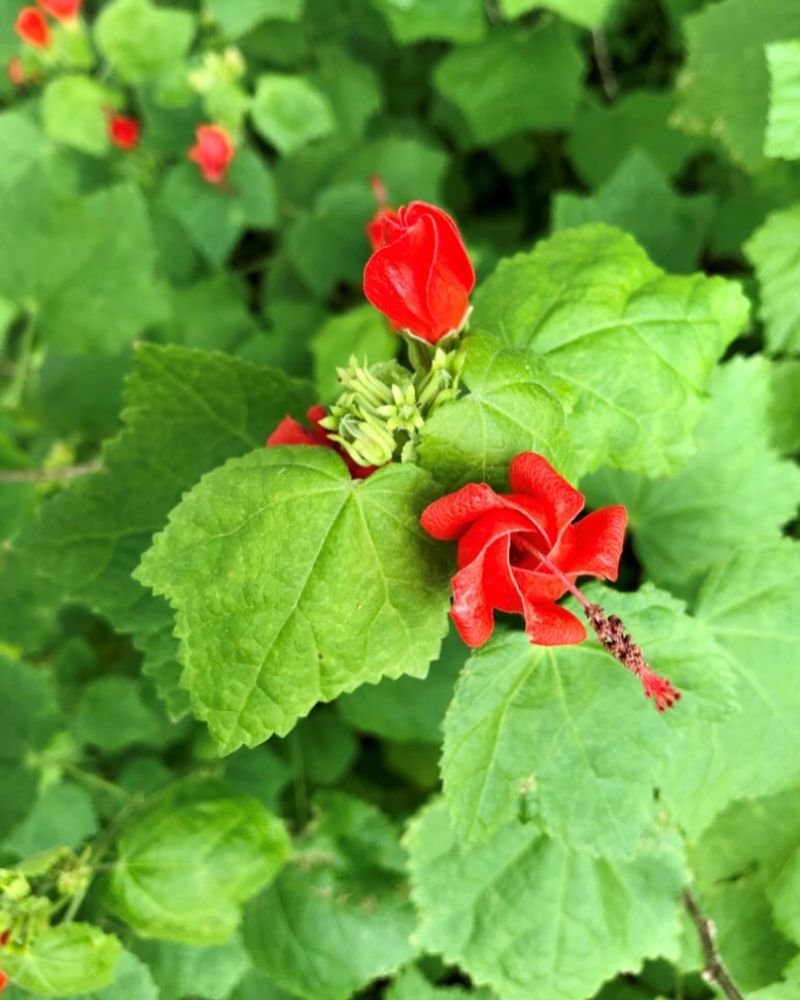
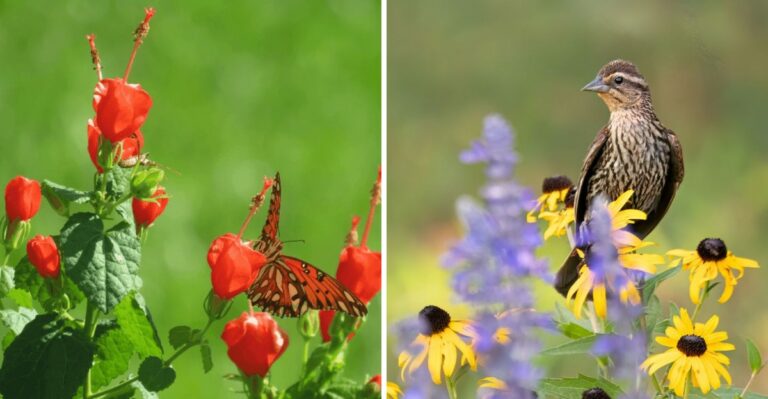
If you have a shady spot in your Texas yard that keeps filling up with weeds, Turk’s Cap might be exactly what you need. This bold, bushy native shrub grows wide and full, casting shade over the soil below and making it really tough for weeds to find enough light to grow.
Turk’s Cap gets its quirky name from its twisted red flowers that look like tiny turbans. Hummingbirds absolutely love them.
But beyond its good looks, this plant is a serious weed fighter. Its broad leaves and spreading growth habit cover a lot of ground, leaving very little open space for anything unwanted to sneak in.
Your Texas Garden Changes Every Week. Your Plan Should Too.
Gardening in Texas changes quickly throughout the season. Every Friday you’ll receive a simple weekly plan showing exactly what to plant, prune, fertilize, harvest, and protect so you never miss the right timing.
Growing in Texas heat is no problem for Turk’s Cap. It thrives in the warm summers that most other plants struggle with.
It is also surprisingly tolerant of poor soil, which is great news for gardeners dealing with the rocky or clay-heavy ground that is common across many parts of the state.
Plant it in a garden bed where you want long-term coverage without a lot of fuss. Once established, it comes back every year and gets bigger and fuller with each growing season.
Pruning it back in late winter helps keep it tidy and encourages fresh, healthy growth in spring.
Turk’s Cap works especially well when planted in groups. A cluster of three or more plants creates a solid wall of foliage that shades out weeds effectively.
It is one of the most reliable low-maintenance choices for Texas gardeners who want beauty and function in one plant.
3. Horseherb
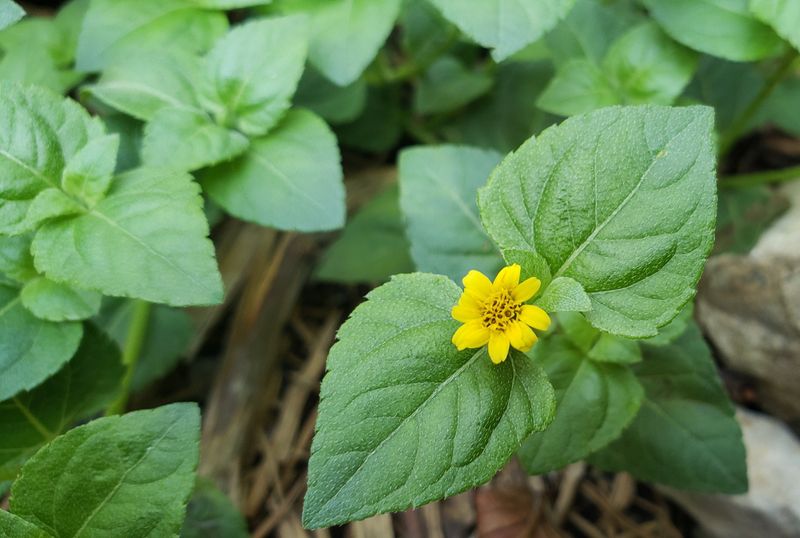
Shade-loving gardeners in Texas have a secret weapon, and its name is horseherb. Also called straggler daisy, this scrappy little native plant thrives in spots where other groundcovers give up.
Under trees, along fences, and in deeply shaded corners, horseherb spreads quickly and forms a thick green carpet that keeps weeds out.
What makes horseherb stand out is how fast it establishes itself. In the right conditions, it can cover a large area in just one growing season.
The small yellow flowers it produces are cheerful and bright, adding a little color to otherwise dull, shaded areas. Birds and insects appreciate those blooms too.
Horseherb is incredibly tough. It can handle the compacted, dry soil that is common in Texas yards, especially under large oak trees where nothing else seems to grow.
It does not need fertilizer or special care. Just plant it, give it a little water to get started, and let it do its thing.
One thing to keep in mind is that horseherb spreads aggressively. That is great for weed control, but you may want to keep it away from areas where you are growing other small plants that could get crowded out.
Use it in spots where you want full ground coverage without worrying about boundaries. Many Texas gardeners have replaced struggling grass in shaded areas with horseherb and never looked back.
It stays green for most of the year, requires almost no maintenance, and does a fantastic job of keeping bare soil covered and weed-free all season long.
4. Lantana
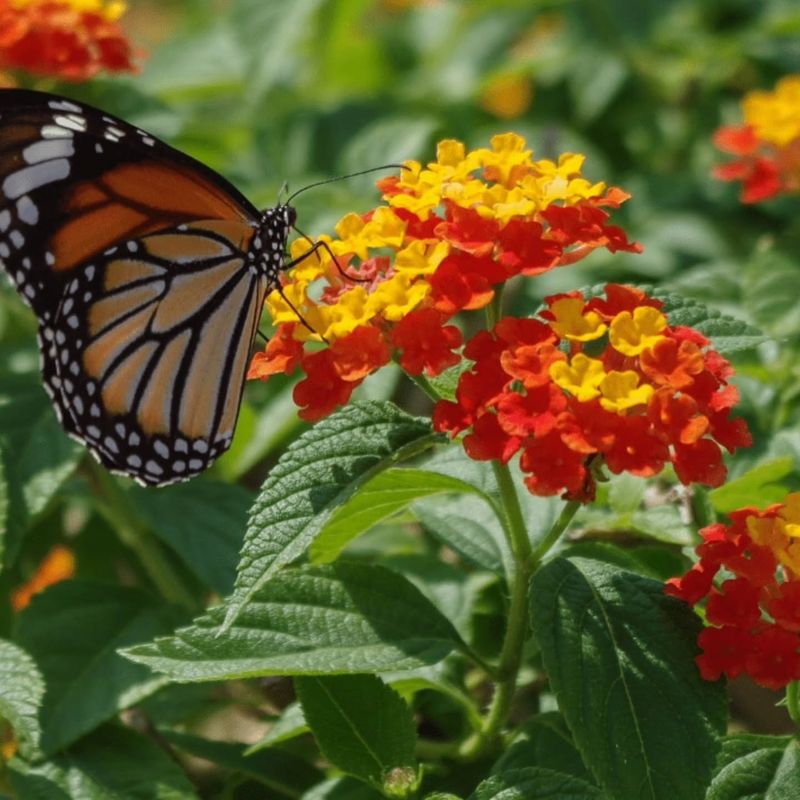
Few plants bring as much color and toughness to a Texas garden as lantana. This sun-loving shrub blooms in bright clusters of yellow, orange, red, and pink all summer long.
But beyond its showstopping looks, lantana is one of the best plants you can use to cover bare soil and keep weeds from moving in.
Dense lantana varieties spread wide and low, blanketing the ground with thick stems and leaves. That coverage blocks sunlight from reaching the soil surface, which is exactly what weed seeds need to sprout.
By shading the ground so effectively, lantana creates a natural barrier that chemicals cannot beat.
Texas summers are no match for lantana. It actually thrives in the heat and keeps blooming even when temperatures climb above 100 degrees.
It is also drought-tolerant once established, making it a perfect fit for the dry stretches that happen regularly across the state every summer.
Pollinators go wild for lantana flowers. Butterflies, bees, and hummingbirds flock to it from the moment it starts blooming.
So while it is doing the hard work of smothering weeds, it is also making your yard a lively and buzzing habitat for beneficial insects and birds.
For best results, choose a spreading variety like Gold Mound or New Gold and plant it in a sunny spot with well-drained soil. Space plants about two to three feet apart so they can fill in fully.
Once they spread and touch each other, the weed-smothering effect becomes even stronger and more reliable across your entire garden bed.
5. Asian Jasmine
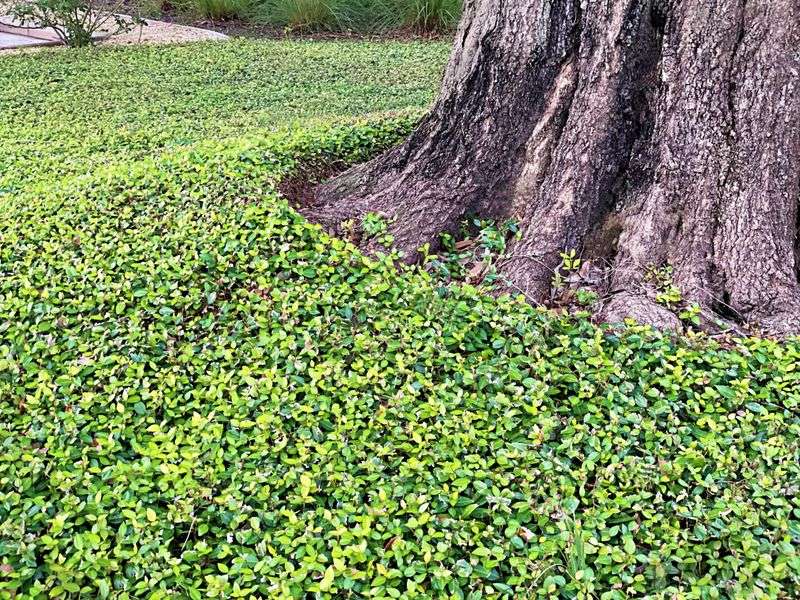
Walk through almost any established Texas neighborhood and you will likely spot Asian jasmine growing along borders, under trees, and in garden beds. It has been a go-to groundcover in this state for decades, and for good reason.
Its thick, glossy leaves grow so densely that sunlight barely reaches the soil underneath, making it nearly impossible for weeds to take hold.
Asian jasmine is not a true jasmine and does not produce the fragrant flowers you might expect. But what it lacks in blooms, it more than makes up for in dependability.
It is evergreen, meaning it stays green and full year-round, even through mild Texas winters. That constant coverage means there is never a gap in your weed protection.
This groundcover is tough enough to handle full sun, partial shade, and even deep shade. That versatility makes it useful in almost every part of your yard.
It grows to about six to twelve inches tall and spreads steadily, filling in gaps over time without becoming invasive or unmanageable.
One of the most practical things about Asian jasmine is how little attention it needs once it is established. Water it regularly during its first season to help it root in, and after that it can get by with minimal irrigation.
It rarely needs fertilizing and only needs trimming once or twice a year to keep it looking neat.
For Texas gardeners who want a reliable, long-term solution to weed problems, Asian jasmine delivers year after year. Plant it in fall or spring for the smoothest establishment, and give it a little patience as it fills in during its first growing season.
6. Purple Heart
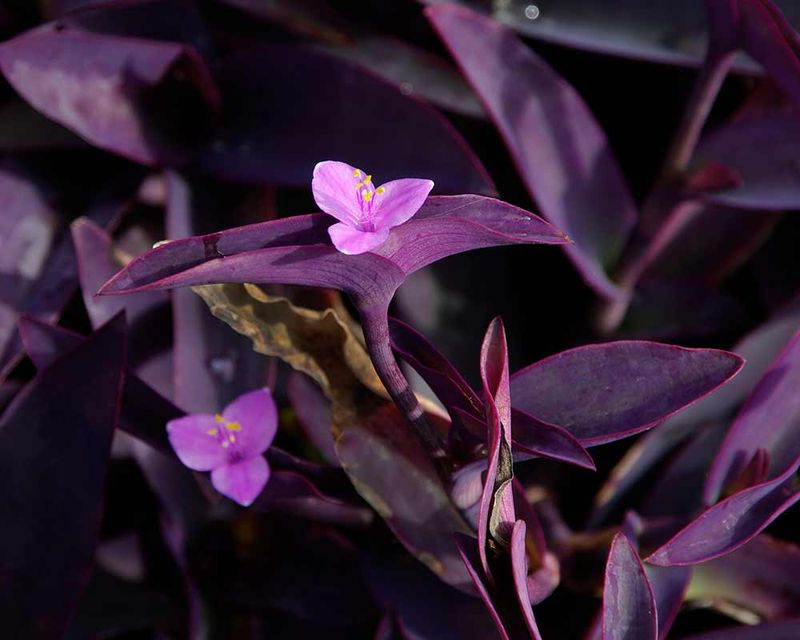
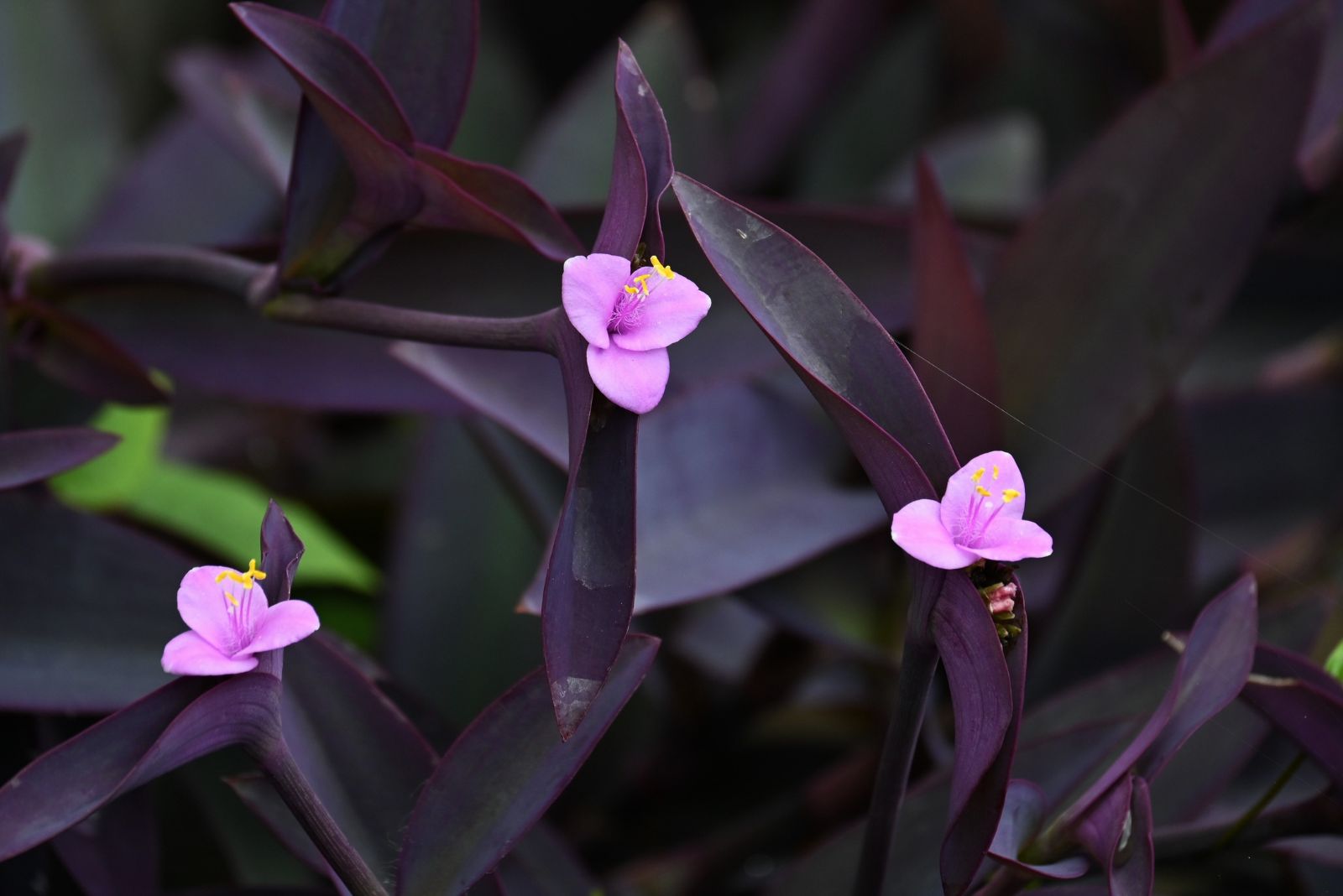
There is nothing subtle about purple heart. The moment you see it, you notice those striking purple stems and leaves that seem almost too vivid to be real.
But this eye-catching plant is not just pretty. In Texas, it is one of the most aggressive groundcovers you can grow, and that aggression is exactly what makes it so good at keeping weeds away.
Purple heart spreads quickly in warm weather, which Texas has plenty of. It sends out trailing stems that root wherever they touch the soil, filling in empty spaces at a rapid pace.
In a sunny garden bed, it can cover a wide area in a single growing season, leaving almost no room for weeds to establish themselves.
Heat does not slow this plant down at all. In fact, it grows more vigorously as temperatures rise.
That makes it a standout performer during the hottest months of summer, when many other groundcovers slow down or struggle. Its intense color also gets more vibrant in full sun, so the hotter it gets, the better it looks.
Purple heart works well in containers too, spilling over the edges and creating a dramatic effect. In garden beds, it pairs beautifully with green-leaved plants that contrast with its deep purple color.
It is also a favorite for slopes and hillsides where erosion and weed growth can be ongoing problems.
One thing to note is that purple heart can spread beyond where you want it. Trimming it back occasionally keeps it in check.
It is easy to pull up extra pieces and replant them elsewhere, so nothing goes to waste in your Texas garden.
7. Inland Sea Oats
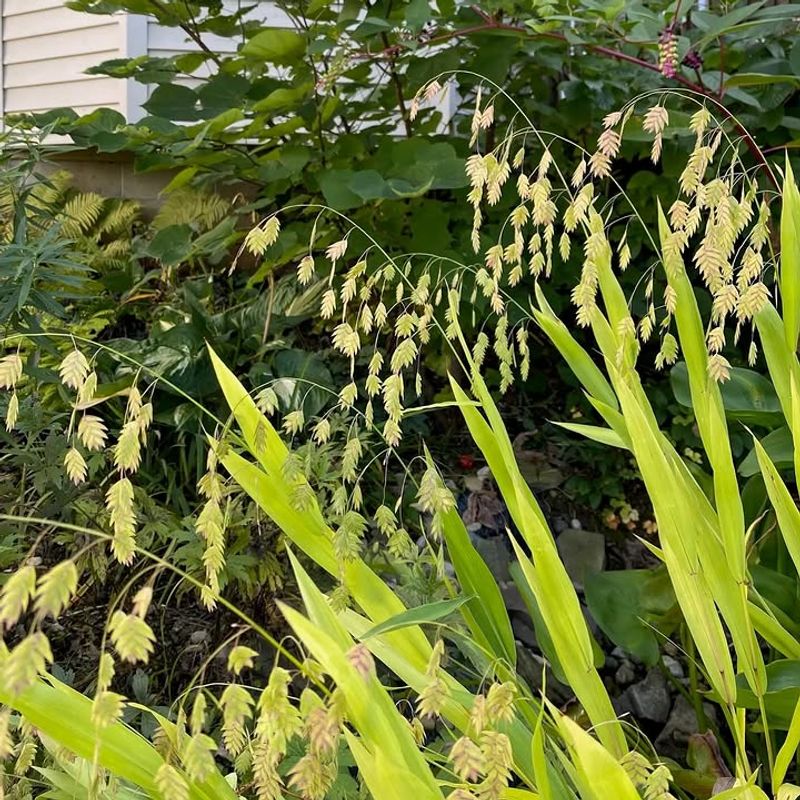
Most grasses struggle in the shade, but inland sea oats actually prefer it. This graceful Texas native thrives under tree canopies and in low-light areas where growing anything else feels like a challenge.
Its dense, clumping growth fills in shaded spots beautifully while quietly crowding out weeds that would otherwise take over.
The seed heads of inland sea oats are one of its most charming features. They dangle on thin stems and sway in the slightest breeze, catching the light in a way that looks almost like tiny hanging ornaments.
In fall, the foliage turns a warm golden color, adding seasonal interest to spots in your Texas yard that might otherwise look dull.
From a weed-fighting perspective, the dense root system and thick clumping habit of inland sea oats make it very effective.
Established clumps grow close together and shade the soil underneath, preventing weed seeds from getting the light they need to sprout. Over time, the clumps expand and create an even tighter barrier against unwanted plants.
Inland sea oats are also excellent for preventing erosion on slopes or along creek banks, which is a common concern in parts of Texas that get heavy rain. The roots hold soil in place while the foliage covers the ground and keeps weeds out at the same time.
Birds love the seeds too, making this plant a valuable addition to any wildlife-friendly yard. Plant it in fall or early spring in a shaded or partly shaded area, give it regular water until it roots in, and enjoy the low-maintenance beauty it brings to your Texas landscape for years to come.