These Tomato Pruning Tips Help California Gardens Produce More
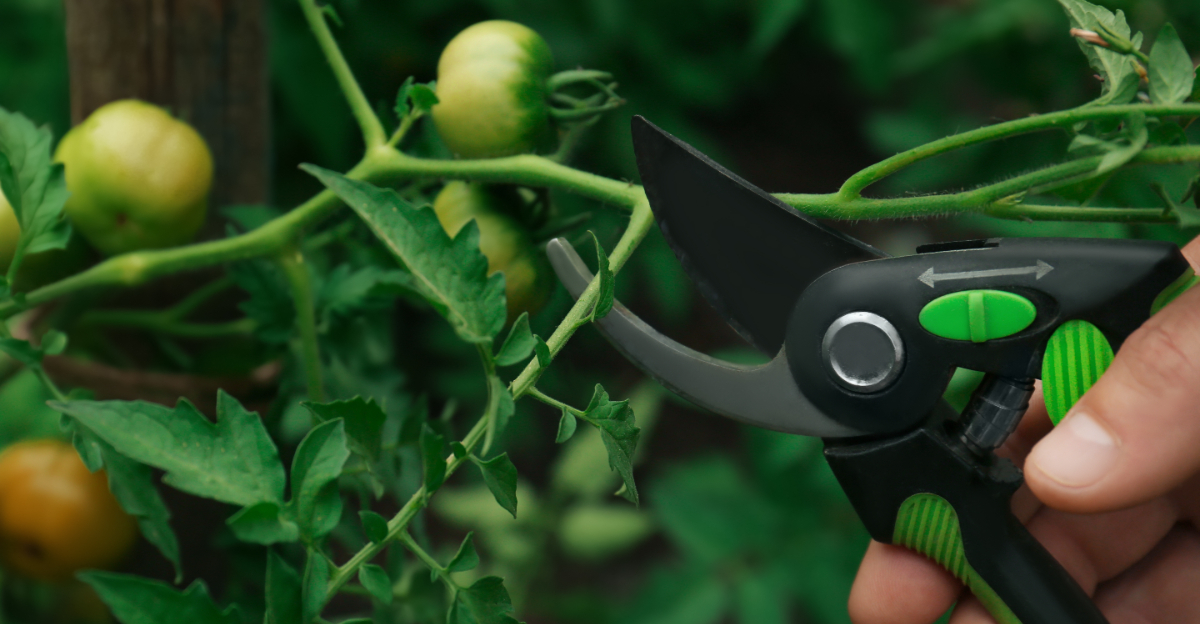
Tomatoes are the crown jewel of the California vegetable garden, and yet so many gardeners are accidentally leaving a huge chunk of their harvest on the table without even realizing it.
You can have perfect soil, a great watering schedule, and a spot with full sun all day long, but if you’re not pruning your tomato plants, you’re basically letting the plant do whatever it wants with its energy.
Spoiler: left to its own devices, it does not always make great decisions. Pruning sounds intimidating if you’ve never done it, like you’re one wrong snip away from ruining everything.
But it’s actually one of the most satisfying and impactful things you can do for your tomato plants, and California’s long, warm growing season means a well-pruned plant has months of prime producing time ahead of it.
A little strategic snipping early on tells your plant to focus its energy exactly where you want it, and the harvest difference is genuinely hard to argue with.
1. Remove Lower Leaves First
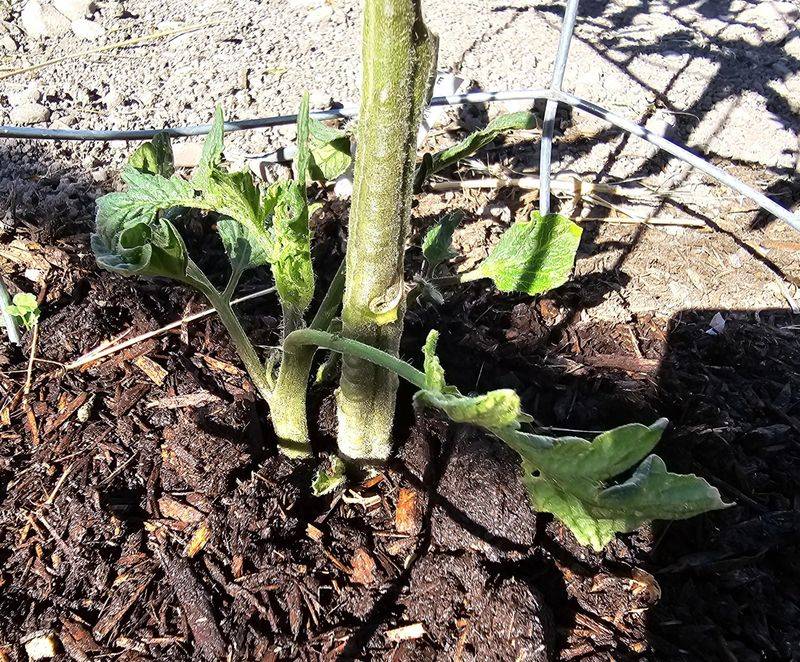
Starting from the bottom is always a smart move when pruning tomatoes. Lower leaves are usually the first to pick up problems because they sit close to the soil.
In California gardens, where the ground can get hot and dry, soil particles and water droplets often splash up onto these leaves and carry disease with them.
Removing the lower leaves early in the season keeps your plants cleaner and healthier. Aim to clear leaves from the bottom six to twelve inches of the stem.
This simple step gives your plant a cleaner base and helps it focus energy upward toward the fruit.
You do not need fancy tools for this task. A clean pair of scissors or pruning shears works perfectly.
Make smooth cuts close to the main stem and avoid tearing the plant tissue. Doing this every couple of weeks throughout the growing season keeps things tidy.
California gardeners who stay on top of this step often notice their plants stay greener longer and produce fruit well into the fall months.
2. Pinch Small Suckers Early
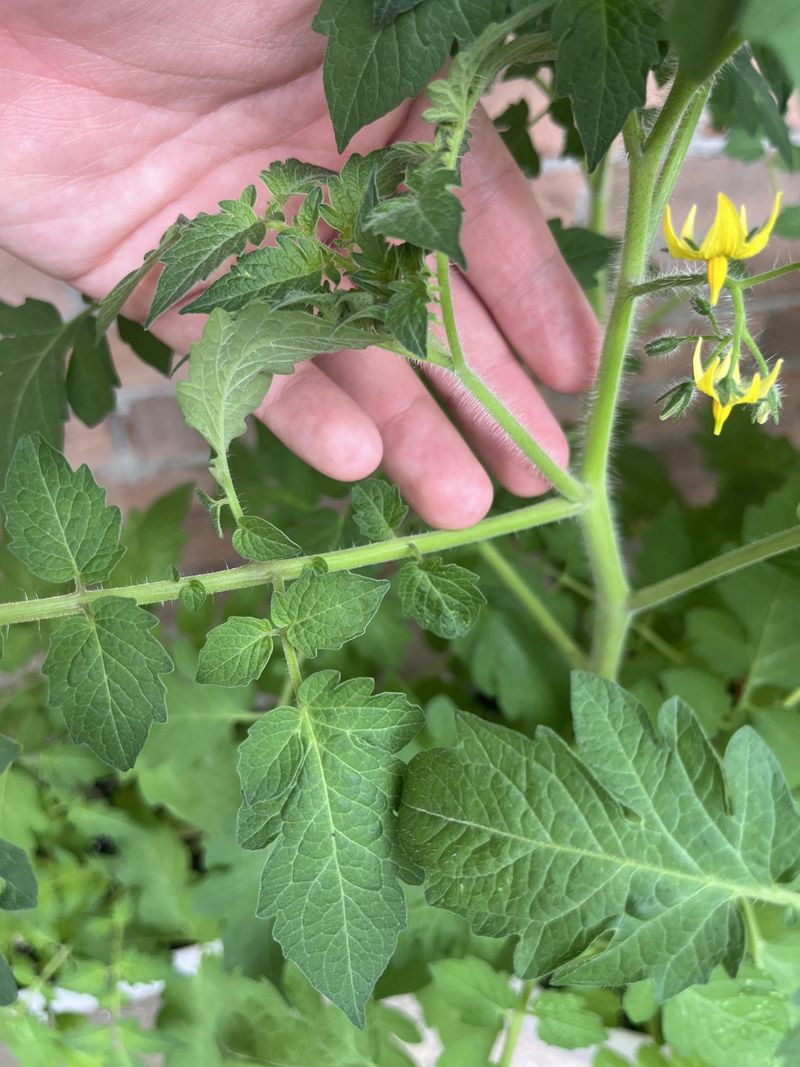
Suckers are sneaky little growths that pop up in the joint between the main stem and a branch. Left alone, they become full stems that compete with the rest of the plant for nutrients and sunlight.
Catching them early makes the whole job much easier and less stressful for your tomato plant.
When suckers are small, you can simply pinch them off with your fingers. No tools needed at all.
If you wait too long and they grow thick, use clean pruning shears to cut them back. Leaving a small stub behind is perfectly fine and actually helps protect the wound from infection.
For California gardeners dealing with long, hot summers, managing suckers is especially important. Too many growing stems mean too many leaves, and too many leaves can trap heat and moisture in ways that encourage mold and mildew.
Keeping sucker growth in check helps your plant stay open, airy, and productive. Most experienced local gardeners recommend checking for suckers at least once a week during peak growing season.
Your California Garden Changes Every Week. Your Plan Should Too.
Gardening in California changes quickly throughout the season. Every Friday you’ll receive a simple weekly plan showing exactly what to plant, prune, fertilize, harvest, and protect so you never miss the right timing.
It only takes a few minutes and the payoff in fruit production is well worth the effort.
3. Keep Strong Main Stems
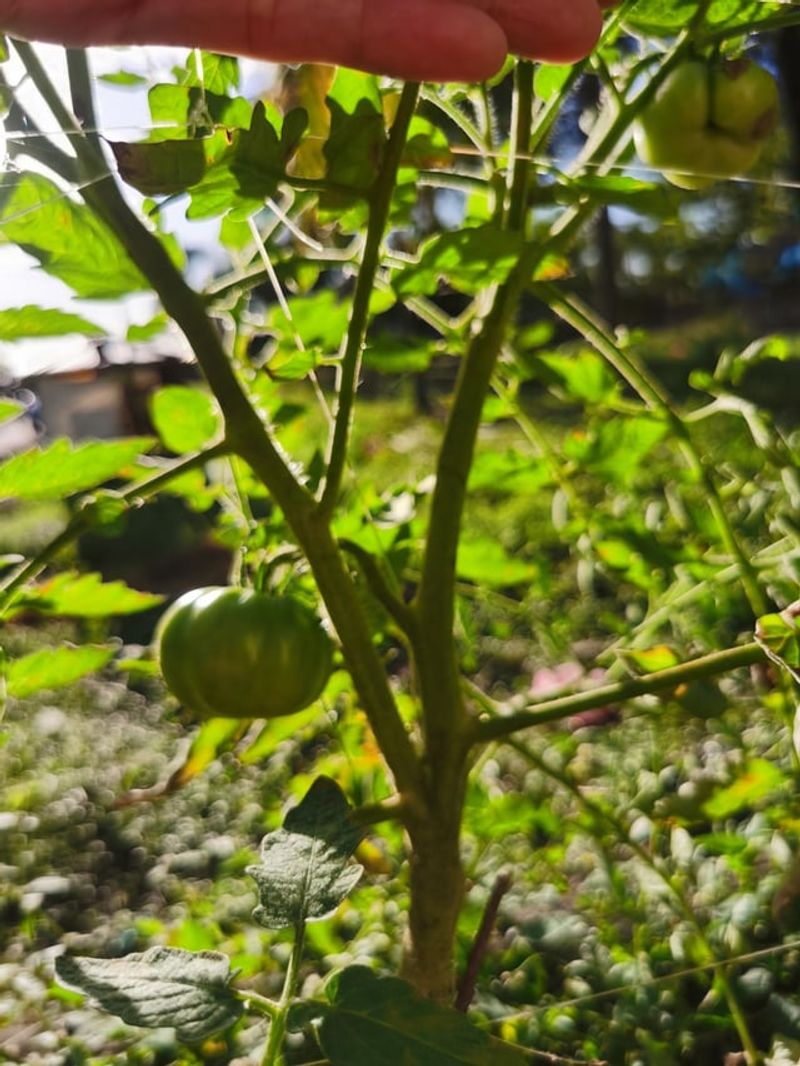
Every tomato plant has one job it does better than anything else: growing fruit. To do that job well, it needs a strong, clear main stem that can carry water and nutrients from the roots all the way up to the top.
When too many stems compete for that flow, the whole plant slows down.
Choosing one or two main stems and protecting them is a core part of smart pruning. Remove any stems that grow at odd angles or crowd the center of the plant.
Tie the main stem to a stake or cage as it grows taller. This keeps it upright and helps it handle California winds and heat without snapping or bending under the weight of fruit.
A well-supported main stem also makes it easier to spot problems early. You can see clearly where new growth is happening and where things might be going wrong.
Gardeners across California, from the Central Valley to coastal areas, use this approach to get more consistent harvests. Stronger stems mean bigger tomatoes, better color, and fruit that ripens more evenly.
It is one of the simplest changes you can make with a noticeable result.
4. Improve Airflow Around Plants
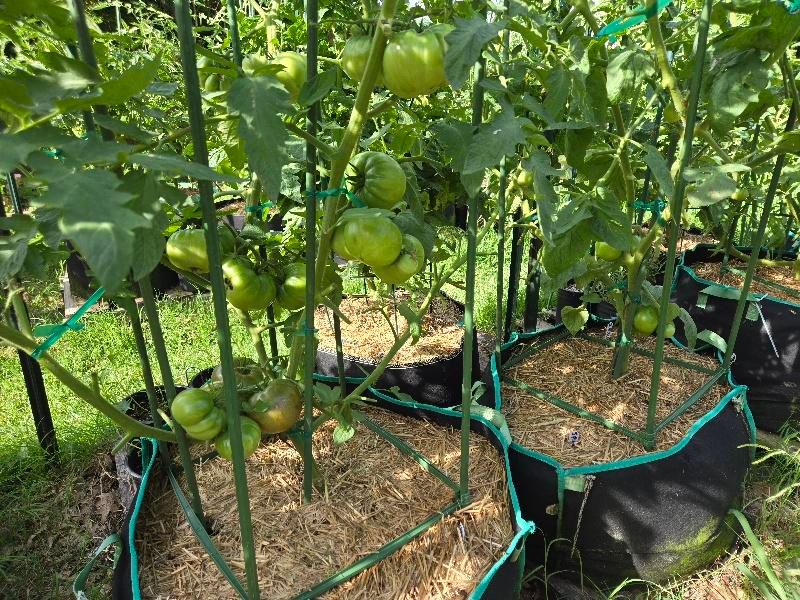
Airflow might not be the first thing you think about when you picture a thriving tomato garden, but it matters more than most people realize. When plants are too dense and leafy, air cannot move through them freely.
That trapped air stays warm and moist, which creates the perfect environment for fungal problems to take hold.
Pruning helps open up the plant so air can circulate through the leaves and stems. Removing crowded inner branches and thinning out thick leaf clusters makes a real difference.
You want to be able to see light filtering through the middle of the plant when you look at it from the side.
In California, where certain coastal regions deal with morning fog and others face intense inland heat, good airflow is a year-round concern. Better airflow also means your plants dry out faster after watering or rain, which reduces the chances of blight and other leaf diseases.
Spacing your plants correctly from the start helps too, but regular pruning keeps things manageable as the season progresses. Gardeners who prioritize airflow tend to spend less time dealing with sick plants and more time enjoying a healthy, productive harvest throughout the season.
5. Prune On Dry Mornings
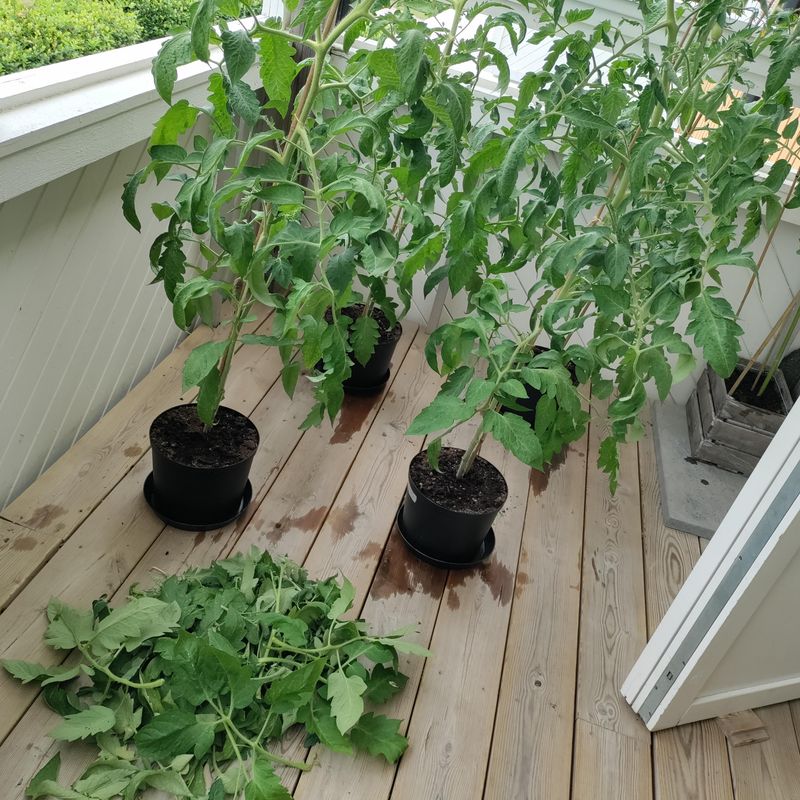
Timing really does matter when it comes to pruning tomatoes. Cutting into a plant opens up wounds on the stem and leaves, and those fresh cuts need time to heal and dry out before moisture sets in.
Pruning on a dry morning gives the plant the best chance to do exactly that.
Early mornings in California are often cooler and less humid than midday or evening. When you prune at this time, the fresh cuts get several hours of warm, dry air to seal up before nighttime temperatures drop and dew begins to form.
Wet cuts left overnight are much more likely to invite bacteria and fungal spores.
Avoid pruning after watering your garden or right after a rainstorm. Wet plants are more vulnerable to infection through open wounds.
Also, try not to prune in the middle of a hot afternoon when the sun is at its strongest. Heat stress combined with fresh cuts can slow recovery and reduce fruit production.
Keeping your tools clean and sharp also helps the cuts heal faster. A quick wipe with rubbing alcohol between plants is a small habit that California gardeners swear by for keeping their tomatoes healthy all season.
6. Stop Overgrowth Before Heat
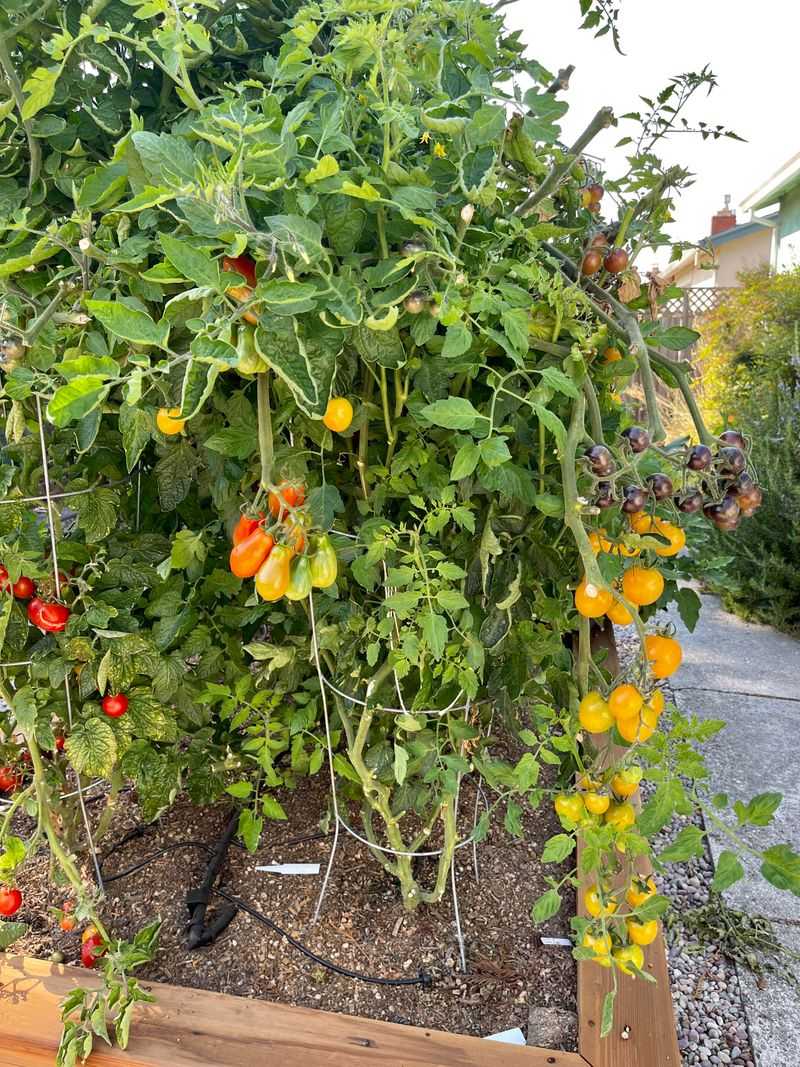
California summers can get intense fast. One week it feels mild and manageable, and the next the temperatures are pushing past 95 degrees Fahrenheit.
If your tomato plants are overgrown when that heat arrives, they are going to struggle more than they need to.
Getting ahead of overgrowth in late spring is one of the smartest things a California gardener can do. Trim back any stems that are growing too fast or too thick before the hot season begins.
This helps the plant stay compact and manageable so it can handle high temperatures without as much stress.
Overgrown plants have more leaves, which means they need more water to stay hydrated. During a California heat wave, that extra water demand can be hard to meet.
Leaner, well-pruned plants use water more efficiently and are better equipped to handle the heat. They also tend to produce fruit that sets more evenly because the plant is not overwhelmed.
Think of this step as giving your garden a head start before the toughest part of the season hits. A little proactive trimming in May or early June can make a noticeable difference in how your plants perform all the way through September.
7. Trim Diseased Leaves Quickly
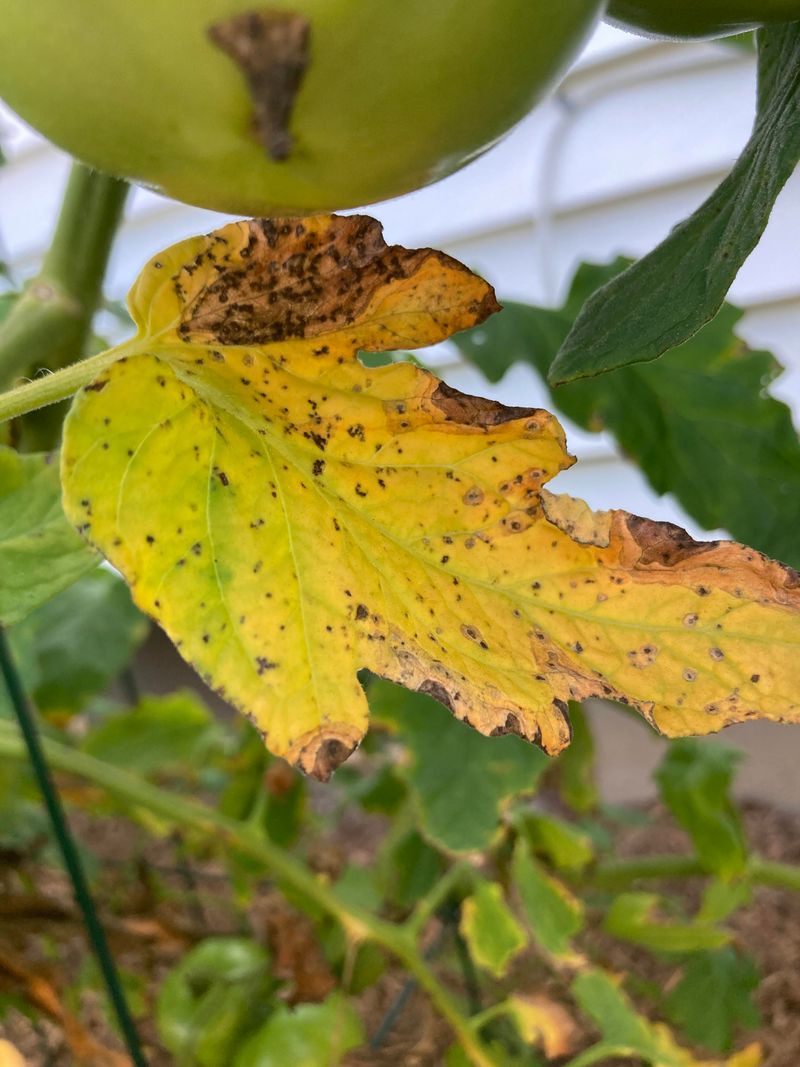
Spotted leaves, yellowing edges, and dark blotches are all signs that something is off with your tomato plant. Ignoring these signs and hoping they go away on their own rarely works out well.
Acting fast is always the better approach when disease shows up in a California garden.
As soon as you notice a leaf that looks unhealthy, remove it right away. Use clean shears and cut the leaf off cleanly at the stem.
Do not toss diseased leaves into your compost pile because that can spread the problem to other parts of your garden. Instead, bag them and throw them away with your regular trash.
After removing diseased material, wash your pruning tools with soap and water or wipe them down with rubbing alcohol before moving on to another plant. This simple step stops you from accidentally carrying spores or bacteria from one plant to the next.
California gardens, especially in areas with warm nights and morning moisture, can see disease spread quickly if it goes unchecked. Staying alert and trimming diseased leaves the moment you spot them keeps your whole garden healthier.
Regular checks every few days during the growing season make this habit easy to maintain without much extra effort.