These Vegetables Are Perfect For No-Till New York Gardens
No-till gardening is becoming a favorite approach for many New York gardeners who want healthier soil with less work. By leaving the soil undisturbed, gardeners protect beneficial organisms, improve moisture retention, and reduce weeds over time.
The real surprise is how well certain vegetables grow in no-till beds, often producing strong plants and reliable harvests without digging. No-till gardening proves you don’t need to dig to grow great vegetables.
Healthy soil does the hard work when you let it. New York gardeners are learning that less effort can still lead to rewarding results.
Sometimes the simplest methods truly work best. The key to success lies in choosing vegetables that naturally adapt to layered soil and compost.
Some crops send roots down easily, while others thrive on the steady nutrients no-till gardens provide. When the right vegetables meet the right method, gardening feels easier, more sustainable, and far more enjoyable season after season.
1. Lettuce Varieties Thrive Without Disturbance
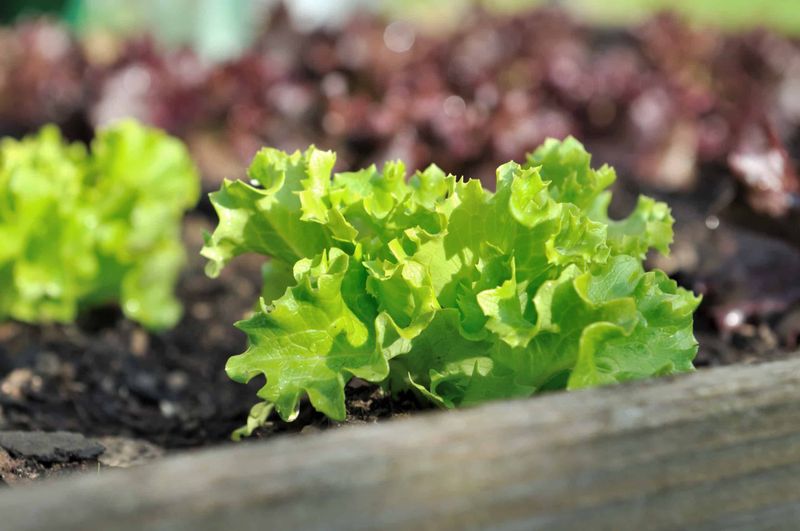
Lettuce grows exceptionally well in no-till gardens across New York, making it a fantastic choice for beginners and experienced gardeners alike. The shallow root system of lettuce means it doesn’t need deep soil cultivation to establish itself successfully.
Simply spreading a layer of compost on your garden bed and planting seeds directly into it will give you crisp, delicious greens throughout spring and fall.
Cool-season temperatures in New York provide perfect growing conditions for lettuce, especially during April through June and again in September through October.
The no-till method keeps soil moisture consistent, which lettuce absolutely loves since it needs steady water to prevent bitterness. You can harvest outer leaves continuously while the plant keeps producing, giving you fresh salads for weeks.
Different lettuce types offer variety for your table, from butterhead to romaine to loose-leaf varieties. Each type adapts beautifully to the undisturbed soil environment, developing healthy roots that access nutrients from decomposing organic matter.
New York gardeners often succession plant lettuce every two weeks for a constant supply.
Mulching around lettuce plants with straw or shredded leaves enhances the no-till benefits by suppressing weeds and maintaining soil temperature. This protective layer also prevents soil from splashing onto leaves during rainfall, keeping your harvest cleaner.
Watch for slugs in damp conditions, as they enjoy the same moist environment that makes no-till gardens successful.
2. Tomatoes Flourish With Deep Mulching
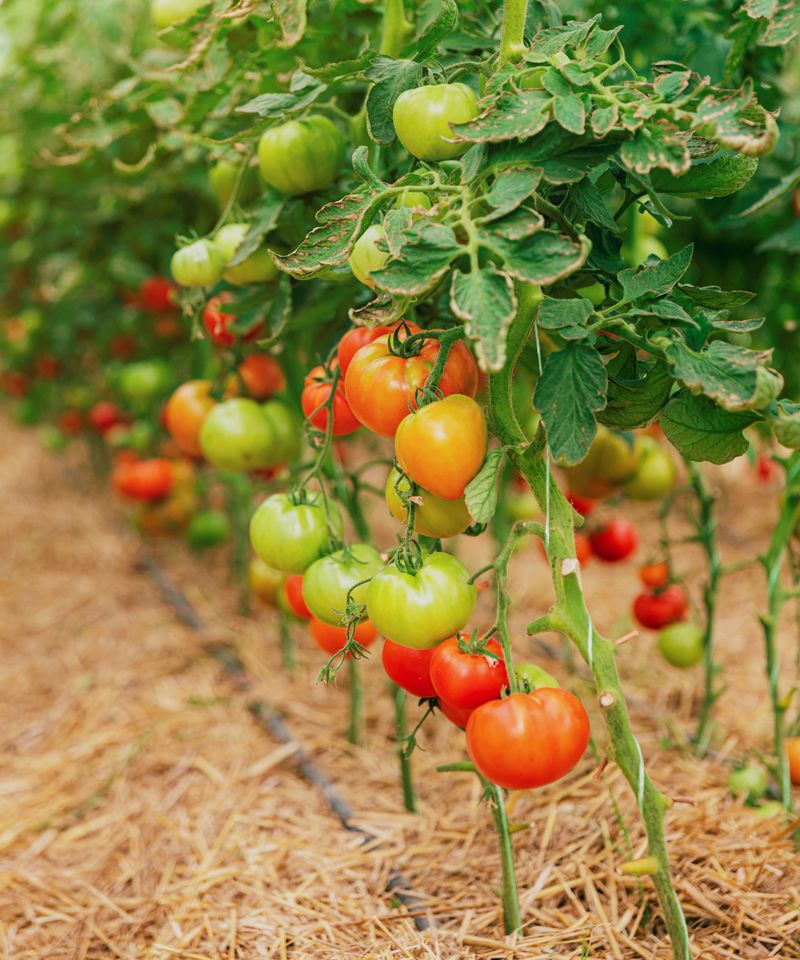
Growing tomatoes without tilling might seem counterintuitive, but these beloved vegetables actually perform wonderfully in New York no-till gardens. The secret lies in establishing a thick layer of organic mulch around transplants, which feeds the soil while keeping weeds at bay.
Tomatoes develop extensive root systems that explore undisturbed soil, finding nutrients and water more efficiently than in tilled ground.
New York summers provide the warmth tomatoes crave, and the no-till method helps regulate soil temperature during fluctuations. Transplant seedlings into holes dug through your mulch layer, burying stems deeply to encourage additional root development.
This technique works brilliantly whether you’re gardening in Brooklyn community plots or upstate backyard spaces.
The stable soil ecosystem of no-till gardens supports beneficial fungi that form partnerships with tomato roots, improving nutrient uptake naturally. You’ll notice healthier plants with better disease resistance compared to annually disturbed soil.
Adding compost around plants mid-season provides extra nutrition without disrupting the soil structure.
Staking or caging tomatoes becomes especially important in no-till systems since you want to avoid stepping on garden beds and compacting soil. Choose determinate varieties for easier management or indeterminate types for continuous harvests through summer.
The consistent moisture retention of no-till beds helps prevent common problems like blossom end rot and fruit cracking that plague many New York tomato growers.
3. Garlic Grows Strong In Undisturbed Soil
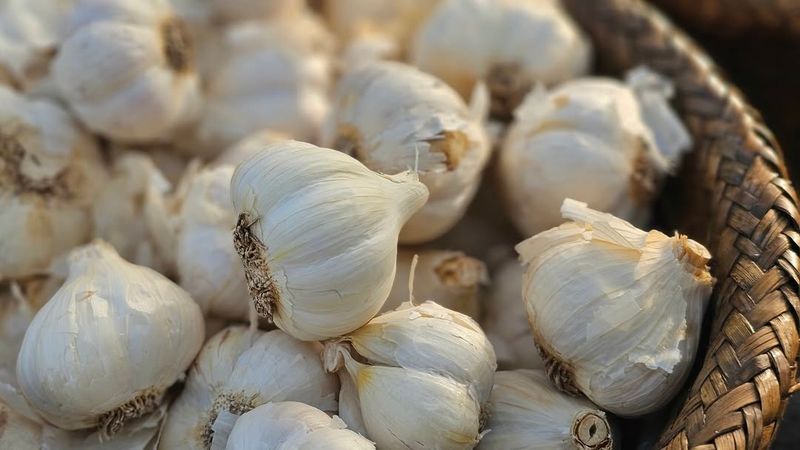
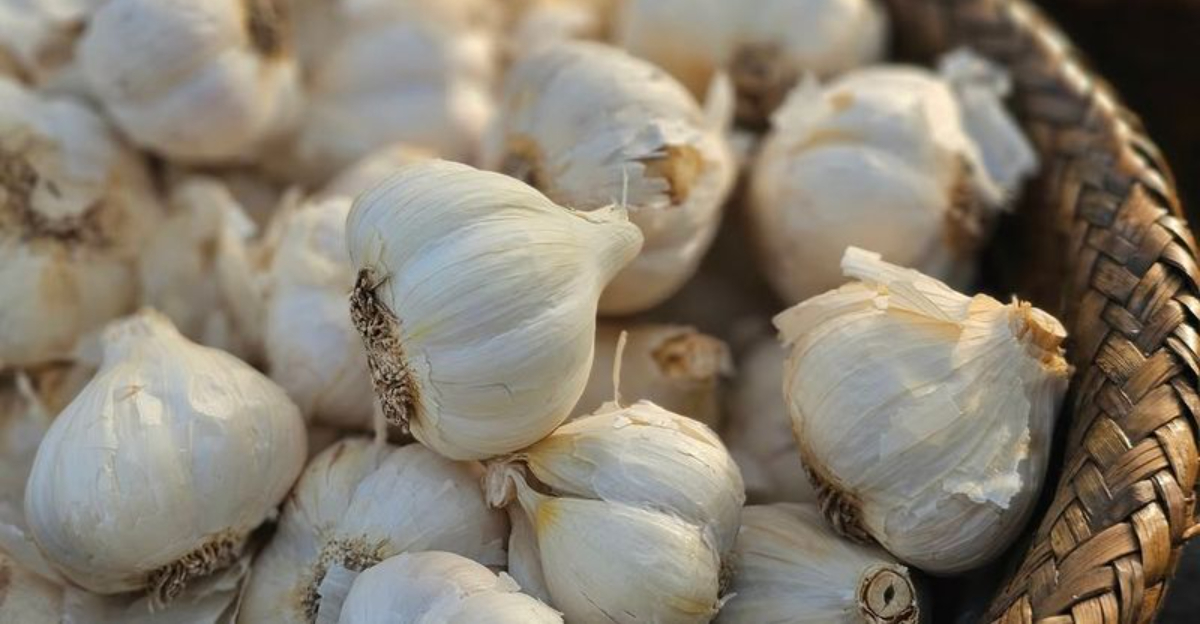
Planting garlic in fall has become a cherished tradition for New York gardeners, and no-till methods make this process even simpler. Garlic cloves planted in October or November push through mulch layers effortlessly, establishing roots before winter arrives.
The undisturbed soil structure provides excellent drainage, preventing rot during New York’s wet spring thaws.
Breaking apart garlic bulbs and pressing individual cloves into prepared beds requires no digging beyond making small holes with your finger.
Cover the planting area with several inches of straw or shredded leaves to protect cloves through harsh winters. This mulch layer breaks down slowly, feeding the soil while keeping garlic roots insulated.
Come spring, green shoots emerge vigorously from the mulch, reaching toward the sun with remarkable strength. Garlic planted in no-till gardens often produces larger bulbs because the soil ecosystem remains intact, allowing beneficial organisms to support plant health.
Hardneck varieties popular in New York, like Music or German Extra Hardy, particularly excel in these conditions.
Harvest arrives in mid-summer when lower leaves begin browning, usually around July in most New York regions. Gently loosening soil around bulbs with a garden fork preserves the no-till structure for your next crop.
Curing harvested garlic in a shaded, well-ventilated space for several weeks develops the strong flavors that make homegrown garlic so superior to store-bought options.
4. Carrots Push Through Layered Compost
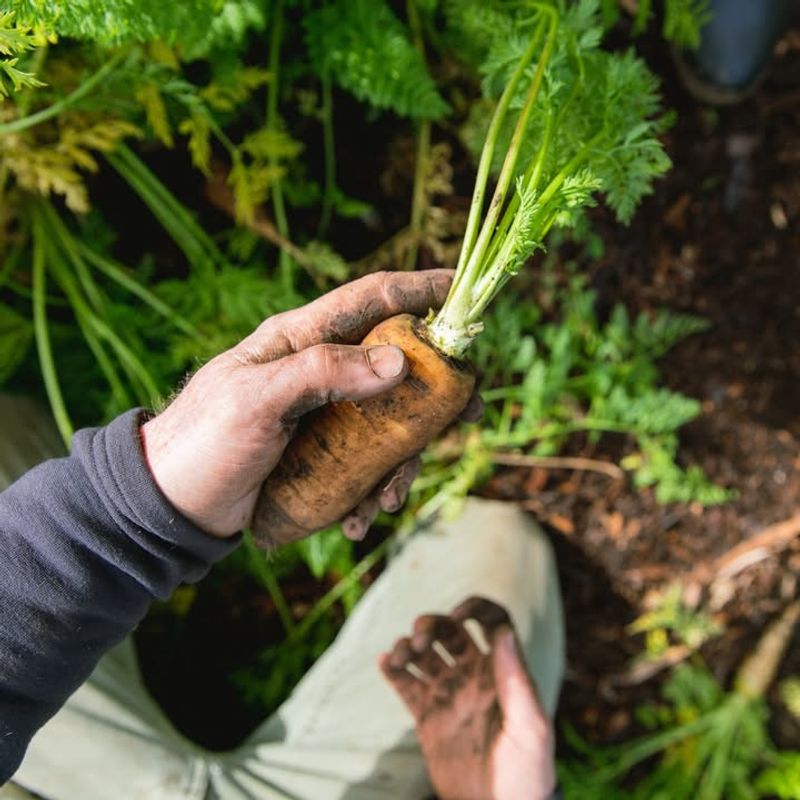
Many gardeners assume carrots need deeply tilled soil, but these root vegetables surprise people by growing beautifully in established no-till beds.
The trick involves building up soil quality over time rather than digging down, creating loose, friable conditions through continuous organic matter additions.
After a year or two of no-till practices, New York garden soil becomes perfect for straight, sweet carrots.
Direct seeding carrots into a thin layer of fine compost or sifted soil gives seeds the contact they need for germination. The existing soil structure below, enriched by decomposing mulch and active soil life, offers the loose texture carrot roots require as they grow downward.
Spring plantings in New York typically happen in April, with succession sowings continuing through July for fall harvests.
Keeping the soil consistently moist during germination proves crucial since carrot seeds are tiny and delicate. A light covering of row cover fabric or burlap helps retain moisture while seeds sprout over their notoriously slow two-week germination period.
Once established, carrots develop long taproots that mine nutrients from deep in your no-till bed.
Thinning seedlings to proper spacing ensures each carrot has room to develop fully without competition. The rich biological activity in no-till soil produces incredibly flavorful carrots with excellent texture and sweetness.
Harvest continues well into late fall across New York, as carrots tolerate frost beautifully and even taste sweeter after cold weather arrives.
5. Beans Fix Nitrogen While Growing Vigorously
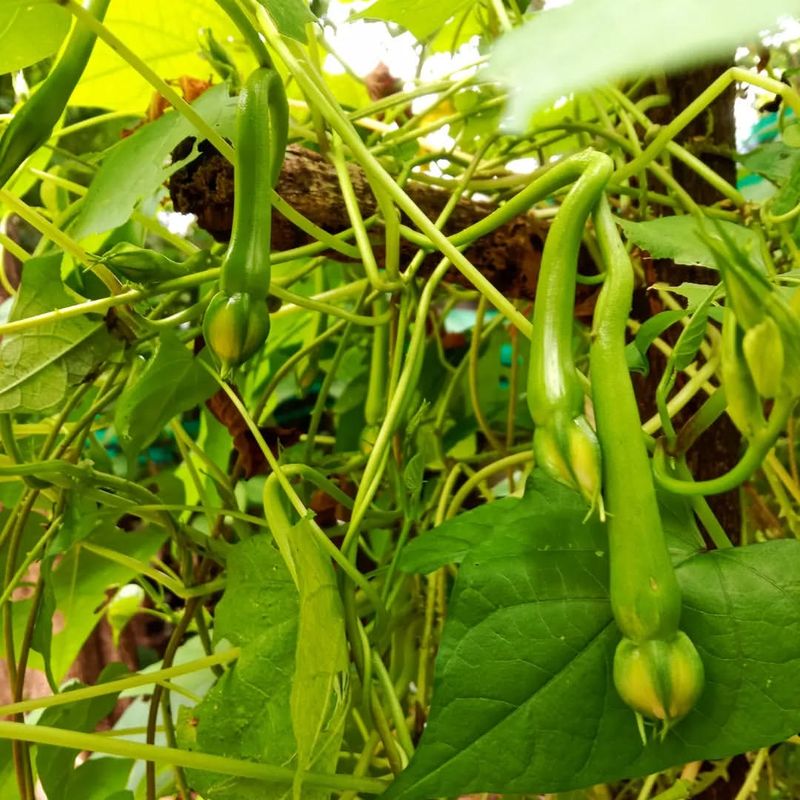
Both bush and pole beans rank among the easiest vegetables for New York no-till gardens, offering generous yields with minimal fuss.
These legumes possess a special ability to capture atmospheric nitrogen and convert it into a form plants can use, actually improving your soil while they grow.
Planting beans after your last frost date, typically mid-May in most New York locations, gives them the warm soil they prefer.
Creating small pockets in your mulch layer for bean seeds takes just minutes, and within a week you’ll see sturdy seedlings emerging. Bush varieties like Provider or Contender grow compactly without support, perfect for gardeners with limited space.
Pole beans such as Kentucky Wonder or Fortex climb enthusiastically up trellises, producing over a longer season.
The undisturbed soil in no-till gardens supports the beneficial bacteria that colonize bean roots, forming nodules that facilitate nitrogen fixation. This natural process reduces or eliminates the need for additional fertilizers, saving money while building soil fertility.
When bean plants finish producing, simply cut them at ground level and leave roots in place to decompose and release stored nitrogen.
Regular harvesting encourages continuous production throughout summer, keeping plants productive until fall frost arrives. Beans taste best when picked young and tender, before seeds inside pods become large and starchy.
New York’s summer humidity can sometimes promote fungal diseases, but good air circulation and avoiding overhead watering keeps plants healthy in no-till systems.
6. Kale Withstands New York Winters Beautifully
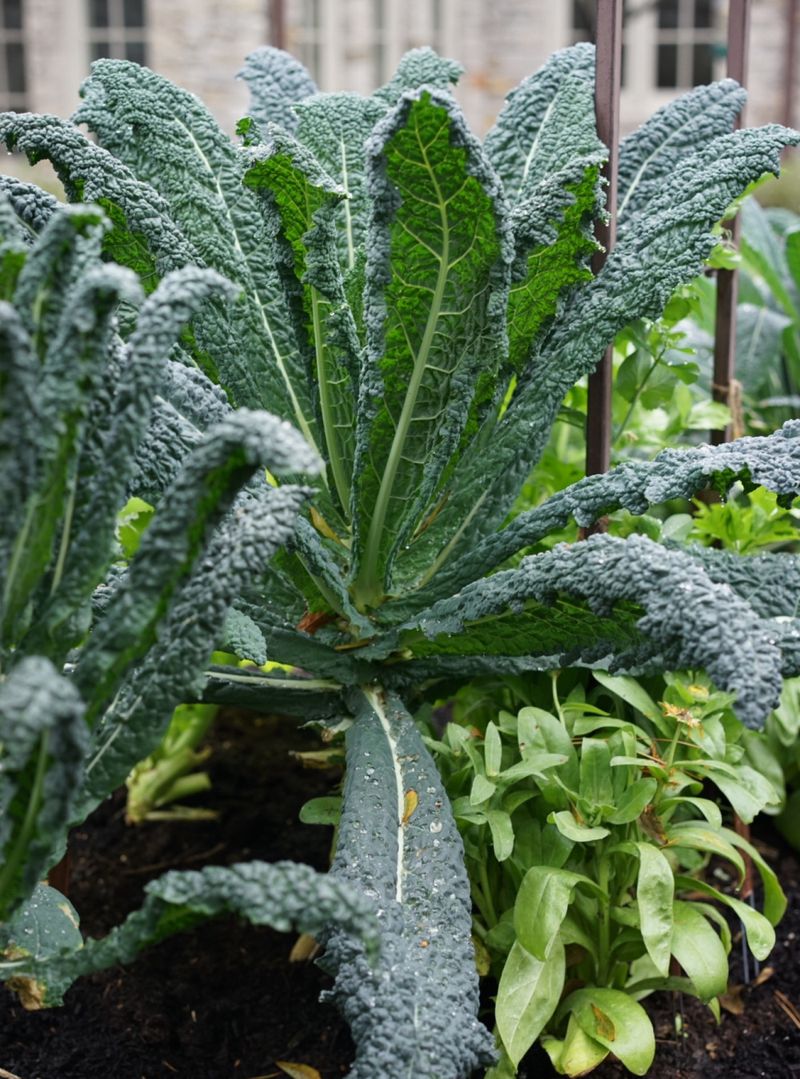
Few vegetables match kale’s resilience and productivity in New York no-till gardens, making it an absolute superstar for year-round growing. This hardy green tolerates both spring cold and fall frost, continuing to produce nutritious leaves when other vegetables have long finished.
Transplanting kale seedlings into mulched beds in early spring or late summer sets you up for months of harvests.
The deep root system kale develops in undisturbed soil allows it to access moisture and nutrients other shallow-rooted crops might miss.
New York gardeners often plant kale in July or August specifically for fall and winter harvesting, as cold temperatures actually improve the flavor by converting starches to sugars. Varieties like Winterbor or Lacinato excel in these conditions.
No-till beds maintain more consistent soil moisture than tilled ground, which kale appreciates since it needs steady water for tender leaf production. Harvesting outer leaves while leaving the central growing point intact allows plants to continue producing for many weeks.
Some New York gardeners harvest kale right through winter, brushing snow off plants to pick fresh greens.
The stable soil ecosystem supports beneficial insects that help control common kale pests like aphids and cabbage worms. Floating row covers provide additional protection if pest pressure becomes severe.
Adding a fresh layer of compost around plants mid-season boosts production without disturbing roots, demonstrating the beauty of no-till methods for long-season crops like kale.
7. Zucchini Produces Abundantly With Minimal Care
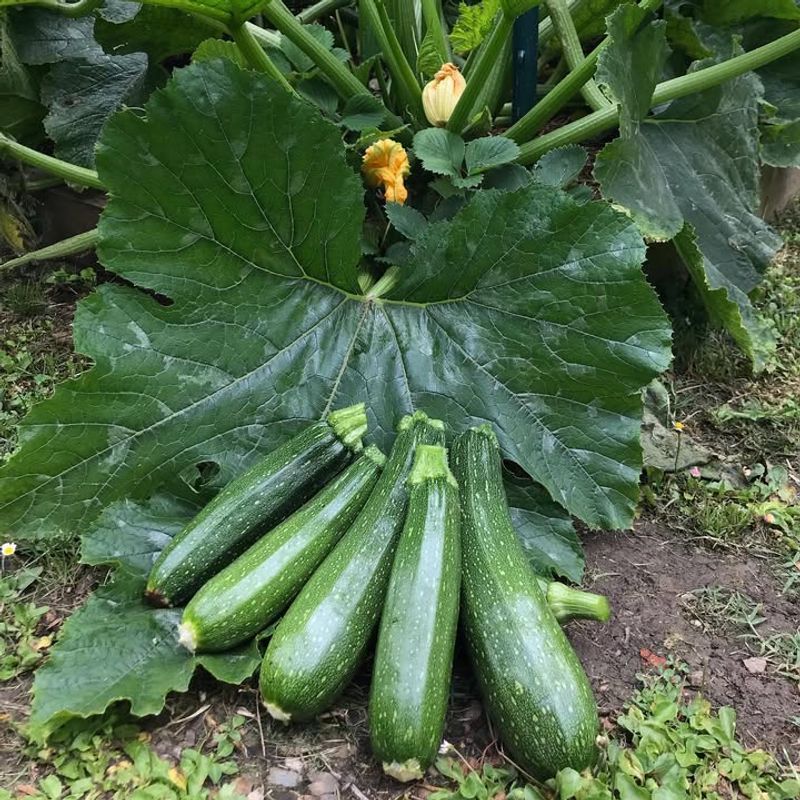
Ask any New York gardener about zucchini and you’ll hear stories of overwhelming abundance from just a few plants. This summer squash thrives spectacularly in no-till gardens, where the rich soil ecosystem supports vigorous growth and heavy fruit production.
Transplanting zucchini seedlings or direct seeding after frost danger passes gives plants the warm conditions they need to take off quickly.
The large, spreading leaves of zucchini plants create their own living mulch, shading soil and suppressing weeds naturally. This characteristic makes them ideal companions for no-till systems, where you want to minimize bare soil.
Creating a small hill or raised area within your mulched bed improves drainage around the plant crown, preventing rot issues during New York’s humid summers.
Zucchini roots spread widely through undisturbed soil, forming networks with beneficial fungi that enhance nutrient uptake. This relationship produces healthier plants that resist common diseases better than those grown in annually tilled soil.
Regular harvesting when fruits reach six to eight inches long keeps plants producing prolifically through summer.
The consistent moisture retention of no-till beds helps prevent the blossom end problems that sometimes affect zucchini in drought conditions. Adding compost around plants mid-season provides extra nutrients to fuel continuous production.
Many New York gardeners find that two or three zucchini plants provide more than enough for fresh eating, freezing, and sharing with neighbors throughout the growing season.
8. Potatoes Thrive Under Straw Mulch Layers
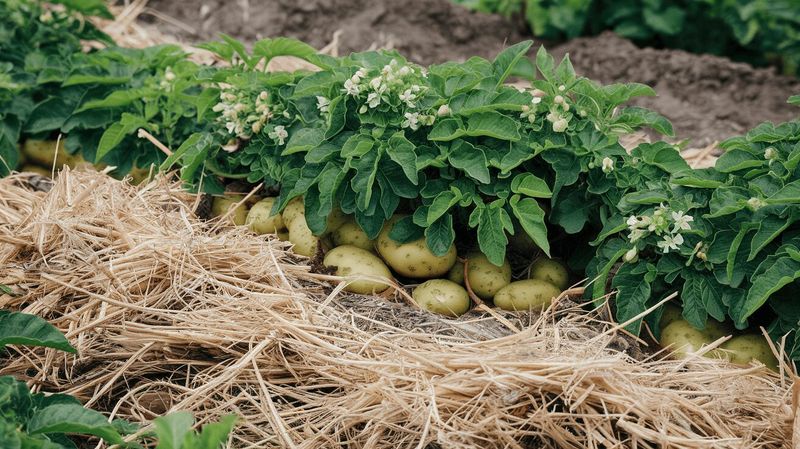
Growing potatoes without tilling revolutionizes this traditionally labor-intensive crop, making it accessible for New York gardeners of all abilities.
The straw mulch method involves placing seed potatoes directly on soil surface or in shallow depressions, then covering them with thick layers of straw or leaves.
This approach eliminates digging while producing clean, easy-to-harvest potatoes that practically sit on top of the ground.
New York’s cool spring weather provides ideal conditions for planting potatoes in April or early May, depending on your specific region. As potato plants grow, you simply add more straw around stems to keep developing tubers covered and protected from sunlight.
This hilling process happens naturally in no-till systems without the back-breaking work of moving soil.
The loose, airy environment under straw mulch allows potatoes to expand freely, often resulting in larger, more uniform tubers than those grown in compacted tilled soil.
Beneficial organisms thrive in the moist, protected zone between mulch and soil, contributing to plant health and natural pest management. Varieties like Yukon Gold or Kennebec perform exceptionally well using this method.
Harvest becomes a treasure hunt rather than a chore, as you simply pull back mulch to reveal clean potatoes ready for picking. This technique works wonderfully for new potato harvests in summer or full-sized tubers in fall.
The mulch can be composted or reused, while the soil beneath remains undisturbed and ready for your next crop rotation in your thriving New York garden.