These 8 Vegetables Bolt Too Fast In Florida (And Most Gardeners Regret Planting Them)
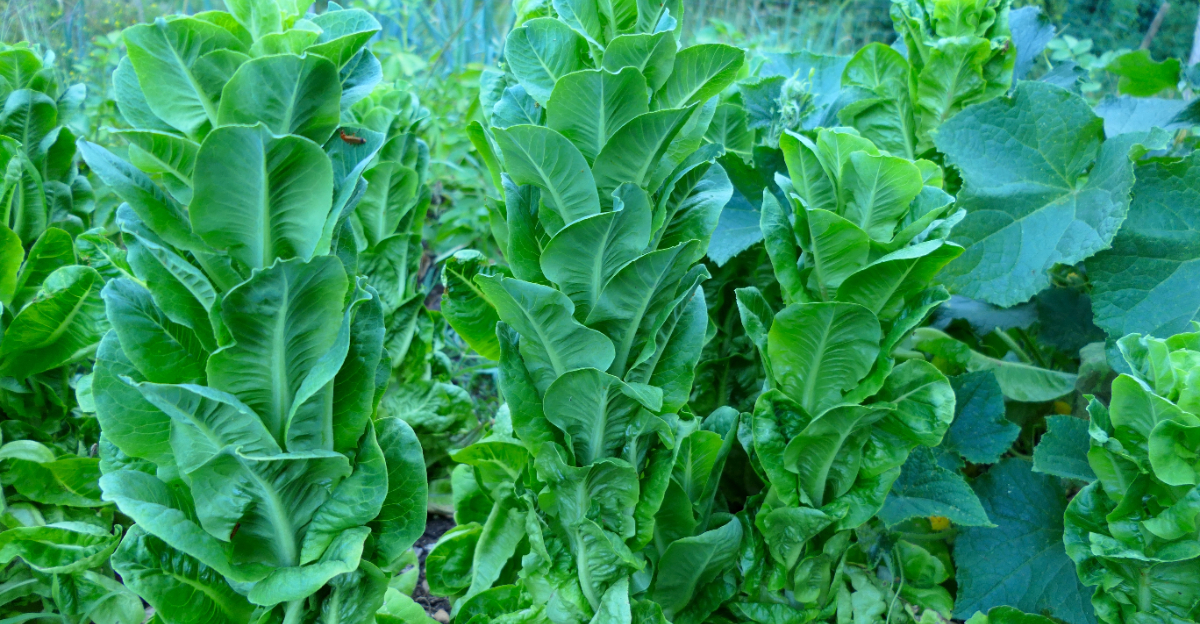
You plant your seeds with big hopes, water them carefully, and wait. Then one warm afternoon you walk outside and notice your lettuce has shot up a tall stalk, your cilantro is flowering, and your broccoli looks more like a weed than a vegetable.
Sound familiar? Florida gardening can feel like a race against the clock, especially with cool-season vegetables that were never built for heat, humidity, and long sunny days.
Once a plant bolts, the leaves turn bitter, the stems get tough, and harvests drop off fast. Florida’s warm climate, especially from late winter through spring, creates the perfect storm for bolting.
The good news is that once you know which vegetables are likely to let you down, you can make smarter choices and swap them out for plants that genuinely love Florida’s heat.
These vegetables are the most common culprits, and for each one, there is a better option worth trying in your garden.
1. Lettuce Bolts The Moment Heat Kicks In
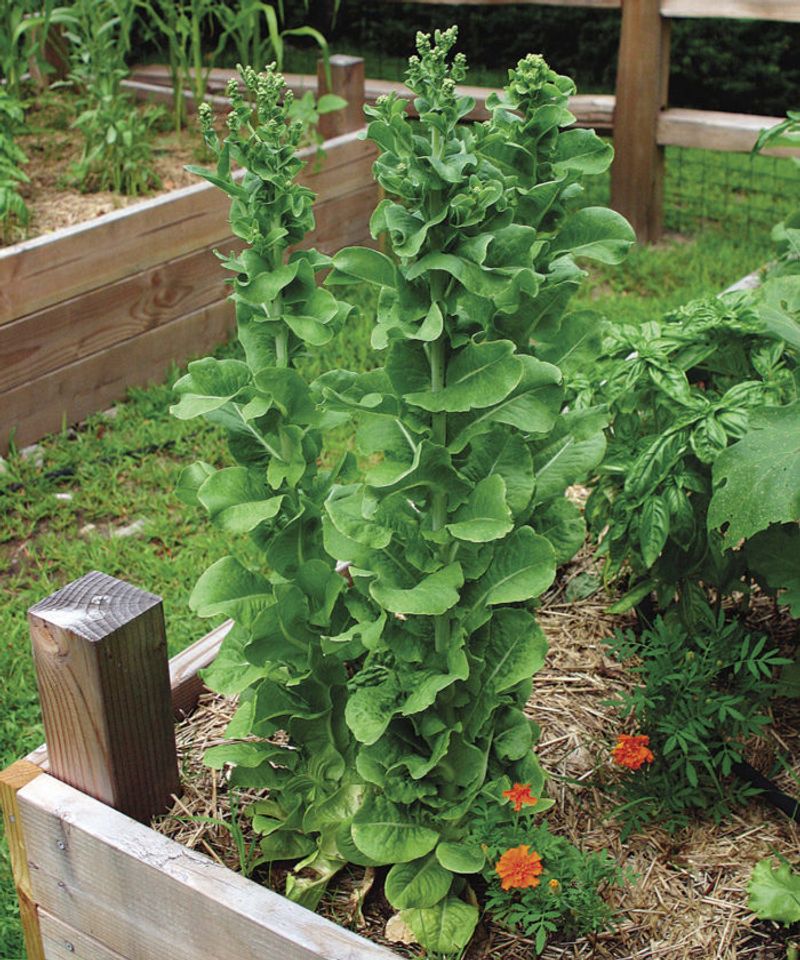
You plant a row of crisp lettuce in January, feeling optimistic about fresh salads ahead. Then February turns warm, the days get longer, and within what feels like days, your lettuce sends up a tall, skinny stalk and the leaves go bitter almost overnight.
Lettuce is extremely sensitive to heat and responds to rising temperatures by bolting, which means it shifts all its energy toward making flowers and seeds instead of producing the tender leaves you wanted.
Florida’s narrow window for growing lettuce typically runs from October through February, depending on your region.
Even heat-tolerant varieties like Jericho or Black Seeded Simpson can struggle once daytime temperatures consistently climb above 75 degrees Fahrenheit.
Once the stalk appears, the harvest is basically over.
A better swap worth trying is sweet potato leaves or Seminole pumpkin. Sweet potato leaves are completely edible, mild in flavor, and thrive through Florida’s hottest months without bolting at all.
Seminole pumpkin produces abundantly in heat and humidity that would destroy lettuce in a week. For sweet potato leaves, simply plant slips in a sunny spot, water regularly, and harvest outer leaves as the plant grows throughout the warm season.
2. Spinach Struggles As Days Get Longer
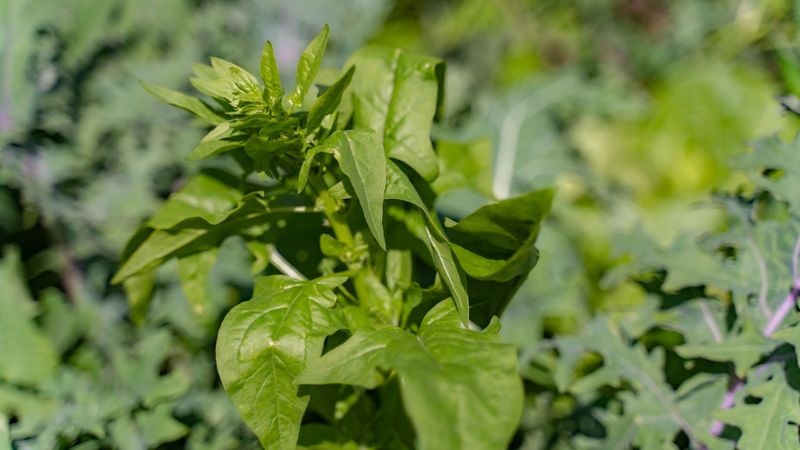
Most gardeners picture a lush, leafy spinach bed when they imagine their cool-season garden. In Florida, that vision runs into trouble fast.
True spinach, the kind you find in most seed packets, is triggered to bolt by a combination of heat and increasing day length.
As days stretch longer through late winter and spring, spinach reads those signals as a cue to flower and set seed, leaving you with tough, bitter greens that nobody wants to eat.
Even when planted early in the season, spinach in Florida rarely produces for more than a few weeks before bolting. South Florida gardeners often find the window even shorter than those in North Florida, where cooler winters last a little longer.
Planting spinach in December and harvesting by mid-February is often the most realistic timeline.
Malabar spinach is the smart swap here. Despite sharing the name, it is not related to traditional spinach, but its thick, glossy leaves taste similar when cooked and it absolutely loves Florida heat.
Malabar spinach is a vining plant, so give it a trellis, fence, or stake to climb. Plant it in full sun after frost risk has passed and it will produce generously for months without any sign of bolting.
3. Cilantro Rushes To Seed Almost Overnight
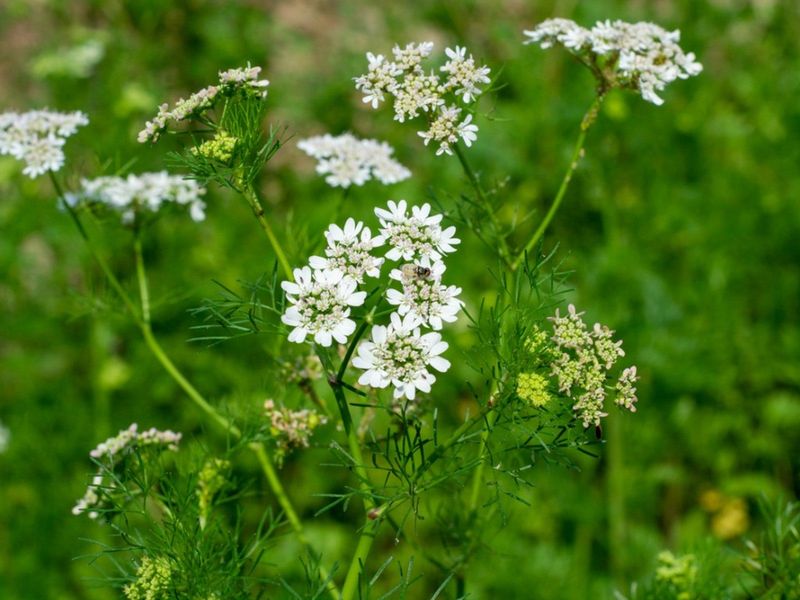
One week your cilantro looks full and fragrant. The next week it has gone lacy, shot up tall, and burst into tiny white flowers.
Cilantro is notorious for bolting quickly, and Florida’s warmth makes the situation even more dramatic. The herb is wired to flower and produce seeds as soon as temperatures climb, which in Florida can happen as early as February or March depending on where you live.
Once cilantro bolts, the leaves become sparse, lose much of their flavor, and the plant puts everything into seed production. Slow-bolt varieties like Santo or Calypso can buy you a little extra time, but even these will eventually rush to flower in Florida’s heat.
Planting in the coolest part of the season and providing afternoon shade can help stretch the harvest window slightly.
Culantro, also called recao or sawtooth herb, is the ideal Florida swap. It looks nothing like cilantro, with long serrated leaves, but it delivers a stronger and more concentrated cilantro-like flavor that holds up beautifully in cooking.
Culantro thrives in Florida heat and humidity, tolerates partial shade, and can produce for a full season without bolting. Plant it in a partly shaded spot with rich, moist soil and harvest outer leaves regularly to encourage fresh growth.
4. Arugula Turns Bitter Faster Than Expected
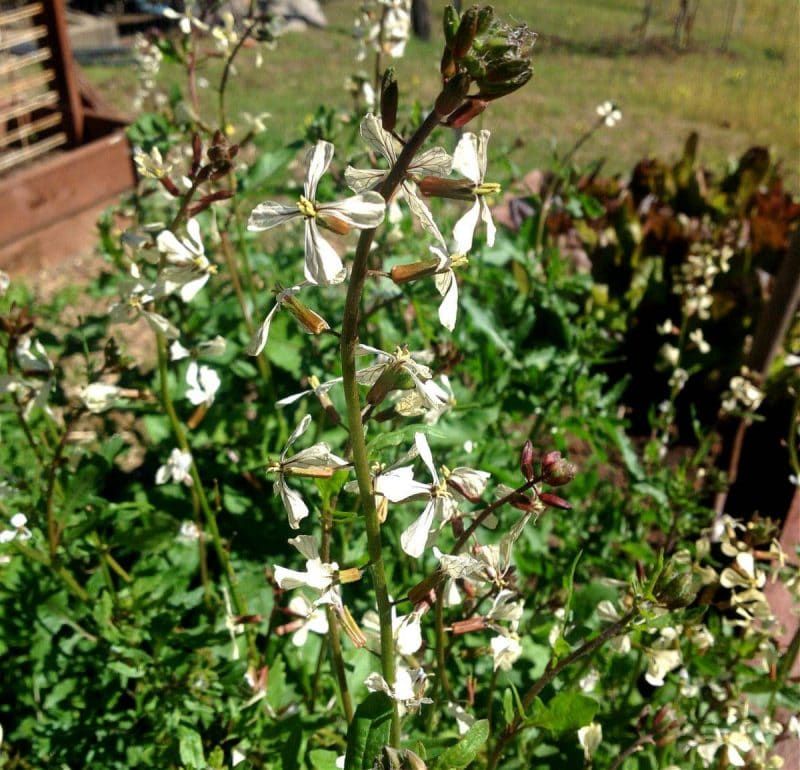
Arugula fans know that peppery bite that makes salads interesting. But when arugula bolts in Florida’s heat, that pleasant spice turns sharp and unpleasant in a hurry.
Arugula is a cool-season green that bolts quickly once temperatures push above 65 to 70 degrees Fahrenheit, which in Florida can happen as early as late February. The leaves become intensely bitter and tough, making them nearly inedible raw.
The frustrating part is how fast it happens. Arugula may look perfectly harvestable one week and be completely bolted the next.
Even with regular harvesting and trimming, the heat wins. Florida’s short cool season means arugula is best planted in November or December and harvested aggressively before warmth sets in.
Once you see flower buds forming, the window has closed.
For a much better long-term result, try Everglades tomatoes or longevity spinach. Everglades tomatoes are small, intensely flavorful, and remarkably heat-tolerant, producing clusters of cherry-sized fruit through Florida’s hottest months.
Longevity spinach is a perennial leafy green with a mild flavor that handles heat and humidity without flinching. Both plants reward you with harvests that keep coming long after arugula would have given up.
Plant longevity spinach in a partly shaded spot and take cuttings to propagate more plants easily.
5. Broccoli Loses Quality In Rising Temperatures
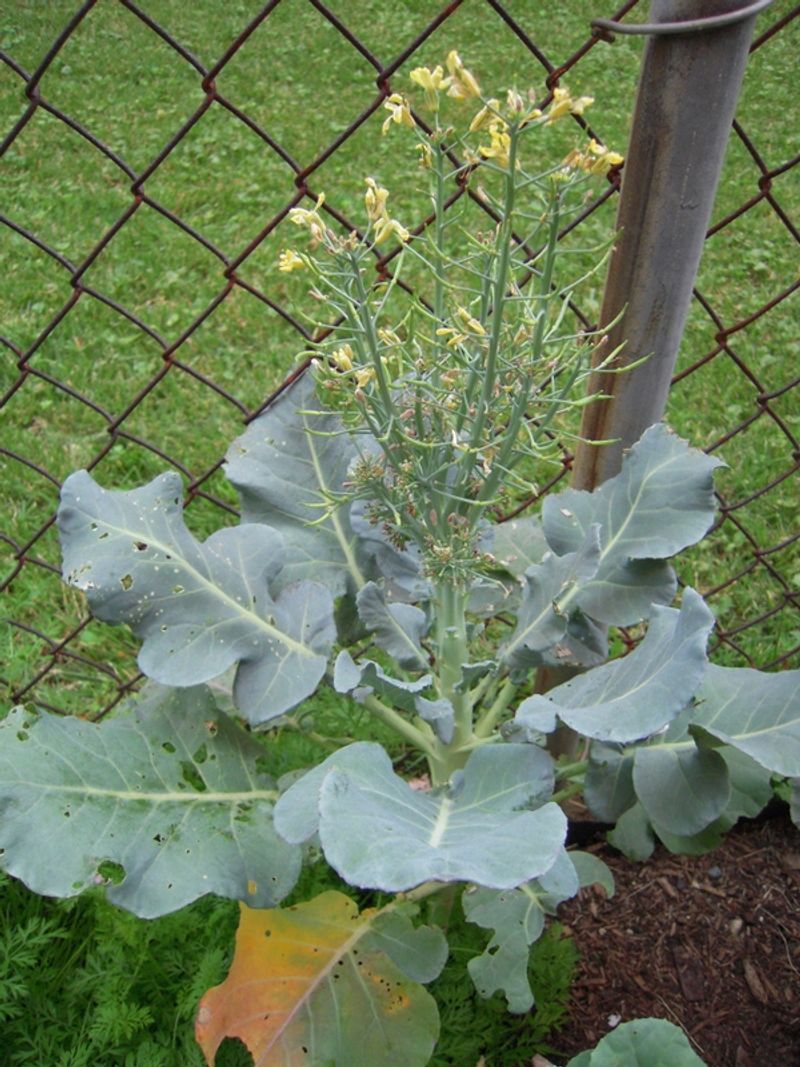
Growing broccoli in Florida requires precise timing and a little luck with the weather. Broccoli needs consistently cool temperatures to form tight, dense heads, and when warmth arrives ahead of schedule, the heads loosen, open up, and burst into yellow flowers before you ever get a chance to harvest them.
This is called buttoning or bolting, and it is one of the most discouraging moments in a Florida vegetable garden.
Even when planted at the right time, typically September through October in North Florida and October through December in South Florida, a warm spell can throw everything off.
Varieties like Piracicaba are better suited to Florida because they produce smaller, loose florets over a longer period rather than one large central head.
That flexibility makes them more forgiving when temperatures fluctuate.
Southern peas, also known as cowpeas or black-eyed peas, are a fantastic warm-season swap. They thrive in Florida’s heat, fix nitrogen in the soil, and produce abundantly from spring through fall.
Varieties like Iron and Clay or Whippoorwill are well-adapted to Florida conditions.
Plant them in full sun after the last frost, water consistently during dry spells, and they will reward you with a generous harvest of pods and seeds that broccoli simply cannot match in Florida’s warm months.
6. Cauliflower Fails To Form Proper Heads
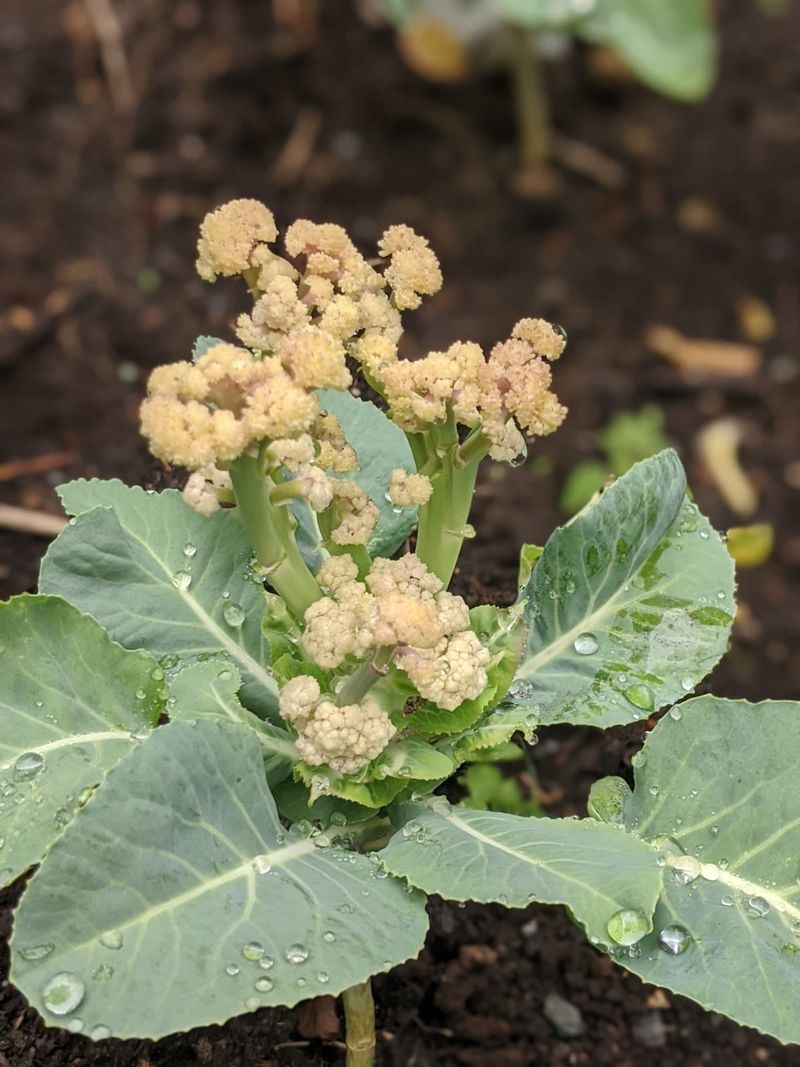
Ask experienced Florida gardeners about cauliflower and many of them will shake their heads and laugh. Cauliflower is one of the most temperature-sensitive vegetables you can attempt to grow in a warm climate.
It needs a long stretch of cool, stable weather to develop a firm, well-formed head, and Florida rarely delivers that kind of reliability. Even a few warm days during the heading stage can cause the curds to loosen, discolor, or bolt into a mess of stems and flowers.
The result is usually a small, yellowed, or absent head after weeks of careful tending. South Florida gardeners have an especially narrow window, roughly November through January, and even then success is not guaranteed.
Blanching the heads by folding leaves over them can help protect against sun damage, but nothing protects against sudden warmth.
Chaya and edible hibiscus are two outstanding warm-climate leafy greens that make far more sense in a Florida garden. Chaya, also called tree spinach, is a fast-growing shrub with large, nutritious leaves that can be cooked like spinach.
Edible hibiscus, or roselle, produces leaves, calyces, and flowers with a tart flavor. Both plants thrive in full Florida sun with minimal fuss.
Start chaya from cuttings and plant edible hibiscus from seed in spring for a productive summer harvest.
7. Dill Flowers Before You Can Harvest Enough
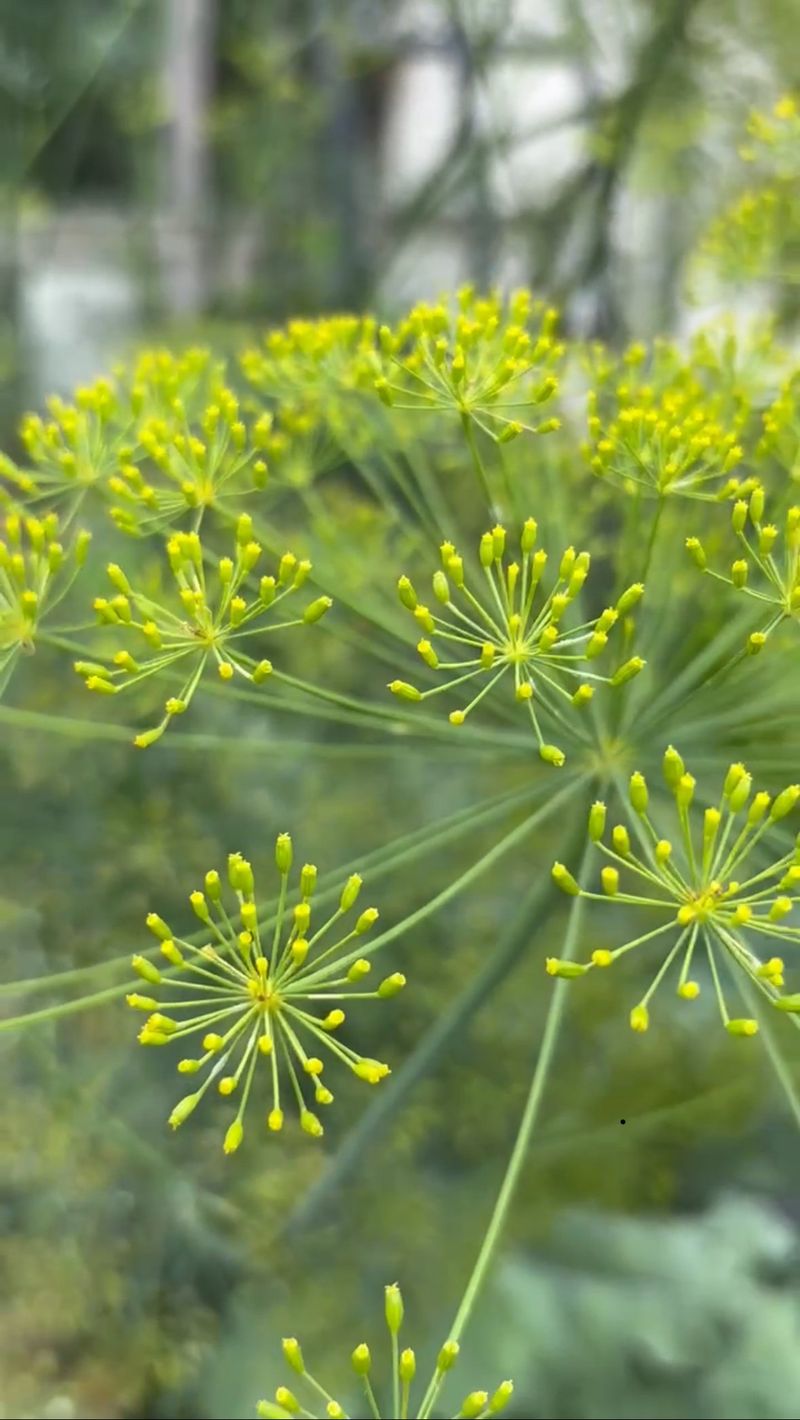
Dill is one of those herbs that smells amazing and looks delicious in recipes, but growing it in Florida can feel like chasing a moving target. Dill is a cool-season herb that bolts quickly when temperatures warm up, and in Florida, that can happen surprisingly early in the season.
Once dill sends up its tall umbrella-shaped flower head, the feathery leaves become sparse and the plant is essentially done producing usable foliage.
Florida gardeners who want fresh dill leaves often find they have only a few weeks to harvest before the plant rushes to flower. Planting in October or November and harvesting frequently from the start can stretch the window slightly.
Letting a few plants go to seed also gives you a supply of dill seed for cooking, so the bolt is not a total loss. Still, for ongoing fresh herb harvests, dill is an unreliable choice in Florida’s climate.
Perennial basil is a much smarter long-term investment for Florida herb gardens. Unlike annual sweet basil, perennial basil varieties like African Blue or Thai basil can grow and produce for years in Florida’s warm climate without bolting.
They handle heat beautifully and recover quickly after trimming. Plant in full sun, pinch off flower buds regularly to keep the leaves coming, and you will have fresh basil available nearly year-round.
8. Bok Choy Shoots Up Instead Of Filling Out
Bok choy looks so promising when it first sprouts. Those broad, dark green leaves and crisp white stems seem like they are heading somewhere delicious.
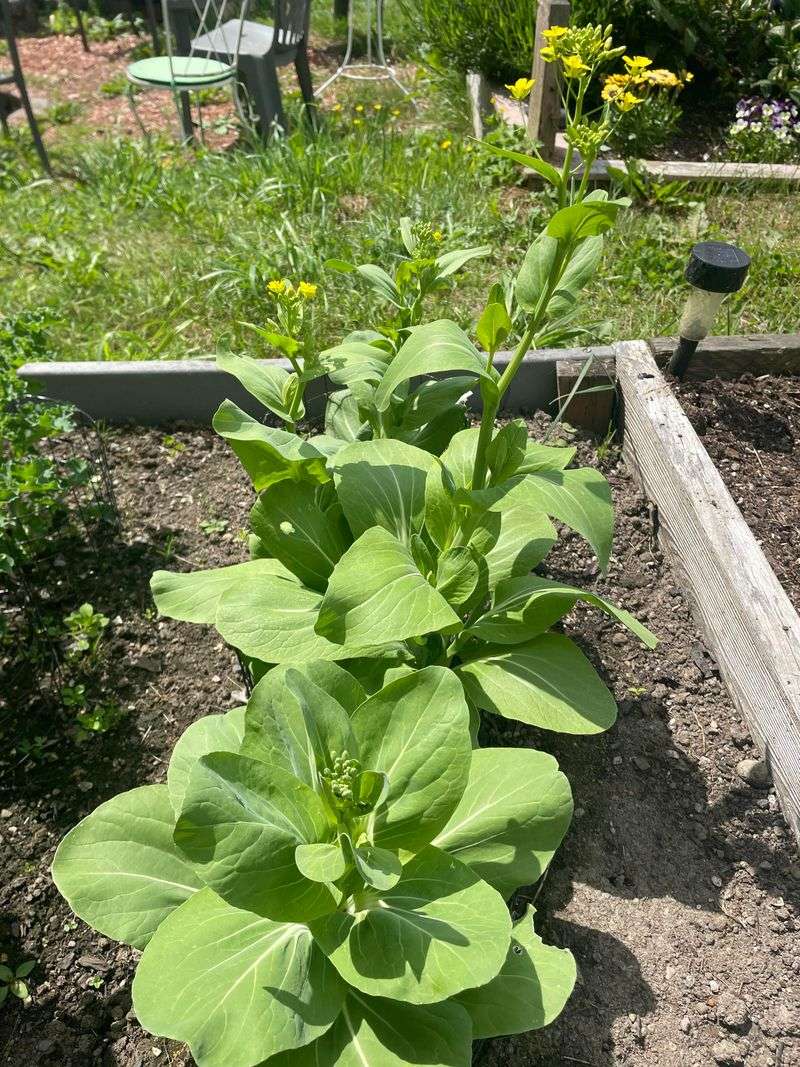
But in Florida’s warm climate, bok choy has a habit of sending up a flower stalk before the plant ever fills out into a proper head.
Instead of the compact, harvest-ready bunches you see at the grocery store, you end up with a tall, spindly plant that has skipped the whole point.
Bok choy bolts in response to heat and fluctuating temperatures, both of which are common in Florida from February onward. Even when planted at the right time in fall or early winter, a few unseasonably warm days can trigger bolting before you have a chance to harvest.
Smaller varieties like Baby Bok Choy or Shanghai Green tend to mature faster and can be harvested before bolting kicks in, but timing is still tight.
Roselle, a type of hibiscus grown for its tart calyces and edible leaves, is a fantastic warm-season replacement.
It thrives in Florida’s heat and humidity, produces beautiful red calyces used to make teas and jams, and provides edible leaves throughout the growing season.
Plant roselle from seed in spring, give it full sun and well-drained soil, and it will grow vigorously through summer and into fall without any bolting concerns.