These 9 Vegetables Rot Too Fast In Florida Rainy Season
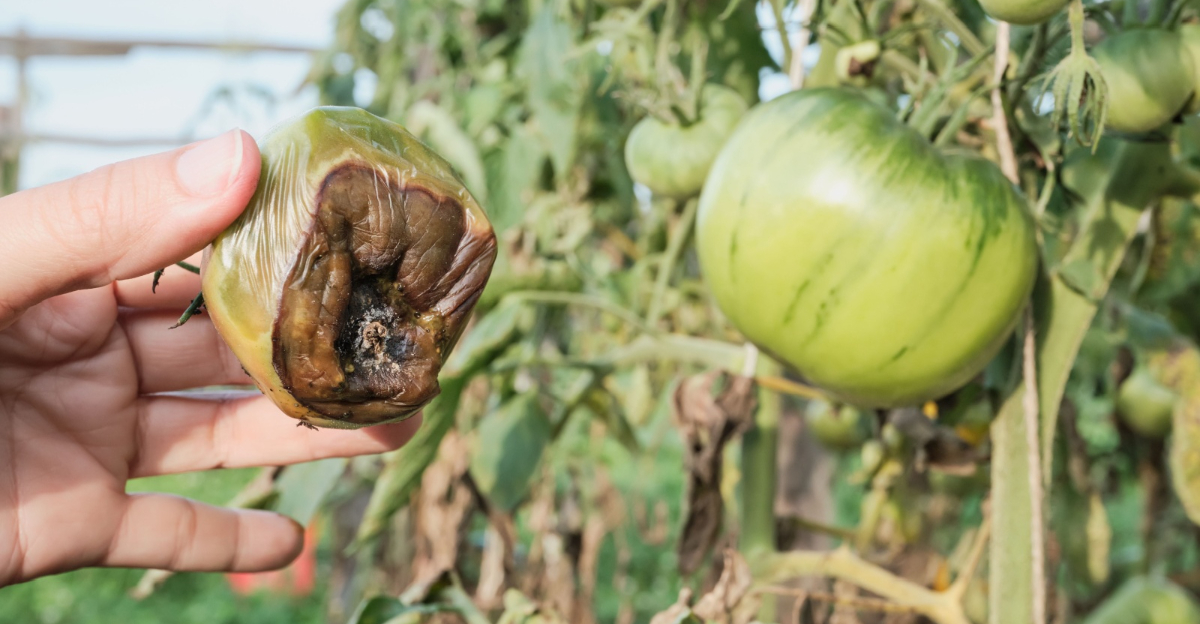
Did your veggie garden fail last year? You probably blamed the heat, the bugs, the timing, maybe even yourself.
But the truth might surprise you. Some vegetables were never meant to survive a Florida rainy season in the first place.
You did everything right, watered carefully, checked the soil, watched the sky, yet the rain kept falling and your plants kept fading. Stems softened, roots drowned, and healthy leaves turned into a soggy mess almost overnight.
Florida rain is not gentle. It soaks deep, lingers long, and creates the perfect storm for rot, fungus, and sudden collapse.
Many gardeners carry the guilt of a failed harvest, thinking they made mistakes, when in reality some crops simply cannot handle constant moisture and tropical humidity. You are not alone, and you are not always to blame.
Once you know which vegetables struggle most in Florida’s wet season, you can avoid the heartbreak and finally grow a garden that survives the storms.
1. Tomatoes Hate Wet Feet
Waterlogged soil is a tomato plant’s worst enemy. When heavy rains saturate the ground in Florida, tomato roots cannot breathe properly and begin to suffocate.
This lack of oxygen weakens the entire plant and makes it vulnerable to disease.
Root rot develops quickly in these conditions. The fungus attacks underground first, turning healthy white roots into brown mush.
Once the roots fail, the plant cannot absorb nutrients or water efficiently, even though water surrounds it everywhere.
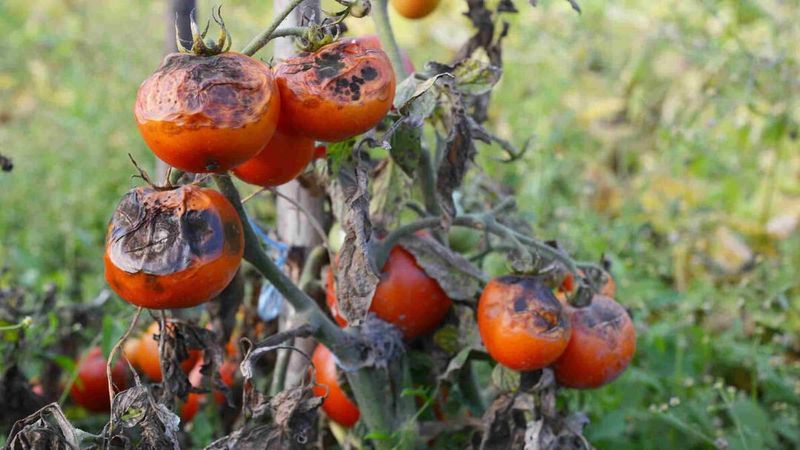
Fungal diseases spread like wildfire during Florida’s rainy season. Early blight and late blight thrive in warm, wet conditions, creating brown spots on leaves and stems.
These diseases can destroy an entire tomato crop within a week if left unchecked.
Fruit cracking happens when tomatoes absorb too much water too quickly. The skin cannot expand fast enough to accommodate the swelling flesh inside.
These cracks provide entry points for bacteria and mold that ruin the fruit completely.
Poor drainage makes every problem worse. Clay-heavy Florida soils hold water like a sponge, creating standing puddles around tomato plants.
Even raised beds struggle when rain falls daily for weeks.
The constant moisture stress prevents tomatoes from developing properly and causes premature fruit drop, leaving gardeners with minimal harvest despite their best efforts throughout the growing season.
2. Peppers Collapse In Constant Rain
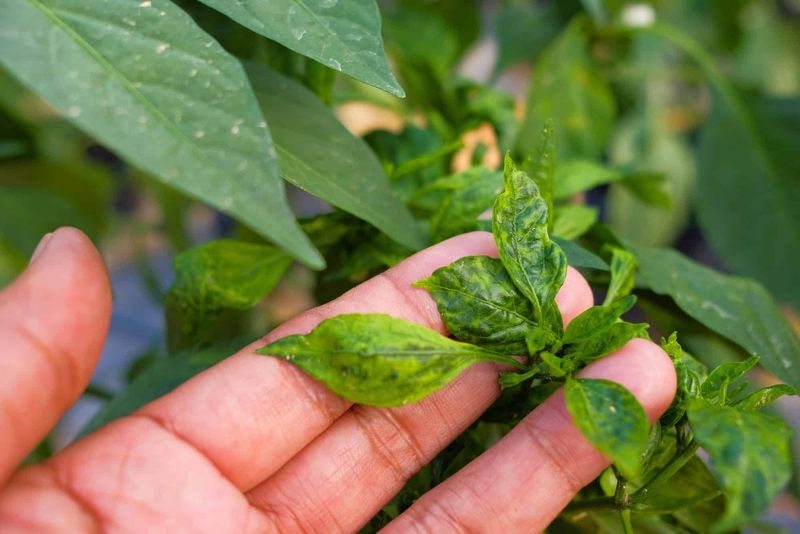
Pepper plants demand well-drained soil to survive. Constant rainfall in Florida creates exactly the opposite environment these heat-loving vegetables need.
When roots sit in waterlogged conditions, they cannot function properly and begin shutting down cellular processes.
Root stress manifests quickly in pepper foliage. Leaves turn yellow and drop off as the plant desperately tries to conserve energy.
New growth stops completely, and existing peppers fail to ripen or develop properly on the vine.
Bacterial spot and anthracnose love wet pepper leaves. These diseases create dark, sunken lesions on fruits that make them unmarketable and inedible.
The pathogens spread through water droplets, so every rainstorm introduces new infection opportunities across your pepper patch.
Florida’s humidity compounds every moisture problem. Even when rain stops temporarily, the air remains thick with water vapor.
Pepper plants never get a chance to dry out completely, keeping their tissues soft and vulnerable to invasion by opportunistic fungi.
Blossom end rot appears frequently during rainy periods. While technically a calcium deficiency, the condition worsens when inconsistent watering prevents proper nutrient uptake.
The bottom of developing peppers turns black and leathery, ruining the entire fruit.
Combined with fungal pressure and root damage, peppers simply cannot thrive during Florida’s wettest months.
3. Cucumbers Rot On The Vine
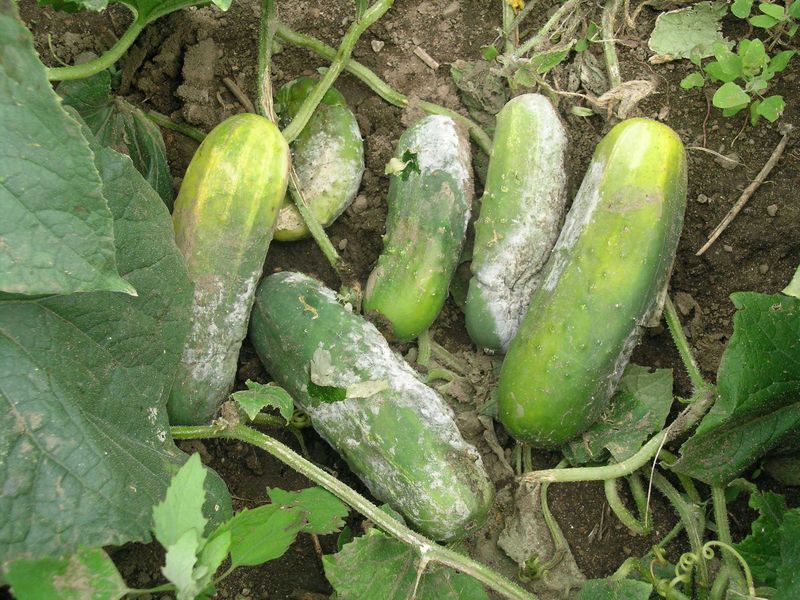
Cucumbers need consistent moisture but cannot tolerate soggy conditions. Florida’s rainy season crosses that line almost immediately, turning productive vines into disease-ridden messes.
The fruits themselves become magnets for rot when humidity stays high for extended periods.
Fruit rot starts at the blossom end where cucumbers touch wet soil. A small soft spot appears and spreads rapidly, consuming the entire cucumber within 48 hours.
The affected area turns mushy and develops fuzzy white or gray mold that smells terrible.
Powdery mildew coats cucumber leaves like someone dusted them with flour. This fungal disease blocks photosynthesis and weakens plants dramatically.
While it prefers dry conditions on leaf surfaces, Florida’s fluctuating humidity between rainstorms creates ideal infection windows throughout the season.
Downy mildew presents an even bigger threat during wet weather. Yellow spots appear on upper leaf surfaces while fuzzy purple growth develops underneath.
This aggressive pathogen can defoliate entire cucumber patches in days, leaving bare vines with no ability to support developing fruit.
Belly rot destroys cucumbers that rest on wet ground. The constant contact with moisture-saturated soil creates perfect conditions for bacterial and fungal invasion.
Even cucumbers on trellises suffer when rain splashes contaminated soil onto lower fruits, spreading disease throughout your Florida cucumber crop faster than you can harvest.
4. Zucchini Falls To Fungal Trouble
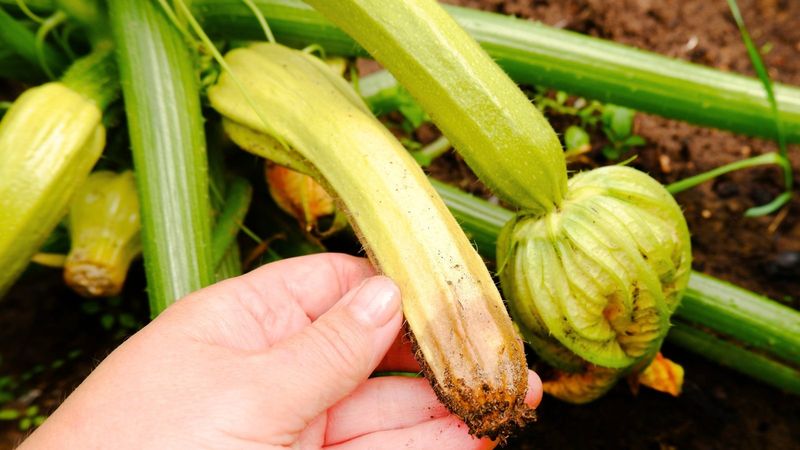
Few vegetables grow as vigorously as zucchini in good conditions. Unfortunately, Florida’s rainy season creates exactly the wrong environment for these productive squash plants.
What starts as healthy growth quickly deteriorates into a fungal nightmare that stops production completely.
Powdery mildew appears almost guaranteed during wet Florida summers. White patches spread across zucchini’s large leaves, reducing the plant’s ability to produce energy.
The disease weakens vines so severely that new fruits stop forming and existing ones fail to reach harvestable size.
Blossom end rot ruins developing zucchini before they mature. The condition causes the flower end of young squash to turn brown and mushy.
While calcium deficiency triggers this problem, excessive rainfall prevents proper nutrient absorption and creates the perfect storm for widespread fruit damage.
Root and crown rot attack from below ground. When zucchini sits in waterlogged Florida soil, fungal pathogens invade the stem base and root system.
The plant wilts suddenly despite abundant water, and the crown turns soft and discolored at the soil line.
Fruit rot happens incredibly fast on zucchini. A perfectly healthy squash can develop soft spots overnight when conditions stay wet.
The fruits literally melt into slimy messes on the vine.
Combined with leaf diseases and root problems, zucchini plants rarely survive more than a few weeks once Florida’s rainy season begins in earnest.
5. Beans Mold In Soggy Soil
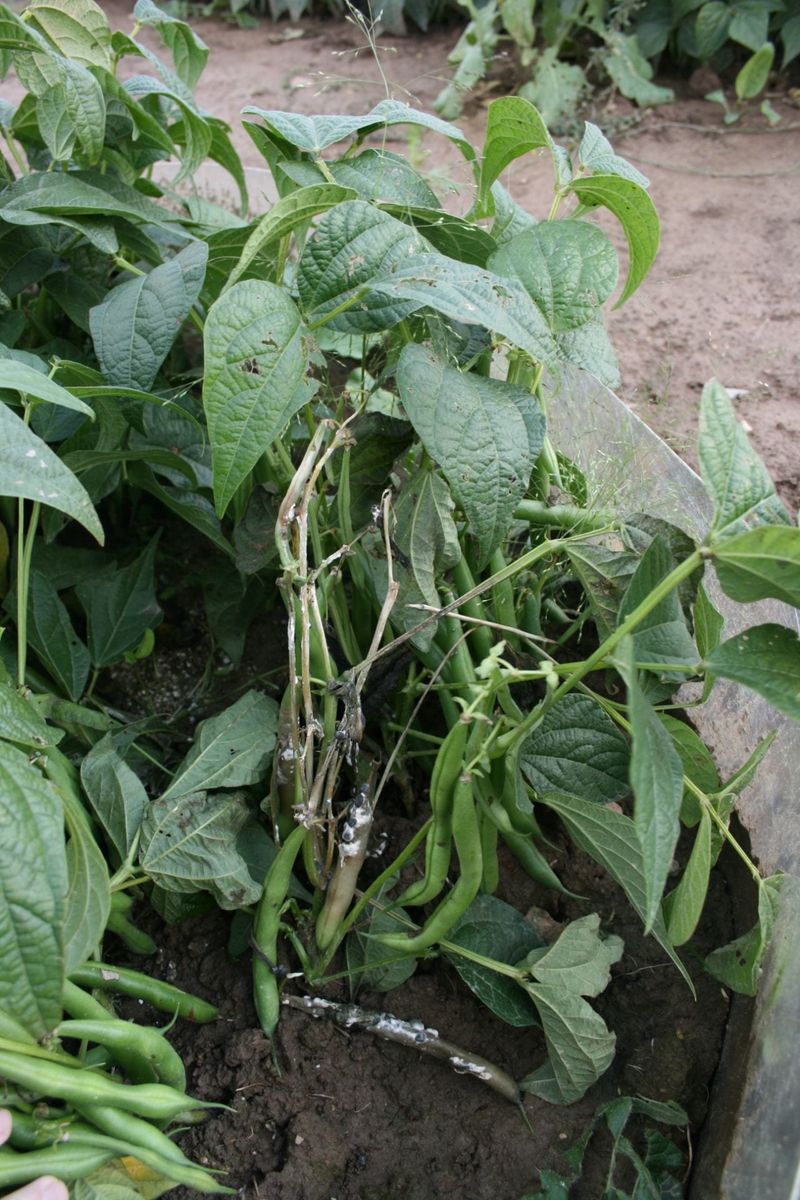
Bean plants seem tough and adaptable until Florida’s rains arrive. These legumes absolutely require well-drained soil to develop healthy root systems and produce abundant pods.
Saturated conditions trigger a cascade of problems that quickly end any hope of a successful harvest.
Root rot strikes bean plants with devastating speed. The fine root hairs that absorb water and nutrients are gone first when oxygen disappears from waterlogged soil.
Without functional roots, bean plants cannot support themselves or develop pods, even though water surrounds them everywhere.
White mold covers bean plants during prolonged wet periods. This aggressive fungal disease starts with water-soaked spots on stems and leaves, then explodes into cottony white growth.
The pathogen produces hard black structures called sclerotia that survive in Florida soil for years, reinfecting future crops.
Pod development suffers dramatically in soggy conditions. Flowers drop without setting beans, or tiny pods form but never fill out properly.
The plants focus all remaining energy on survival rather than reproduction, leaving gardeners with minimal yield despite healthy-looking foliage.
Rust and bacterial blight thrive during Florida’s rainy season. Orange pustules appear on bean leaves while water-soaked lesions spread across pods.
These diseases reduce photosynthesis and make beans unmarketable. The combination of root damage, foliar diseases, and poor pod development means bean crops rarely succeed when planted during Florida’s wettest months.
6. Lettuce Melts In Heat And Moisture
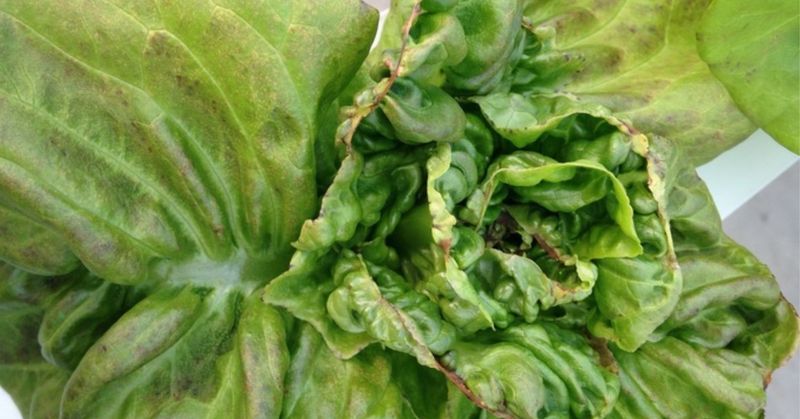
Lettuce is fundamentally a cool-season crop that struggles in Florida’s climate. Add excessive rainfall to already challenging heat and humidity, and you have a recipe for complete crop failure.
These delicate greens simply cannot handle the stress of constant moisture combined with warm temperatures.
Bolting happens almost immediately when lettuce experiences heat stress. The plants send up flower stalks and turn bitter, making leaves inedible.
Florida’s rainy season coincides with rising temperatures, creating conditions where lettuce rushes through its life cycle in days rather than weeks.
Bottom rot destroys lettuce heads from the base up. This bacterial disease thrives in warm, wet conditions exactly like Florida’s summer rainy season.
The outer leaves touch moist soil and develop slimy brown rot that spreads inward, collapsing the entire head into a putrid mess.
Downy mildew attacks lettuce leaves during humid weather. Yellow patches appear on upper surfaces while fuzzy growth develops underneath.
The disease spreads rapidly through water droplets, so every rainstorm creates new infection opportunities across your lettuce bed.
Tip burn occurs when lettuce cannot transpire properly in humid conditions. The leaf edges turn brown and wither as calcium fails to reach actively growing tissues.
Combined with fungal diseases, bacterial infections, and heat stress, lettuce plants rarely produce harvestable heads during Florida’s wet season. Even baby greens struggle to reach cutting size before diseases take over completely.
7. Spinach Struggles In Humid Weather
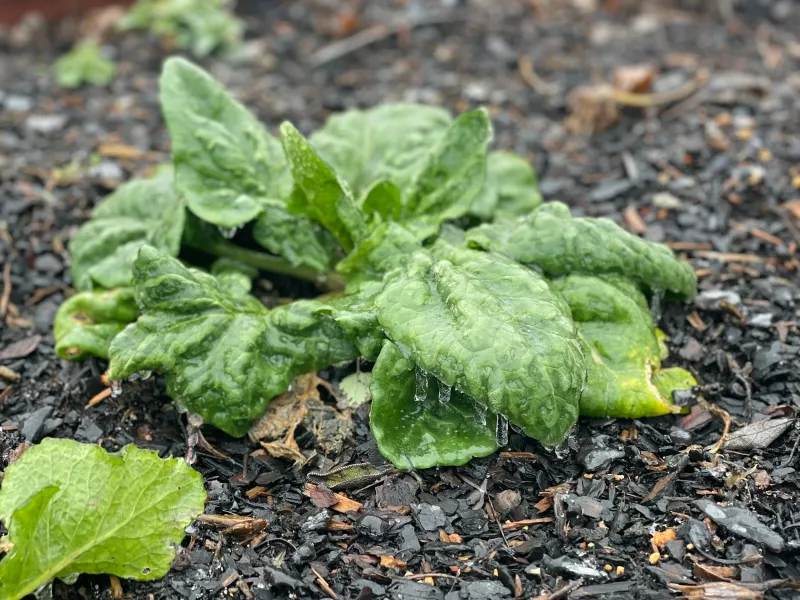
Spinach prefers cool temperatures and moderate moisture levels. Florida’s rainy season provides neither of these requirements, instead delivering oppressive heat and excessive water that overwhelm these nutritious greens.
The plants literally cannot function properly when environmental conditions deviate so far from their preferred range.
Heat stress stops spinach growth completely. When temperatures climb while rain falls daily, spinach plants enter survival mode.
They stop producing new leaves and focus energy on flowering, making the existing foliage tough and unpalatable within days of transplanting.
Downy mildew spreads like wildfire through spinach during wet Florida weather. Yellow spots on upper leaf surfaces correspond to purple fuzzy growth underneath.
This aggressive pathogen can defoliate entire beds overnight, especially when humidity stays high between rainstorms and leaves never fully dry.
Root diseases attack spinach in waterlogged soil. Pythium and Fusarium fungi invade stressed roots, causing plants to wilt and collapse.
The damage happens underground first, so by the time you notice wilting leaves, the root system has already suffered irreversible harm.
Leaf spot diseases create unsightly holes and brown patches across spinach foliage. While minor infections might be tolerable on some crops, spinach is grown specifically for its leaves.
Any disease that damages foliage makes the crop unmarketable and inedible.
Florida’s combination of high humidity, warm temperatures, and excessive rainfall creates perfect conditions for multiple spinach diseases to attack simultaneously.
8. Cabbage Suffers In Saturated Soil
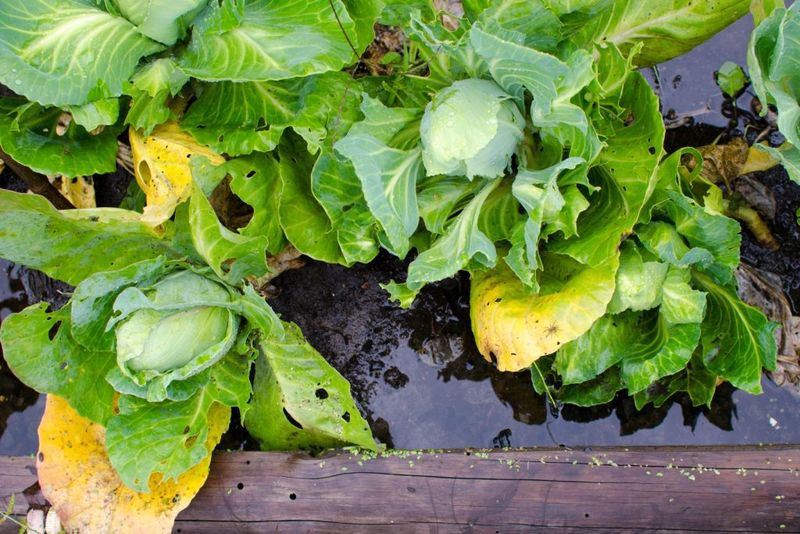
Cabbage forms tight, dense heads that require steady growth over several months. Interruptions from disease or environmental stress result in poor head formation and reduced quality.
Florida’s rainy season provides exactly the kind of stress that prevents cabbage from reaching its full potential in the garden.
Root problems develop quickly when cabbage sits in saturated soil. These heavy feeders need extensive root systems to support large head development.
When roots suffocate in waterlogged Florida ground, the entire plant weakens and stops growing, leaving you with loose, undersized heads that never firm up properly.
Black rot spreads rapidly during wet weather. This bacterial disease creates V-shaped yellow lesions on leaf edges that turn brown and papery.
The pathogen moves through the plant’s vascular system, causing internal head rot that you cannot see until harvest reveals blackened, smelly tissue inside.
Clubroot attacks cabbage family plants in wet, acidic soils common throughout Florida. The disease causes roots to swell into distorted clubs that cannot absorb water or nutrients efficiently.
Infected plants wilt during the day even when soil is saturated, and heads never develop properly.
Bottom rot turns outer cabbage leaves into slimy mush. The bacterial infection starts where leaves touch wet soil and works inward toward the developing head.
Florida’s rainy season keeps soil constantly moist, providing perfect conditions for this disease to destroy cabbages before they reach harvestable size or marketable quality.
9. Onions Fail In Waterlogged Beds
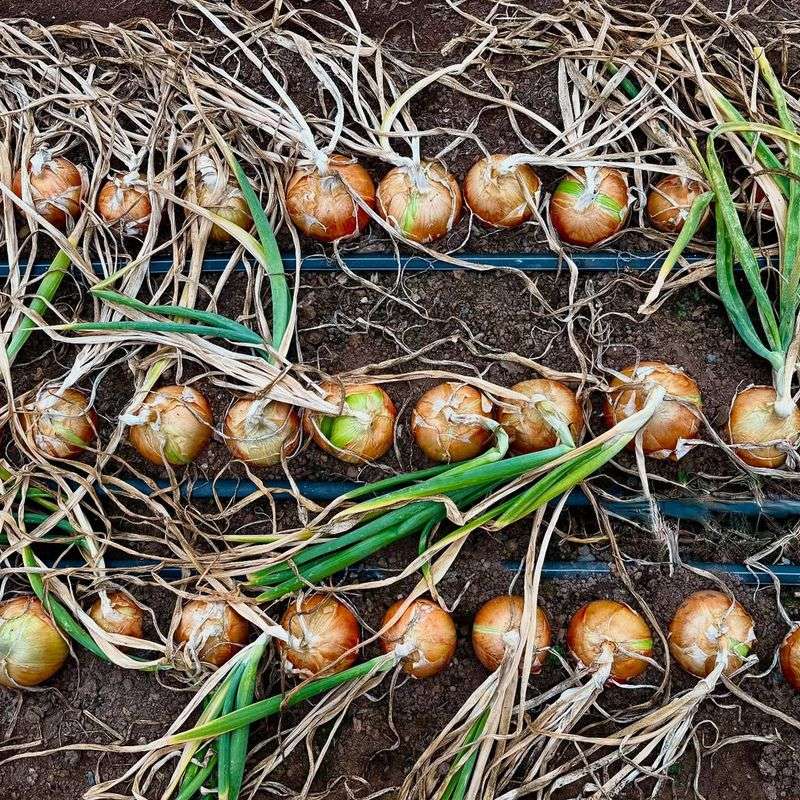
Onions develop underground, making them particularly vulnerable to soil-borne diseases during wet periods. These bulbs need well-drained conditions to size up properly and cure correctly.
Florida’s rainy season creates exactly the wrong environment, triggering multiple problems that prevent successful onion production.
Bulb rot destroys onions from the inside out. Bacterial and fungal pathogens invade through the root plate when soil stays saturated for extended periods.
The infection spreads upward through the bulb layers, creating soft, smelly tissue that collapses into mush before harvest time arrives.
White rot attacks onion roots with devastating efficiency. This soil-borne fungus produces fluffy white growth around the bulb base and roots.
Infected plants turn yellow and wither as their root systems fail. The pathogen produces long-lived structures that contaminate Florida soil for decades, making future onion crops nearly impossible.
Pink root weakens onion plants gradually. The disease turns healthy white roots pink, then red, and finally brown as they wither.
Affected onions cannot absorb water or nutrients properly, resulting in small bulbs that never reach marketable size despite months of growth.
Poor drainage prevents proper bulb development. Onions need their tops to fall over naturally as they mature, signaling harvest time.
In waterlogged Florida beds, bulbs stay small and tops remain upright because root stress prevents normal development. Even onions that survive rainy season diseases often fail to cure properly in humid conditions, rotting in storage within weeks of harvest.