These 12 Watering Mistakes Hurt Florida Gardens More Than Drought
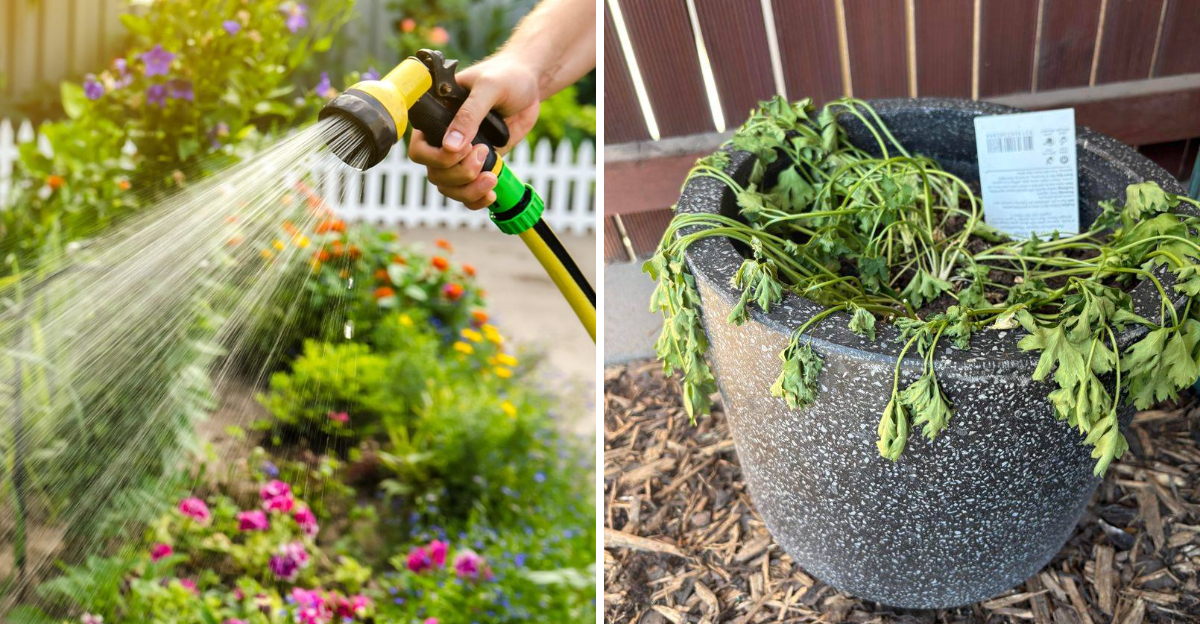
You step outside, hose in hand, determined to keep your Florida garden alive through heat, humidity, and sudden downpours. You water faithfully, sometimes daily, believing more moisture means healthier plants.
Yet somehow leaves turn yellow, flowers fade faster than expected, and soil stays soggy long after you finish watering. Sound familiar?
The truth is that many garden problems in Florida are not caused by drought at all. They come from well-intended watering habits that quietly work against your plants.
When water is applied at the wrong time, in the wrong amount, or without considering soil and weather, roots struggle to breathe, nutrients wash away, and disease spreads faster than you can react.
You may think you are protecting your landscape, but you could be stressing it instead.
If your garden looks tired, uneven, or constantly thirsty despite frequent watering, it is time to rethink how you irrigate. Small changes in how you water can make a dramatic difference in plant health and growth.
1. Watering On A Fixed Schedule
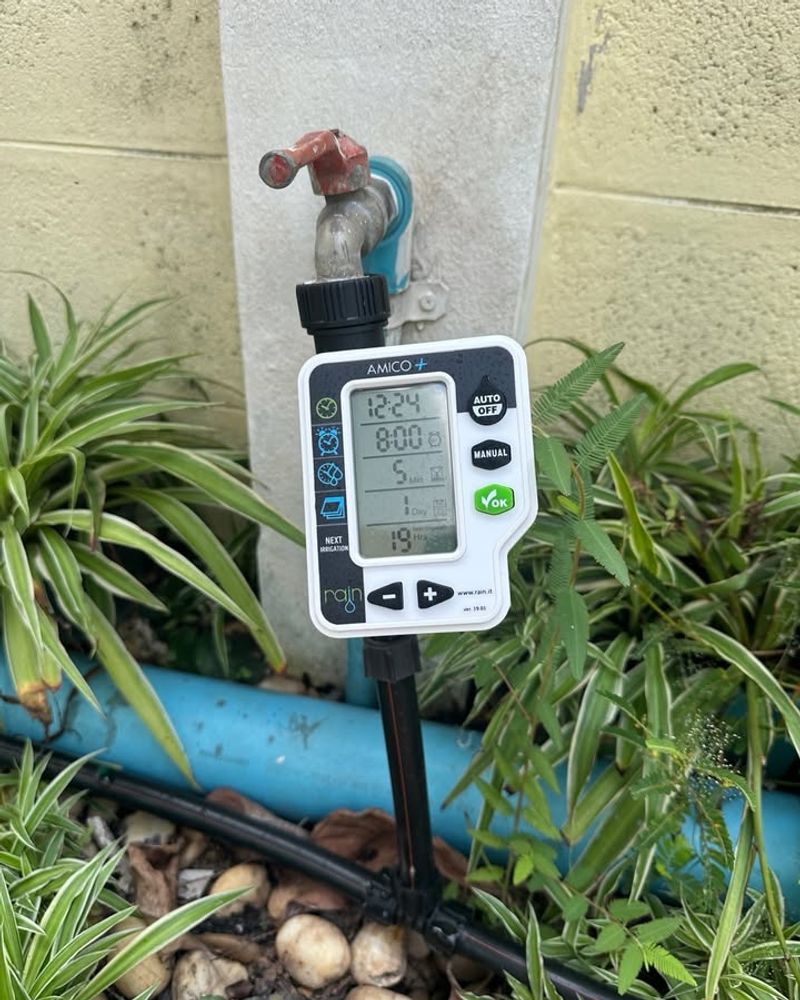
Many Florida gardeners set their irrigation controllers once and never touch them again. Your plants need water based on weather conditions, not calendar dates, and sticking to the same routine year-round creates problems your garden never asked for.
Summer rains across Central and South Florida can deliver inches of water in minutes, yet your timer keeps running three times a week anyway. North Florida gardens face cooler fall and winter temperatures that slow evaporation and reduce plant water demand dramatically.
When you irrigate on autopilot, you flood soil that already holds plenty of moisture.
Roots sitting in soggy conditions lose access to oxygen, and without oxygen, they cannot absorb nutrients even when fertilizer sits right beside them. Over time, roots become shallow and weak because they never needed to grow deeper searching for water.
Sandy soils in Central Florida drain quickly, but clay pockets in North Florida hold water longer than you think.
Check soil moisture with your finger before every watering session. If the top two inches feel damp, skip that cycle and let roots breathe instead.
2. Watering Every Day In Summer
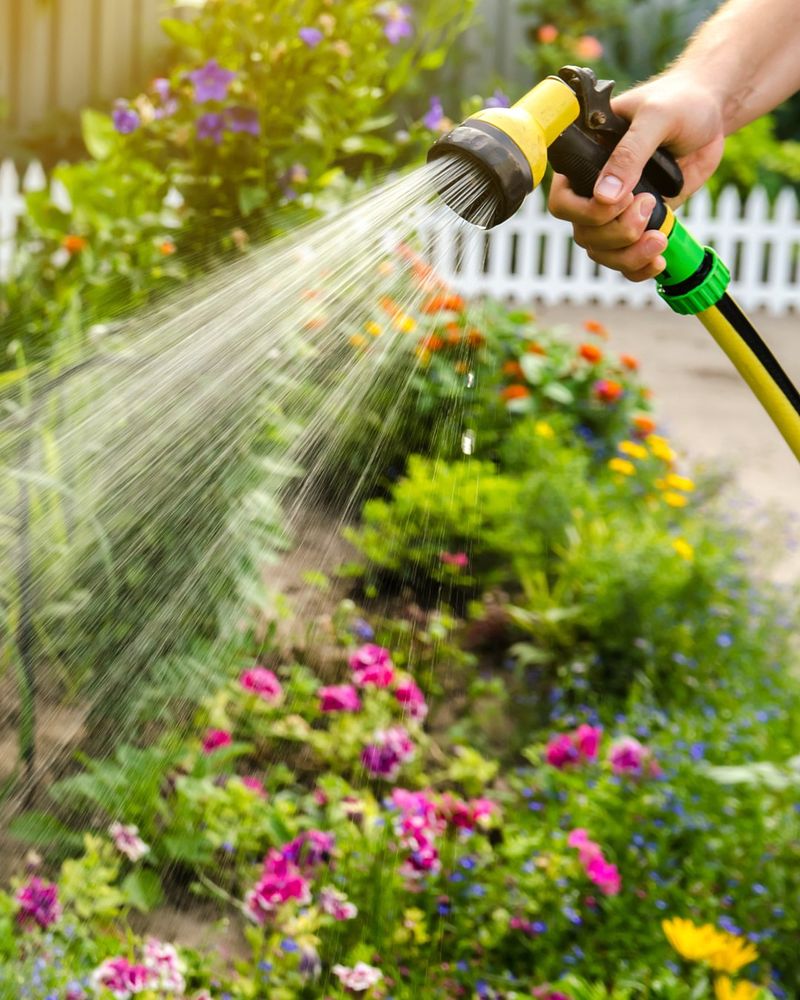
Daily shallow watering can train plants to depend on surface moisture instead of developing strong root systems. Most established landscape plants benefit more from deep, less frequent watering, though newly planted and container plants may require more frequent irrigation.
Roots grow where water is most available, and frequent shallow watering can encourage roots to remain closer to the surface.
Shallow roots cannot anchor plants during summer storms, and they suffer faster during brief dry spells because they never learned to reach deeper soil layers. South Florida humidity slows evaporation, meaning soil stays moist longer than you expect even on hot days.
Central Florida sandy soils drain fast, but daily watering still encourages shallow root development.
Frequent shallow watering also promotes fungal growth on leaves and stems because foliage stays damp too often.
North Florida gardens experience slightly cooler nights that keep morning dew on plants longer, and adding daily irrigation on top increases the risk of fungal disease.
Water deeply two or three times per week instead, allowing soil to dry slightly between sessions. This approach forces roots downward and builds resilience your garden will rely on when weather turns unpredictable.
3. Shallow Watering That Never Reaches Roots
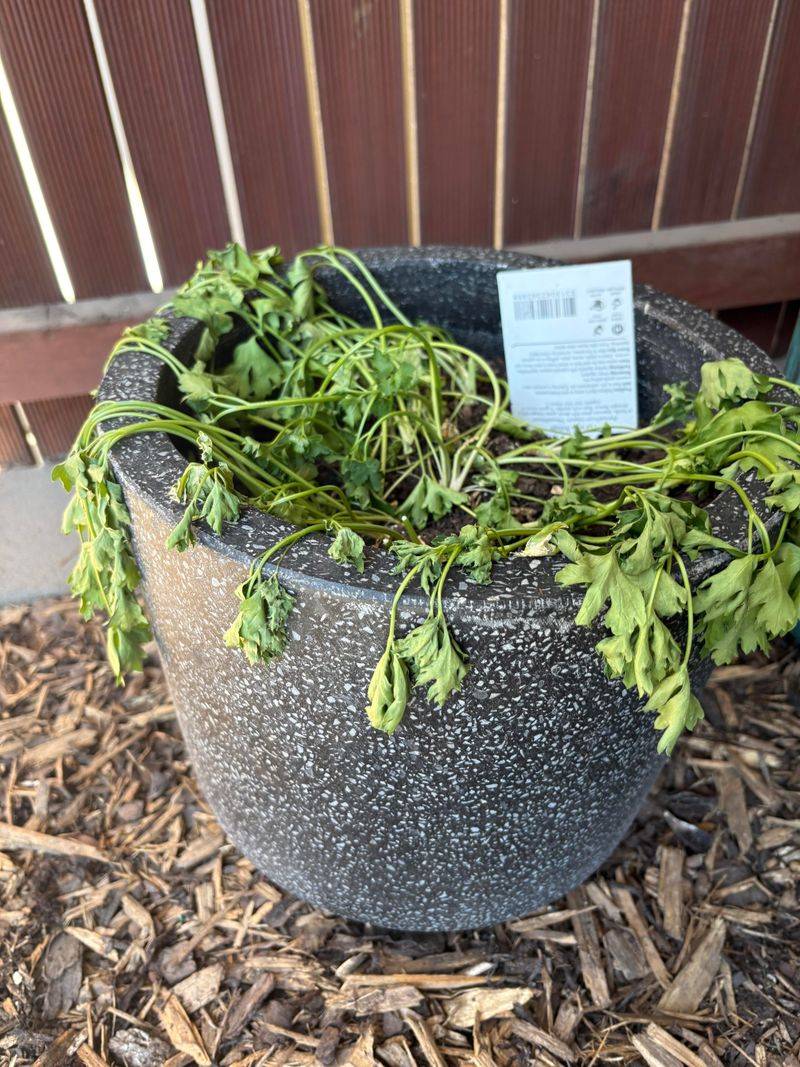
Running your sprinklers for five or ten minutes might wet the surface, but it rarely reaches the root zone where plants actually drink. Many landscape plants perform best when moisture reaches at least six inches into the soil, though root depth varies by plant type.
Sandy soils across Central Florida drain so quickly that shallow watering vanishes within an hour, leaving roots thirsty while the surface looks damp. North Florida clay soils absorb slowly, and short watering sessions create runoff before water penetrates deep enough.
South Florida heat evaporates surface moisture quickly, so roots benefit far less from brief watering sessions.
Shallow watering encourages roots to grow upward toward moisture instead of downward where soil stays stable and cooler. When roots cluster near the surface, plants become vulnerable to heat stress and wind damage because they lack deep anchoring.
Test your watering depth by digging a small hole an hour after irrigation and checking how far moisture traveled. Adjust your run time until water reaches six inches down.
Slow, deep watering builds the root strength your garden needs to handle Florida weather extremes without constant attention.
4. Watering During The Hottest Part Of The Day
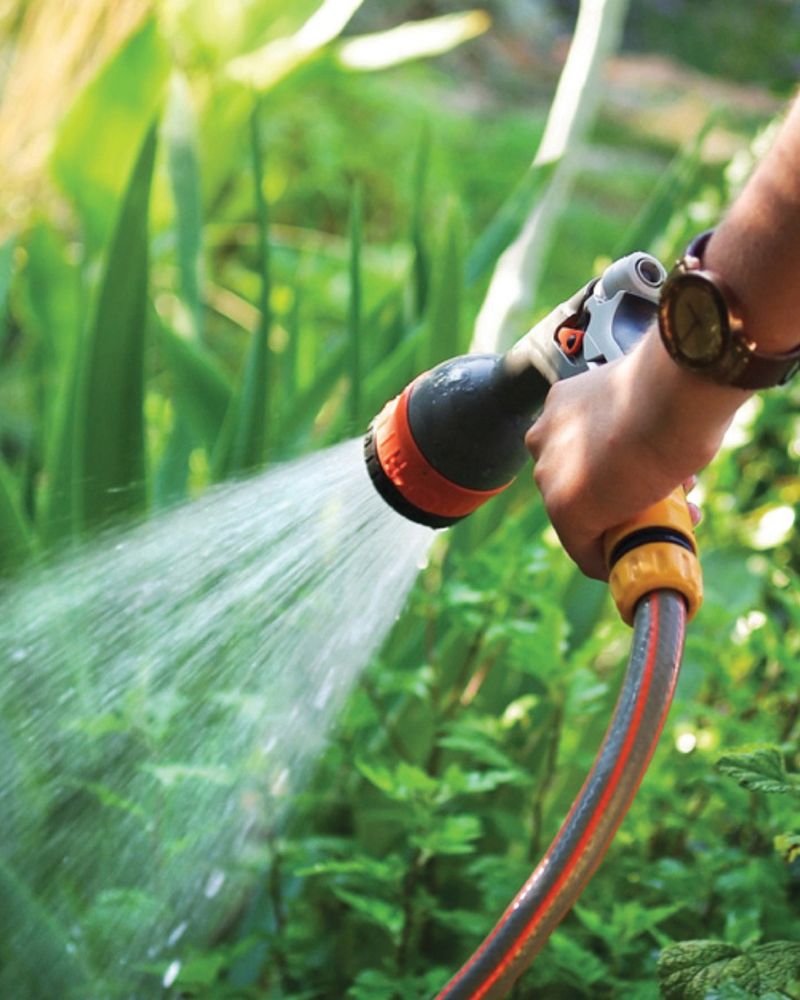
Midday watering wastes water due to rapid evaporation and can increase plant stress because roots absorb less moisture during peak heat.
South Florida afternoon heat combines with high humidity to create conditions where water sits on leaves instead of evaporating cleanly, promoting fungal issues.
Central Florida sandy soils lose moisture to evaporation so quickly during midday that plants receive only a fraction of what you apply.
North Florida experiences slightly cooler conditions, but midday sun still evaporates surface water faster than roots can absorb it.
Watering during peak heat can also stress plants because roots absorb water less efficiently during extreme temperatures. Your irrigation system works harder pumping water that mostly evaporates, wasting money and resources without delivering real benefits.
Water early in the morning between four and eight o’clock when temperatures stay cooler and winds remain calm. Morning watering gives foliage time to dry before nightfall, reducing disease risk while maximizing how much moisture actually reaches roots.
5. Ignoring Soil Type Differences
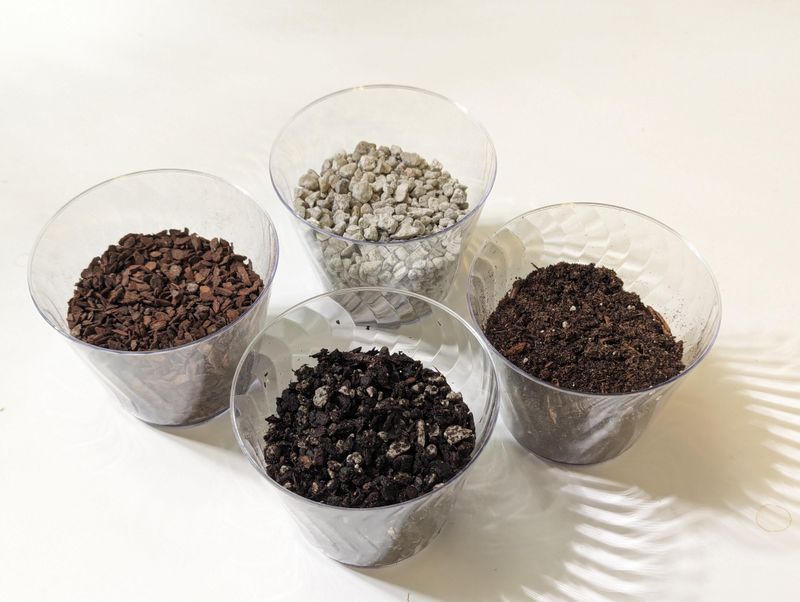
Florida soils vary dramatically from one yard to the next, and watering every section the same way often leads to problems. Sandy soils drain fast and need more frequent watering, while clay soils hold moisture longer and require less frequent deep soaking.
Ignoring these differences means some plants drown while others go thirsty.
Central Florida sandy soils lose water within hours, so plants growing there need irrigation more often than those in North Florida clay-heavy areas.
South Florida gardens often contain pockets of limestone and marl that drain differently than surrounding soil, creating wet and dry zones within the same bed.
When you water sandy soil like clay, roots stay thirsty because moisture drains away too quickly. When you water clay soil like sand, you create waterlogged conditions that suffocate roots and promote rot.
Organic matter content also affects how soil holds water, and amended beds behave differently than native ground.
Test your soil texture by squeezing a handful after watering. Sandy soil falls apart immediately, while clay soil holds its shape.
Adjust watering frequency and duration based on how your specific soil drains, not generic advice that assumes all Florida gardens behave the same.
6. Overwatering Newly Planted Landscapes
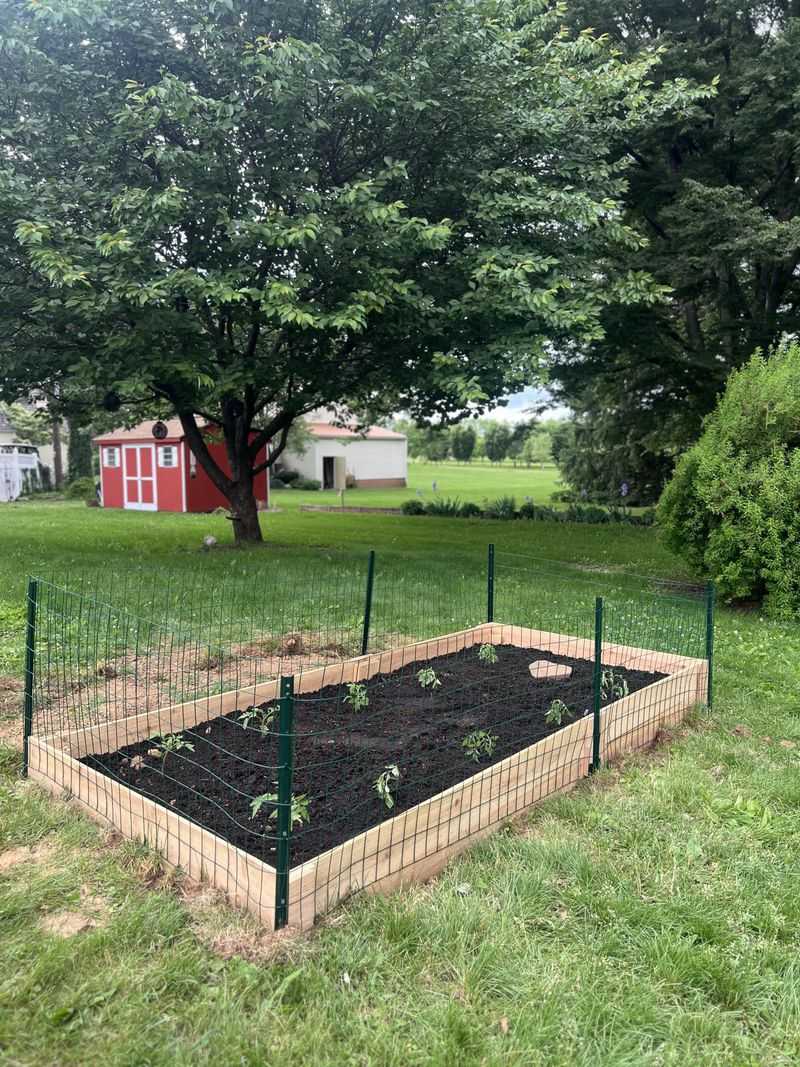
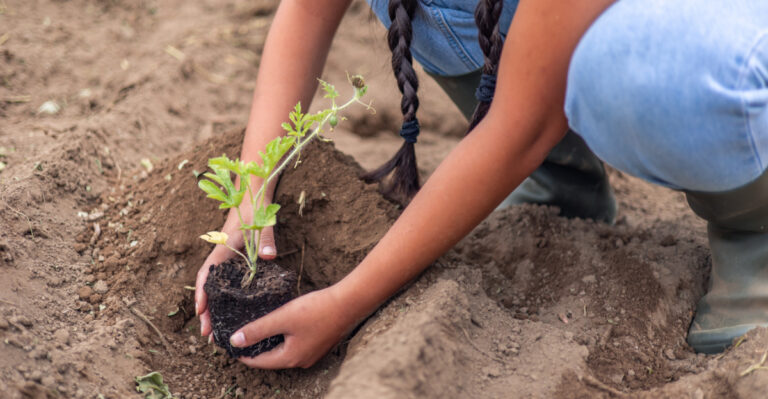
New plants need consistent moisture to establish roots, but many gardeners overdo it and create soggy conditions that cause more harm than help. Roots need oxygen just as much as water, and soil that remains overly wet for extended periods can suffocate young root systems.
Central Florida sandy soils drain quickly, tempting gardeners to water new plantings every day even when soil still holds moisture two inches down.
South Florida heat makes gardeners nervous about transplant stress, leading to excessive watering that weakens roots instead of strengthening them.
North Florida cooler weather slows evaporation, and daily watering in fall or winter creates waterlogged root zones that struggle through establishment.
Overwatered new plants develop shallow root systems because they never needed to search deeper for moisture. When you eventually reduce watering, shallow roots cannot support the plant through normal dry periods.
Fungal issues also develop more easily around new plantings when soil stays too wet for too long.
Water new plants deeply and monitor soil moisture closely during the first two weeks. Frequency should be adjusted based on soil type, weather, and plant needs.
Check soil moisture before each watering session to ensure roots get what they need without drowning.
7. Letting Sprinklers Hit Leaves Instead Of Soil

Frequent overhead watering that keeps foliage wet for long periods can increase fungal disease risk, especially in humid conditions. Water is most effective when delivered at the root zone rather than on foliage, and sprinklers aimed too high deliver moisture where plants cannot use it effectively.
South Florida humidity keeps wet foliage damp for hours, giving fungal spores time to germinate and spread across leaves and stems. Central Florida afternoon thunderstorms already wet foliage naturally, and adding overhead irrigation on top extends how long leaves stay moist.
North Florida gardens experience heavy morning dew, and overhead watering before dawn means foliage stays wet all morning.
Wet leaves also lose water through evaporation without benefiting roots, and water droplets sitting in leaf crevices can promote bacterial spots and mildew. Some flowering plants may develop brown edges or reduced bloom quality when frequently exposed to overhead watering.
Aim sprinklers low toward soil level, or switch to drip irrigation and soaker hoses that deliver water directly to root zones. Mulch around plants helps hold moisture at ground level while keeping foliage dry.
Your garden stays healthier when water goes where roots can drink it instead of where diseases can grow.
8. Not Adjusting For Rainfall
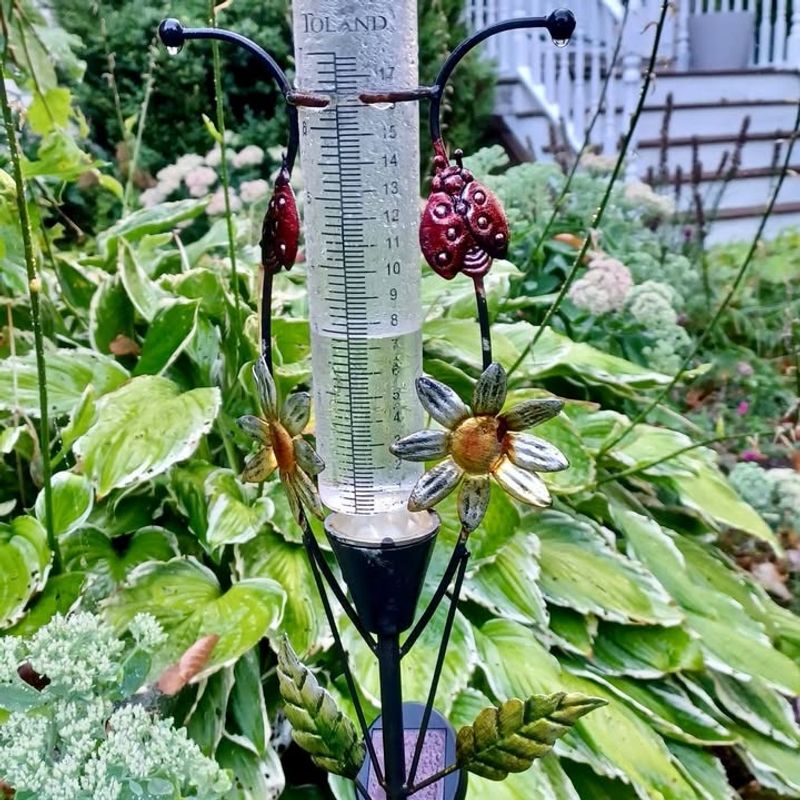
Florida rainfall varies wildly by season and region, yet many gardeners run irrigation systems regardless of how much rain just fell. Summer thunderstorms across Central and South Florida can dump two inches in an afternoon, and watering on top of that floods soil and wastes resources.
South Florida rainy season runs from May through October, delivering consistent afternoon storms that provide most of what gardens need. Central Florida summer storms arrive unpredictably but often supply enough moisture to skip irrigation for days.
North Florida receives more evenly distributed rainfall throughout the year, but winter rains can keep soil saturated for weeks when irrigation keeps running.
Ignoring rainfall leads to overwatering that leaches nutrients from sandy soils and creates standing water in clay soils. Roots suffer when soil stays too wet too long, and automatic systems that ignore weather conditions waste water and money.
Install a rain sensor on your irrigation system that shuts off watering when rainfall occurs. Check weekly rainfall totals and skip irrigation when nature provides enough moisture.
Many lawns and landscape plants perform well with about one inch of water per week from rainfall and irrigation combined, though requirements vary by plant type.
9. Watering All Plants The Same Way
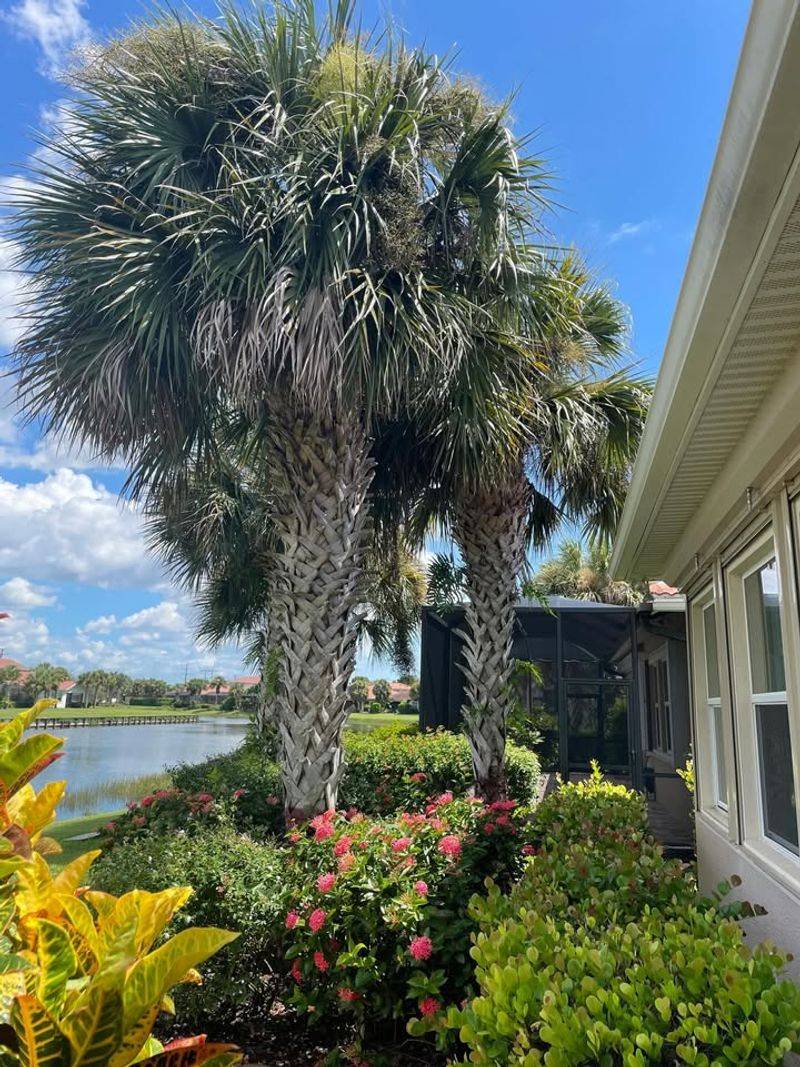
Not every plant in your Florida garden needs the same amount of water, yet many gardeners run one irrigation zone for everything and hope for the best.
Native plants adapted to Florida conditions need far less water than tropical imports, and treating them all equally stresses some while drowning others.
South Florida gardeners often mix moisture-loving tropicals with drought-tolerant natives, creating watering conflicts that leave someone unhappy. Central Florida landscapes frequently combine lawn areas that need regular moisture with xeriscaping that thrives on neglect.
North Florida gardens include cool-season plants that need less water in winter mixed with evergreens that maintain steady needs year-round.
Overwatering drought-tolerant plants weakens their natural resilience and makes them dependent on irrigation they never needed. Underwatering moisture-loving plants stresses them and reduces growth and flowering.
Grouping plants with similar water needs makes irrigation far more efficient and keeps every plant healthier.
Create separate irrigation zones for plants with different water requirements, or hand-water sections that need special attention. Native Florida plants often thrive with minimal irrigation once established, while tropicals may need consistent moisture.
Match your watering strategy to what each plant actually needs.
10. Poor Drainage Around Plant Roots
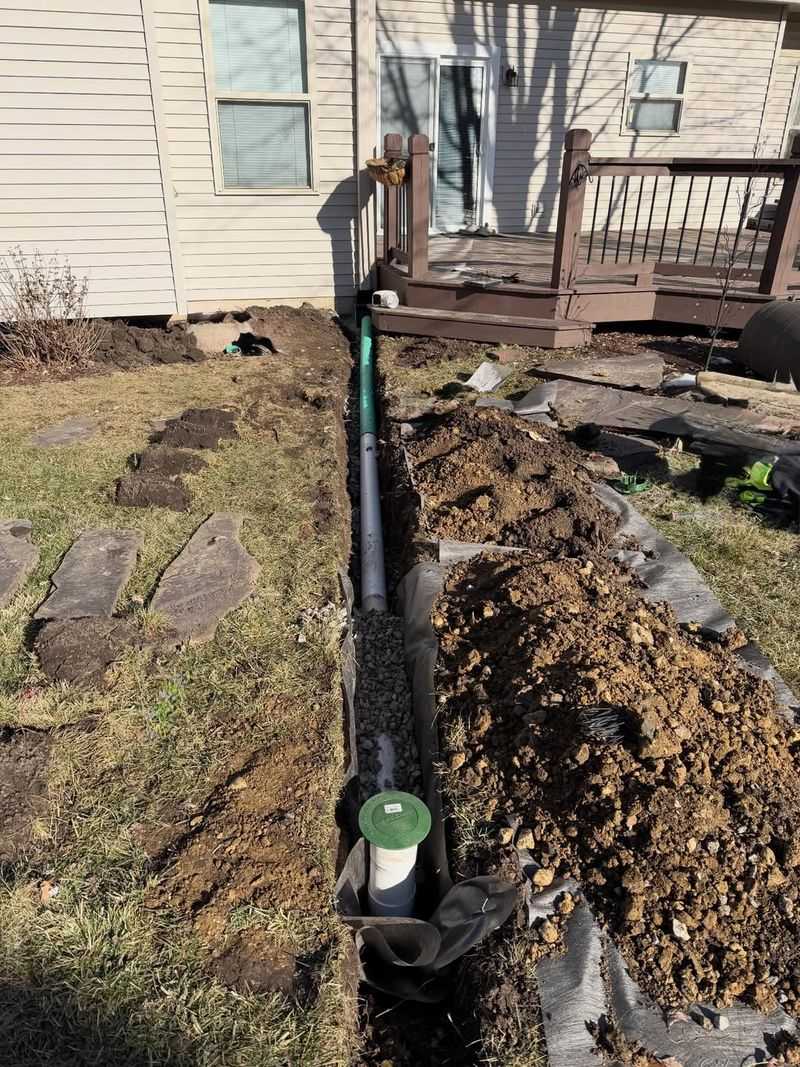
Even good watering practices can fail when drainage problems trap moisture. Low spots in your yard, compacted soil, and poorly designed beds all contribute to drainage issues that turn routine watering into root suffocation.
Central Florida sandy soils usually drain well, but construction grading and foot traffic can create compacted layers that block water movement. In some South Florida areas, shallow limestone bedrock can limit drainage and create perched water tables.
North Florida clay soils drain slowly naturally, and poor bed design makes the problem worse.
When water cannot drain away from roots, soil loses oxygen and roots cannot function properly even when nutrients sit right beside them. Standing water also promotes root rot and fungal diseases that spread through wet soil.
Plants growing in poorly drained areas show yellowing leaves, stunted growth, and wilting even when soil stays wet.
Improve drainage by amending soil with organic matter, creating raised beds in low areas, and ensuring grading slopes away from plantings. French drains and dry wells help move excess water away from root zones.
Good drainage lets you water effectively without creating swampy conditions roots cannot tolerate.
11. Relying Only On Automatic Systems
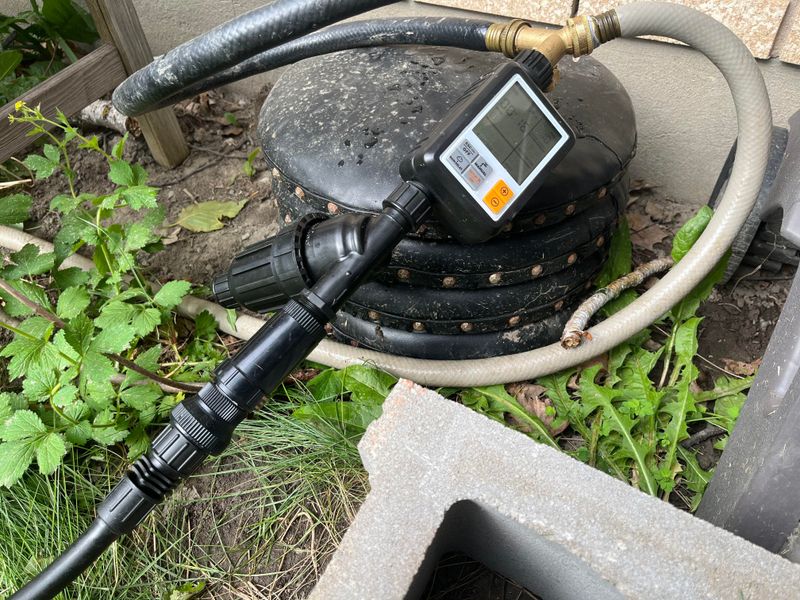
Automatic irrigation systems save time and effort, but depending on them completely means you miss problems developing in your garden. Controllers cannot see dry spots, broken sprinkler heads, or plants showing early stress signs that need immediate attention.
South Florida thunderstorms can shift sprinkler heads and create dry zones your timer never notices. Central Florida sandy soils develop dry pockets around roots even when surrounding areas look moist.
North Florida weather changes quickly between seasons, and automatic systems running on old schedules cannot adjust fast enough without your input.
Automatic systems also fail to account for plant growth, changing shade patterns, and seasonal water needs that shift throughout the year. Broken spray heads waste water in some zones while others go dry.
Relying only on automation can reduce hands-on monitoring of soil moisture and plant health, which makes it easier to miss small problems before they become big ones.
Walk your garden weekly and check soil moisture by hand even when automatic systems run perfectly. Adjust controller settings seasonally and after major weather events.
Automatic irrigation works best as a tool you manage actively, not a system you set once and forget about completely.
12. Forgetting Seasonal Changes
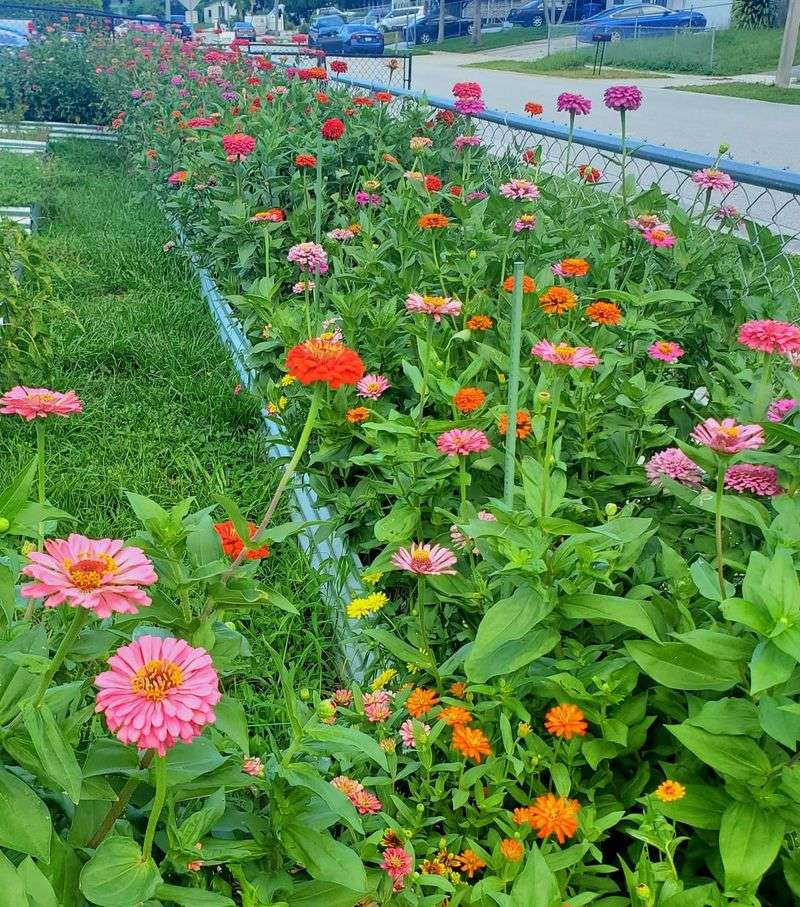
Florida seasons affect how much water your garden needs, yet many gardeners water the same way year-round. Summer heat and active growth demand more moisture, while cooler months and plant dormancy periods require far less, and ignoring these shifts creates unnecessary stress.
North Florida experiences true seasonal temperature swings with cool winters that slow evaporation and reduce plant water demand significantly. Central Florida winters stay mild but still bring cooler nights and shorter days that decrease how much moisture plants use.
South Florida maintains warmth year-round but experiences distinct wet and dry seasons that change watering needs dramatically.
Watering in winter like you water in summer floods soil when plants cannot use excess moisture, promoting root rot and fungal growth. Spring and fall transitions require gradual adjustments as temperatures and rainfall patterns shift.
Many Florida plants slow growth during cooler months and need less frequent watering even when temperatures stay warm.
Reduce irrigation frequency and duration as temperatures drop in fall, and increase gradually as spring arrives. Monitor seasonal rainfall patterns and adjust watering to match what your garden actually needs each month.
Seasonal awareness keeps your plants healthy without wasting water during times when nature already provides enough.