These Yellow Flowers Will Brighten Your Texas Garden This Spring
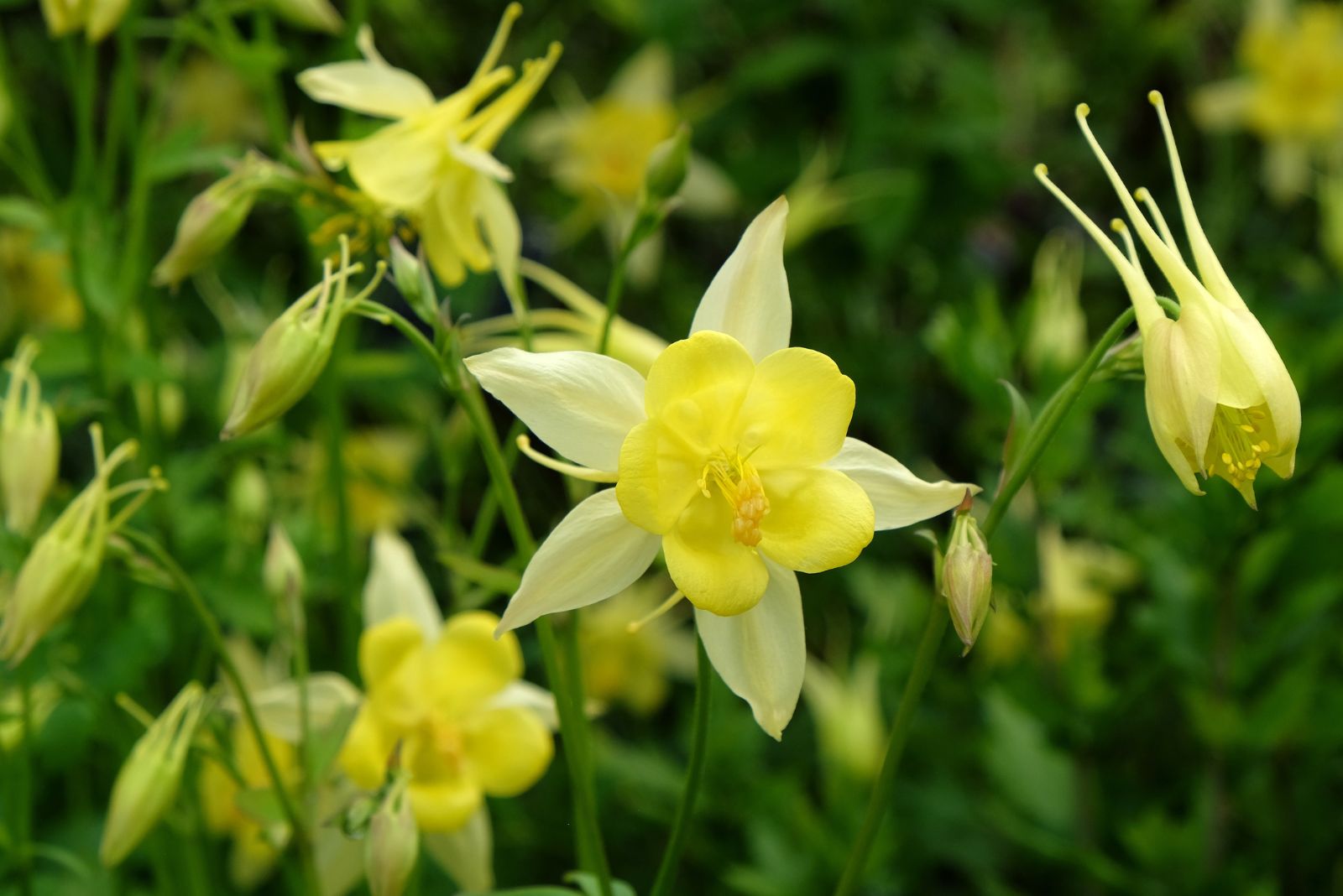
Nothing says spring in Texas quite like a burst of cheerful yellow blooms. As the days grow warmer and sunlight lingers a little longer, these golden flowers begin to pop up across gardens, borders, and wild spaces, instantly lifting the mood of any landscape.
Yellow brings energy, warmth, and a touch of sunshine even on cloudy days, making it a favorite color for gardeners who want their yards to feel lively and welcoming.
The best part is that many yellow flowering plants thrive in Texas conditions, handling heat, bright sun, and unpredictable weather with ease.
Whether you are refreshing your flower beds, adding color to walkways, or creating a pollinator friendly space, these vibrant blooms can make a big impact.
Get ready to discover beautiful yellow flowers that will brighten your Texas garden and bring fresh seasonal charm all spring long.
1. Coreopsis (Tickseed)
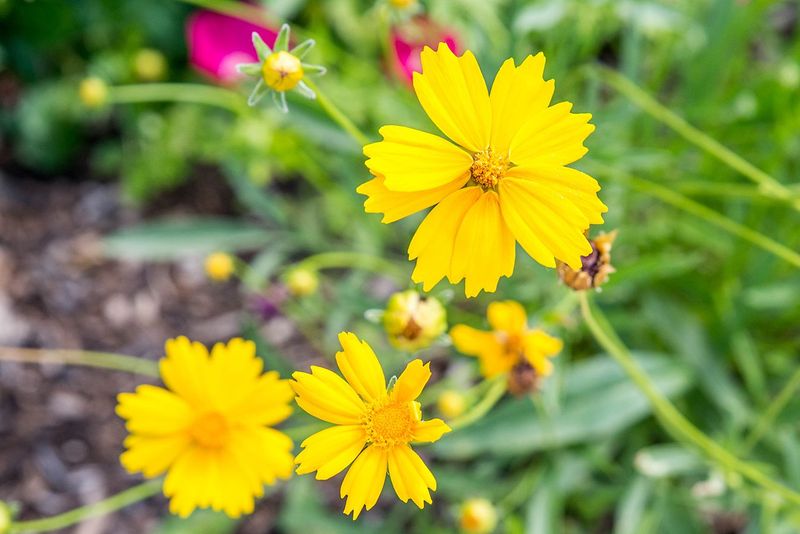
Ask any experienced Texas gardener which wildflower is the easiest to grow, and Coreopsis will almost always top the list. Also called Tickseed, this cheerful yellow bloom is practically made for the Lone Star State.
It thrives in full sun, handles dry spells like a champ, and keeps on blooming from spring all the way into early summer.
Plains Coreopsis is a native variety that grows wild across Texas roadsides and open fields. You have probably seen it painting entire meadows bright yellow on a drive through the Hill Country.
That natural toughness makes it incredibly dependable in home gardens too. Plant it once, and it often reseeds itself year after year.
Pollinators absolutely love Coreopsis. Bees, butterflies, and even small birds are drawn to its cheerful blooms.
If you want to support local wildlife while keeping your garden looking gorgeous, this flower is a fantastic choice. It grows well in poor or sandy soils, so you do not need to fuss over fertilizer.
Just give it plenty of sunshine and a little water when it is getting established, and Coreopsis will reward you with weeks of golden color all spring long.
2. Black-Eyed Susan
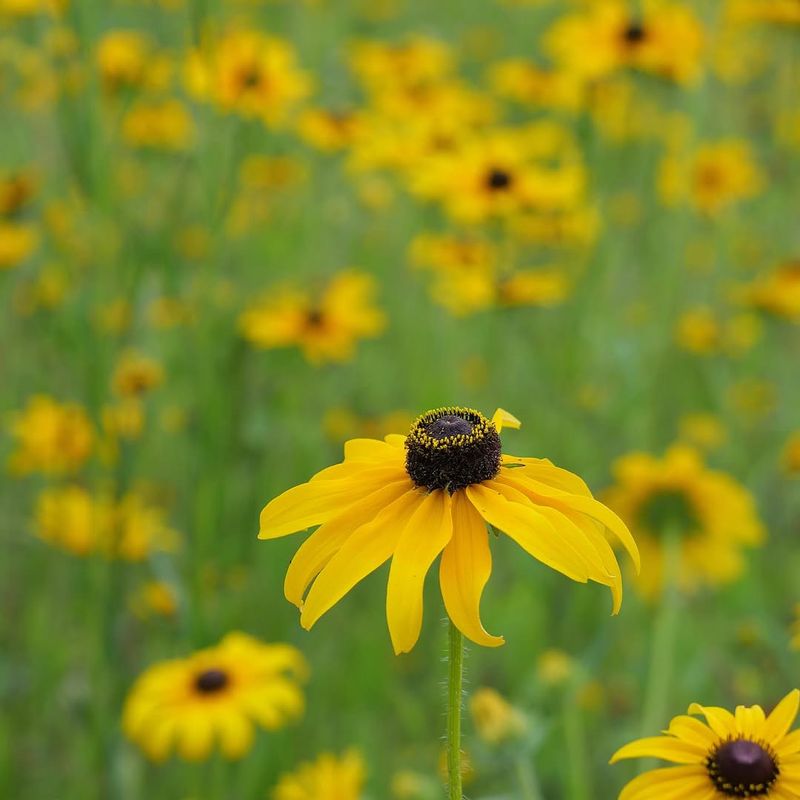
Few flowers are as instantly recognizable as the Black-Eyed Susan. Those golden yellow petals surrounding a rich, dark brown center are simply unforgettable.
This bold and beautiful wildflower blooms from late spring into summer, making it one of the longest-performing plants you can add to a Texas garden.
Once it gets settled in, Black-Eyed Susan becomes remarkably tough. It handles drought, poor soil, and the intense Texas heat without much complaint.
You do not need a green thumb to keep it happy. Just plant it in a sunny spot, water it during the first growing season, and let it do its thing.
Butterflies and bees go absolutely wild for these blooms. If you enjoy watching pollinators flutter around your yard on a warm spring afternoon, planting a patch of Black-Eyed Susans is one of the best decisions you can make.
They also work beautifully as cut flowers. Bring a handful inside and put them in a vase for an instant burst of sunshine in your home.
Across Texas, from the Panhandle to the Gulf Coast, this dependable flower proves that simple and classic never goes out of style.
3. Texas Yellow Columbine (Aquilegia Chrysantha)
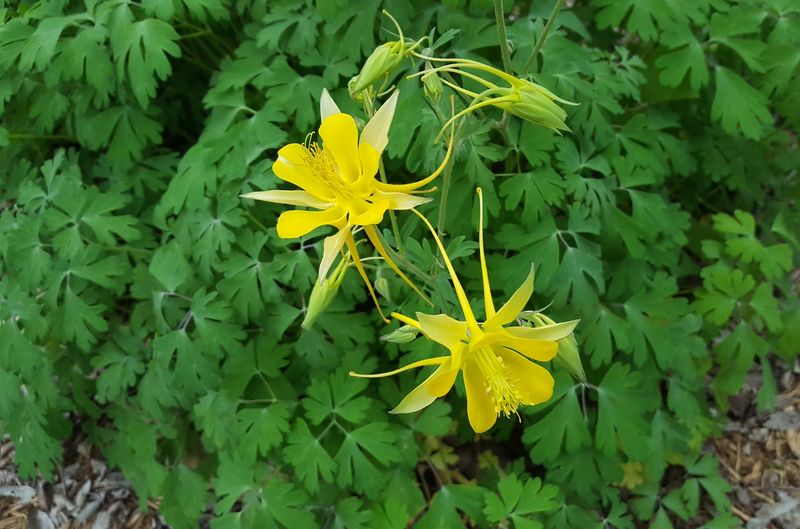
There is something almost magical about the Texas Yellow Columbine. Its nodding, star-shaped blooms seem to float above their feathery green leaves like little golden lanterns.
This native Texas beauty blooms in early to mid-spring, arriving just when the garden needs a lift after winter.
Unlike many sun-loving Texas flowers, Aquilegia chrysantha actually prefers a bit of shade. In warmer parts of Texas, planting it under a tree or along a shaded fence line helps it stay cool and bloom longer.
This makes it a wonderful choice for garden spots that do not get direct afternoon sun, which can be brutal during a Texas spring.
Hummingbirds are especially attracted to Columbine flowers. Those long, elegant spurs hold nectar that hummingbirds sip while hovering in mid-air, which is a truly delightful sight.
The plant also attracts long-tongued bees and certain butterflies. Texas Yellow Columbine grows naturally near canyon walls and stream banks in parts of West Texas, so it appreciates a little extra moisture compared to other native plants.
Give it well-drained but slightly moist soil, some dappled shade, and it will reward you with weeks of graceful, golden blooms every spring season.
4. Golden Columbine (Aquilegia Hinckleyana)
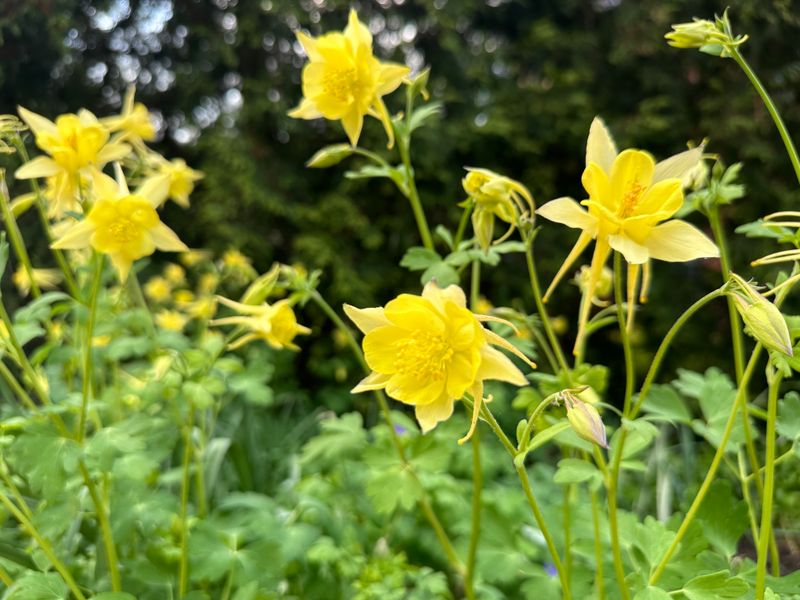
Not many people know about Aquilegia hinckleyana, but those who do absolutely treasure it. The Hinckley Columbine is one of Texas’s rarest native plants, found naturally only in the rugged Big Bend region of far West Texas.
Its bright yellow, long-spurred flowers are striking and unusual, making it a real showstopper in any native garden.
Growing this plant feels like keeping a little piece of wild Texas history right in your backyard. It blooms in spring and thrives in rocky, well-drained soils with good sun exposure.
Because it comes from one of the most extreme environments in the state, it handles heat and dry conditions better than most flowering plants you will find at a nursery.
Wildlife gardeners love the Hinckley Columbine because it supports hummingbirds, native bees, and other pollinators that are vital to Texas ecosystems.
Planting rare native species like this one also helps preserve biodiversity and keeps unique Texas plants from disappearing from cultivation.
It grows to about two feet tall and pairs beautifully with other native plants like salvias and grasses. If you want a garden that tells a story about the incredible natural heritage of Texas, the Hinckley Columbine belongs in it without question.
5. Yellow Gaillardia (Blanket Flower)
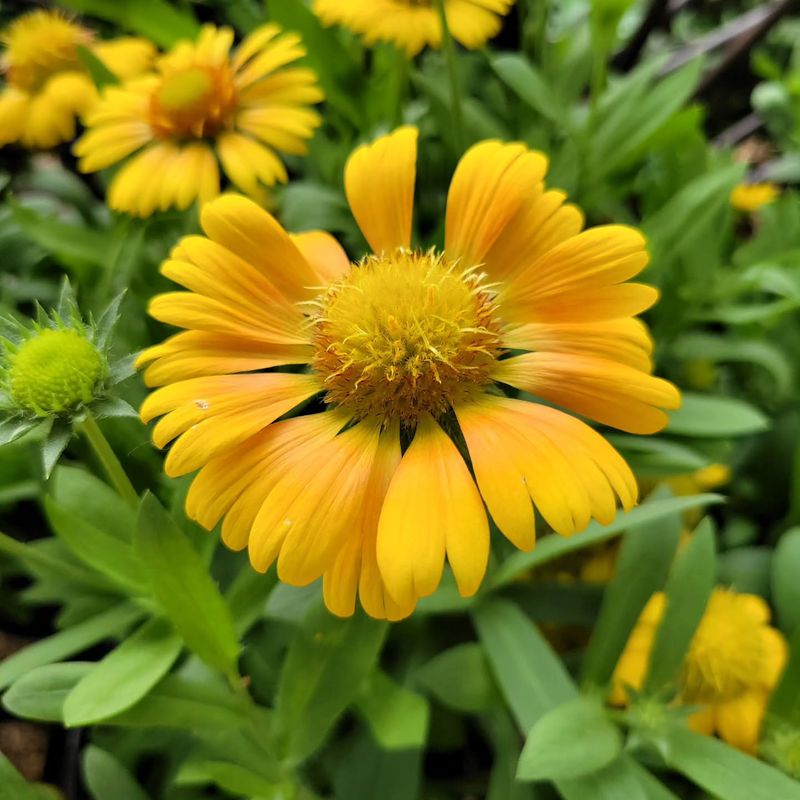
Summer heat does not scare the Yellow Gaillardia one bit. Known as Blanket Flower, this tough Texas favorite starts blooming in spring and just keeps going, often flowering well into fall.
It is one of the longest-blooming plants you can put in a Texas garden, and that alone makes it worth growing. Gaillardia loves poor soil. Seriously, the worse the soil, the happier it seems to be.
That makes it perfect for Texas landscapes where the ground can be rocky, sandy, or just plain difficult. Skip the rich compost and fancy fertilizers with this one.
Too much nutrition actually causes it to grow weak and floppy instead of strong and upright.
Pollinators are wild about Gaillardia blooms. Bees, butterflies, and even goldfinches visit regularly.
The daisy-like flowers in cheerful shades of yellow add a bright, energetic pop to any garden bed or border. Yellow forms of Gaillardia are especially sunny and warm-looking, blending beautifully with other native Texas plants.
Low maintenance, heat-tolerant, and absolutely gorgeous, this flower checks every box for Texas gardeners who want maximum color with minimum effort. Plant it once and enjoy its reliable beauty spring after spring across the great state of Texas.
6. Daffodils (Narcissus)
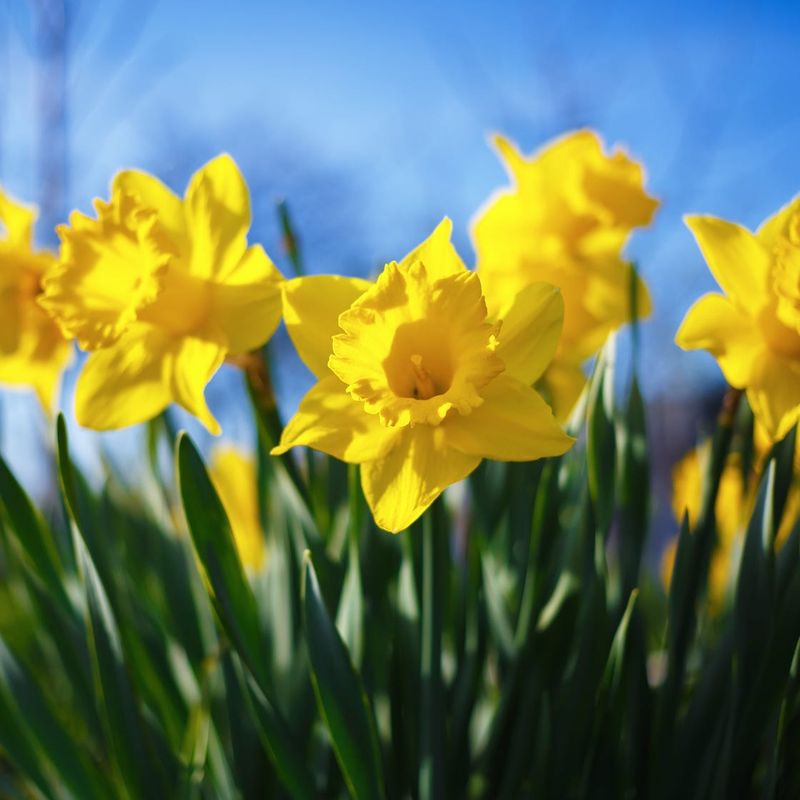
Nothing says spring is here quite like a cluster of yellow daffodils popping up in the garden. These classic beauties have been brightening yards for centuries, and they remain one of the most beloved early-spring flowers in North and Central Texas.
Plant the bulbs in fall, forget about them, and watch the magic happen come February or March.
Daffodils are naturally deer-resistant, which is fantastic news for Texas gardeners who deal with deer wandering through their yards.
Unlike many flowering plants that deer munch without hesitation, Narcissus bulbs contain a compound that deer and other animals tend to avoid. That means your spring display is much safer than it would be with other flowers.
Over time, daffodil clumps spread and multiply on their own, a process called naturalizing. Each year, your patch gets a little bigger and a little more impressive.
In North and Central Texas, they perform reliably well. Gardeners in deep South Texas may find results less consistent because of milder winters, since daffodils need a cold period to bloom well.
Still, for most of the state, these golden classics are a can’t-miss addition to any spring garden. Their cheerful yellow trumpets never fail to bring a smile.
7. Yellow Evening Primrose (Oenothera)
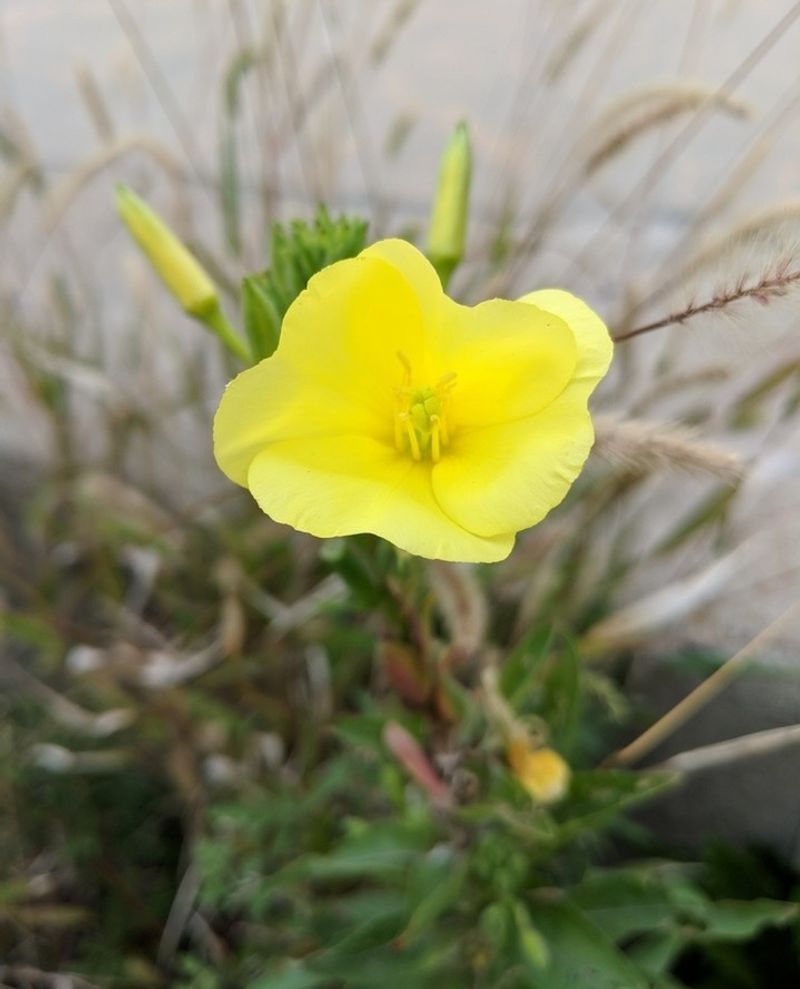
Drive through almost any part of Texas in spring and you will likely spot Yellow Evening Primrose growing wild along roadsides and open fields.
This cheerful native wildflower opens its bright four-petaled blooms during the day, creating carpets of yellow that are hard to miss. It is one of those flowers that makes you pull over just to admire it.
In a home garden, Yellow Evening Primrose is wonderfully easy to grow. It spreads naturally by reseeding, so once you plant it in a sunny spot, it tends to fill in and expand on its own over the years.
That makes it ideal for naturalized areas, wildflower meadows, or any low-maintenance corner of your Texas yard where you want reliable color without much effort.
Bees and other native pollinators visit the blooms regularly throughout the spring flowering season. The plant handles dry conditions well, which fits perfectly with Texas growing conditions.
It does best in well-drained soil and full sun, though it can tolerate a little afternoon shade in hotter regions.
Yellow Evening Primrose is a wonderful way to celebrate the native plant heritage of Texas while keeping your garden looking bright, natural, and beautifully wild every single spring.
8. Yellow Cosmos (Cosmos Sulphureus)
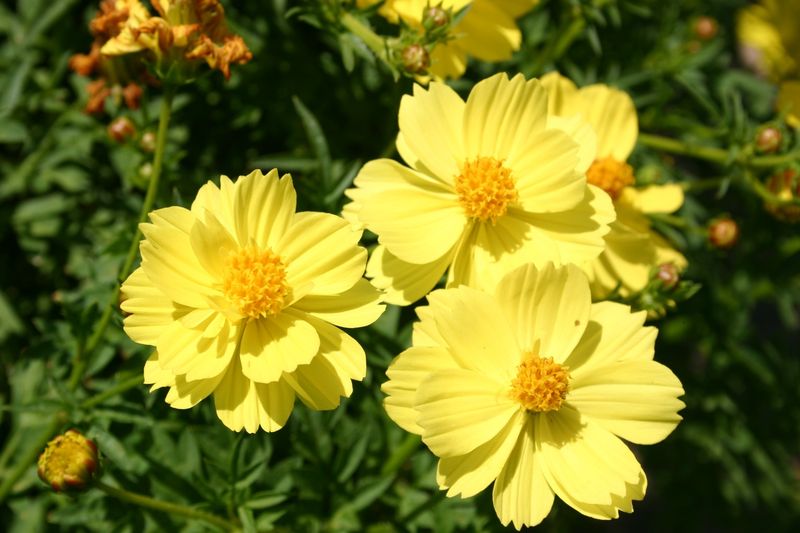
Want a fast, easy, and incredibly rewarding flower for your Texas garden? Yellow Cosmos might be exactly what you are looking for.
Cosmos sulphureus is an annual that grows quickly from seed, often blooming within just a few weeks of planting. It brings bold, warm color to the garden starting in late spring and keeps going strong through summer.
Texas heat does not slow this flower down at all. In fact, it seems to get more energetic as temperatures climb.
Plant it in a sunny bed, give it average soil, and watch it take off. It does not need much water once established, which is always a bonus for gardening in a state where summer droughts are common.
Yellow Cosmos is perfect for gardeners who want a low-maintenance flower that still makes a big visual impact. The semi-double blooms come in shades of golden yellow and warm orange-yellow, creating a vibrant, tropical feel in the garden.
Butterflies love visiting the flowers, adding even more life and movement to your outdoor space.
Because it is an annual, you will need to replant each year, but since it often reseeds on its own, you may find new plants popping up without any extra effort at all across your Texas garden.
9. Engelmann Daisy (Engelmannia Peristenia)
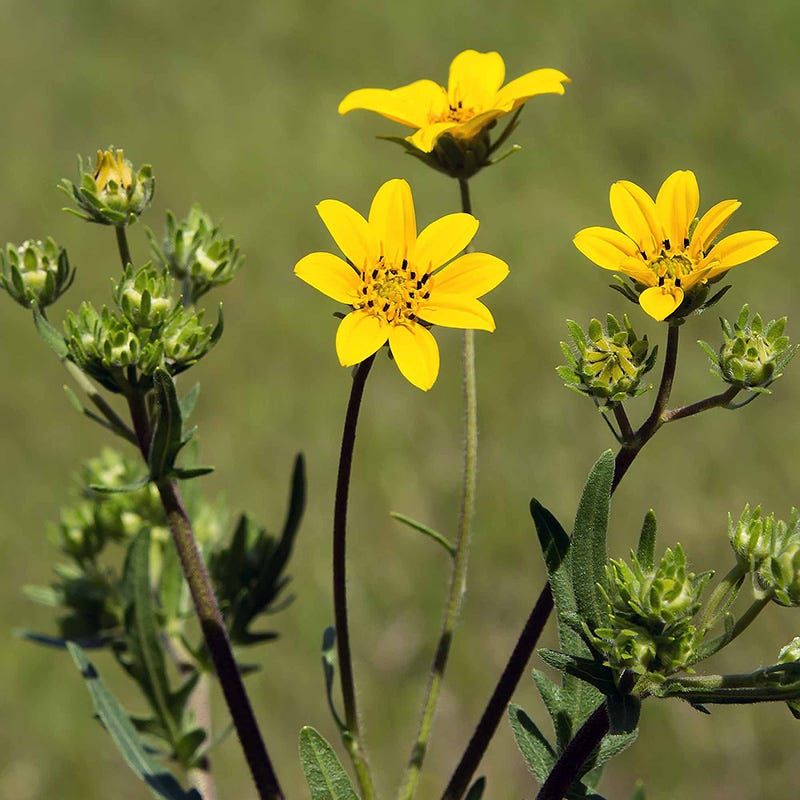
Bright, bold, and completely at home in Texas, the Engelmann Daisy is a native wildflower that deserves far more attention than it usually gets.
Its cheerful yellow daisy-like blooms appear in spring and continue into early summer, covering the plant in sunshine-colored flowers that make any garden feel warm and welcoming.
This plant is built for Texas conditions. It handles heat, drought, and rocky or clay-heavy soils without missing a beat.
Once established, Engelmann Daisy is remarkably self-sufficient. It reseeds freely, meaning you may find new plants popping up nearby each year, slowly creating a natural, wildflower-style spread that looks beautiful and requires very little upkeep.
Pollinators, especially native bees and butterflies, visit Engelmann Daisy blooms throughout the flowering season. The plant grows two to three feet tall, making it a nice mid-height choice for garden borders or naturalized areas.
It pairs especially well with other Texas natives like Coreopsis, Gaillardia, and native grasses, creating a layered, prairie-inspired look that celebrates the natural beauty of the state.
If you want a flower that feels authentically Texan, looks stunning from a distance, and practically takes care of itself, the Engelmann Daisy is an outstanding spring choice for any Texas garden.