7 Things Smart Pennsylvania Gardeners Do When It Snows
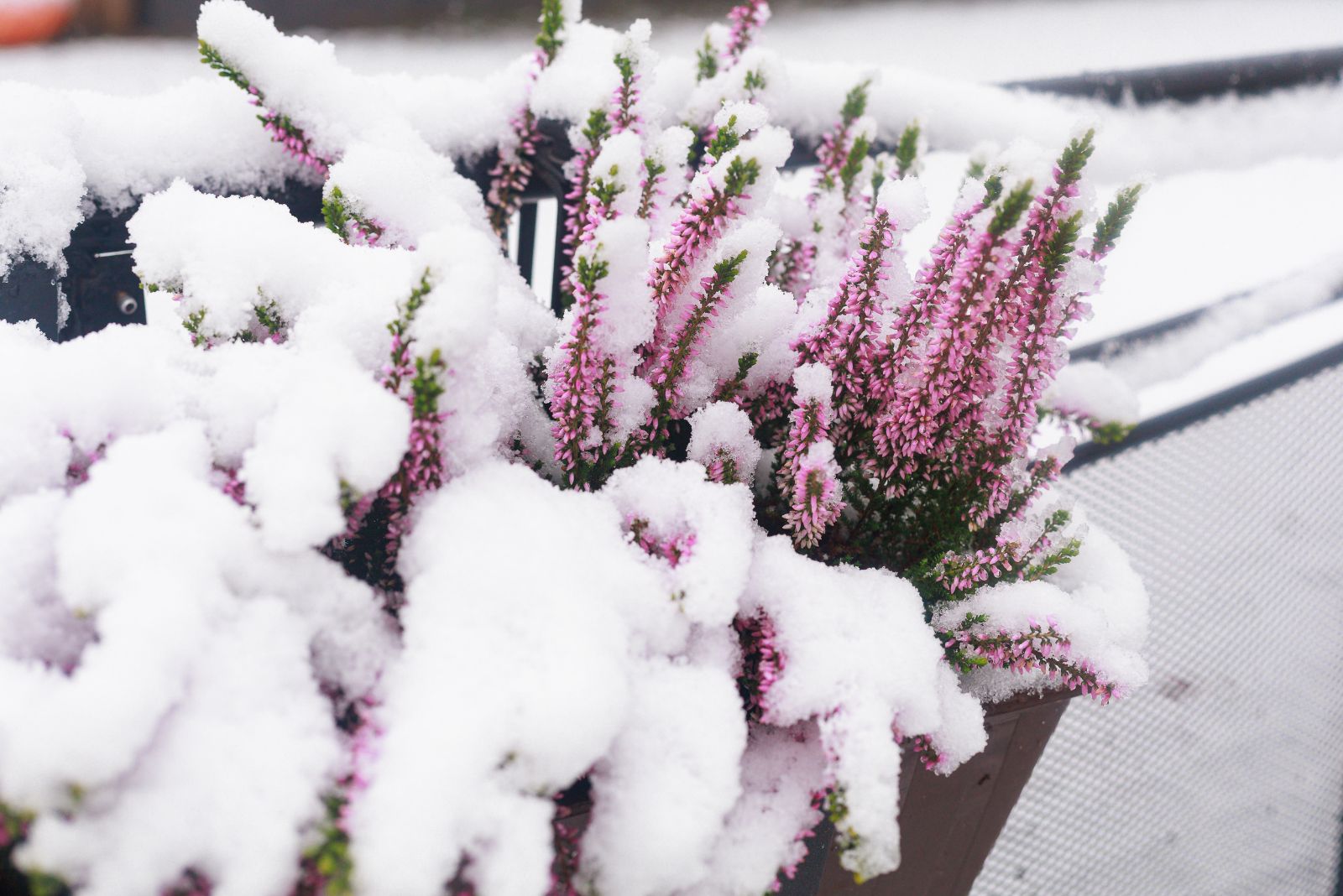
Snowfall in Pennsylvania can transform a yard into a sparkling winter wonderland, but it also brings challenges for gardens.
Smart gardeners know that taking a few thoughtful steps during snowy days can protect plants, shrubs, and trees from damage while keeping their landscape looking neat.
Instead of letting heavy snow pile up unchecked, experienced gardeners gently brush it off delicate branches, support vulnerable plants, and remove ice buildup before it becomes a problem.
They also plan ahead by pruning weak growth in the fall, planting hardy species that handle cold well, and mulching beds to protect roots from freezing temperatures.
Snowy days can even be an opportunity to enjoy the garden in a new way. Tracks in fresh snow reveal wildlife activity, and evergreens gain extra beauty under a powdery blanket.
By being prepared and proactive, Pennsylvania gardeners keep their yards safe, healthy, and visually appealing all winter long.
1. Let Snow Protect Their Plants
Most people see snow and immediately want to grab a shovel. But experienced Pennsylvania gardeners know better.
Snow is actually one of nature’s best insulators, and leaving it on your garden beds can protect your plants more than you might think.
When temperatures drop hard and fast, exposed soil can freeze and thaw repeatedly. That freeze-thaw cycle is tough on roots and can heave bulbs right out of the ground.
A layer of snow keeps the soil temperature steady, acting almost like a warm blanket tucked around your sleeping plants.
Perennials, spring bulbs, and ground covers all benefit from this natural protection. In Pennsylvania, winters can be unpredictable.
One week it is 50 degrees, and the next it is below 20. That kind of wild temperature swing is exactly what snow cover helps prevent.
Gardeners who resist the urge to clear every inch of snow from their beds often notice fewer frost-damaged plants in spring. The roots stay cozy, and the dormant plants wake up healthier when warmer weather returns.
Think of snow as a free mulch upgrade. You did not have to buy it or spread it. It just arrived and started doing a job. The smart move is to let it work.
So next time a winter storm rolls across Pennsylvania, take a deep breath and leave those garden beds alone. Your plants will thank you when spring finally arrives.
2. Gently Remove Heavy Snow From Shrubs
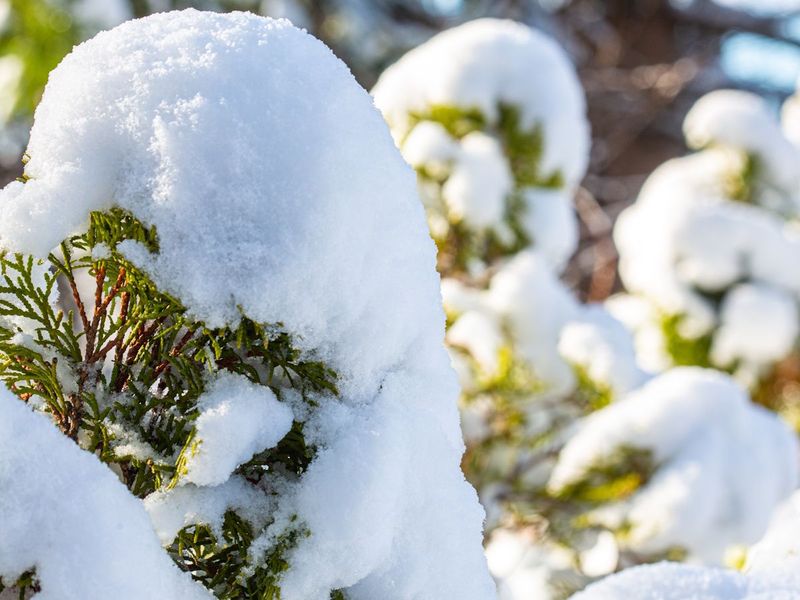
Wet, heavy snow looks pretty on evergreens, but it can cause real damage if left sitting too long. Smart Pennsylvania gardeners know that a snow-loaded branch can snap under the weight, especially on arborvitae, junipers, and boxwoods.
The trick is to act quickly but gently. Grab a soft-bristled broom and carefully sweep the snow off the branches.
Always work from the bottom of the shrub upward. This motion helps the branches spring back naturally without breaking.
Never shake a frozen branch. When temperatures drop below freezing, branches become brittle.
Shaking them can cause cracks or breaks that would not happen during warmer months. A slow and gentle upward sweep is always the safer choice.
Tall columnar shrubs like arborvitae are especially vulnerable because their shape catches and holds snow like a funnel.
Many Pennsylvania homeowners have watched a once-beautiful evergreen split right down the middle after a heavy storm. A few minutes with a broom could have prevented the whole thing.
After you clear the snow, take a quick look at each shrub. Check for any bent or misshapen branches.
Some will bounce back on their own as temperatures warm up. Others may need a gentle tie to help them recover their shape over the next few weeks.
Taking care of your shrubs during snowstorms is one of the easiest ways to protect your landscaping investment. A little effort in the cold goes a long way toward a full and healthy garden come spring across Pennsylvania.
3. Stay Off Garden Beds
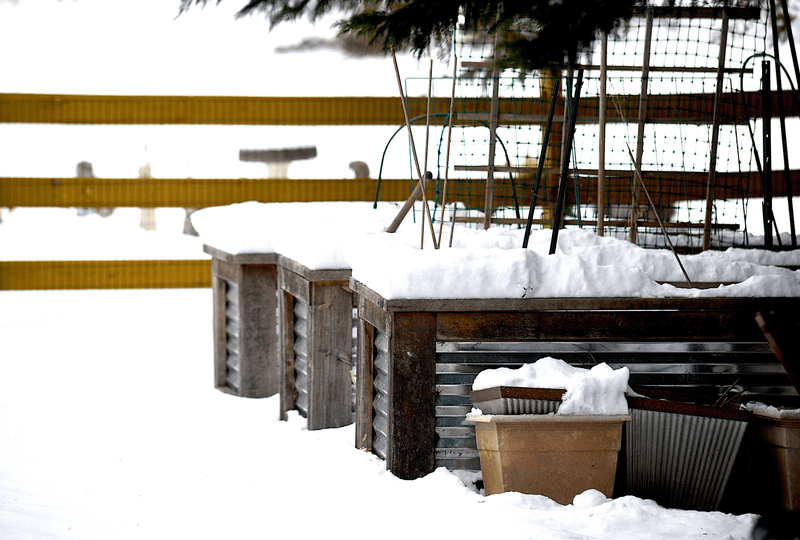
Walking across a snow-covered garden bed might seem harmless, but it can actually cause a surprising amount of trouble. Soil compaction is one of the biggest issues gardeners in Pennsylvania deal with after a harsh winter, and foot traffic is often the main cause.
When you walk on frozen or snow-covered soil, you press the soil particles tightly together. Compacted soil drains poorly and makes it harder for roots to spread.
Come spring, your plants have to work much harder to push through that packed-down earth.
Dormant bulbs are especially at risk. Tulips, daffodils, and hyacinths sit just a few inches below the surface during winter.
A few heavy footsteps in the wrong spot can bruise or crush them before they ever get the chance to bloom.
Smart Pennsylvania gardeners plan their garden layout with clear pathways so they never have to step on the beds at all. Stepping stones, gravel paths, or even a simple rule about where to walk can make a big difference in how healthy the garden looks by April.
If you absolutely must check on something in a bed, try to use a wide board to distribute your weight. This old trick spreads pressure across a larger surface area, reducing the damage to soil and plants below.
Keeping people and pets off garden beds during winter is one of the simplest habits you can build. It costs nothing and takes no extra time.
Just stay on the path and let your garden rest undisturbed through the cold Pennsylvania winter months.
4. Check For Rodent Activity
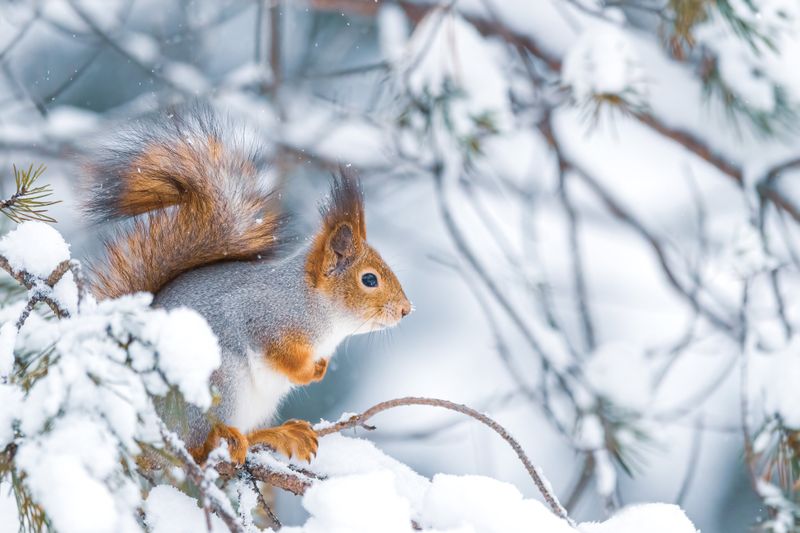
Snow might look peaceful, but something sneaky is often happening underneath it. Voles, mice, and rabbits use snow cover as protection while they snack on your plants all winter long. By the time spring arrives, the damage can be significant.
Voles are small, mouse-like rodents that tunnel through snow and mulch. They chew on roots, bark, and the base of young trees.
Their tunnels often show up as winding trails across the lawn once the snow melts. If you see those trails near your garden beds or trees, voles have been busy.
Rabbits take a different approach. They nibble on the lower stems and bark of shrubs and young trees, often leaving behind clean, angled cuts that look almost like they were made with scissors.
In Pennsylvania, cottontail rabbits are active all winter and can cause serious damage to fruit trees, roses, and ornamental shrubs.
Smart gardeners do not wait until spring to check. After each storm, they take a walk around the yard and look for signs of activity.
Fresh tracks in the snow, chewed stems, or disturbed mulch near tree bases are all red flags worth noting.
Wrapping young tree trunks with hardware cloth or plastic tree guards before winter is one of the best ways to stop rodent damage before it starts. If you notice chewing after the fact, remove any loose bark and clean the wound area to help the plant recover.
Staying alert during winter keeps Pennsylvania gardens safer and healthier for the growing season ahead.
5. Protect Plants From Road Salt
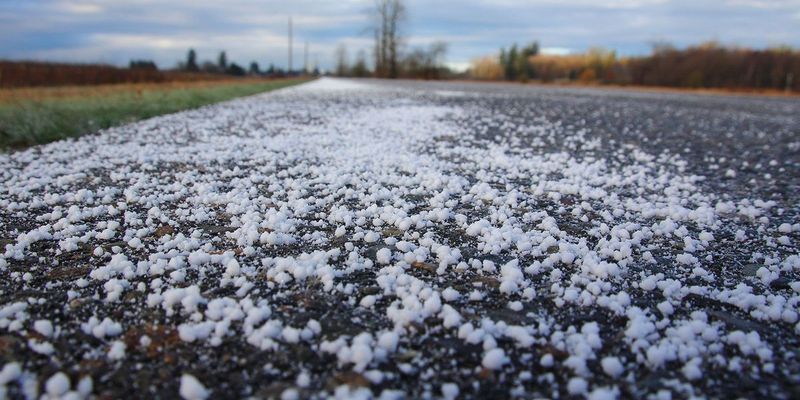
Road salt is a fact of life in Pennsylvania winters. It keeps sidewalks and driveways safe, but it can be really rough on nearby plants.
When salty snow gets shoveled onto garden beds or splashed onto shrubs by passing cars, it can cause serious problems once the weather warms up.
Salt pulls moisture out of plant roots and leaves through a process called osmotic stress. Simply put, salty soil makes it harder for plants to absorb the water they need.
The result is brown, scorched-looking foliage and weak, stressed roots that struggle all season long.
Smart Pennsylvania gardeners are careful about where they toss shoveled snow. They aim for the lawn or a paved area rather than dumping it into a garden bed.
It sounds like a small thing, but it makes a real difference in how plants look come spring.
Plants that grow near roads or driveways are especially at risk. Spruces, arborvitae, and ornamental grasses planted close to the street often show salt damage in late winter and early spring. Browning on the side facing the road is usually a telltale sign.
When temperatures creep above freezing, rinsing nearby plants with plain water can help flush out salt that has built up around the root zone. A good deep watering in early spring also helps push salt deeper into the soil and away from roots.
Choosing salt-tolerant plants for spots near driveways and sidewalks is a smart long-term solution for Pennsylvania gardeners who deal with heavy winter maintenance every year.
6. Observe Their Garden’s Structure
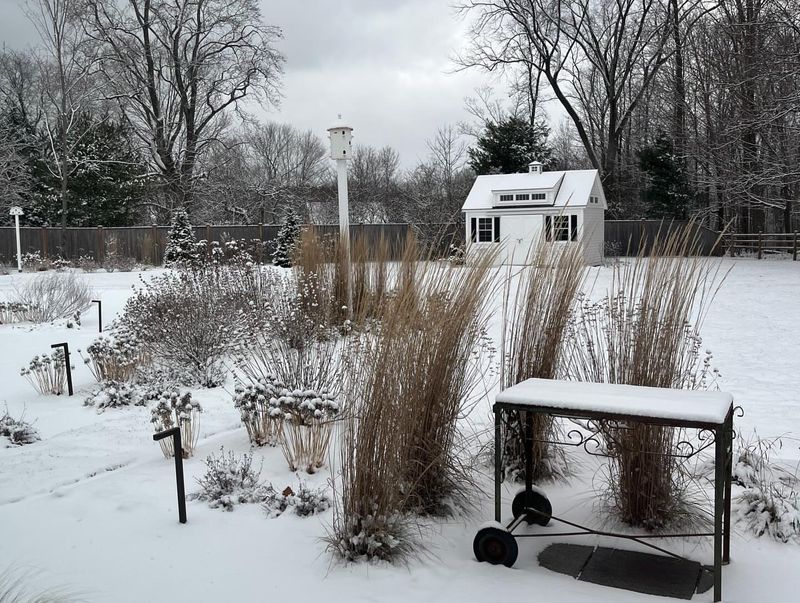
There is something almost magical about a garden under snow. All the busy color and texture of summer fades away, and what is left behind tells you a lot about how your garden is actually designed.
Smart Pennsylvania gardeners take full advantage of this quiet season to observe and evaluate.
Snow makes garden structure easy to see. You can quickly spot which shrubs hold their shape well and which ones bend and collapse under a little weight.
You can see where the wind is hitting hardest, where bare spots appear, and which areas look strong and balanced even without foliage.
This kind of observation is genuinely useful for planning. If a corner of your Pennsylvania yard looks empty and exposed in winter, it probably needs a sturdy evergreen or a decorative structure like a trellis or fence.
If a row of shrubs looks sloppy and bent, it might be time to rethink that planting or add support.
Winter also reveals where water pools or where snow melts fastest, which points to drainage issues or warm microclimates worth knowing about. These details are invisible during the growing season when plants fill in all the gaps.
Keep a small notebook or use your phone to snap photos and jot down ideas. Noting what you see during a snowstorm helps you make smarter decisions when seed catalogs and nursery trips come around in late winter and early spring.
Pennsylvania winters are long, but that time is not wasted if you use it to really look at your garden with fresh, observant eyes.
7. Plan And Prepare For Spring
While some people feel stuck and restless during a Pennsylvania snowstorm, smart gardeners see it as a golden opportunity. Snowy days are perfect for doing all the planning and prep work that gets pushed aside during the busy growing season.
Ordering seeds is one of the most satisfying things you can do on a cold winter afternoon. Many popular seed varieties sell out early, so getting your order in during January or February means you have first pick of everything you want to grow.
Flipping through a seed catalog with a hot drink in hand is one of the best parts of being a gardener.
Sketching out a new garden layout is another great use of indoor time. Think about what worked last year and what did not.
Maybe you want to try a new raised bed, move a perennial border, or add a pollinator garden. Drawing it out now means you will be ready to act the moment the ground thaws.
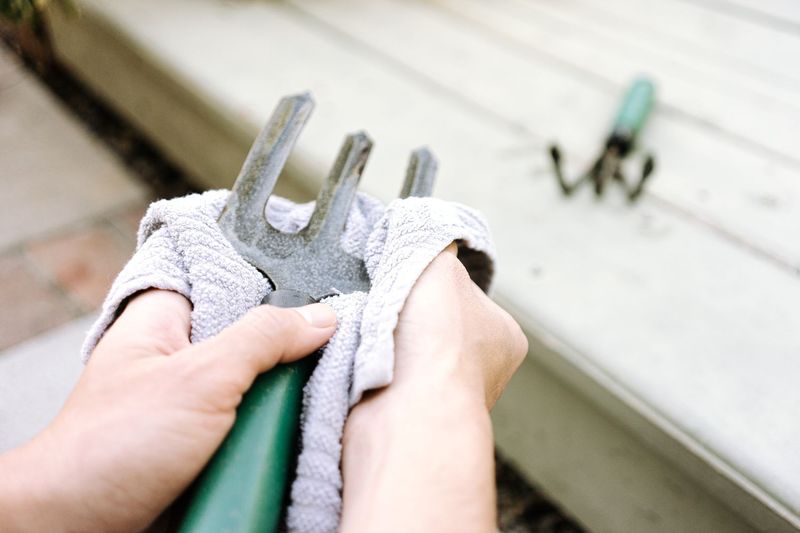
Cleaning and sharpening tools is a task most people put off all season. A snowy afternoon is the perfect time to wipe down hand tools, sharpen pruners and hoe blades, and check for anything that needs to be replaced before planting season begins.
If your timing is right, late winter is also when many Pennsylvania gardeners start seeds indoors for crops like peppers, tomatoes, and eggplant.
Getting a head start under grow lights means strong, healthy transplants ready to go when spring finally arrives. Use the snow days wisely, and your spring garden will be better for it.