6 Things Texas Gardeners Should Watch Out For When Growing Lantana
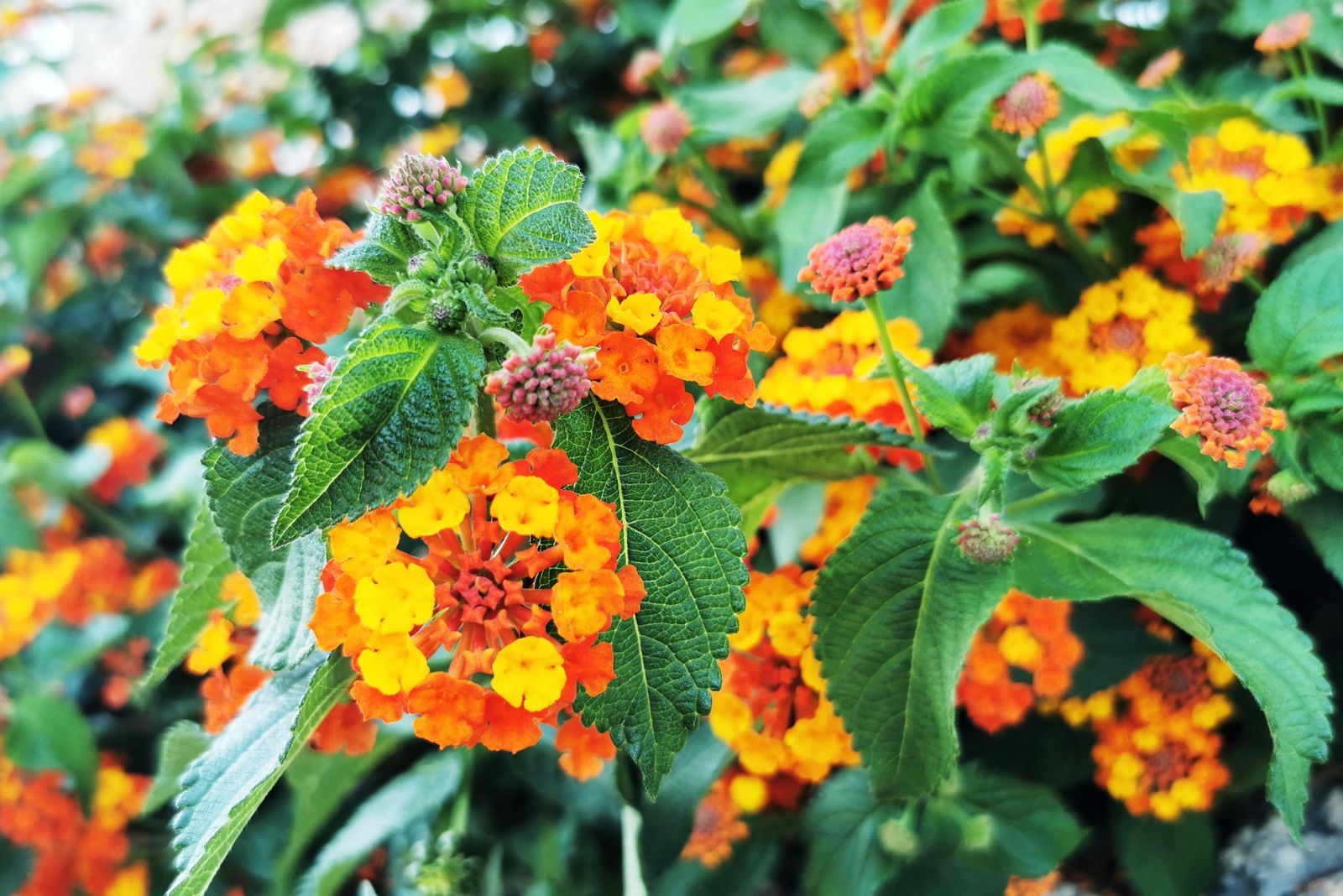
Lantana has a way of making Texas gardeners feel confident fast. It blooms in bright, cheerful clusters, handles heat like a champ, and keeps going when other plants start looking worn out.
On the surface, it seems like one of the easiest choices you can make for a Texas yard. Plant it, give it some sun, and enjoy the show. But as reliable as lantana can be, it is not completely carefree.
A few common problems can catch gardeners by surprise. Some lantana varieties spread more aggressively than expected, while others may become woody, leggy, or less attractive without the right care.
Too much water can cause trouble, and poor placement can affect how well the plant performs. There is also the issue of toxicity, especially for households with curious pets or small children.
That does not mean lantana is difficult. It just means it pays to know what you are working with before it settles into your landscape.
Once you understand the biggest things to watch for, you can enjoy all that color and toughness without running into preventable problems later on.
1. Overwatering The Plants
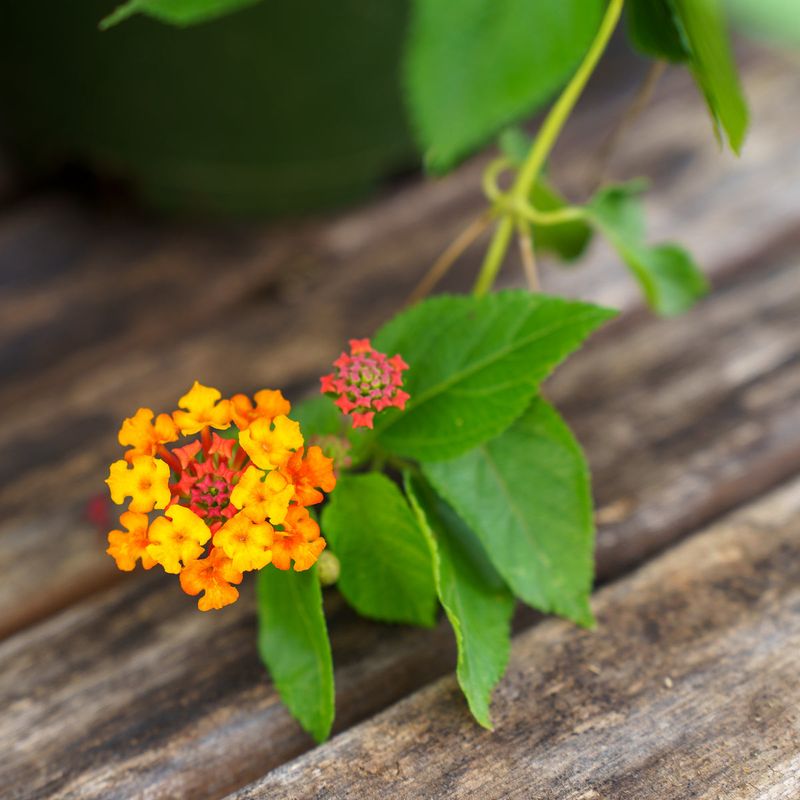
Lantana is basically built for Texas summers. It thrives in heat, handles dry spells like a champ, and honestly does not need much water once it gets settled in.
One of the biggest mistakes Texas gardeners make is watering lantana too often, thinking more water means more flowers. The opposite is actually true.
When you overwater lantana, the roots sit in wet soil for too long. That leads to root rot, which weakens the plant from the ground up.
You might notice yellowing leaves, drooping stems, or fewer blooms than you expected. Heavy clay soils found in many parts of Texas make this problem even worse because water drains slowly and stays near the roots longer.
A good rule of thumb is to water deeply but not very often. Let the soil dry out between waterings.
Once your lantana is established, which usually takes a few weeks after planting, you can cut back on watering significantly. Rainfall in many Texas regions is often enough to keep the plant healthy through the growing season.
During the initial weeks after planting, give your lantana a good drink once or twice a week. After that, back off and let nature do most of the work.
If you are growing lantana in containers, make sure the pots have drainage holes so excess water can escape easily.
Trusting the plant to handle dry conditions is key. Lantana was made for warm, dry climates, and Texas is a perfect match.
Less watering means healthier roots and more of those beautiful, colorful blooms you planted it for.
2. Planting In Too Much Shade
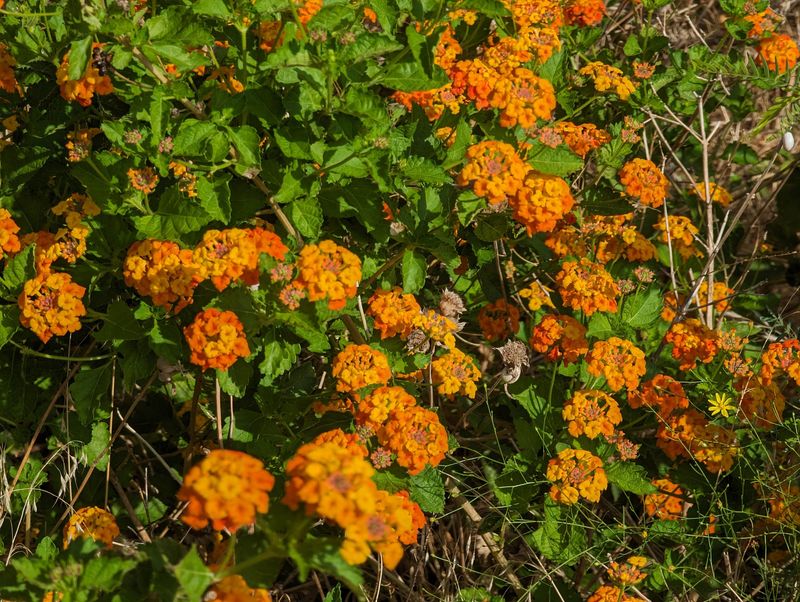
Sunlight is everything to a lantana plant. If there is one thing this plant absolutely cannot compromise on, it is getting enough direct sun every single day.
Lantana needs at least six to eight hours of full sun to produce its best blooms. Plant it in the wrong spot, and you will wonder why it never really takes off.
Shady spots might seem appealing during a blazing Texas afternoon, but lantana does not feel the same way. When it does not get enough light, the plant grows tall and leggy instead of full and bushy.
The stems stretch out toward any available light, which makes the whole plant look weak and uneven. Worse, flowering slows way down because the plant is putting its energy into finding light rather than making blooms.
Shaded lantana is also more likely to develop fungal issues. Poor air circulation and damp conditions in shady areas create the perfect environment for disease.
In a state like Texas, where summers are intense and full of sunshine, there is really no reason to plant lantana anywhere but in the brightest spot in your yard.
Before you plant, take a look at your garden throughout the day. Notice where the sun hits longest and strongest.
That is your lantana spot. Avoid planting under large trees, along north-facing fences, or anywhere that gets blocked by buildings for most of the day.
Giving lantana the full sun it craves is one of the easiest ways to guarantee a season full of vibrant color across your Texas landscape.
3. Frost Damage In Winter
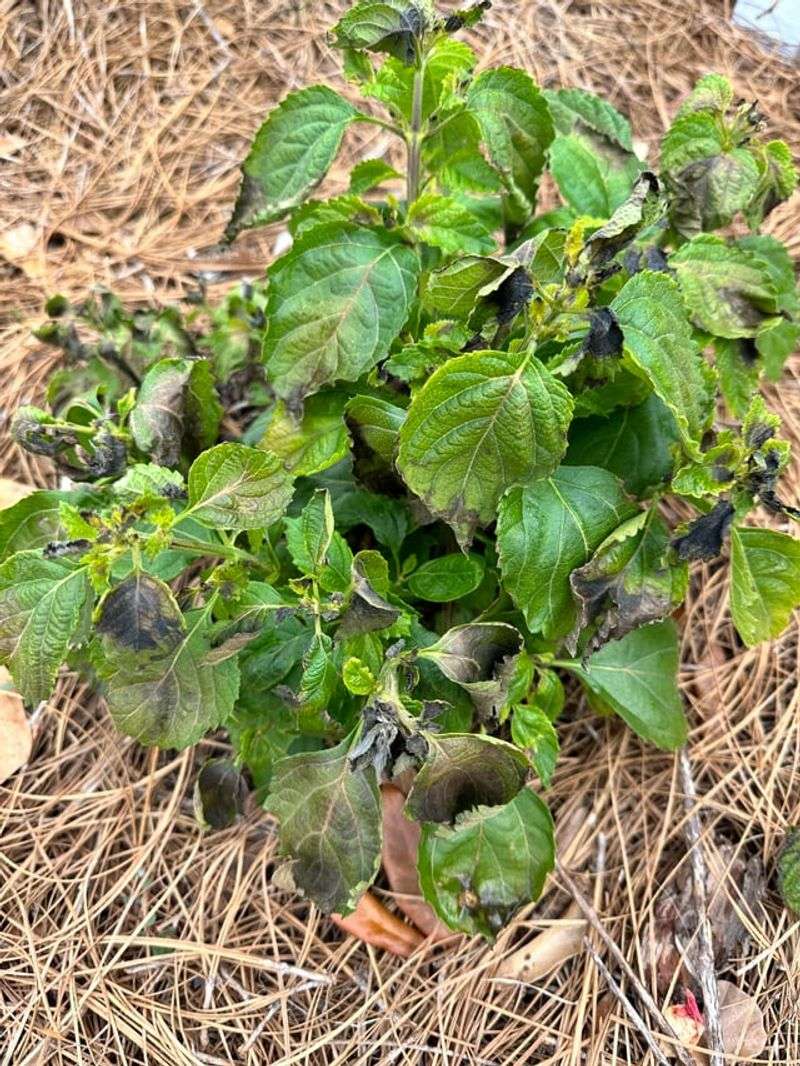
Lantana loves the heat, and Texas delivers plenty of it. But winter is a different story. Cold temperatures can seriously damage lantana, especially when a hard freeze rolls through.
Texas gardeners, particularly those in the northern parts of the state like Dallas or Amarillo, need to keep an eye on the forecast once temperatures start dropping in late fall.
A light frost might just knock back the top growth of your lantana, but a hard freeze can damage the roots too. When temperatures fall below 28 degrees Fahrenheit for several hours, even established plants can suffer.
The stems and leaves will turn brown and mushy after a freeze, which can look alarming. However, in many parts of central and south Texas, the roots often survive underground and will send up fresh growth in spring.
To protect your lantana during cold spells, you can cover the plant with a frost cloth or burlap the night before a freeze is expected. Mulching heavily around the base of the plant also helps insulate the roots from the cold.
Avoid pruning lantana in late fall, since cutting it back can trigger new tender growth that is especially vulnerable to frost.
Wait until late winter or early spring, after the last expected frost date, to cut back any dry stems. In Central Texas, that is usually sometime in March. New growth will appear from the base once warmer temperatures return.
Being proactive about cold protection means your lantana will bounce back strong and start blooming again as soon as Texas summer heat returns.
4. Over-Fertilizing The Plant
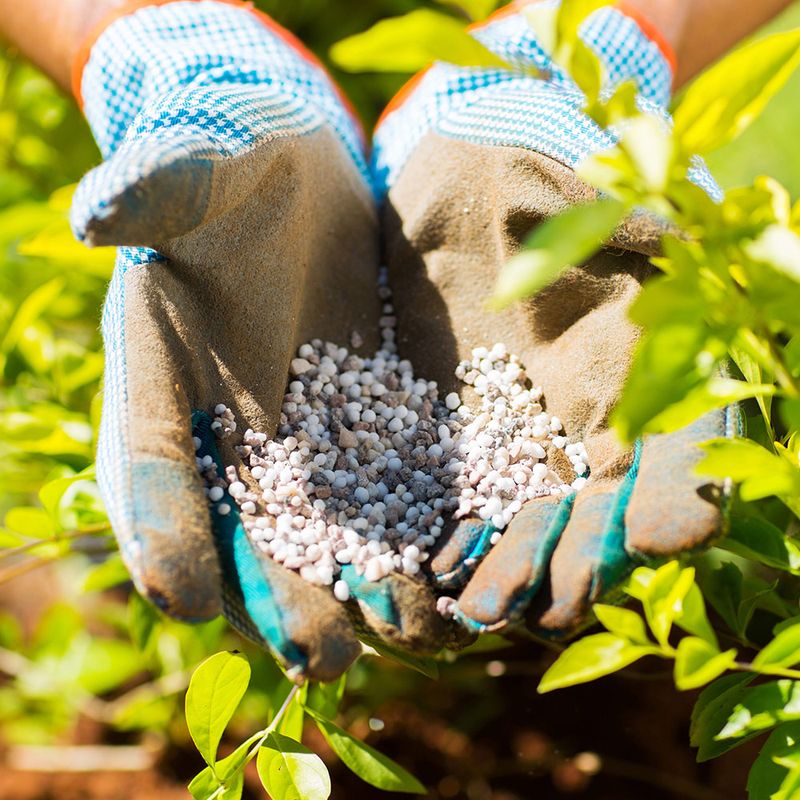
More fertilizer does not always mean a better plant. With lantana, too much feeding can actually work against you.
Many Texas gardeners make the mistake of loading up their lantana with fertilizer, especially nitrogen-heavy products, hoping to boost growth and blooms. What they get instead is a big, leafy plant with very few flowers.
Nitrogen is the nutrient that pushes green, leafy growth. When lantana gets too much of it, the plant focuses all its energy on producing stems and leaves rather than flowers.
You end up with a large, bushy plant that looks healthy but does not deliver the colorful display you were hoping for. That is a frustrating outcome, especially after putting in all that effort in your Texas garden.
Lantana actually performs best in average or even slightly poor soil. It is one of those plants that does not need to be pampered.
A light feeding once in early spring with a balanced, slow-release fertilizer is usually more than enough to get the season started. After that, most Texas gardeners do not need to fertilize at all.
If your lantana is planted in the ground with decent soil, it will likely find all the nutrients it needs on its own. Container-grown lantana may benefit from one or two light feedings during the season since nutrients wash out of pots faster.
Think of fertilizing lantana like seasoning food. A little goes a long way, and too much can ruin the whole thing.
Keep it minimal, and your lantana will reward you with nonstop blooms all through the Texas summer.
5. Poor Drainage In Soil
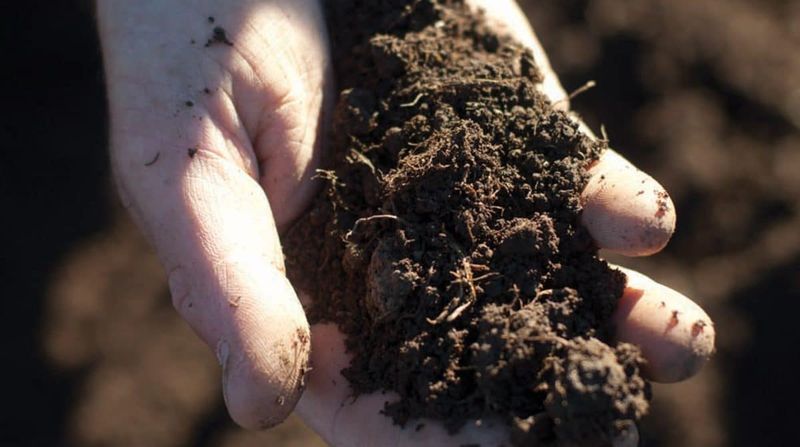
Soil drainage might not be the most exciting topic, but it is one of the most important factors in keeping lantana healthy. Lantana roots need oxygen just as much as they need water.
When soil holds too much moisture and does not drain well, the roots essentially get suffocated. That leads to serious problems that can be hard to reverse.
A lot of Texas has heavy clay soil, especially in areas like the Dallas-Fort Worth region and parts of Central Texas. Clay soil compacts easily and drains slowly, which means water tends to pool around plant roots after rain or irrigation.
Lantana planted in these conditions is prone to root rot, stunted growth, and an overall decline in health and flowering.
The good news is that poor drainage is a fixable problem. Before planting lantana, work some compost or coarse sand into the soil to improve its texture and drainage.
Raised beds are another excellent option for Texas gardeners dealing with heavy clay. Planting lantana slightly elevated above the surrounding soil level also helps water move away from the roots more efficiently.
You can also test your soil drainage before planting. Dig a hole about 12 inches deep, fill it with water, and watch how quickly it drains.
If the water is still sitting there after an hour, your drainage needs improvement before lantana goes in the ground.
Taking a little extra time to prepare your soil properly will pay off in a big way. Lantana with good drainage grows stronger, blooms more freely, and stays healthier throughout the entire Texas growing season.
6. Pests And Leaf Damage
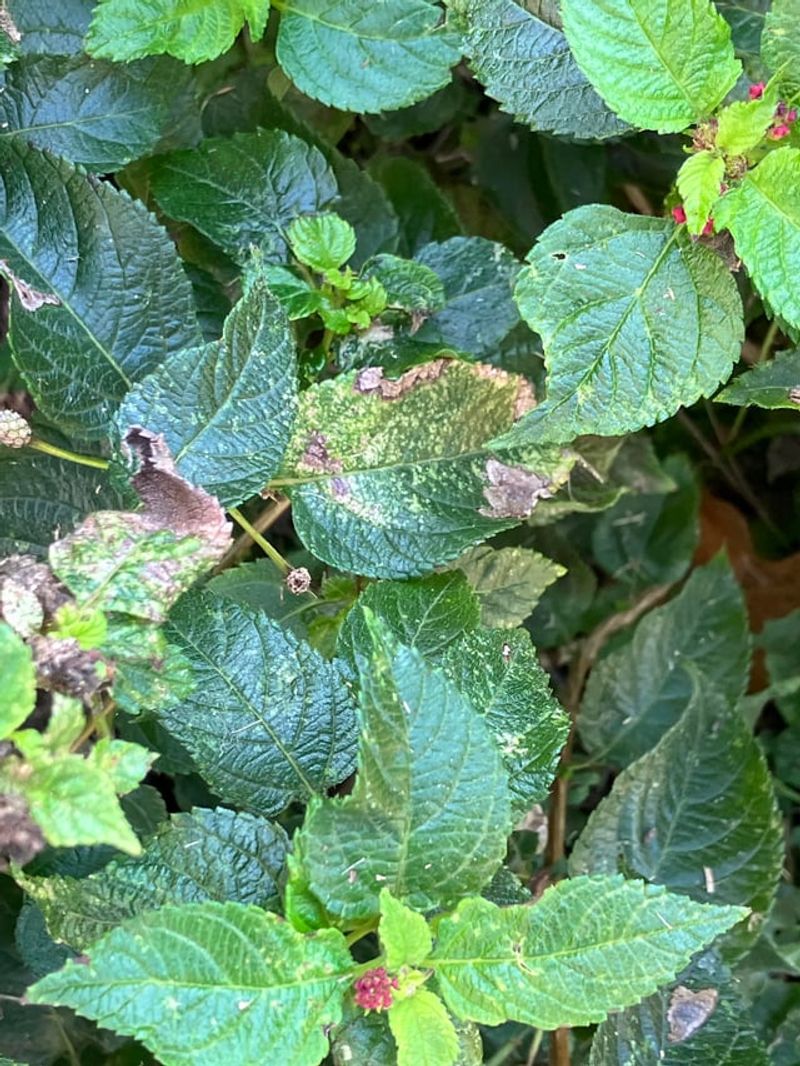
Lantana is a tough plant, but it is not completely immune to pests. Certain insects find lantana just as attractive as gardeners do.
In Texas, the most common culprits are lace bugs, aphids, and whiteflies. Each of these pests feeds on the plant in different ways, but they all have one thing in common: they can cause real damage if left unchecked.
Lace bugs are probably the most frequent pest problem for lantana in Texas. They feed on the underside of leaves, causing a speckled or silvery discoloration on the top surface.
Heavy infestations make the leaves look bleached and unhealthy. Aphids cluster on new growth and suck out plant juices, while whiteflies swarm around the plant when disturbed and weaken it over time.
The best defense is regular inspection. Take a close look at your lantana every week or two, especially during the hot summer months when pest activity peaks across Texas.
Flip over a few leaves and check for tiny insects, eggs, or unusual spotting. Catching an infestation early makes it much easier to manage.
For light infestations, a strong spray of water from a garden hose can knock pests off the plant. Insecticidal soap or neem oil are both effective and widely available options that work well without harsh chemicals.
Apply in the early morning or evening to avoid burning the plant in the Texas heat. Keeping your lantana healthy through proper watering and sunlight also makes it naturally more resistant to pests.
Strong, well-cared-for plants in Texas gardens are simply better at fighting off insect damage on their own.