8 Things That Attract Yellow Jackets And Hornets To Your Yard This Time Of Year
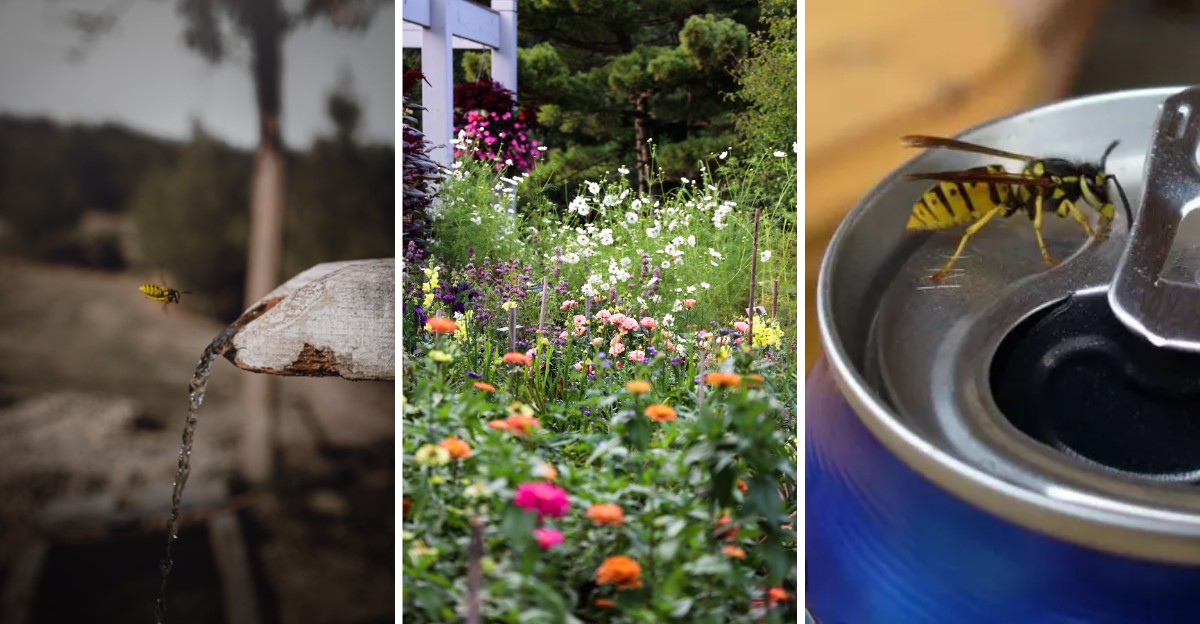
Why are wasps suddenly treating your lunch like a private buffet? Credit a quiet shift inside their nest. Through early summer, workers feed larvae chewed insects and sip sweet droplets the larvae release.
By September, the queen slows egg laying, and that sugary paycheck fades. Hungry workers then search for sugar wherever you leave it.
Open soda cans, fallen pears, pet bowls, and sticky recycling bins all qualify. Yellowjackets can sting repeatedly, unlike honeybees, so each wild swing raises your risk.
Provoke a wasp near its nest, and it releases an alarm scent summoning nestmates. Your patio quickly becomes a favorite feeding station they keep revisiting. Luckily, you fully control the guest list.
Small, precise changes can make your backyard the dullest stop on their route. Start with the sneaky attractant you overlooked, because your soda can is only the beginning.
1. Fallen Fruit Rotting Under The Trees
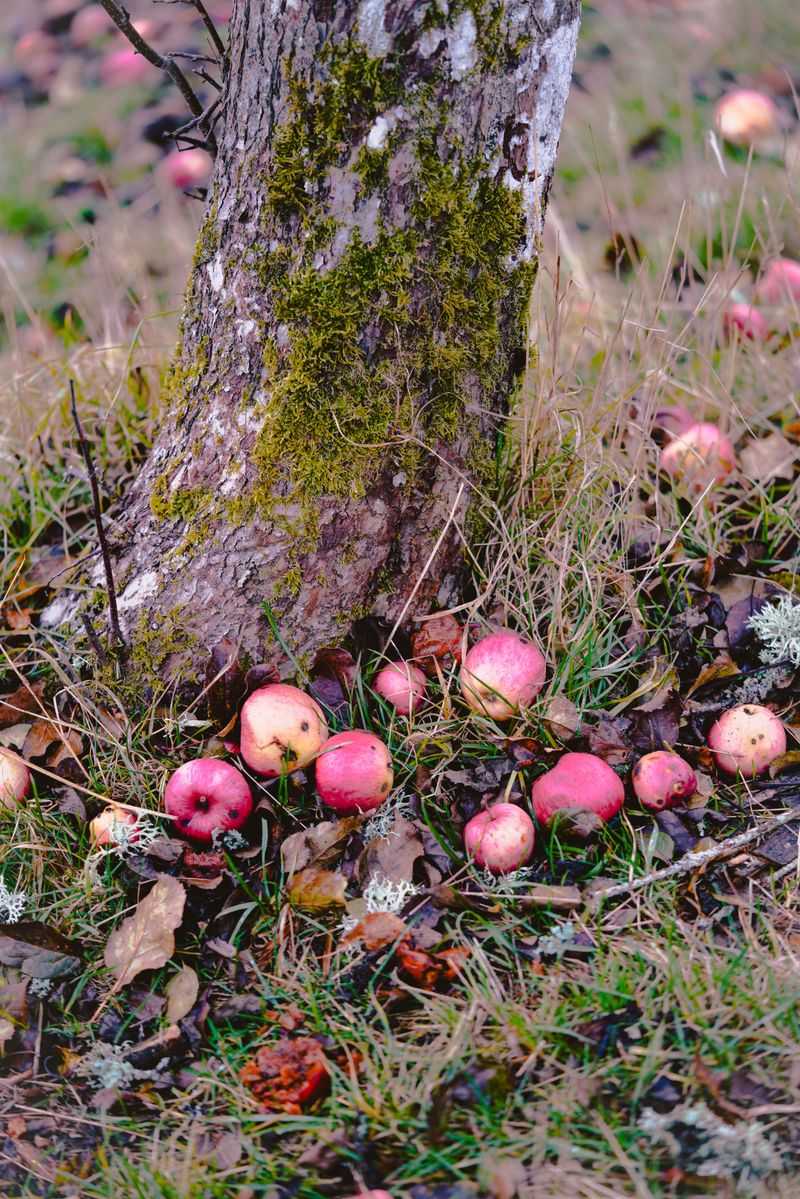
Walk under an apple tree in September and you might hear a busy hum before you see anything. That sound usually comes from a crowd feasting on bruised fruit scattered across the grass.
Late in the season, these insects crave sugar more than anything else. Their colonies raise fewer young now, so workers shift more of their foraging toward sweet energy.
Rotting apples, pears, plums, and figs are like an open candy store to them. As fruit ferments, it gives off a strong smell that drifts across the whole yard and beyond.
Some people report insects acting a little tipsy after sipping fermented juice. A slow, wobbly flier is still able to sting, so keep your distance.
The simplest fix is picking up fallen fruit every day or two during harvest season. Wear gloves and closed shoes, and use a rake or grabber tool to avoid surprise stings.
Early morning is the best time for cleanup because the insects move slowly when temperatures are cool. By afternoon, a pile of fruit can be buzzing like a tiny airport.
Bag the fruit tightly and put it in a sealed trash bin, not an open compost pile. You can also pick ripe fruit from branches a little early before it drops.
Neighbors with fruit trees can team up on cleanup days and share the harvest. Fewer sweet piles on the ground means fewer uninvited guests crashing your backyard fun this fall.
2. Open Trash Cans Smelling Up The Driveway
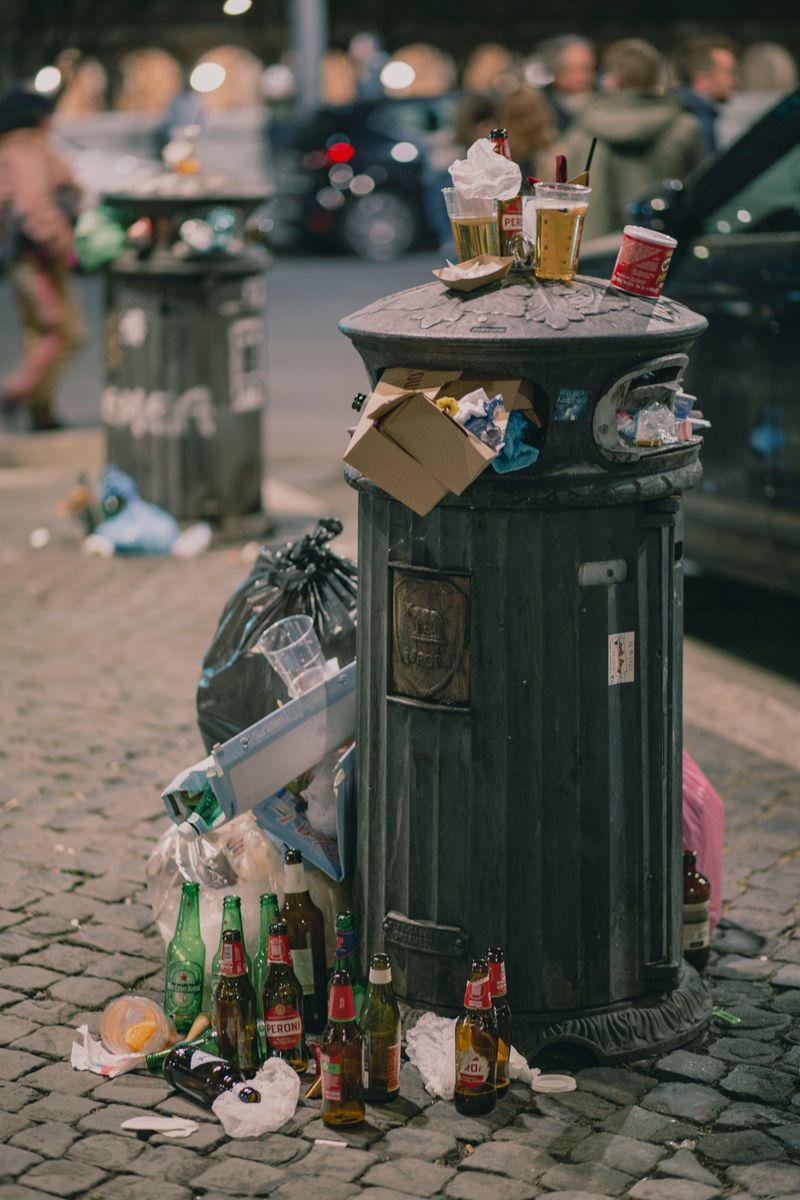
Your garbage can might be the hottest dinner spot on the block right now. Leftover meat scraps, sticky wrappers, and juice boxes create a buffet that is hard to resist.
Unlike honeybees, yellow jackets scavenge both sweets and meat, while true hornets mostly hunt live insects. In September, yellow jackets search garbage for anything sugary or protein-packed to fuel the busy colony back home.
Heat makes the problem worse because warm trash smells stronger and travels farther on the breeze. A can baking in the sun is basically ringing a dinner bell.
Start with a tight-fitting lid that snaps or locks into place. Bungee cords work well if your lid tends to pop open or gets knocked loose by raccoons.
Double-bag food scraps, especially meat, fish, and fruit peels, before tossing them in the bin. Less smell escaping means fewer noses, or rather antennae, pointing your way.
Clean your cans every few weeks with soapy water or a mix of vinegar and water. Sticky gunk at the bottom keeps attracting visitors long after trash day.
Where you park the bins matters just as much as what goes inside them. Keep them shaded and away from doors, patios, and play areas.
Compost bins need attention as well, since food scraps can draw crowds. Bury fresh scraps under a layer of leaves or soil to hide the tempting smell.
Outdoor trash cans at parks and picnics deserve extra caution, too. Toss your garbage quickly, then step away instead of lingering near the lid for a chat.
3. Sugary Drinks Sitting On The Patio
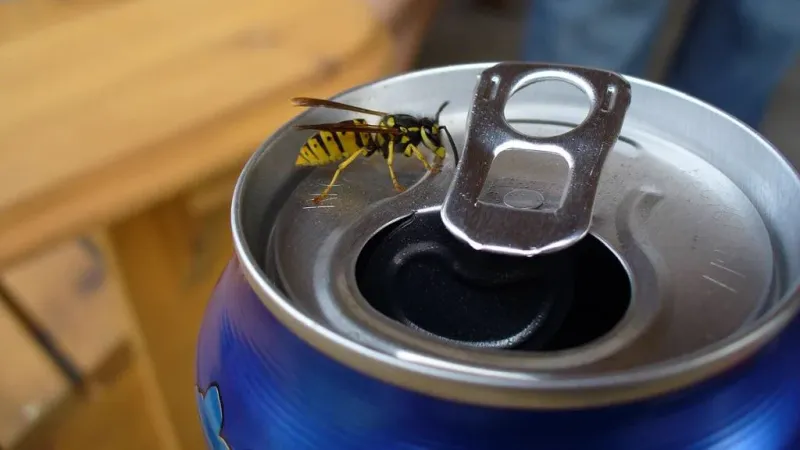
Picture a cold can of cola sweating on the patio table while you run inside for chips. By the time you return, a striped guest may have crawled right inside the opening.
Soda, juice, lemonade, sweet tea, and even beer are magnets for these sugar lovers in the fall. Their sense of smell is sharp enough to find a spilled drink from surprisingly far away.
Insects hiding inside open cans can cause painful mouth and throat stings. A sting inside the throat can cause swelling, which can become a real medical emergency.
Call emergency services right away if anyone develops hives, facial swelling, dizziness, or trouble breathing after a sting.
Kids are especially at risk because they often gulp drinks quickly without looking first. Teach little ones to peek into cups and cans before every single sip outdoors.
Clear cups with lids and straws are a smart swap for open cans at backyard parties. You can easily see if anything has landed in your drink before it reaches your lips.
Spills matter too, even tiny ones on the deck, porch, or patio stones. Rinse sticky spots with a hose right away so the sweet scent does not linger.
Empty cans and bottles in a recycling bin also draw a crowd if they are not rinsed. A quick splash of water before tossing them helps a whole lot.
Try setting up a drink station indoors or in a shaded spot away from where people sit. Guests can still sip happily while the buzzing crowd stays far from the fun zone.
4. Greasy Grills Cooling On The Deck
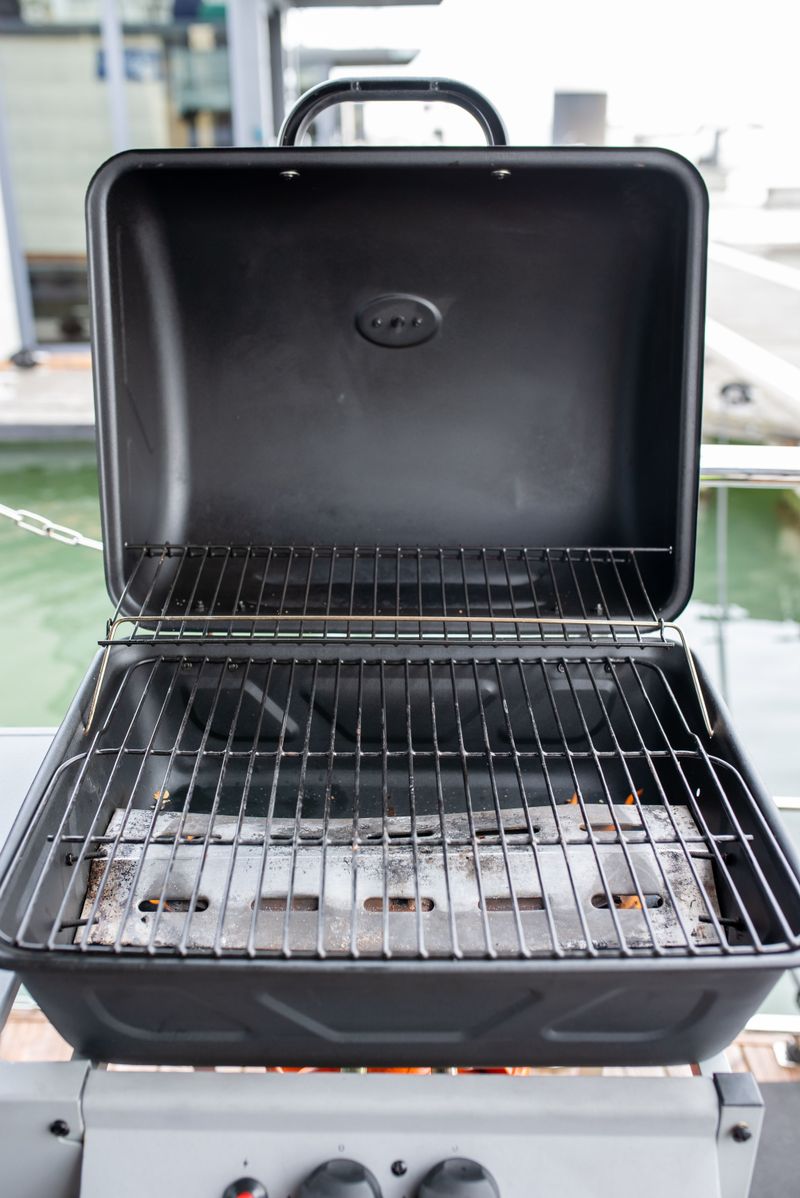
Burgers were a hit at the Labor Day cookout, but the grill is still throwing a party. Leftover grease and meat drippings smell like a free meal to hungry foragers.
Yellow jackets in particular love protein, and they are known for boldly snatching bits of meat. Hornets occasionally join in, since both carry chewed-up food back to feed their colony.
Grease traps, drip pans, and dirty grates hold onto that smoky smell for days. Even a grill with the lid closed can leak enough scent to bring in visitors.
Here is a handy trick many grill fans swear by. Once you finish cooking, crank the heat up for ten to fifteen minutes to burn off leftover bits.
After the grates cool a little, scrub them with a sturdy grill brush. Then empty the grease cup or drip tray into a sealed container before tossing it.
Pouring grease on the ground or into the grass is a big mistake. That greasy patch will keep attracting insects and can also bring ants, raccoons, and curious dogs.
Wipe down nearby tables, grill tools, and serving platters after every cookout. Sauce splatters and meat juices on the deck can be just as tempting as the grill itself.
While food is cooking, keep platters covered with mesh domes or foil. A covered plate of hot dogs is much less likely to attract a striped thief.
A grill cover adds one more layer of protection between meals. Your burgers will taste better without a buzzing audience hovering over your shoulder.
5. Pet Food Lingering In The Bowls
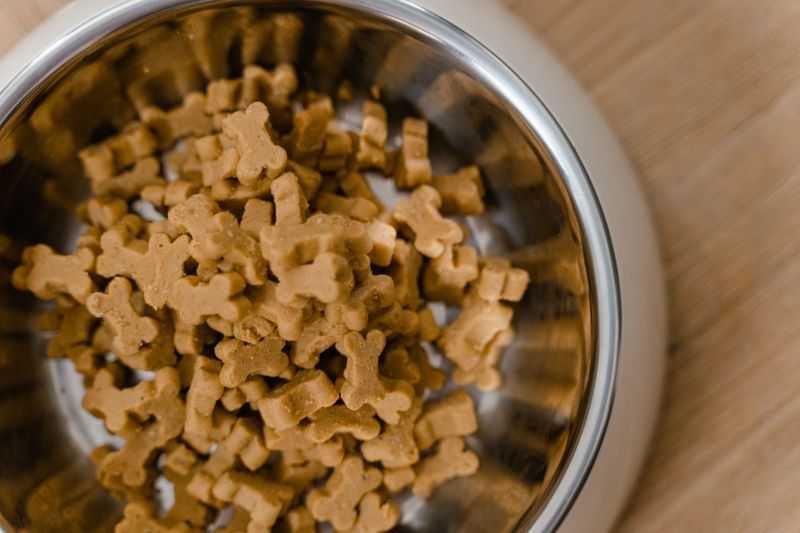
Your dog may happily share a bowl with a buzzing stranger, but you probably should not let it. Kibble and wet food left outside are a surprise bonus meal for protein-hungry insects.
Wet cat and dog food is especially appealing because it smells strong and stays moist. A bowl of canned food on the porch can draw a crowd within minutes.
The bigger worry is your pet getting stung on the nose, lips, or inside the mouth. Curious pups often snap at buzzing bugs, which can lead to painful, scary swelling.
Some animals, like some people, can have serious allergic reactions to stings. Watch for heavy swelling, hives, drooling, vomiting, weakness, collapse, or trouble breathing, and call your vet quickly if you see them.
Feeding pets indoors is the easiest way to avoid the whole problem. If your pet must eat outside, serve meals at set times and remove the bowl after twenty minutes.
Rinse bowls after each meal so no greasy film or crumbs stay behind. Store bags of kibble in airtight bins, since torn bags in the garage can attract visitors too.
Water bowls deserve a quick look as well, especially if they sit in the warm sun. Thirsty insects stop by for a drink, and pets may lap them up by accident.
Bird feeders with suet or fruit can bring similar trouble, so place them away from patios. Your furry friends deserve a peaceful dinner without a striped party crasher at the table.
6. Late Flowers Blooming In The Garden
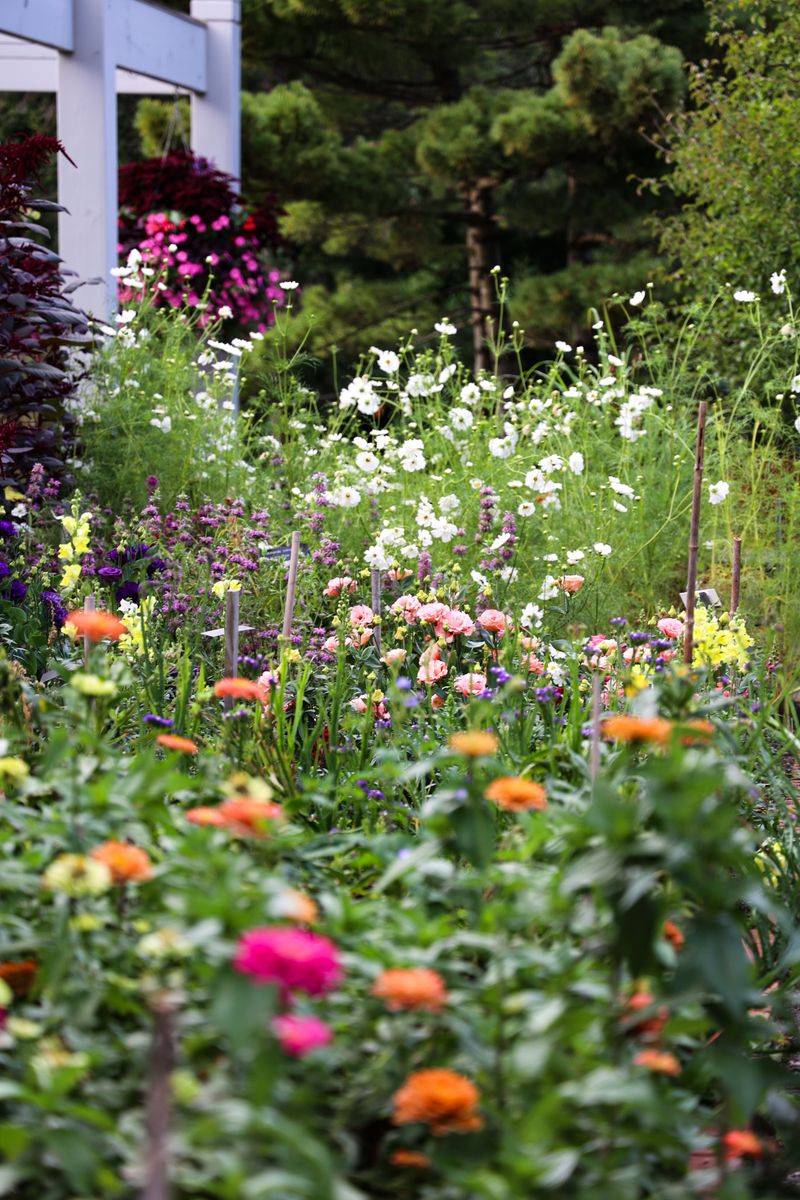
Goldenrod glowing along the fence and asters dotting the garden make September feel like a painting. Those bright blooms also serve as one of the last reliable snack bars of the year.
As summer flowers fade, foragers of all kinds crowd around whatever nectar is left. Yellow jackets and hornets happily join the bees, butterflies, and beetles for a sip.
Plants like goldenrod, sedum, ivy, and mint flowers are especially popular with them. Overripe squash and melons left on the vine can pull in visitors as well.
Before you rip out every flower, remember that these insects do some good. Many of them pollinate plants and eat garden pests like caterpillars and flies during summer.
The goal is balance, not a bare yard. Keep the busiest flower beds a comfortable distance from doors, decks, and places where kids play.
Planting sweet-smelling bloomers in the back corners of the yard gives foragers a spot to hang out. Meanwhile, the areas near your house stay calmer and easier to enjoy.
Wear light-colored clothes when gardening, since dark colors and floral prints can draw extra attention. Skip strong perfumes, scented lotions, and fruity shampoos before heading out to weed.
Try working in the garden early in the morning when foragers are slower and less active. Move calmly around busy blooms, because swatting only makes a buzzing insect feel threatened.
Did you know that goldenrod often gets blamed for fall allergies? The real culprit is usually ragweed, while goldenrod simply feeds hungry pollinators and a few striped freeloaders.
7. Sticky Honeydew Coating The Shrubs
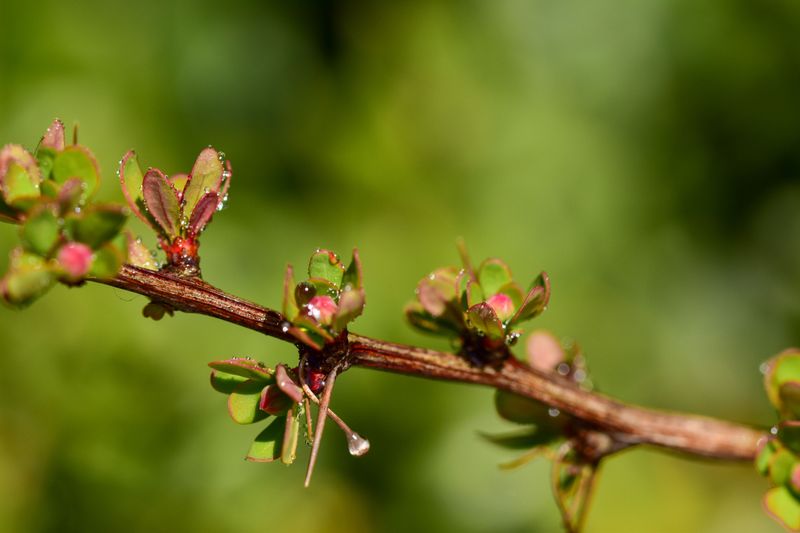
Ever touched a leaf and found it oddly sticky, like someone spilled syrup on it? That shiny goo is called honeydew, and where it comes from is a little gross.
Honeydew is sugary waste left behind by aphids, soft scale insects, mealybugs, and whiteflies. These tiny pests suck sap from plants and release the extra sugar onto leaves below.
Yellow jackets and hornets find honeydew irresistible, especially in late summer and fall. Trees like maples, oaks, and lindens, along with roses and crepe myrtles, often get coated.
You might also spot a black, sooty mold growing on the sticky surfaces. Cars parked under drippy trees can end up with a speckled, gummy windshield too.
Grab a magnifying glass and check the undersides of leaves for clusters of tiny bugs. Aphids often look like little green, black, or white dots packed tightly together.
A strong spray of water from the hose knocks many aphids right off the plant. For stubborn groups, insecticidal soap or neem oil works well on smaller shrubs.
Ladybugs and lacewings are natural helpers that gobble up aphids by the hundreds. Avoid harsh sprays that could harm these friendly garden guards along with the pests.
Here is a fun twist: some ants actually farm aphids like tiny cows to collect honeydew. Controlling ants on your shrubs can help shrink the aphid herd over time.
Once the sticky coating fades, your shrubs lose much of their sugary appeal. That means fewer buzzing visitors patrolling the hedges every time you walk to the mailbox.
8. Leaky Hoses Dripping By The House
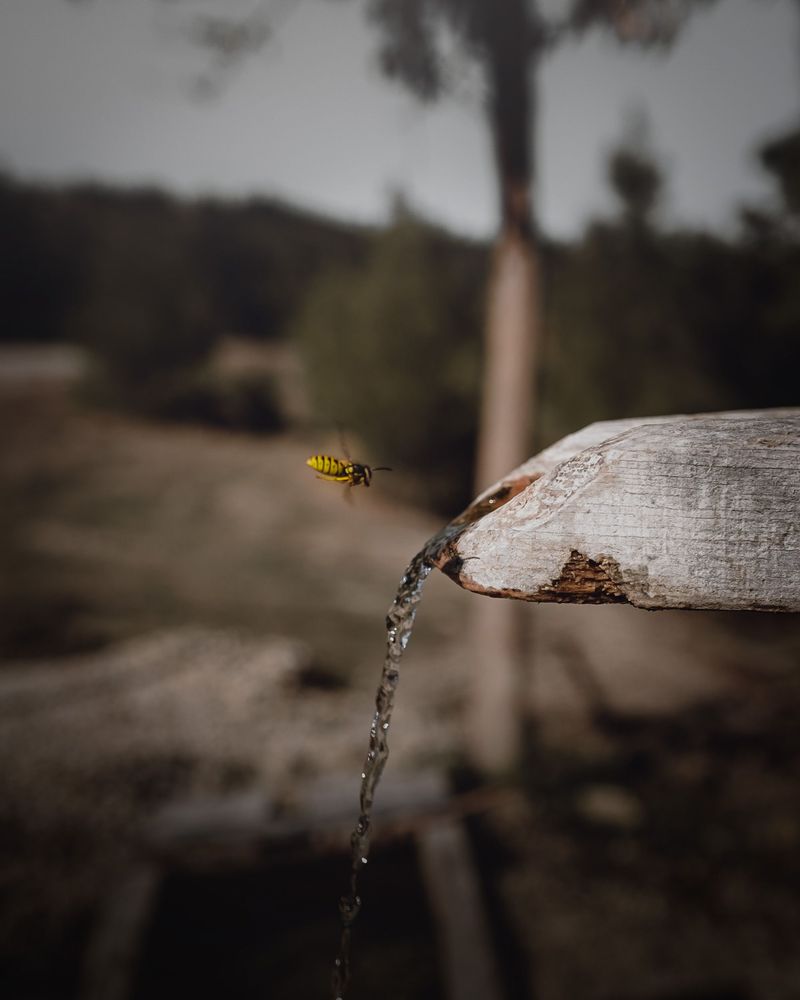
Water might seem harmless, but a slow drip can turn into a busy watering hole. Warm September afternoons leave insects thirsty, and they need water to cool their nests.
Workers carry droplets home and spread them over the paper nest, then fan their wings. The result works a lot like a tiny air conditioner for the growing colony.
Some species may also collect water while shaping chewed wood fibers into their papery nests. A reliable drip near your house gives foragers a reason to keep coming back.
Walk around your home and look for leaky spigots, cracked hoses, and dripping outdoor faucets. A new washer or hose connector costs very little and can stop most drips fast.
Check air conditioner drain lines, too, since they often leave puddles along the foundation. Clogged gutters that hold water are another sneaky spot for thirsty visitors.
Birdbaths, kiddie pools, and fountains can also become popular stops. Refresh birdbaths often and empty small pools when nobody is using them.
Pool owners might notice insects landing on the water or crawling along the edges. Skim the surface regularly, and be careful when swimming near floating visitors that can still sting.
Water your garden in the early morning so the soil soaks up moisture before afternoon heat. Puddles that dry quickly give foragers less reason to hang around your patio.
Fixing a leak also saves water and lowers your bill, which is a pretty nice bonus. Your wallet and your peaceful porch will both thank you before the first frost arrives.