Fall Prevention For Next Year’s Pest Problem In Indiana
September in Indiana smells like wet leaves, woodsmoke, and that first sharp chill sneaking in after sunset. Something else is stirring too, quietly settling into every pile of leaves and fallen fruit.
Fruit trees loaded with the last of the season hang there like nothing is coming. One frosty night can undo a whole summer of watering and fussing in a matter of hours.
Neighbors are already hauling bags of leaves and muttering at the gray sky like it owes them an apology. Nobody realizes what’s tucked away under all that debris, waiting for warmer days.
Some parts of the orchard can wait until spring without any trouble at all. Others need attention right now, before the ground freezes over completely.
A little effort this month saves a mountain of headaches by the time the snow melts. That tree in the corner is still convinced summer never ended.
Fallen Debris As A Pest Hideout
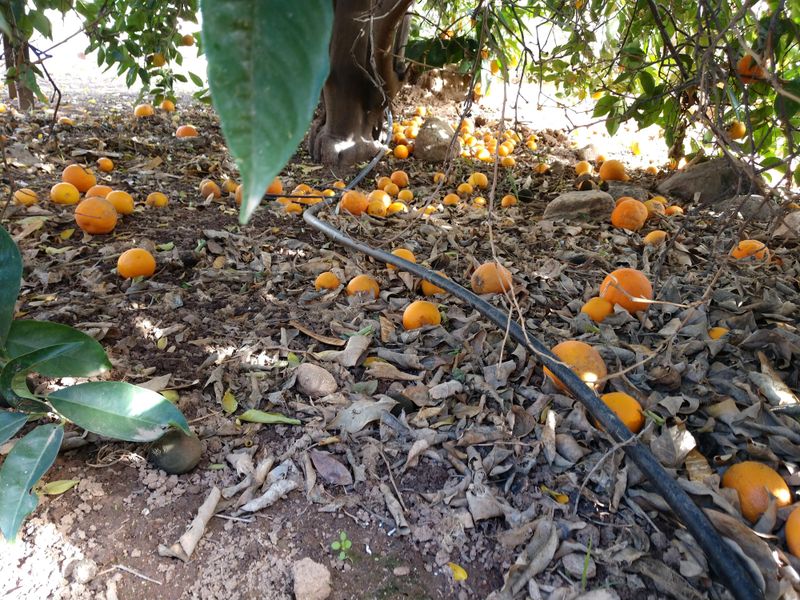
Picture a cozy motel hidden under your apple tree, complete with free rent and snacks until April. That motel is actually the pile of mushy fruit and soggy leaves sitting right on the ground.
Codling moth larvae crawl out of fallen apples and spin cocoons in bark cracks or leaf litter nearby. Plum curculio adults also tuck themselves under debris to wait out the Indiana winter.
Diseases love the very same hideout, which surprises plenty of first-time backyard fruit growers. Apple scab spores ride out the cold on fallen leaves, then blast into the air with spring rain.
Brown rot is another sneaky one, turning forgotten peaches and plums into shriveled little mummies. Those mummies keep releasing spores next year, right when fresh blossoms open.
Here’s a fun fact that sounds a bit like science fiction from an old movie. A single scab-infected leaf can release thousands of spores during one wet April morning.
Indiana winters are cold, but a thick blanket of leaves acts like insulation for these troublemakers. Snow piled on top only makes their little hideout warmer, darker, and safer.
Start watching the ground under your trees this September as the first ripe fruit begins to drop. Every mushy apple you notice now is one less problem waiting for you in May.
Think of it as detective work with a rake instead of a magnifying glass. Once you know exactly where the villains hide, sending them packing gets much, much easier.
Clearing The Ground Beneath Every Tree
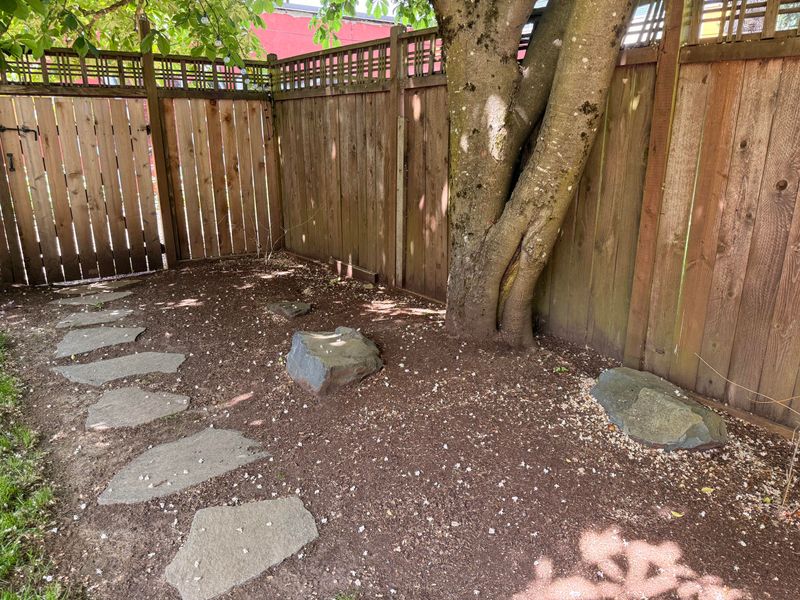
Grab your rake and some gloves, because the best fall pest control in Indiana costs almost nothing. Clearing away fallen fruit and leaves removes the winter hideouts that pests are counting on.
Start with the fruit, since it rots quickly and draws yellowjackets looking for a sugary snack. Try to pick up drops every few days in September instead of waiting for one giant cleanup.
Leaves come next, usually from mid-October through early November as Indiana trees finish shedding. Rake out to the drip line, which is the area right under the outer branch tips.
Your Indiana Garden Changes Every Week. Your Plan Should Too.
Gardening in Indiana changes quickly throughout the season. Every Friday you’ll receive a simple weekly plan showing exactly what to plant, prune, fertilize, harvest, and protect so you never miss the right timing.
Please don’t toss diseased leaves or wormy fruit into your home compost pile. Most backyard piles simply don’t get hot enough to destroy scab spores or insect larvae.
Bag them for yard waste pickup, or bury them at least a foot deep in a garden corner. Many Indiana towns also run curbside leaf collection programs through late November.
Want a clever shortcut for dealing with piles of scabby apple leaves? Run the mower over them first, which shreds the leaves and helps them break down much faster.
Pull mulch back a few inches from each trunk while you’re already down there working. Mulch piled against bark gives voles and mice a hidden spot to chew all winter.
It might feel like a boring chore, but one hour of raking beats a whole summer of spraying. Your trees will start next spring with a clean slate and fewer uninvited guests.
A Dormant Oil Spray Timed For Late Fall
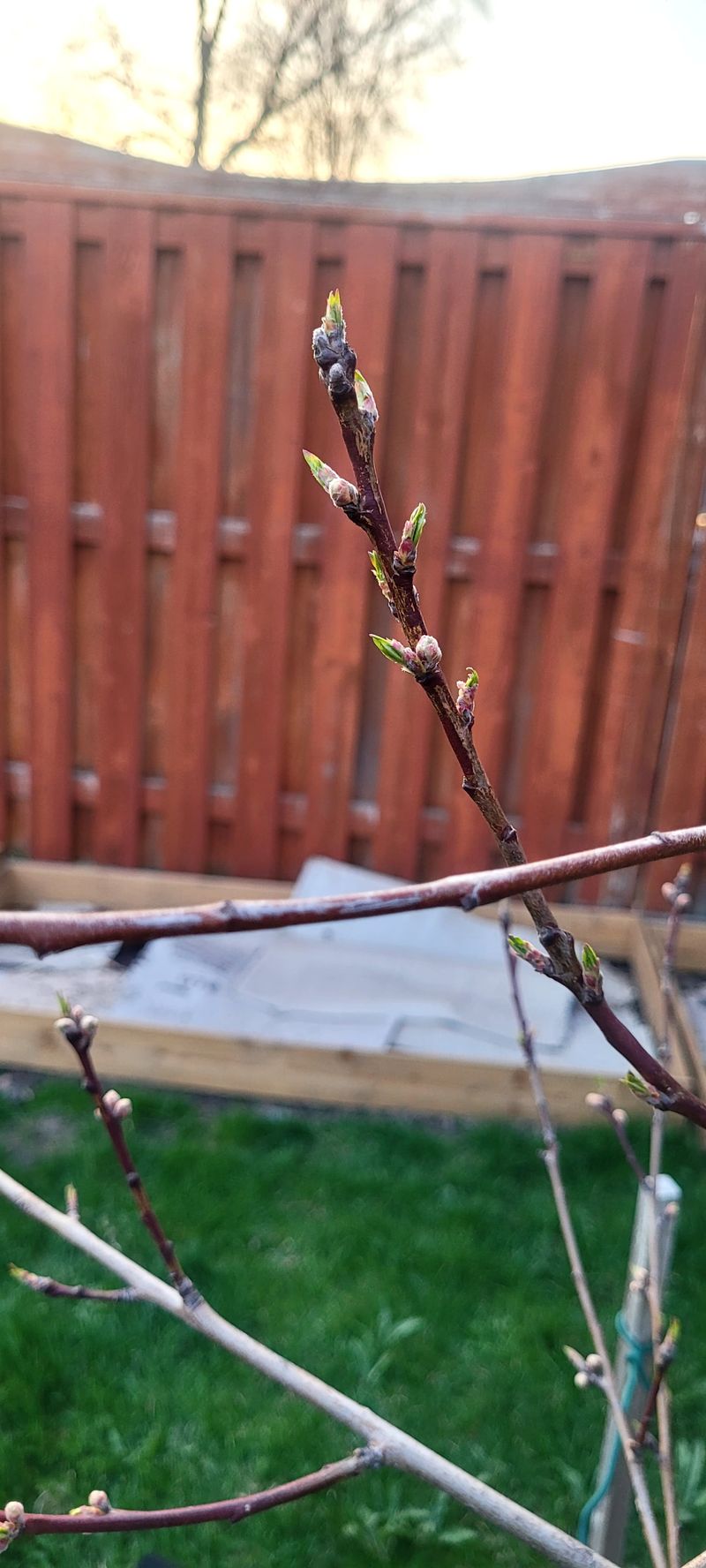
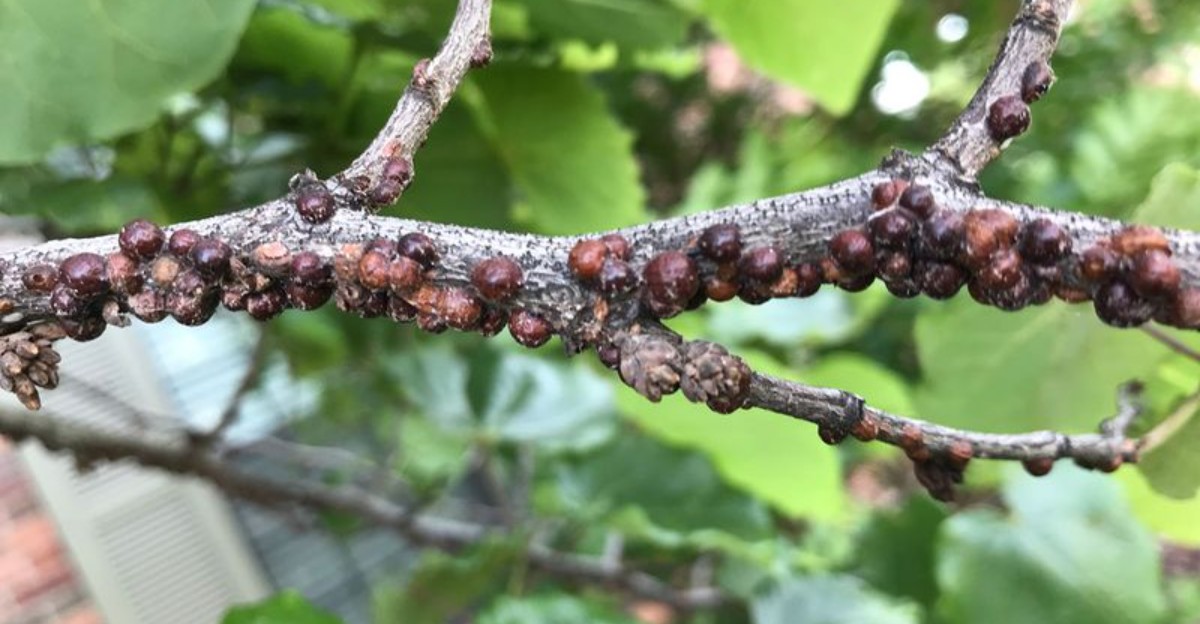
Horticultural oil works a lot like smothering a birthday candle flame with a glass jar. The thin coating blocks the tiny breathing holes of scale insects, mite eggs, and aphid eggs.
Most gardeners think of dormant oil as a late-winter job, and that’s still the main window. A late fall spray, though, can knock back pests that settled in before cold weather.
Timing matters more than almost anything else with this particular treatment. Wait until your trees drop their leaves, usually in November for much of Indiana.
Check the forecast before you mix a single drop. Temperatures should stay above 40 degrees for at least 24 hours, with no rain or freezing on the way.
Oil sprayed right before a freeze can damage bark and buds instead of protecting them. A calm, sunny afternoon gives the coating time to dry and work properly.
Coat every surface, including trunks, branch crotches, and the undersides of limbs where scale likes to cluster. A pump sprayer with a long wand makes reaching tall branches much easier.
Read the label carefully, since some products need a different mix rate for fall use. Skip spraying if you’ve applied sulfur fungicide within the past month, because the combo can burn tissue.
A fun history bit: early orchard growers used whale oil and kerosene for this job. Today’s refined oils are far safer and gentler on the trees themselves.
Store leftover oil in a spot that stays above freezing all winter. Cold can separate the mixture and ruin it before spring.
Trunk Protection Against Winter Damage
Rabbits get hungry in January, and a young apple tree looks like a free candy bar. One night of nibbling can strip bark all the way around a skinny trunk.
That damage, called girdling, cuts off the flow of water and nutrients to the whole tree. Voles cause the same trouble, chewing low near the soil line under snow cover.
Cold can hurt bark too, especially on young trees with thin, smooth trunks. Sunscald happens when winter sun warms the bark on bright days, then nighttime temps plunge.
Southwest-facing sides suffer the most damage, since afternoon sun hits them hardest. The result is cracked, peeling bark that invites borers and disease the following season.
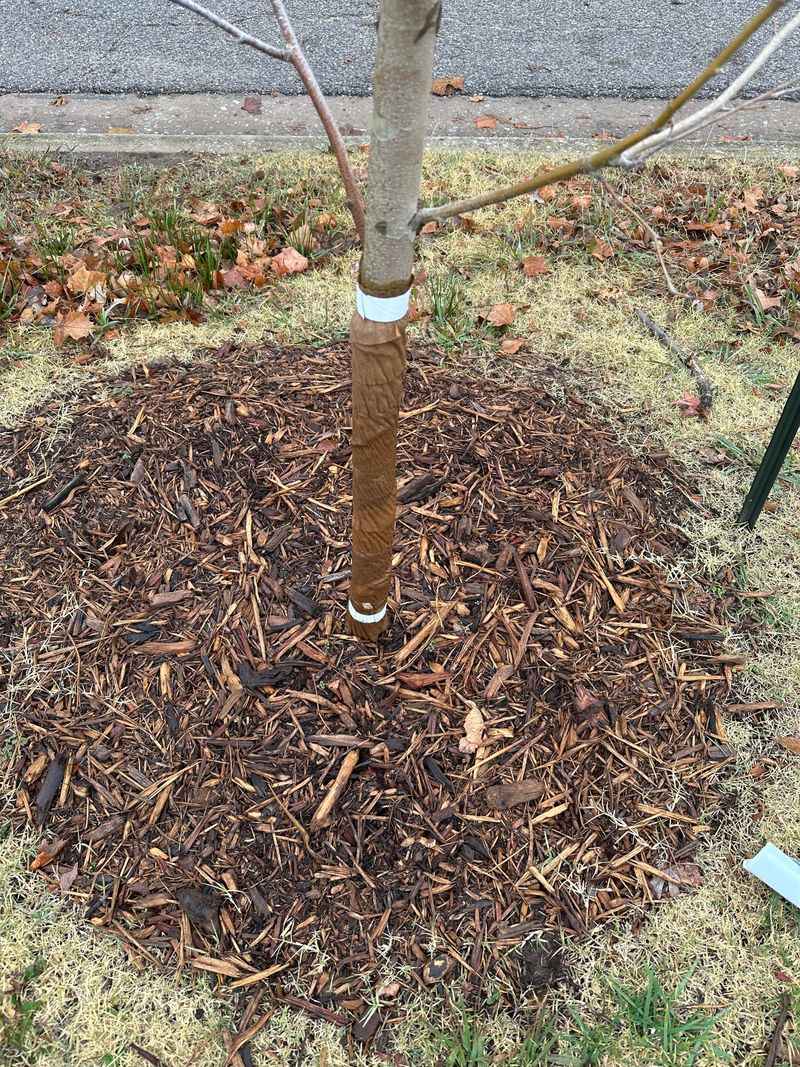
Plastic spiral guards or hardware cloth cylinders make an excellent barrier against chewing critters. Choose quarter-inch mesh and stretch it at least 18 inches above your expected snow line.
Push the bottom edge a couple of inches into the soil so voles can’t tunnel underneath. Leave a little breathing room between the guard and the bark for airflow.
For sunscald, light-colored tree wrap or a coat of white latex paint reflects harsh winter sunlight. Mix the paint half-and-half with water so it spreads thin and easy.
Put guards on in late October or early November, after the tree has hardened off. Remove paper wraps in spring, because they can trap moisture and hide insects.
Think of it as tucking your trees into bed for the winter. Rabbits might grumble, but your orchard will wake up in great shape.
Pruning Cuts Best Left Until Late Winter
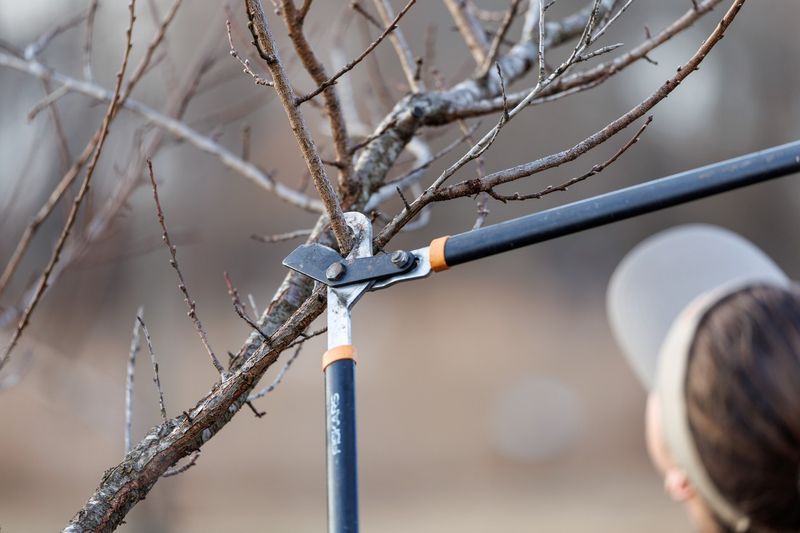
Ever get the urge to tidy up a messy tree while the fall weather feels so pleasant? Put the loppers down for now, because autumn pruning can backfire badly.
Cutting branches in fall signals the tree to push out tender new growth. That soft growth has no time to toughen up before the first hard freeze arrives.
Fresh wounds also heal slowly once temperatures drop and the tree slows down for winter. Open cuts become easy entry points for canker diseases and wood-boring insects.
Late winter, from about mid-February through March in Indiana, is the sweet spot. Trees are still dormant, but spring is close enough for wounds to seal quickly.
Bare branches make the job easier too, since you can see the whole shape clearly. Crossing limbs, crowded centers, and water sprouts stand out without leaves in the way.
There is one handy exception worth knowing about during the fall months. Broken, cracked, or clearly diseased branches should come off right away, no matter the season.
Fire blight cankers on apples and pears are a good example of something to remove promptly. Cut at least eight inches below the visible damage and clean your tools afterward.
Wipe blades with a disinfecting solution between cuts to avoid spreading germs from branch to branch. Sharp pruners make cleaner cuts, so sharpen them this fall while you wait.
My grandfather kept his pruning saw hanging by the back door all winter like a promise. Come March, he’d take it down with the same excitement most folks save for fishing season.
A Fall Checklist Against Spring Pests”
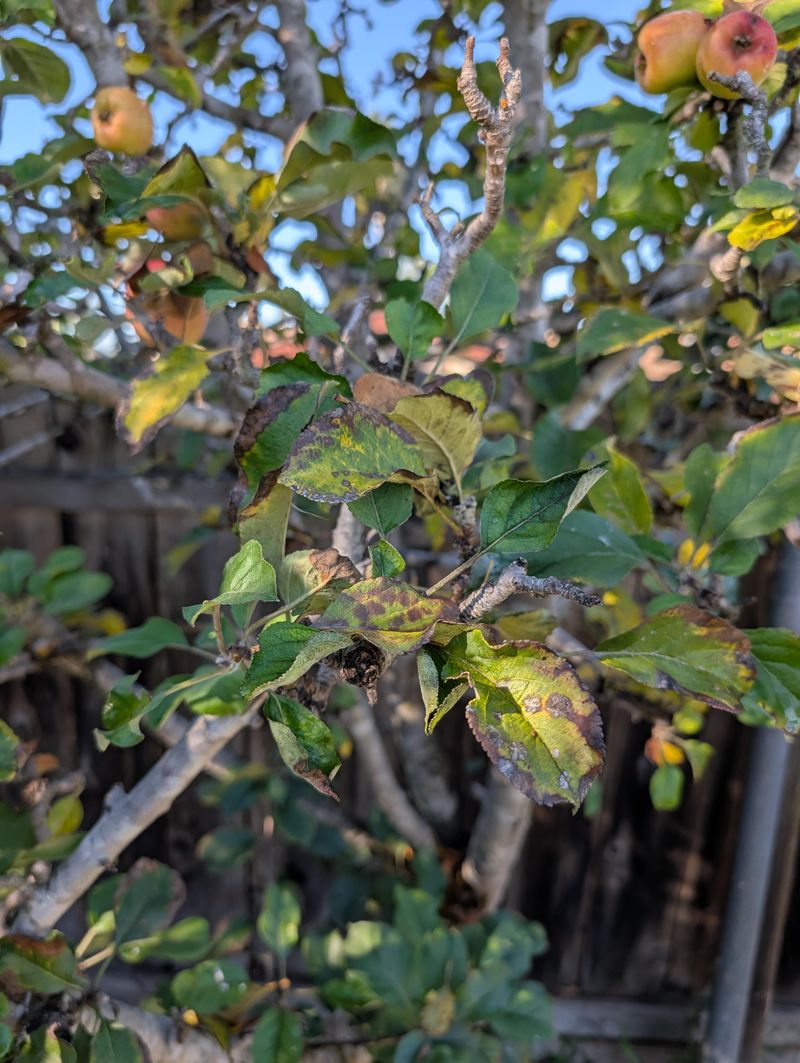
Imagine two neighbors on the same Indiana street, each with a pair of apple trees. One spends a Saturday in October cleaning up, while the other decides to wait.
By May, the first neighbor sees clean leaves, healthy blossoms, and busy bees buzzing around. The second neighbor spots olive-green scab spots and tiny holes in young fruit.
Come July, the difference gets even clearer and a lot more frustrating. One yard is full of wormy, spotted apples, while the other has fruit worth bragging about.
Spring problems tend to snowball, since pests and diseases multiply quickly in warm weather. Fixing them often means repeated sprays, extra money, and plenty of sore arms.
Fall prevention works differently, because you’re stopping trouble before it starts. A few hours of raking, spraying, and wrapping replaces weeks of scrambling later on.
Make a simple checklist and tape it inside your garage door this September. Include fruit cleanup, leaf removal, trunk guards, and a reminder about late-fall oil.
Spread the tasks out over several weekends so none of them feel overwhelming. Pair the work with a mug of warm apple cider, and it almost feels like a fall festival.
Here’s a surprising fact to chew on for a moment. Good sanitation alone can significantly reduce apple scab infections, according to Purdue Extension.
They also offer free fruit tree resources that fit Indiana’s climate well. Their advice can help you plan each step without guessing or wasting time.
Your trees can’t say thank you, but a basket of crisp, clean apples comes pretty close. That reward makes the fall effort feel worth it.