12 Things That Can Get You Fined For Leaving Them In Your Texas Garden
Your backyard might seem like your personal space where you can do whatever you want without anyone telling you otherwise or judging you.
However, Texas has specific rules about what you can and cannot leave sitting around in your garden or outdoor areas permanently.
Violating these regulations can result in hefty fines from your city or county, so knowing what to avoid is important.
This guide will help you understand what items could get you into trouble if left unattended in your Texas garden space.
1. Discarded Furniture
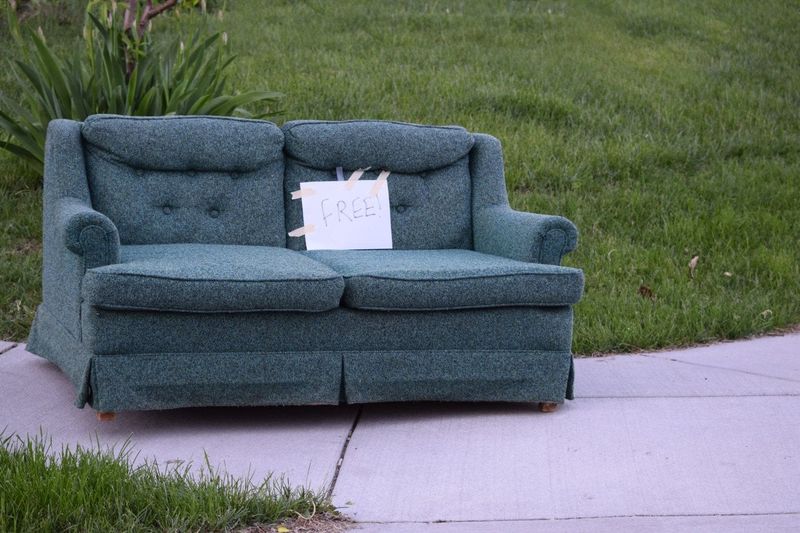
That old couch you dragged outside last spring might seem harmless, but Texas cities consider outdoor furniture storage a serious code violation.
Most municipalities classify abandoned furniture as unsightly debris that reduces neighborhood property values and creates potential health hazards for surrounding residents.
Upholstered items left outdoors quickly become breeding grounds for mosquitoes, rodents, and other pests that cause problems for entire communities.
Rain and humidity cause mold growth that releases spores into the air, potentially affecting neighbors with respiratory issues or allergies nearby.
Cities like Houston, Dallas, and Austin have specific ordinances prohibiting furniture storage in visible outdoor areas for extended periods of time.
Fines typically start around two hundred dollars but can escalate quickly if you ignore warnings from code enforcement officers repeatedly.
Even patio furniture designed for outdoor use must be maintained properly and cannot be left in disrepair or broken condition.
Rusted metal frames, torn cushions, and splintered wood all count as violations under most Texas municipal codes for residential properties.
If you need to dispose of old furniture, contact your local waste management department to schedule a bulk pickup appointment.
Many Texas cities offer free or low-cost furniture disposal services several times per year for residents in their service areas.
2. Junk Or Scrap Materials
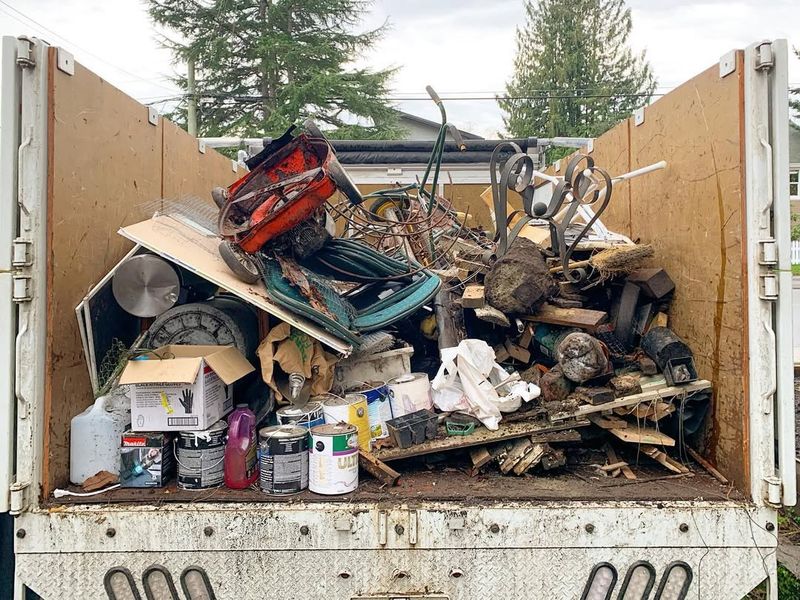
Random piles of scrap materials might not bother you personally, but your neighbors and local code enforcement officers definitely notice them.
Texas property codes specifically target accumulations of junk that create eyesores and attract unwanted wildlife to residential neighborhoods throughout the state.
Scrap metal, broken tools, old lumber, and miscellaneous debris all fall under the category of prohibited materials in most jurisdictions.
These items can harbor dangerous creatures like snakes, spiders, and scorpions that pose risks to children and pets playing nearby.
Code enforcement officers have authority to issue citations after receiving complaints from neighbors or during routine neighborhood inspections in your area.
Initial fines usually range from one hundred fifty to three hundred dollars depending on the severity of the violation observed.
Repeated violations can result in daily fines that accumulate quickly, potentially costing thousands of dollars over just a few short weeks.
Some cities even have authority to enter your property and remove junk materials, then bill you for the cleanup costs.
Preventing violations is simple: regularly clear your yard of unnecessary items and dispose of scrap materials through proper recycling or waste channels.
Many scrap yards will even pay you for certain metals, turning your potential fine into a small profit instead.
3. Unused Appliances
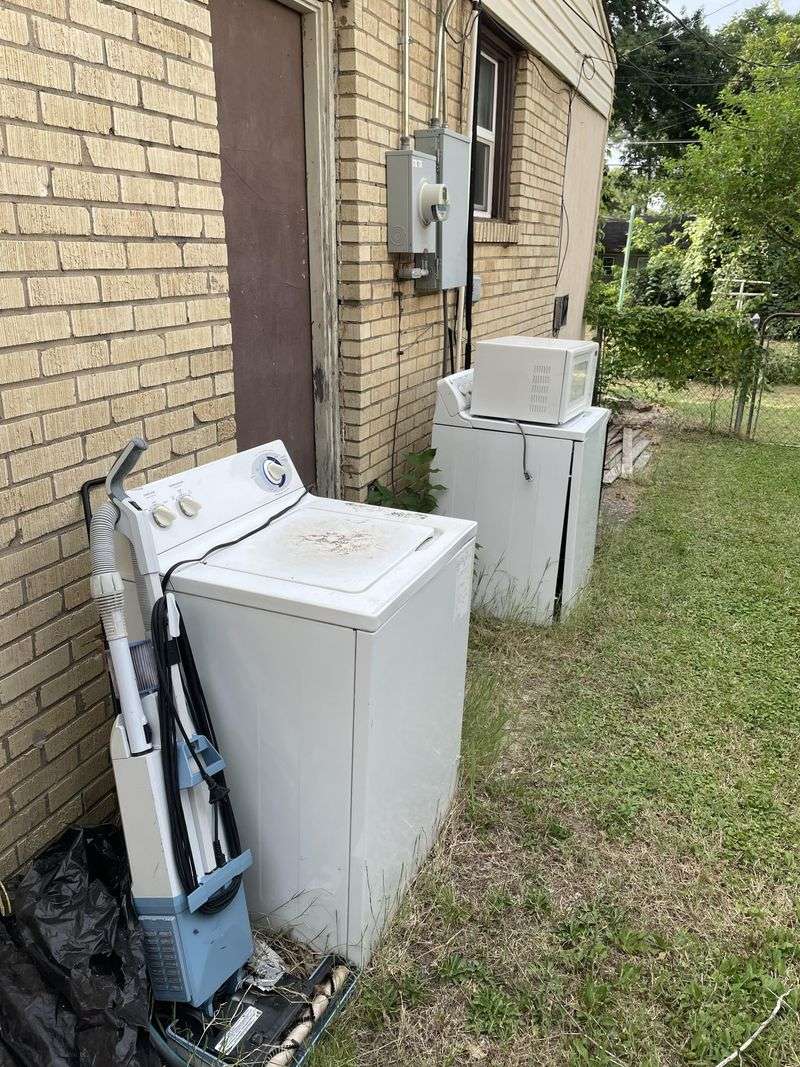
Storing that broken refrigerator or washing machine in your backyard seems convenient, but Texas law treats abandoned appliances as hazardous waste.
Old appliances contain refrigerants, oils, and other chemicals that can leak into soil and groundwater, creating environmental contamination in residential areas.
Beyond environmental concerns, appliances pose serious safety risks to children who might climb inside and become trapped in dangerous situations.
Refrigerators and freezers are particularly dangerous because their latching mechanisms can trap people inside, leading to suffocation or heat-related emergencies.
Most Texas cities require appliances to be stored indoors or in enclosed structures not visible from the street or neighboring properties.
Visible appliance storage typically results in fines starting around two hundred fifty dollars for first-time offenders.
Code enforcement officers often issue immediate citations for appliances with doors still attached because of the extreme safety hazard they present.
Some jurisdictions require door removal within twenty-four hours of receiving notice or face additional fines and legal action.
Proper disposal is easier than you think: many appliance retailers offer free haul-away services when you purchase replacements.
Utility companies and recycling centers also run periodic collection events where old appliances can be dropped off for free.
4. Open Trash Or Garbage Bags
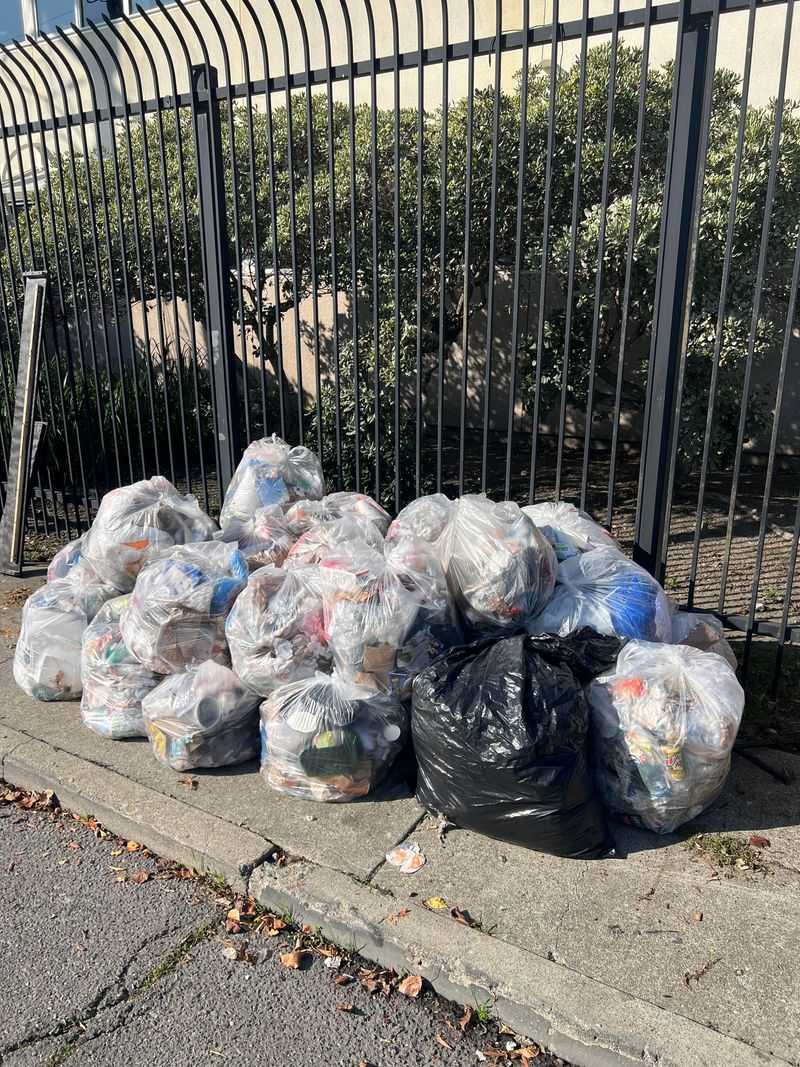
Leaving garbage bags exposed in your garden creates multiple problems that extend far beyond just looking messy to passing neighbors.
Open trash attracts raccoons, possums, rats, and stray animals that tear bags apart and scatter waste throughout your yard and street.
These animals can carry diseases like rabies and leptospirosis that pose serious health risks to humans and domestic pets alike.
Rotting food waste also produces foul odors that drift into neighboring properties, prompting justified complaints to code enforcement authorities quickly.
Texas health codes require trash to be stored in sealed containers with tight-fitting lids to prevent pest access and odor issues.
Violations can result in fines ranging from seventy-five to two hundred dollars depending on your specific city or county regulations.
During hot Texas summers, exposed garbage becomes especially problematic as heat accelerates decomposition and attracts flies that breed rapidly.
A single bag of trash can produce thousands of flies within just a few days, creating neighborhood-wide pest problems quickly.
Invest in proper trash cans with secure lids and follow your city’s collection schedule to avoid these issues altogether here.
Most municipalities provide or subsidize trash containers for residents, making compliance easy and affordable for everyone in the community.
5. Accumulated Yard Waste
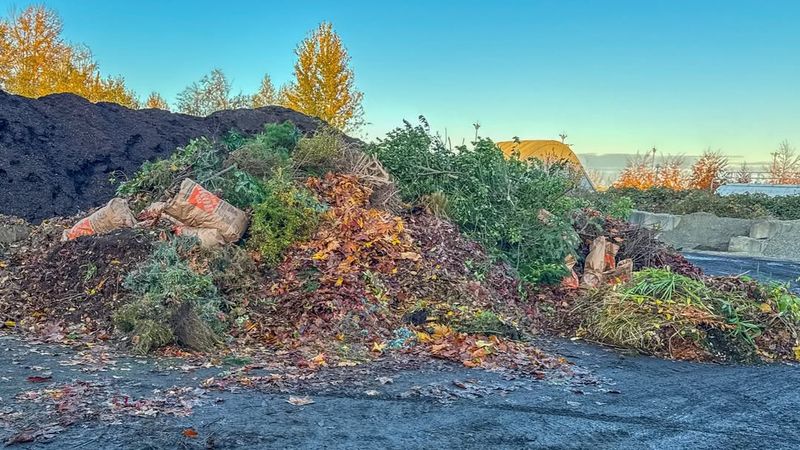
Grass clippings and leaves seem natural in a garden setting, but excessive accumulation violates Texas municipal codes in most areas.
Large piles of yard waste create fire hazards during dry seasons and become breeding grounds for mosquitoes when they retain moisture.
Decomposing organic matter attracts termites, carpenter ants, and other wood-destroying insects that can eventually migrate to your home’s structure.
The smell of rotting vegetation also draws flies and other pests that bother neighbors and reduce overall neighborhood quality significantly.
Most Texas cities limit yard waste piles to specific sizes and require regular removal through municipal collection services or composting programs.
Violations typically result in warnings first, followed by fines starting around one hundred dollars if you fail to comply promptly.
Some municipalities allow composting but require bins to be properly constructed and maintained according to specific guidelines outlined in local codes.
Improperly managed compost piles can generate the same problems as loose yard waste, resulting in citations and fines from authorities.
Take advantage of your city’s yard waste collection program, which usually runs weekly or bi-weekly throughout the growing season here.
Proper mulching mowers can also reduce grass clippings significantly, eliminating the need for collection and disposal while improving lawn health naturally.
6. Old Tires
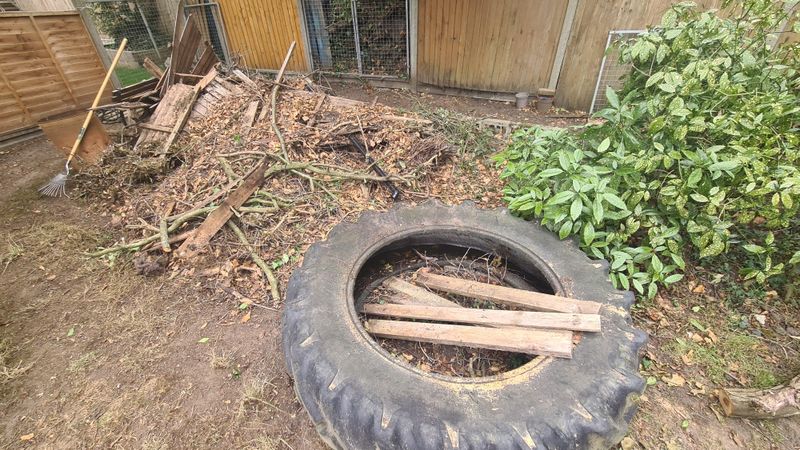
Those spare tires sitting behind your shed might seem insignificant, but they represent one of the most commonly cited violations statewide.
Tires collect rainwater in their hollow centers, creating perfect breeding habitats for mosquitoes that can carry West Nile virus and Zika.
A single water-filled tire can produce thousands of mosquitoes per week during warm months, affecting your entire neighborhood with biting pests.
Texas health departments take tire storage violations extremely seriously because of the direct link to mosquito-borne disease outbreaks in communities.
Most cities prohibit storing more than four tires outdoors unless they’re actively mounted on vehicles or stored in enclosed structures.
Fines for tire violations typically start around one hundred fifty dollars but increase substantially for larger accumulations of ten or more.
Tire fires are another major concern because burning rubber produces toxic smoke that poses severe health risks to anyone nearby.
Code enforcement officers can issue emergency citations requiring immediate tire removal if they determine a significant fire hazard exists currently.
Tire recycling is free or very inexpensive at most Texas waste management facilities and authorized collection centers throughout the state.
Many tire shops also accept old tires for disposal when you purchase new ones, making proper disposal convenient and accessible.
7. Standing Water Containers
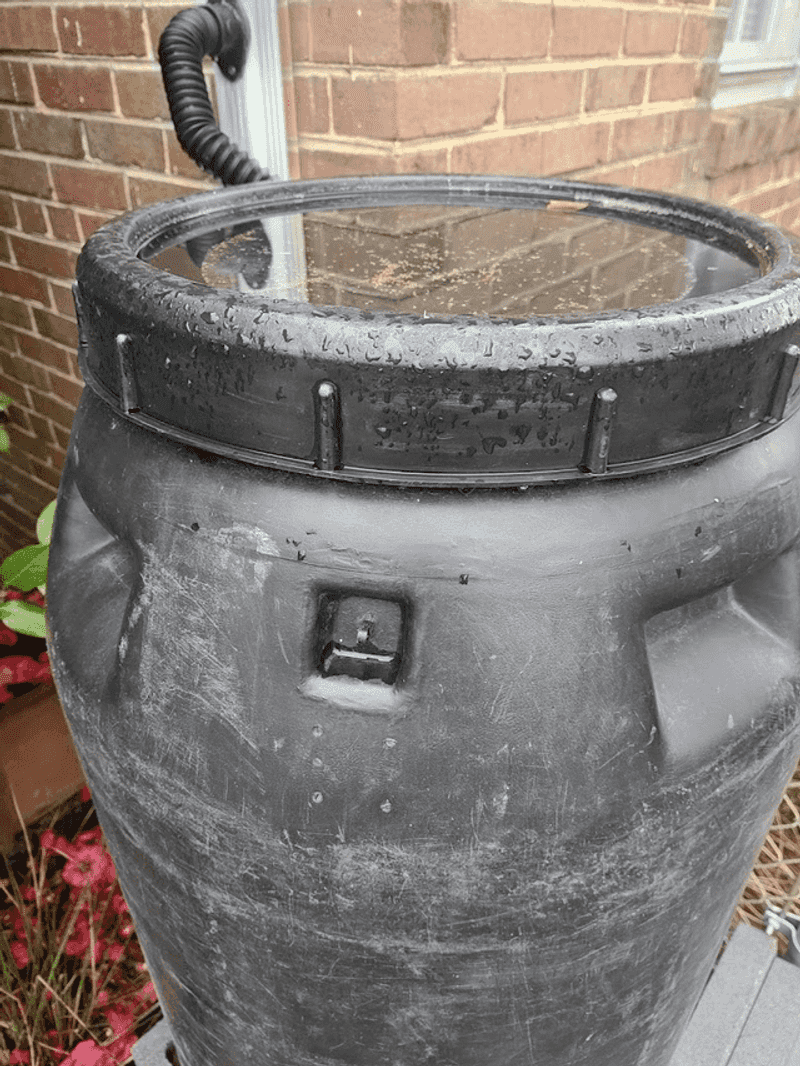
Buckets, barrels, and other containers holding stagnant water create serious public health concerns throughout Texas because of mosquito breeding potential.
Female mosquitoes lay eggs in standing water, and larvae develop into biting adults within just seven to ten days flat.
Even small amounts of water in bottle caps, plant saucers, or toys can support mosquito breeding during warm weather months here.
Texas cities have authority to inspect properties for standing water violations and issue citations to protect community health from disease.
Fines for standing water violations vary by municipality but typically range from one hundred to three hundred dollars for offenses.
Some cities issue warnings first, while others immediately fine property owners during active mosquito season from April through October annually.
Rain barrels used for water conservation must be properly screened and maintained to prevent mosquito access to the water inside.
Containers should be emptied weekly, covered with tight-fitting lids, or treated with mosquito control products approved by environmental authorities.
Health departments sometimes conduct neighborhood inspections during disease outbreaks and can require immediate correction of standing water problems found.
Failure to comply with correction orders can result in daily fines and potential legal action from city or county authorities.
8. Broken Fencing Or Structures
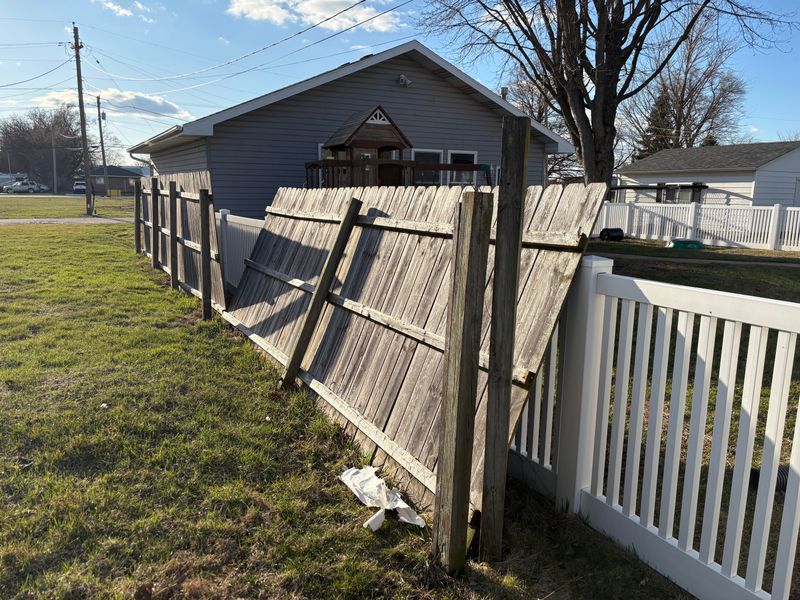
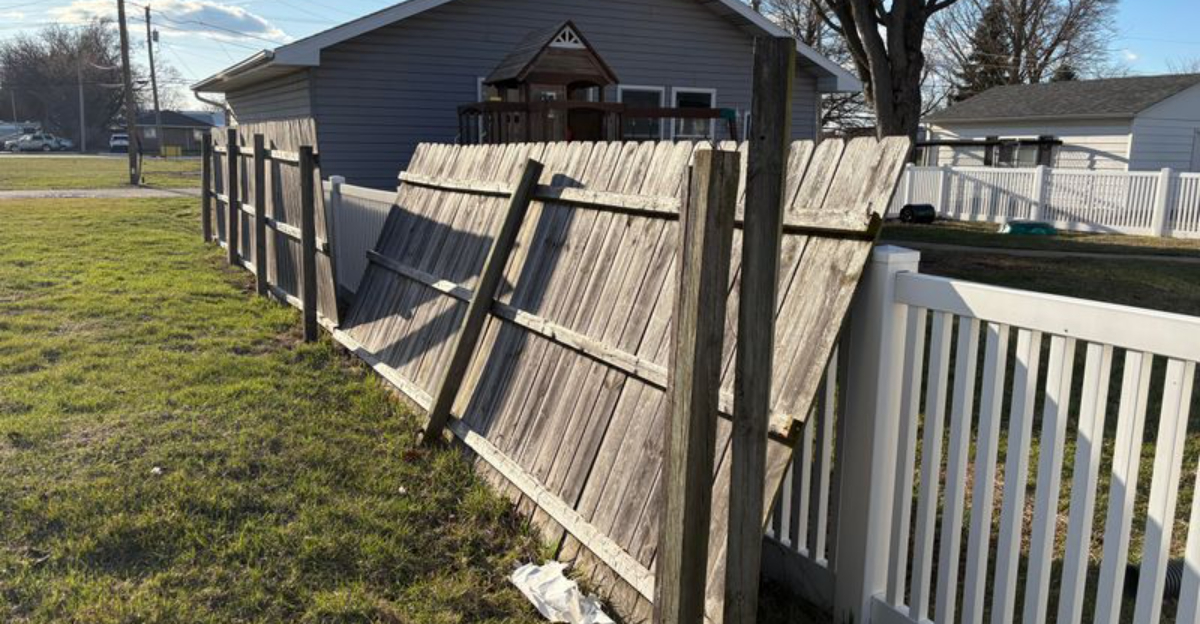
Fences serve important purposes for privacy and security, but broken or deteriorating fencing violates property maintenance codes throughout Texas.
Leaning posts, missing boards, and sagging sections create safety hazards and reduce property values for your entire neighborhood significantly here.
Sharp edges from broken wood or metal fencing can cause serious injuries to children, pets, and adults who accidentally contact them.
Gaps in damaged fencing also allow animals to enter or escape yards, creating liability issues if your pet injures someone.
Most Texas municipalities require property owners to maintain fencing in good structural condition or remove it completely from the property.
Code enforcement officers can cite violations after receiving complaints or during routine inspections, with fines typically starting around two hundred dollars.
Storm damage doesn’t exempt you from compliance requirements; cities usually allow reasonable repair timeframes but expect prompt action.
Leaving damaged fencing unrepaired for months will result in citations and escalating fines until you address the problem properly.
Repairing fencing promptly prevents minor damage from becoming major reconstruction projects that cost significantly more money over time here.
Many hardware stores offer affordable fencing materials, and basic repairs are manageable DIY projects for most homeowners.
9. Construction Debris
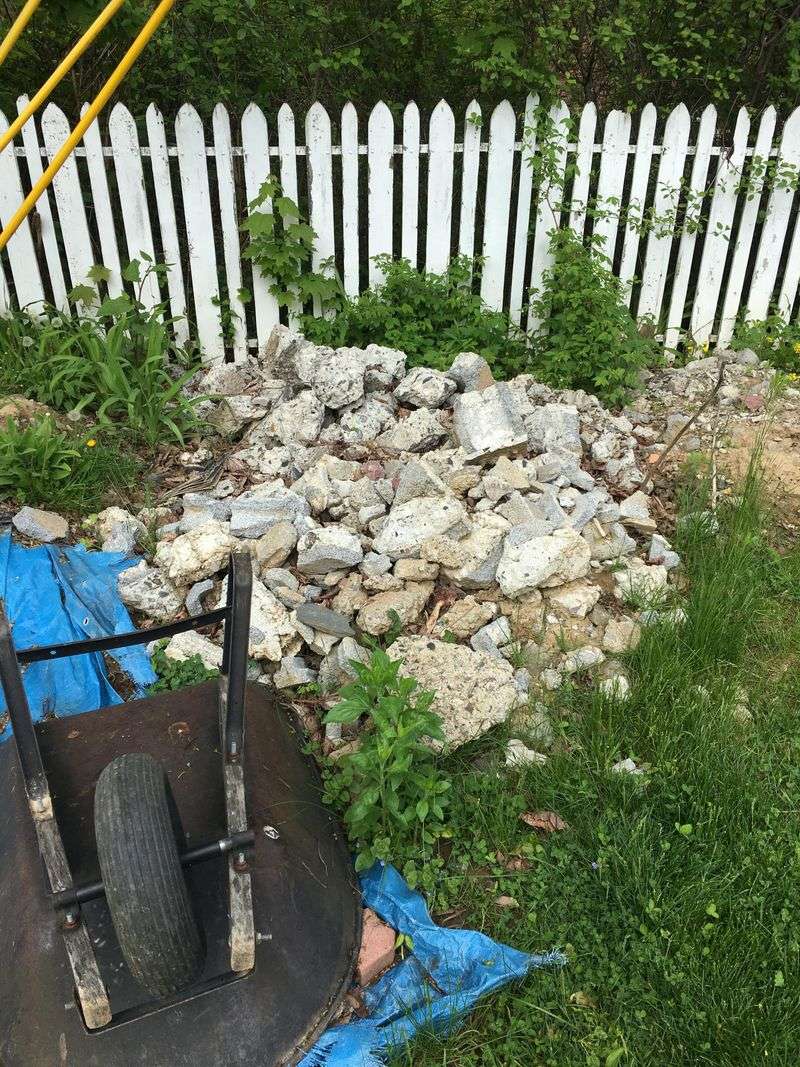
Home improvement projects generate waste, but leaving construction debris in your yard violates Texas property codes in virtually every municipality.
Lumber scraps, drywall pieces, concrete chunks, and other building materials create eyesores that neighbors notice and complain about regularly here.
Construction debris can contain nails, screws, and sharp edges that pose injury risks to people and animals walking through areas.
Heavy materials like concrete and masonry can also damage grass and landscaping if left sitting in place for extended periods.
Most cities require construction debris removal within a specific timeframe after project completion, typically ranging from three to fourteen days.
Contractors are usually responsible for debris removal, but homeowners face fines if waste remains beyond permitted timeframes.
Fines for construction debris violations generally start around one hundred fifty dollars and increase for larger accumulations or repeat offenses.
Some jurisdictions charge daily fines until debris is removed, potentially costing hundreds or thousands of dollars for lengthy violations.
Rent a dumpster or schedule bulk waste pickup through your municipal services to handle construction debris properly and legally here.
Many waste companies offer same-day or next-day dumpster delivery, making cleanup convenient even for large renovation projects.
10. Abandoned Vehicles Or Vehicle Parts
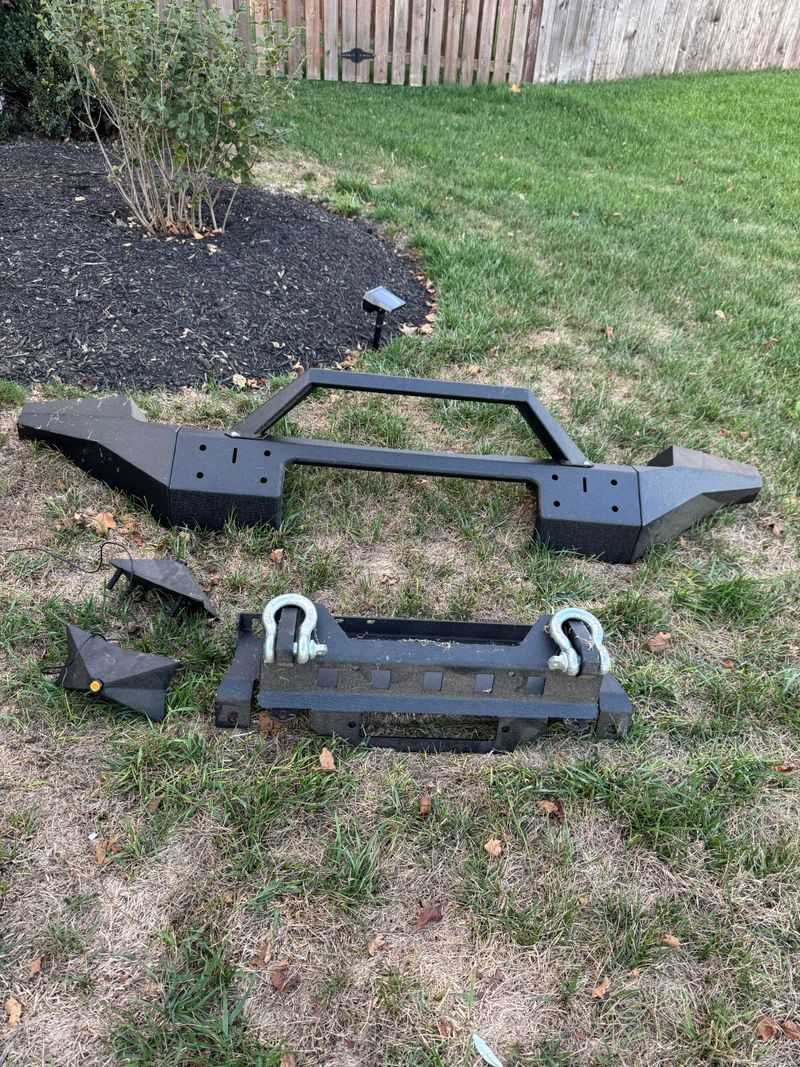
Classic car restoration projects are admirable, but non-operational vehicles sitting in your yard create legal problems under Texas property codes.
Inoperable vehicles are defined as those without current registration, missing essential parts like engines or wheels, or incapable of safe operation.
Vehicle parts like engines, transmissions, doors, and body panels scattered around your property also violate ordinances in most jurisdictions.
These items leak fluids that contaminate soil and groundwater while creating unsightly conditions that reduce surrounding property values significantly here.
Most Texas cities prohibit storing inoperable vehicles in residential areas unless they’re inside enclosed garages or structures not visible publicly.
Violations result in citations requiring vehicle removal within specific timeframes, typically ten to thirty days depending on local regulations.
Fines for vehicle violations vary widely but commonly range from two hundred to five hundred dollars for initial offenses statewide.
Continued non-compliance can result in vehicle impoundment at your expense, plus additional fines and potential liens against your property.
If you’re genuinely restoring a vehicle, keep it garaged or covered and maintain valid registration to demonstrate it’s not abandoned.
For vehicles beyond repair, junkyards and salvage yards will often tow them away for free and may even pay you.
11. Loose Building Materials
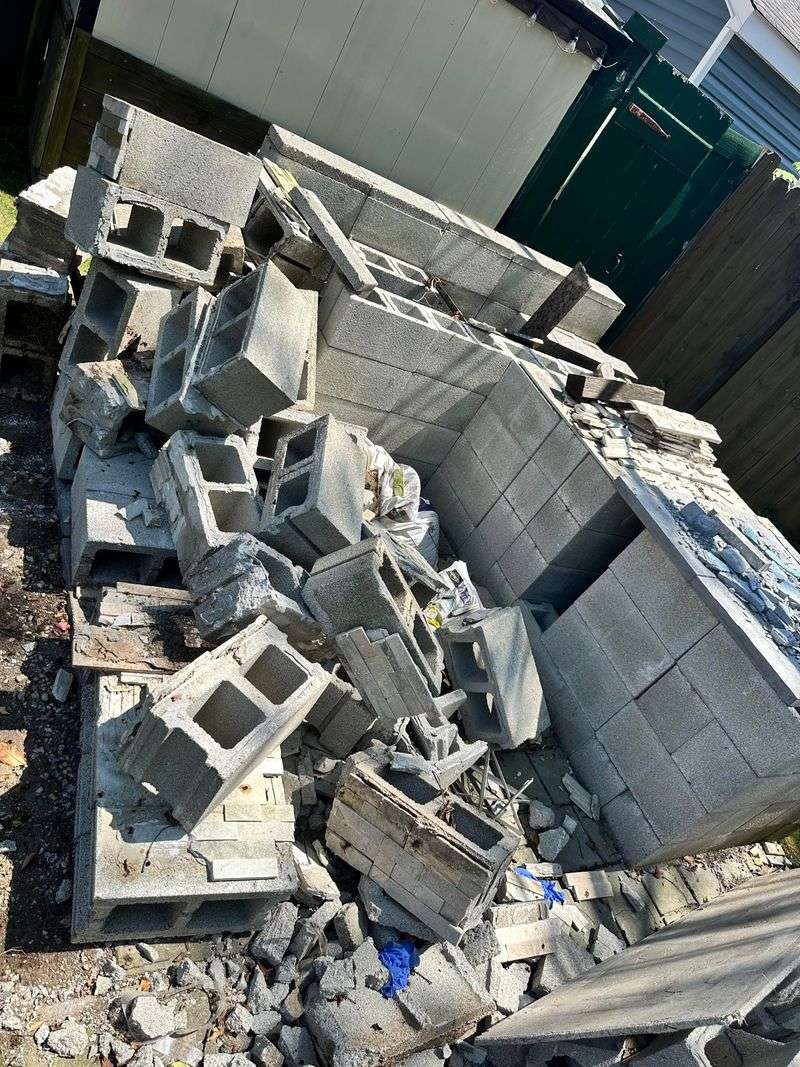
Storing lumber, bricks, roofing materials, and other building supplies in your yard might seem practical, but it violates codes statewide.
Loose materials create tripping hazards and can become dangerous projectiles during Texas windstorms and severe weather events common here.
Building materials left outdoors deteriorate quickly under harsh Texas sun and humidity, losing value and becoming waste.
Stacked lumber and other materials also provide harborage for snakes, spiders, scorpions, and rodents seeking shelter from weather extremes.
Most municipalities require building materials to be stored in garages, sheds, or other enclosed structures not visible from streets.
Materials for active projects may be temporarily stored outdoors but must be organized neatly and removed promptly after work completes.
Code enforcement officers distinguish between temporary project materials and permanent storage violations based on timeframes and organization.
Fines typically range from one hundred to two hundred fifty dollars depending on the quantity and duration of violations.
If you’re planning construction projects, only order materials as needed rather than stockpiling supplies months in advance.
Rent storage units for excess materials or arrange delivery schedules that coincide with your actual construction timeline.
12. Unsecured Hazardous Items
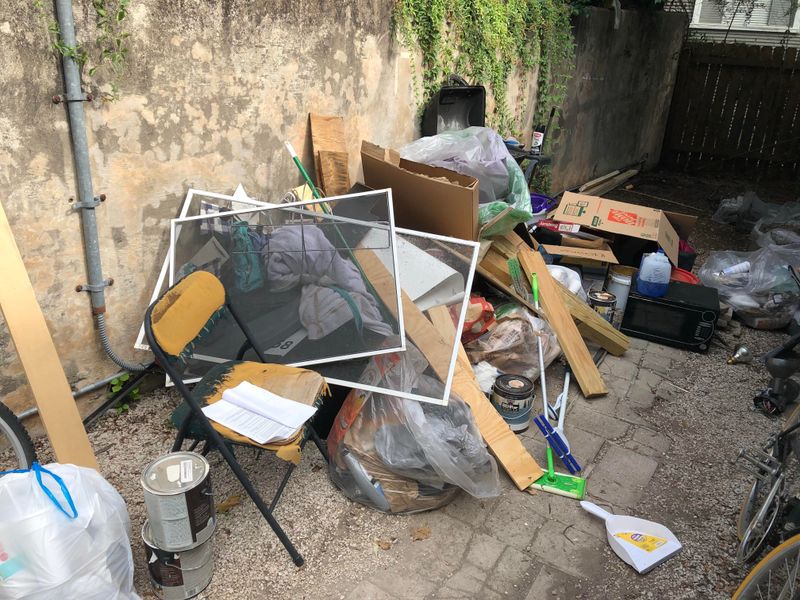
Chemicals, paints, pesticides, and other hazardous materials require proper storage under Texas environmental and safety regulations statewide.
Leaving these items unsecured in your garden creates serious risks of accidental poisoning, environmental contamination, and chemical exposure.
Children and pets are especially vulnerable to hazardous materials left accessible in outdoor areas where they play and explore regularly.
Even sealed containers can leak or rupture due to temperature extremes, releasing toxic substances into soil and groundwater supplies.
Texas environmental codes require hazardous materials to be stored in locked, weatherproof cabinets or structures away from living areas.
Violations can result in immediate citations, with fines starting around three hundred dollars or higher.
Some violations trigger investigations by environmental protection agencies and additional penalties.
Contaminated soil may require expensive remediation costing thousands of dollars.
Store hazardous materials in original containers with labels intact inside locked garages or storage buildings.
Dispose of unwanted chemicals through household hazardous waste collection events offered by Texas cities.