9 Things That Ruin Florida Vegetable Gardens Early In The Season
Starting a vegetable garden in Florida feels exciting at first. Then the plants wilt.
Leaves turn yellow. Flowers drop. Seedlings vanish overnight.
Suddenly that dream garden looks more like a disaster zone.
Florida growing conditions are not the same as the rest of the country. Heat arrives early.
Pests stay active all year. Sandy soil drains nutrients away fast.
Cold snaps still show up when you least expect them. Many new and experienced gardeners make the same early mistakes without realizing it.
The good news is most garden failures are preventable. Small timing errors, watering habits, and soil problems often cause the biggest damage during the first weeks of the season.
If your garden has struggled before or you want stronger harvests this year, this list breaks down the most common early-season problems that quietly ruin Florida vegetable gardens and what you can do to stop them before they start.
1. Planting Too Early During Cold Snaps
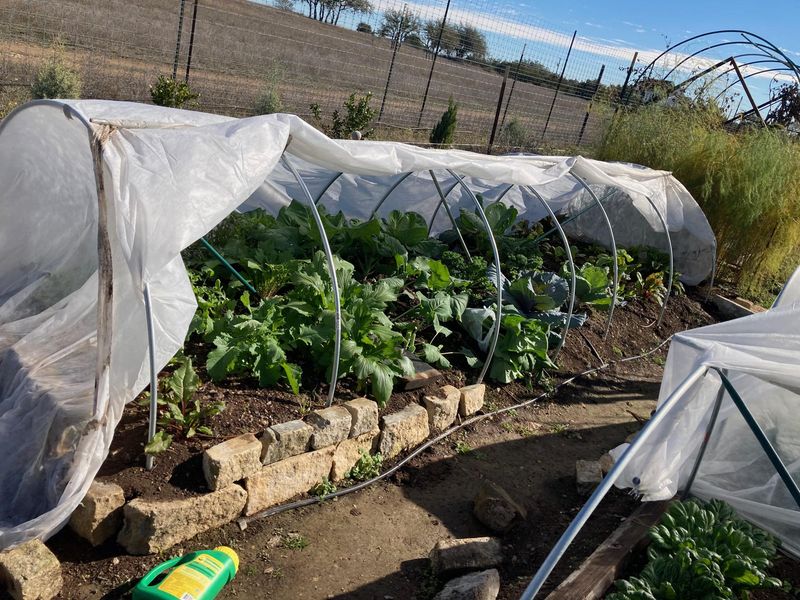
You might think Florida weather stays warm all winter, but surprise cold fronts can sweep through and damage tender plants faster than you can cover them. January and February bring unpredictable temperature swings that confuse even experienced gardeners.
One day feels like perfect planting weather, and the next morning frost coats your tomato seedlings.
Warm-season crops like tomatoes, peppers, and squash experience stress and slowed growth below 55 degrees and can suffer damage when temperatures drop below 40 degrees. Their growth stalls completely, leaves turn yellow, and roots stop taking up nutrients from the soil.
Even if the plants survive, that early cold stress weakens them for the rest of the season.
Your best strategy involves waiting until your area’s last expected frost date passes before planting tender vegetables. North Florida gardeners should wait until mid-March, while Central Florida can usually plant by late February.
South Florida enjoys earlier planting windows, often starting in January.
Keep row covers and old sheets handy for those unexpected cold nights that still arrive in March. Check your local extension office for zone-specific planting calendars that account for your area’s unique weather patterns.
Patience with planting dates saves you from replanting and gives your garden a stronger start.
2. Overwatering In Cool Spring Soil
Cool soil temperatures mean plant roots absorb water much slower than they do in summer heat. Many Florida gardeners make the mistake of watering their spring gardens with the same frequency they use in July.
Your plants sit in soggy soil that suffocates roots and invites root rot problems.
When soil stays consistently wet and cool, oxygen cannot reach the root zone properly. Roots need air pockets in the soil to function and grow.
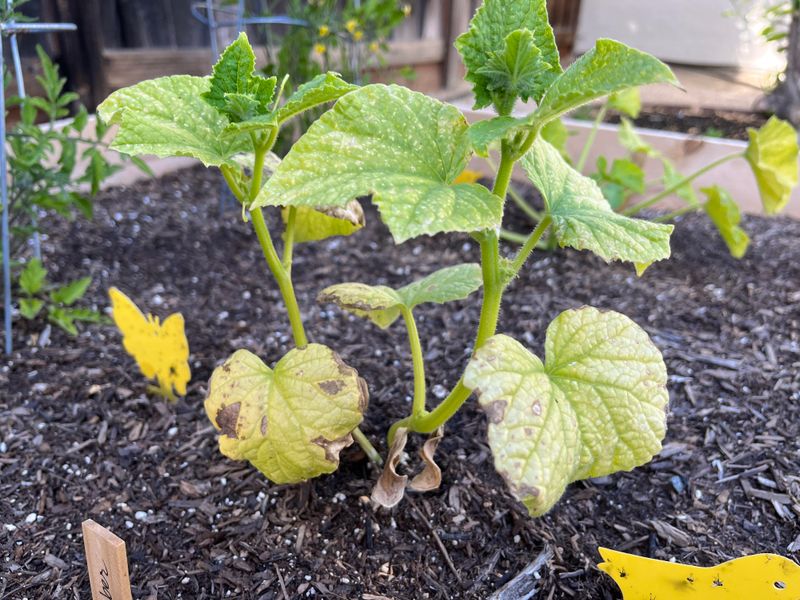
Without proper oxygen, roots turn brown and mushy, and plants start wilting even though the ground feels damp to your touch.
Water your early-season garden only when the top two inches of soil feel dry. Stick your finger into the ground near your plants to check moisture levels before turning on the hose.
Morning watering works best because it gives excess moisture time to evaporate during the day.
Raised beds drain better than ground-level gardens and warm up faster in spring sunshine. Adding compost improves soil structure and helps prevent waterlogging issues.
Your plants need consistent moisture, not constant wetness, especially when temperatures stay below 70 degrees. Adjust your watering schedule based on actual soil conditions rather than following a rigid calendar schedule.
3. Poor Soil Drainage
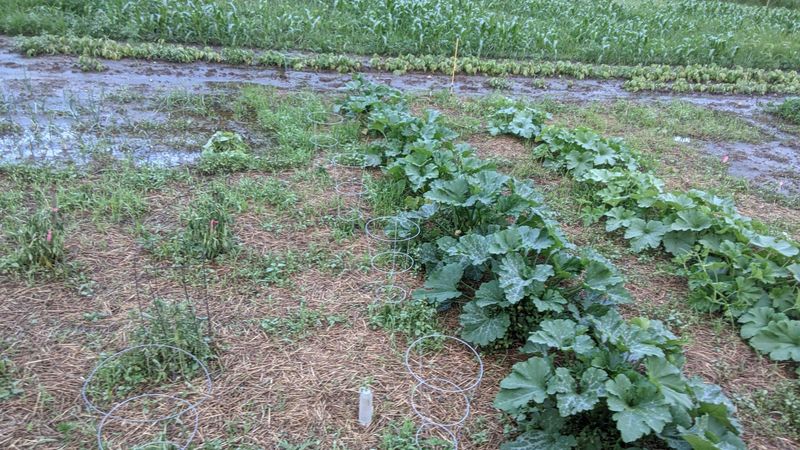
Florida’s naturally high water table creates drainage nightmares for vegetable gardeners across the state. Compacted hardpan or clay layers sit below the sandy surface in many areas, trapping water and creating swampy conditions after heavy rains.
Your plants cannot thrive when their roots sit in standing water for hours or days.
Poor drainage leads to shallow root systems because plants refuse to send roots down into waterlogged zones. Shallow roots mean your vegetables become more vulnerable to drought stress and wind damage later in the season.
Fungal diseases spread rapidly in constantly wet soil conditions.
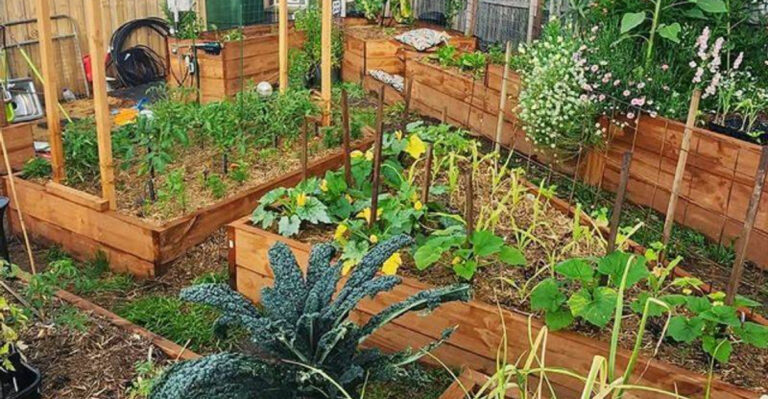
Building raised beds at least 10 to 12 inches high solves most drainage problems in Florida gardens. Fill those beds with a mixture of quality topsoil, compost, and peat moss or coconut coir.
The elevated planting area allows excess water to drain away while keeping roots in the optimal moisture zone.
Adding organic matter to existing ground-level beds improves drainage over time but works slower than raised beds. Avoid planting in low spots where water naturally collects after storms.
Installing French drains or creating swales redirects excess water away from your growing areas and prevents root zone flooding that damages crops.
4. Using The Wrong Planting Timing For Florida Zones
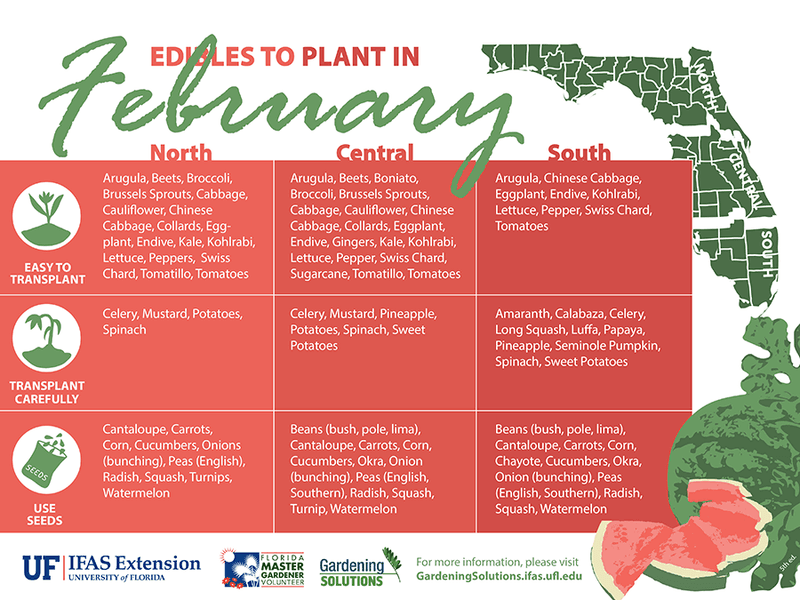
National seed packets and gardening calendars rarely account for Florida’s backwards growing seasons. Your neighbors up north plant tomatoes in May while you need to get yours in the ground by March to beat the summer heat.
Following generic planting guides guarantees disappointment and wasted effort.
Florida spans multiple USDA hardiness zones, roughly from Zone 8b in North Florida to Zone 11b in the southern tip. North Florida gardeners in zones 8 and 9 follow different schedules than South Florida gardeners in zones 10 and 11.
What works in Jacksonville fails miserably in Miami.
Your county’s University of Florida IFAS Extension office provides free planting calendars customized for your specific area. These guides tell you exactly when to plant each vegetable for both spring and fall growing seasons.
Following local recommendations instead of national advice dramatically improves your success rate.
Many vegetables grow better in Florida’s fall and winter months than in spring and summer. Tomatoes, peppers, and squash planted in late summer produce through winter without battling extreme heat.
Leafy greens like lettuce and spinach thrive from October through March. Learning Florida’s unique two-season approach transforms your garden from struggling to productive year-round.
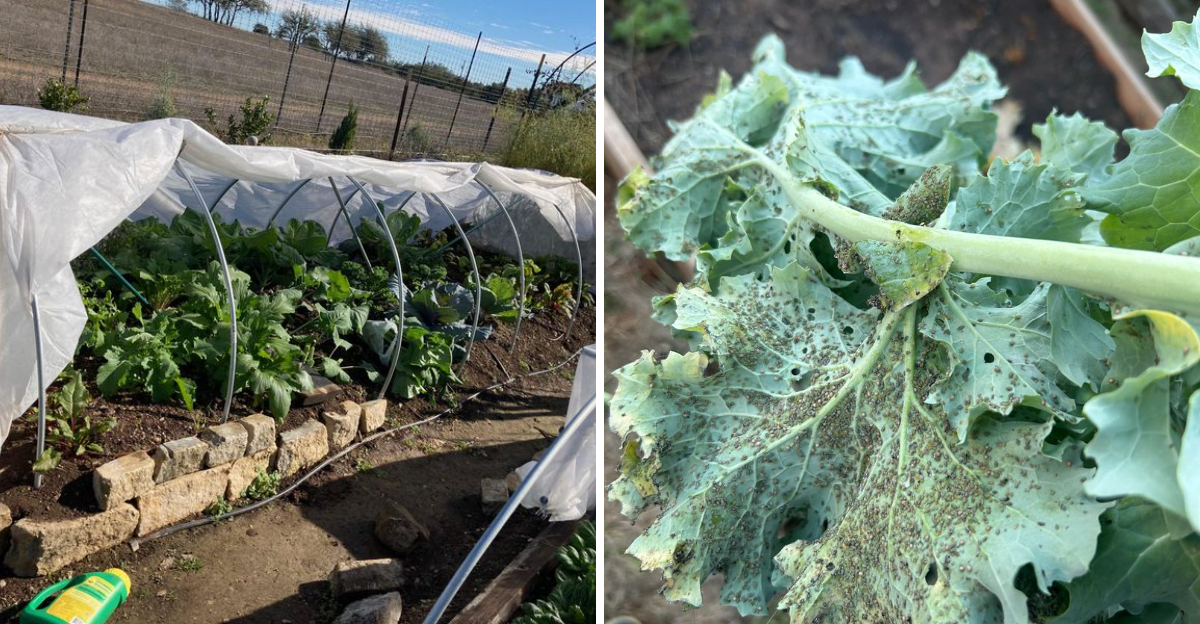
5. Pest Outbreaks Like Aphids, Cutworms, And Caterpillars
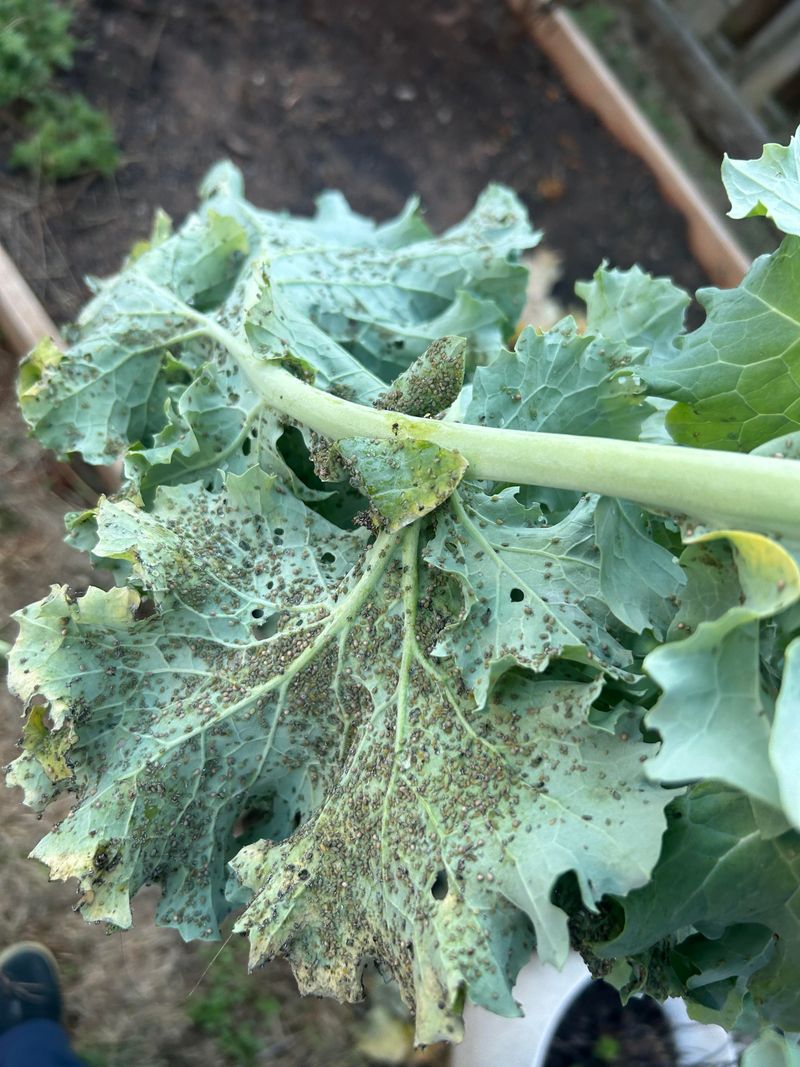
Warm Florida winters mean garden pests never truly go dormant like they do in northern states. Aphid colonies explode on tender new growth within days of planting.
Cutworms hide in the soil and chew through seedling stems at ground level overnight. Caterpillars strip leaves from brassicas and tomatoes before you even notice them.
Early-season pest damage weakens young plants and stunts their growth for weeks. A single cutworm can destroy an entire row of transplants in one night.
Aphids spread viral diseases while sucking sap from leaves and shoots.
Inspect your plants every morning during the first few weeks after planting. Look under leaves and around stems for early signs of pest activity.
Handpicking caterpillars and crushing aphid clusters works well when populations stay small.
Cardboard collars around transplant stems prevent cutworm damage by creating a physical barrier. Floating row covers keep flying pests away from young plants while allowing light and water through.
Beneficial insects like ladybugs and lacewings control aphids naturally if you avoid broad-spectrum pesticides. Bacillus thuringiensis spray targets caterpillars without harming beneficial insects or pollinators.
Starting pest management early prevents small problems from becoming garden-wide infestations.
6. Nutrient-Deficient Sandy Soil
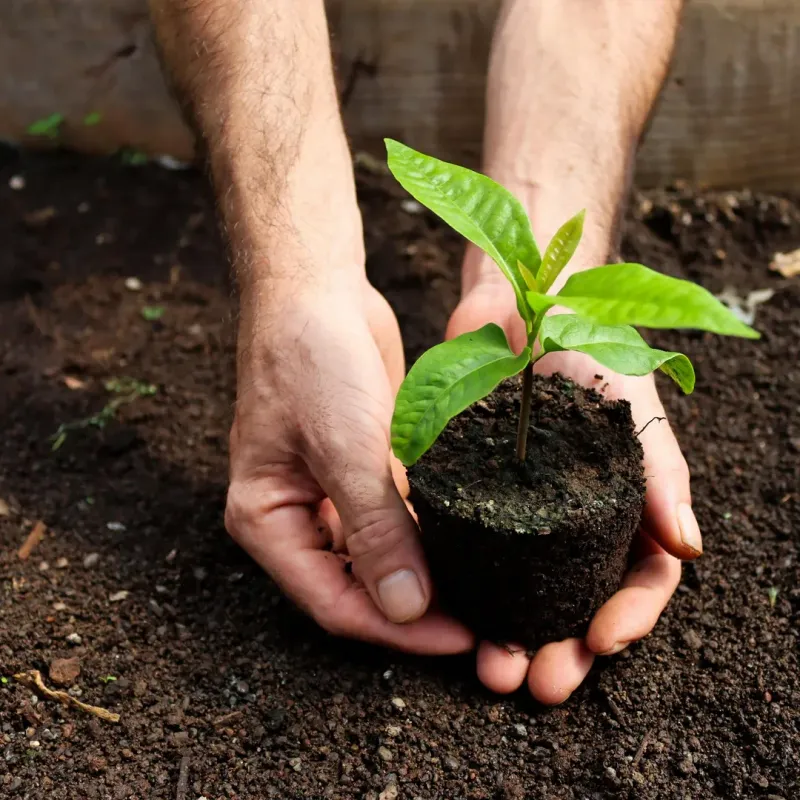
Florida’s sandy soil drains so quickly that nutrients wash away with every watering and rainstorm. Your plants show yellowing leaves and stunted growth even when you water them perfectly.
Sandy soil simply cannot hold onto the nitrogen, phosphorus, and other nutrients that vegetables need to thrive.
Without adequate nutrition, plants grow slowly and produce poorly. Tomatoes often develop blossom end rot from calcium uptake problems caused by inconsistent watering and low calcium availability.
Leaves turn pale yellow from nitrogen loss. Fruit production drops dramatically when plants cannot access essential nutrients.
Mixing several inches of compost into your planting beds before each season improves nutrient retention dramatically. Compost acts like a sponge that holds nutrients in the root zone where plants can use them.
Adding composted manure provides slow-release nutrition that lasts for months.
Applying a balanced organic fertilizer at planting time gives your vegetables the nutrition boost they need. Follow up with side-dressing applications every four to six weeks during the growing season.
Mulching around plants reduces nutrient leaching by slowing water movement through the soil. Regular soil testing through your extension office reveals exactly which nutrients your garden needs.
Building organic matter in sandy Florida soil takes time but transforms struggling gardens into productive food sources that support healthy plant growth.
7. Fungal Diseases From Humidity And Rain
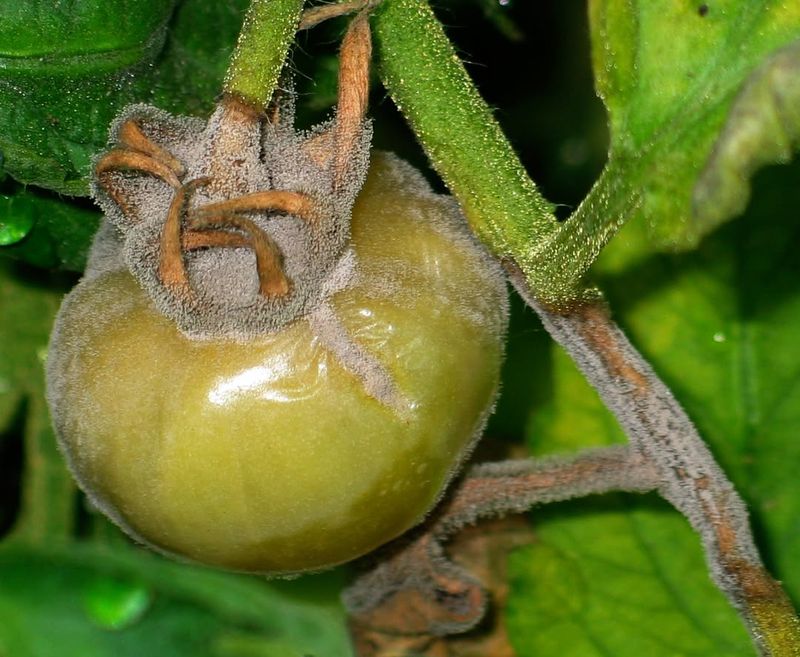
Florida’s combination of high humidity and frequent spring rains creates perfect conditions for fungal diseases. Early blight, powdery mildew, and damping-off attack vulnerable seedlings and transplants.
Leaves develop brown spots, white powdery coatings, or simply collapse at the soil line overnight.
Fungal spores spread rapidly in wet, humid conditions and can wipe out entire plantings within days. Young plants lack the established root systems and leaf mass to fight off infections.
Once fungal diseases take hold, they weaken plants and reduce yields for the entire season.
Space your plants farther apart than recommended on seed packets to improve air circulation between leaves. Crowded plants stay wet longer and create humid microclimates where fungi thrive.
Water at soil level using drip irrigation or soaker hoses instead of overhead sprinklers.
Morning watering allows foliage to dry quickly in the sun and reduces disease pressure. Removing infected leaves immediately prevents spores from spreading to healthy plants.
Applying organic fungicides containing copper or sulfur provides protection during wet weather periods. Choosing disease-resistant varieties whenever possible gives your garden built-in protection.
Proper spacing, smart watering practices, and quick action against early infections keep fungal problems manageable in Florida’s challenging climate.
8. Skipping Mulch Protection
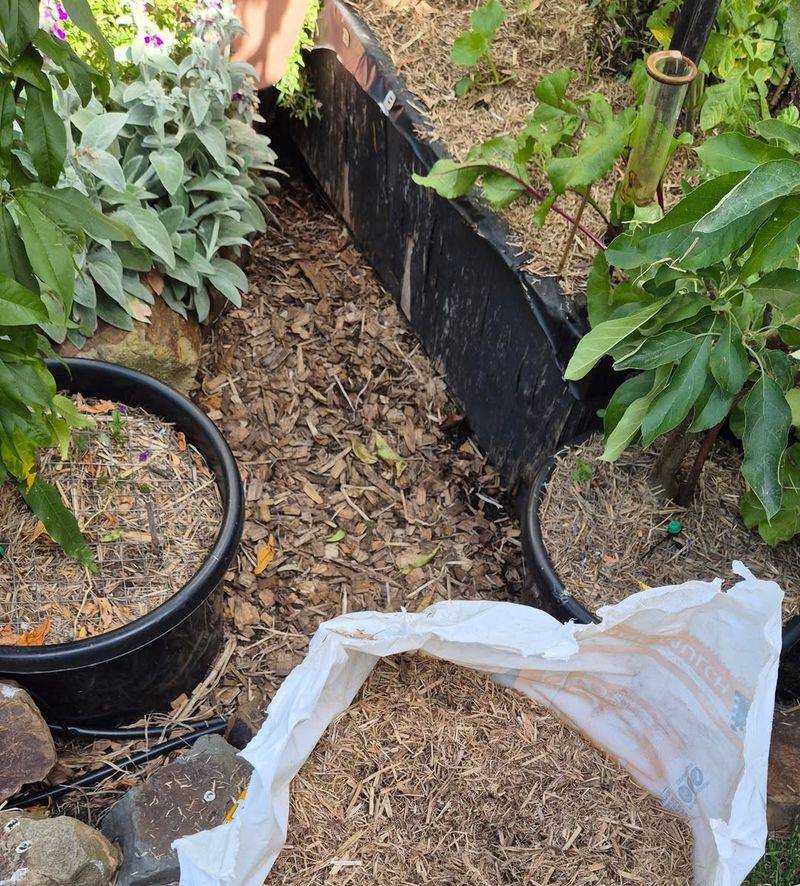
Bare soil around your vegetables creates multiple problems that mulch prevents easily. Soil temperatures fluctuate wildly between day and night without mulch protection.
Raindrops splash soil-borne diseases onto lower leaves. Weeds sprout constantly and compete with your vegetables for water and nutrients.
Exposed soil dries out rapidly in Florida’s sunshine and wind. Your plants need more frequent watering, and roots struggle with temperature stress.
Soil erosion washes away precious topsoil and nutrients during heavy thunderstorms.
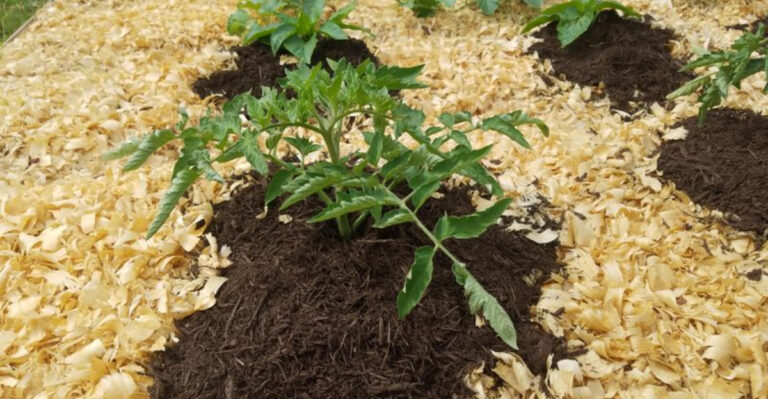
Applying a three to four inch layer of organic mulch around your plants solves all these problems at once. Shredded leaves, grass clippings, or pine straw work beautifully in vegetable gardens.
Keep mulch a few inches away from plant stems to prevent rot and pest problems.
Mulch moderates soil temperature and keeps roots cooler during warm spring days. It suppresses weed growth and reduces your garden maintenance time dramatically.
As organic mulches break down, they add valuable nutrients and organic matter to your soil. Mulched gardens need less frequent watering because moisture stays in the root zone longer.
Replacing mulch as it decomposes maintains protection throughout the growing season and improves your soil structure year after year.
9. Heat Stress Arriving Earlier Than Expected
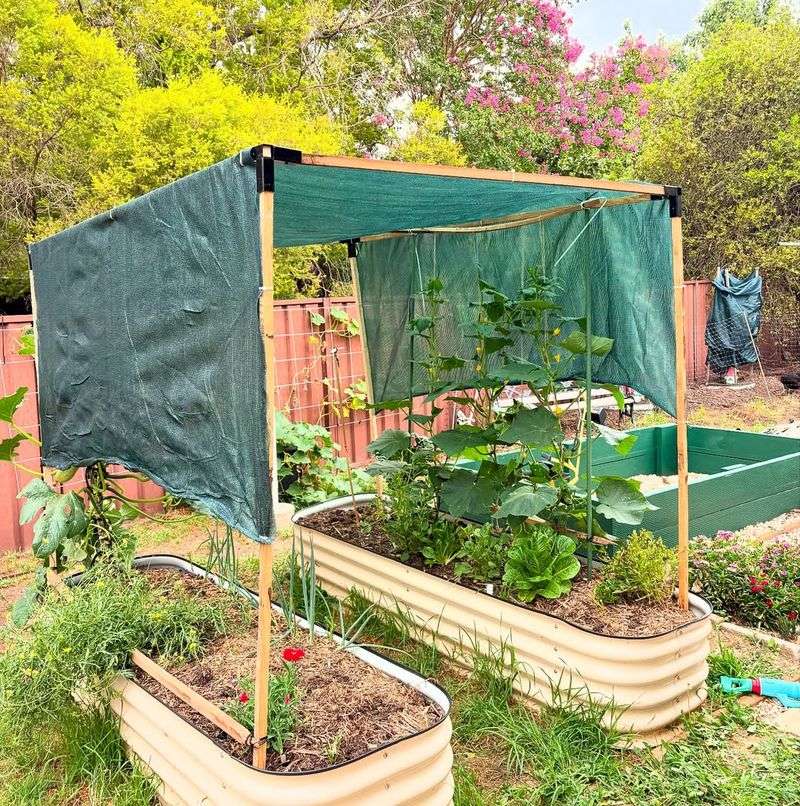
Florida’s spring season disappears faster than gardeners from other states expect. Temperatures climb into the 90s by late April in many areas, stressing plants that just started producing.
Cool-season crops bolt and turn bitter while warm-season crops struggle to set fruit in extreme heat.
Heat stress causes flowers to drop before forming fruit, especially when daytime temperatures exceed 90 degrees and nighttime temperatures stay above 70 to 75 degrees. Leaves wilt during the hottest part of the day even when soil moisture stays adequate.
Plant growth slows dramatically as temperatures exceed each crop’s optimal range.
Plant warm-season crops early enough that they mature before peak summer heat arrives. Tomatoes planted in March produce heavily in May before temperatures become unbearable.
Providing afternoon shade using shade cloth rated at 30 to 50 percent extends your harvest window.
Deep watering encourages roots to grow deeper where soil stays cooler and moister. Mulching becomes even more critical as temperatures rise to keep root zones from overheating.
Switching to heat-tolerant varieties bred specifically for Florida conditions improves your success rate dramatically. Planning your garden around Florida’s early heat arrival prevents the disappointment of watching spring crops fail just as they start producing.
Understanding that Florida’s comfortable growing weather ends earlier than most places helps you time plantings for maximum productivity.