Indiana Plants To Get In The Ground Before Halloween
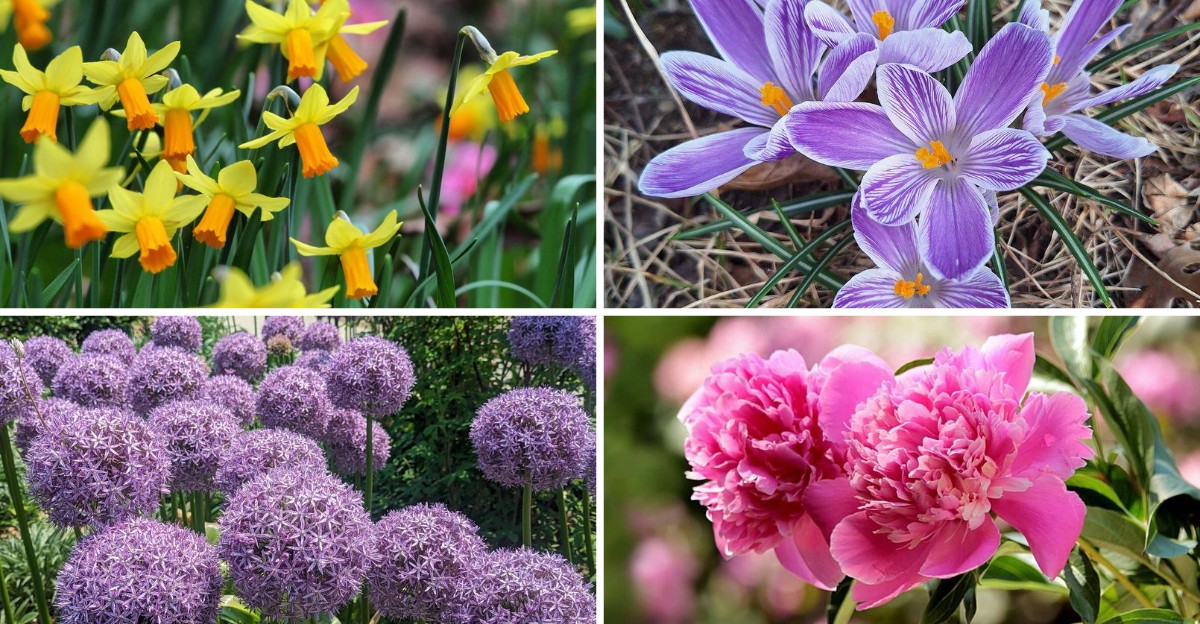
A lumpy brown bulb tucked into October soil needs about twelve weeks of real winter cold before it blooms. I love that our chilly Indiana winters do the hard work while we stay inside with cocoa.
Fall planting feels backward at first, since you bury something in the ground just as the leaves are dropping. Still, cool soil and steady rain help roots settle in long before the hard freeze arrives each year.
You need to beat the frozen ground, and late October is often the final comfortable window for digging. Across Indiana, the soil usually stays workable into November, but waiting too long makes the job muddy and cold.
I believe the best gardens start with a little faith and a muddy trowel on a crisp afternoon. So which sleepy treasures deserve a spot in your chilly yard before the trick-or-treaters show up?
1. Garlic For A Summer Harvest
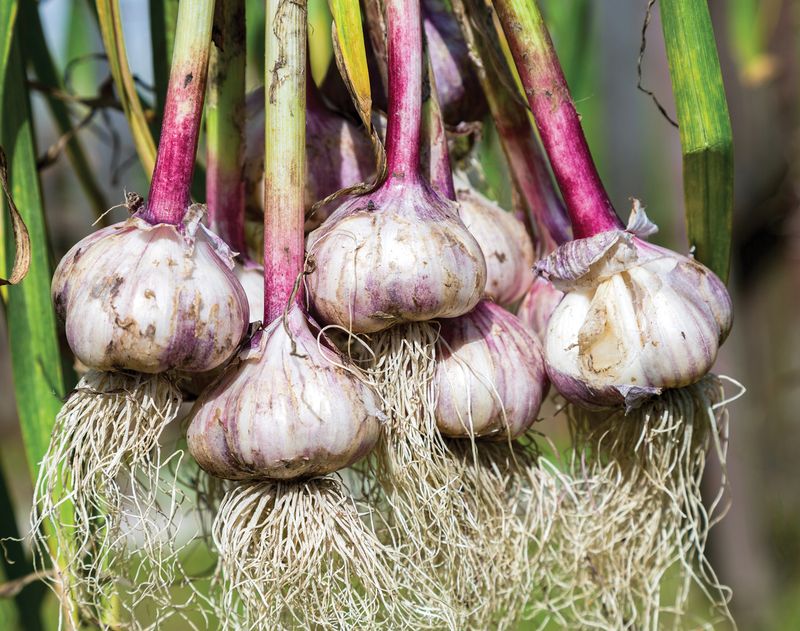
Garlic is one of the few crops you plant in fall and then mostly leave alone until next July. Cloves can go into Indiana soil from late September through October, a few weeks before the ground freezes.
Separate a whole bulb into single cloves right before planting, keeping the papery skins on each one. Push them pointy side up about two inches deep and roughly six inches apart in loose soil.
Hardneck types handle our cold winters well and send up curly flower stalks called scapes in late spring. Snap those scapes off when they curl, and you can toss them into stir-fries for a mild garlicky crunch.
Skip grocery store garlic if you can, because it is often stored warm in ways that can keep bulbs from forming well. Seed catalogs and local farmers markets often sell varieties that already thrive in chilly Midwest weather.
After the ground starts to freeze, spread four to six inches of straw over the bed as a cozy blanket. The mulch keeps soil temperatures steady and stops young cloves from heaving out during freeze and thaw cycles.
Green shoots may poke through on warm winter days, but they usually handle a little frost without trouble. Pull back some straw in early spring so the leaves can grow freely as the days get longer.
By midsummer, the lower leaves turn brown, which signals that the bulbs are ready to dig up. Save a few of your fattest bulbs for replanting next October, and your garlic patch will keep growing.
2. Tulips For Bold Spring Color
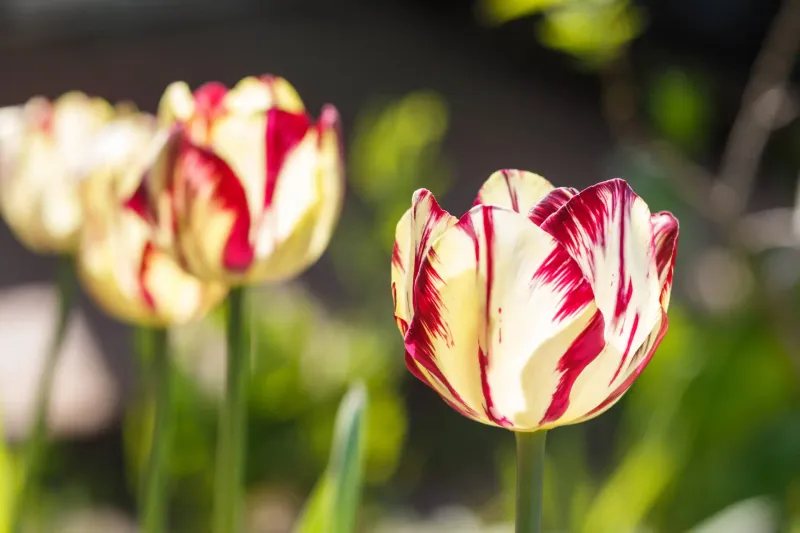
Back in the 1600s, Dutch collectors prized single tulip bulbs so highly that they became a symbol of wealth. Luckily, you can grab a whole bag today for a modest price.
Tulips need a long, cold winter to bloom well, and that chill comes naturally in Indiana gardens. Plant them once soil temperatures drop below about 60 degrees, which usually happens in October across the state.
Dig holes roughly three times as deep as the bulb is tall, usually around six to eight inches. Set each bulb with the pointed tip facing up, then cover it and water the spot well.
Your Indiana Garden Changes Every Week. Your Plan Should Too.
Gardening in Indiana changes quickly throughout the season. Every Friday you’ll receive a simple weekly plan showing exactly what to plant, prune, fertilize, harvest, and protect so you never miss the right timing.
Good drainage matters a lot, because tulips sitting in soggy clay can rot before spring ever arrives. Mixing compost into heavy soil or planting on a gentle slope helps extra water drain away quickly.
For a bold look, group ten or more bulbs of one color together instead of scattering single bulbs. Big clumps of bright red or deep purple catch the eye from the street like a cheerful flag.
Many fancy hybrids bloom best in their first year and often fade a bit with each passing spring. Species tulips and Darwin hybrids tend to return more reliably, so look for those names on the label.
Squirrels and voles enjoy tulip bulbs as a snack, so lay chicken wire over fresh plantings for protection. Deer also nibble the leaves in spring, so tuck tulips close to the house where critters visit less.
3. Daffodils That Deer Leave Alone
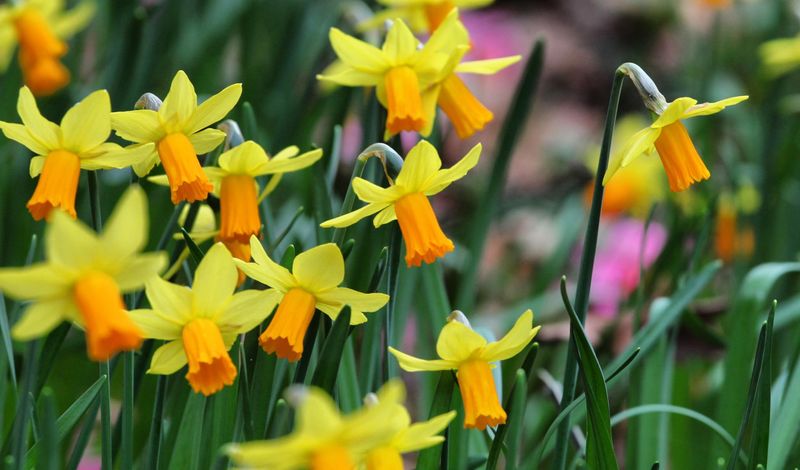
Every part of a daffodil contains a bitter compound called lycorine, and most hungry critters learn to stay away. Deer and rabbits usually walk right past them, which makes these bulbs a favorite for rural Indiana yards.
Plant daffodils in October about six inches deep, with the pointed end facing the open sky. Give them a sunny spot with soil that drains well, since wet feet can cause bulbs to rot.
Unlike some fussy bulbs, daffodils often come back year after year and slowly multiply into bigger clumps. Old farmhouse lots sometimes still glow yellow each spring, long after the original house has disappeared.
Early, middle, and late varieties exist, so mixing a few types can stretch the show across several weeks. Try classic trumpet daffodils alongside small, fragrant types like Tete-a-Tete for a cheerful mix of sizes.
After the flowers fade next spring, leave the leaves standing until they turn yellow on their own. Those green leaves soak up sunlight and store energy in the bulb for the following year’s flowers.
Pet owners should know that daffodil bulbs can make dogs and cats sick if they dig and chew them. Keep curious pets away from bags of bulbs while you work, and store extras on a high shelf.
Daffodils also pair nicely with tulips, because their bitter taste may help discourage critters from digging nearby. Some gardeners swear by this trick, though results vary, so wire cages still offer the best protection.
4. Crocus For The Earliest Blooms
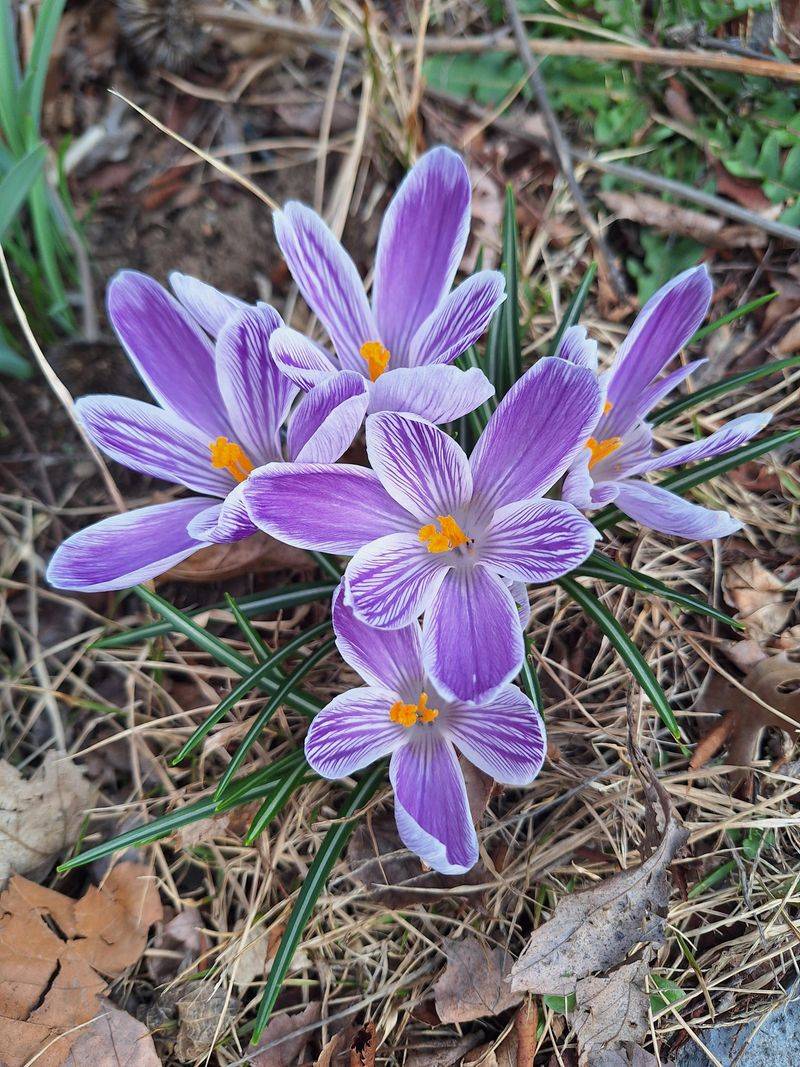
Have you ever spotted purple petals poking through a patch of melting snow in late February or early March? Those brave little cups are crocuses, and they often open before almost anything else in the yard wakes up.
Crocuses grow from small corms, which are rounded storage stems that look a lot like flat little bulbs. Plant them about three to four inches deep in October, spacing them a few inches apart in sunny spots.
Lawns make a fun home for crocuses, because the flowers finish before the first spring mowing usually starts. Just wait to mow until the leaves start yellowing, so the corms can store energy for next year.
Early bees love crocuses too, since the blooms offer pollen at a time when food is scarce outside. On a sunny afternoon, you might spot honeybees tumbling around inside the open cups, dusted in orange pollen.
Squirrels are the main troublemakers, since they happily dig up freshly planted corms for a quick snack. Laying hardware cloth over the planting area for a few weeks gives the soil time to settle down.
Smaller species like Crocus tommasinianus are often less tempting to rodents than the larger Dutch varieties. They also spread on their own over time, slowly turning a bare corner into a lavender carpet.
Indiana winters give crocuses all the cold they need, so no special chilling or fussing is required. Plant a few dozen near your front steps, and you’ll get a cheerful hello on the gloomiest days.
5. Alliums With Striking Globe Flowers
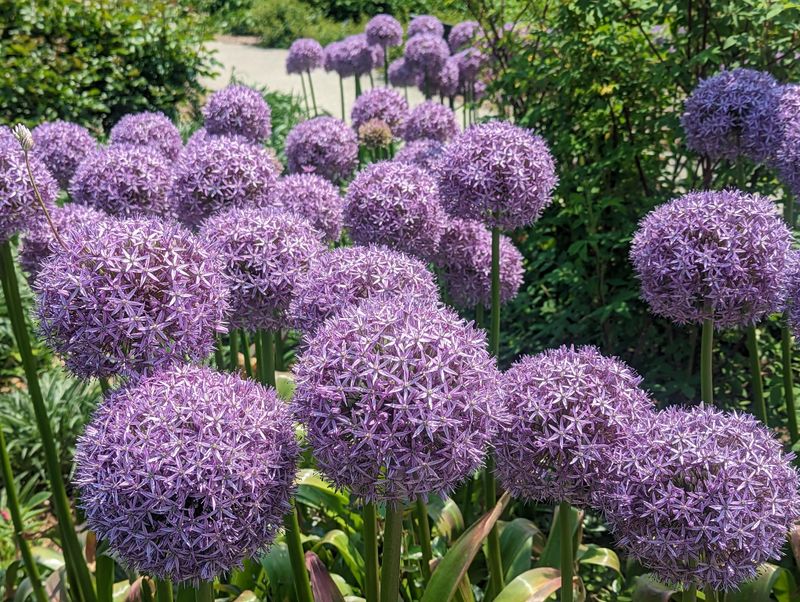
Ornamental alliums look like something out of a Dr. Seuss book, with round purple globes floating on tall stems. Some giant types, like Globemaster, produce flower heads that can reach eight to ten inches across.
Alliums are cousins of onions and garlic, so most deer and rabbits turn up their noses at them. Crush a leaf between your fingers, and you’ll notice that sharp familiar oniony smell right away.
October is a fine month to plant allium bulbs in Indiana, as long as the ground stays soft. Large bulbs go about eight inches deep, while smaller types like drumstick alliums need only four or five.
Full sun and well-drained soil keep them happy, because soggy ground can cause the bulbs to rot. Raised beds or sloped spots work nicely if your yard has heavy clay that holds water after storms.
Their leaves often turn yellow and floppy right when the flowers open in late spring or early summer. Hide that messy foliage by planting alliums behind bushy perennials like catmint, salvia, or hardy geraniums.
Pollinators adore these blooms, and you’ll often see bumblebees crawling slowly across the starry purple heads. Each globe is really a cluster of dozens of tiny star-shaped flowers packed tightly together like fireworks.
Once the petals fade, the dried seed heads still look neat in the garden or in flower arrangements. Some gardeners even spray them silver or gold for a fun holiday decoration later in the year.
6. Peonies For Decades Of Blooms
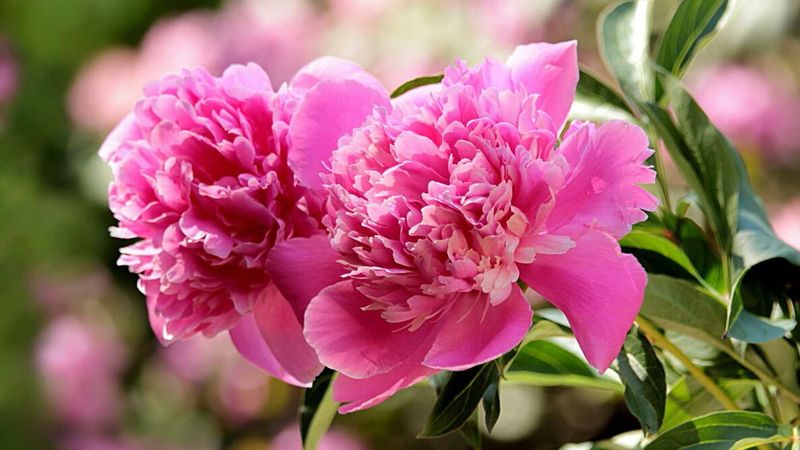
A single peony plant can bloom in the same spot for fifty years or more with very little fuss. Fittingly, the peony is the official state flower of Indiana, adopted by lawmakers back in 1957.
Fall is the best time to plant bare-root peonies, since cool weather lets the roots settle before winter. Look for roots with three to five pink or red buds, often called eyes, on the top side.
Depth matters more than almost anything else, because peonies planted too deep often grow leaves but no flowers. Set the eyes just one to two inches below the soil surface in northern and central areas.
Choose a sunny spot with at least six hours of light, and give each plant about three feet of room. Good airflow helps prevent a leaf fungus called botrytis, which can show up during damp spring weather.
Patience is part of the deal, since new peonies may take two or three years to bloom well. Once they settle in, though, you’ll get huge, fragrant flowers that smell like roses mixed with fresh lemons.
Ants often crawl over peony buds in spring, but they’re simply sipping sweet nectar and cause no harm. The old myth says ants help buds open, though the plants bloom just fine without them.
Peonies dislike being moved, so pick your spot carefully and think about where it will look best long-term. Many families pass divisions down through generations, like a living heirloom that blooms around Memorial Day weekend.
7. Pansies That Bloom Through Cold Weather
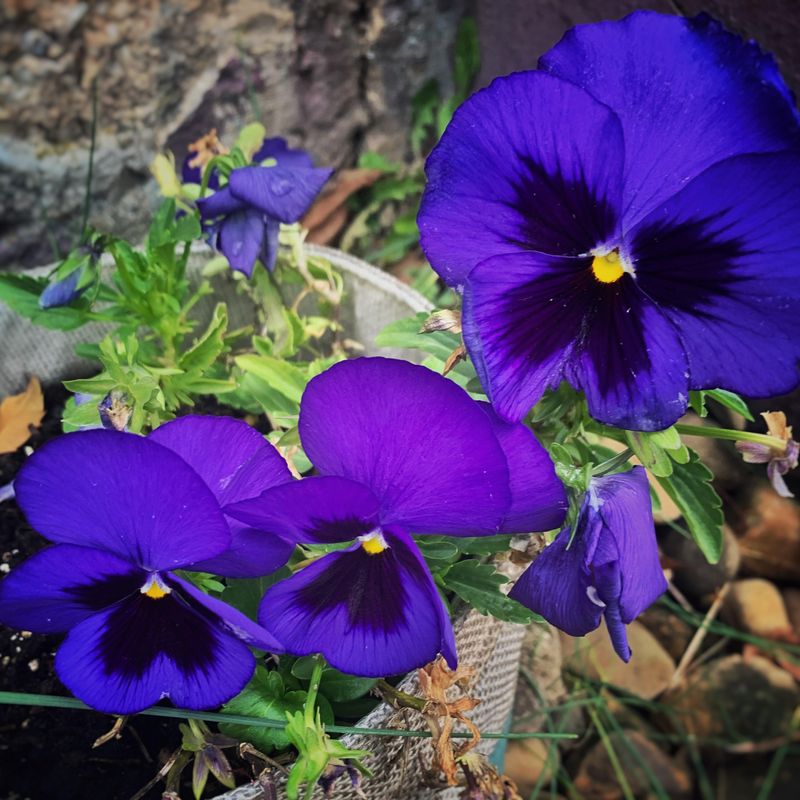
On a frosty November morning, pansies can look wilted and sad, then perk right back up by lunchtime. Those cheerful faces handle temperatures down into the 20s, which makes them a fall favorite for porch pots.
Garden centers in Indiana usually stock flats of pansies in early fall, so shopping now gives you the best choices. Get them planted by mid-October so the roots have several weeks to grow before the ground turns cold.
Space plants about six to eight inches apart in rich soil, and water them well after planting. A light layer of shredded leaves or pine straw around them helps protect the roots during sudden cold snaps.
With a little luck and mulch, many pansies survive winter and bloom again as soon as spring warms up. Harsh winters with no snow cover can still be tough on them, so results vary from year to year.
Pinch off faded flowers often, because removing old blooms encourages the plant to keep making fresh ones. Kids usually love this job, and it’s a fun way to spend a few minutes outside on crisp afternoons.
Pansy petals are edible too, and they look adorable pressed into sugar cookies or scattered across a salad. Just skip any plants treated with garden chemicals, and wash the flowers gently before eating them.
Orange and purple varieties make perfect Halloween decorations when tucked around pumpkins on your wooden porch. Their close cousins, violas, have smaller flowers but often handle winter cold even better than pansies do.
8. Redbud Trees For Early Spring Flowers
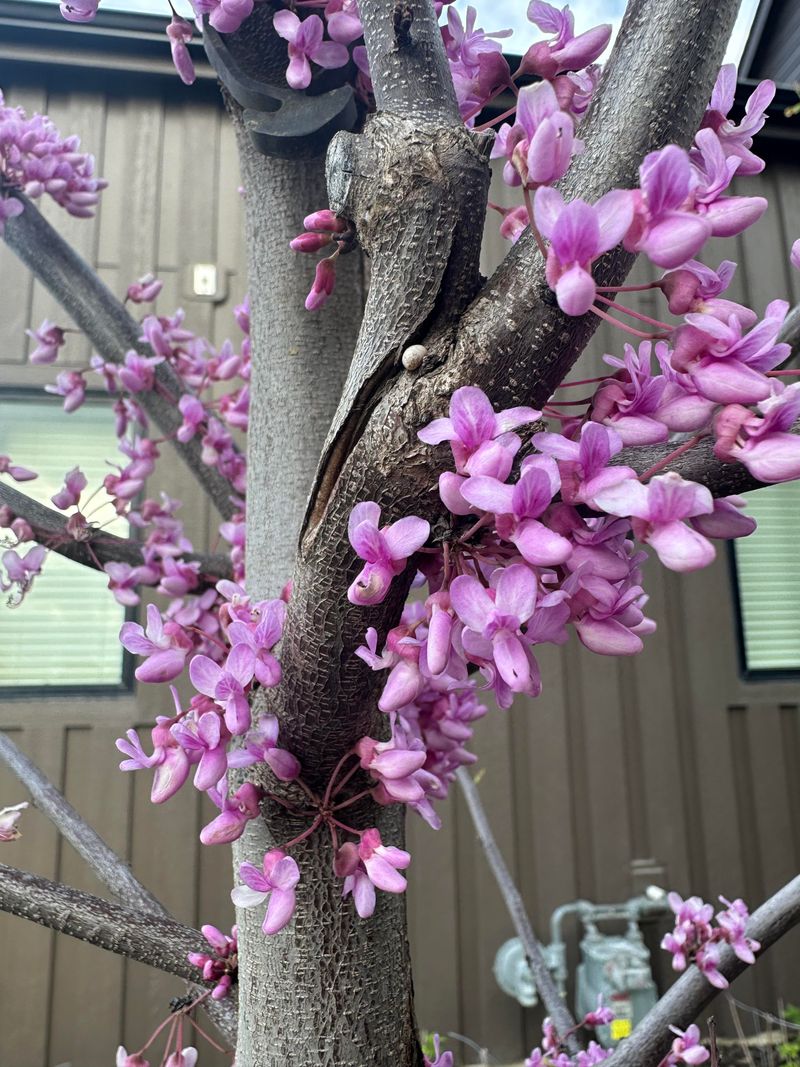
Eastern redbud is native to Indiana, and its tiny pink-purple flowers pop right out of bare branches and trunks. The blooms show up in April before the leaves, painting woodland edges with a soft rosy glow.
Fall is a smart time to plant trees, because cool air and warm soil help roots grow without summer stress. Redbuds stay fairly small, usually reaching about twenty to thirty feet, so they fit nicely in most yards.
Dig a hole two to three times wider than the root ball, but no deeper than the root ball itself. The spot where the trunk flares out should sit right at ground level, not buried under extra soil.
Water deeply once a week until the ground freezes, especially if fall rain has been light this year. Spread a ring of wood chip mulch around the base, keeping it a few inches away from the trunk.
Their heart-shaped leaves add another treat, turning a buttery yellow color in autumn before dropping to the ground. Some newer varieties, like Forest Pansy, offer deep burgundy leaves that shine beautifully all summer long.
Early bees and butterflies visit the flowers, giving pollinators an important meal when little else is blooming. Fun fact, the flowers are edible, and some people toss them into pancakes for a mild pea-like flavor.
Redbuds grow quickly and often stay in their prime for around twenty years, so they reward you fast. A young tree planted this October could treat your family to its first pink show in just a few springs.