9 Things To Do When Petunias Go Leggy (Plus 3 Mistakes That Stall Recovery)
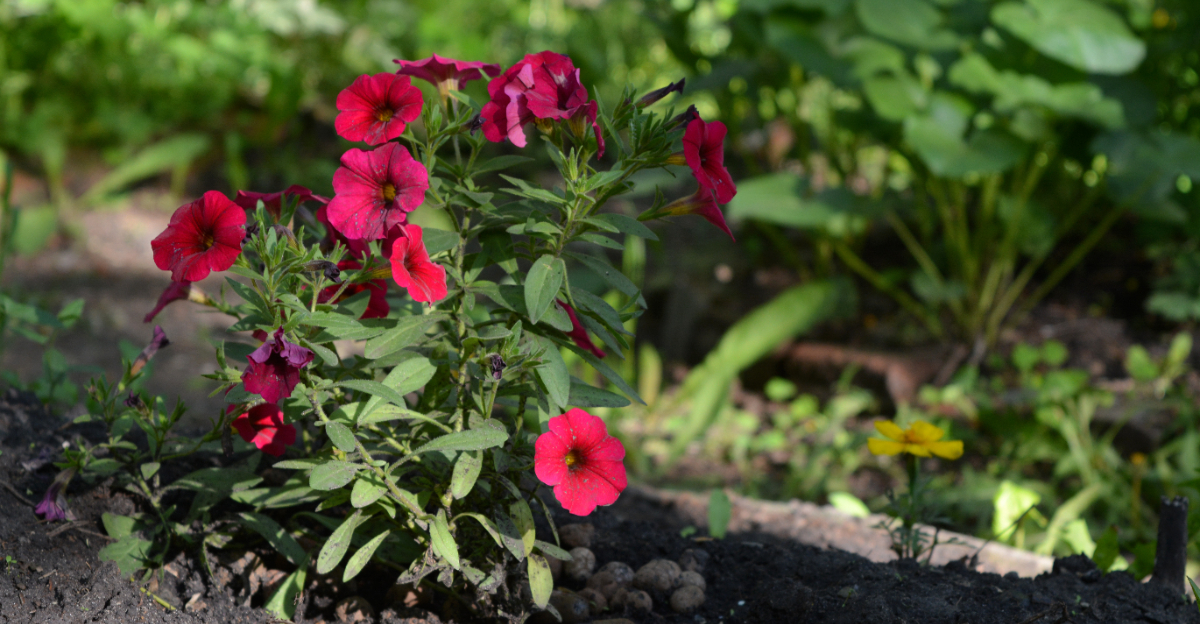
Bare stems mean your petunias need help. Gorgeous blooms don’t just fade on you overnight. Nobody warns you how fast leggy growth spreads. Gardeners everywhere watch you lose blooms fast.
Heat and neglect work against your basket quickly. Leggy growth spreads faster than you might expect. Petunias need your attention the instant they stretch. Waiting even a full week can cost you blooms.
Summer heat still tests your patience, especially in hanging baskets. Trimming late feels uncertain, but waiting costs you more. Confidence matters here more than your quiet caution.
Clear, decisive action beats your vague, timid tips. Small mistakes at this stage can cost you blooms. Light matters to you just as much as pruning. Feeding schedules shift once your stems turn woody.
Watering habits need adjusting when your blooms fade. Your basket can still recover, fully and fast. Ignore this moment, and you’ll watch your blooms fade away.
Trim Stems Back Hard When Petunias Go Leggy
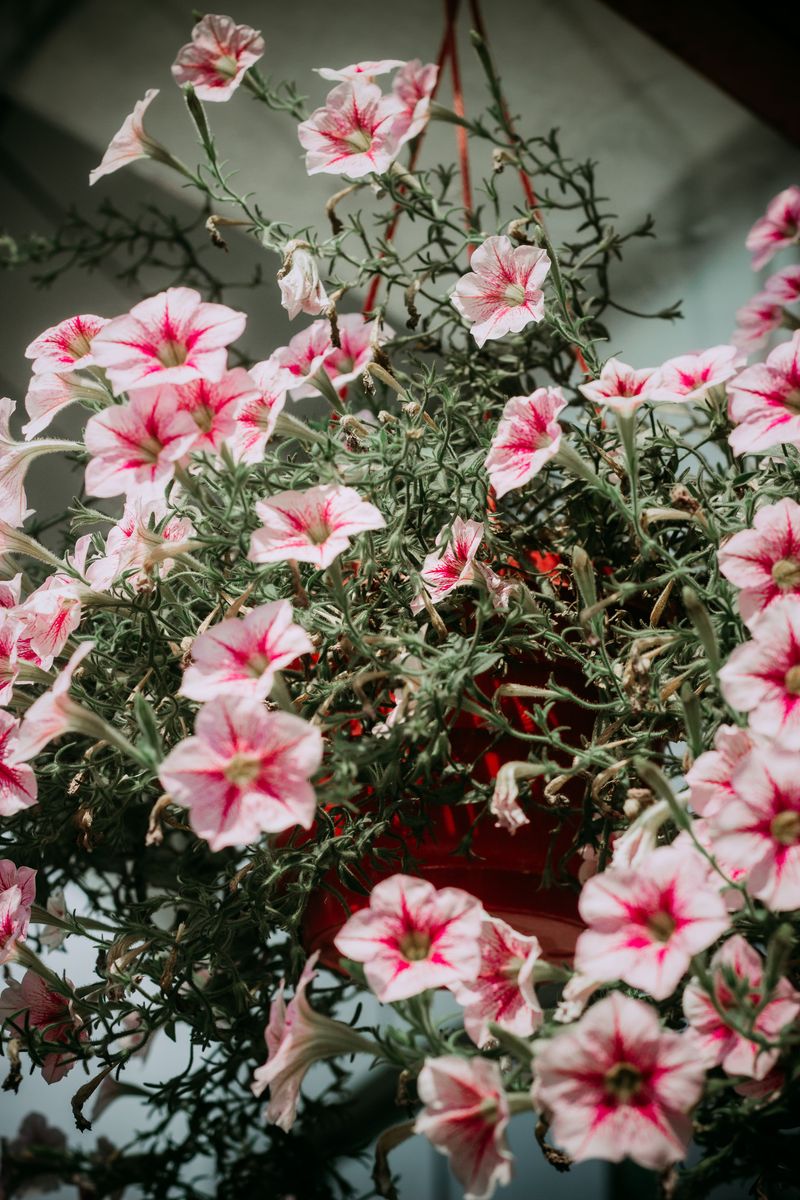
Long, bare vines signal your plant needs significant pruning. Cutting deeply can feel drastic, yet petunias bounce back fast.
Start by finding stems with leaves only near ends. Snip each one above a healthy leaf pair today.
Aim to remove one third, sometimes even one half. Fresh cuts wake sleeping buds along the lower stems.
Use clean scissors, because ragged wounds increase the risk of disease. Toss trimmed pieces instead of leaving them in pots.
That debris can hold moisture and attract mildew nearby. After pruning, place the container where air moves gently.
Give a normal drink, but do not flood roots. Soggy soil slows recovery and weakens fresh side growth.
New shoots typically appear below cuts within one to two weeks, depending on conditions. Once they stretch, your basket starts looking full again.
A hard trim works best before stems get woody. Older, stiff growth can sprout slower after aggressive clipping.
Do not nibble off inches and expect major change. Small cuts leave the lanky shape almost untouched still.
Trust the haircut, even if blooms disappear briefly now. New mounds and better flowering are usually next soon.
Pinch Growing Tips Regularly
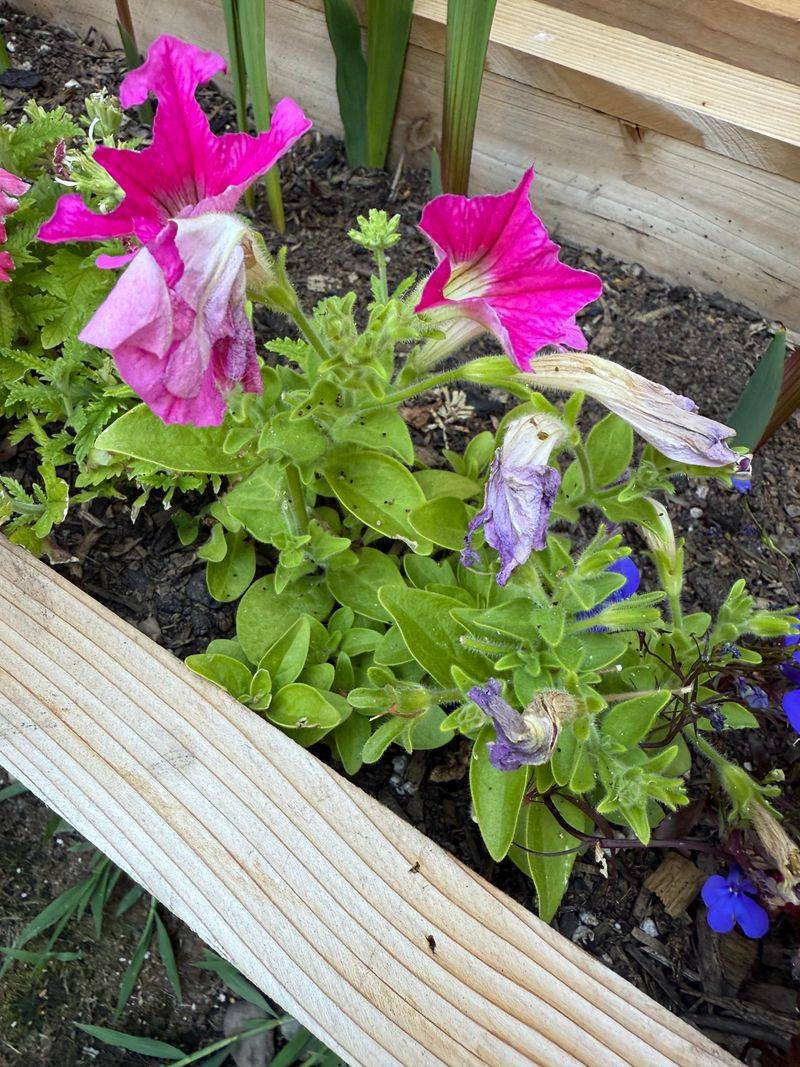
Funny enough, tiny pinches prevent giant rescue jobs later. Soft tips hide the secret to thicker, bushier baskets.
Look for fresh stems carrying three tender leaf sets. Pinch the top inch between fingernails or clean snips.
Each removed tip tells side buds to wake up. More branches mean more flowers and less empty space.
Repeat every week during strong spring and summer growth. Regular attention beats occasional reactive cutting by a mile.
Do not pinch stems already packed with open blooms. Focus on green tips that still feel soft today.
Morning works nicely, because plants hold extra moisture then. Crisp growth snaps cleaner and heals without much stress.
Feed and water as usual after each round too. Strong roots support the branchy shape you want most.
Skipping pinching for a month changes everything fast outside. One warm spell can accelerate stretching beyond easy repair.
Keep up the rhythm, even when plants appear happy. Hidden growth habits show themselves a little later often.
Soon, your pot looks rounded, not stringy or sparse. That steady fullness is worth every quick pinch daily.
Feed With Balanced Fertilizer
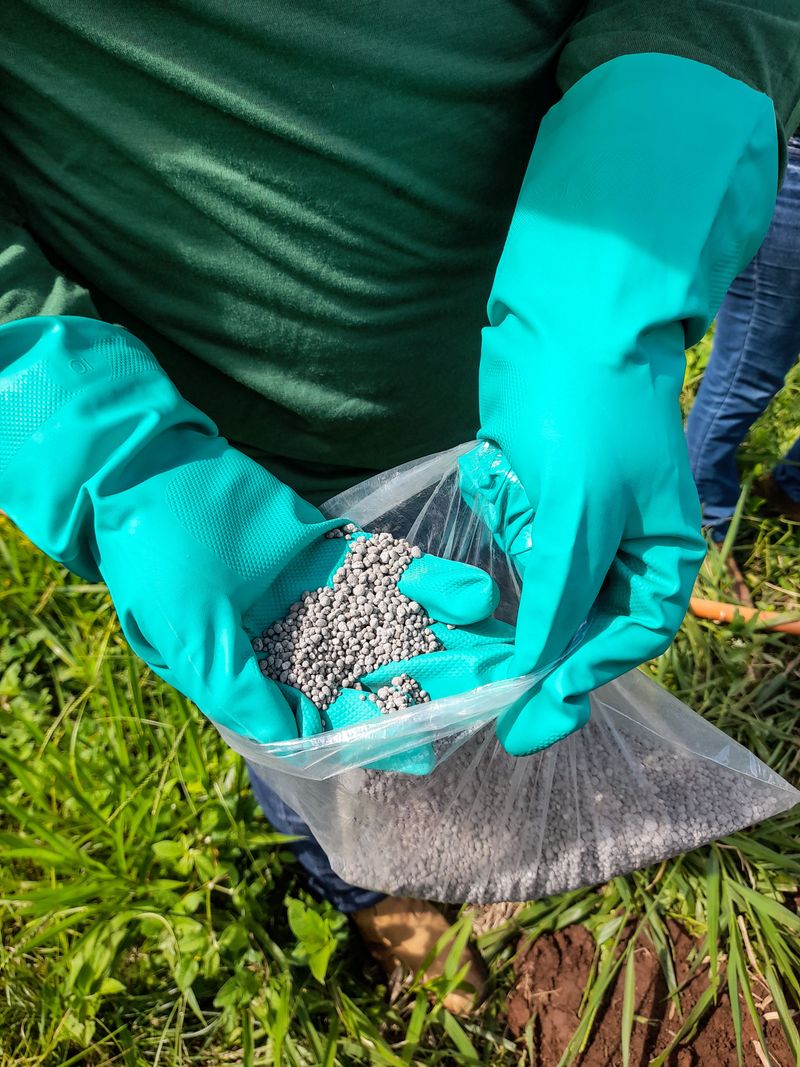
Hungry plants stretch when food runs low, especially midsummer. Balanced feeding helps leaves, roots, and flowers stay coordinated.
Pick a fertilizer with equal or close numbers listed. A ten-ten-ten blend suits many containers quite nicely today.
Follow label directions instead of guessing with heavy pours. Heavy plant food can burn roots and stall growth.
Apply after watering, never into bone dry potting mix. Moist soil spreads nutrients more gently around roots below.
During hot weather, feed lightly but stay consistent weekly. Random doses create surges, then slumps, then inconsistent results.
Watch the foliage color for clues after each feeding. Deep green leaves often mean the program fits well.
Pale growth and small flowers can signal hunger again. Stop feeding if your plant sits in shock awhile.
Heat stress, root rot, and bugs need separate fixes. Food cannot solve every lanky, bloom-poor problem alone today.
Still, steady nutrition makes recovery faster after pruning efforts. Good meals help new side shoots open quickly everywhere.
Treat fertilizer like support, not a magic wand ever. Healthy rhythm beats rescue chemistry every single time outside.
Water Consistently At Soil Level
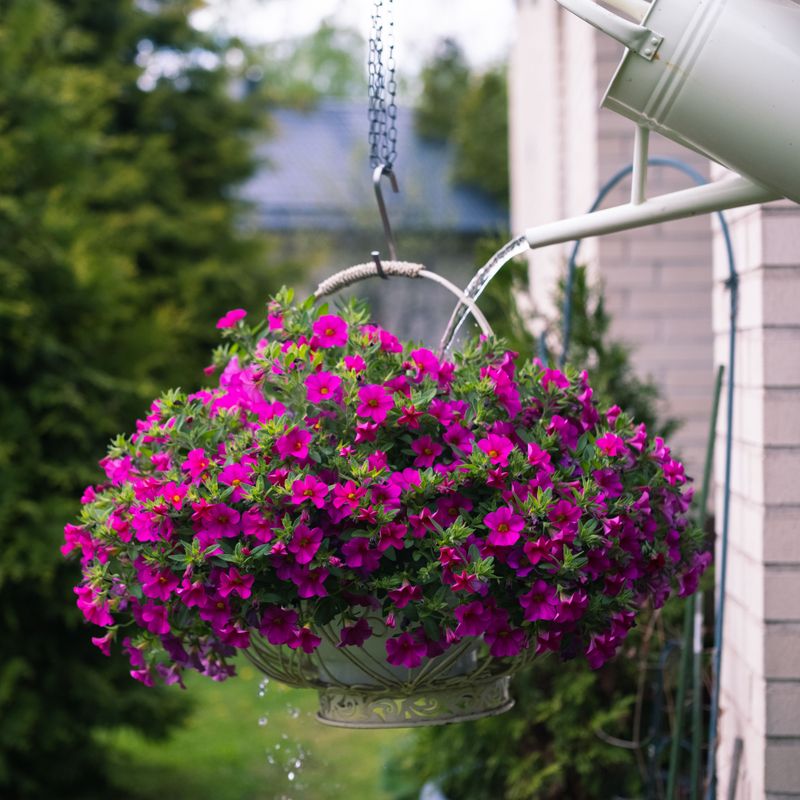
Splashy watering creates trouble faster than dry afternoons alone. Petunias prefer even moisture around roots, not leaves overhead.
Check soil with a finger before grabbing the hose. If top inch feels dry, water slowly there now.
Aim the stream at the soil, not flowers above. Wet leaves invite spots, mildew, and mushy petals later.
Morning watering gives roots time to drink before heat. Evening splashes can leave containers damp through night longer.
Consistency matters more than giant soakings after neglect ever. Wild swings push growth soft, then stressed, then leggy.
Use saucers carefully, and dump standing water promptly afterward. Roots need air as much as moisture below ground.
Mulch the soil surface with fine bark or compost. That simple layer slows drying and steadies conditions nicely.
Self-watering pots can help busy gardeners stay on track. Still, inspect them often during windy weather outside today.
A simple watering habit can change everything quickly there. Stronger stems follow when stress stops repeating daily outside.
Skip random spraying, and your blooms stay cleaner longer. Better habits below the leaves lift the whole plant.
Remove Spent Blooms Often
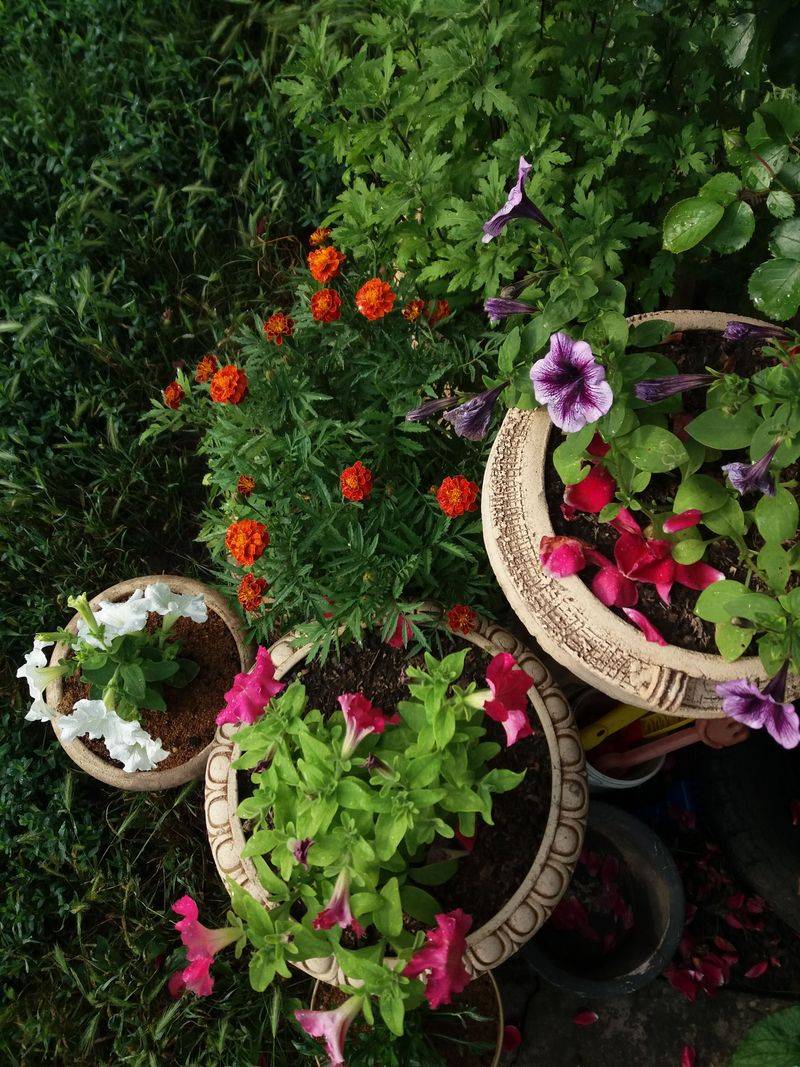
Faded flowers steal energy long after their beauty fades. Trimming keeps petunias focused on fresh buds ahead daily.
Grab each spent bloom where the little pod starts. Pinch off both flower and seed base together cleanly.
Leaving the pod behind still allows seeds forming there. Seed making tells the plant its work finished already.
Check baskets every few days during peak blooming season. Warm weather speeds fading, especially after hard summer rain.
Snipping old blooms also improves airflow around stems nicely. Cleaner plants dry faster and look brighter instantly outside.
Do not wait until hundreds of sticky petals cling. That messy stage turns quick chores into time-consuming cleanup.
Some newer varieties drop blooms on their own naturally. Even then, remove seedpods if you see them forming.
A tiny basket task pays back with nonstop color. More buds arrive when old blossoms stop calling shots.
Keep scissors handy near the door or porch rail. Easy access makes the habit stick better each week.
Small cleanup rounds beat one huge weekend effort always. More flowers are waiting once yesterday clears away fully.
Increase Sunlight Exposure Gradually When Petunias Go Leggy
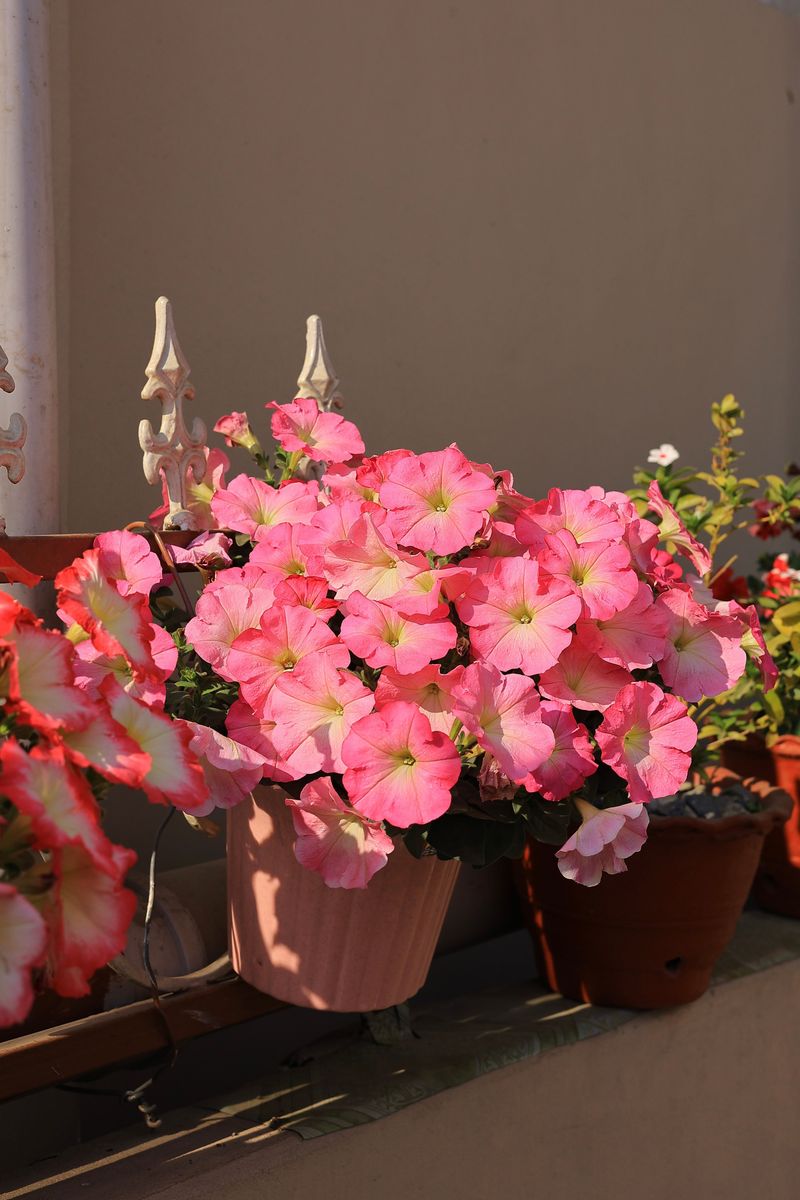
Dim corners often cause the longest, weakest petunia stems. More light helps growth stay compact and flower-rich longer.
Shift plants into brighter conditions a little daily outside. Sudden full sun can scorch tender leaves badly fast.
Start with one extra morning hour for several days. Then add more light once foliage stays calm outside.
South or west spots usually bring strongest blooming power. Balconies, porches, and patios may need seasonal testing too.
Watch for stretched spacing between leaves and blooms there. That gap often signals the plant needs more light, though overcrowding or overfeeding can cause it too.
Rotate hanging baskets weekly so all sides balance better. One shaded face can ruin the whole shape quickly.
If trees block light, prune branches if allowed safely. Nearby walls can also bounce heat toward containers harshly.
So pair extra sunshine with faithful watering habits daily. Better light alone will not fix every issue instantly.
Still, it changes shape faster than many people expect. New side growth stays shorter under brighter skies outside.
A slow move prevents shock and saves flowers too. Soon, your basket stops reaching and starts filling nicely.
Cut Back By Half
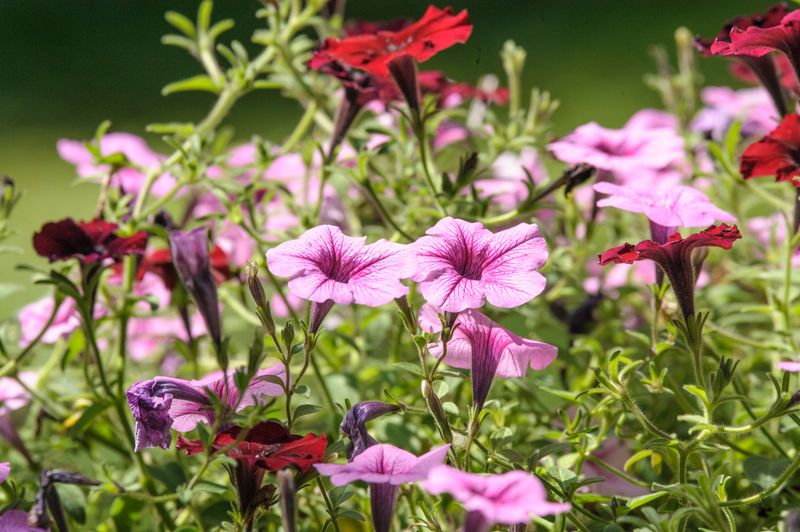
Sometimes a halfway cut is the fastest comeback plan. When petunias go leggy, decisive pruning resets everything fast.
Measure the stems, then remove about half overall cleanly. Keep some leafy growth on every remaining branch always.
Bare stubs struggle harder because buds need leaves nearby. Start around the outside, then shape the center next.
Uneven trimming can leave strange gaps after regrowth later. Water first if the soil feels dusty and hot.
Hydrated roots handle stress better during recovery periods ahead. Follow with light feeding after new shoots appear below.
Fresh growth uses nutrients better than shocked stumps alone. Expect fewer flowers for a short while after pruning. That pause makes room for a fuller flush soon. Do not cut one stem and ignore the rest.
Patchy pruning creates patchy shape, plain and simple later. Clean blades between plants if disease seems possible nearby.
Alcohol wipes work quickly for home garden tools today. Hard cuts feel drastic, yet petunias recover quickly.
Give them warmth, light, and a little patience now. The second act can look better than spring ever.
Apply Liquid Fertilizer Weekly
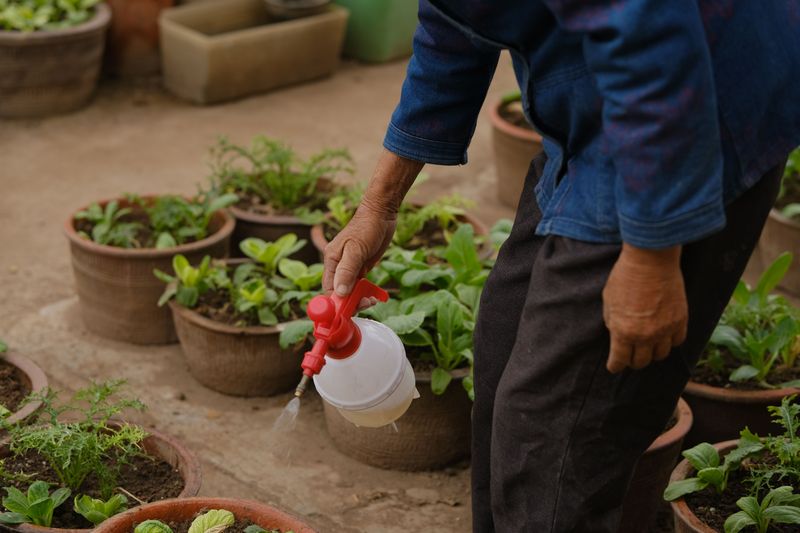
Liquid feeding works like a quick boost after pruning. Mix according to label, then dilute if unsure slightly. Weak weekly doses beat strong blasts every month easily.
Pour onto moist soil so roots absorb gently below. Dry mix and fertilizer together can stress plants significantly.
Choose a bloom formula only after shape improves first. Early on, balanced nutrition grows branches and leaves evenly.
Continue weekly during active growth and heavy flowering months. Pause during cool spells when growth slows noticeably down.
Yellow leaves sometimes improve after two careful feedings nicely. If not, inspect roots, light, and watering next closely.
Liquid products help hanging baskets more than ground beds. Water drains faster there, taking nutrients with it away.
Keep notes on dates, strength, and plant response nearby. A simple pattern saves guesswork all season long later.
Do not double doses after missing one week ever. Catch-up feeding can scorch roots and bend progress backward.
Little sips of nutrition keep momentum alive longer daily. Recovery feels smoother when support arrives on schedule weekly.
Repot Into Fresh Soil
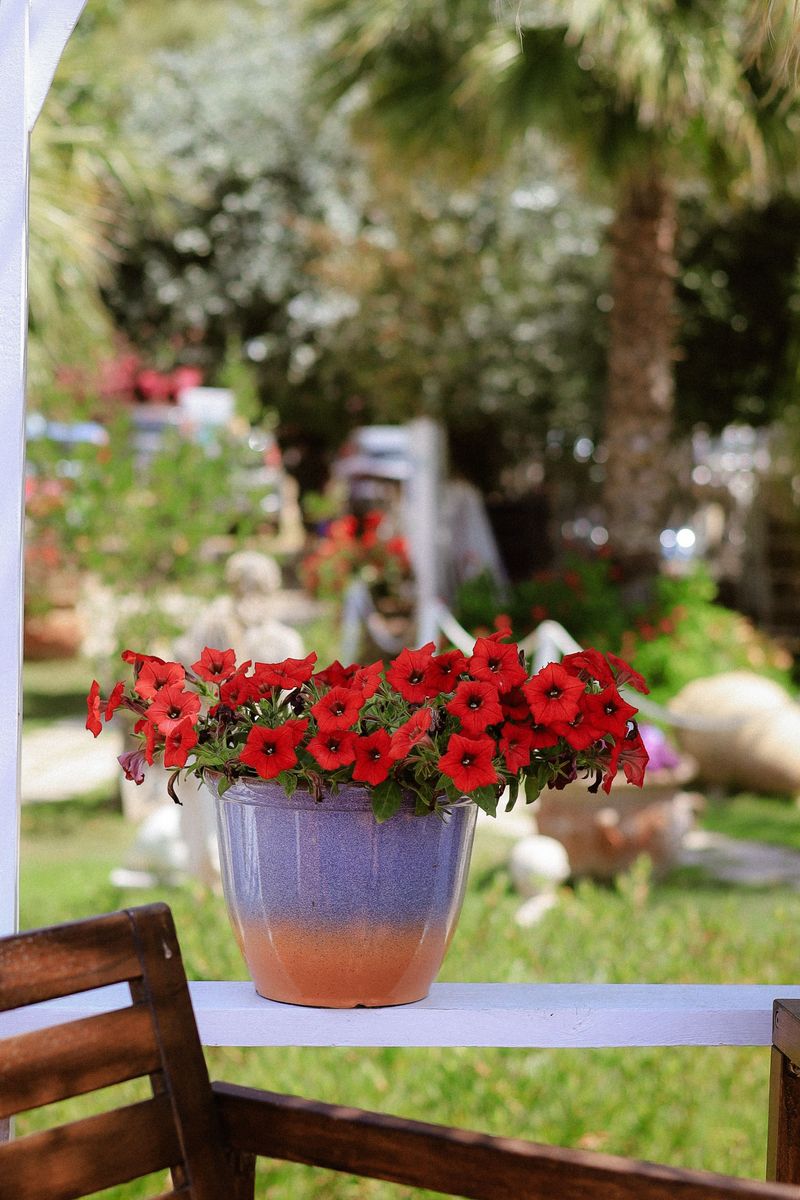
Old potting mix gets tired long before summer ends. Compacted soil starves roots of air and room below.
Slide the plant out and inspect the rootball closely. Circling roots, sour smell, or mush mean trouble underneath.
Choose a container one size larger, not huge please. Oversized pots stay wet and slow fresh growth badly.
Use quality potting mix with drainage and compost blended. Garden soil feels heavy and packs far too hard.
Loosen outer roots gently before setting the plant inside. That step helps them move into new mix faster.
Fill around the sides, then water thoroughly once afterward. Add more mix if settling leaves roots exposed above.
Repotting works best after trimming back lanky stems first. Smaller tops place less demand on healing roots below.
Skip fresh pots if roots look healthy and loose. Sometimes light, pruning, and feeding solve the problem alone.
Still, tired mix can stall every other fix quickly. New soil brings air, moisture balance, and nutrients together.
A repotted basket often perks up within days nicely. Fresh roots make all the next steps easier ahead.
Skip Flower Removal For Weeks
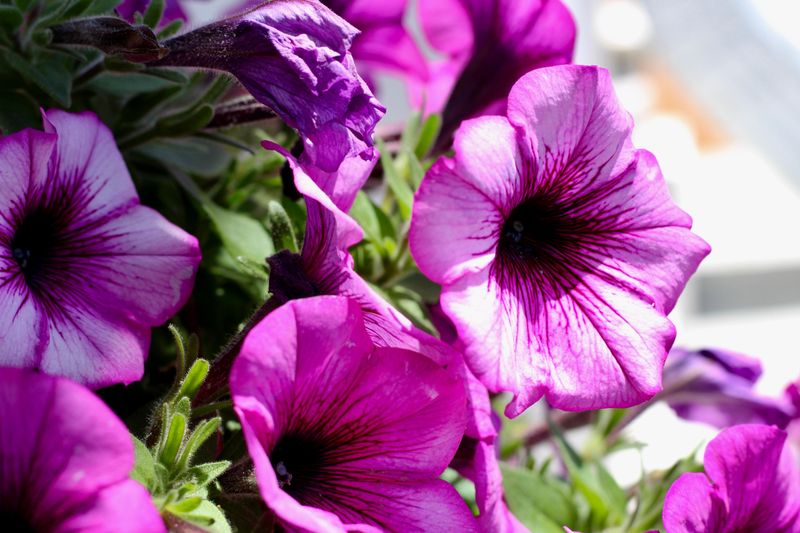
Here is a common mistake many gardeners make accidentally. Ignoring faded blooms for weeks slows future flowering badly.
Those shriveled flowers are not just ugly clutter either. They often hide seedpods already forming underneath there inside.
Seed production steals energy from fresh bud building efforts. A once-bright basket can look tired fast outdoors suddenly.
Rain makes faded petals stickier and harder to clean. Sun bakes petals onto foliage and stems tightly later.
Waiting too long also hides mildew and small pests. Quick checks catch trouble before it spreads widely elsewhere.
Make trimming part of watering or morning coffee rounds. Tiny routines prevent giant cleanup sessions later outside nicely.
If blooms are sticky, wear thin garden gloves outside. Snips help when stems feel tough or tangled badly.
Some petunias self-clean, but not perfectly always outside either. A closer look still pays off in fuller flushes.
Leaving old blossoms tells the plant to coast awhile. That is the opposite of what leggy containers need.
Stay ahead of seedpods, and color keeps coming longer. Small neglect grows into a bigger slowdown quickly later.
Overcrowd Plants In Containers
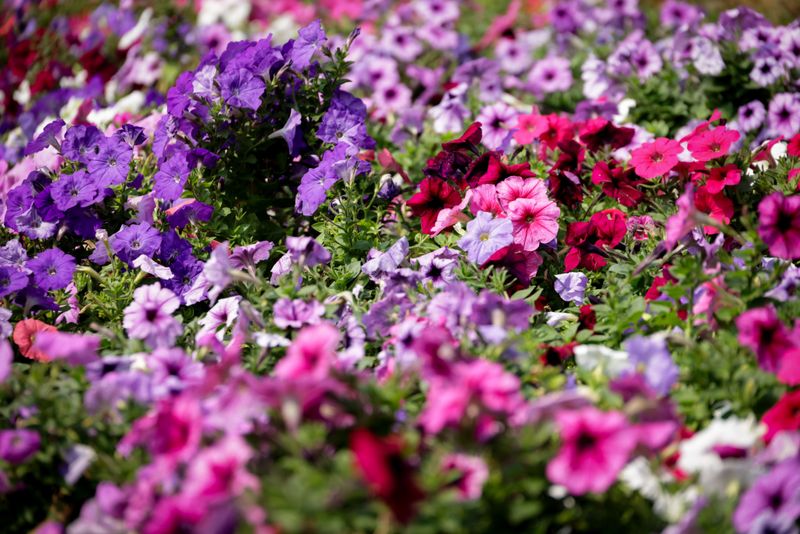
A packed pot looks lush, then turns troublesome fast. Overcrowding pushes stems upward and outward for light hard.
Roots also compete for water, food, and space below. Stress builds quietly before flowers begin shrinking outside.
Petunias need breathing room to stay rounded and healthy. One basket can fool you at planting time.
Small starts seem harmless while spring weather feels mild. By summer, every stem wants its own lane badly.
Follow spacing guidelines even when empty soil annoys you. Gaps fill surprisingly fast under good growing conditions outside.
Mix trailers with upright plants only when size matches. Aggressive neighbors can swallow slower bloomers nearby quickly whole.
Choose fewer plants for hanging baskets than expected initially. Better airflow means fewer leaf spots and mildews overall.
If crowding already happened, thin or repot promptly now. Keeping all plants together often hurts every one involved.
A roomy container supports stronger branching and roots below. That balance keeps blooming steady through heat waves ahead.
Less stuffing can actually make displays look fuller later. Space is not wasted when growth has room enough.
Neglect Pruning Until Fall
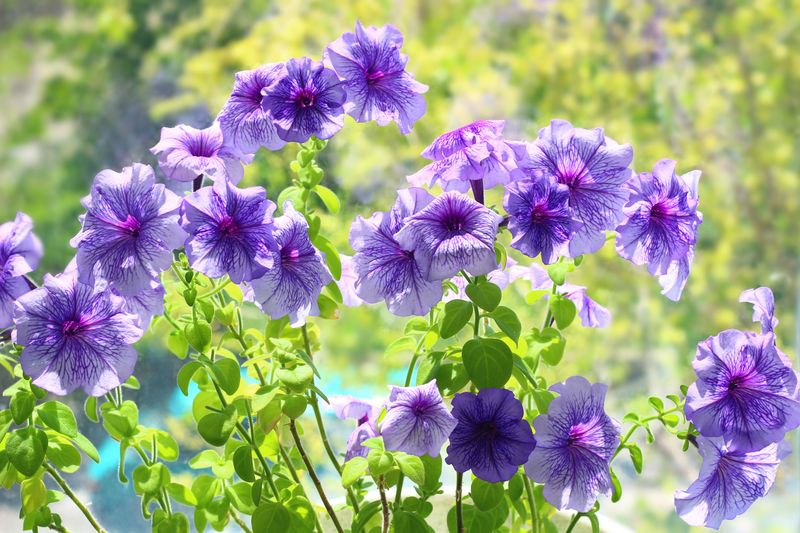
Waiting until fall sounds easy, but delays recovery by months. Leggy petunias need action while warm weather remains outside.
Summer pruning gives time for side shoots growing later. Autumn cuts arrive when days shorten and cool down.
Slower light means slower recovery and fewer flowers overall. By then, woody stems can resist fresh branching more.
The best correction window opens much earlier outside usually. Midseason trims rebuild shape before the show ends completely.
If plants look tired in July, prune then promptly. Feed lightly and keep moisture steady afterward daily too.
New growth can bloom again within weeks nicely there. That second wave often outshines the first easily outside.
Delaying all pruning lets weak stems keep stretching higher. Empty centers and sparse flowering follow soon after.
Start small if hard cuts make you hesitant today. Even a half trim beats waiting months longer again.
Keep shaping through summer, not after color fades away. Regular pruning turns rescue work into routine care easily.
The first things to do when petunias go leggy matter. Early action brings flowers back before season closes.