The August Watering Mistake That Makes Oregon Plants Weaker Before Fall
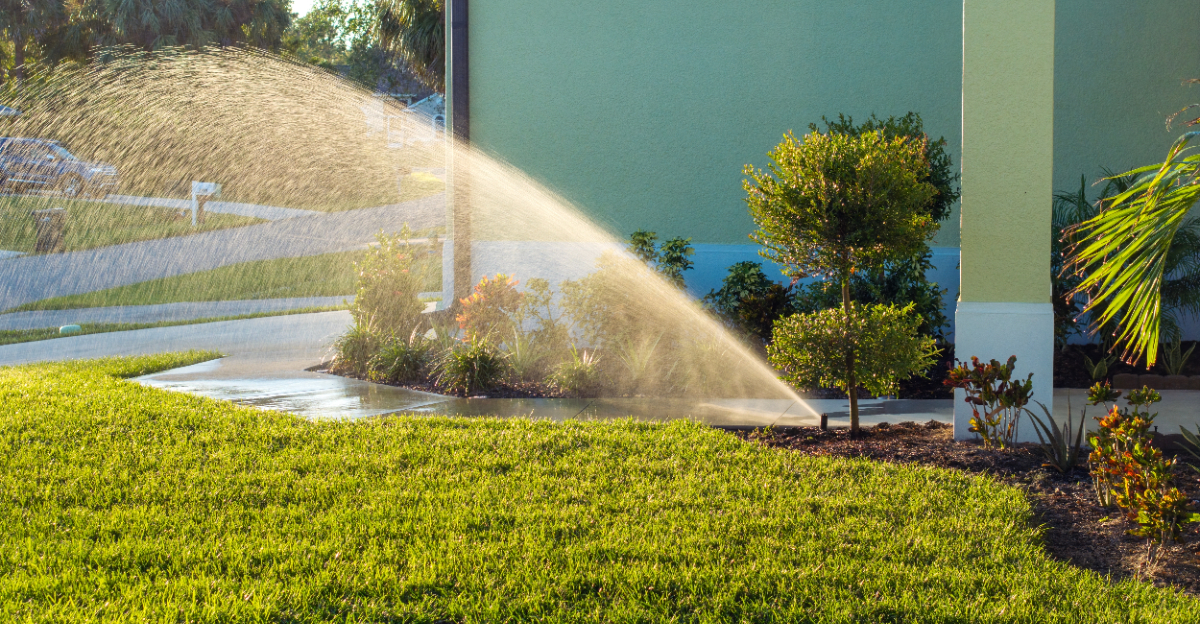
The mistake looks responsible at first.
A gardener steps outside on a hot August morning, gives the flower bed a quick pass with the hose, watches the top layer turn dark, and walks away feeling like the plants got what they needed.
From above, everything looks better. The mulch is damp. The dust settles. The leaves seem less neglected.
Below the surface, the story can be completely different.
A shallow wet crust may sit on top of soil that is still dry where the roots actually need moisture.
Established perennials, shrubs, vegetables, and young trees do not become stronger from a daily rinse across the top inch. They become dependent on moisture that disappears quickly.
Late summer in Oregon is the wrong time to train plants into shallow habits.
Fall is coming, but August can still bring dry soil, warm afternoons, wind, and tired root systems. The way you water now shapes how well plants handle that transition.
So what is the August watering mistake that weakens Oregon plants before fall?
It starts with a quick sprinkle that never reaches the root zone.
Stop Giving Daily Surface Sprinkles
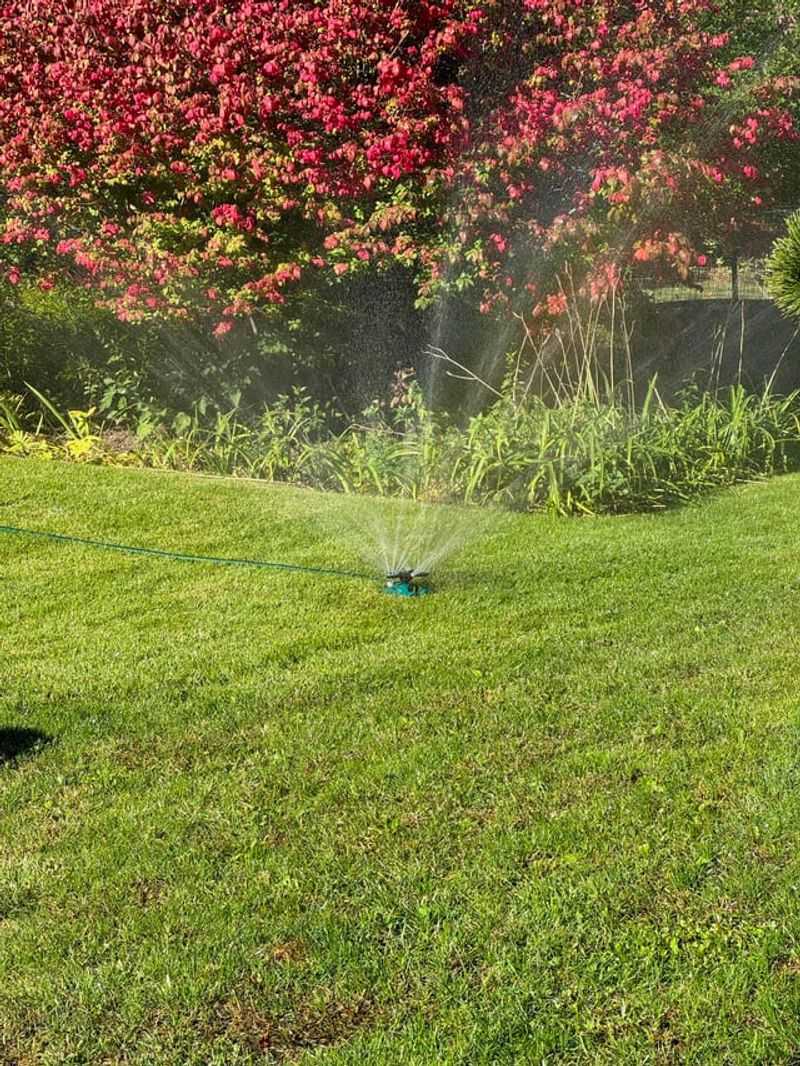
A fast sprinkle feels helpful, but it can weaken established plants.
The top inch of soil turns dark quickly, which makes the garden look watered. But established roots often sit several inches deeper. A two-minute hose pass may freshen the surface without reaching the part of the soil that actually supports the plant.
That shallow pattern creates shallow roots. Plants learn to rely on the moisture nearest the surface.
Surface soil dries fastest. Sun, wind, and warm August air can pull that moisture away quickly.
Shallow roots face bigger temperature swings. The top layer heats and cools more dramatically than deeper soil.
Deep roots are more stable. They reach cooler layers where moisture lasts longer.
Established perennials need more than a damp crust. So do shrubs, fruiting vegetables, and young trees.
Daily light watering can also encourage weeds. Weed seeds near the surface get just enough moisture to sprout.
There are exceptions. Germinating seeds and tiny seedlings need frequent light moisture because their roots cannot reach deeper yet.
Fresh transplants need a transition too. They need consistent moisture while roots settle, then a gradual shift toward deeper watering.
The mistake is treating established plants like seedlings all season.
By August, most settled plants need a slower soak that reaches down, not a daily surface rinse that disappears by noon.
Check Moisture Below The Dry Crust
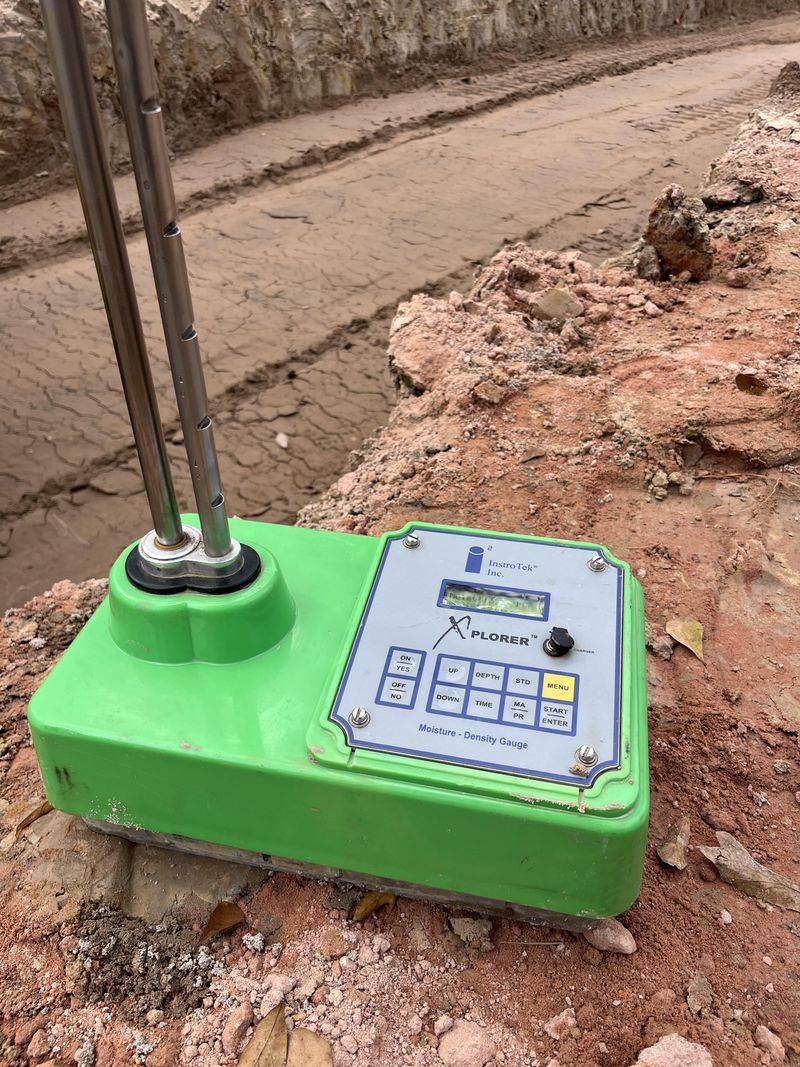
The surface can mislead you in both directions.
Dry mulch may make the bed look desperate for water, while soil underneath still holds enough moisture. A dark surface after a sprinkle may also look reassuring, while the root zone below remains dry. The only way to know is to check deeper.
Use your finger first. Push two to three inches into the soil near the plant.
Moist soil at that depth means watering can wait. Dry, crumbly soil there means the roots may need help.
Your Oregon Garden Changes Every Week. Your Plan Should Too.
Gardening in Oregon changes quickly throughout the season. Every Friday you’ll receive a simple weekly plan showing exactly what to plant, prune, fertilize, harvest, and protect so you never miss the right timing.
A wooden dowel works even better. Push it down several inches, pull it out, and feel for cool dampness.
A soil probe is useful for larger beds. It lets you check without digging around roots.
Use a trowel when the answer is unclear. Open a small hole four to six inches deep between plants.
Look at color and texture. Darker, cooler soil usually holds moisture, while pale, dusty soil points toward dryness.
Check more than one spot. Soil near a fence, path, slope, tree root zone, or sunny edge may dry faster.
Do not trust one corner for the whole bed. Oregon gardens can vary sharply within a few feet.
Check before watering, not after. The goal is to make the decision based on root-zone moisture.
A quick test saves water and protects roots.
Once you know what is happening below the crust, watering becomes care instead of guesswork.
Soak The Entire Root Zone
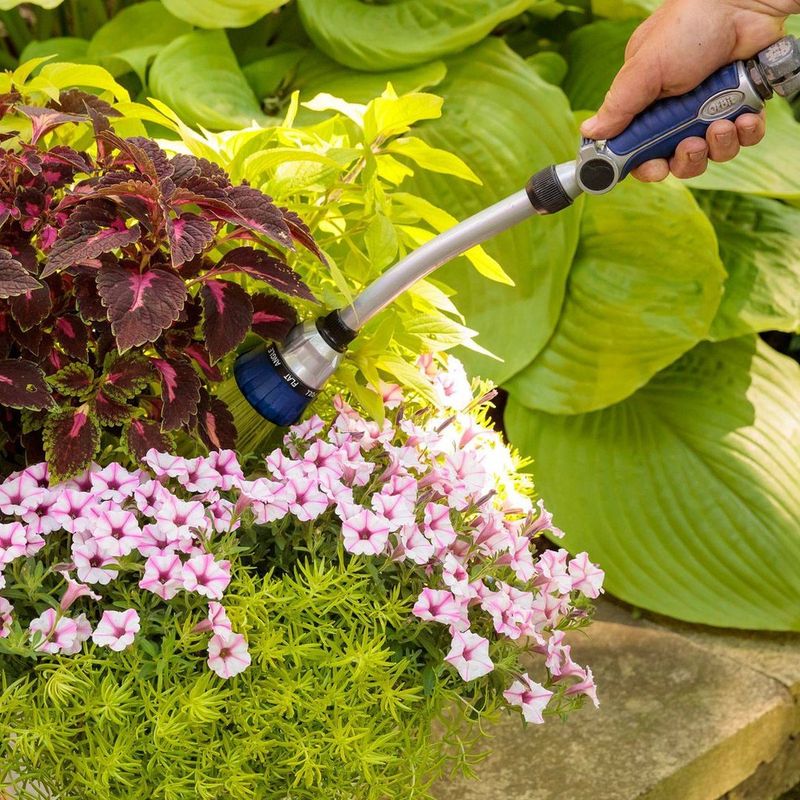
Roots need water where they live.
A quick blast from a hose often runs across the surface or sinks only shallowly. That is especially true in compacted ground, clay-heavy soils, sloped beds, and dry soil that sheds water at first.
Slow watering works better. The soil needs time to absorb moisture without puddling or washing away.
Use a soaker hose for beds. It releases water gradually and keeps the moisture near the root zone.
Drip lines work well too. They apply water slowly enough to move down instead of racing off the surface.
A low sprinkler can help when used long enough. Five minutes usually will not soak deeply.
Annual vegetables often need moisture a foot or more down by late summer. Their roots are much larger than they were in spring.
Perennials can reach similar depths. Established clumps need a soak that supports the whole root system.
Shrubs spread wide. Their roots often reach beyond the visible base of the plant.
Young trees need deep support. Water should reach below the surface and encourage roots outward.
Check the depth after watering. Dig a small test hole the next day to see how far moisture traveled.
Adjust run time from what you find. A chart cannot know your soil as well as a trowel can.
A true soak takes patience.
The reward is a plant with deeper roots and a better chance of staying steady as late summer turns toward fall.
Let The Surface Dry Slightly
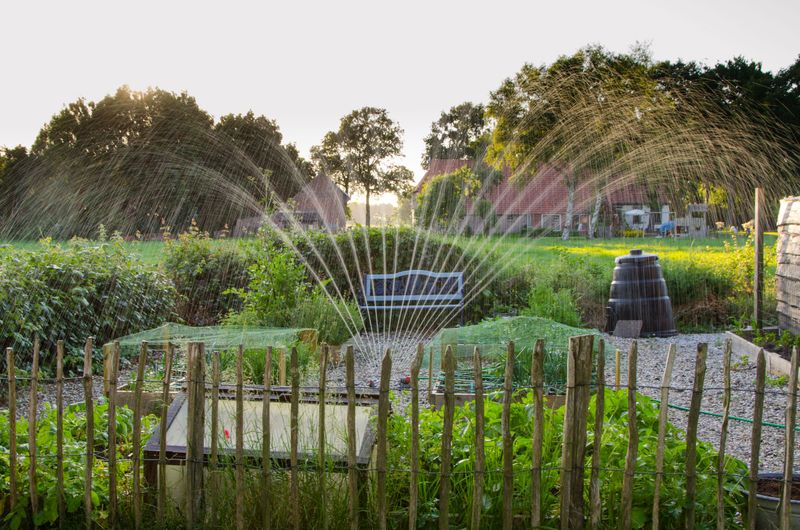
A dry surface is not always a problem.
Roots need oxygen as well as water. Soil that stays constantly wet near the surface can reduce airflow, weaken roots, and encourage shallow growth. Letting the top layer dry slightly between waterings helps create a healthier rhythm.
The goal is not drought. It is a moist-to-slightly-dry cycle.
Let the top inch or two begin to dry. Deeper soil can still hold moisture for established roots.
That contrast encourages roots downward. Plants follow moisture into cooler, steadier layers.
Constant surface moisture keeps roots lazy. They stay close to the easiest water source.
A slightly dry surface also slows some weeds. Many weed seeds need shallow moisture to sprout.
Watch the plant at different times of day. Afternoon droop in heat can be temporary.
Evening recovery is reassuring. Leaves that perk back up after temperatures drop may not need water.
Drooping that persists overnight matters more. That can signal a truly dry root zone.
Do not let the whole root ball dry hard. Severe dryness stresses plants and slows recovery.
Balance is the point. Surface drying is helpful only when deeper moisture remains available.
This rhythm builds resilience.
Plants heading into fall with deeper roots are better prepared than plants trained to wait for a daily surface drink.
Match Frequency To Soil Texture
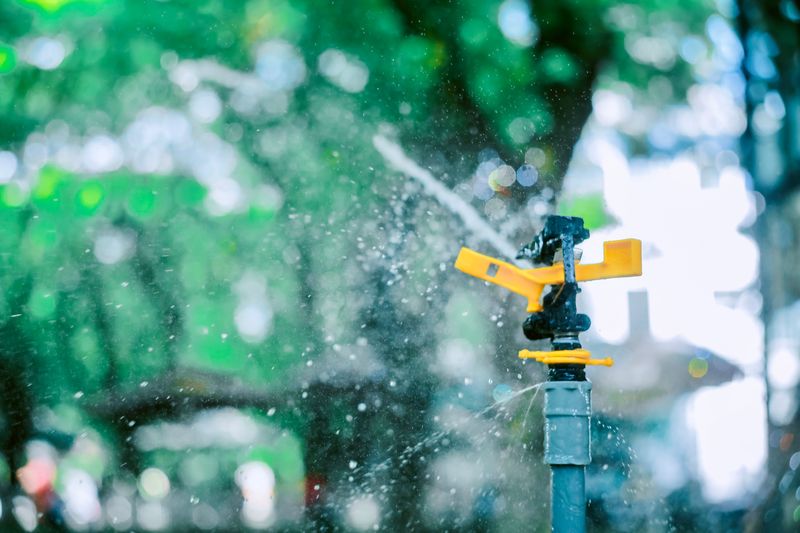
Oregon gardens do not dry at one speed.
A watering habit that works in one yard can fail in another. Soil texture controls how quickly water moves, how long it stays available, and how often plants need another deep soak.
Sandy soil drains fast. Many Central and eastern Oregon gardens lose moisture quickly after irrigation.
That does not mean shallow watering is best. Sandy soil may need water more often, but each session still needs enough volume to reach roots.
Clay soil moves slowly. Much of the Willamette Valley has heavier soil that absorbs water at a slower pace.
Slow application helps clay. A rushed soak can puddle or run off before the soil accepts it.
Clay also holds moisture longer. After a deep watering, the next irrigation may be farther away than expected.
Loam gives more flexibility. Even then, weather and plant size still matter.
Raised beds dry faster. Their elevated sides expose soil to more air and heat.
Containers dry fastest of all. Limited soil volume heats quickly and may need separate checks.
Slopes complicate watering. Water may run downhill before it soaks into the root zone.
Shade changes everything. Beds under trees or near buildings often stay moist longer than open sunny beds.
Your soil should set the rhythm.
The right August schedule is not daily or weekly by default. It is whatever keeps the active root zone moist, then lets the surface breathe.
Move Water Out As Roots Expand
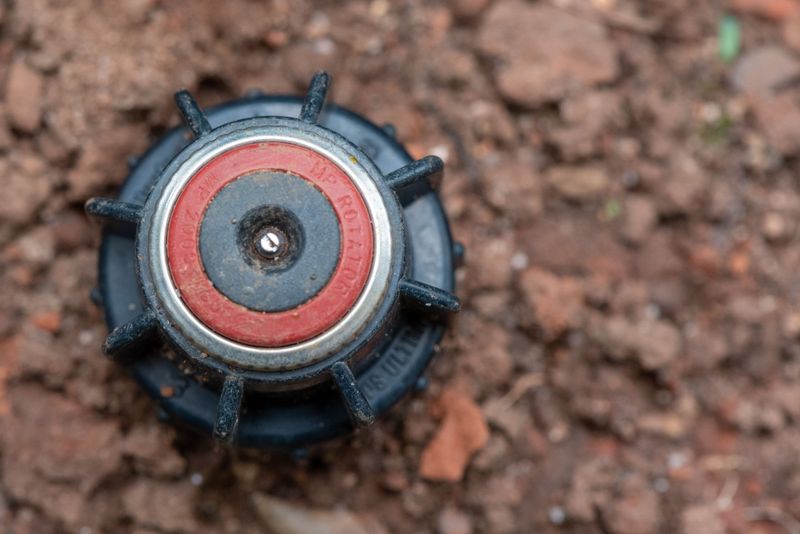
Roots do not stay beside the stem forever.
A drip emitter placed near a new transplant makes sense at planting time. By August, that plant may have sent roots outward well beyond the original spot. Watering only at the crown can miss the most active feeder roots.
Shrubs spread below ground as they grow above it. Their roots often reach wider than the branch spread suggests.
Move emitters outward gradually. The water should follow the expanding root system.
For trees, water near the drip line. That is the outer edge of the canopy where rain would naturally fall from the leaves.
Do not soak the trunk base repeatedly. Too much moisture at the crown can stress bark and root tissue.
Use a wider watering ring. A circle or broad band encourages roots to spread.
Check the wetting pattern. After watering, test soil several inches deep beyond the canopy edge.
Dry soil there means the roots may not be getting support where they are most active.
Young trees need this adjustment often. Their roots expand quickly during the growing season.
Shrubs in foundation beds need it too. Emitters left at the original nursery root ball may become poorly placed by late summer.
Annual vegetables also expand. A tomato watered only at the stem may miss a large portion of its mature root zone.
August is a good time to reassess.
The plant you watered in May is not the same plant sitting in the bed now.