8 Things Washington Gardeners Get Wrong About Growing Petunias
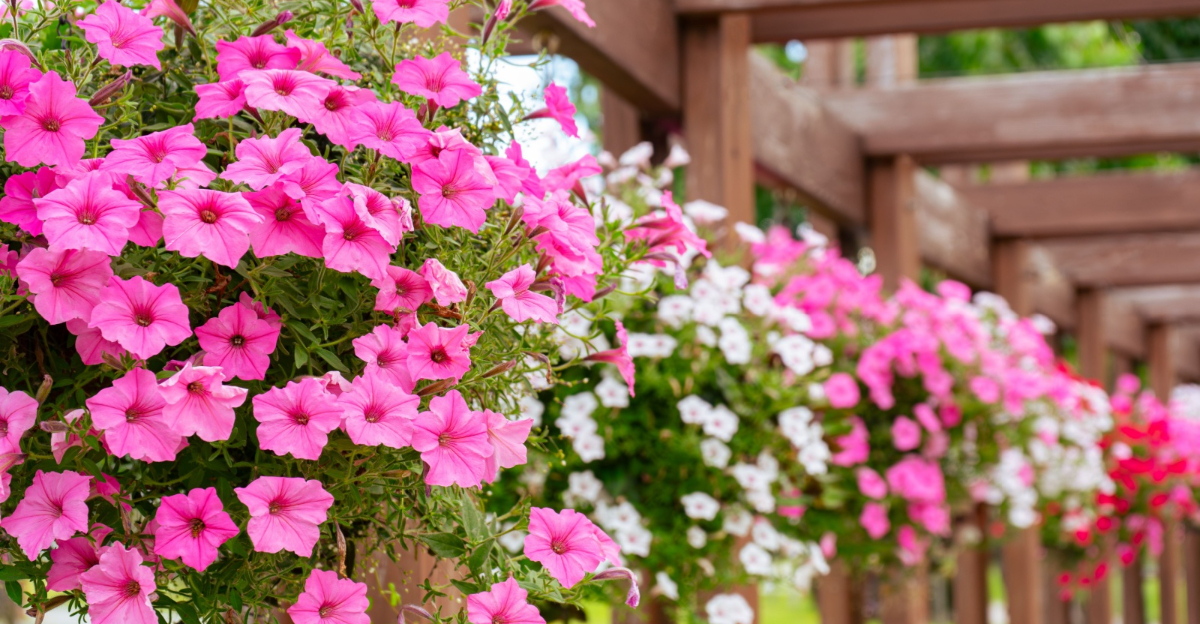
Petunias have a reputation for being foolproof. Grab a flat, find a sunny spot, done.
Except Washington gardeners know it rarely works out that cleanly. The blooms fade by July, the plants get leggy and weird, and nobody can explain why.
Here’s the thing: petunias are not actually difficult. They just have preferences, and Washington has a way of testing every single one of them.
Cool springs that stretch too long, surprise heat waves that show up uninvited, weeks of overcast sky that mess with your timing. Your petunias are paying attention even when you are not.
Most petunia problems trace back to a small handful of mistakes. Fix those, and the plants practically take care of themselves.
1. Watering Too Often Is The Fastest Way To Damage Your Petunias
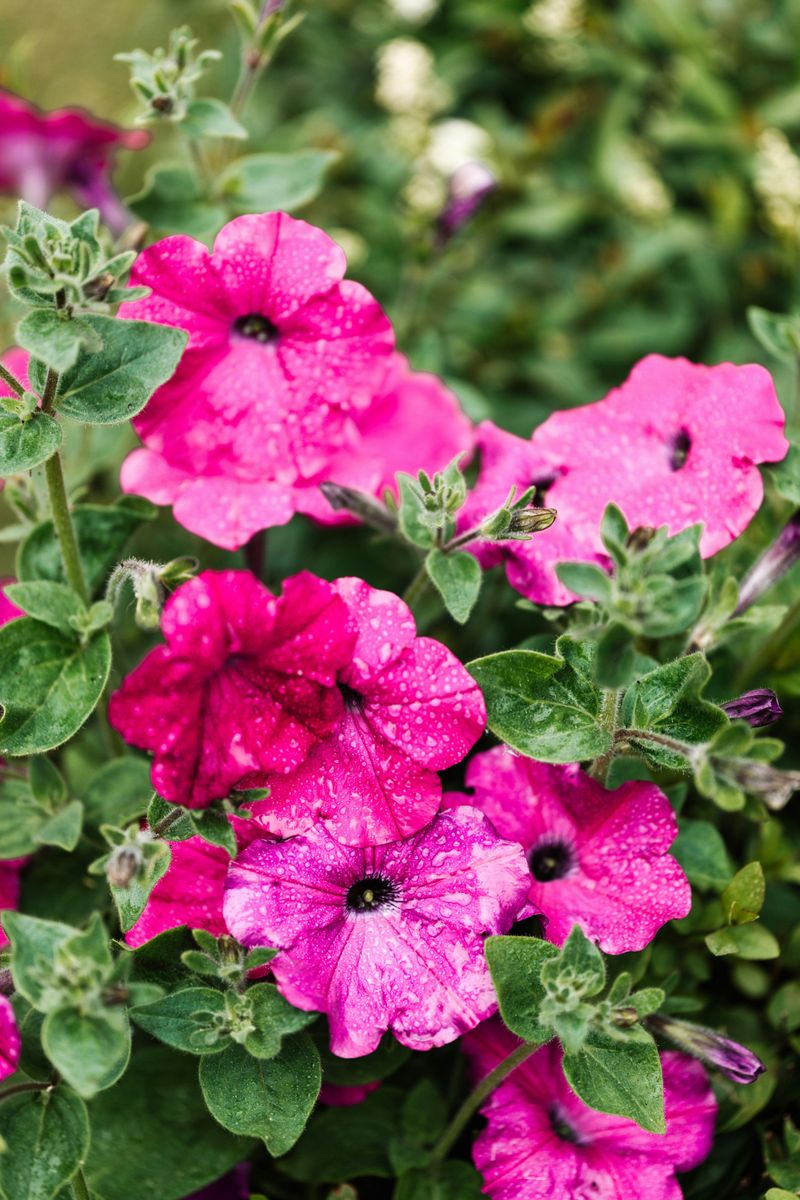
Soggy roots are silent destroyers. Most gardeners assume petunias want water every single day, especially when the sun finally shows up in Washington.
That assumption costs you plants. Petunias actually prefer to dry out slightly between waterings.
Stick your finger an inch into the soil. If it still feels moist, step away from the hose.
Overwatering leads to root rot faster than almost any other mistake. The roots stop absorbing nutrients, the leaves yellow, and blooms drop off before they even open.
Container-grown petunias need more frequent watering than in-ground ones. But even in pots, daily watering is often too much during cooler Washington stretches.
A good rule is to water deeply and then wait. Deep watering encourages roots to grow downward, making the plant stronger overall.
Morning is the best time to water. The soil absorbs moisture before the afternoon warmth hits, and the foliage dries quickly.
During Washington’s cooler months, you might only need to water every two to four days depending on conditions. Pay attention to the plant, not the calendar.
Wilting in the afternoon heat can look like underwatering, but it is often just the plant resting. Check the soil before reaching for the hose.
Healthy petunias have firm stems and bright green leaves. When roots stay too wet for too long, that firmness disappears fast, and recovery is slow.
2. Skipping The Pinching Back Step Costs You All Season
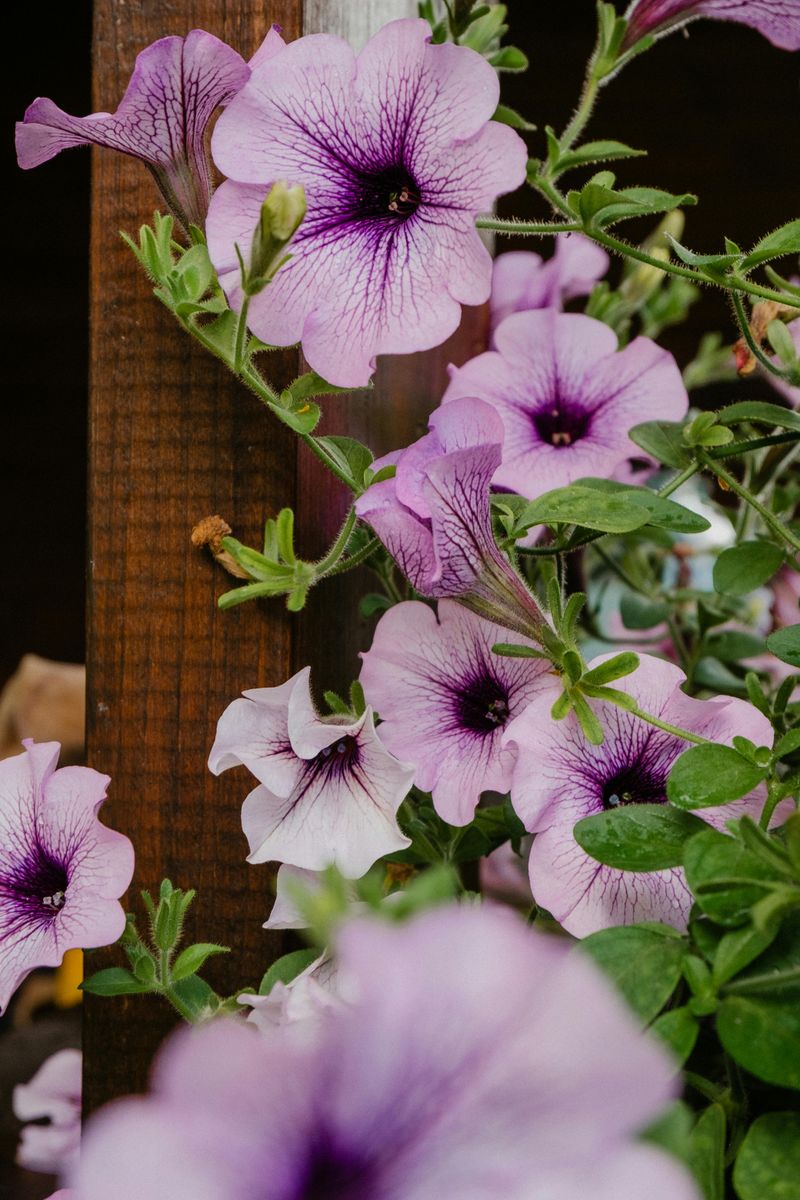
Nobody wants to cut a flower that just started blooming. It feels wrong, almost counterproductive, but skipping this step is one of the biggest mistakes petunia growers make.
Pinching back simply means removing the growing tips of the stems. You cut just above a leaf node, usually removing about a third of the stem length.
This signals the plant to branch out instead of growing tall and stringy. More branches mean more flower buds, and more buds mean a fuller, more colorful display all season long.
Washington gardeners who skip pinching end up with long, bare stems by mid-July. The flowers cluster only at the tips while the rest of the plant looks empty and tired.
Start pinching when your petunias are young, around four to six inches tall. Do it again every three to four weeks throughout the growing season.
Your Washington Garden Changes Every Week. Your Plan Should Too.
Gardening in Washington changes quickly throughout the season. Every Friday you’ll receive a simple weekly plan showing exactly what to plant, prune, fertilize, harvest, and protect so you never miss the right timing.
It sounds aggressive, but petunias respond with enthusiasm. Within a week or two, you will notice new growth branching out from the cut points.
Use clean scissors or your fingers for small, soft stems. Dirty tools can introduce disease, so a quick wipe with rubbing alcohol keeps things safe.
Some gardeners hesitate because they are cutting off active blooms. Those sacrificed flowers are an investment in dozens more to come.
Think of it like pruning a fruit tree. Short-term loss leads to long-term abundance.
Commit to pinching and your petunias will reward you with color from spring all the way through the first cool snap of fall.
3. Underfeeding Petunias Will Catch Up With You All Season
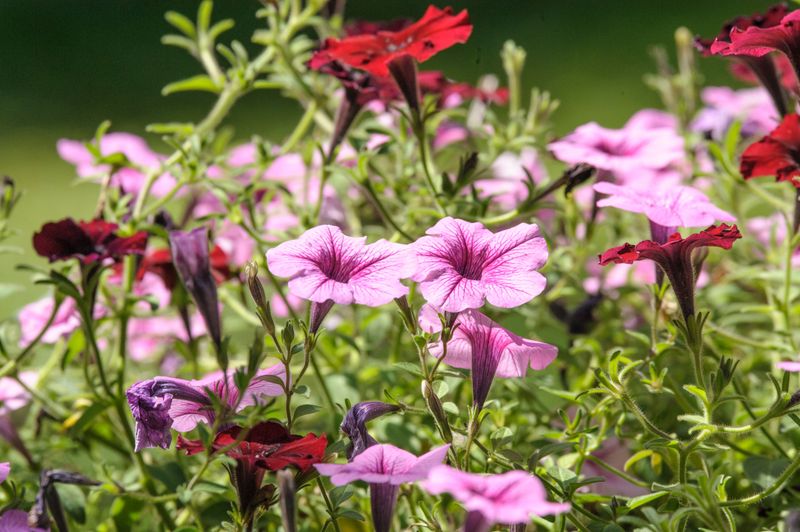
Petunias are hungry plants. They bloom constantly from late spring through fall, and that kind of energy demands a steady supply of nutrients.
Most gardeners plant petunias, water them, and call it a job well done. Then they wonder why the blooms fade and the leaves turn pale by August.
A balanced fertilizer with a slightly higher phosphorus number encourages flower production. Look for something like a 10-30-10 or a bloom-boosting formula at your local garden center.
Liquid fertilizers work faster than granular ones. Feeding every one to two weeks during the growing season keeps petunias in full bloom mode.
Slow-release granular fertilizer mixed into the soil at planting gives a good foundation. But it is not enough on its own for the whole season.
Container petunias need even more frequent feeding. Regular watering gradually flushes nutrients from containers.
Signs of underfed petunias include pale or yellowing leaves, small blooms, and slow growth. These plants are telling you they need more fuel.
Organic options like fish emulsion or seaweed extract work well too. They feed more gently but still deliver the nutrients these plants crave.
Avoid over-fertilizing with high nitrogen formulas. Too much nitrogen pushes leafy green growth at the expense of flowers, which defeats the whole purpose.
Once you commit to a consistent feeding schedule, your petunias will respond with bigger, brighter blooms that last well into the cooler Washington evenings.
4. Choosing The Wrong Variety Makes All The Difference
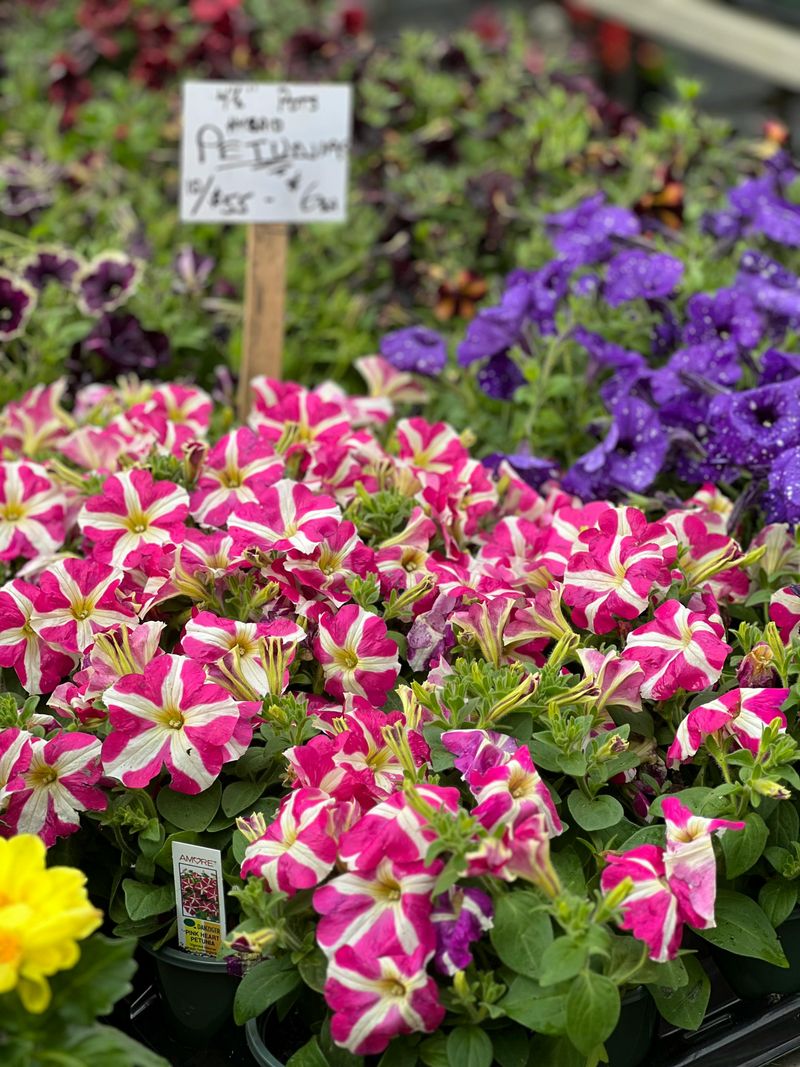
Not all petunias are built the same. Walk into any nursery and you will find grandifloras, multifloras, millifloras, and spreading types all sharing the same shelf.
Grandifloras have the biggest, showiest blooms, but they are also the most sensitive to heat and rain. Washington summers can flip between cool and hot without warning.
During a surprise heat wave, grandifloras often drop their blooms and sulk. They need more consistent conditions than Washington typically offers.
Multiflora varieties are a smarter pick for this region. They produce smaller but more numerous blooms and handle temperature swings with far more grace.
Wave petunias and other spreading types also perform well here. They cascade beautifully from hanging baskets and tolerate both heat and cooler spells without drama.
Millifloras are compact and tough. Their tiny blooms cover the plant densely, and they bounce back quickly after a rough weather patch.
Reading the plant tag carefully before buying makes a big difference. Look for words like heat-tolerant, weather-resistant, or self-cleaning on the label.
Self-cleaning varieties drop spent blooms on their own, which saves time and keeps the plant focused on producing new flowers.
Local nurseries in Washington often stock varieties suited to the region. Ask the staff which types have performed best in your specific area.
Choosing the right variety from the start means less frustration and more color. The wrong pick can make the season harder than it needs to be.
5. Leaving Spent Blooms On The Plant Slows It Down
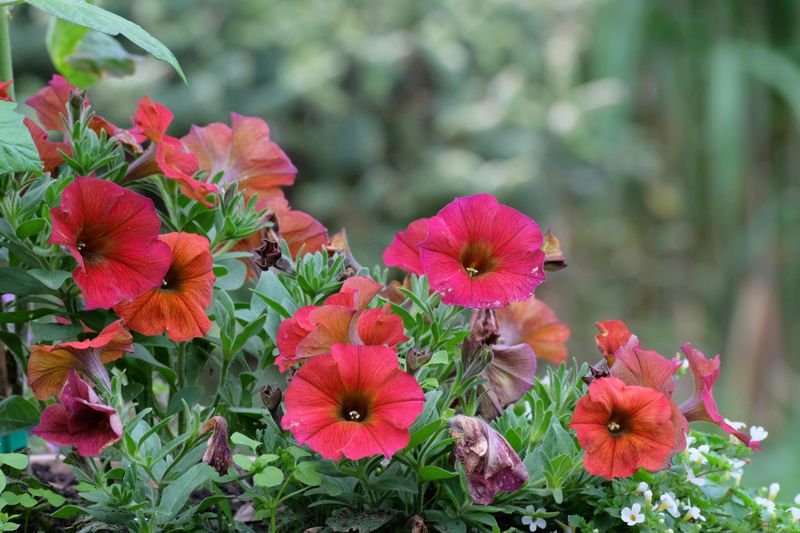
Spent flowers left on a petunia plant send one clear message to the plant. That message is: mission accomplished, time to make seeds.
Once a plant shifts into seed production mode, it pulls energy away from making new blooms. The whole flowering show can slow significantly.
This simple step means clearing faded blossoms before they form seed pods.
For most petunia varieties, it is a quick weekly task. Pinch off the old bloom along with the small swelling at the base where the seed pod forms.
That swelling is called the ovary. Removing it is the key step many gardeners miss when they just pull off the petals and leave the green base behind.
Self-cleaning varieties handle this automatically, which is one reason they are so popular. But even self-cleaning types benefit from occasional manual cleanup during heavy bloom periods.
A basket or bed full of crispy brown blooms also looks untidy. Regular cleanup keeps your display looking fresh and intentional rather than neglected.
The whole process takes about five minutes for a standard hanging basket. Set a reminder once a week and it becomes a pleasant routine rather than a chore.
Washington’s cool evenings can slow petal drop on certain varieties, leaving faded blooms clinging longer than they should. Check your plants more often during those stretches.
Stay consistent with this and your petunias will keep rewarding you with fresh color right through the end of the season.
6. Poor Air Circulation Opens The Door To Disease
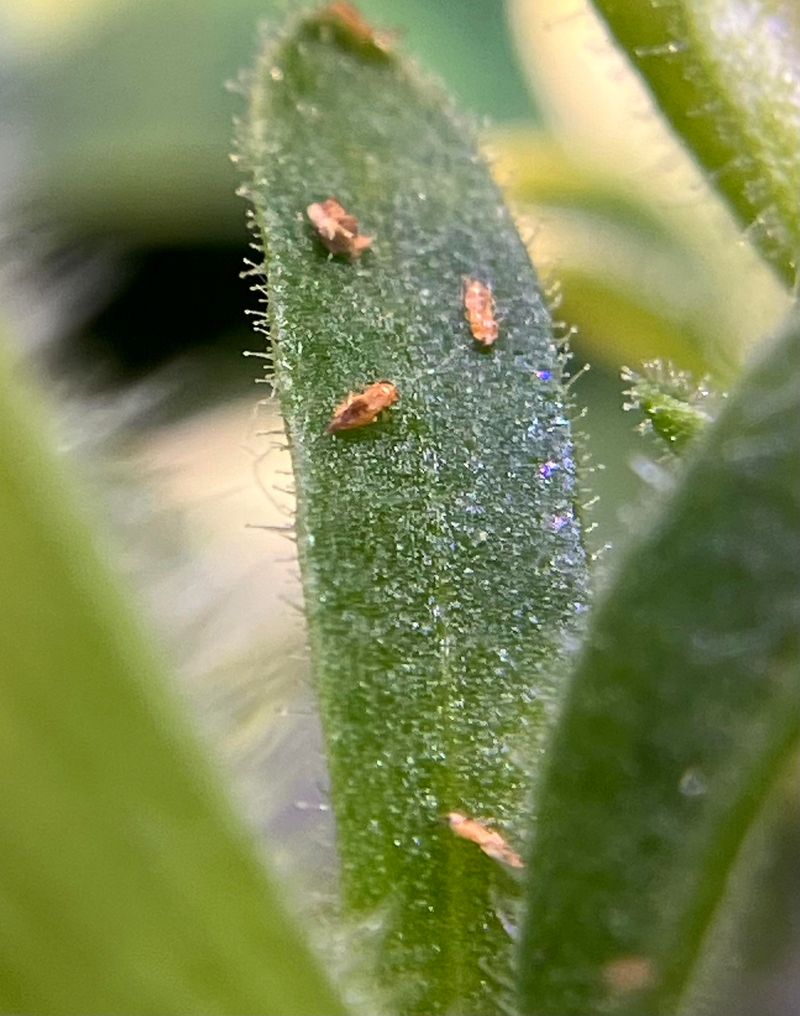
Petunias packed too tightly together create the perfect environment for fungal problems. Washington’s famously damp climate makes this mistake especially costly.
Gray mold, also called botrytis, thrives in cool, humid, stagnant air. It can spread quickly through a crowded bed.
Proper spacing is the first line of defense. Most petunia varieties need at least ten to twelve inches between plants for adequate airflow.
That spacing might look sparse at first. Give them a few weeks and they fill in beautifully without crowding each other out.
Avoid planting petunias in corners or against walls where air barely moves. Open, exposed locations with some gentle breeze keep foliage dry and disease at bay.
Overhead watering adds to the problem. Wet leaves in still air stay damp for hours, giving fungal spores favorable conditions to take hold.
Watering at the base of the plant instead of from above keeps foliage dry. Drip irrigation or a simple watering wand aimed at the soil works perfectly.
If you spot gray fuzzy patches on leaves or stems, act immediately. Remove affected parts and treat with a fungicide approved for ornamental plants.
Thinning out a crowded planting mid-season feels wasteful. But removing a few plants to save the rest is always the right call.
Good airflow is one of those invisible gardening tools. You cannot see it working, but the difference between a diseased bed and a healthy one often comes down to that simple factor.
7. Leggy Plants Mid Season Need A Hard Cut Not More Water
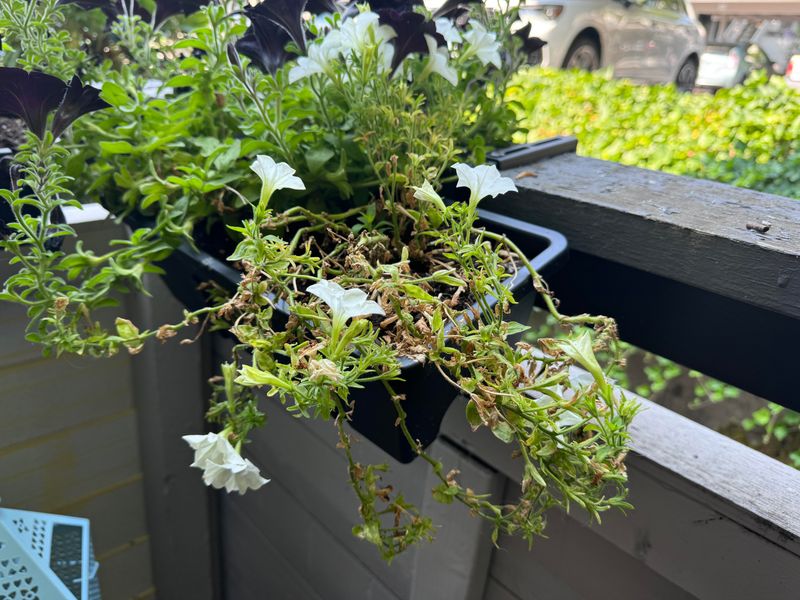
By mid-July, many petunia plants look like they gave up. Long bare stems stretch out with a few blooms clinging sadly to the tips.
The instinct is to water more or add fertilizer, hoping to revive them. Both responses miss the actual problem entirely.
Leggy growth happens when petunias get stretched out chasing light or when they have not been pinched back regularly. The fix is a hard cutback, not more hydration.
Cut the stems back by about half to two-thirds of their length. It looks brutal, but petunias are remarkably resilient plants that respond well to aggressive pruning.
After the cut, give the plant a good deep watering and a dose of balanced fertilizer. That combination jumpstarts new growth from the base of the stems.
Within two weeks, fresh shoots appear. Within a month, the plant often looks better than it did at the start of the season.
Washington gardeners who make this mid-season cut in early to mid-July can enjoy a full second flush of blooms through September and into October.
Skipping the cut means watching leggy plants limp through the rest of summer without ever recovering. That is a long time to look at a sad garden.
Some gardeners worry the plant will not survive such a dramatic trim. Most petunia varieties handle it without any trouble at all.
Trust the process. Growing petunias successfully sometimes means making decisions that feel wrong in the moment but pay off beautifully in the weeks ahead.
8. Watering At The Wrong Time Of Day Does More Harm Than Good
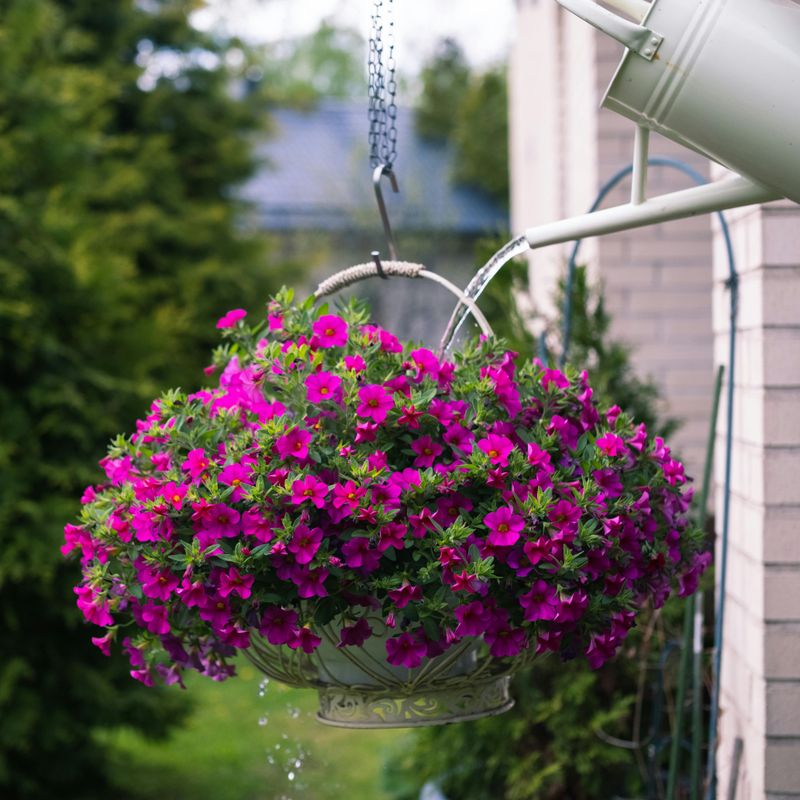
Evening watering feels convenient after a long day. You come home, walk the garden, and give everything a good soak before dinner.
For petunias, that timing creates a problem. Wet foliage sitting through a cool Washington night is an open invitation for fungal disease.
Morning watering is the gold standard for these plants. The soil warms up through the day, roots absorb moisture efficiently, and any water that splashes on leaves evaporates quickly.
Midday watering during a hot stretch is not ideal either. Water is less efficiently absorbed by roots at midday, making the whole effort less effective.
If morning watering is not possible, late afternoon around four or five o’clock is an acceptable compromise. It gives foliage enough time to dry before nightfall.
The temperature of the water also matters more than most people expect. Cold water from a hose that has been sitting in the shade can stress roots on a warm day.
Let the hose run for a moment before directing water at the base of the plant. That short wait brings the water closer to ambient temperature.
Drip irrigation systems solve the timing problem elegantly. Set them to run at six in the morning and the plants stay hydrated without any risk to the foliage.
Container petunias dry out faster than in-ground ones, especially during Washington’s sunnier stretches. Check them every morning and adjust your schedule as the season shifts.
Getting the timing right is one of the simplest adjustments you can make, and it pays off in healthier, longer-blooming petunias all season long.